DocumentsOtherSep 28, 2026Pages 1–99
Climate Action Plan 2026-2031
The City of Langford’s Climate Action Plan sets a five-year roadmap to reduce greenhouse gas emissions, prepare for climate risks, and improve community well-being. It includes six Big Moves, five implementation strategies, 59 actions (30 priority actions), and monitoring and reporting appendices.
Key facts
- Plan period: 2026-2031
- 59 actions, including 30 priority actions
- In 2025, Langford adopted a target to reduce community-wide emissions 61% below 2007 levels by 2038
- Corporate emissions target: reduce emissions 40% by 2035 relative to 2024 levels
- Corporate emissions target: reach net-zero by 2050 relative to 2024 levels
Climate Action Plan 2026-2031
Page 1
Climate Action Plan 2026-2031
Page 2
LANGFORD CLIMATE ACTION PLAN 3 Land Acknowledgement The City of Langford acknowledges and honours the traditional territories of the Coast Salish, specifically Xwsepsum (Esquimalt First Nation), Lekwungen (Songhees), Sc’ianew (Beecher Bay), and the W̱SÁNEĆ Peoples represented by the Tsartlip, Pauquachin, Tsawout, Tseycum, and Malahat Nations. We thank them for sharing this beautiful land. The City of Langford acknowledges and honours the importance of listening, understanding, and engaging meaningfully and intentionally with local First Nations. The City is committed to building strong relationships with the local Nations and is committed to ensuring this work is a priority and approached in a good way. While there is much work to do, and will be an ongoing evolving process, the City is going to start by understanding the priorities of all local First Nations on a one-on-one basis. This document will be updated to honour what we learn and will keep the City accountable to our commitments. This approach to building relationships with local First Nations will be applied to all City projects and initiatives with the commitment of being accountable partners, and strong allies to the Indigenous community.
Page 3
LANGFORD CLIMATE ACTION PLAN PLAN OVERVIEW HOW THE PLAN IS ORGANIZED The CAP is organized using four building blocks: Langford is growing quickly, and that growth is shaping what the community will become for generations. As the City continues to add new homes, businesses, infrastructure, and community amenities, today's decisions can help create neighbourhoods that are healthier, more connected, more affordable, and better prepared for the future. At the same time, Langford must reduce greenhouse gas (GHG) emissions while preparing for the growing impacts of climate change, including extreme heat, wildfire, flooding, and other severe weather events. This Climate Action Plan (CAP) provides a coordinated approach to responding to these opportunities and challenges. The Plan also helps the City prioritize investments, support decision-making, coordinate with partners, and integrate climate considerations into planning, infrastructure, municipal operations, and community initiatives. The Plan was developed by bringing together technical analysis, community engagement, and collaboration with City staff, Council, and partners. It builds on existing City plans and initiatives, Climate Risk and Vulnerability Analysis (CRVA) to better understand how climate hazards may affect people, infrastructure, ecosystems, services, and the local economy, and GHG emissions modelling to identify the most effective pathways for reducing emissions. Community engagement ensured the Plan reflects local experiences, priorities, and opportunities for action. Together, these inputs informed the vision, strategic direction, and actions presented in this Plan. This is a five-year plan. It identifies actions that will be initiated or advanced over the next five years, while recognizing that some actions will take 2, 5, or 10 years to implement. The Plan will be reviewed and updated every five years to reflect progress, changing priorities, new technologies, funding opportunities, and evolving community needs. This Plan provides a shared roadmap for City staff, Council, community partners, businesses, and residents to work together toward a healthier, more resilient, and lower- carbon Langford. Vision Statement defines the long-term future Langford is working toward. Strategies describe the different ways the City can help achieve those outcomes. Big Moves define the long-term outcomes Langford is working toward. Actions are the specific initiatives that support each Strategy and collectively advance one or more Big Moves. 1 2 3 4 PLANNING HORIZON 10 YEARS 5 5 Table of Contents
- Introduction 6
- Langford’s Climate Context 14
- Plan Development Process 18
- Community Engagement 20
- Climate Risk & Vulnerability Assessment 24
- Emissions Analysis 48
- Plan Foundation 60 BM1: Prepare Langford for Climate-Related Emergencies and Community Health Risks. . . . . 64 BM2: Create Low-Carbon, Resilient Buildings and Infrastructure . . . . . . . . . . . . . . . . . . 66 BM3: Enable Clean, Connected, and Low-Carbon Transportation Choices. . . . . . . . . . . . . 68 BM4: Protect and Enhance Natural Systems that Support Climate Resilience. . . . . . . . . . . 70 BM5: Advance a Circular Economy and Reduce Waste. . . . . . . . . . . . . . . . . . . . . . . . 72 BM6: Strengthen Local Food Systems and Food Security. . . . . . . . . . . . . . . . . . . . . . 74
- A Path Forward 76
- Implementation & Monitoring 112 References 114 Glossary 116 Appendix A: Comprehensive Action Table 122 Appendix B: Monitoring and Reporting Indicators 172
Appendix C: Climate Hazard Maps 178
Appendix D: Vulnerability Indicator Maps 188
Page 4
INTRODUCTION INTRODUCTION LANGFORD CLIMATE ACTION PLAN LANGFORD CLIMATE ACTION PLAN 7 6 1 Introduction As Langford continues to rapidly grow, adding new homes, businesses, infrastructure, and amenities, today’s decisions will have lasting impacts for generations to come. With the right plan, we can guide growth to build neighbourhoods that are healthier, more connected, more affordable, and better prepared for the future. Reducing greenhouse gas (GHG) emissions and preparing for the escalating impacts of climate change, like extreme heat, wildfire, flooding, and other severe weather events, is part of the right approach. The City of Langford Climate Action Plan (CAP) provides a guide for these decisions, helping to prioritize investments, coordinate with partners, and integrate climate considerations into municipal actions through a climate lens. The CAP brings together technical analysis and input from the community, partners, and City staff, to better understand how climate hazards could affect local infrastructure, ecosystems, services, the economy, and people’s daily lives. Building on existing City plans and initiatives, it uses a Climate Risk and Vulnerability Assessment (CRVA) alongside GHG emissions modelling to identify the most effective pathways for reducing emissions and strengthening resilience. The CAP uses a five-year cycle approach, identifying actions to be initiated or advanced over that period. Some actions are expected to be completed within the five years, while others will be ongoing. At the end of each cycle, the CAP will be reviewed and renewed to reflect progress, emerging priorities, new technologies, funding opportunities, and evolving community needs. Climate Action is about building a community that can thrive in a changing climate. It requires both reducing GHG emissions to help slow climate change (mitigation) and preparing for the impacts of a changing climate (adaptation). The CAP brings these together through a low-carbon resilience approach that recognizes many local actions can achieve both goals at once. By reducing emissions while strengthening resilience, climate action can also support a healthier, safer, more affordable, and more livable community. These additional positive outcomes are known as co-benefits. By making climate-informed decisions today, Langford can reduce future risks and costs while creating neighbourhoods that are healthy, connected, and prepared for generations to come. Climate-resilient cities are better able to withstand, adapt to, and recover from climate-related hazards, helping to protect people, livelihoods, infrastructure, and economic stability. As the City continues to welcome more people and development, there is an opportunity to create low- carbon and resilient neighbourhoods that are designed for the future. In doing so, the City can also demonstrate leadership among Canada’s fastest-growing communities. Achieving this vision requires thoughtful planning and investment across the built and natural environment. Neighbourhoods can be designed so more people can walk, bike, roll, take transit, and access daily needs closer to home. Buildings can be constructed and upgraded to be more energy efficient, more comfortable during heat and smoke events, and less reliant on carbon-intensive non- renewable sources of energy (fossil fuels). Parks, trees, streams, wetlands, and natural areas can be protected and restored so they continue to cool neighbourhoods, absorb rainwater, support biodiversity, and provide places for people to gather, recharge, and support mental health and well-being. By considering both emissions reduction and climate resilience together, Langford can make investments that improve everyday life while preparing the community for the future. 1.1 What is Climate Action and Why it matters in Langford? Low-carbon resilience approach
An approach that integrates climate mitigation and adaptation to reduce greenhouse gas emissions while strengthening resilience and making the community safer, healthier, more affordable, and better prepared for a changing climate. *Words shown in purple text are defined in the Glossary.
Page 5
INTRODUCTION INTRODUCTION LANGFORD CLIMATE ACTION PLAN LANGFORD CLIMATE ACTION PLAN 9 8 The most effective climate actions deliver multiple benefits at once. For example, planting trees can help absorb carbon, reduce urban heat, improve air quality, provide shade, manage stormwater, and enhance neighbourhood livability. Similarly, investments in walking, cycling, and transit infrastructure can reduce emissions while improving mobility, supporting healthier lifestyles, reducing transportation costs, and easing traffic congestion. These additional positive outcomes are known as co-benefits. Understanding co-benefits helps Langford identify actions that address multiple community priorities through a single investment, building public and political support while maximizing environmental, social, and economic returns for every dollar spent. 1.2 Co-benefits of Climate Action in Langford The most effective climate actions deliver multiple benefits at once: they reduce emissions, help prepare for the impacts of a changing climate, and improve quality of life. Figure 1. Co-benefits of climate action.
Page 6
INTRODUCTION INTRODUCTION LANGFORD CLIMATE ACTION PLAN LANGFORD CLIMATE ACTION PLAN 11 10 Co-benefits of Climate Action in the Plan Economic Lower costs • Lower transportation costs • Lower operating costs • Lower energy costs • Household cost savings Smarter public spending • Lower infrastructure lifecycle costs • Reduced disaster recovery costs • Better capital planning • Improved budget coordination • Stronger interdepartmental collaboration Local economic strength • Increased asset value • Local job creation • Better-informed decisions • Improved business continuity • More reliable utility and transportation services Social People’s health and comfort • Improved physical and mental health • Comfortable indoor and outdoor environments Safer and accessible ways to get around • Improved mobility • Improved accessibility • Improved emergency access • Increased physical activity Stronger community support • More reliable community services • Improved food security • Increased social connectedness • Greater equity and inclusion Environmental Cleaner air, earth, and water • Improved air quality • Improved water quality • Reduced pollution Healthier ecosystems • Conserved natural resources • Enhanced biodiversity Greener, more resilient places • More trees and green spaces • Enhanced infrastructure resilience Langford’s urban forest is estimated to be worth nearly $36 million dollars and generates nearly $5.5 million in annual benefits through carbon sequestration, stormwater management, and air pollutant removal*. When broader co-benefits such as reduced healthcare costs, energy savings and community livability are considered, its value is substantially higher. *Langford Urban Forest Management Plan
Page 7
INTRODUCTION INTRODUCTION LANGFORD CLIMATE ACTION PLAN LANGFORD CLIMATE ACTION PLAN 13 12 Official Community Plan Council Strategic Plan Transportation Plan & Active Transportation Plan Community Wildfire Resiliency Plan Parks and Trails Master Plan Urban Forest Management Plan Construction Impact Management Strategy Climate Action Plan Figure 2. The Plan aligns with existing City of Langford plans. The CAP does not replace existing plans and policies. It connects them so land use, transportation, infrastructure, parks, emergency planning, and corporate operations work toward shared climate outcomes. A successful Climate Action Plan requires climate considerations to be integrated across all aspects of City planning and decision-making. Building on the City’s existing plans and policies, the CAP aligns climate-related priorities across departments and provides a consistent framework for guiding policies, programs, investments, and day-to-day decision-making. 1.3 Building on Existing City Plans
Page 8
LANGFORD’S CLIMATE CONTEXT LANGFORD’S CLIMATE CONTEXT LANGFORD CLIMATE ACTION PLAN LANGFORD CLIMATE ACTION PLAN 15 14 2 Langford’s Climate Context Climate projections indicate that Langford’s climate is shifting towards hotter, drier summers and warmer winters, alongside increasingly variable climate conditions throughout the year. Extreme weather events are expected to become more frequent or more intense, and some hazards are expected to interact with one another in ways that create larger cascading impacts. 2.1 Climate Change in Langford i f By the 2050s, Langford is projected to see: Wildfire Longer and more dangerous wildfire seasons. The fire season is expected to grow from 252 days to 319 days1. Fire weather is also expected to become more severe and more frequent. More very hot days. Days above 29°C are expected to increase from 2 days per year to 10 days per year2. The hottest day of the year is expected to increase from about 29°C to 33°C3. Extreme heat More days affected by wildfire smoke. Wildfire smoke events are expected to increase from 3–4 times per year to 5–6 times per year8. Poor Air Quality More conditions that can trigger landslides. Heavier rain and wetter soils are expected to make landslides and debris flows more likely, especially on steep slopes11. Landslide More overlapping and cascading climate impacts. Heat, drought, wildfire, flooding, and landslides are more likely to happen close together or one after another, making impacts harder to manage. Multi- hazard Drier summers and longer dry periods. The longest dry spell is expected to increase from 28 days to 32 days6, while summer rainfall is expected to decrease by 21%7. Multi- hazard Stronger wind events. Hourly wind gusts are expected to increase by 25%, increasing the chance of downed trees, power outages, and damage4. High winds Less snow and fewer freeze- thaw days. Annual snowfall is expected to decrease by 60%9, and freeze-thaw cycles are expected to decrease by 77%10. Cold events may still happen, but they are expected to become less common. Extreme Cold Heavier rainfall and more pressure on drainage systems. The heaviest short storms are expected to become 21% more intense5. Flooding
Page 9
LANGFORD’S CLIMATE CONTEXT LANGFORD’S CLIMATE CONTEXT LANGFORD CLIMATE ACTION PLAN LANGFORD CLIMATE ACTION PLAN 17 16 People and Health Climate change affects people’s health both directly and indirectly. Hotter summers and more frequent wildfire smoke events make it harder to stay safe and comfortable, particularly for people who are more sensitive to heat or poor air quality. Hotter conditions are a particular concern in areas with more pavement and less shade, including parts of the City Centre, North Langford, Thetis & Millstream, and Langford Lake and Glen Lake. Housing Homes are being exposed to a wider range of climate hazards than in the past. Some buildings are becoming increasingly uncomfortable during summer heat, while others face greater exposure to flooding, wildfire, or unstable slopes. The ability to prepare for and recover from these impacts is not the same for everyone, meaning some households will need additional support as climate risks increase. Infrastructure and economy Climate hazards can disrupt the infrastructure and services people rely on every day. When roads, utilities, or public facilities are affected, the impacts extend beyond the immediate damage by delaying travel, interrupting businesses, and increasing costs for residents and the City. Key routes such as Highway 1, Sooke Road, Langford Parkway, and Millstream Creek crossings may be vulnerable to flooding, wildfire, landslides, smoke, or access disruptions. As Langford continues to grow and the climate continues to change, maintaining reliable infrastructure will become increasingly important. Environment Langford’s forests, parks, streams, wetlands, and sensitive ecosystems are exposed to multiple climate hazards. Heat and drought can stress trees, vegetation, streams, and aquatic ecosystems. Climate change events can damage habitat, increase erosion and sedimentation, reduce water quality, and affect natural areas such as Goldstream Provincial Park, Mill Hill, Mount Wells, Millstream Creek, South Langford, and steep drainage corridors. Cascading risks Climate hazards rarely happen in isolation. A dry summer can increase wildfire risk, and a wildfire can leave hillsides more vulnerable to erosion when heavy rain arrives. These cascading impacts can create longer-lasting disruptions than any single event, affecting transportation, infrastructure, emergency response, and recovery, especially in areas with overlapping hazards such as Bear Mountain, South Langford, Mill Hill, and Thetis Heights. 2.2 How climate change is impacting Langford Taking climate action today will help reduce future climate impacts, protect people and places, and avoid costly damage and recovery efforts. For every $1 spent on adaptation measures today, $13-$15 will be returned in years ahead in direct and indirect benefits.
- Canadian Climate Institute12 Langford is already seeing both short-term and long-term climate change impacts. As climate continues to change, these impacts are likely to become more frequent and intense.
Page 10
PLAN DEVELOPMENT PROCESS PLAN DEVELOPMENT PROCESS LANGFORD CLIMATE ACTION PLAN LANGFORD CLIMATE ACTION PLAN 19 18 3 Plan Development Process The CAP development process was designed to build a clear understanding of Langford’s climate risks, sources of greenhouse gas (GHG) emissions, and the community’s lived experiences. This process helped ground the Plan in local realities and shape actions that are practical, relevant, and achievable. Work on the CAP began with a review of existing plans, policies, and initiatives to better understand Langford’s current climate action landscape and identify opportunities to build on existing efforts. Building on this foundation, the Plan was shaped through three interconnected streams of work: community engagement, technical analysis, and action planning. Together, these streams combined lived experience and local knowledge with technical evidence and implementation considerations to identify and prioritize actions that reduce emissions, strengthen resilience, and support broader community goals. Throughout the planning process, the ICAWG helped coordinate input across departments, identify opportunities for collaboration, and ensure the actions reflect City priorities and operational realities. Engagement focused on understanding local experiences, needs, and priorities of the community by working with residents, youth, businesses, community organizations, service providers, other partners. (See section 4 for additional details.) Technical analysis provided the evidence base for the CAP. It included a Climate Risk and Vulnerability Assessment (CRVA) and GHG emissions modelling for both community and corporate emissions. Together, this work helped identify where climate risks are greatest and where the most effective opportunities exist to reduce emissions. (See sections 5 and 6 for additional details.) Action planning involved developing, refining, and evaluating potential actions informed by community engagement, the Climate Risk and Vulnerability Assessment (CRVA), GHG emissions modelling, existing City plans and initiatives, ICAWG and Council workshops, and leading practices from other municipalities. Recognizing that not all actions can be implemented at once, a prioritization matrix was developed to help identify the actions with the greatest overall impact. Drawing on community priorities, the CRVA, and emissions modelling, the matrix assessed each action’s potential to reduce emissions, strengthen resilience, deliver community benefits, and be implemented with available resources. As a result, the Plan focuses on practical priorities rather than an exhaustive list of possible actions. Engagement & Input Community, staff and interest holders Project Kickoff November 2025 Background Review & Gap Analysis Existing plans, policies, data and gaps Vision, Big Moves, and Strategies Shared direction for local climate action Action Planning Practical mitigation and resilience actions Climate Risk & Vulnerability Assessment Hazards, exposure, vulnerability and resilience Emissions Analysis Community and corporate emissions analysis Prioritization Impact, feasibility, equity and co-benefits Implementation Planning Roles, timing, funding and reporting Final Climate Action Plan September 2026 Interdepartmental Climate Action Working Group Workshops
Page 11
COMMUNITY ENGAGEMENT COMMUNITY ENGAGEMENT LANGFORD CLIMATE ACTION PLAN LANGFORD CLIMATE ACTION PLAN 21 20 4.1 Engagement Community engagement helped ensure the Climate Action Plan reflects Langford’s local context, priorities, and lived experiences. The engagement combined broad public input with targeted conversations to better understand how climate change is affecting the community, and identify barriers and opportunities for climate action to make Langford healthier, safer, more affordable, and more resilient. Residents and businesses shared their experiences, challenges, and priorities through a public survey, while workshops, focus groups, and interviews provided more in-depth perspectives from organizations that support people disproportionately affected by climate change or play key roles in advancing climate action. Dedicated youth engagement ensured younger residents helped inform the Plan and its long-term vision. Additional details on the engagement process are provided in a separate What We Heard Report. Engagement-at-a-glance Figure 4. Summary of community and interest holder engagement participants. 4 Community Engagement 233 survey respondents 19 mutisector partner organizations engaged in workshops, focus groups, and interviews. February 4 (in-person) Climate Risks, Impacts and Resilience Priorities WORKSHOP April 28 Private Sector and Infrastructure Systems Actors FOCUS GROUP February - May Partner organizations and health authorities INTERVIEWS April 30 Community and Environmental Organizations FOCUS GROUP May 4 (in-person) Belmont Secondary School Students YOUTH WORKSHOP March - April People who live, work or own businesses in Langford PUBLIC SURVEY Who did we engage? ? Including organizations that support community health and well-being, children and families, urban Indigenous populations, newcomers, and emergency management. Organizations working with populations disproportionately impacted by climate change Youth Including high school students Private sector Including local businesses, developers, employers and industry associations Public services, utilities and academic organizations Including health authority, school district, utility companies, transportation providers and post- secondary institutions Including environmental non- profits, conservation groups, climate action groups Community and environmental organizations
Page 12
COMMUNITY ENGAGEMENT COMMUNITY ENGAGEMENT LANGFORD CLIMATE ACTION PLAN LANGFORD CLIMATE ACTION PLAN 23 22 Across all engagement methods, several consistent themes emerged that reflect shared community priorities and aspirations for the Climate Action Plan. Together, these themes helped shape the Plan’s vision, goals, and actions while being considered alongside technical analysis, existing City initiatives, and implementation considerations. A full summary of community engagement activities and findings is provided in a separate What We Heard Report. What We Heard Climate action should improve quality of life and solve multiple challenges at once. Climate action should improve health, affordability, safety, mobility, healthy environments, and community connection. Participants supported ideas that address multiple community priorities at the same time, rather than treating climate action as a separate issue. 1 Climate action should be equitable and accessible. Climate impacts and opportunities are not experienced equally across the community. Older adults, people with disabilities, low-income households, newcomers, renters, and others may face greater exposure to climate risks while also encountering greater barriers to participating in climate solutions. Participants emphasized the importance of reducing these barriers so everyone can benefit from a healthier, more resilient, and sustainable community. 3 Community partnerships and local leadership are critical. Strong relationships, local and regional networks, and partnerships across sectors and organizations are essential to advancing climate action. Participants emphasized that creating a healthier, more resilient, and sustainable community is a shared responsibility requiring collaboration across the region. 5 Climate change is already affecting people and communities. People in Langford are already experiencing the impacts of extreme heat, wildfire smoke, heavy rainfall, flooding, and storms. These events are affecting health, homes, infrastructure, local businesses, ecosystems, and community services. 2 Growth was identified as both a pressure and an opportunity. As one of British Columbia’s fastest-growing communities, Langford has a unique opportunity to shape healthier, more sustainable, and climate-ready neighbourhoods. At the same time, continued growth will increase demand for housing, transportation, infrastructure, and community services while climate risks such as extreme heat, wildfire smoke, and flooding continue to intensify. Participants emphasized the importance of ensuring both existing and new neighbourhoods support a high quality of life while becoming more resilient to future climate impacts. 4 Climate action should be practical and build on existing strengths and commitments. Participants supported practical climate action that reflects clear, feasible priorities that are affordable and build on existing strengths to deliver meaningful results over time. 6
Page 13
CLIMATE RISK AND VULNERABILITY ASSESSMENT CLIMATE RISK AND VULNERABILITY ASSESSMENT LANGFORD CLIMATE ACTION PLAN LANGFORD CLIMATE ACTION PLAN 25 24 5 Climate Risk & Vulnerability Assessment As an early step in developing the Climate Action Plan, the City completed a Climate Risk and Vulnerability Assessment (CRVA) to better understand how climate change could affect people, infrastructure, ecosystems, and services across Langford. A CRVA is a widely used, evidence-based assessment that helps communities identify climate risks and prioritize actions to reduce them. The assessment combined climate projections, technical analysis, and climate hazard and vulnerability mapping to examine who and what may be exposed to nine climate hazards, how severe the consequences could be, and where resilience actions should be prioritized. The findings provide a foundation for identifying the policies, investments, and actions that can most effectively reduce climate risks and strengthen community resilience. The CRVA also helps the City prepare for the requirements of British Columbia’s Emergency and Disaster Management Act (EDMA), which will require local governments to assess both climate and non-climate hazards and risks starting 2027. The assessment evaluated potential climate impacts across: Four vulnerability categories: social, physical, economic, and environmental Two future time horizons: 2050s (2041-2070) and 2080s (2071-2100) Nine climate hazards: wildfire, extreme heat, flooding (rainwater, riverine, and coastal), landslide, poor air quality, high wind events, drought, extreme cold, and multi-hazard
The potential impacts for each climate hazard were assessed based on: Likelihood – the chance that a climate hazard will occur or become more severe over a specified timeframe. Consequence – the severity of impacts of the climate hazard on people, infrastructure, services, the economy, and the natural environment. Likelihood and consequence were combined to determine the overall risk of each climate hazard, allowing the City to identify where the impacts of climate hazards are expected to be greatest and where resilience actions should be prioritized. 5.1 Visualizing Climate Vulnerabilities in
Langford A key outcome of the CRVA was the development of a series of climate hazard and vulnerability maps that help identify where climate risks are most significant across Langford. Hazard mapping was completed for seven of the nine climate hazards assessed, while vulnerability mapping examined factors such as population density, low-income households, seniors, buildings, transportation corridors, critical infrastructure, and sensitive ecosystems. Together, these maps help illustrate where people, infrastructure, services, and natural areas may be most exposed to climate-related risks. This information supports land use planning, infrastructure investment, emergency management, and climate action decision- making by helping identify where resilience efforts may have the greatest impact. The full set of climate hazard and vulnerability maps is provided in Appendices C and D. Figure 5. Example of vulnerability maps found in Appendix D.
Page 14
CLIMATE RISK AND VULNERABILITY ASSESSMENT CLIMATE RISK AND VULNERABILITY ASSESSMENT LANGFORD CLIMATE ACTION PLAN LANGFORD CLIMATE ACTION PLAN 27 26 5.2 CRVA Findings The CRVA assessed each climate hazard based on its likelihood and potential consequences to identify Langford’s highest-priority climate risks. While Langford is expected to face a range of climate hazards, they do not all pose the same level of risk. Wildfire emerged as the City’s highest overall climate risk, followed by flooding, multi-hazard events, extreme heat, poor air quality, and landslides. The highest priority risks are those that are most
likely to impact people, homes, businesses, infrastructure, natural areas, essential services and local economy at the same time. The findings help the City focus resources where they can have the greatest impact and prioritize actions that reduce risk and strengthen community resilience. Figure 6 summarizes the CRVA risk assessment results for Langford in the 2050s. CONSEQUENCES 1 2 3 4 5 5 4 3 2 1 LIKELIHOOD CLASSIFICATION Low Risk Medium Risk High Risk Extreme Risk Poor air quality Drought Wildfire Flooding High winds Multi- hazard Extreme heat Landslide Extreme Cold Figure 6. Summary of the CRVA likelihood, consequence, and risk results for 2050s Climate Data & Mapping of Hazards How may hazards affect areas in Langford and how are they expected to change? Consequence Score How severe would the impacts be on people, infrastructure, services, local economy, and the natural environment? Risk Score Low High Extreme Moderate Social Economic Physical Environmental Community Engagement Local knowledge and experiences Mapping of Vulnerability Indicators Which areas in Langford may be more vulnerable to climate hazards? Likelihood Score What is the chance that a climate hazard will occur or become more severe over a specified timeframe?
Page 15
CLIMATE RISK AND VULNERABILITY ASSESSMENT CLIMATE RISK AND VULNERABILITY ASSESSMENT LANGFORD CLIMATE ACTION PLAN LANGFORD CLIMATE ACTION PLAN 29 28 As part of the community engagement, public survey responses indicated that climate change is already affecting daily life in Langford. Respondents identified being affected by extreme heat, windstorms, wildfire smoke, heavy rainfall, flooding, and drought. People describe experiences such as overheated homes and businesses, poor air quality, anxiety during wildfire season, flooding near creeks and drainage areas, loss of trees and shade, and concerns about emergency access and evacuation. A summary of these responses is illustrated in Figure 7. Figure 7. Public survey responses on climate-related events experienced in Langford. What We Heard from the community about Climate Hazards Have the following climate-related events affected you in Langford? ?
Page 16
CLIMATE RISK AND VULNERABILITY ASSESSMENT CLIMATE RISK AND VULNERABILITY ASSESSMENT LANGFORD CLIMATE ACTION PLAN LANGFORD CLIMATE ACTION PLAN 31 30 Wildfire is Langford’s highest-rated climate risk and is expected to become more frequent and severe as summers become hotter and drier. At the same time, wildfire smoke events affecting Langford are expected to become more frequent, even when fires occur far from the community, affecting the City’s air quality and community health and well-being. Wildfire affects much more than forests. It can threaten lives, homes, businesses, infrastructure, transportation corridors, drinking water, parks, and sensitive ecosystems. Smoke from wildfires can travel hundreds of kilometres, reducing air quality for days or weeks at a time. During engagement, community members identified wildfire smoke as one of the most commonly experienced climate hazards and one of their greatest concerns for the future. Figure 8. Wildfire climate hazard map. • Most vulnerable areas: Bear Mountain, Mount Wells, Mill Hill, Goldstream Meadows, South Langford, Westhills, Ravensview • Most affected: Older adults, children, pregnant people, outdoor workers, people with respiratory conditions, and neighbourhoods near forests Wildfire & Poor Air Quality Poor Air Quality Risk Level: HIGH Wildfire Risk Level: EXTREME Summer fire season causes us to worry and increases our anxieties.
Climate Action Plan Survey Respondent “ ” Representing the wildfire interface hazard from the City of Langford Official Community Plan Wildfire Hazard Map
Page 17
CLIMATE RISK AND VULNERABILITY ASSESSMENT CLIMATE RISK AND VULNERABILITY ASSESSMENT LANGFORD CLIMATE ACTION PLAN LANGFORD CLIMATE ACTION PLAN 33 32 Wildfire & Poor Air Quality Poor Air Quality Risk Level: HIGH Wildfire Risk Level: EXTREME Why Langford is vulnerable Neighbourhoods near forests Many neighbourhoods are located where homes meet forests and natural areas around Bear Mountain, Mount Wells, Mill Hill, Goldstream Meadows, South Langford, Westhills and Ravensview. As development continues, more people, homes, and infrastructure will be exposed to wildfire risk. Limited evacuation options Some neighbourhoods rely on a small number of access routes. Areas around Millstream Creek, Bear Mountain, and other hillside communities could experience congestion or reduced emergency access/egress during a wildfire evacuation. Community members also identified evacuation planning as a priority during engagement. Critical infrastructure Wildfire can damage or disrupt roads, water infrastructure, electrical systems, and communications networks. Highway 1, Sooke Road, and key utility infrastructure may be affected by wildfire, smoke, or precautionary power shutoffs, disrupting essential services and emergency response. Health and Air Quality Smoke is often the most widespread impact of wildfire. Fine particles in wildfire smoke can affect everyone’s health, but older adults, young children, pregnant people, outdoor workers, and people with asthma, heart disease, or other respiratory condi tions are especially vulnerable. Smoke also makes it more difficult to stay cool during heat events, as many homes rely on open ing windows for ventilation. Buildings with out effective air filtration may not provide safe indoor air during prolonged smoke events. Natural environments Some of Langford’s most ecologically valuable forests, wetlands, and older woodlands are located within high wildfire hazard areas. Severe wildfire can damage habitats, reduce biodiversity, increase erosion, and affect watershed health and water quality long after the fire has been extinguished. Langford Fire Station Example of wildfire smoke in the air What this means for Langford Wildfire is one of the few climate hazards that can affect nearly every part of the community at once. In Langford, it can threaten homes, critical infrastructure, transportation routes, emergency access, and the forests and watersheds that support community resilience. Wildfire smoke can also affect public health and disrupt daily activities across the community. Wildfire can increase erosion and make slopes more vulnerable to flooding and landslides during future storms, creating cascading impacts that extend well beyond the initial event. As climate change increases the likelihood of these interconnected risks, reducing wildfire risk will require FireSmart neighbourhoods, healthy forest management, protected infrastructure, improved emergency management, and clean indoor air options during smoke events.
Page 18
CLIMATE RISK AND VULNERABILITY ASSESSMENT CLIMATE RISK AND VULNERABILITY ASSESSMENT LANGFORD CLIMATE ACTION PLAN LANGFORD CLIMATE ACTION PLAN 35 34 Extreme heat is one of the fastest-growing climate risks facing Langford and is already affecting people’s health, comfort, and daily lives. As hotter summers become more common, periods of prolonged heat will place increasing pressure on people, buildings, infrastructure, ecosystems, and community services. Unlike many climate hazards, extreme heat affects nearly everyone. However, some neighbourhoods and residents experience much greater risk than others. Areas with more pavement, fewer trees, limited shade, and dense development can become significantly hotter than surrounding areas, while homes without adequate cooling may become unsafe during prolonged heat events. During engagement, extreme heat was highlighted as the climate hazard most frequently experienced by community members. Many described overheating homes, limited shade, and concerns about the loss of mature trees as growing challenges across the community. Figure 9. Extreme heat climate hazard map. • Most vulnerable areas: Langford City Centre, North Langford, neighbourhoods with limited tree canopy • Most affected: Older adults, children, people with chronic health conditions, outdoor workers, renters, and households without access to cooling Extreme Heat Risk Level: HIGH I used to live in the city centre and many older homes are not properly insulated against heat. We could not spend time inside our home during the 2021 heat dome.
Climate Action Plan Survey Respondent “ ” Representing the 10-day average daytime Land Surface Temperatures during the June 2021 Pacific Northwest Heat Dome event. This provide a relative indication of which regions experience the greatest heat stress during a heat wave event, with “Hottest” = 35°C, and “Less Hot” = 20°C. Extreme Heat Hazard Map
Page 19
CLIMATE RISK AND VULNERABILITY ASSESSMENT CLIMATE RISK AND VULNERABILITY ASSESSMENT LANGFORD CLIMATE ACTION PLAN LANGFORD CLIMATE ACTION PLAN 37 36 Extreme Heat Risk Level: HIGH Why Langford is vulnerable What this means for Langford Extreme heat is becoming a more common part of summer in Langford. Longer and hotter heat events can increase illness, reduce comfort, raise household energy costs, affect outdoor work and recreation, and place additional pressure on healthcare, emergency services, and community infrastructure. Heat also makes other climate hazards worse by drying vegetation, increasing water demand, and contributing to drought and wildfire risk. As Langford grows, expanding tree canopy, designing cooler neighbourhoods, improving building performance, and ensuring everyone has access to safe cooling will help create a healthier, safer, and more resilient community. Hotter neighbourhoods Neighbourhoods with extensive pavement, rooftops, and limited tree canopy, particularly Langford City Centre, North Langford, and other rapidly developing areas, can become significantly hotter during summer. As development continues, protecting and expanding tree canopy and green space will be increasingly important for keeping neighbourhoods comfortable. Population demographics Extreme heat poses the greatest health risks to older adults, young children, people with chronic illnesses or disabilities, outdoor workers, low-income households, renters, newcomers, and people without reliable access to cooling. Individuals living alone or with limited social support may also be more vulnerable during prolonged heat events. Homes and buildings Many homes were not designed for prolonged periods of extreme heat. Apartments, strata, and older homes without air conditioning or effective ventilation can become dangerously hot, particularly when overnight temperatures remain elevated. During engagement, residents also highlighted the challenges renters and strata residents face when trying to install cooling equipment or improve their homes. Infrastructure and essential services Extreme heat increases demand for electricity and water while placing additional pressure on healthcare services, emergency response, public transit, parks, electrical infrastructure, and municipal operations. Higher temperatures can also affect roads, other buildings, utilities, and outdoor workplaces, increasing maintenance costs and operational challenges. Natural environments Hotter temperatures place increasing stress on urban forests, streams, wetlands, and other natural areas. Heat can reduce tree health, increase irrigation demand, warm creeks and lakes, and affect aquatic ecosystems and biodiversity. Healthy natural areas also play an important role in reducing urban temperatures by providing shade and natural cooling throughout the community. Example of being exposed to summer heat.
Page 20
CLIMATE RISK AND VULNERABILITY ASSESSMENT CLIMATE RISK AND VULNERABILITY ASSESSMENT LANGFORD CLIMATE ACTION PLAN LANGFORD CLIMATE ACTION PLAN 39 38 Figure 10. Flooding climate hazard map. Flooding is already one of Langford’s most common climate hazards and is expected to become more frequent and severe as climate change brings heavier rainfall and rising sea levels. These changes will increase pressure on stormwater systems, streams, drainage corridors, and low- lying areas throughout the community. Flooding in Langford is often caused by intense rainfall that overwhelms drainage systems and rapidly increases water levels in creeks and streams. During engagement, community members described localized flooding, drainage challenges, washed-out roads, and concerns about emergency access following heavy rainfall. As the community continues to grow, managing stormwater while protecting homes, businesses, infrastructure, and natural waterways will become increasingly important. • Most vulnerable areas: Millstream Creek, Florence Lake, South Langford, Goldstream Meadows, drainage corridors, and low-lying areas • Most affected: Residents in flood-prone areas, road users, businesses, utilities, and infrastructure near streams and drainage corridors Flooding Risk Level: HIGH Millstream Creek is experiencing increased runoff... the culverts do not accommodate the added water volume, which creates flooding for people who live near the creek.
Climate Action Plan Survey Respondent “ ” Representing the 200-year floodplain and the areas of drainage concern from the City of Langford Official Community Plan. Flooding Hazard Map
Page 21
CLIMATE RISK AND VULNERABILITY ASSESSMENT CLIMATE RISK AND VULNERABILITY ASSESSMENT LANGFORD CLIMATE ACTION PLAN LANGFORD CLIMATE ACTION PLAN 41 40 Flooding Risk Level: HIGH What this means for Langford Flooding is expected to become more challenging in Langford as heavier rainfall increases pressure on stormwater infrastructure and drainage systems. Severe storms can damage homes, disrupt transportation routes and emergency access, affect essential services, and increase recovery costs. Flooding can also trigger other climate hazards by destabilizing steep slopes, increasing erosion, contributing to landslides, and degrading streams, wetlands, and other natural systems that help manage water across the community. Reducing flood risk in Langford will require upgraded stormwater systems, protected drainage corridors, restored wetlands and riparian areas, and growth planning that avoids creating new vulnerabilities. Why Langford is vulnerable Stormwater drainage Intense rainfall can overwhelm storm drains, culverts, and creeks, causing localized flooding in streets, neighbourhoods, underground parkades, and low-lying areas. Drainage concerns have been identified in areas such as South Langford, Florence Lake, Millstream Creek, and Goldstream Meadows. Homes Residents living in flood-prone or drainage concern areas may face property damage, displacement, and interruptions to essential services. Mobile home communities, lower- income households, and people with limited ability to prepare for or recover from flooding may experience greater impacts. Businesses and critical infrastructure Flooding can damage businesses, bridges, utilities, roads, and other essential infrastructure. Transportation corridors, including Highway 1, bridge crossings, and major utility networks, may become impassable or require costly repairs following severe storms. Transportation and emergency access Flooded roads and damaged infrastructure can delay emergency response, disrupt daily travel, and reduce access to neighbourhoods, schools, and businesses. Limited access routes in some parts of Langford increase the potential for disruption during major storm events. Streams, wetlands, and water quality Heavy rainfall can erode stream banks, damage riparian areas, carry sediment and pollutants into waterways, and affect fish habitat and other sensitive ecosystems. Healthy streams, wetlands, and natural drainage areas play a very important role in slowing runoff, reducing flood risk, and improving water quality. Example of flooding.
Page 22
CLIMATE RISK AND VULNERABILITY ASSESSMENT CLIMATE RISK AND VULNERABILITY ASSESSMENT LANGFORD CLIMATE ACTION PLAN LANGFORD CLIMATE ACTION PLAN 43 42 Figure 11. Landslide climate hazard map. Landslides and slope instability are expected to become more common as climate change brings heavier rainfall and more intense storms. When soils become saturated, steep slopes can become unstable, increasing the risk of landslides, erosion, and debris flows. While these events are typically localized, they can have serious consequences for nearby homes, infrastructure, transportation routes, and natural areas. Langford’s hilly landscape means many neighbourhoods, roads, and utilities are located on or below steep slopes. Heavy rainfall can trigger slope failures with little warning, particularly where drainage systems are overwhelmed or vegetation has been disturbed. Wildfire can further increase landslide risk by removing vegetation that helps stabilize soils, making slopes more vulnerable during future storms. • Most vulnerable areas: Bear Mountain, Mill Hill, Florence Lake, Westhills, Ravensview, steep slopes, and drainage corridors • Most affected: Homes, roads, bridges, utilities, and emergency access Landslides Risk Level: HIGH There is one way out of this neighbourhood. We need another evacuation route, and we need a plan for it.
Climate Action Plan Survey Respondent “ ” Representing the areas susceptible to landslides from the 1997 Stormwater Management Plan, highlighting a 50m buffer around areas with slopes above 30%. Landslide Hazard Map
Page 23
CLIMATE RISK AND VULNERABILITY ASSESSMENT CLIMATE RISK AND VULNERABILITY ASSESSMENT LANGFORD CLIMATE ACTION PLAN LANGFORD CLIMATE ACTION PLAN 45 44 Landslides Risk Level: HIGH Why Langford is vulnerable Steep terrain Much of Langford is built on or around steep hillsides and drainage corridors. Areas around Bear Mountain, Mill Hill, Florence Lake, and other hillside neighbourhoods are more susceptible to slope instability following wildfire events and/or during prolonged or intense rainfall. Homes Residents living on or below steep slopes may face property damage, displacement, and loss of access during major events. Some lower-income households, mobile home communities, and areas with limited road access may have greater difficulty preparing for or recovering from landslides. Roads and infrastructure Landslides can damage retaining walls, roads, bridges, water infrastructure, and underground utilities. Slope failures may also isolate neighbourhoods or interrupt essential services until repairs are completed. Transportation and emergency access Major transportation routes, including Highway 1, Sooke Road, and the West Shore Parkway, cross areas vulnerable to slope instability. Landslides or debris flows can block roads, delay emergency response, and reduce access to neighbourhoods, parks, and businesses. Natural environments Landslides can damage forests, riparian areas, streams, and wildlife habitat while increasing erosion and sediment entering waterways. These impacts can reduce water quality, affect aquatic ecosystems, and increase the risk of further slope instability if vegetation is lost. What this means for Langford Although landslides usually affect smaller areas than hazards such as wildfire or flooding, their impacts can be severe where they occur. Climate change is expected to increase the frequency of the heavy rainfall events that trigger slope failures, particularly in areas with steep terrain. Landslides also illustrate how climate hazards are interconnected. Heavy rainfall can destabilize slopes, while wildfire can remove vegetation that helps hold soils in place, increasing the likelihood of erosion and debris flows during future storms. Protecting natural vegetation, managing drainage, planning development carefully, and strengthening critical infrastructure will help reduce landslide risk as Langford continues to grow. Landslide on the Malahat (2021). Photo credits: Emcon Services Example of landslide on highway.
Page 24
CLIMATE RISK AND VULNERABILITY ASSESSMENT CLIMATE RISK AND VULNERABILITY ASSESSMENT LANGFORD CLIMATE ACTION PLAN LANGFORD CLIMATE ACTION PLAN 47 46 Drought & Water Scarcity Risk Level: MEDIUM • Main impacts: Water supply, vegetation, streams, ecosystems, and increased wildfire risk Hotter, drier summers are expected to increase the frequency and duration of drought in Langford. Longer dry periods can reduce water availability, increase pressure on drinking water supplies, stress trees and vegetation, reduce stream flows, and increase wildfire risk. Drought can also affect parks, gardens, agriculture, and local ecosystems, particularly during extended summer dry periods. Water conservation, protecting healthy watersheds, improving water efficiency, and expanding drought-tolerant landscaping will help reduce pressure on water resources while supporting healthier natural environments and more resilient communities. Langford on a hot summer day Langford in the snow Forested area in Langford High Wind Events Risk Level: MEDIUM • Main impacts: Fallen trees, power outages, road closures, infrastructure damage Windstorms already affect Langford and are expected to continue disrupting daily life through fallen trees, power outages, transportation disruptions, and damage to buildings and infrastructure. Strong winds can become more hazardous when combined with saturated soils, increasing the likelihood of tree failures and utility outages. During engagement, windstorms were one of the most commonly experienced climate hazards. Maintaining healthy urban forests, improving infrastructure resilience, and preparing for power outages will help reduce impacts on residents, businesses, and essential services. Extreme Cold Risk Level: LOW • Main impacts: Travel disruptions, infrastructure, people at greater risk of extreme cold impacts Although winters are projected to become milder overall, periods of extreme cold will still occur and can affect residents, transportation, utilities, and essential services. Snow, ice, and freezing temperatures can create hazardous travel conditions, damage infrastructure, and increase health risks for people without adequate shelter or heating. Preparing for winter emergencies remains an important part of building community resilience, particularly for people experiencing homelessness, older adults, and others who may be more disproportionately affected during cold weather. Multiple Hazards Risk Level: HIGH • Most affected: Infrastructure, emergency response, transportation, community services Climate hazards do not always happen one at a time. As the climate changes, Langford is more likely to experience multiple hazards occurring together or in close succession, creating impacts that are greater than any single event alone. For example, prolonged heat and drought can increase wildfire risk, while wildfire can weaken soils and vegetation, making slopes more vulnerable to erosion and landslides during subsequent heavy rainfall. Flooding, road closures, infrastructure damage, and service disruptions can then occur together, placing significant pressure on emergency response and recovery efforts. Because these hazards are interconnected, preparing for climate change requires solutions that reduce risk across multiple hazards at once, such as protecting natural areas, strengthening infrastructure, improving emergency preparedness, and planning future growth with resilience in mind.
Page 25
EMISSIONS ANALYSIS EMISSIONS ANALYSIS LANGFORD CLIMATE ACTION PLAN LANGFORD CLIMATE ACTION PLAN 49 48 Understanding where greenhouse gas (GHG) emissions come from, the activities that drive them, and how much each emission source contributes is essential to making informed decisions and prioritizing effective action. Simply put, you can’t manage what you don’t measure. As part of the preliminary work to inform the Climate Action Plan (CAP), the City completed an analysis of GHG emissions to identify community-wide emission trends and focus efforts where emission reduction can have the greatest impact. The Emissions Analysis included developing Langford’s community emissions profile, assessing emissions from municipal operations, modelling future emissions, and analysis of Langford’s progress towards emission reduction targets across different levels of government. The community emissions analysis considered emissions produced within Langford between 2007 and 2024. It also assessed Langford’s progress toward regional, provincial, and national emission reduction targets by examining both total (absolute) community- wide emissions and per-capita emissions. In a rapidly growing community like Langford, total emissions alone do not fully reflect progress, as increases can be driven by population growth rather than higher emissions for each activity. For this reason, both total and per capita emissions were analyzed. While total emissions show the community’s overall GHG emissions, per capita emissions measure the average emissions produced per person. Together, they help measure how efficiently the community is growing by accounting for changes in population. Between 2007 and 2024, Langford’s total emissions increased by 54%, reflecting significant population and development growth (Figure 12). Over the same period, however, per capita emissions declined by 35%. This reduction demonstrates that emissions have not increased at the same rate as population growth and reflects the combined influence of provincial, federal, and local climate actions. In other words, Langford is not starting climate action from scratch. Meaningful progress has already been made, providing a strong foundation for continued climate action. While these trends help explain how emissions have changed over time, the GHG emissions analysis also highlights the sectors that present the greatest opportunities for action. In 2024, transportation, buildings and waste accounted for 83% of Langford’s total community emissions (Figure 13), highlighting that reducing emissions from these sectors would be most impactful to achieve Langford’s long-term climate goals. 6.1 Langford’s Community Emissions Profile Figure 13. 2024 Community GHG Emissions by Sector.
Note: “Other” combines several emissions sectors that were not a primary focus of this Plan, including industrial processes and product use (IPPU), agriculture, forestry, and fishing activities. 6 Emissions Analysis Community GHG Emissions (ktCO2e) GHG Emissions per Capita (tCOe2/person) Figure 12. Total Community Emissions and Per Capita Emissions in Langford from 2007 to 2024 Total Community Emissions Per Capita Emissions
Page 26
EMISSIONS ANALYSIS EMISSIONS ANALYSIS LANGFORD CLIMATE ACTION PLAN LANGFORD CLIMATE ACTION PLAN 51 50 Langford’s community is already taking action through efforts such as saving energy at home and workplaces, choosing to walk or cycle, reducing waste, and making more sustainable purchasing decisions. More than half of the public survey respondents said they would like to do more to reduce emissions in daily lives, while many others expressed interest in taking additional action. Community members also identified a number of barriers to taking climate action. For transportation, concerns included limited transit options, long distances between everyday destinations, unsafe or disconnected walking and cycling routes, the high cost of electric vehicles and e-bikes, and limited vehicle charging infrastructure. For buildings, community members highlighted the cost of upgrades, limited access to rebates, rental and strata constraints, and uncertainty about which actions would make the biggest difference. For waste, community members identified improved access and wider availability of composting, recycling, repair, reuse, and diversion programs as priorities, particularly in multi-unit residential buildings and public spaces. These messages point to an important role for the City: making climate-friendly choices easier, more affordable, and more accessible, while continuing to build systems that support residents, businesses, and neighbourhoods over time. Many streets in Langford do not have sidewalks and bike lanes don’t feel safe.
Climate Action Plan Survey Respondent “ ” What We Heard from the community about Emissions Figure 14. Ways to reduce transportation emissions according to survey respondents. Figure 15. Survey response about what would help reduce home energy use. The strongest support for addressing building energy use is better access to rebates and financial incentives. (From Climate Action Plan Survey responses) The largest emissions reduction opportunity now sits within the existing building stock.
(From engagement with community organizations) What would help people reduce transportation emissions? What would help reduce home energy use?
Page 27
EMISSIONS ANALYSIS EMISSIONS ANALYSIS LANGFORD CLIMATE ACTION PLAN LANGFORD CLIMATE ACTION PLAN 53 52 To support the development of the CAP, GHG emissions modelling was completed to assess how community emissions may change through 2050. Because transportation, buildings, and waste account for most community emissions, these sectors were the primary focus of the analysis. Two scenarios were modelled: • No Action Scenario: Assumes emissions increase with population growth and no additional climate action policies beyond those already in place. • Combined Policy Scenario: Reflects the cumulative impact of existing and planned federal, provincial, and local policies, including actions proposed in this Plan. These include the BC Energy Step Code, the Highest Efficiency Equipment Standard, the Zero-Emission Vehicles Act, and a proposed Property Assessed Clean Energy (PACE) program.
Findings The results show meaningful emissions reductions are achievable, even as Langford continues to grow. Figures 16 and 17 illustrate these projected reductions and the contribution of different policy measures over time. Under the Combined Policy Scenario, total community emissions in 2050 are projected to decline by approximately 75% compared to 2024 levels, which corresponds to 21% below 2007 levels. At the same time, 2050 per capita emissions are projected to decline by 80% compared to 2007 levels. These results highlight the challenge of reducing overall emissions in a fast-growing 6.2 Modelling Future Emissions community. While total emissions reflect overall community growth, per-capita reductions show that future residents are expected to generate fewer emissions on average. By 2050, Langford’s population is projected to be approximately four times larger than it was in 2007, making emissions reductions more challenging even as buildings, vehicles, and energy systems become more efficient. The modelling also highlights where the greatest opportunities for action exist. Transportation, buildings, and waste account for 83% of community emissions and therefore represent the primary focus of both the CAP and the emissions modelling. Between 2024 and 2050, emissions from these sectors are projected to decline by approximately 58%, reflecting the combined impact of federal, provincial, and local policies, including the actions identified in this Plan. GHG Emissions per Capita (tCO2e/person) Projected Per Capita GHG Emissions & Savings Figure 17. Projected GHG Emissions Reductions per Capita Emissions Reductions GHG Emissions (ktCO2e) Figure 16. Projected GHG Emissions Reductions Projected Total Community GHG Emissions & Savings Legend: Net-zero 64% below 2007 levels in 2035 80% below 2007 levels in 2050 Buildings Transportation No Action Scenario Combined Policy Scenario Waste reduction & Clean energy sources Buildings Transportation No Action Scenario Combined Policy Scenario Waste reduction & Clean energy sources The projected annual emissions reductions by 2050 are equivalent to taking more than 38,000 gasoline- powered passenger vehicles off the road for one year13.
Page 28
EMISSIONS ANALYSIS EMISSIONS ANALYSIS LANGFORD CLIMATE ACTION PLAN LANGFORD CLIMATE ACTION PLAN 55 54 While many emissions reductions depend on policies from senior levels of government, local governments play a critical role in supporting and accelerating implementation. Langford has already demonstrated this leadership through the accelerated adoption of the BC Zero Carbon Step Code. Reducing greenhouse gas emissions requires coordinated action across all levels of government, organizations, businesses, and community members. International agreements, federal commitments, provincial policies, regional strategies, municipal actions and individual choices all play an important role in limiting global temperature rise and supporting the transition to a low- carbon future. This broader policy landscape helps shape reduction targets at a local level. Canada’s commitments under the Paris Agreement, adopted at the 2015 UN Climate Change Conference, have guided federal climate policy, including the 2030 Emissions Reduction Plan and Canada’s national target of reaching net-zero emissions by 2050. In British Columbia, the CleanBC Roadmap to 2030 provides the framework for lowering provincial emissions, while the Capital Regional District’s Climate Action Strategy sets regional targets to cut emissions by 61% below 2007 levels by 2038. 6.3 GHG Emission Reduction Targets INTERNATIONAL Paris Agreement (2015) FEDERAL (CANADA) 2030 Emissions Reduction Plan Net-Zero Emissions by 2050 PROVINCIAL (BRITISH COLUMBIA) CleanBC Roadmap to 2030 REGIONAL (CAPITAL REGIONAL DISTRICT) Climate Action Strategy 61% below 2007 levels by 2038 MUNICIPAL (CITY OF LANGFORD) Climate Action Plan Figure 18. The broader climate action policy landscape.
Page 29
EMISSIONS ANALYSIS EMISSIONS ANALYSIS LANGFORD CLIMATE ACTION PLAN LANGFORD CLIMATE ACTION PLAN 57 56 In 2025, the City of Langford adopted the CRD’s emissions reduction target through the Official Community Plan, committing to reduce community-wide emissions by 61% below 2007 levels by 2038. The emissions modelling conducted as part of the development of the CAP (Section 6.2) provided an opportunity to assess whether Langford’s adopted reduction targets remain achievable within the context of this Climate Action Plan. The analysis considered emissions projections, anticipated population growth, and the expected impacts of existing and future climate actions. The results indicate that projected emissions do not align with the CRD’s emissions reduction pathway, resulting in the need to amend the Official Community Plan target to reflect current projections and Langford’s anticipated growth trajectory. While this represents a departure from the CRD target, it does not mean Langford is stepping away from meaningful climate action. The CRD target reflects a regional average across all municipalities, recognizing that communities have different growth patterns, development pressures, and emissions profiles. Langford will continue to contribute to regional emissions reductions by implementing the actions identified in this CAP and pursuing significant reductions in community emissions over time. Based on the emissions modelling completed for this Plan, the City has updated its emissions reduction targets to better Langford’s Emission Reduction Targets The updated community emissions reduction targets for the City of Langford are: • Decrease the community’s per capita emissions by 80% from 2007 levels by 2050, with an interim target of 65% from 2007 levels by 2035. • Strive towards net-zero community-wide emissions in the long term. reflect projected population growth and the expected impacts of local actions, policies, and programs. The updated targets are to decrease the community’s per capita emissions by 80% from 2007 levels by 2050, with an interim target of 65% reduction from 2007 levels by 2035. The interim target of 65% reduction was rounded up from the projected 64% emissions reduction in 2035 based on modelling results. Progress will be tracked using both community-wide (absolute) and per-capita emissions, providing a more complete picture of emissions reductions and growth efficiency. The modelling shows a clear pathway for reducing emissions from Langford’s largest sources, particularly transportation, buildings, and waste. While significant reductions are projected, the modelling indicates that the planned policies (federal, provincial and local policies, including actions proposed in this Plan) do not achieve net zero emissions by 2050 (Figures 16 and 17). However, this does not mean net zero emissions are not achievable in the longer term. The remaining emissions are associated with sources that are more difficult to reduce and depend largely on factors outside the City’s direct influence, including emerging technologies, industry practices, and senior government actions. Closing that gap will require new technologies, policy changes, and additional actions beyond those currently included in this Plan. Future updates to the Plan will continue to evaluate opportunities to reduce these emissions and support Langford’s long-term aspiration of achieving net-zero emissions. The CAP uses a five-year cycle approach, identifying actions to be initiated or advanced over that period. At the end of each cycle, the CAP will be reviewed and renewed to evaluate emerging technologies, industry partnerships, lower-carbon energy sources, and other solutions as they become viable.
Page 30
EMISSIONS ANALYSIS EMISSIONS ANALYSIS LANGFORD CLIMATE ACTION PLAN LANGFORD CLIMATE ACTION PLAN 59 58 To better understand and reduce emissions from its own operations, the City completed a corporate GHG inventory and emissions modelling alongside the community analysis. The inventory captures operational emissions from City-owned buildings, fleet vehicles, contracted services for electrical and road maintenance, and the City’s share of regional services such as the RCMP and West Shore Parks and Recreation. This includes facilities such as City Hall, fire halls, Eagle Ridge Community Centre, Langford Aquatic Centre, Jordie Lunn Bike Park, and Starlight Stadium. The analysis found that corporate emissions account for less than 1% of community-wide emissions. As with the community emissions profile, buildings and transportation are the largest emission sources and represent the greatest opportunities for emissions reductions. Under the combined influence of federal, provincial, and local actions, including those identified in this Plan, corporate emissions are projected to decline by approximately 41% by 2035 and 86% by 2050, relative to 2024 levels. While many community emissions are influenced by factors outside the City’s direct control, emissions from municipal operations are largely within its influence. This gives the City an opportunity to lead by example by improving the performance of its buildings, fleet, infrastructure, and services while reducing its own emissions over time. Based on these modelling results, the City has updated its corporate greenhouse gas reduction targets to: • Reduce corporate greenhouse gas emissions by 40% by 2035, relative to 2024 levels. • Reach net-zero corporate emissions by 2050, relative to 2024 levels. Leading the Way: Corporate Emissions
Page 31
LANGFORD CLIMATE ACTION PLAN LANGFORD CLIMATE ACTION PLAN PLAN FOUNDATION PLAN FOUNDATION 61 60 61 60 7 Plan Foundation The CAP is intended to provide a shared roadmap for meaningful climate action in Langford. This requires both a long-term vision and practical actions that can be implemented over time. The CAP is structured to connect these elements by setting a clear direction for climate action in Langford over the next five years and beyond; identifying the strategies and actions needed to reduce emissions, strengthen resilience, and improve quality of life as the community grows. The key components of the CAP are: 1 Vision Statement This is the long-term aspiration that guides climate action in Langford. 6 Big Moves These are the major outcomes needed to achieve the Vision and guide overall direction of the Plan. 5 Strategies These are the broad approaches the City will take to achieve each Big Move. 59 Actions Organized under supporting strategies, these actions outline the specific steps the City will take to advance climate action between 2026 and 2031. The 59 actions include 30 priority actions that were identified as having the greatest potential to reduce emissions, strengthen climate resilience, deliver community benefits, and be implemented with available resources. Priorities were informed by technical analysis together with input from the community and City staff. 6 Big Moves 1 Vision Statement Long-term future for Langford Priorities guiding climate action 16 Actions Plan and Regulate 14 Actions Lead by Example 8 Actions Invest in Infrastructure and Services 9 Actions Enable Community Action 12 Actions Partner and Advocate ADVANCED THROUGH 5 STRATEGIES Health and Emergency Transportation Environment Waste Food Buildings and Infrastructure
Page 32
LANGFORD CLIMATE ACTION PLAN LANGFORD CLIMATE ACTION PLAN PLAN FOUNDATION PLAN FOUNDATION 63 62 7.1 Vision Langford is a thriving, low-carbon, resilient community recognized for its strong leadership, collaborative partnerships, and commitment to enhancing quality of life through climate action. The community supports a vibrant economy and healthy ecosystems, is well prepared for climate risks, and has embraced emissions reduction as an integral part of everyday life. The Big Moves are the north star of Langford’s Climate Action Plan. They define the long- term outcomes the City is working toward over the next five years and beyond, helping guide decisions, investments, and actions across the community. Each Big Move identifies where actions can have the greatest impact on reducing emissions, building resilience, and improving quality of life. 1 Prepare Langford for climate-related emergencies and community health risks 2 Create low-carbon, resilient buildings and infrastructure 3 Enable clean, connected, and low-carbon transportation choices 4 Protect and enhance natural systems that support climate resilience 5 Advance a circular economy and reduce waste through prevention, reuse, repair, and resource recovery 6 Strengthen local food systems and food security 7.2 Big Moves . . . . .
Page 33
LANGFORD CLIMATE ACTION PLAN LANGFORD CLIMATE ACTION PLAN BIG MOVE 1 BIG MOVE 1 65 64 BIG MOVE 1 Prepare Langford for Climate-Related Emergencies and Community Health Risks This Big Move focuses on preparing the community for the climate risks that are most likely to affect people’s health, safety and well- being: wildfire, smoke, extreme heat, flooding, drought, and other climate-related emergencies. These risks are already affecting daily life in Langford and are expected to become more significant as the climate changes. During engagement, community members identified extreme heat and wildfire smoke as their greatest climate concerns and shared experiences with overheated homes, poor air quality, flooding, and limited evacuation routes. The CRVA identified many of these same risks as Langford’s most significant climate challenges. Wildfire ranked as the City’s highest overall climate risk, followed by flooding, multi-hazard events, extreme heat, poor air quality, and landslides. Together, these hazards can disrupt transportation routes and emergency access, damage infrastructure, affect public health, and place pressure on essential services. The Langford Emergency Support Services (ESS) Team is responsible for setting up Reception Centres at locations where evacuees are received, registered, and referred to depending on their needs. Group lodging facilities will have cots and blankets set up in large areas to accommodate evacuees for a longer period of time. Reception centres and group lodging sites may be set up in community halls, recreation centres, churches, gyms, and schools depending on the type of incident that has occurred. Reception centres are run by our local (ESS) volunteers. Information on reception centres and group lodging will be available on our social media channels in the event of an emergency.” (Source: Emergency Information on City of Langford website) [My] asthma is severely increased when there is wildfire smoke in the region. Climate Action Plan Survey Respondent “ ” Multi-hazard events are a particular concern because climate hazards often occur in sequence. For example, drought and extreme heat can increase wildfire risk, while wildfire can make slopes more vulnerable to erosion, landslides, and flooding during future storms. These cascading impacts can strain infrastructure, disrupt access to essential services, and complicate emergency response and recovery. Climate risks are not experienced equally. Older adults, people with disabilities, low-income households, renters, newcomers, underhoused residents, outdoor workers, people living alone, and those with pre-existing health conditions may face higher risks and greater barriers to preparing for and recovering from climate-related events. Recognizing these challenges, Langford has already established a strong foundation for climate preparedness and emergency response. Existing measures include emergency planning, A resilient Langford is one where: • emergency information is clear, trusted, accessible, and multilingual where needed; • clean air, cooling, shelter, food, and transportation supports are available; and • neighbours, service providers, and community organizations are part of the preparedness network. What success looks like: Climate-related risks are integrated into how Langford plans, designs, and delivers infrastructure and services. Community members understand the climate risks they face and know how to prepare for them. Emergency planning reflects the needs of those from disproportionately impacted populations and hard-to-reach areas, while critical services remain available during climate-related events. Community members have access to safe, cool, clean-air, and supportive spaces when they need them most. 65 64 disaster response routes, reception centres and group lodging facilities, public alert systems, FireSmart initiatives, cooling and clean-air supports, and emergency response programs. This Big Move builds on those efforts by strengthening emergency preparedness, reducing climate- related risks, and supporting residents who may face greater challenges during emergencies.
Page 34
LANGFORD CLIMATE ACTION PLAN LANGFORD CLIMATE ACTION PLAN BIG MOVE 2 BIG MOVE 2 Langford has a strong foundation to build on, including the Official Community Plan, development permit guidelines, its Stormwater Management Plan, Low Carbon Concrete Policy, heat pump covenant, and ongoing planning for parks, transportation, urban forests, and infrastructure. This Big Move builds on those efforts by improving the performance of existing buildings, supporting energy efficiency and heat pump retrofits, increasing access to rebates and financing, using lower-carbon construction materials, and ensuring buildings, infrastructure, and community facilities are prepared for future climate conditions. 67 66 BIG MOVE 2 Create Low-Carbon, Resilient Buildings and Infrastructure This Big Move focuses on reducing emissions from buildings (Langford’s second largest source of emissions) and infrastructure that people rely on every day, while ensuring they remain safe, reliable, and resilient in a changing climate. Homes, workplaces, schools, recreation facilities, roads, drainage systems, utilities, and public buildings are central to daily life in Langford . They also play a key role in shaping both greenhouse gas emissions and the community’s ability to withstand climate-related events. As Langford grows, new buildings and infrastructure can be designed to perform better under future climate conditions, while existing assets will require upgrades and retrofits to remain resilient for decades to come. Buildings are one of Langford’s largest sources of greenhouse gas emissions and one of the community’s greatest opportunities for emissions reductions.
Implementing Zero Carbon Step Code immediately is important as we are building a lot of new buildings here in Langford. Climate Action Plan Survey Respondent “ ” Langford’s 2024 emissions inventory found that buildings account for 30% of community emissions and 53% of corporate emissions. Emissions modelling also indicates that, without further action, existing buildings will remain a significant source of emissions through 2050. Policies and programs that accelerate heat pump adoption, such as the Highest Efficiency Equipment Standard (HEES), Property Assessed Clean Energy (PACE) financing, and the City’s heat pump covenant, have the potential to significantly reduce emissions from existing buildings. Buildings and infrastructure are also highly exposed to climate risks. Extreme heat can make homes unsafe or uncomfortable, particularly where cooling, insulation, ventilation, or shade are limited. Wildfire smoke can degrade indoor air quality and increase demand for clean-air spaces. Flooding, landslides, high winds, and other extreme weather events can damage roads, bridges, utilities, drainage systems, and public facilities, disrupting critical services and emergency access. The Climate Risk and Vulnerability Assessment (CRVA) identified flooding and poor air quality as key risks to homes, transportation networks, utilities, sensitive ecosystems, and public health. What success looks like: Homes and buildings in Langford are comfortable, healthy, energy efficient, and affordable to operate. New and existing development is low-carbon and climate-ready, public facilities support the community during emergencies, and infrastructure is designed, renewed, and maintained to withstand future heat, rainfall, smoke, wildfire, and storm risks. More than 2,000 residents are exposed to flooding or drainage concern areas. (Flooding Hazard Map)
Page 35
LANGFORD CLIMATE ACTION PLAN LANGFORD CLIMATE ACTION PLAN BIG MOVE 3 BIG MOVE 3 69 68 BIG MOVE 3 Enable Clean, Connected, and Low-Carbon Transportation Choices This Big Move focuses on transforming Langford’s largest source of emissions, transportation, into an opportunity to improve affordability, public health, mobility, and quality of life. How people move around the community affects their ability to access jobs, services, education, recreation, and daily needs, while also influencing household transportation costs, health, safety, and independence. During engagement, community members consistently identified safer walking and cycling routes, improved transit service, shorter distances to daily needs, and more affordable transportation options as priorities for the future. Residents emphasized the importance of having practical alternatives to relying on a personal vehicle for every trip. The emissions analysis identified transportation as Langford’s largest source of greenhouse gas emissions, accounting for 47% of community emissions in 2024. While increasing adoption of light-duty zero-emission vehicles is expected to deliver significant emissions reductions over time, vehicle electrification alone will not address all transportation needs or eliminate emissions from heavy-duty vehicles and other transportation sources. As a result, transportation is expected to remain a significant source of emissions into the future. Reducing transportation emissions is therefore about more than replacing one type of vehicle with another. It also means creating communities where it is easier to walk, bike, roll, take transit, and access daily needs closer to home. Complete communities can reduce travel distances, improve access to services, support local businesses, and make low-carbon transportation options more practical and affordable for more people. Access to transportation choices is also an equity issue. Not everyone can drive, afford an electric vehicle, safely cycle on disconnected routes, or easily reach transit. Youth, older adults, people with disabilities, low-income households, renters, shift workers, and households with limited vehicle access all benefit from transportation systems that are safe, reliable, convenient, and affordable. Building a more sustainable transportation network will also require regional collaboration. Many trips cross municipal boundaries and depend on coordination with BC Transit, neighbouring municipalities, the CRD, First Nations, major employers, and other partners. Transportation infrastructure is also exposed to climate risks. Flooding, landslides, wildfire, and other climate hazards can disrupt roads, bridges, trails, transit routes, and emergency access. Langford has a strong foundation to build on, including the Official Community Plan, Transportation Master Plan, Active Transportation Plan, Parks and Trails Master Plan, disaster response routes and emergency planning. This Big Move supports a transportation network that not only reduces emissions, but also helps people travel safely and reliably during climate-related events. What success looks like: People of all ages and abilities can safely and conveniently walk, bike, roll, take transit, carpool, or use other low-carbon transportation options. Neighbourhoods are well connected to jobs, services, recreation, and daily needs, making it easier to get around without relying on a personal vehicle for every trip. Transportation becomes more accessible and affordable, emissions decline over time, and strong regional partnerships improve mobility across the West Shore. 54% of CAP survey respondents said safer or more comfortable walking and cycling routes would help them reduce transportation emissions.
Page 36
LANGFORD CLIMATE ACTION PLAN LANGFORD CLIMATE ACTION PLAN BIG MOVE 4 BIG MOVE 4 71 70 BIG MOVE 4 Protect and Enhance Natural Systems that Support Climate Resilience This Big Move focuses on protecting and enhancing the natural systems that are both a defining part of Langford’s identity and essential to its climate resilience. Forests, streams, wetlands, lakes, parks, and urban tree canopy play a critical role in reducing the impacts of heat, flooding, drought, wildfire, and poor water quality while supporting biodiversity and community well- being.
The City Centre has a heat island effect, so more tree retention during development and replanting of larger trees is needed in the core. Climate Action Plan Survey Respondent “ ” Approximately 128 hectares in Langford – or 22% of natural areas – are exposed to drought- related vegetation stress.
(Water Scarcity and Drought Hazard Map) What success looks like: Langford’s urban tree canopy, streams, wetlands, forests, parks, and sensitive ecosystems are connected, protected and strengthened. Natural assets help reduce the impacts of heat, flooding, drought, wildfire, and poor water quality risks, while supporting biodiversity. Residents have access to shaded, connected, and healthy outdoor spaces that contribute to community well-being and climate resilience. Natural systems are also increasingly vulnerable to climate change. The Climate Risk and Vulnerability Assessment (CRVA) identified wildfire, drought, flooding, landslides, extreme heat, and multi-hazard events as significant risks to forests, riparian areas, wetlands, sensitive ecosystems, and water quality. These impacts can degrade habitats, reduce ecosystem health, and weaken the natural systems that support biodiversity, community well-being, and climate resilience. Strengthening and restoring natural systems is therefore a key part of reducing climate risk and building long-term resilience. Urban forest and watershed planning will play an especially important role. In hotter urban areas of the city, tree canopy, shade, vegetation, and permeable surfaces can help reduce the urban heat island effect. Along streams, wetlands, and drainage corridors, healthy natural systems can manage water, reduce flood impacts, protect habitat, and improve drought resilience. In wildfire interface areas, forest and vegetation management can help reduce risk while supporting ecosystem health. Langford has already established a strong foundation through initiatives such as the Urban Forest Management Plan, Tree Protection Bylaw, Parks and Trails Master Plan, Official Community Plan, Environmentally Sensitive Area Development Permit Guidelines, and policies that support ecological system and biodiversity protection. This Big Move builds on those efforts by recognizing natural assets as core infrastructure that should be protected, restored, connected, and managed over the long term. As the community grows, these natural assets will become increasingly important to climate resilience. During engagement, community members identified Langford’s natural environment as one of its greatest strengths and emphasized the need to protect and restore natural systems as the City grows.
Page 37
LANGFORD CLIMATE ACTION PLAN LANGFORD CLIMATE ACTION PLAN BIG MOVE 5 BIG MOVE 5 During engagement, community members expressed strong interest in practical and affordable everyday actions that make it easier to reduce waste. They identified opportunities to improve composting and recycling, expand waste diversion programs in multi- unit residential buildings and public spaces, support repair and reuse initiatives, reduce construction and demolition waste, and provide clearer information on how to reduce waste. These priorities are reinforced by the City’s emissions inventory, which estimated that Langford generated approximately 37,150 tonnes of waste in 2024, in addition to materials that were composted or recycled. Without reductions in waste generation per person, total waste is expected to grow alongside the population. Waste prevention, reuse, repair, composting, recycling, and improved materials management will therefore play an increasingly important role in reducing emissions and supporting a circular economy. Construction and development also represent a significant opportunity, particularly in a rapidly growing community. Low-carbon construction practices, material selection, deconstruction, salvage, reuse, and construction waste diversion can reduce both emissions and waste while supporting local jobs and innovation. The City can also lead by example through circular procurement practices that consider durability, repairability, recycled content, lifecycle emissions, and end-of-life options when purchasing goods and services. Together, these approaches can help reduce waste, lower emissions, and keep valuable materials in use for longer. 73 72 BIG MOVE 5 Advance a Circular Economy and Reduce Waste This Big Move advances a more circular economy by reducing waste, extending the life of materials, and recovering value from resources that might otherwise be discarded. While waste contributes to greenhouse gas emissions, a circular economy goes further by reducing the demand for new materials, extending the life of products and resources, and recovering value from materials that might otherwise be discarded. As Langford grows, reducing waste and using resources more efficiently will become increasingly important to lowering emissions and supporting long-term sustainability. Over 60% of the CAP survey respondents agreed that they can find ways to reduce waste or buy less. What success looks like: As Langford grows, less waste is generated per person, and residents and businesses have convenient opportunities to reduce, reuse, repair, compost, and recycle waste. Materials are kept in use longer, construction and demolition waste is diverted from landfill wherever possible, and valuable resources are recovered and reused. The City’s procurement practices prioritize durable, low-carbon, and circular products and materials, helping to reduce waste, lower emissions, and support a more circular economy.
Page 38
LANGFORD CLIMATE ACTION PLAN LANGFORD CLIMATE ACTION PLAN BIG MOVE 6 BIG MOVE 6 75 74 BIG MOVE 6 Strengthen Local Food Systems and Food Security This Big Move focuses on strengthening Langford’s local food system and improving access to healthy food, while preparing for climate-related disruptions to food production, supply, and emergency food access. Climate change can affect food systems in many ways: drought can reduce water availability, extreme heat can affect crops and outdoor workers, wildfire smoke can affect community health and food production, storms and flooding can disrupt transportation routes, and emergencies can interrupt access to food. Building stronger and more resilient local food systems helps Langford improve community wellbeing while preparing for climate-related disruptions to food access. The CRVA identifies drought and water scarcity as growing risks, with potential impacts on agriculture, irrigation, ecosystems, vegetation, and water demand. Agricultural areas in South Langford could face reduced water availability, crop stress, and higher operating costs during drought conditions. Food systems are closely connected to land use, natural systems, waste reduction, and community health. Improving access to food is also an equity issue: low-income households, underhoused residents, older adults, people with disabilities, newcomers, and people with limited transportation options may face greater barriers to accessing healthy food during both everyday conditions and emergencies. Strengthening food security will require collaboration among the City, First Nations, local food producers, schools, community organizations, health partners, businesses, regional agencies, and residents. Langford has a strong foundation to build on, including the Food Systems and Food Security actions in the 2025 Official Community Plan and existing emergency food and hot meal services provided by community partners. This Big Move expands on that work by protecting agricultural and food-growing areas, supporting community food partnerships, reducing food waste, composting organics, and strengthening emergency food access to create a more resilient and equitable community. What success looks like: More people can access healthy, affordable and culturally appropriate food. Local food systems and partnerships are strong and resilient, emergency food access is well coordinated, food waste is minimized and organics are recovered, and the community is better prepared for climate-related disruptions to food access. Summer precipitation is projected to decrease by 21% by the 2050s, increasing pressure on local agriculture and water supplies.
(ClimateData.ca)
Page 39
A PATH FORWARD A PATH FORWARD LANGFORD CLIMATE ACTION PLAN LANGFORD CLIMATE ACTION PLAN 77 76 8 A Path Forward Langford’s Climate Action Plan (CAP) is built around 5 Strategies and 59 Actions that translate Langford’s Big Moves into practical steps the City and its partners can take over the five-year life of the CAP (2026-2031). Actions are organized by Strategies which describe how the City can influence change: Plan and Regulate, Lead by Example, Invest in Infrastructure and Services, Enable Community Action, and Partner and Advocate. 8.1 Strategies 8.2 Actions The Strategies reflect the City’s sphere of influence and how the Big Moves will be achieved. They define the municipal roles, responsibilities, and implementation approaches used to advance each action in the CAP. STRATEGIES WHAT THIS MEANS Plan and Regulate Use land use planning, policies, bylaws, development requirements, standards, and other implementation tools to guide low-carbon, climate-resilient growth. Lead by Example Reduce emissions and improve resilience in City-owned buildings, fleets, parks and lands, facilities, services, and operations. Invest in Infrastructure and Services Fund, design, build, maintain, and upgrade public infrastructure, natural assets, and municipal services that support low-carbon resilience transition. Enable Community Action Help residents, businesses, institutions, and developers take action through education, incentives, programs, resources, guidance, and barrier removal. Partner and Advocate Work with the CRD, First Nations, utilities, senior governments, agencies, and community organizations to advance actions that require shared responsibility or authority beyond the City. Organized by Strategies, the Actions are presented in a series of action tables that serve as the primary implementation framework for the Plan. Each action identifies the Big Move it supports, its expected co-benefits, and an anticipated implementation timeframe (2, 5, or 10 years). Some actions are intended to reduce greenhouse gas emissions, some to strengthen resilience to climate hazards, and many will do both while also supporting broader community benefits such as health, affordability, equity, biodiversity, and quality of life. More detail is provided in this section for Priority Actions. Additional details, including partnership and funding opportunities for all actions is provided in Appendix A. How to read the action tables: FIELD WHAT IT MEANS ID A unique identifier for each action (e.g. 1-1, 3-5) Action The proposed activity, policy, program, project, or initiative. Description The purpose of the action (including the climate risk, emissions source, community need, or opportunity it responds to) and how the action could be achieved. Big Move(s) The Big Move(s) the action supports. Co-benefits Additional community benefits, such as improved health, safety, affordability, equity, biodiversity, mobility, local economic development, or reduced operating costs. Number of Years The suggested implementation timeframe or relative priority, recognizing that some actions depend on funding, partnerships, staff capacity, or future technical work.
Page 40
A PATH FORWARD A PATH FORWARD LANGFORD CLIMATE ACTION PLAN LANGFORD CLIMATE ACTION PLAN 79 78 STRATEGY 1: Plan and Regulate Planning and regulatory tools help ensure that Langford’s future growth is low-carbon, resilient, equitable, and aligned with long- term community goals. These actions may include updates to plans, policies, bylaws, standards, development requirements, design guidelines, and implementation tools that shape how land, buildings, infrastructure, and natural systems are managed. This Strategy is especially important because several climate action outcomes are influenced by decisions made early on in planning, development, and asset management processes. BIG MOVE LEGEND:
OF YEARS:
Prepare Langford for Climate- Related Emergencies and Community Health Risks Create Low-Carbon, Resilient Buildings and Infrastructure Enable Clean, Connected, and Low-Carbon Transportation Choices Protect and Enhance Natural Systems that Support Climate Resilience WHAT THE CITY IS ALREADY DOING BIG MOVE(S) Completed the Community Wildfire Resiliency Plan (2024) and is scheduled to update the Winter Weather Readiness Plan in October 2026. 1, 2, 4 Through the Official Community Plan (2025) and Active Transportation Plan (2026), established a target to achieve a 42% sustainable transportation mode share by the time the community reaches 100,000 residents. 3 Updated the Zoning Bylaw (2024) to require Level 2 EV-ready charging for all residential parking stalls in new developments. 2, 3 Langford’s new OCP and Urban Forest Management Plan establish a target of 40% to 45% tree canopy cover by 2050. The City also updated its Zoning Bylaw to require a minimum amount of live landscaping in new development, adopted a Tree Protection Bylaw , and adopted an Amenity Cost Charge Bylaw in 2026 to help fund transformed streets that enhance walking, cycling, shade trees, lighting, safety, and the public realm. 4 Developed a Tree Equity Score (2024) to prioritize tree planting and canopy expansion in neighbourhoods with the greatest need for shade and climate resilience. 1, 4 More than 1,000 yards of debris and yard waste were collected through multiple community clean-up events delivered as part of the FireSmart program by combining UBCM funding with Intact Insurance Grant. Subject to future funding approvals, community clean-up days and neighbourhood FireSmart events could potentially be expanded to more areas of Langford. Adopted an accelerated implementation timeline in 2026 for higher levels of BC Zero Carbon Step Code, strengthening the City’s pathway toward lower-carbon new buildings. Continuing the Momentum Advance a Circular Economy and Reduce Waste Strengthen Local Food Systems and Food Security
Page 41
A PATH FORWARD A PATH FORWARD LANGFORD CLIMATE ACTION PLAN LANGFORD CLIMATE ACTION PLAN 81 80 Plan and Regulate: Actions ID ACTION 1-2 Integrate climate risk into asset management and capital planning 1-4 Update park and public realm design standards for heat resilience 1-7 Strengthen Wildfire Resilience Policies and Development Standards 1-11 Integrate climate-resilience in development permit guidelines 1-14 Support EV charging access in multi-unit buildings ID ACTION 1-6 Strengthen emergency access and evacuation planning 1-8 Integrate climate-resilience in stormwater design standards 1-9 Advance policies to support urban agriculture and local food systems 1-10 Advance Transportation Demand Management Policies 1-13 Strengthen solar-ready building requirements and retrofit policies 1-15 Develop a construction and demolition waste management policy or bylaw 1-16 Explore building energy performance reporting requirements ID ACTION 1-1 Integrate green infrastructure into land use and infrastructure planning 1-3 Strengthen urban forest protection and management policies 1-5 Strengthen low-carbon building standards 1-12 Support access to safe indoor cooling Details are provided on the following pages for priority actions and all details can be found in Appendix A.
Page 42
A PATH FORWARD A PATH FORWARD LANGFORD CLIMATE ACTION PLAN LANGFORD CLIMATE ACTION PLAN 83 82 Priority actions: Prepare Langford for Climate-Related Emergencies and Community Health Risks Enable Clean, Connected, and Low-Carbon Transportation Choices Create Low-Carbon, Resilient Buildings and Infrastructure Protect and Enhance Natural Systems that Support Climate Resilience Advance a Circular Economy and Reduce Waste Strengthen Local Food Systems and Food Security 1-1 Integrate green infrastructure into land use and infrastructure planning Integrate green infrastructure into municipal infrastructure projects, engineering standards, and development processes to better manage stormwater, reduce flooding, improve public spaces, and strengthen climate resilience. This could include exploring or evaluating whether the CRD Green Stormwater Infrastructure (GSI) Common Design Guidelines can be incorporated within municipal framework. Evaluate opportunities to pilot green infrastructure installations to complement or expand the City’s current stormwater infrastructure in roads, parks and civic facilities, particularly in areas with higher flood risk, heat exposure, and community vulnerability. Ways to advance this action include incorporating features such as permeable paving, bioswales, rain gardens, natural drainage features, or other context-appropriate green infrastructure into municipal and redevelopment projects. BIG MOVE(S) CO-BENEFITS • Cleaner air, earth, and water • Healthier ecosystems • Smarter public spending • Local economic strength 1-3 Strengthen urban forest protection and management policies Prioritize equitable distribution of tree canopy across the community by focusing tree planting in neighbourhoods with low canopy cover and higher heat exposure. Continue implementing the Urban Forest Management Plan and Tree Protection Bylaw to protect existing trees, expand overall canopy cover, strengthen tree protection during development and redevelopment, improve tree maintenance and replacement practices, and integrate urban forestry objectives into parks, streets, and capital projects. Together, these efforts will support the City’s goal of achieving 40% tree canopy cover by 2050 while enhancing climate resilience, biodiversity, and neighbourhood livability. BIG MOVE(S) CO-BENEFITS • Cleaner air, earth, and water • Healthier ecosystems • Smarter public spending • Local economic strength 1-4 Update park and public realm design standards for heat resilience Update planting and design standards for parks, playgrounds, streetscapes, and other exterior public spaces to improve heat resilience and thermal comfort as temperatures increase. Incorporate shade trees, seating in shaded areas, cooling features such as misting stations and drinking water fountains, heat-reducing features such as permeable ground and heat- reflective pavement, and other climate-responsive design approaches into new and renewed public spaces, with priority given to locations that experience higher heat exposure or serve disproportionately impacted populations. BIG MOVE(S) CO-BENEFITS • Smarter public spending • Local economic strength • Stronger community support 1-4 Update park and public realm design standards for heat resilience Integrate climate risk into the City’s Asset Management Plan and long-term capital planning by incorporating future climate projections, the City’s Climate Risk and Vulnerability Assessment (CRVA), and asset vulnerability information. Use this information to identify vulnerable assets, assess risks, prioritize infrastructure upgrades, evaluate adaptation measures, and inform lifecycle planning, renewal projects, and capital investment decisions to strengthen resilience, improve service reliability, and optimize lifecycle costs. BIG MOVE(S) CO-BENEFITS • Smarter public spending • Local economic strength • Stronger community support 1-2 Integrate climate risk into asset management and capital planning BIG MOVE LEGEND
Page 43
A PATH FORWARD A PATH FORWARD LANGFORD CLIMATE ACTION PLAN LANGFORD CLIMATE ACTION PLAN 85 84 Priority actions: Prepare Langford for Climate-Related Emergencies and Community Health Risks Enable Clean, Connected, and Low-Carbon Transportation Choices Create Low-Carbon, Resilient Buildings and Infrastructure Protect and Enhance Natural Systems that Support Climate Resilience Advance a Circular Economy and Reduce Waste Strengthen Local Food Systems and Food Security 1-6 Strengthen emergency access and evacuation planning Continue to identify neighbourhoods with limited access routes and to incorporate evacuation, emergency access, and secondary route considerations in transportation planning, development review, and emergency management. Use the City’s Climate Risk and Vulnerability Assessment to assess transportation network vulnerabilities and integrate climate risks into the Transportation Master Plan and Active Transportation Plan. Identify opportunities to improve neighbourhood connectivity and update the City’s evacuation Plan accordingly. Ways to advance this action include planning for multi-modal transportation options for evacuation including planning secondary routes for vehicle access alongside assessing whether bike lanes, trails and pedestrian paths can serve as additional evacuation routes for people evacuating on foot or by wheelchair, especially in areas with limited vehicle access. Planning for multi-modal evacuation routes can also help reduce congestion during emergencies. BIG MOVE(S) CO-BENEFITS • Safer, easier ways to get around • Stronger community support 1-5 Strengthen low-carbon building standards Continue implementing the Zero Carbon Step Code for new construction and periodically evaluate opportunities to strengthen low-carbon building requirements as provincial regulations evolve. Monitor compliance with current Step Code requirements, support builders through education and guidance, and explore additional planning and regulatory tools that advance high-performance buildings, such as electrification, energy efficiency, low-carbon construction materials, and enhanced building performance standards. By aligning with provincial policy while preparing for future code changes, Langford can reduce emissions from new development and support the transition to net-zero-ready buildings. BIG MOVE(S) CO-BENEFITS • Cleaner air, earth, and water • Improved affordability • Smarter public spending • Local economic strength BIG MOVE LEGEND
Page 44
A PATH FORWARD A PATH FORWARD LANGFORD CLIMATE ACTION PLAN LANGFORD CLIMATE ACTION PLAN 87 86 Priority actions: Prepare Langford for Climate-Related Emergencies and Community Health Risks Enable Clean, Connected, and Low-Carbon Transportation Choices Create Low-Carbon, Resilient Buildings and Infrastructure Protect and Enhance Natural Systems that Support Climate Resilience Advance a Circular Economy and Reduce Waste Strengthen Local Food Systems and Food Security 1-9 Advance policies to support urban agriculture and local food systems Increase access to local food production and urban agriculture by implementing food security initiatives in the OCP and Economic Development Strategy. Identify and preserve suitable spaces for at least one community garden in each neighbourhood, prioritizing areas with high rental or multi-unit housing with limited food- growing space. Encourage food-producing plantings in parks and public spaces where appropriate, and consider urban agriculture when planning and approving parks, neighbourhoods, and development sites. Partner with community organizations, schools, and local food groups to develop food-growing pilot projects on suitable City-owned land and expand residents’ opportunities to grow food, strengthening food security and community resilience. Continue preserving agricultural land through Zoning Bylaw No. 300. Advocate to the Province and Agricultural Land Commission to protect and expand agricultural land in Langford. BIG MOVE(S) CO-BENEFITS • Cleaner air, earth, and water • Healthier ecosystems • Improved affordability • Local economic strength • Stronger community support 1-8 Integrate climate-resilience in stormwater design standards Review and update stormwater design standards to account for projected future climate conditions and the findings of the City’s Climate Risk and Vulnerability Assessment (CRVA). Incorporate climate-adjusted rainfall intensity and duration projections into Bylaw 1000 where necessary (e.g. rainfall intensity curve) and ensure stormwater infrastructure is designed to safely manage future precipitation patterns and reduce flood risk. Update the 200-Year Floodplain DPA accordingly and use best practices to inform the design and development standards specified in City bylaws. BIG MOVE(S) CO-BENEFITS • Cleaner air, earth, and water • Smarter public spending • Local economic strength • Stronger community support 1-7 Strengthen Wildfire Resilience Policies and Development Standards Continue implementing FireSmart Langford and the Community Wildfire Resiliency Plan by reducing wildfire risk in existing neighbourhoods and future development through public education, vegetation management, fuel reduction projects, and FireSmart assessments. Periodically review and incorporate National Fire Protection Association (NFPA) standards for wildland-urban interface development, including NFPA 1141 and NFPA 1144, into municipal policies, bylaws, and design standards. BIG MOVE(S) CO-BENEFITS • Cleaner air, earth, and water • Smarter public spending • Safer, easier ways to get around • Stronger community support Ember the FireSmart Fox, educating the community on wildfire prevention and resiliency. Goats eating flammable and invasive vegetation as part of Langford’s FireSmart program Educational booth about Langford’s Emergency Program. BIG MOVE LEGEND
Page 45
A PATH FORWARD A PATH FORWARD LANGFORD CLIMATE ACTION PLAN LANGFORD CLIMATE ACTION PLAN 89 88 The City of Langford provides essential municipal services and operates infrastructure that supports the needs of its community members. Although greenhouse gas emissions from Langford’s corporate operations represent less than 1% of community-wide emissions, the City recognizes the importance of embedding climate adaptation and mitigation practices into municipal operations, infrastructure planning, and corporate decision-making. By doing so, the City can lead by example, strengthen the resilience and efficiency of its own services, and demonstrate practical approaches to climate action to the Langford community and beyond. STRATEGY 2: Lead by Example WHAT THE CITY IS ALREADY DOING BIG MOVE(S) Langford is one of the first municipalities in Canada to design and implement a low-carbon concrete policy. 1, 2, 4 Requires annual energy consumption data, including fuel use, for municipal operations from City and contracted services as part of the Province’s Local Government Climate Action Program (LGCAP) reporting process. 3 Piloting smart irrigation technology in parks and sports fields to remotely monitor, program, and troubleshoot large or multi-site irrigation networks. This technology allows watering schedules to adjust based on weather conditions, while also monitoring flow and automatically shutting down broken zones. 2, 3 Added six electric vehicles to the City's municipal fleet, reducing operational greenhouse gas emissions and demonstrating leadership in fleet electrification. 4 Developing a Business Continuity Plan, that will identify strategies to maintain core City services during and after a disruption or disaster, strengthening organizational resilience and service continuity. 1, 4 Maintains an alternative transportation incentive program for staff to commute to and from work. In 2025, City staff logged 3,074 days of alternative transportation, including cycling, walking, taking transit, and carpooling. Hired a permanent Climate Action Planner to oversee the development and implementation of the City’s Climate Action Plan and support progress towards its greenhouse gas reduction and climate adaptation goals. Hired a new Emergency Program Manager and integrated its ESS Level 1 Teams with volunteers from Colwood and View Royal to strengthen emergency support across all three communities. Continuing the Momentum
Page 46
A PATH FORWARD A PATH FORWARD LANGFORD CLIMATE ACTION PLAN LANGFORD CLIMATE ACTION PLAN 91 90 Lead by Example: Actions ID ACTION 2-1 Maintain the Interdepartmental Climate Action Working Group 2-2 Integrate climate considerations into municipal decision-making 2-3 Develop a climate funding strategy to support implementation of the CAP 2-6 Improve water-efficient landscape management 2-7 Support low-carbon employee commuting 2-8 Reduce emissions from municipal contracted services 2-9 Increase sustainable food procurement 2-10 Support low-carbon transportation for business travel ID ACTION 2-4 Promote climate-resilient landscaping 2-5 Integrate climate considerations into purchasing and capital projects 2-13 Develop and implement a Corporate Waste Reduction and Reuse Program ID ACTION 2-11 Build high-performance municipal buildings 2-12 Develop a network of climate-resilient community facilities 2-14 Electrify and right-size the municipal fleet
Page 47
A PATH FORWARD A PATH FORWARD LANGFORD CLIMATE ACTION PLAN LANGFORD CLIMATE ACTION PLAN 93 92 Priority actions: Prepare Langford for Climate-Related Emergencies and Community Health Risks Enable Clean, Connected, and Low-Carbon Transportation Choices Create Low-Carbon, Resilient Buildings and Infrastructure Protect and Enhance Natural Systems that Support Climate Resilience Advance a Circular Economy and Reduce Waste Strengthen Local Food Systems and Food Security 2-1 Maintain the Interdepartmental Climate Action Working Group Maintain the Interdepartmental Climate Action Working Group to coordinate implementation of the Climate Action Plan across City departments. The working group can facilitate collaboration, monitor progress on actions, identify implementation challenges, coordinate annual reporting, or support integration of climate objectives into departmental work plans and capital planning. BIG MOVE(S) CO-BENEFITS • Local economic strength • Stronger community support 2-2 Integrate climate considerations into municipal decision-making Incorporate a climate considerations section into Council reports and other corporate reporting templates to ensure climate considerations are consistently integrated into municipal policies, projects, and decisions. Continue applying an equity lens to climate-related initiatives to help strengthen resilience among community members who are disproportionately affected by climate change, face greater exposure to climate-related hazards, or encounter barriers to adaptation. Develop guidance for evaluating greenhouse gas emissions, climate risks, adaptation, and co-benefits. Provide staff training and decision-making tools to support consistent application across departments. BIG MOVE(S) CO-BENEFITS • Local economic strength • Stronger community support 2-3 Develop a climate funding strategy to support implementation of the CAP Develop a coordinated funding strategy to identify external grants, partnerships, financing tools, and internal funding mechanisms that support implementation of the Climate Action Plan. Maintain an inventory of funding opportunities, align projects with grant programs, and coordinate across departments to maximize external funding and reduce reliance on property taxation.
BIG MOVE(S) CO-BENEFITS • Smarter public spending 2-4 Promote climate-resilient landscaping Advance climate-resilient landscaping by updating design standards and development guidance for parks, landscaping, development, and urban forest promoting native and drought-tolerant plant species, water-efficient landscape design, healthy soils, and efficient irrigation practices. Prioritize deep-rooted vegetation for slope stabilization in landslide-prone areas and fire-resistant plant species in Wildland Urban Interface development areas. Where possible, encourage pollinator- friendly planting to promote biodiversity and strengthen ecosystem health. Incorporate these principles into municipal projects, park design, DPA guidelines, and landscape maintenance practices to reduce long-term water demand and improve resilience to climate risks. BIG MOVE(S) CO-BENEFITS • Cleaner air, earth, and water • Healthier ecosystems • Smarter public spending • Local economic strength • Stronger community support BIG MOVE LEGEND
Page 48
A PATH FORWARD A PATH FORWARD LANGFORD CLIMATE ACTION PLAN LANGFORD CLIMATE ACTION PLAN 95 94 Infrastructure and municipal services are central to Langford’s climate resilience and emissions reduction efforts. This Strategy focuses on actions related to funding, designing, building, maintaining, and upgrading public infrastructure, natural assets, transportation systems, drainage systems, civic facilities, parks, and community services so they can perform in the changing climate. This Strategy also recognizes that well-planned infrastructure investments can deliver multiple benefits at once, including reduced flood and heat risk, lower emissions, improved mobility, healthier ecosystems, and more reliable services. The City has already begun making these investments. The City’s 2026-2030 Financial Plan demonstrates a strong commitment to embedding climate mitigation and adaptation across major capital investments, including active transportation, parks, stormwater infrastructure, emergency preparedness, and municipal facilities. Together, these investments represent well over $100 million in climate-supportive infrastructure over the five-year planning period. STRATEGY 3: Invest in Infrastructure and Services EXISTING COMMITMENTS BIG MOVE(S) Maintain dedicated funding for the Community Planning and Development Department to lead long-range planning and climate policy. (2026-2030 Financial Plan) 1, 2, 4 Invest in Woodlands Park, Veterans Memorial Park expansion, Glen Lake Spray Park, parkland acquisition, trail improvements, and natural area management. (2026-2030 Financial Plan) 3 Continue funding the Fire Department, Emergency Program, FireSmart program, emergency preparedness equipment, Fire Hall improvements, and emergency response capacity. (2026-2030 Financial Plan) 2, 3 Continued investment in sidewalks, multi-use pathways, cycling infrastructure, intersection upgrades, and neighbourhood transportation improvements to support safer, lower-carbon travel. (2026-2030 Financial Plan) 4 Investment in municipal facility improvements, EV charger-ready infrastructure, and GIS and asset management systems to support lower-carbon and more resilient municipal operations. (2026-2030 Financial Plan) 1, 4 Work with BC Transit to increase the public transit mode-share target for the City of Langford beyond current targets of 10% by 2050. (Official Community Plan 2025) Ensure that urban forest canopy coverage reaches at least 40% by 2050. (Urban Forestry Management Plan 2024, Official Community Plan 2025)
Page 49
A PATH FORWARD A PATH FORWARD LANGFORD CLIMATE ACTION PLAN LANGFORD CLIMATE ACTION PLAN 97 96 Actions ID ACTION 3-3 Establish a cross-departmental Climate Budget Coordination Working Group 3-7 Improve yard waste management ID ACTION 3-1 Implement climate-resilient active transportation and complete street networks 3-2 Invest in restoration of lakes, streams, wetlands, riparian areas, and aquatic ecosystems 3-6 Invest in stormwater infrastructure upgrades and nature-based drainage solutions WHAT THE CITY IS ALREADY DOING BIG MOVE(S) The City built eight misting stations and permanently installed three to provide cooling during typical summer heat events. The remaining stations will be deployed during heat emergencies in areas where residents are vulnerable to heat-related effects. 1, 2, 4 Langford maintained critical stormwater infrastructure by cleaning and servicing 497 stormwater devices and cleaning 7.6 kilometres of stormwater pipes in 2025. 3 Langford’s new OCP and ATP guide updates to the City’s transportation network through a complete streets approach that supports safe, accessible, and attractive transportation facilities for all users. 2, 3 Langford provides public EV charging stations at City Centre Park (2022) and Jordie Lunn Park (2024) and supports electric vehicle car sharing within the City Centre. 4 Langford created a sidewalk infill prioritization tool to guide investments in sidewalks and multi-use pathways. In 2025, 2,200 metres of sidewalk were installed. Phase 1 of the new e-scooter and e-bike share program launched in June (2025) with 30 devices; during the first six months, more than 4,000 users completed over 13,000 trips and collectively travelled more than 67,000 kilometres. 1, 4 STRATEGY 3: Invest in Infrastructure and Services Continuing the Momentum ID ACTION 3-4 Integrate natural assets into asset management 3-5 Expand public EV charging infrastructure 3-8 Expand public waste diversion infrastructure
Page 50
A PATH FORWARD A PATH FORWARD LANGFORD CLIMATE ACTION PLAN LANGFORD CLIMATE ACTION PLAN 99 98 Priority actions: Prepare Langford for Climate-Related Emergencies and Community Health Risks Enable Clean, Connected, and Low-Carbon Transportation Choices Create Low-Carbon, Resilient Buildings and Infrastructure Protect and Enhance Natural Systems that Support Climate Resilience Advance a Circular Economy and Reduce Waste Strengthen Local Food Systems and Food Security 3-1 Implement climate-resilient active transportation and complete street networks Advance the Active Transportation Plan and the Official Community Plan’s policies for complete streets by prioritizing gaps in sidewalks, cycling facilities, trails, and safe crossings. Coordinate improvements with road reconstruction and capital projects, strategically planting shade trees in areas most exposed to heat exposure and incorporating seating, drinking water, lighting, and other pedestrian amenities along key walking, cycling, transit, and school routes to improve safety, accessibility, comfort, and resilience. BIG MOVE(S) CO-BENEFITS • Cleaner air, earth, and water • Healthier ecosystems • Safer, easier ways to get around • Stronger community support 3-2 Invest in restoration of lakes, streams, wetlands, riparian areas, and aquatic ecosystems Invest in restoring lakes, streams, wetlands, riparian areas, and aquatic ecosystems to improve ecosystem health and climate resilience. Prioritize restoration projects, partnerships, and external funding in watersheds identified as vulnerable through the Climate Risk and Vulnerability Assessment, including Langford Lake, Florence Lake, and Glen Lake. BIG MOVE(S) CO-BENEFITS • Cleaner air, earth, and water • Healthier ecosystems • Smarter public spending 3-4 Integrate natural assets into asset management Establish a natural asset management program that integrates lakes, wetlands, forests, streams, and other natural assets into the City’s asset inventory, asset management framework, and long-term capital planning processes. Identify the services these assets provide and consider them alongside built infrastructure when evaluating investment priorities and making capital investment decisions. BIG MOVE(S) CO-BENEFITS • Cleaner air, earth, and water • Healthier ecosystems • Smarter public spending years 5 3-3 Establish a cross-departmental Climate Budget Coordination Working Group Establish a cross-departmental Climate Budget Coordination Working Group to improve coordination between departments during annual budget development. The group can identify shared climate priorities, funding opportunities, or opportunities to coordinate capital investments while tracking municipal spending on climate-related initiatives. BIG MOVE(S) CO-BENEFITS • Smarter public spending BIG MOVE LEGEND
Page 51
A PATH FORWARD A PATH FORWARD LANGFORD CLIMATE ACTION PLAN LANGFORD CLIMATE ACTION PLAN 101 100 Residents, businesses, institutions, builders, and community organizations all have important roles in reducing emissions and preparing for climate impacts. This strategy focuses on making climate-friendly choices easier, more affordable, more accessible, and more practical through education, incentives, technical support, recognition, tools, and community-based programs. This Strategy responds directly to engagement feedback that many people want to take action but need clearer information, better infrastructure, lower-cost options, and support that reflects different household and business realities. STRATEGY 4: Enable Community Action WHAT THE CITY IS ALREADY DOING BIG MOVE(S) Langford integrated its Emergency Support Services (ESS) Level 1 Teams with volunteers from Colwood and View Royal to strengthen emergency support across all three communities. City FireSmart staff also taught more than 1,000 students how to be FireSmart. (City of Langford Annual Report 2025) 1, 2, 4 Langford actively supports the Capital Regional District’s Home Energy Navigator Program, helping residents connect with resources, advice, and information about energy efficiency and building upgrades. (2024 City of Langford Annual Report 2024, 2023-2027 Council Strategic Plan) 3 Langford updated its Zoning Bylaw (2024) to allow community gardens in every area of the city. The City also completed the Porcher Park expansion project, revitalizing green space with an accessible playground, native plant restoration, and a new community garden that supports local food resilience. 2, 3 Langford encourages community participation by sharing opportunities to contribute to community advancement in several different ways on the City’s Volunteer Hub (ongoing) 4 The Langford ESS team also supports community resilience by operating reception centers, organizing group lodging facilities and gathering sites to ensure community members are looked after in the event of emergencies (ongoing) Continuing the Momentum Figure 19. Places to Cool Off in Langford, Colwood & View Royal
Page 52
A PATH FORWARD A PATH FORWARD LANGFORD CLIMATE ACTION PLAN LANGFORD CLIMATE ACTION PLAN 103 102 Priority actions: Prepare Langford for Climate-Related Emergencies and Community Health Risks Enable Clean, Connected, and Low-Carbon Transportation Choices Create Low-Carbon, Resilient Buildings and Infrastructure Protect and Enhance Natural Systems that Support Climate Resilience Advance a Circular Economy and Reduce Waste Strengthen Local Food Systems and Food Security ID ACTION 4-2 Promote drought preparedness and water conservation practices 4-3 Deliver accessible climate preparedness education 4-4 Strengthen community emergency preparedness by supporting neighbourhood check-in networks, community connections, and local resilience hubs 4-5 Maintain and promote a map identifying climate safety information 4-6 Recognize and encourage community climate leadership in emissions reduction and climate adaptation 4-9 Support circular economy initiatives by partnering with community organizations ID ACTION 4-7 Provide financial support and education for community food initiatives 4-8 Support financing for low-carbon building upgrades ID ACTION 4-1 Provide education to support home energy and resilience retrofits Enable Community Action: Actions 4-1 Provide education to support home energy and resilience retrofits Develop education and outreach programs that connect residents with rebates, contractors, technical guidance, and planning resources for home energy and resilience retrofits such as air filtration, home insulation and FireSmart improvements. Prioritize support for older homes, rental and strata buildings, and households facing affordability barriers while promoting upgrades that improve energy efficiency, electrification, indoor comfort, wildfire resilience, and protection from extreme heat and smoke. BIG MOVE(S) CO-BENEFITS • Cleaner air, earth, and water • Healthier ecosystems • Improved affordability • Smarter public spending • Local economic strength • Stronger community support 4-2 Promote drought preparedness and water conservation practices Develop public education campaigns that help residents use water sustainably and prepare for water scarcity and drought risks by promoting water conservation practices, drought preparedness, installation of low-flow water fixtures and climate-resilient landscaping. Provide seasonal communications, demonstration projects, educational resources, or develop partnerships that encourage efficient indoor and outdoor water use and promote resilient landscape and water conservation practices. Explore how the City can support residential rainwater collection. Support could include public education initiatives, technical guidance, partnerships, and evaluation of rebates or grants to encourage the purchase or installation of rainwater collection equipment. BIG MOVE(S) CO-BENEFITS • Cleaner air, earth, and water • Improved affordability • Stronger community support Priority actions: BIG MOVE LEGEND
Page 53
A PATH FORWARD A PATH FORWARD LANGFORD CLIMATE ACTION PLAN LANGFORD CLIMATE ACTION PLAN 105 104 Priority actions: Prepare Langford for Climate-Related Emergencies and Community Health Risks Enable Clean, Connected, and Low-Carbon Transportation Choices Create Low-Carbon, Resilient Buildings and Infrastructure Protect and Enhance Natural Systems that Support Climate Resilience Advance a Circular Economy and Reduce Waste Strengthen Local Food Systems and Food Security 4-3 Deliver accessible climate preparedness education Expand public education on climate-related emergencies by providing accessible, culturally appropriate, multilingual, and plain-language information that helps residents prepare for extreme weather events. Develop resources on emergency kits, evacuation planning, and tips on staying safe during extreme heat, wildfire smoke, flooding, or other climate hazards. Work with community organizations, schools, or emergency management partners to deliver information through a variety of communication channels and ensure it reaches diverse communities. BIG MOVE(S) CO-BENEFITS • Smarter public spending • Stronger community support 4-5 Maintain and promote a map identifying climate safety information Maintain and promote an up-to-date public map identifying cooling centres, clean air spaces, drinking water access, shaded public areas, or other community resources available during extreme weather events. Update information regularly and coordinate with emergency management partners to improve public awareness. BIG MOVE(S) CO-BENEFITS • Smarter public spending • Stronger community support 4-4 Strengthen community emergency preparedness by supporting neighbourhood check-in networks, community connections, and local resilience hubs Strengthen community preparedness by supporting neighbourhood check-in networks, community connections, and local resilience hubs that help residents prepare for climate-related emergencies and access practical supports, including safe food storage and distribution, during disruptions. Work with neighbourhood associations, community organizations, health partners , schools, universities and emergency management partners to encourage local preparedness and build social resilience. Where possible, pilot initiatives in neighbourhoods where local champions exist. Begin with neighbourhoods serving higher proportion of disproportionately impacted populations or where communities have limited capacity or fewer resources to adapt. These initiatives can also strengthen social connection, support residents experiencing climate-related mental health challenges, and provide spaces to share information, resources, and mutual support. BIG MOVE(S) CO-BENEFITS • Smarter public spending • Stronger community support BIG MOVE LEGEND
Page 54
A PATH FORWARD A PATH FORWARD LANGFORD CLIMATE ACTION PLAN LANGFORD CLIMATE ACTION PLAN 107 106 Many climate priorities cannot be achieved by the City alone because transportation systems, watersheds, utilities, food systems, emergency response, housing, energy, and funding programs extend beyond municipal boundaries. These actions depend on collaboration and advocacy with First Nations, the Capital Regional District, neighbouring municipalities, utilities, senior governments, public agencies, institutions, businesses, and community organizations. Partnership-based action will be essential for advancing regional transportation improvements, emergency preparedness, infrastructure funding, climate-resilient ecosystems, energy transition, food security, and support for disproportionately impacted populations. By partnering with external organizations and advocating for supportive policies, funding, and regional initiatives, the City can address shared regional challenges, achieve climate outcomes that extend beyond municipal boundaries, and maximize the impact of its own investments. Beyond climate action partnerships, the City of Langford also works with a broad network of organizations that contribute to housing, infrastructure, utility services, public health, recreation, education, and community development. Key partners include BC Housing, Island Health, the Capital Regional District, the Province of British Columbia, the Government of Canada, Royal Roads University, West Shore Parks and Recreation, the Indigenous Perspectives Society, and BC Hydro. These organizations provide expertise, services, research, and resources that help strengthen community outcomes and support the City’s broader strategic priorities. STRATEGY 5: Partner and Advocate WHAT THE CITY IS ALREADY DOING BIG MOVE(S) Langford updated its OCP to align transportation planning with land use, helping accommodate future light rail transit and existing rapid transit service in partnership with BC Transit. (2025) 1, 2, 4 A historic memorandum with First Nations renewed momentum on the Island Corridor, advancing conversations about rail integration, new stops, and shared economic and reconciliation benefits. In 2025, Council members and staff also completed Indigenous cultural awareness training and worked with the Indigenous Perspectives Society to develop a comprehensive decolonization workplan and reconciliation action plan for the City. 3 Langford is actively pursuing the CRD’s Beyond the Curb recycling hub program (2026), which offers free pop-up recycling depots at local hubs and community market locations across the capital region. 2, 3 Langford successfully partnered with local volunteer organizations and community associations to remove invasive species and implement FireSmart initiatives across the community. 4 ID ACTION 5-2 Partner to advance community programs for retrofit knowledge and information sharing 5-3 Coordinate electrical infrastructure planning to support future growth and electrification 5-8 Partner to encourage sustainable commuting 5-9 Coordinate climate-resilient utility planning ID ACTION 5-1 Partner to expand retrofit financing 5-5 Collaborate with First Nations to better understand and support climate resilience and reconciliation goals 5-6 Collaborate to strengthen regional climate emergency coordination 5-7 Collaborate to strengthen regional food system resilience 5-10 Advocate for expanded multi-unit waste diversion 5-11 Partner on ecological restoration and invasive species management 5-12 Expand access to recycling drop-off services ID ACTION 5-4 Advocate for improved regional transit Actions Continuing the Momentum
Page 55
A PATH FORWARD A PATH FORWARD LANGFORD CLIMATE ACTION PLAN LANGFORD CLIMATE ACTION PLAN 109 108 Priority actions: Prepare Langford for Climate-Related Emergencies and Community Health Risks Enable Clean, Connected, and Low-Carbon Transportation Choices Create Low-Carbon, Resilient Buildings and Infrastructure Protect and Enhance Natural Systems that Support Climate Resilience Advance a Circular Economy and Reduce Waste Strengthen Local Food Systems and Food Security 5-1 Partner to expand retrofit financing Work with provincial and federal governments, utilities, financial institutions, and other partners to improve access to affordable financing for residential energy efficiency, electrification, and climate adaptation upgrades. Advocate for expanded financing programs, explore opportunities to pilot innovative financing approaches, support joint funding applications, or promote financing solutions that reduce upfront costs for underserved households and harder-to-retrofit housing types. BIG MOVE(S) CO-BENEFITS • Cleaner air, earth, and water • Healthier ecosystems • Improved affordability • Smarter public spending • Local economic strength • Stronger community support 5-2 Partner to advance community programs for retrofit knowledge and information sharing Develop a community program for retrofit knowledge and information sharing by working with utilities, regional partners, strata representatives, educational institutions, contractors, and industry associations to improve access to trusted information about technologies, financing options and qualified services available for low-carbon and climate resilient retrofits. This may include retrofit fairs, contractor showcases, demonstration homes, bulk-purchasing initiatives, outreach campaigns, or programs such as the CRD’s Home Energy Navigator Program. BIG MOVE(S) CO-BENEFITS • Cleaner air, earth, and water • Healthier ecosystems • Improved affordability • Smarter public spending • Local economic strength • Stronger community support 5-3 Coordinate electrical infrastructure planning to support future growth and electrification Coordinate electrical infrastructure planning with BC Hydro to ensure the electrical system can support future growth and the transition to a net-zero future. Share development forecasts, identify capacity constraints, and align infrastructure planning to support building electrification, electric vehicle charging, and resilient community infrastructure. BIG MOVE(S) CO-BENEFITS • Improved affordability • Smarter public spending • Stronger community support 5-4 Advocate for improved regional transit Partner with BC Transit, the Capital Regional District, senior governments, neighbouring municipalities, and community organizations to align transit service with Langford’s planned growth areas, mode-share targets, and objectives of the Transportation Master Plan and Active Transportation Plan. Advocate for expanded rapid transit service and long-term investment in higher order transit, including future light rail, to support a growing, connected, and low-carbon community. Work towards securing Langford’s representation on the Victoria Regional Transit Commission (VRTC), where regional transit decisions are advanced. BIG MOVE(S) CO-BENEFITS • Cleaner air, earth, and water • Improved affordability • Safer, easier ways to get around • Stronger community support 5-5 Collaborate with First Nations to better understand and support climate resilience and reconciliation goals Seek opportunities to better understand climate- related priorities of local First Nations, and explore options for collaboration to support climate resilience initiatives and reconciliation goals. BIG MOVE(S) CO-BENEFITS • Improved affordability • Stronger community support BIG MOVE LEGEND
Page 56
A PATH FORWARD A PATH FORWARD LANGFORD CLIMATE ACTION PLAN LANGFORD CLIMATE ACTION PLAN 111 110 Priority actions: Prepare Langford for Climate-Related Emergencies and Community Health Risks Enable Clean, Connected, and Low-Carbon Transportation Choices Create Low-Carbon, Resilient Buildings and Infrastructure Protect and Enhance Natural Systems that Support Climate Resilience Advance a Circular Economy and Reduce Waste Strengthen Local Food Systems and Food Security 5-8 Partner to encourage sustainable commuting Pilot sustainable commuting programs with schools, major employers, BC Transit, and regional partners to reduce peak-hour vehicle trips and improve access to sustainable transportation options through employer transit incentives, school travel planning, ridesharing, cycling programs, and flexible commuting strategies BIG MOVE(S) CO-BENEFITS • Cleaner air, earth, and water • Improved affordability • Safer, easier ways to get around • Stronger community support 5-6 Collaborate to strengthen regional climate emergency coordination Collaborate with the Ministry of Transportation and Transit, the CRD, BC Transit, BC Ferries, Island Health, utilities, neighbouring municipalities, First Nations, and emergency management partners to improve regional preparedness for climate-related emergencies. Coordinate emergency planning, evacuation, infrastructure resilience, and continuity of essential services to strengthen regional response and recovery. BIG MOVE(S) CO-BENEFITS • Smarter public spending • Stronger community support 5-7 Collaborate to strengthen regional food system resilience Work with First Nations, agricultural organizations, the CRD, the Province, and other partner organizations to better understand the climate risks of regional food systems. Pilot food security and local food system initiatives with neighbouring municipalities, Indigenous partners, food producers, distributors, regional agencies, health partners, School District, universities, West Shore Parks and Recreation, Greater Victoria Public Library, and community organizations to improve food production, strengthen supply chains, and increase resilience to climate-related disruptions. Explore local food system initiatives that prioritize Vancouver Island producers, advocate for resilient agricultural infrastructure and policies, and support regional food hubs, business incubators, and urban agriculture collaborations (e.g. Langford Agri-food and Urban Agriculture Collaborative). BIG MOVE(S) CO-BENEFITS • Cleaner air, earth, and water • Healthier ecosystems • Improved affordability • Stronger community support BIG MOVE LEGEND
Page 57
LANGFORD CLIMATE ACTION PLAN LANGFORD CLIMATE ACTION PLAN PLAN IMPLEMENTATION AND MONITORING PLAN IMPLEMENTATION AND MONITORING 113 112 Langford’s Climate Action Plan (CAP) provides a long-term framework for moving from strategy to action over the next ten years. Successful implementation will require collaboration across City departments, integration with existing plans and budgets, partnerships with other organizations, and regular monitoring of progress. The internal coordination will be led by the City’s Climate Action Planning team, and supported by the Interdepartmental Climate Action Working Group. As the City grows and climate conditions, technologies, funding opportunities, and policies continue to evolve, implementation should remain flexible and responsive. The timing identified for each action indicates the implementation timeframe the City anticipates to advance the work. Actual sequencing will depend on factors such as available funding, staff capacity, legislative requirements, partnership opportunities and coordination with other City initiatives. The way an action is delivered may therefore evolve through annual work planning without changing the direction or commitments established in the Plan. As Langford advances toward a thriving, low- carbon and resilient future, progress on the Plan’s vision and Big Moves will provide a key measure of success. Preliminary monitoring indicators and targets have been identified for each Big Move (Appendix B) to support tracking of progress and implementation. Where available, the targets in this Plan align with the targets and commitments set by the City’s existing plans, specifically the Official Community Plan, Transportation Master Plan, Active Transportation Plan, and Parks and Trail Master Plan. Further indicators and targets may be established as specific actions are implemented. The City will report on the CAP implementation progress annually using both quantitative indicators and qualitative analysis. Annual reporting will provide a clear overview of actions that have been initiated, advanced or completed, as well as significant barriers or changes affecting implementation. Where available, updated greenhouse gas emissions inventories, climate risk information and other relevant indicators will also help the City understand whether its actions need to be updated or revised to achieve the Plan’s broader outcomes. The Climate Action Plan is expected to be reviewed and updated approximately every five years. While the Plan provides a five- year implementation framework, some actions may take up to 10 years to complete. Each review will consider implementation progress, updated emissions and climate risk information, changes in legislation and technology, community priorities, and lessons learned. It will also provide an opportunity to confirm or revise priorities and establish an updated set of actions for the following implementation period. 9.1 Monitoring and Annual Reporting 9.2 Five-Year Plan Renewal 9 Implementation & Monitoring Annual Progress Reports 2026 Plan Review & Update 10 Years Planning Horizon
Page 58
REFERENCES REFERENCES LANGFORD CLIMATE ACTION PLAN LANGFORD CLIMATE ACTION PLAN 115 114 1 Climate Data (2026). Fire Weather Projections, Langford, British Columbia 2 Climate Data (2026). Days above 29C Projections, Langford, British Columbia 3 Climate Data (2026). Hottest Day Projections, Langford, British Columbia 4 Cheng et al. 2014 (Journal of Climate) 5 Climate Data (2026). Maximum 1-Day Total Precipitation Projections, Langford, British Columbia 6 Climate Data (2026). Maximum Consecutive Dry Days Projections, Langford, British Columbia 7 Climate Data (2026). Summer Precipitation Projections, Langford, British Columbia 8 Liu et al. 2016 (Climate Change) 9 Climate Projections for the Capital Region 10 Climate Data (2026). Freeze/Thaw Cycle Projections, Langford, British Columbia 11 Bobrowsky, P.T. and Dominguez, M.J., 2012. Landslide Susceptibility Map of Canada; Geological Survey of Canada, Open File 7228, scale 1:6 million. doi:10.4095/291902 12 Damage Control: Reducing Climate Impacts, Canadian Climate Institute 13 United States Environmental Protection Agency. (2024). Greenhouse Gas Equivalencies Calculator. References
Page 59
GLOSSARY LANGFORD CLIMATE ACTION PLAN GLOSSARY LANGFORD CLIMATE ACTION PLAN 117 116 Glossary Circular Economy A circular economy is an economic system that minimizes waste by keeping materials and products in use for as long as possible through reducing, reusing, repairing, remanufacturing, and recycling. It aims to conserve resources, reduce emissions, and support long-term sustainability. Climate Change Refers to any long-term shift in weather conditions over time, including temperature, precipitation, winds, and other indicators. The impacts of climate change are far-reaching, affecting our infrastructure, weather patterns, wildlife and landscapes. Climate Infrastructure Climate infrastructure refers to natural and built assets that help reduce greenhouse gas emissions, adapt to climate change, and improve community resilience to climate-related hazards. Climate Resilience The capacity of ecosystems, economies, infrastructure, and communities to absorb the impacts of climate change while maintaining essential services and functions needed to support health and well- being. In some cases, climate resilience involves changing services and functions so they are more sustainable. Climate Risk and Vulnerability Analysis (CRVA) A climate risk and vulnerability analysis is an assessment that identifies how climate hazards may affect people, infrastructure, ecosystems, and services, and evaluates their exposure, sensitivity, and capacity to adapt. It helps prioritize actions to reduce climate-related risks. Co-benefits The positive social, economic, and ecosystem results of a policy or measure aimed at reducing climate risks and emissions. These form a crucial component of a low carbon resilient approach, linking climate action to overall sustainable community development. Specifically, in this Strategy these include: • Improved health • Social equity • Improved livability • Energy & fuel savings • New jobs • Resilient energy • Improved air quality • Enhanced natural areas • More trees and green space Community Emissions Community emissions are the greenhouse gas (GHG) emissions generated within a municipality by residents, businesses, institutions, industry, transportation, waste, and other activities. They represent emissions produced across the entire community, regardless of whether they are directly controlled by the local government. Corporate Emissions Corporate emissions are the greenhouse gas (GHG) emissions generated from the operations and services of a local government organization. These typically include emissions from municipal buildings and facilities, fleet vehicles, street lighting, water and wastewater infrastructure, and other assets and activities that are owned or operated by the municipality. Debris Flows Fast-moving mixtures of water, sediment, boulders and logs that flow down steep mountain creeks Disaster Response Routes Disaster response routes are designated transportation corridors that enable the safe and efficient movement of emergency responders, evacuation traffic, essential supplies, and recovery resources before, during, and after an emergency or disaster. They are prioritized for planning, maintenance, and restoration to support emergency response and community resilience. Drought A drought is a prolonged period of below-average precipitation that results in water shortages, affecting water supplies, ecosystems, agriculture, and communities. Ecosystem An ecosystem is a community of living organisms and their physical environment that interact as a connected system, providing essential functions and services that support life. Electric Vehicle (EV) Any vehicle that is partially or fully powered by electricity and plugs in to recharge. EVs can reduce fuel consumption and emissions. Equity Equity is about fairness and justice. It is about taking deliberate actions to remove systemic, group, and individual barriers and obstacles that hinder opportunities and disrupt well-being. Equity is achieved through the identification and elimination of policies, practices, attitudes, and cultural messages that create and reinforce unfair outcomes. Exposure Exposure is the presence of people, infrastructure, ecosystems, or other assets in areas where they may be affected by climate hazards or other risks. Extreme Heat An extreme heat event (commonly referred to as a heat wave) occurs when temperatures reach or exceed region-specific heat warning thresholds for two or more consecutive days with little or no overnight relief. These events pose significant risks to human health, infrastructure, ecosystems, and the environment. Key terms below are bolded and written in purple on their first appearance in this document.
Page 60
GLOSSARY LANGFORD CLIMATE ACTION PLAN GLOSSARY LANGFORD CLIMATE ACTION PLAN 119 118 Glossary Greenhouse Gas (GHG) Emissions Air contaminants, such as carbon dioxide and methane, that are released into the atmosphere, contributing to climate change by trapping heat. They can be measured as total (absolute) emissions or per person (per capita). Hazard A dangerous phenomenon, substance, human activity, or condition. In this context, hazards are caused or made worse by climate change. Examples include rainstorms, extreme weather, wildfires, storm surges, landslides, and floods. Heavy-duty Vehicles Heavy-duty vehicles (HDVs) are commercial vehicles with a gross vehicle weight rating (GVWR) greater than 3,856 kg (8,500 lb) that are designed to transport goods or passengers. Examples include large trucks, buses, refuse trucks, and tractor-trailers. Low-carbon resilience approach An approach that integrates climate mitigation and adaptation to reduce greenhouse gas emissions while strengthening resilience and making the community safer, healthier, more affordable, and better prepared for a changing climate. Light Duty Zero Emissions Vehicle (ZEV) A light-duty zero-emission vehicle (LDZEV) is a passenger car, SUV, pickup truck, or van that produces no tailpipe emissions of greenhouse gases or air pollutants during operation. Light-duty vehicles are typically those with a gross vehicle weight rating (GVWR) of 8,500 lb (3,856 kg) or less, such as battery electric or hydrogen fuel cell vehicles. Low-Carbon Resilience (LCR) An approach that integrates climate mitigation and adaptation to reduce greenhouse gas emissions while strengthening resilience and making Langford safer, healthier, more affordable, and better prepared for a changing climate. Multi-Hazard Multi-hazard refers to an approach that considers the combined or interacting effects of multiple hazards—such as flooding, extreme heat, wildfire, and severe storms—to better understand risks and inform planning, preparedness, and resilience. Natural Assets The stock of natural resources and ecosystems (including geology, soil, air, water and all living things) that provide benefits to people. Examples include forests, wetlands, and streams. It is from these natural assets that humans derive a wide range of services, often called ecosystem services, which make human life possible. Natural Systems Natural systems are interconnected ecosystems and natural features—such as forests, wetlands, rivers, coastlines, and soils—that support biodiversity and provide essential services, including clean air and water, flood protection, carbon storage, and climate resilience. Official Community Plan (OCP) A long-term municipal planning document that guides land use, growth, and development. Resilience Hubs Community-serving facilities that are designed and equipped to support residents before, during, and after emergencies and climate-related events. They typically provide essential services such as backup power, heating and cooling, communications, emergency supplies, and community resources, while also serving as spaces for education, preparedness, and everyday community activities. Resilience hubs help improve a community’s ability to withstand, respond to, and recover from disruptions. Riparian Area Land adjacent to rivers, streams, lakes, or wetlands that supports water quality, habitats, and ecosystem health. Risk The chance that a hazard will cause harm, based on the likelihood of occurrence and severity of consequences. Urban Forest An urban forest is the collection of trees, shrubs, and other vegetation within a city or community that provides environmental, social, and economic benefits, including shade, improved air quality, carbon storage, stormwater management, and habitat. Urban Heat Island An urban area that experiences higher temperatures than nearby rural areas due to built surfaces and reduced vegetation. Vulnerability The degree to which ecosystems, economies, infrastructure, and communities are susceptible to, or unable to cope with, the adverse effects of climate change. Vulnerability varies based on exposure, sensitivity, and adaptive capacity. Geographic location, socio-economic conditions, and other factors can impact susceptibility to harm and adaptive capacity.
Page 61
GLOSSARY LANGFORD CLIMATE ACTION PLAN GLOSSARY LANGFORD CLIMATE ACTION PLAN 121 120 Glossary Disproportionately impacted populations Groups that may face greater exposure or barriers during climate hazards due to various factors. These may include lower-income households, seniors, First Nations communities, newcomers, people experiencing homelessness, and those with limited mobility or access to resources. Waste Diversion Program A program that reduces the amount of waste disposed of in landfills or through incineration by encouraging waste prevention, reuse, recycling, composting, repair, and other resource recovery practices. Watershed An area, usually defined by elevated ridges within which all water flows into the same catchment area such as a river or lake. Wildfire Risk Wildfire risk is the likelihood that a wildfire will occur and the potential consequences it may have on people, property, infrastructure, ecosystems, and community services.
Page 62
APPENDIX A – COMPREHENSIVE ACTION TABLE APPENDIX A – COMPREHENSIVE ACTION TABLE LANGFORD CLIMATE ACTION PLAN LANGFORD CLIMATE ACTION PLAN 123 122 Plan and Regulate Priority Action APPENDIX A COMPREHENSIVE ACTION TABLE LANGFORD CLIMATE ACTION PLAN The table within is a comprehensive list of all action items identified through the climate action planning process and includes more detail than Section 8 for implementation.
Page 63
APPENDIX A – COMPREHENSIVE ACTION TABLE APPENDIX A – COMPREHENSIVE ACTION TABLE LANGFORD CLIMATE ACTION PLAN LANGFORD CLIMATE ACTION PLAN 125 124 Plan and Regulate Priority Action
ID ACTION DESCRIPTION BIG MOVE(S) CO-BENEFITS PARTNERSHIP OPPORTUNITIES FUNDING OPPORTUNITIES 1-1
Integrate green infrastructure into land use and infrastructure planning Years: 10 Integrate green infrastructure into municipal infrastructure projects, engineering standards, and development processes to better manage stormwater, reduce flooding, improve public spaces, and strengthen climate resilience. This could include exploring or evaluating whether the CRD Green Stormwater Infrastructure (GSI) Common Design Guidelines can be incorporated within municipal framework. Evaluate opportunities to pilot green infrastructure installations to complement or expand the City’s current stormwater infrastructure in roads, parks and civic facilities, particularly in areas with higher flood risk, heat exposure, and community vulnerability. Ways to advance this action include incorporating features such as permeable paving, bioswales, rain gardens, natural drainage features, or other context-appropriate green infrastructure into municipal and redevelopment projects. Health and Emergency; Buildings and Infrastructure; Environment Improved air quality; Enhanced biodiversity; Improved water quality; Reduced pollution; Enhanced urban greening; Reduced disaster recovery costs; Local job creation; Lower infrastructure lifecycle costs; Improved public health CRD; stewardship groups; developers; First Nations FCM Green Municipal Fund (GMF); UBCM Community Emergency Preparedness Fund (CEPF); Build Communities Strong Fund - Community stream; Local Government Climate Action Program (LGCAP); Monitoring future funding opportunities
Green infrastructure network and standards may align with GMF, CEPF risk reduction, and BCSF. 1-2
Integrate climate risk into asset management and capital planning
Years: 2 Integrate climate risk into the City’s Asset Management Plan and long- term capital planning by incorporating future climate projections, the City’s Climate Risk and Vulnerability Assessment (CRVA), and asset vulnerability information. Use this information to identify vulnerable assets, assess risks, prioritize infrastructure upgrades, evaluate adaptation measures, and inform lifecycle Slanning, renewal projects, and capital investment decisions to strengthen resilience, improve service reliability, and optimize lifecycle costs. Health and Emergency; Buildings and Infrastructure; Transportation; Environment; Waste; Food Lower infrastructure lifecycle costs; Reduced disaster recovery costs; Local job creation; Improved public health, Healthier indoor environments; More reliable community services FCM Green Municipal Fund (GMF); Local Government Climate Action Program (LGCAP); Monitoring future funding opportunities
Climate-informed asset management aligns with GMF adaptation/asset management funding. 1-3
Strengthen urban forest protection and management policies
Years: 10 Prioritize equitable distribution of tree canopy across the community by fo-cusing tree planting in neighbourhoods with low canopy cover and higher heat exposure. Continue implementing the Urban Forest Management Plan and Tree Protection Bylaw to protect existing trees, expand overall canopy cover, strengthen tree protection during development and redevelopment, improve tree maintenance and replacement practices, and integrate urban forestry objectives into parks, streets, and capital projects. Together, these efforts will support the City’s goal of achieving 40% tree canopy cover by 2050 while enhancing climate resilience, biodiversity, and neighbourhood livability. Health and Emergency; Environment Improved air quality; Enhanced biodiversity; Improved water quality; Reduced pollution; Enhanced urban greening; Reduced disaster recovery costs; Local job creation; Lower infrastructure lifecycle costs; Improved public health Residents; developers FCM Green Municipal Fund (GMF); Local Government Climate Action Program (LGCAP); Monitoring future funding opportunities Implementation may use GMF/natural infrastructure streams; long-term canopy expansion will also rely on capital planning and development requirements.
Page 64
APPENDIX A – COMPREHENSIVE ACTION TABLE APPENDIX A – COMPREHENSIVE ACTION TABLE LANGFORD CLIMATE ACTION PLAN LANGFORD CLIMATE ACTION PLAN 127 126 Plan and Regulate Priority Action ID ACTION DESCRIPTION BIG MOVE(S) CO-BENEFITS PARTNERSHIP OPPORTUNITIES FUNDING OPPORTUNITIES 1-4
Update park and public realm design standards for heat resilience
Years: 2 Update planting and design standards for parks, playgrounds, streetscapes, and other exterior public spaces to improve heat resilience and thermal comfort as temperatures increase. Incorporate shade trees, seating in shaded areas, cooling features such as misting stations and drinking water fountains, heat-reducing features such as permeable ground and heat-reflective pavement, and other climate-responsive design approaches into new and renewed public spaces, with priority given to locations that experience higher heat exposure or serve disproportionately impacted populations. Health and Emergency; Buildings and Infrastructure; Transportation; Environment Enhanced urban greening; Local job creation; Reduced disaster recovery costs; Improved public health; More reliable community services FCM Green Municipal Fund (GMF); Build Communities Strong Fund - Community stream; Local Government Climate Action Program (LGCAP); Monitoring future funding opportunities
Standards update is internal; implementation through public realm projects may use GMF or BCSF. 1-5
Strengthen low- carbon building standards
Years: 10 Continue implementing the Zero Carbon Step Code for new construction and periodically evaluate opportunities to strengthen low-carbon building requirements as provincial regulations evolve. Monitor compliance with current Step Code requirements, support builders through education and guidance, and explore additional planning and regulatory tools that advance high-performance buildings, such as electrification, energy efficiency, low-carbon construction materials, and enhanced building performance standards. By aligning with provincial policy while preparing for future code changes, Langford can reduce emissions from new development and support the transition to net-zero-ready buildings. Buildings and Infrastructure Reduced pollution; Lower operating costs; Lower energy costs; Lower infrastructure lifecycle costs; Increased asset value; Healthier indoor environments Province of BC; Building industry; developers Local Government Climate Action Program (LGCAP); Monitoring future funding opportunities
Policy work is likely internal; implementation costs borne by development sector unless City offers incentives. 1-6
Strengthen emergency access and evacuation planning
Years: 5 Continue to identify neighbourhoods with limited access routes and to incorporate evacuation, emergency access, and secondary route considerations in transportation planning, development review, and emergency management. Use the City’s Climate Risk and Vulnerability Assessment to assess transportation network vulnerabilities and integrate climate risks into the Transportation Master Plan and Active Transportation Plan. Identify opportunities to improve neighbourhood connectivity and update the City’s evacuation Plan accordingly. Ways to advance this action include planning for multi-modal transportation options for evacuation including planning secondary routes for vehicle access alongside assessing whether bike lanes, trails and pedestrian paths can serve as additional evacuation routes for people evacuating on foot or by wheelchair, especially in areas with limited vehicle access. Planning for multi-modal evacuation routes can also help reduce congestion during emergencies. Health and Emergency; Transportation Improved mobility; Improved accessibility; More reliable community services; Improved emergency access Ministry of Transportation and Transit; BC Transit; neighbouring municipalities UBCM Community Emergency Preparedness Fund (CEPF); Local Government Climate Action Program (LGCAP); Monitoring future funding opportunities
Evacuation and secondary access planning aligns with emergency preparedness funding.
Page 65
APPENDIX A – COMPREHENSIVE ACTION TABLE APPENDIX A – COMPREHENSIVE ACTION TABLE LANGFORD CLIMATE ACTION PLAN LANGFORD CLIMATE ACTION PLAN 129 128 Plan and Regulate Priority Action ID ACTION DESCRIPTION BIG MOVE(S) CO-BENEFITS PARTNERSHIP OPPORTUNITIES FUNDING OPPORTUNITIES 1-7
Strengthen Wildfire Resilience Policies and Development Standards
Years: 2 Continue implementing FireSmart Langford and the Community Wildfire Resiliency Plan by reducing wildfire risk in existing neighbourhoods and future development through public education, vegetation management, fuel reduction projects, and FireSmart assessments. Periodically review and incorporate National Fire Protection Association (NFPA) standards for wildland-urban interface development, including NFPA 1141 and NFPA 1144, into municipal policies, bylaws, and design standards. Health and Emergency; Buildings and Infrastructure; Environment Improved air quality; Reduced disaster recovery costs; More reliable community services; Improved emergency access FireSmart BC; CRD; residents and property owners Community Resiliency Investment / FireSmart Community Funding and Supports; UBCM Community Emergency Preparedness Fund (CEPF); Local Government Climate Action Program (LGCAP); Monitoring future funding opportunities
CWRP/FireSmart implementation is directly aligned with CRI/FireSmart; CEPF may support emergency components. 1-8 Integrate climate- resilience in stormwater design standards
Years: 5 Review and update stormwater design standards to account for projected future climate conditions and the findings of the City's Climate Risk and Vulnerability Assessment (CRVA). Incorporate climate-adjusted rainfall intensity and duration projections into Bylaw 1000 where necessary (e.g. rainfall intensity curve) and ensure stormwater infrastructure is designed to safely manage future precipitation patterns and reduce flood risk. Update the 200-Year Floodplain DPA accordingly and use best practices to inform the design and development standards specified in City bylaws. Health and Emergency; Buildings and Infrastructure; Environment Improved water quality; Reduced pollution; Enhanced urban greening; Reduced disaster recovery costs; Local job creation; More reliable community services CRD; design consultants; developers FCM Green Municipal Fund (GMF); UBCM Community Emergency Preparedness Fund (CEPF); Local Government Climate Action Program (LGCAP); Monitoring future funding opportunities
Stormwater standards/ SWMP update can be supported by GMF; risk reduction links to CEPF.
Page 66
APPENDIX A – COMPREHENSIVE ACTION TABLE APPENDIX A – COMPREHENSIVE ACTION TABLE LANGFORD CLIMATE ACTION PLAN LANGFORD CLIMATE ACTION PLAN 131 130 Plan and Regulate Priority Action ID ACTION DESCRIPTION BIG MOVE(S) CO-BENEFITS PARTNERSHIP OPPORTUNITIES FUNDING OPPORTUNITIES 1-9 Advance policies to support urban agriculture and local food systems
Years: 5 Increase access to local food production and urban agriculture by implementing food security initiatives in the OCP and Economic Development Strategy. Identify and preserve suitable spaces for at least one community garden in each neighbourhood, prioritizing areas with high rental or multi-unit housing with limited food-growing space. Encourage food-producing plantings in parks and public spaces where appropriate, and consider urban agriculture when planning and approving parks, neighbourhoods, and development sites. Partner with community organizations, schools, and local food groups to develop food-growing pilot projects on suitable City-owned land and expand residents’ opportunities to grow food, strengthening food security and community resilience. Continue preserving agricultural land through Zoning Bylaw No. 300. Advocate to the Province and Agricultural Land Commission to protect and expand agricultural land in Langford. Environment; Food Improved air quality; Enhanced biodiversity; Improved water quality; Reduced pollution; Enhanced urban greening; Household cost savings; Local job creation; Improved food security; Improved public health Province of BC; Agricultural Land Commission; community gardens; food organizations; schools Local Government Climate Action Program (LGCAP); Monitoring future funding opportunities
Policy support is primarily internal; seek partner funding for community garden delivery. 1-10 Advance Transportation Demand Management Policies
Years: 5 Monitor the implementation of Transportation Demand Management (TDM) requirements within Zoning Bylaw 300 for new residential developments and expand the use of TDM measures across commercial, institutional, and major employment developments. Work with developers, employers, schools, and other organizations to encourage initiatives that reduce single-occupancy vehicle trips, such as enhanced cycling facilities, transit incentives, carshare spaces, end- of-trip amenities, parking management strategies, or transportation information programs. Monitoring existing requirements will help evaluate their effectiveness while identifying opportunities to strengthen TDM policies and partnerships as Langford continues to grow. Transportation Improved water quality; Reduced pollution; Enhanced urban greening; Reduced disaster recovery costs; Healthier indoor environments; Improved public health Local businesses; institutions; developers; BC Transit Canada Public Transit Fund; Local Government Climate Action Program (LGCAP); Monitoring future funding opportunities
TDM policy work is likely internal; implementation may support future transit/active transportation funding cases.
Page 67
APPENDIX A – COMPREHENSIVE ACTION TABLE APPENDIX A – COMPREHENSIVE ACTION TABLE LANGFORD CLIMATE ACTION PLAN LANGFORD CLIMATE ACTION PLAN 133 132 Plan and Regulate Priority Action ID ACTION DESCRIPTION BIG MOVE(S) CO-BENEFITS PARTNERSHIP OPPORTUNITIES FUNDING OPPORTUNITIES 1-11 Integrate climate- resilience in development permit guidelines
Years: 2 Establish a Climate Action Development Permit Area (DPA), or other appropriate planning tools, to promote energy conservation, water conservation, and the reduction of GHG emissions from new development. Update the City's Interface Fire Hazard DPA to reflect projected future climate conditions and the findings of the City's Climate Risk and Vulnerability Assessment (CRVA). Incorporate requirements for emergency access, evacuation, heat mitigation, drought-tolerant landscaping, flood resilience, wildfire resilience, or other climate adaptation measures into development review to help ensure new development is designed to perform under future climate conditions. Update the Steep Slopes DPA to ensure these areas are appropriately identified, and to reflect future climate conditions and the findings of the CRVA. Health and Emergency; Environment Improved air quality; Lower transportation costs; Improved mobility; Improved accessibility; More reliable community services; Improved emergency access UBCM Community Emergency Preparedness Fund (CEPF); Local Government Climate Action Program (LGCAP); Monitoring future funding opportunities
Hazard and emergency components may align with CEPF. 1-12 Support access to safe indoor cooling
Years: 10 Develop programs and evaluate policy options that improve access to safe indoor cooling in existing multi-unit residential buildings, with priority support for older buildings where whole-building cooling retrofits may not be practical. Explore planning tools that can be used to improve equitable access to cooling for people facing barriers to adaptation, including renters without at least one cool living space. Work with utilities, housing providers, health authorities, and community organizations to identify barriers, promote available funding, support cooling retrofits, or provide guidance on passive and active cooling solutions that reduce heat-related health risks. Health and Emergency; Buildings and Infrastructure Reduced disaster recovery costs; Local job creation; Healthier indoor environments; Improved public health Island Health; BC Housing; strata councils; rental property owners UBCM Community Emergency Preparedness Fund (CEPF); CleanBC Better Homes and Energy Savings Program; Local Government Climate Action Program (LGCAP); Monitoring future funding opportunities
Resident/building upgrades may use Better Homes where eligible; emergency cooling links to CEPF. 1-13 Strengthen solar- ready building requirements and retrofit policies
Years: 5 Develop a solar readiness and retrofit strategy that identifies opportunities to increase the adoption of solar energy in new and existing buildings. Identify opportunities to also reduce barriers to small-scale solar projects that do not require major retrofits, making solar readiness more affordable and accessible for residents. Evaluate development requirements that improve solar readiness, provide guidance on retrofit opportunities, promote available incentive programs, or partner with utilities and other organizations to reduce barriers to solar energy adoption. Buildings and Infrastructure Improved air quality; Reduced pollution; Conserved natural resources; Lower energy costs; Local job creation; More reliable community services BC Hydro; Technical Safety BC; solar industry; utilities CleanBC Communities Fund; CleanBC Better Homes and Energy Savings Program; Local Government Climate Action Program (LGCAP); Monitoring future funding opportunities
Solar/renewable strategy may align with CleanBC Communities Fund for capital projects and Better Homes for residents; confirm Technical Safety BC and utility roles.
Page 68
APPENDIX A – COMPREHENSIVE ACTION TABLE APPENDIX A – COMPREHENSIVE ACTION TABLE LANGFORD CLIMATE ACTION PLAN LANGFORD CLIMATE ACTION PLAN 135 134 Plan and Regulate Priority Action ID ACTION DESCRIPTION BIG MOVE(S) CO-BENEFITS PARTNERSHIP OPPORTUNITIES FUNDING OPPORTUNITIES 1-14 Support EV charging access in multi-unit buildings
Years: 2 Expand access to electric vehicle (EV) charging in new and existing multi- unit residential buildings through future updates to Zoning Bylaw No. 300. Develop technical guidance and educational resources for strata councils and property owners, promote available funding programs, and partner with utilities, fire services, and other organizations to reduce financial, technical, and safety-related barriers to installing EV charging infrastructure. Improving access to home charging while considering fire safety best practices will help make EV ownership more accessible for residents who do not live in single-family homes. Transportation Improved air quality; Conserved natural resources; Lower transportation costs; Local job creation; Improved mobility BC Hydro; strata councils; utilities; Finance; EV charging providers CleanBC Go Electric Home and Workplace Charging Program / BC Hydro and FortisBC EV charger rebates; FCM Green Municipal Fund (GMF); Local Government Climate Action Program (LGCAP); Monitoring future funding opportunities
MURB EV retrofits can use BC Hydro/FortisBC rebates. 1-15 Develop a construction and demolition waste management policy or bylaw
Years: 5 Develop a construction and demolition waste management policy or bylaw for construction, demolition and major renovation projects to reduce waste reaching landfill or incineration facilities through waste prevention and increasing the reuse and recycling of building materials. Establish a working group of industry professionals and key partners to assess opportunities for improving waste diversion and material recovery through measures such as requiring Construction and Demolition Waste Management Plans as part of permit applications, directing recyclable materials to licensed recycling facilities, using salvaged materials where possible, and requiring material tracking, weight receipts, and compliance reporting. Advocate to the Province to review provincial legislation and regulations that support approaches such as renovation, adaptive reuse, and density without demolition to advance this action. Buildings and Infrastructure; Waste Reduced pollution; Conserved natural resources CRD; waste service providers; demolition contractors FCM Green Municipal Fund (GMF); Local Government Climate Action Program (LGCAP); Monitoring future funding opportunities
Policy/bylaw work is internal; GMF may support C&D waste diversion studies or pilots. 1-16 Explore building energy performance reporting requirements
Years: 5 Establish a building energy and greenhouse gas emissions reporting program for large buildings to improve understanding of building performance, support improved energy efficiency and greenhouse gas reduction, and inform future climate policies. Explore voluntary and mandatory reporting approaches in collaboration with building owners, managers, strata councils, utilities and senior governments, while providing practical tools and resources to help building operators improve energy management and identify opportunities to reduce emissions. Use collected information to identify retrofit opportunities, target support where it can have the greatest impact, and monitor progress toward emissions-reduction objectives. The reporting program should also support implementation of the Zero Carbon Step Code. Assess whether the reporting program could be expanded over time to include additional building types or size thresholds. Advocate to the Province for additional local government authority related to existing building emissions. Buildings and Infrastructure Improved air quality; Reduced pollution; Lower operating costs; Lower energy costs; Lower infrastructure lifecycle costs; Increased asset value; Healthier indoor environments; Improved public health Province of BC; utilities; building owners and managers Local Government Climate Action Program (LGCAP); Monitoring future funding opportunities
Policy/reporting feasibility work is likely internal; future compliance tools depend on provincial authority.
Page 69
APPENDIX A – COMPREHENSIVE ACTION TABLE APPENDIX A – COMPREHENSIVE ACTION TABLE LANGFORD CLIMATE ACTION PLAN LANGFORD CLIMATE ACTION PLAN 137 136 Lead by Example Priority Action ID ACTION DESCRIPTION BIG MOVE(S) CO-BENEFITS PARTNERSHIP OPPORTUNITIES FUNDING OPPORTUNITIES 2-1
Maintain the Interdepartmental Climate Action Working Group
Years: 2 Maintain the Interdepartmental Climate Action Working Group to coordinate implementation of the Climate Action Plan across City departments. The working group can facilitate collaboration, monitor progress on actions, identify implementation challenges, coordinate annual reporting, or support integration of climate objectives into departmental work plans and capital planning. Health and Emergency; Buildings and Infrastructure; Transportation; Environment; Waste; Food Better-informed decisions; More reliable community services; Increased social connectedness; Greater equity and inclusion Local Government Climate Action Program (LGCAP); Monitoring future funding opportunities
Internal governance activity. 2-2
Integrate climate considerations into municipal decision- making
Years: 2 Incorporate a climate considerations section into Council reports and other corporate reporting templates to ensure climate considerations are consistently integrated into municipal policies, projects, and decisions. Continue applying an equity lens to climate-related initiatives to help strengthen resilience among community members who are disproportionately affected by climate change, face greater exposure to climate-related hazards, or encounter barriers to adaptation. Develop guidance for evaluating greenhouse gas emissions, climate risks, adaptation, and co-benefits. Provide staff training and decision- making tools to support consistent application across departments. Health and Emergency; Buildings and Infrastructure; Transportation; Environment; Waste; Food Better-informed decisions; More reliable community services; Increased social connectedness; Greater equity and inclusion Local Government Climate Action Program (LGCAP); Monitoring future funding opportunities
2-3
Develop a climate funding strategy to support implementation of the CAP
Years: 2 Develop a coordinated funding strategy to identify external grants, partnerships, financing tools, and internal funding mechanisms that support implementation of the Climate Action Plan. Maintain an inventory of funding opportunities, align projects with grant programs, and coordinate across departments to maximize external funding and reduce reliance on property taxation. Health and Emergency; Buildings and Infrastructure; Transportation; Environment; Waste; Food Lower infrastructure lifecycle costs Grant funders; regional and senior government partners Community Climate Funding Guide; Local Government Climate Action Program (LGCAP); Monitoring future funding opportunities Funding strategy could use the Community Climate Funding Guide as a core tool to identify future intakes.
Page 70
APPENDIX A – COMPREHENSIVE ACTION TABLE APPENDIX A – COMPREHENSIVE ACTION TABLE LANGFORD CLIMATE ACTION PLAN LANGFORD CLIMATE ACTION PLAN 139 138 Lead by Example Priority Action ID ACTION DESCRIPTION BIG MOVE(S) CO-BENEFITS PARTNERSHIP OPPORTUNITIES FUNDING OPPORTUNITIES 2-4
Promote climate- resilient landscaping
Years: 5 Advance climate-resilient landscaping by updating design standards and development guidance for parks, landscaping, development, and urban forest promoting native and drought-tolerant plant species, water-efficient landscape design, healthy soils, and efficient irrigation practices. Prioritize deep-rooted vegetation for slope stabilization in landslide-prone areas and fire-resistant plant species in Wildland Urban Interface development areas. Where possible, encourage pollinator- friendly planting to promote biodiversity and strengthen ecosystem health. Incorporate these principles into municipal projects, park design, DPA guidelines, and landscape maintenance practices to reduce long-term water demand and improve resilience to climate risks. Environment; Waste Improved water quality; Enhanced urban greening; Enhanced biodiversity; Lower infrastructure lifecycle costs; Reduced disaster recovery costs; Local job creation; Improved food security Landscape industry partners Local Government Climate Action Program (LGCAP); Monitoring future funding opportunities
Standards update is primarily internal; capital implementation can be bundled into parks, urban forest or development projects. 2-5 Integrate climate considerations into purchasing and capital projects
Years: 5 Establish a City procurement policy that integrates climate considerations into municipal purchasing and capital project delivery. Identify opportunities to consider lifecycle impacts, low-carbon and recycled materials, embodied carbon for construction and major renovation projects where appropriate, and construction and demolition waste diversion as part of capital project delivery. Beginning with larger purchases and capital projects can help build internal capacity and better understand the resources needed before expanding these practices more broadly. Buildings and Infrastructure; Waste; Food Reduced pollution; Conserved natural resources; Lower infrastructure lifecycle costs Contractors and suppliers FCM Green Municipal Fund (GMF); Local Government Climate Action Program (LGCAP); Monitoring future funding opportunities
Primarily policy/procurement work; GMF may support embodied carbon, sustainable buildings, waste, or capital project components. 2-6 Improve water- efficient landscape management
Years: 2 Continue to pilot and optimize smart irrigation technologies in City parks, sports fields and public landscapes to improve water efficiency while supporting healthy trees and landscapes under changing climate conditions. Focus on supporting climate- responsive irrigation technologies, monitoring water use or adjusting landscape management practices during hotter, drier summers. Environment; Waste Improved water quality; Reduced pollution; Reduced disaster recovery costs; Lower operating costs; More reliable community services CRD water conservation programs; irrigation technology providers FCM Green Municipal Fund (GMF); Local Government Climate Action Program (LGCAP); Monitoring future funding opportunities
Irrigation optimization may be a pilot or asset management measure; confirm water conservation partnerships with CRD.
Page 71
APPENDIX A – COMPREHENSIVE ACTION TABLE APPENDIX A – COMPREHENSIVE ACTION TABLE LANGFORD CLIMATE ACTION PLAN LANGFORD CLIMATE ACTION PLAN 141 140 Lead by Example Priority Action ID ACTION DESCRIPTION BIG MOVE(S) CO-BENEFITS PARTNERSHIP OPPORTUNITIES FUNDING OPPORTUNITIES 2-7 Support low- carbon employee commuting
Years: 2 Maintain and expand programs that encourage City staff to choose low-carbon transportation options when travelling to and from work. The City can continue providing incentives for transit, cycling, walking, carpooling, and e-bike use, while periodically evaluating participation and identifying opportunities to improve program effectiveness as employee travel patterns evolve. Transportation Improved air quality; Lower transportation costs; Improved staff health; Improved physical activity; Improved mobility; More reliable community services BC Transit Local Government Climate Action Program (LGCAP); Monitoring future funding opportunities
Staff commuting incentives are likely internal; external funding is limited. 2-8 Reduce emissions from municipal contracted services
Years: 2 Update procurement and service contracts to reduce emissions from contracted municipal services. Incorporate evaluation criteria for using low-carbon equipment and vehicles to deliver services, require emissions reporting where appropriate, and work with contractors to identify opportunities to reduce emissions while maintaining service quality. Buildings and Infrastructure; Waste; Food Reduced pollution; Conserved natural resources Contractors and service providers BC Hydro Fleet Electrification Program; Local Government Climate Action Program (LGCAP); Monitoring future funding opportunities
Mainly procurement/ process work; BC Hydro fleet incentives may support contracted fleet transition where applicable. 2-9 Increase sustainable food procurement
Years: 2 Increase the purchase of local and sustainably produced food for City- supported events and facilities where feasible. Incorporate sustainable food purchasing considerations into procurement practices, encourage seasonal and locally sourced food, reduce food waste where possible, or work with local suppliers to strengthen regional food systems. Food Enhanced urban greening; Local job creation; Improved food security Event organizers; local farmers and food suppliers; food organizations Local Government Climate Action Program (LGCAP); Monitoring future funding opportunities
Procurement shifts are mainly internal. 2-10 Support low-carbon transportation for business travel
Years: 2 Continue to support City staff to use carshare services and alternate modes of low-carbon transportation for business trips. Encourage City staff to use public transit for work-related travel where practical by providing UMO cards or similar transt access. Establish procedures for using transit during work hours, promote transit as a preferred option for eligible trips, and monitor participation to support lower-carbon business travel. Transportation Improved air quality; Lower transportation costs; Improved mobility; More reliable community services BC Transit; carshare service providers Local Government Climate Action Program (LGCAP); Monitoring future funding opportunities
Low-cost staff travel support; likely internal.
Page 72
APPENDIX A – COMPREHENSIVE ACTION TABLE LANGFORD CLIMATE ACTION PLAN APPENDIX A – COMPREHENSIVE ACTION TABLE LANGFORD CLIMATE ACTION PLAN 143 142 Priority Action Lead by Example ID ACTION DESCRIPTION BIG MOVE(S) CO-BENEFITS PARTNERSHIP OPPORTUNITIES FUNDING OPPORTUNITIES 2-11 Build high- performance municipal buildings
Years: 10 Design and construct new municipal buildings and major renovations to exceed minimum energy performance requirements while improving resilience and reducing embodied carbon. Incorporate energy efficiency, electrification, low carbon materials, climate adaptation measures such as air filtration systems and low-carbon cooling systems, and opportunities for emergency response functions into facility planning and asset management decisions. Health and Emergency; Buildings and Infrastructure; Waste Reduced pollution; Conserved natural resources; Lower operating costs; Lower energy costs; Lower infrastructure lifecycle costs; Increased asset value; Reduced disaster recovery costs; Local job creation; Healthier indoor environments; More reliable community services Consultants and contractors FCM Green Municipal Fund (GMF); CleanBC Communities Fund; Build Communities Strong Fund - Community stream; UBCM Community Emergency Preparedness Fund (CEPF); Local Government Climate Action Program (LGCAP); Monitoring future funding opportunities
High-performance municipal buildings and resilience features may fit GMF, CleanBC Communities Fund, BCSF, CEPF. 2-12 Develop a network of climate-resilient community facilities
Years: 10 Develop a network of climate-resilient community facilities by assessing City-owned and partner facilities and prioritizing upgrades such as backup power, cooling, heating, air filtration, emergency communications, accessibility improvements, emergency supplies, and safe food storage, preparation and distribution. Begin with a facility audit to identify opportunities, costs, and priorities, then align upgrades with planned renovations and equipment replacement cycles while pursuing senior government funding. Upgraded cooling facilities could serve as cooling and warming centres, clean air shelters and food access centres for the community during and after climate-related emergencies and disruptions. Health and Emergency; Buildings and Infrastructure Improved air quality; Reduced disaster recovery costs; Local job creation; Healthier indoor environments; Improved public health; More reliable community services Partner facility owners; Island Health UBCM Community Emergency Preparedness Fund (CEPF); FCM Green Municipal Fund (GMF); Build Communities Strong Fund - Community stream; CleanBC Communities Fund; Local Government Climate Action Program (LGCAP); Monitoring future funding opportunities
Facility upgrades may align with CEPF, GMF sustainable buildings/resilience, BCSF, CleanBC Communities Fund.
Page 73
APPENDIX A – COMPREHENSIVE ACTION TABLE LANGFORD CLIMATE ACTION PLAN APPENDIX A – COMPREHENSIVE ACTION TABLE LANGFORD CLIMATE ACTION PLAN 145 144 Priority Action Lead by Example ID ACTION DESCRIPTION BIG MOVE(S) CO-BENEFITS PARTNERSHIP OPPORTUNITIES FUNDING OPPORTUNITIES 2-13 Develop and implement a Corporate Waste Reduction and Reuse Program
Years: 5 Develop and implement a Corporate Waste Reduction and Reuse Program to reduce waste generated through City operations and facilities. Establish waste diversion targets, expand recycling and organics collection, identify opportunities to reuse materials, improve staff education, and monitor waste generation to reduce landfill disposal and demonstrate leadership in circular resource management. Waste; Food Reduced pollution; Conserved natural resources; Lower operating costs; Local job creation; More reliable community services CRD; waste service providers FCM Green Municipal Fund (GMF); Local Government Climate Action Program (LGCAP); Monitoring future funding opportunities
Corporate waste reduction may fit GMF waste studies/pilots; ongoing operations likely internal. 2-14 Electrify and right- size the municipal fleet
Years: 10 Develop and implement a fleet right-sizing and electrification plan that aligns vehicle replacement with operational needs, asset management, and long-term budgeting. Identify opportunities to replace conventional vehicles with electric or other low-emission alternatives, optimize fleet size, install supporting charging infrastructure, and consider low- carbon equipment as assets reach the end of their service life. Transportation Improved air quality; Conserved natural resources; Lower transportation costs BC Hydro; equipment vendors; all vehicle-using departments BC Hydro Fleet Electrification Program; CleanBC Go Electric Commercial Vehicles and Fleet Charging; Local Government Climate Action Program (LGCAP); Monitoring future funding opportunities
Use BC Hydro fleet planning/ infrastructure incentives where eligible; vehicle rebates/intakes should be confirmed at procurement.
Page 74
APPENDIX A – COMPREHENSIVE ACTION TABLE APPENDIX A – COMPREHENSIVE ACTION TABLE LANGFORD CLIMATE ACTION PLAN LANGFORD CLIMATE ACTION PLAN 147 146 Invest in Infrastructure and Services Priority Action ID ACTION DESCRIPTION BIG MOVE(S) CO-BENEFITS PARTNERSHIP OPPORTUNITIES FUNDING OPPORTUNITIES 3-1
Implement climate- resilient active transportation and complete street networks
Years: 10 Advance the Active Transportation Plan and the Official Community Plan’s policies for complete streets by prioritizing gaps in sidewalks, cycling facilities, trails, and safe crossings. Coordinate improvements with road reconstruction and capital projects, strategically planting shade trees in areas most exposed to heat exposure and incorporating seating, drinking water, lighting, and other pedestrian amenities along key walking, cycling, transit, and school routes to improve safety, accessibility, comfort, and resilience. Health and Emergency; Buildings and Infrastructure; Transportation; Environment Improved air quality; Enhanced biodiversity; Improved water quality; Reduced pollution; Enhanced urban greening; Improved mobility; Increased physical activity; Improved accessibility; Increased social connectedness BC Transit; School District; Ministry of Transportation and Transit Canada Public Transit Fund; Build Communities Strong Fund - Community stream; B.C. Active Transportation Infrastructure Grants; Local Government Climate Action Program (LGCAP); Monitoring future funding opportunities
Combine active transportation and climate- comfort elements in capital funding applications; B.C. Active Transportation intake is paused. 3-2
Invest in restoration of lakes, streams, wetlands, riparian areas, and aquatic ecosystems
Years: 10 Invest in restoring lakes, streams, wetlands, riparian areas, and aquatic ecosystems to improve ecosystem health and climate resilience. Prioritize restoration projects, partnerships, and external funding in watersheds identified as vulnerable through the Climate Risk and Vulnerability Assessment, including Langford Lake, Florence Lake, and Glen Lake. Environment Improved air quality; Enhanced biodiversity; Improved water quality; Reduced pollution; Enhanced urban greening; Reduced disaster recovery costs First Nations; stewardship groups; CRD; grant funders FCM Green Municipal Fund (GMF); UBCM Community Emergency Preparedness Fund (CEPF); Local Government Climate Action Program (LGCAP); Monitoring future funding opportunities
Restoration and natural asset projects may fit GMF resilience/natural infrastructure streams; CEPF may apply if tied to hazard risk reduction.
Page 75
APPENDIX A – COMPREHENSIVE ACTION TABLE LANGFORD CLIMATE ACTION PLAN APPENDIX A – COMPREHENSIVE ACTION TABLE LANGFORD CLIMATE ACTION PLAN 149 148 Priority Action Invest in Infrastructure and Services ID ACTION DESCRIPTION BIG MOVE(S) CO-BENEFITS PARTNERSHIP OPPORTUNITIES FUNDING OPPORTUNITIES 3-3
Establish a cross- departmental Climate Budget Coordination Working Group
Years: 2 Establish a cross-departmental Climate Budget Coordination Working Group to improve coordination between departments during annual budget development. The group can identify shared climate priorities, funding opportunities, or opportunities to coordinate capital investments while tracking municipal spending on climate-related initiatives. Health and Emergency; Buildings and Infrastructure; Transportation; Environment; Waste; Food Enhanced infrastructure resilience; Improved budget coordination; Better capital planning; Stronger interdepartmental collaboration FCM Green Municipal Fund (GMF) - Capacity Building; UBCM; Local Government Climate Action Program (LGCAP); Monitoring future funding opportunities
FCM Green Municipal Fund (GMF) capacity-building streams may support governance, planning, and implementation. 3-4 Integrate natural assets into asset management
Years: 5 Establish a natural asset management program that integrates lakes, wetlands, forests, streams, and other natural assets into the City’s asset inventory, asset management framework, and long-term capital planning processes. Identify the services these assets provide and consider them alongside built infrastructure when evaluating investment priorities and making capital investment decisions. Environment Conserved natural resources; Enhanced biodiversity; Improved water quality; Reduced disaster recovery costs; Improved public health FCM Green Municipal Fund (GMF); Local Government Climate Action Program (LGCAP); Monitoring future funding opportunities
GMF may support climate- informed asset management and natural asset planning. 3-5 Expand public EV charging infrastructure
Years: 5 Expand publicly accessible EV charging infrastructure at City- owned facilities, public parking areas, parks, and other high-use destinations. Prioritize locations with limited charging access, leverage external funding, and partner with utilities and other organizations to support community-wide EV adoption. Buildings and Infrastructure; Transportation Improved air quality; Conserved natural resources; Lower transportation costs; Improved mobility Private charging providers CleanBC Go Electric Public Charger Program; CleanBC Communities Fund; Local Government Climate Action Program (LGCAP); Monitoring future funding opportunities
Public charging may fit CleanBC public charger or clean-energy infrastructure programs; monitor federal ZEVIP if reopened.
Page 76
APPENDIX A – COMPREHENSIVE ACTION TABLE LANGFORD CLIMATE ACTION PLAN APPENDIX A – COMPREHENSIVE ACTION TABLE LANGFORD CLIMATE ACTION PLAN 151 150 Priority Action Invest in Infrastructure and Services ID ACTION DESCRIPTION BIG MOVE(S) CO-BENEFITS PARTNERSHIP OPPORTUNITIES FUNDING OPPORTUNITIES 3-6 Invest in stormwater infrastructure upgrades and nature-based drainage solutions
Years: 10 Prioritize stormwater infrastructure upgrades in areas experiencing recurring flooding, drainage constraints, and higher community vulnerability. Use the Climate Risk and Vulnerability Assessment to guide capital investments, improve drainage capacity, or incorporate nature- based approaches where appropriate to reduce long-term flood risk. Health and Emergency; Buildings and Infrastructure; Environment Enhanced biodiversity; Improved water quality; Reduced pollution; Enhanced urban greening; Lower infrastructure lifecycle costs; Local job creation; More reliable community services FCM Green Municipal Fund (GMF); UBCM Community Emergency Preparedness Fund (CEPF); Build Communities Strong Fund - Community stream; Local Government Climate Action Program (LGCAP); Monitoring future funding opportunities
Stormwater upgrades and nature-based drainage may fit GMF, CEPF disaster risk reduction and BCSF infrastructure. 3-7 Improve yard waste management
Years: 2 Invest in programs and services that support the City's Wildfire Resiliency Plan and FireSmart BC landscaping guidelines by helping residents improve yard waste disposal and seasonal vegetation management. Evaluate seasonal collection programs, drop-off opportunities, public education initiatives, and partnerships and additional funding opportunities that support ongoing vegetation management and FireSmart practices. Health and Emergency; Buildings and Infrastructure; Environment; Waste Reduced pollution; Conserved natural resources CRD; waste service providers; residents and strata groups Community Resiliency Investment / FireSmart Community Funding and Supports; UBCM Community Emergency Preparedness Fund (CEPF); Local Government Climate Action Program (LGCAP); Monitoring future funding opportunities
Supports wildfire fuel-load reduction and household preparedness; FireSmart/ CRI is the strongest fit.
Page 77
APPENDIX A – COMPREHENSIVE ACTION TABLE LANGFORD CLIMATE ACTION PLAN APPENDIX A – COMPREHENSIVE ACTION TABLE LANGFORD CLIMATE ACTION PLAN 153 152 Priority Action Invest in Infrastructure and Services ID ACTION DESCRIPTION BIG MOVE(S) CO-BENEFITS PARTNERSHIP OPPORTUNITIES FUNDING OPPORTUNITIES 3-8 Expand public waste diversion infrastructure
Years: 5 Improve access to recycling and composting by expanding public waste diversion infrastructure in parks, civic facilities, and other high- use public spaces. The City can install standardized waste collection stations, improve signage, or monitor waste diversion performance to make recycling and composting easier for residents and visitors. Waste Reduced pollution; Conserved natural resources CRD; waste service providers; facility users; event organizers FCM Green Municipal Fund (GMF); Build Communities Strong Fund - Community stream; Local Government Climate Action Program (LGCAP); Monitoring future funding opportunities
Public recycling and organics infrastructure may be supported through GMF waste streams, BCSF where eligible.
Page 78
APPENDIX A – COMPREHENSIVE ACTION TABLE LANGFORD CLIMATE ACTION PLAN APPENDIX A – COMPREHENSIVE ACTION TABLE LANGFORD CLIMATE ACTION PLAN 155 154 Priority Action Enable Community Action ID ACTION DESCRIPTION BIG MOVE(S) CO-BENEFITS PARTNERSHIP OPPORTUNITIES FUNDING OPPORTUNITIES 4-1
Provide education to support home energy and resilience retrofits
Years: 10 Develop education and outreach programs that connect residents with rebates, contractors, technical guidance, and planning resources for home energy and resilience retrofits such as air filtration, home insulation and FireSmart improvements. Prioritize support for older homes, rental and strata buildings, and households facing affordability barriers while promoting upgrades that improve energy efficiency, electrification, indoor comfort, wildfire resilience, and protection from extreme heat and smoke. Health and Emergency; Buildings and Infrastructure Improved air quality; Conserved natural resources; Lower operating costs; Lower energy costs; Lower infrastructure lifecycle costs; Household cost savings; Increased asset value; Healthier indoor environments; Improved public health; Greater equity and inclusion BC Hydro; FortisBC; CRD; contractors; community organizations CleanBC Better Homes and Energy Savings Program; FCM Green Municipal Fund (GMF); Local Government Climate Action Program (LGCAP); Monitoring future funding opportunities
Use existing provincial rebates as the core offer; City funding could support navigation, targeted outreach, or top-ups. 4-2
Promote drought preparedness and water conservation practices
Years: 2 Develop public education campaigns that help residents use water sustainably and prepare for water scarcity and drought risks by promoting water conservation practices, drought preparedness, installation of low- flow water fixtures and climate-resilient landscaping. Provide seasonal communications, demonstration projects, educational resources, or develop partnerships that encourage efficient indoor and outdoor water use and promote resilient landscape and water conservation practices. Explore how the City can support residential rainwater collection. Support could include public education initiatives, technical guidance, partnerships, and evaluation of rebates or grants to encourage the purchase or installation of rainwater collection equipment. Health and Emergency; Buildings and Infrastructure; Environment Improved water quality; Lower operating costs; More reliable community services; Increased social connectedness; Greater equity and inclusion CRD; local garden and landscape partners Local Government Climate Action Program (LGCAP); Monitoring future funding opportunities
Water conservation and landscaping education likely best supported through CRD partnerships or operating budgets.
Page 79
APPENDIX A – COMPREHENSIVE ACTION TABLE LANGFORD CLIMATE ACTION PLAN APPENDIX A – COMPREHENSIVE ACTION TABLE LANGFORD CLIMATE ACTION PLAN 157 156 Priority Action Enable Community Action ID ACTION DESCRIPTION BIG MOVE(S) CO-BENEFITS PARTNERSHIP OPPORTUNITIES FUNDING OPPORTUNITIES 4-3
Deliver accessible climate preparedness education
Years: 2 Expand public education on climate-related emergencies by providing accessible, culturally appropriate, multilingual, and plain-language information that helps residents prepare for extreme weather events. Develop resources on emergency kits, evacuation planning, and tips on staying safe during extreme heat, wildfire smoke, flooding, or other climate hazards. Work with community organizations, schools, or emergency management partners to deliver information through a variety of communication channels and ensure it reaches diverse communities. Health and Emergency; Buildings and Infrastructure; Transportation Reduced disaster recovery costs; Healthier indoor environments; Improved public health; More reliable community services CRD; Island Health; Emergency Support Services UBCM Community Emergency Preparedness Fund (CEPF); Local Government Climate Action Program (LGCAP); Monitoring future funding opportunities
Public emergency education aligns with CEPF and existing emergency preparedness programming. 4-4 Strengthen community emergency preparedness by supporting neighbourhood check-in networks, community connections, and local resilience hubs
Years: 2 Strengthen community preparedness by supporting neighbourhood check- in networks, community connections, and local resilience hubs that help residents prepare for climate-related emergencies and access practical supports, including safe food storage and distribution, during disruptions. Work with neighbourhood associations, community organizations, health partners , schools, universities and emergency management partners to encourage local preparedness and build social resilience. Where possible, pilot initiatives in neighbourhoods where local champions exist. Begin with neighbourhoods serving higher proportion of disproportionately impacted populations or where communities have limited capacity or fewer resources to adapt. These initiatives can also strengthen social connection, support residents experiencing climate-related mental health challenges, and provide spaces to share information, resources, and mutual support. Health and Emergency Reduced disaster recovery costs; Increased social connectedness; Greater equity and inclusion; More reliable community services Community organizations, CRD, First Nations, Island Health, Emergency Support Services, School District, West Shore Parks and Recreation UBCM Community Emergency Preparedness Fund (CEPF); Local Government Climate Action Program (LGCAP); Monitoring future funding opportunities
Best suited to preparedness, neighbourhood resilience, and community capacity- building streams.
Page 80
APPENDIX A – COMPREHENSIVE ACTION TABLE LANGFORD CLIMATE ACTION PLAN APPENDIX A – COMPREHENSIVE ACTION TABLE LANGFORD CLIMATE ACTION PLAN 159 158 Priority Action Enable Community Action ID ACTION DESCRIPTION BIG MOVE(S) CO-BENEFITS PARTNERSHIP OPPORTUNITIES FUNDING OPPORTUNITIES 4-5
Maintain and promote a map identifying climate safety information
Years: 2 Maintain and promote an up-to-date public map identifying cooling centres, clean air spaces, drinking water access, shaded public areas, or other community resources available during extreme weather events. Update information regularly and coordinate with emergency management partners to improve public awareness. Health and Emergency Reduced disaster recovery costs; Healthier indoor environments; Improved public health; More reliable community services Island Health; CRD; neighbouring municipalities; First Nations UBCM Community Emergency Preparedness Fund (CEPF); Local Government Climate Action Program (LGCAP); Monitoring future funding opportunities
Map upkeep is likely low-cost internal work; CEPF may support emergency information tools where eligible. 4-6 Recognize and encourage community participation and leadership in climate action
Years: 2 Establish education initiatives, recognition programs, awards, community challenges, and other initiatives that celebrate local climate leadership and encourage voluntary climate action. Strengthen youth leadership and participation by creating opportunities for children and youth to build climate literacy, lead community-based projects, and share practical climate solutions with their schools, families, and neighbourhoods. These initiatives can support residents, businesses, schools, youth, and community organizations in reducing emissions, adapting to climate impacts, coping with climate-related mental health impacts, and recognizing local leaders who inspire broader community participation. Health and Emergency; Buildings and Infrastructure; Transportation; Environment; Waste; Food More reliable community services; Increased social connectedness; Greater equity and inclusion Local businesses; community organizations; schools Local Government Climate Action Program (LGCAP); Monitoring future funding opportunities
Recognition and incentive programs are likely low- cost internal activities. 4-7 Provide financial support and education for community food initiatives
Years: 5 Support community food initiatives by providing funding opportunities, educational resources, and partnerships that strengthen local food systems and reduce food waste. Work with schools, community organizations, and regional partners to support food recovery and sharing initiatives, community composting, food gardening, food preservation, cooking skills, climate-resilient gardening, pollinator-friendly planting that improve food security, reduce emissions, and build community resilience. Encourage and support local fish-based food security by partnering with community organizations and local stewardship groups to advance salmon production, habitat restoration and related education initiatives. Environment; Waste; Food Enhanced urban greening; Household cost savings; Improved food security; Increased social connectedness; Greater equity and inclusion Schools; local non- profits; community gardens; stewardship groups; food security organizations; CRD; Goldstream Hatchery FCM Green Municipal Fund (GMF); Monitoring future funding opportunities
Community food, composting and waste-reduction elements may be eligible under GMF pilot/study streams.
Page 81
APPENDIX A – COMPREHENSIVE ACTION TABLE LANGFORD CLIMATE ACTION PLAN APPENDIX A – COMPREHENSIVE ACTION TABLE LANGFORD CLIMATE ACTION PLAN 161 160 Priority Action Enable Community Action ID ACTION DESCRIPTION BIG MOVE(S) CO-BENEFITS PARTNERSHIP OPPORTUNITIES FUNDING OPPORTUNITIES 4-8 Support financing for low-carbon and climate-resilient building upgrades
Years: 5 Explore financing tools and incentive programs that make it easier for residents and businesses to undertake low-carbon and climate- resilient building upgrades. Evaluate tools such as Property Assessed Clean Energy (PACE) program, revitalization tax exemptions, and other financial or non-financial incentives while working with provincial and regional partners to reduce upfront cost barriers. Emergency Preparedness, Health; Buildings and infrastructure Improved air quality; Conserved natural resources; Lower operating costs; Lower energy costs; Lower infrastructure lifecycle costs; Household cost savings; Increased asset value; Healthier indoor environments; Improved public health; Greater equity and inclusion BC Hydro; FortisBC; senior government funding programs CleanBC Better Homes and Energy Savings Program; FCM Green Municipal Fund (GMF); Monitoring future funding opportunities
Municipal rebates/tax tools would likely require internal funding, but can be designed to stack with Better Homes and GMF community financing models. 4-9 Support circular economy initiatives by partnering with community organizations
Years: 2 Support community-led circular economy initiatives by partnering with local organizations to deliver repair cafés, swap events, sharing libraries, reuse hubs, and other waste reduction activities. Apply for external funding, provide municipal spaces, promote community events, and collaborate with regional partners to expand opportunities for repairing, reusing, sharing, and recovering household goods, textiles, electronics, tools, furniture, and other reusable materials. Waste and circular economy Reduced pollution; Conserved natural resources; Household cost savings; Increased social connectedness; Greater equity and inclusion CRD; regional waste service providers; community organizations; repair/reuse partners FCM Green Municipal Fund (GMF); Monitoring future funding opportunities
Likely program delivery funding; GMF may support waste/circular economy pilots or studies where eligible.
Page 82
APPENDIX A – COMPREHENSIVE ACTION TABLE LANGFORD CLIMATE ACTION PLAN APPENDIX A – COMPREHENSIVE ACTION TABLE LANGFORD CLIMATE ACTION PLAN 163 162 Priority Action Partner and Advocate ID ACTION DESCRIPTION BIG MOVE(S) CO-BENEFITS PARTNERSHIP OPPORTUNITIES FUNDING OPPORTUNITIES 5-1 Partner to expand retrofit financing
Years: 5 Work with provincial and federal governments, utilities, financial institutions, and other partners to improve access to affordable financing for residential energy efficiency, electrification, and climate adaptation upgrades. Advocate for expanded financing programs, explore opportunities to pilot innovative financing approaches, support joint funding applications, or promote financing solutions that reduce upfront costs for underserved households and harder-to-retrofit housing types. Buildings and Infrastructure; Transportation Improved air quality; Conserved natural resources; Lower operating costs; Lower energy costs; Lower infrastructure lifecycle costs; Household cost savings; Increased asset value; Reduced disaster recovery costs; Healthier indoor environments; Improved public health; Greater equity and inclusion BC Hydro; FortisBC; financial institutions; senior governments; CRD; housing partners CleanBC Better Homes and Energy Savings Program; FCM Green Municipal Fund (GMF); Local Government Climate Action Program (LGCAP); Monitoring future funding opportunities
Affordable retrofit financing can stack with Better Homes rebates and may use GMF community efficiency financing models. 5-2
Partner to advance community programs for retrofit knowledge and information sharing
Years: 2 Develop a community program for retrofit knowledge and information sharing by working with utilities, regional partners, strata representatives, educational institutions, contractors, and industry associations to improve access to trusted information about technologies, financing options and qualified services available for low-carbon and climate resilient retrofits. This may include retrofit fairs, contractor showcases, demonstration homes, bulk-purchasing initiatives, outreach campaigns, or programs such as the CRD’s Home Energy Navigator Program. Health and Emergency; Buildings and Infrastructure Improved air quality; Conserved natural resources; Lower operating costs; Lower energy costs; Lower infrastructure lifecycle costs; Household cost savings; Increased asset value; Reduced disaster recovery costs; Healthier indoor environments; Improved public health; Greater equity and inclusion; Increased social connectedness BC Hydro; FortisBC; contractors; community organizations; CRD; financial institutions CleanBC Better Homes and Energy Savings Program; Local Government Climate Action Program (LGCAP); Monitoring future funding opportunities
Outreach can promote Better Homes and utility rebates; likely low-cost supported. 5-3 Coordinate electrical infrastructure planning to support future growth and electrification Years: 2 Coordinate electrical infrastructure planning with BC Hydro to ensure the electrical system can support future growth and the transition to a net- zero future. Share development forecasts, identify capacity constraints, and align infrastructure planning to support building electrification, electric vehicle charging, and resilient community infrastructure. Health and Emergency; Buildings and Infrastructure Lower infrastructure costs; Lower energy costs; More reliable community services BC Hydro; major developers Local Government Climate Action Program (LGCAP); Monitoring future funding opportunities No direct grant assumed; coordination supports access to BC Hydro and capacity planning and electrification programs.
Page 83
APPENDIX A – COMPREHENSIVE ACTION TABLE LANGFORD CLIMATE ACTION PLAN APPENDIX A – COMPREHENSIVE ACTION TABLE LANGFORD CLIMATE ACTION PLAN 165 164 Priority Action Partner and Advocate ID ACTION DESCRIPTION BIG MOVE(S) CO-BENEFITS PARTNERSHIP OPPORTUNITIES FUNDING OPPORTUNITIES 5-4 Advocate for improved regional transit
Years: 10 Partner with BC Transit, the Capital Regional District, senior governments, neighbouring municipalities, and community organizations to align transit service with Langford’s planned growth areas, mode-share targets, and objectives of the Transportation Master Plan and Active Transportation Plan. Advocate for expanded rapid transit service and long-term investment in higher order transit, including future light rail, to support a growing, connected, and low-carbon community. Work towards securing Langford’s representation on the Victoria Regional Transit Commission (VRTC), where regional transit decisions are advanced. Health and Emergency; Transportation Improved air quality; Lower transportation costs; Improved mobility; Improved accessibility; More reliable community services; Improved emergency access BC Transit; VRTC; CRD; senior governments; community partners; employers; Island Health; School District; universities Canada Public Transit Fund; Build Communities Strong Fund - Community stream; Local Government Climate Action Program (LGCAP); Monitoring future funding opportunities Transit service and infrastructure improvements are most likely through BC Transit and Canada Public Transit Fund/ BCSF channels. 5-5
Collaborate with First Nations to better understand and support climate resilience and reconciliation goals
Years: 5 Seek opportunities to better understand climate-related priorities of local First Nations, and explore options for collaboration to support climate resilience initiatives and reconciliation goals. Health and Emergency; Buildings and Infrastructure; Transportation; Environment; Waste; Food Improved air quality; Conserved natural resources; Lower operating costs; Lower energy costs; Lower infrastructure lifecycle costs; Household cost savings; Increased asset value; Reduced disaster recovery costs; Healthier indoor environments; Improved public health; Greater equity and inclusion; Increased social connectedness First Nations; Indigenous organizations Community Climate Funding Guide; Local Government Climate Action Program (LGCAP); Monitoring future funding opportunities Partnership-dependent; seek Indigenous-led and partner-led funding opportunities through Community Climate Funding Guide.
Page 84
APPENDIX A – COMPREHENSIVE ACTION TABLE LANGFORD CLIMATE ACTION PLAN APPENDIX A – COMPREHENSIVE ACTION TABLE LANGFORD CLIMATE ACTION PLAN 167 166 Priority Action Partner and Advocate ID ACTION DESCRIPTION BIG MOVE(S) CO-BENEFITS PARTNERSHIP OPPORTUNITIES FUNDING OPPORTUNITIES 5-6 Collaborate to strengthen regional climate emergency coordination Years: 5 Collaborate with the Ministry of Transportation and Transit, the CRD, BC Transit, BC Ferries, Island Health, Health Emergency Management BC (HEMBC), utilities, neighbouring municipalities, First Nations, and emergency management partners to improve regional preparedness for climate-related emergencies. Coordinate emergency planning, evacuation, infrastructure resilience, and continuity of essential services to strengthen regional response and recovery. Health and Emergency; Buildings and Infrastructure; Transportation Reduced disaster recovery costs; Increased social connectedness; Greater equity and inclusion; More reliable community services Ministry of Transportation and Transit; BC Transit; BC Ferries; CRD; Juan de Fuca Water Distribution System; Island Health; HEMBC; BC Hydro; FortisBC; Sustainable Services Ltd.; West Shore Environmental Services; telecommunication; First Nations; neighbouring municipalities. UBCM Community Emergency Preparedness Fund (CEPF); Local Government Climate Action Program (LGCAP); Monitoring future funding opportunities.
Regional emergency planning and continuity of services aligns strongly with CEPF. 5-7 Collaborate to strengthen regional food system resilience
Years: 5 Work with First Nations, agricultural organizations, the CRD, the Province, and other partner organizations to better understand the climate risks of regional food systems. Pilot food security and local food system initiatives with neighbouring municipalities, Indigenous partners, food producers, distributors, regional agencies, health partners, School District, universities, West Shore Parks and Recreation, Greater Victoria Public Library, and community organizations to improve food production, strengthen supply chains, and increase resilience to climate-related disruptions. Explore local food system initiatives that prioritize Vancouver Island producers, advocate for resilient agricultural infrastructure and policies, and support regional food hubs, business incubators, and urban agriculture collaborations (e.g. Langford Agri-food and Urban Agriculture Collaborative). Environment; Food Conserved natural resources; Enhanced biodiversity; Improved water quality; Household cost savings; Improved food security; Greater equity and inclusion; Increase social connectedness Local farmers; food producers and distributors; Indigenous partners; CRD; School District; universities; West Shore Parks and Recreation; Greater Victoria Public Library; Island Health; community organizations. Community Climate Funding Guide; Local Government Climate Action Program (LGCAP); Monitoring future funding opportunities Funding should be confirmed through the Community Climate Funding Guide and partner- led food security programs. 5-8
Partner to encourage sustainable commuting
Years: 2 Pilot sustainable commuting programs with schools, major employers, BC Transit, and regional partners to reduce peak-hour vehicle trips and improve access to sustainable transportation options through employer transit incentives, school travel planning, ridesharing, cycling programs, and flexible commuting strategies. Health and Emergency; Transportation Improved air quality; Lower transportation costs; Improved mobility; Improved accessibility; More reliable community services; Improved emergency access Schools; major employers; BC Transit; CRD; Ministry of Transportation and Transit Canada Public Transit Fund; B.C. Active Transportation Infrastructure Grants; Local Government Climate Action Program (LGCAP); Monitoring future funding opportunities Commute reduction can support transit/ active transportation funding cases; B.C. Active Transportation intake is paused.
Page 85
APPENDIX A – COMPREHENSIVE ACTION TABLE LANGFORD CLIMATE ACTION PLAN APPENDIX A – COMPREHENSIVE ACTION TABLE LANGFORD CLIMATE ACTION PLAN 169 168 Priority Action Partner and Advocate ID ACTION DESCRIPTION BIG MOVE(S) CO-BENEFITS PARTNERSHIP OPPORTUNITIES FUNDING OPPORTUNITIES 5-9 Coordinate climate-resilient utility planning Years: 2 Partner with utilities, service providers, and regional agencies to strengthen the resilience of critical infrastructure systems. Coordinate planning for power, water, communications, and transportation infrastructure to identify vulnerabilities, share information, and support investments that reduce service disruptions during climate-related emergencies. Health and Emergency Reduced disaster recovery costs; Improved public health; More reliable community services BC Hydro; FortisBC; Sustainable Services Ltd.; West Shore Environmental Services; CRD; Juan de Fuca Water Distribution System; telecommunication services; Ministry of Transportation and Transit; BC Transit; Island Health. UBCM Community Emergency Preparedness Fund (CEPF); FCM Green Municipal Fund (GMF); Local Government Climate Action Program (LGCAP); Monitoring future funding opportunities Critical systems risk assessment can align with CEPF and GMF adaptation/ asset management. 5-10 Advocate for expanded multi-unit waste diversion
Years: 5 Partner with the Capital Regional District, waste service providers, strata organizations, and other regional partners to expand waste diversion services for multi-unit residential buildings. Identify operational and infrastructure barriers, support regional initiatives, and advocate for policies and service improvements that increase equitable access to recycling and organics collection for residents living in apartments and strata developments. Waste Reduced pollution; Household cost savings; More reliable community services CRD; strata councils; property managers; waste service providers FCM Green Municipal Fund (GMF); Local Government Climate Action Program (LGCAP); Monitoring future funding opportunities Service expansion may require CRD/regional coordination; GMF may support waste diversion studies or pilots. 5-11 Partner on ecological restoration and invasive species management Years: 5 Partner with community organizations, stewardship groups, neighbouring municipalities, First Nations, and regional partners to restore natural ecosystems and manage invasive species. Coordinate invasive species control, habitat restoration, volunteer stewardship activities, and ecological monitoring to improve ecosystem health, enhance biodiversity, and strengthen climate resilience. Environment Enhanced biodiversity; Improved water quality; Reduced pollution; Enhanced urban greening CRD; stewardship groups; First Nations; community volunteers; environmental organizations FCM Green Municipal Fund (GMF); Local Government Climate Action Program (LGCAP); Monitoring future funding opportunities Ecological restoration and invasive species work may fit GMF resilience/ natural asset streams; confirm environmental grant opportunities.
Page 86
APPENDIX A – COMPREHENSIVE ACTION TABLE LANGFORD CLIMATE ACTION PLAN APPENDIX A – COMPREHENSIVE ACTION TABLE LANGFORD CLIMATE ACTION PLAN 171 170 Priority Action Partner and Advocate ID ACTION DESCRIPTION BIG MOVE(S) CO-BENEFITS PARTNERSHIP OPPORTUNITIES FUNDING OPPORTUNITIES 5-12 Expand access to recycling drop- off services
Years: 5 Work with regional agencies, recycling organizations, retailers,and community partners to identify opportunities for new recycling drop-off locations that complement existing curbside services. Explore partnerships that improve access to recycling and reuse services for materials that are difficult to recycle through traditional collection programs. Waste Reduced pollution; More reliable community services CRD; waste service providers; community organizations; property owners; recycling partners FCM Green Municipal Fund (GMF); Build Communities Strong Fund - Community stream; Local Government Climate Action Program (LGCAP); Monitoring future funding opportunities Drop-off infrastructure or pilots may fit GMF waste streams or BCSF where eligible.
Page 87
APPENDIX B – MONITORING & REPORTING INDICATORS APPENDIX B – MONITORING & REPORTING INDICATORS LANGFORD CLIMATE ACTION PLAN LANGFORD CLIMATE ACTION PLAN 173 172 APPENDIX D LANGFORD CLIMATE ACTION PLAN VULNERABILITY INDICATOR MAPS APPENDIX B LANGFORD CLIMATE ACTION PLAN MONITORING AND REPORTING INDICATORS The table within identifies preliminary monitoring indicators and targets for each Big Move in the Climate Action Plan to support progress tracking and implementation. Additional indicators and targets may be developed as specific actions are implemented.
Page 88
APPENDIX B – MONITORING & REPORTING INDICATORS APPENDIX B – MONITORING & REPORTING INDICATORS LANGFORD CLIMATE ACTION PLAN LANGFORD CLIMATE ACTION PLAN 175 174 Monitoring & Reporting Indicators BIG MOVES INDICATORS TARGETS Overarching (All six Big Moves) Community: • Langford’s community-wide emissions (every 2 years) • Number of external grants applied, $ of external grant funding secured for climate-related initiatives, how the funds are used/expected to be used Corporate: • The City’s corporate emissions • Number of staff training sessions for climate-related initiatives • Decrease the community’s per capita emissions by 80% from 2007 levels by 2050, with an interim target of 65% from 2007 levels by 2035. • Strive towards net-zero community-wide emissions in the long term. • Reduce corporate greenhouse gas emissions by 40% by 2035, relative to 2024 levels. • Reach net-zero corporate emissions by 2050, relative to 2024 levels. Big Move 1: Health & Emergency • Number of trees planted within low equity dissemination areas as per the UFMP tree equity map • Number of trees planted in areas identified for extreme heat risk through the CRVA • Percentage of residents living within 400m of usable City park • Number of FireSmart programs delivered • Number of cooling locations in areas identified for extreme heat risk (CRVA) • Ensure 95% of residents live within 400m of a usable City park or public space by the time the City reaches 100,000 residents. BIG MOVES INDICATORS TARGETS Big Move 2: Buildings and Infrastructure
Community: • Langford’s buildings-specific community- wide emissions (every 2 years) • Capital investment in climate-related infrastructure initiatives • Number of new buildings that meet or exceed Energy and Zero Carbon Step Code requirements Corporate: • Number of capital projects using low- carbon and recycled materials • Number of new municipal buildings that meet or exceed Energy and Zero Carbon Step Code requirements • Number of existing municipal buildings that are retrofitted or renovated for improved energy efficiency, lower GHG emissions and climate resilience • Implement policies to support all new construction to be net-zero energy ready by 2032 and to reach zero operational emissions from all new construction by 2030.
Page 89
APPENDIX B – MONITORING & REPORTING INDICATORS APPENDIX B – MONITORING & REPORTING INDICATORS LANGFORD CLIMATE ACTION PLAN LANGFORD CLIMATE ACTION PLAN 177 176 Monitoring & Reporting Indicators BIG MOVES INDICATORS TARGETS Big Move 3: Transportation Community: • Langford’s transportation-specific community-wide emissions (every 2 years) • Mode share for transit and active transportation • Km of sidewalk, bike lanes, and trails constructed or upgraded • Number of trees planted along existing and new transportation corridors • Walk Score, Bike Score, Transit Score • Number of public carshare spaces available • Usage of public bike share and scooter share programs • Number of electric vehicle registrations • Number of public EV charging ports available throughout the city • Number of new developments with EV-ready requirements Corporate: • Number of staff participating in commuter incentive programs • Km travelled for municipal business travel with carshare • Percentage of municipal fleet electrified • Number of EV charging ports installed for municipal fleet • Achieve a multi-modal transportation system that sees 42% of all trips made by walking, rolling, cycling, and/or public transit by the time we reach 100,000 residents. • Ensure all areas of Langford’s City Centre and Urban Centres have a walk score of 70 or higher by the time we reach 100,000 residents. • Provide electric vehicle charging stations in all major commercial, institutional, and recreational parking lots. • Implement policies that support 25% of all vehicles in Langford to be electric by 2030. • Require 100% of residential parking stalls in new developments to be EV-Ready. BIG MOVES INDICATORS TARGETS Big Move 4: Environment • Tree canopy cover percentage (every 5 years) • Number of trees planted in the city • Percentage of residents living within 400m of usable City park • Ensure an urban forest canopy of at least 40% in 2050. • Plant at least 300-600 new trees (excluding replacement trees) per year on public and private property. • Ensure 95% of residents live within 400m of a usable City park or public space by the time the City reaches 100,000 residents. Big Move 5: Waste • Langford’s waste-specific community- wide emissions (every 2 years) • Number of recycling drop-off locations available and material types accepted in Langford • Quantity of materials collected through participating drop-off services, where data is available • Number of seasonal yard waste collection events • Targets not established. Big Move 6: Food • Number of community gardens • Number of developments with onsite food growing areas • Establish a minimum of one community garden per neighbourhood by the time the City reaches 100,000 people.
Page 90
APPENDIX C – CLIMATE HAZARD MAPS APPENDIX C – CLIMATE HAZARD MAPS LANGFORD CLIMATE ACTION PLAN LANGFORD CLIMATE ACTION PLAN 179 178 APPENDIX C LANGFORD CLIMATE ACTION PLAN CLIMATE HAZARD MAPS
Page 91
APPENDIX C – CLIMATE HAZARD MAPS APPENDIX C – CLIMATE HAZARD MAPS LANGFORD CLIMATE ACTION PLAN LANGFORD CLIMATE ACTION PLAN 181 180
Page 92
APPENDIX C – CLIMATE HAZARD MAPS APPENDIX C – CLIMATE HAZARD MAPS LANGFORD CLIMATE ACTION PLAN LANGFORD CLIMATE ACTION PLAN 183 182
Page 93
APPENDIX C – CLIMATE HAZARD MAPS APPENDIX C – CLIMATE HAZARD MAPS LANGFORD CLIMATE ACTION PLAN LANGFORD CLIMATE ACTION PLAN 185 184
Page 94
APPENDIX C – CLIMATE HAZARD MAPS APPENDIX C – CLIMATE HAZARD MAPS LANGFORD CLIMATE ACTION PLAN LANGFORD CLIMATE ACTION PLAN 187 186
Page 95
APPENDIX D – VULNERABILITY INDICATOR MAPS APPENDIX D – VULNERABILITY INDICATOR MAPS LANGFORD CLIMATE ACTION PLAN LANGFORD CLIMATE ACTION PLAN 189 188 APPENDIX D LANGFORD CLIMATE ACTION PLAN VULNERABILITY INDICATOR MAPS
Page 96
APPENDIX D – VULNERABILITY INDICATOR MAPS APPENDIX D – VULNERABILITY INDICATOR MAPS LANGFORD CLIMATE ACTION PLAN LANGFORD CLIMATE ACTION PLAN 191 190
Page 97
APPENDIX D – VULNERABILITY INDICATOR MAPS APPENDIX D – VULNERABILITY INDICATOR MAPS LANGFORD CLIMATE ACTION PLAN LANGFORD CLIMATE ACTION PLAN 193 192
Page 98
APPENDIX D – VULNERABILITY INDICATOR MAPS APPENDIX D – VULNERABILITY INDICATOR MAPS LANGFORD CLIMATE ACTION PLAN LANGFORD CLIMATE ACTION PLAN 195 194
Page 99
APPENDIX D – VULNERABILITY INDICATOR MAPS APPENDIX D – VULNERABILITY INDICATOR MAPS LANGFORD CLIMATE ACTION PLAN LANGFORD CLIMATE ACTION PLAN 197 196


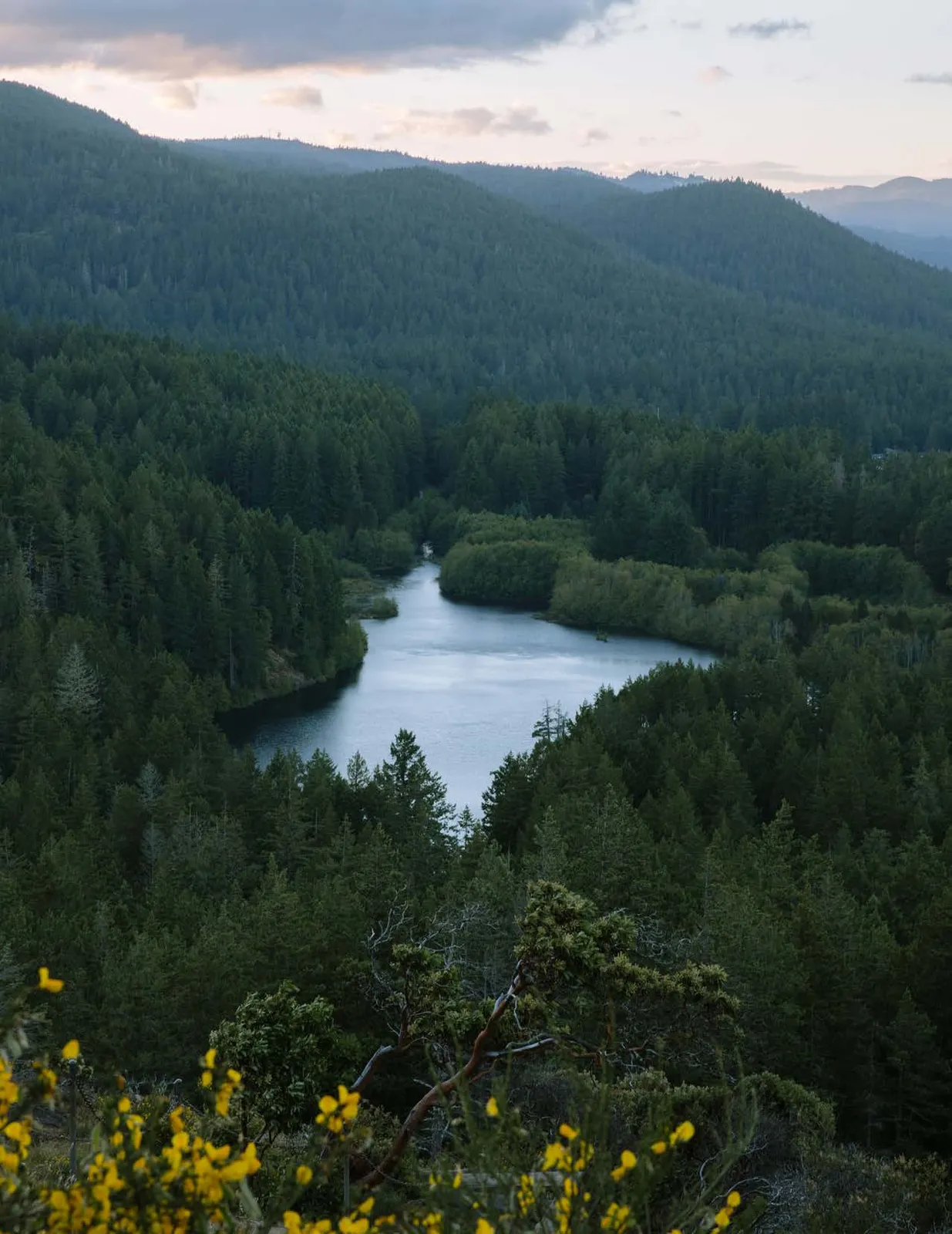
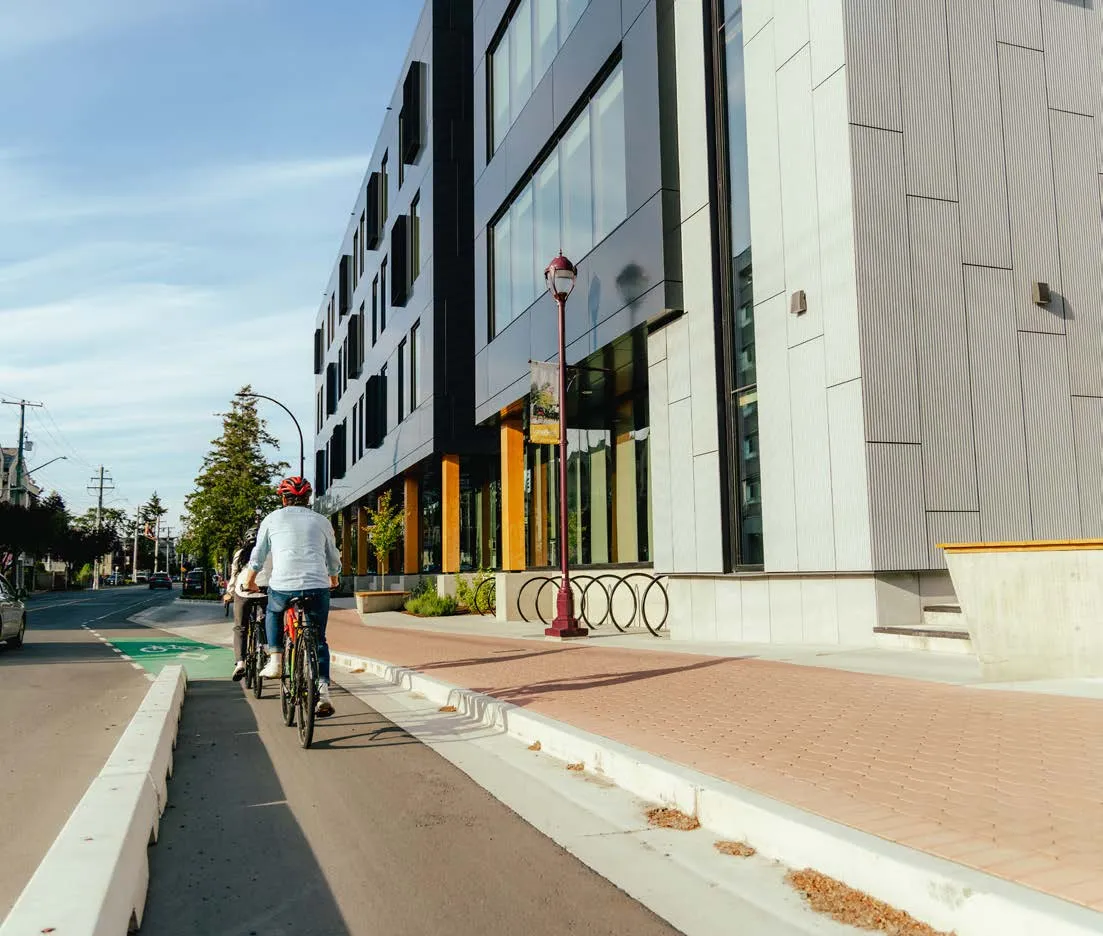
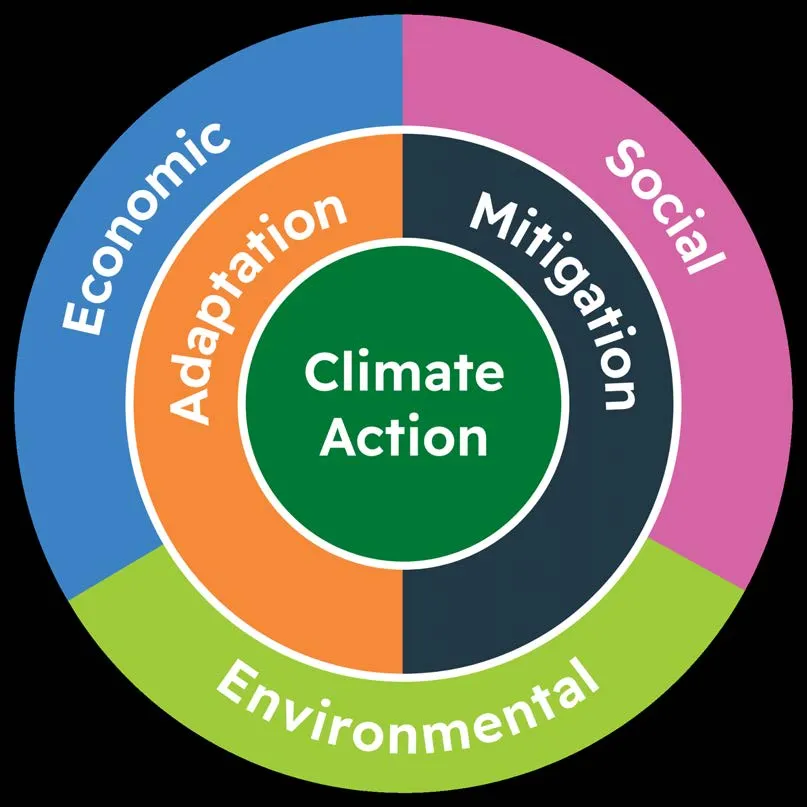
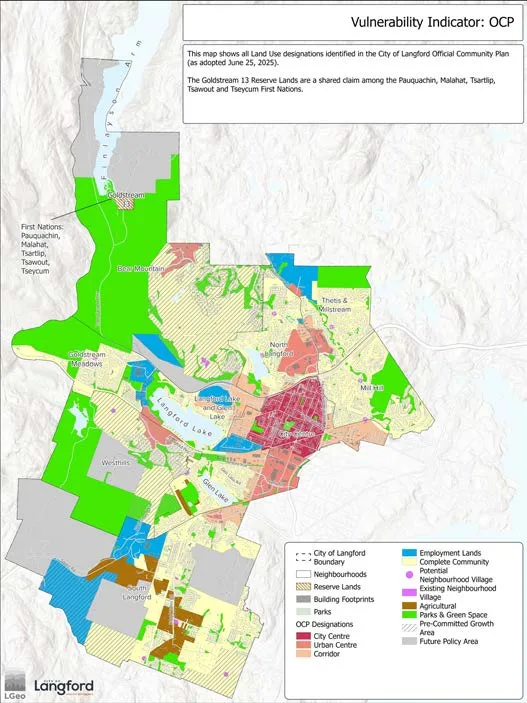
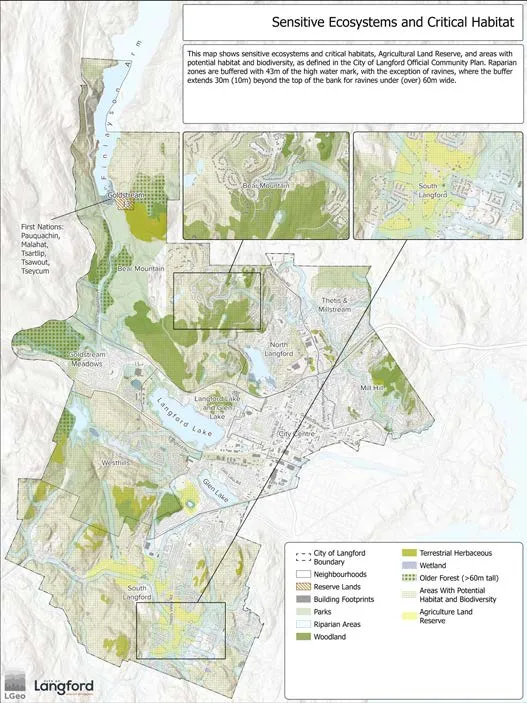
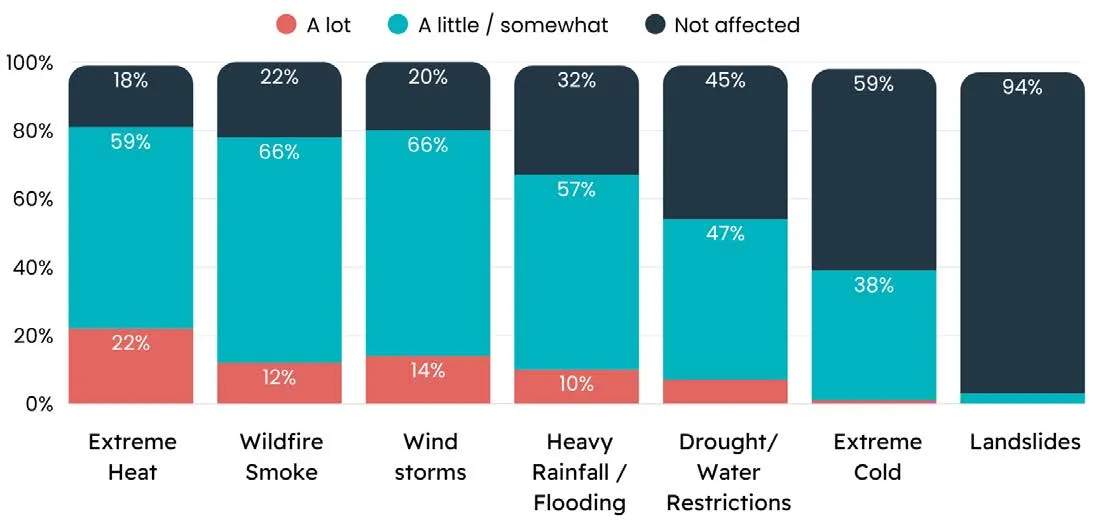
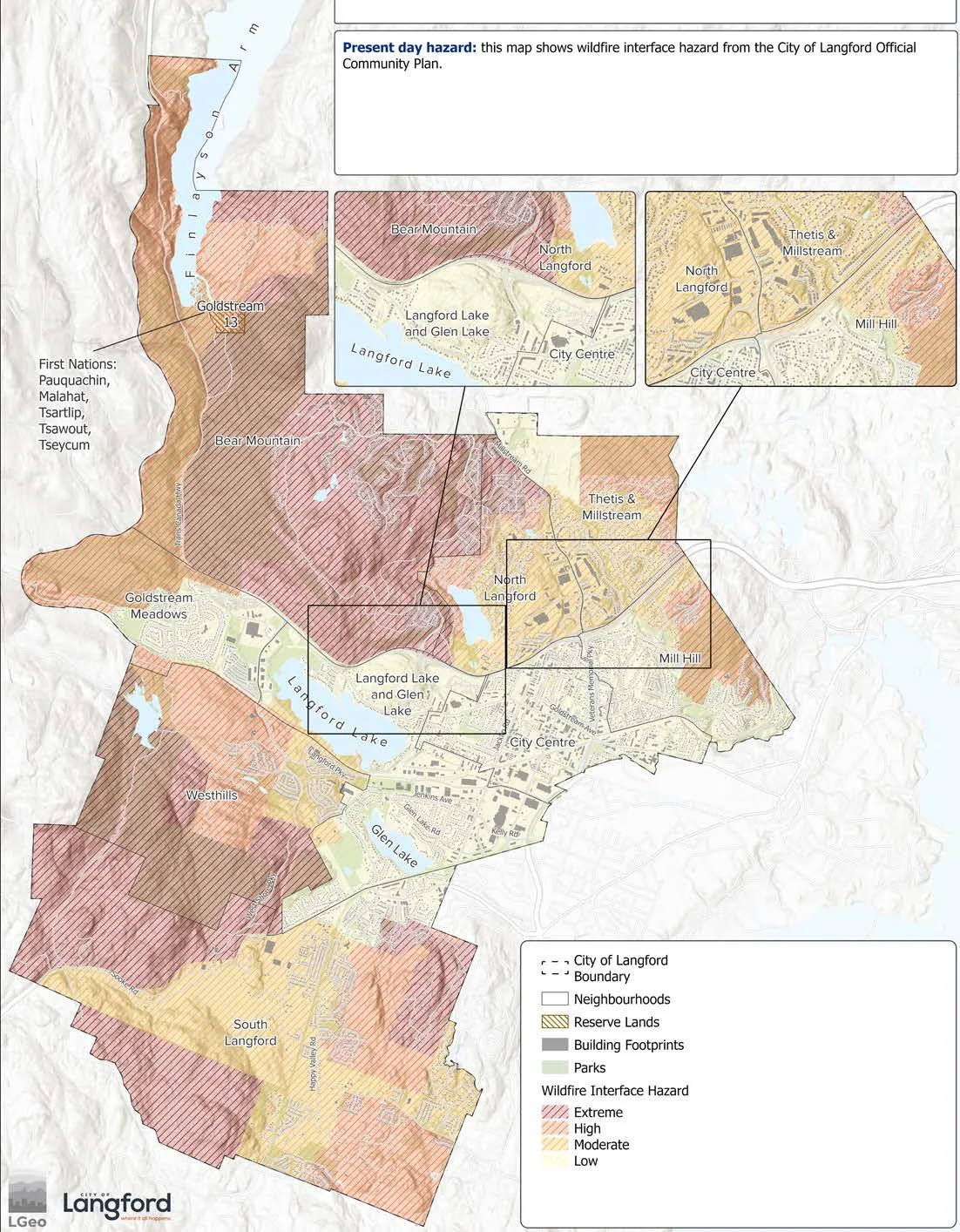
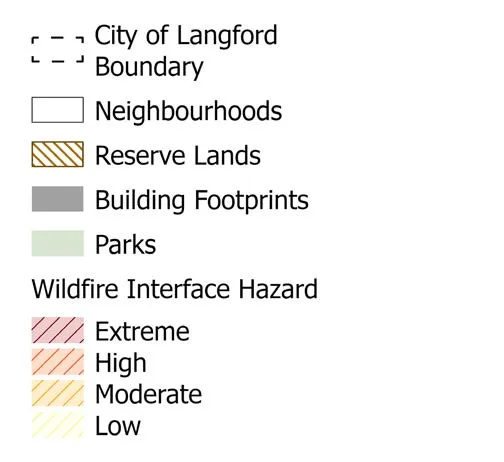
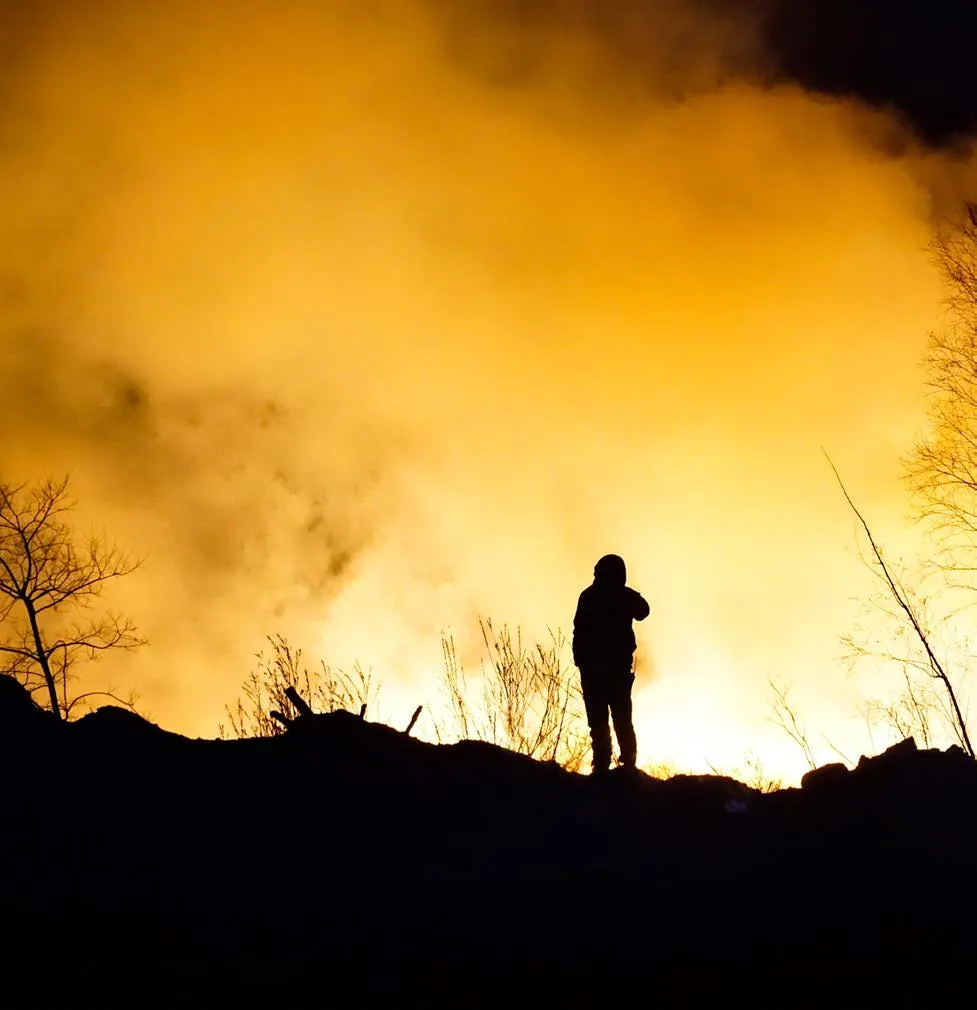
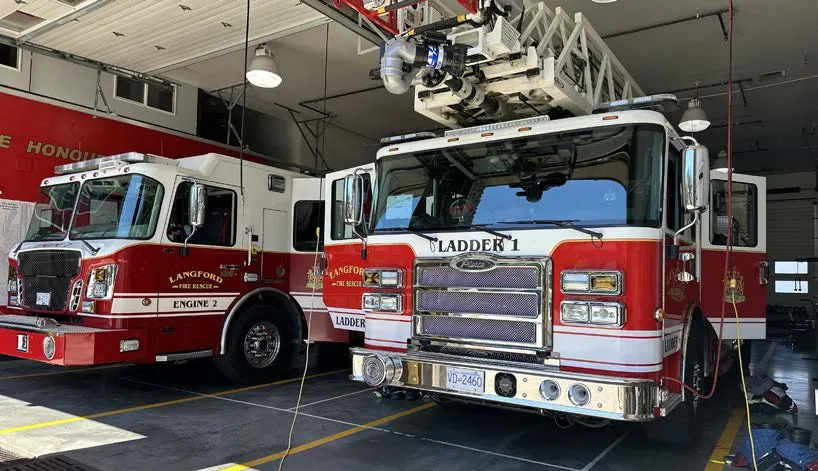
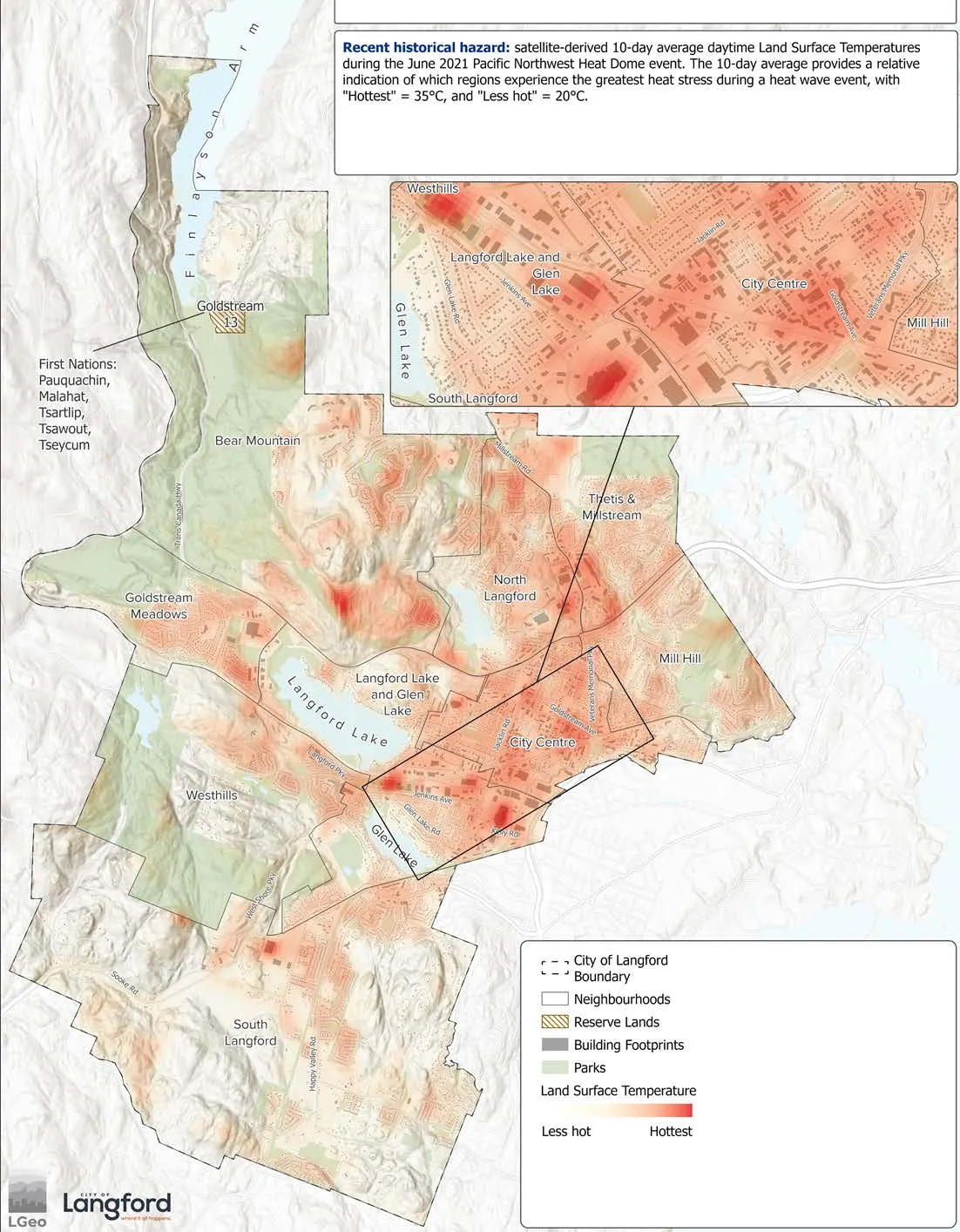

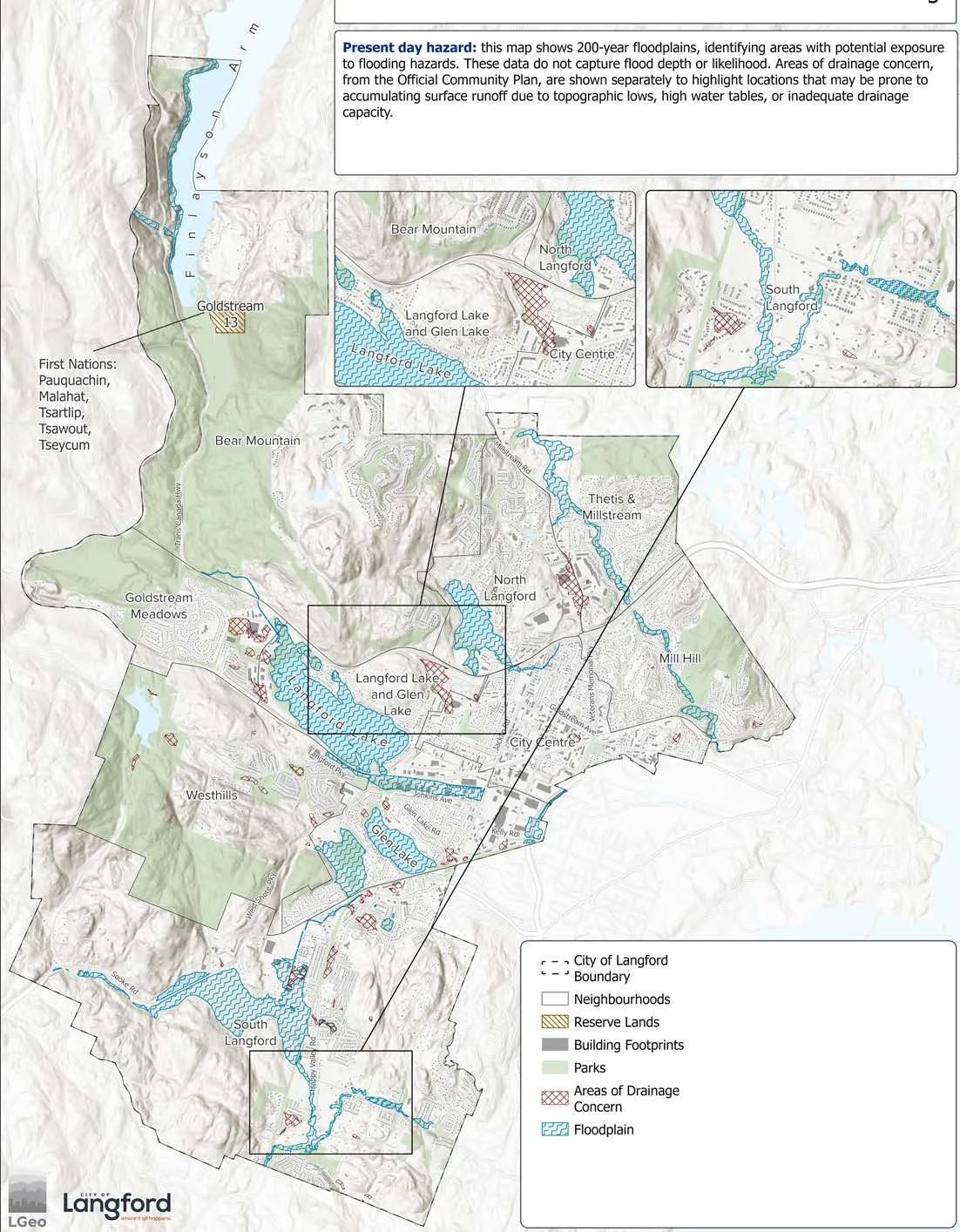
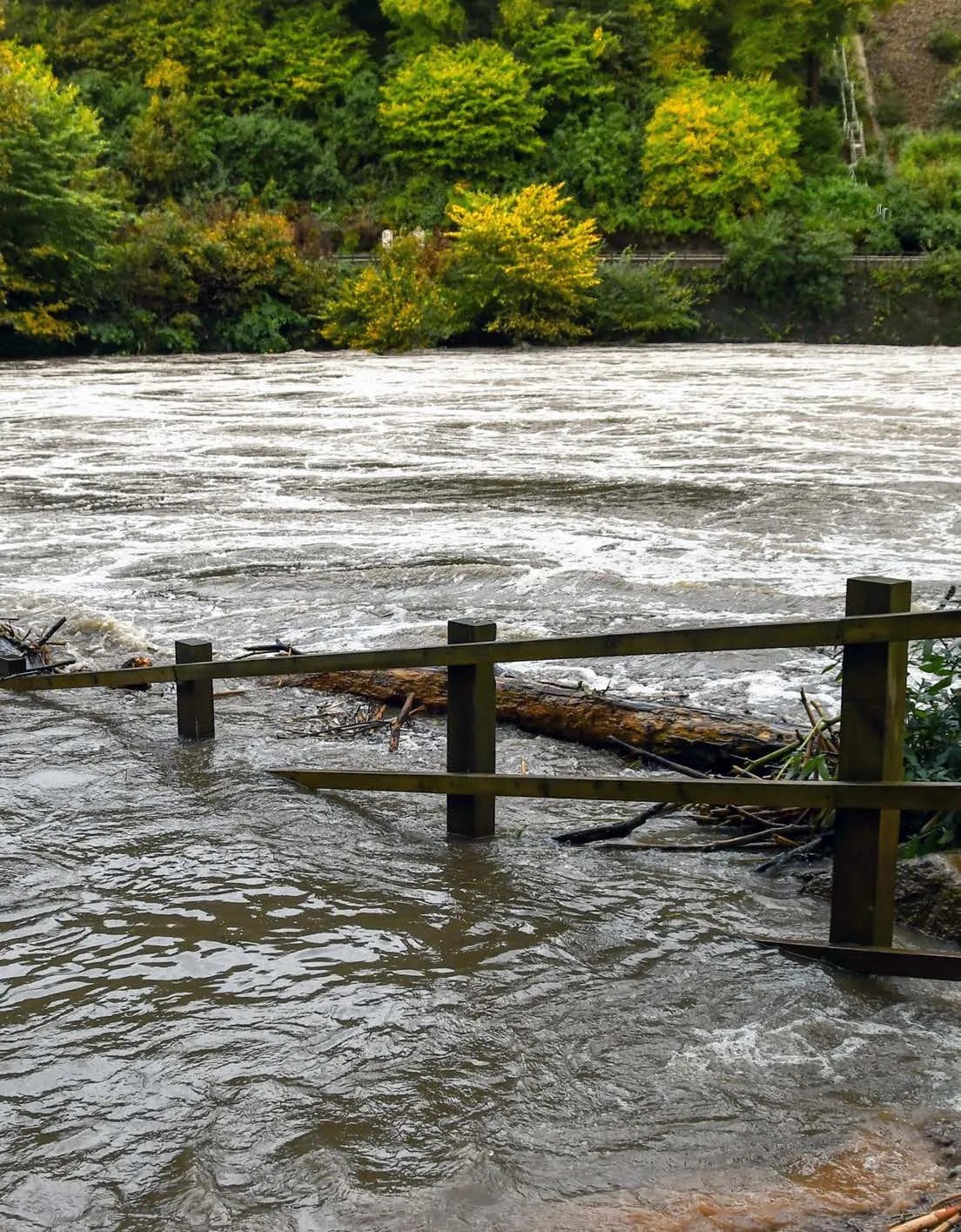
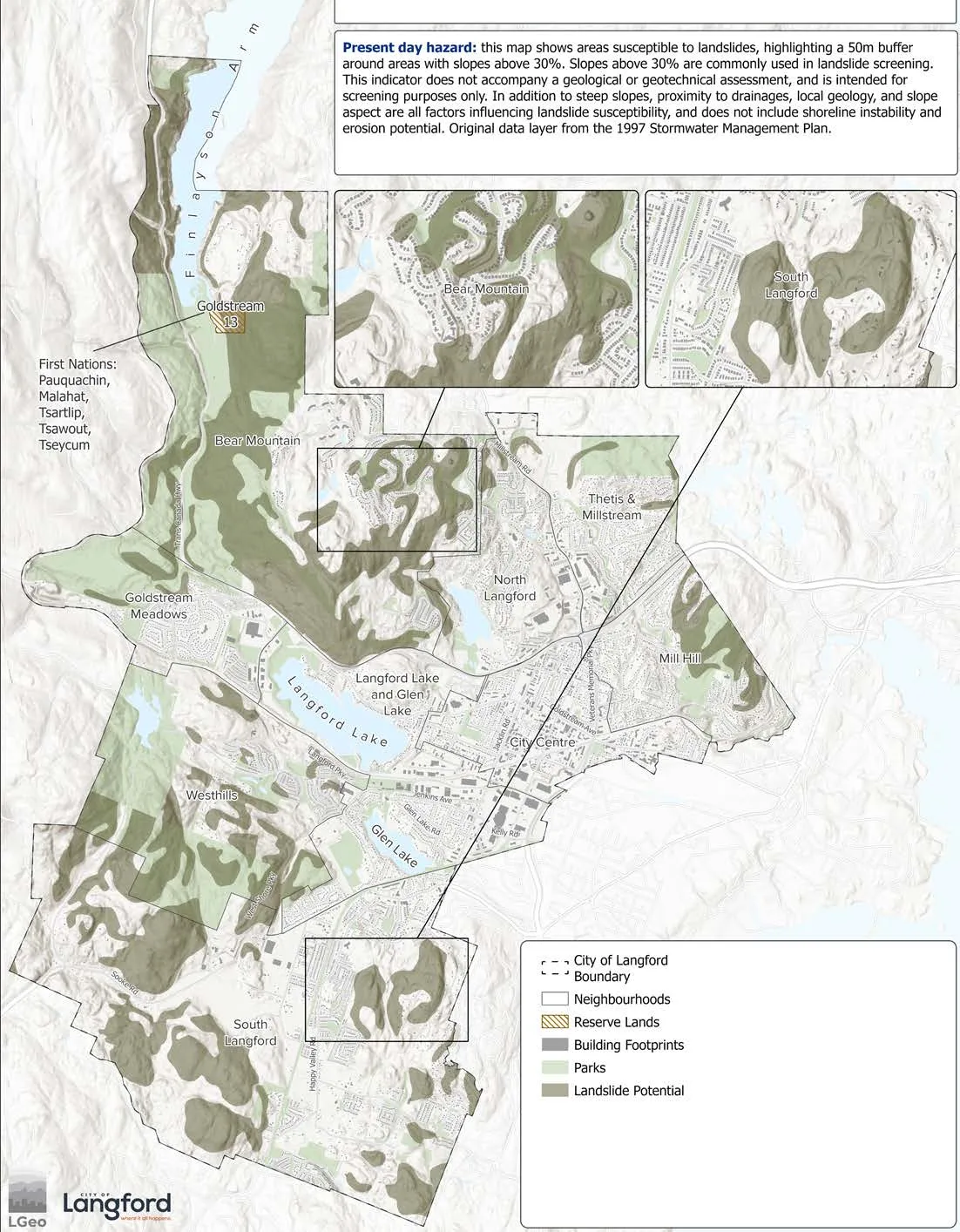
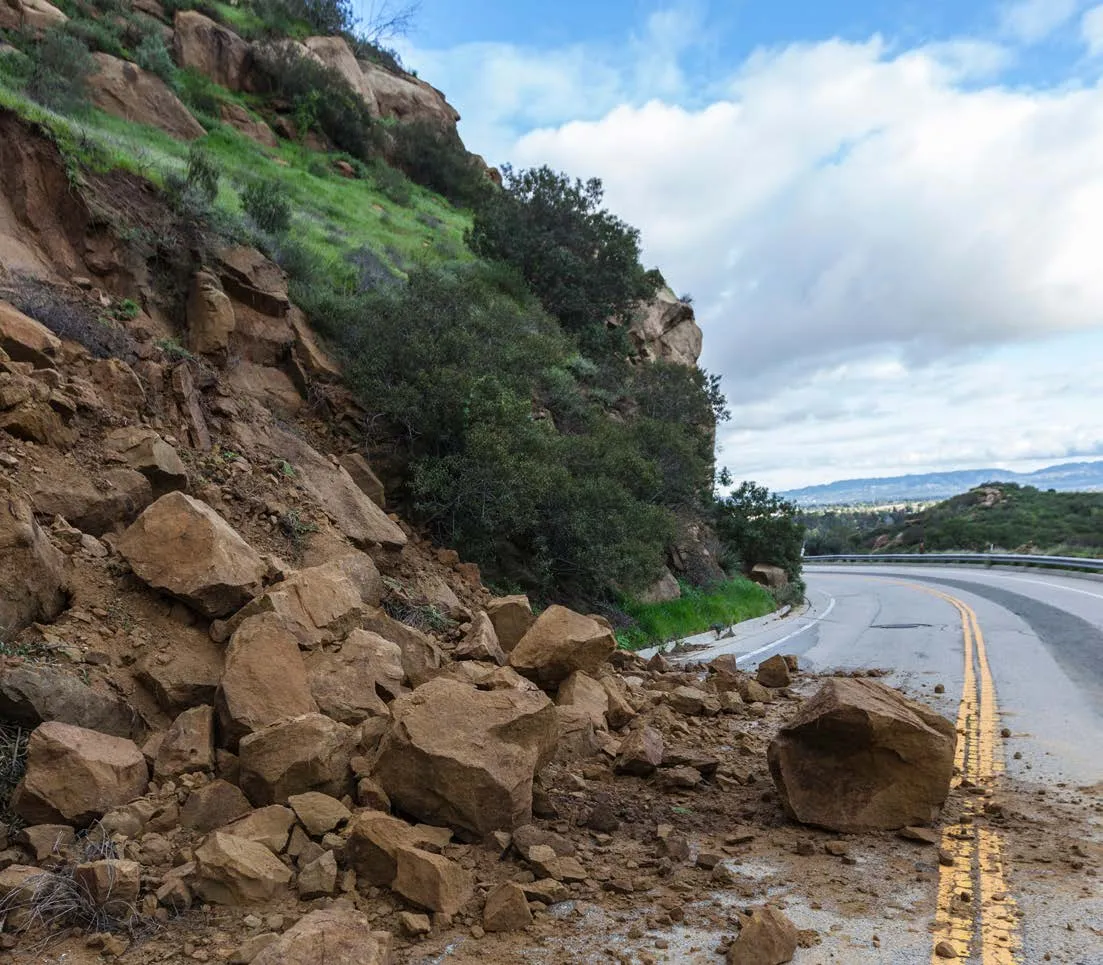
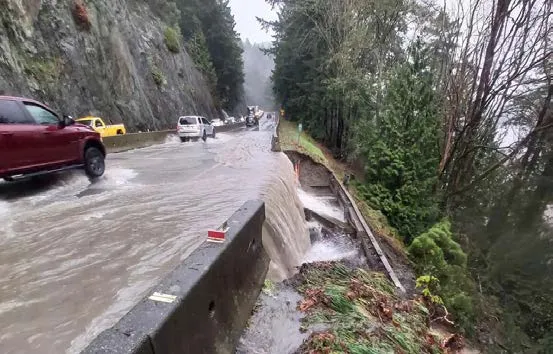
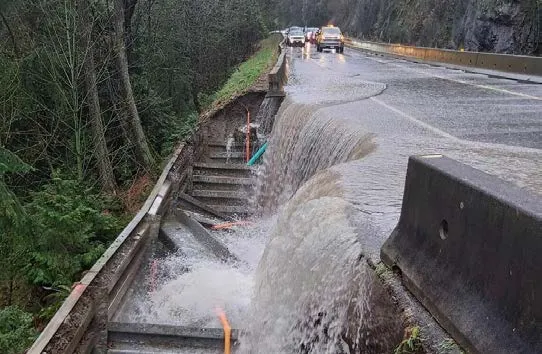


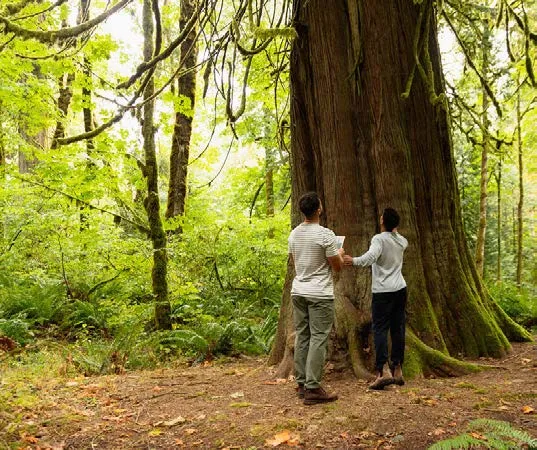
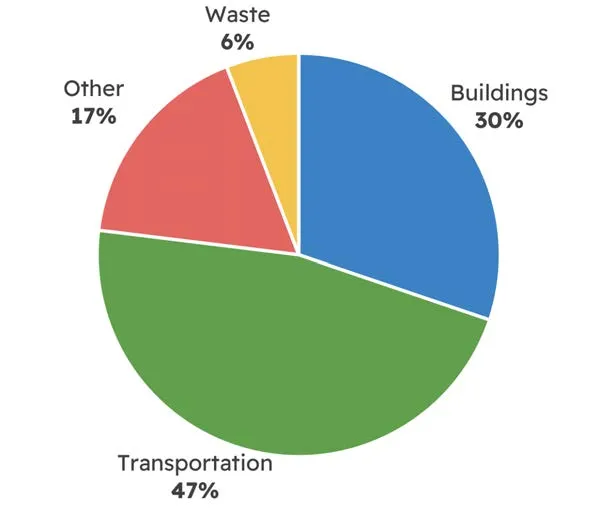
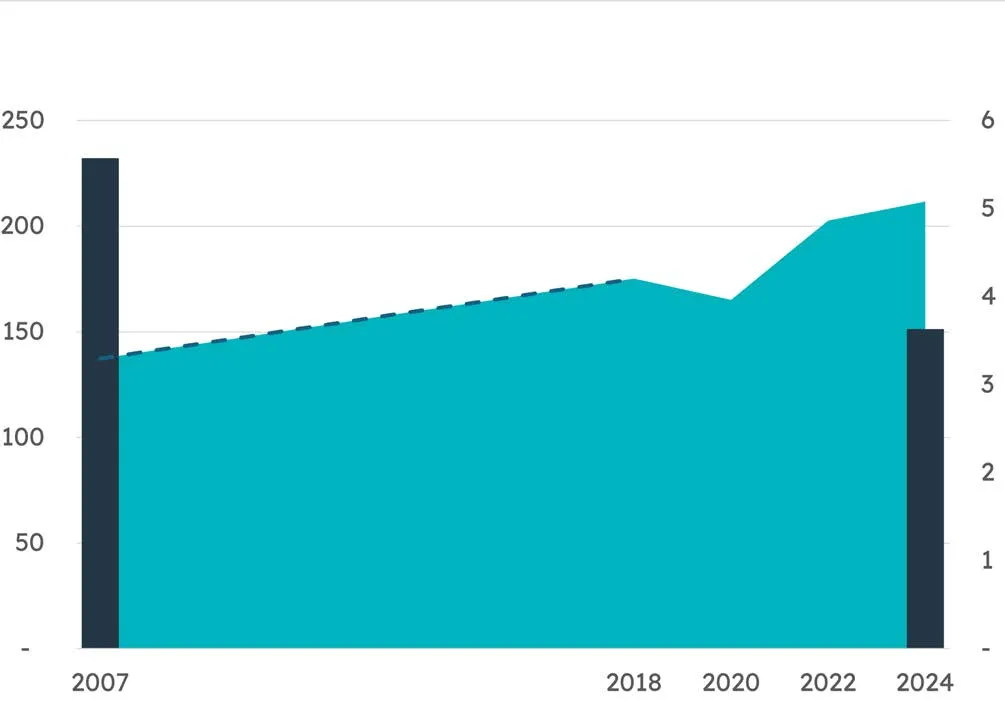
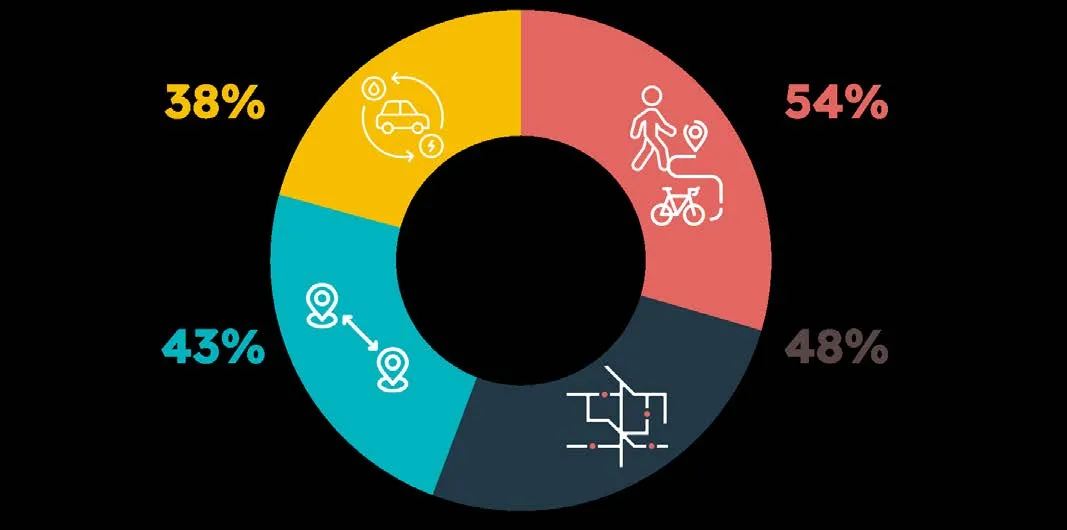
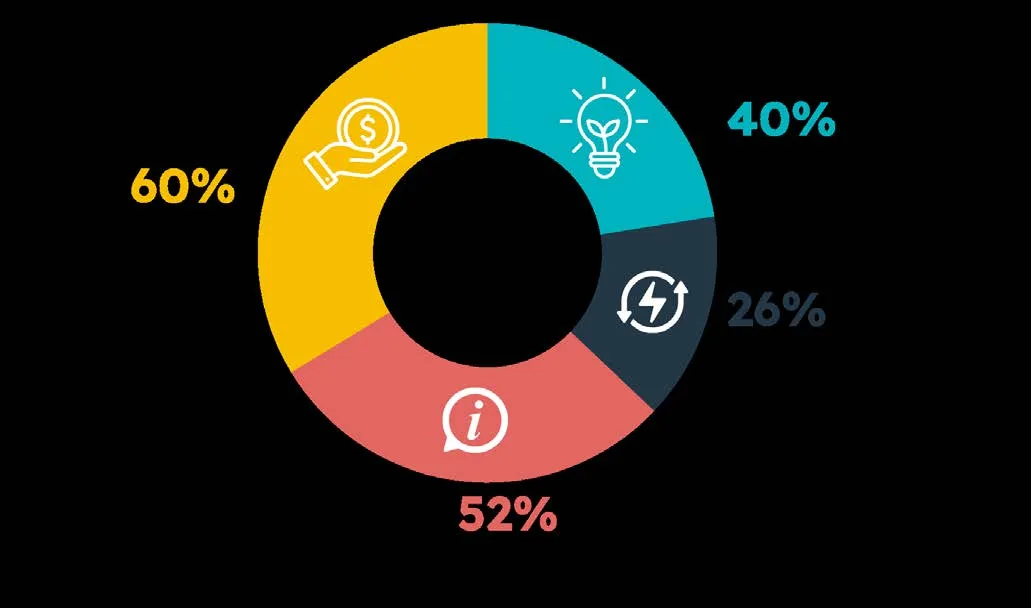
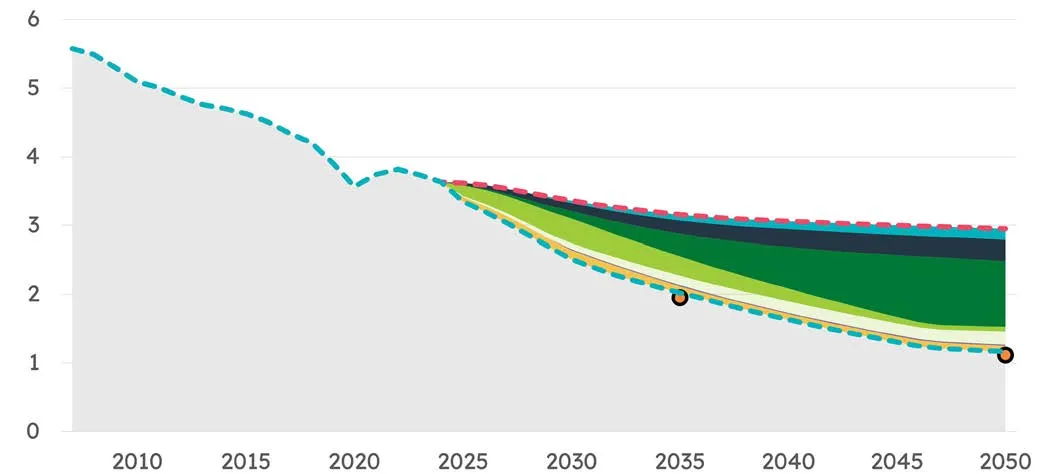
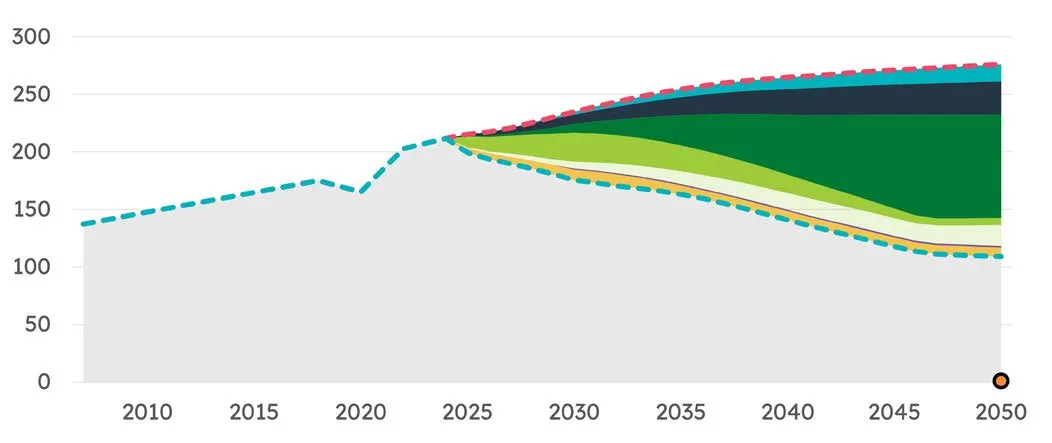
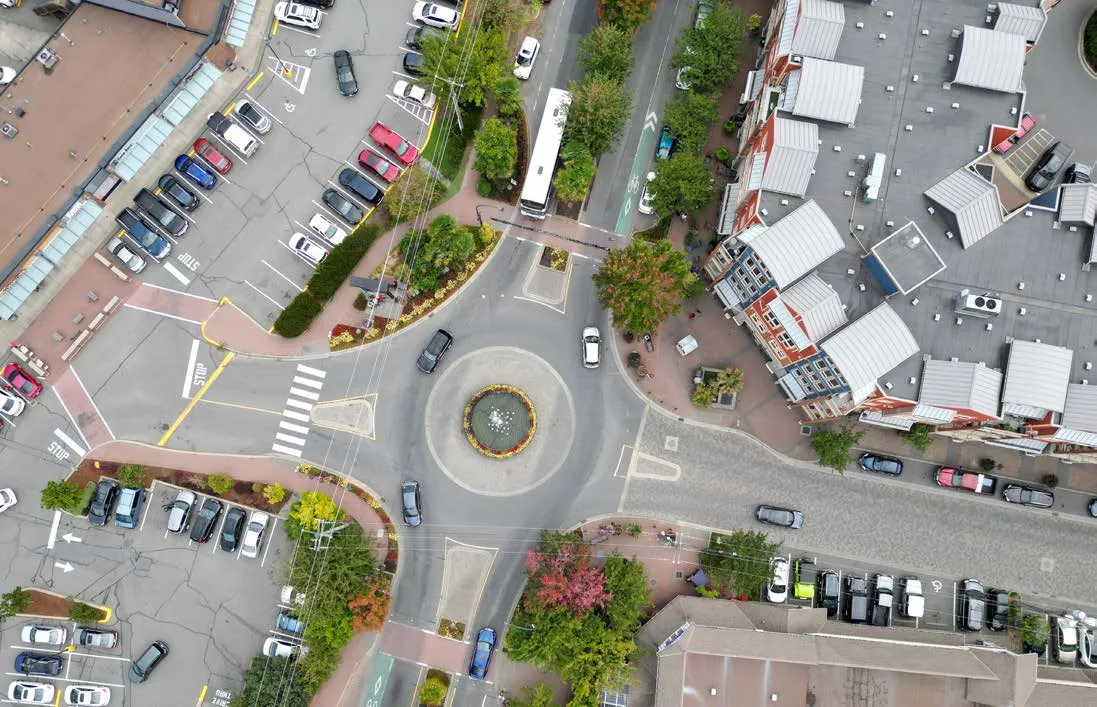

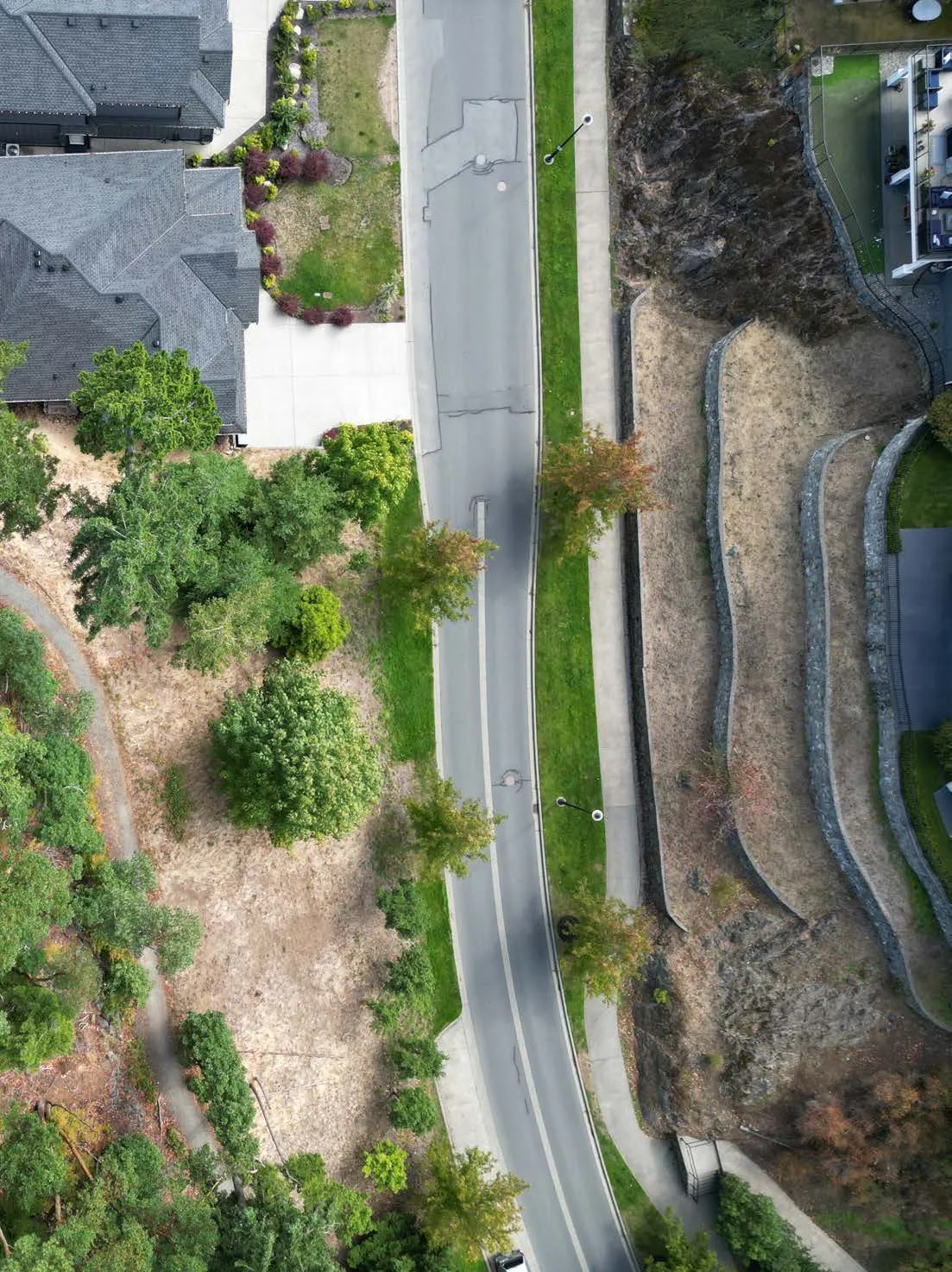

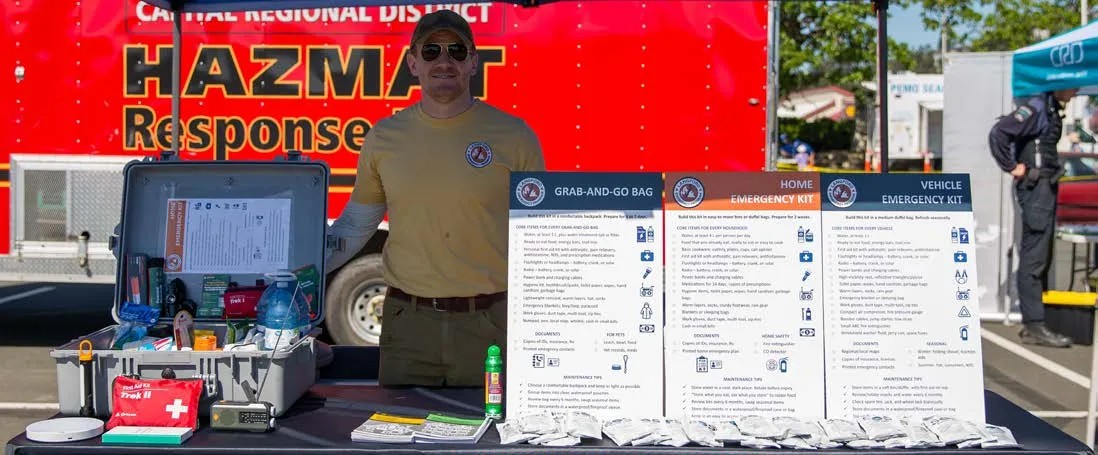
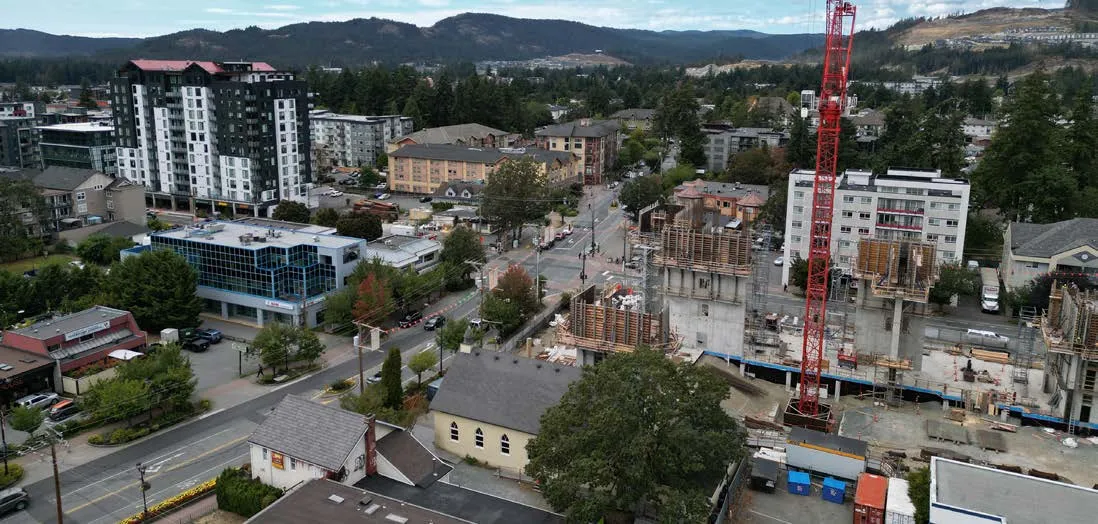

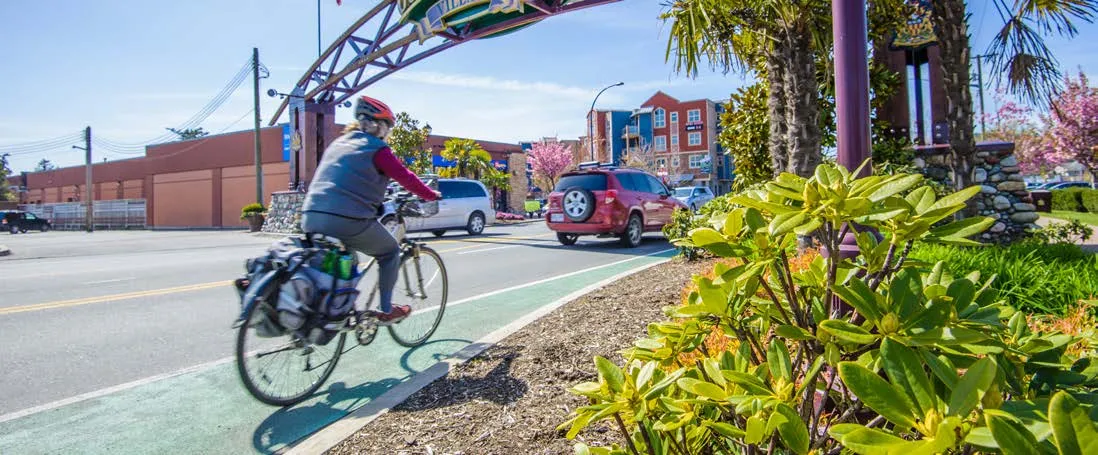

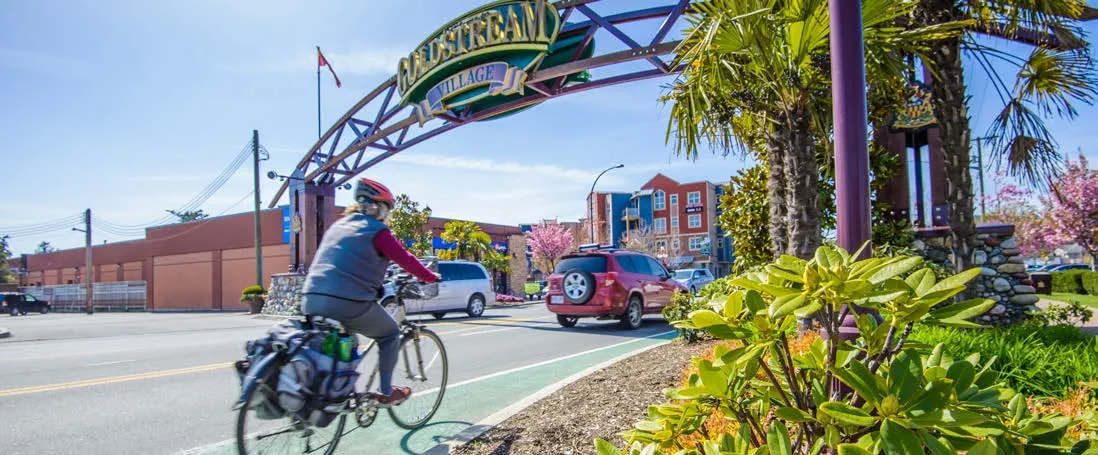

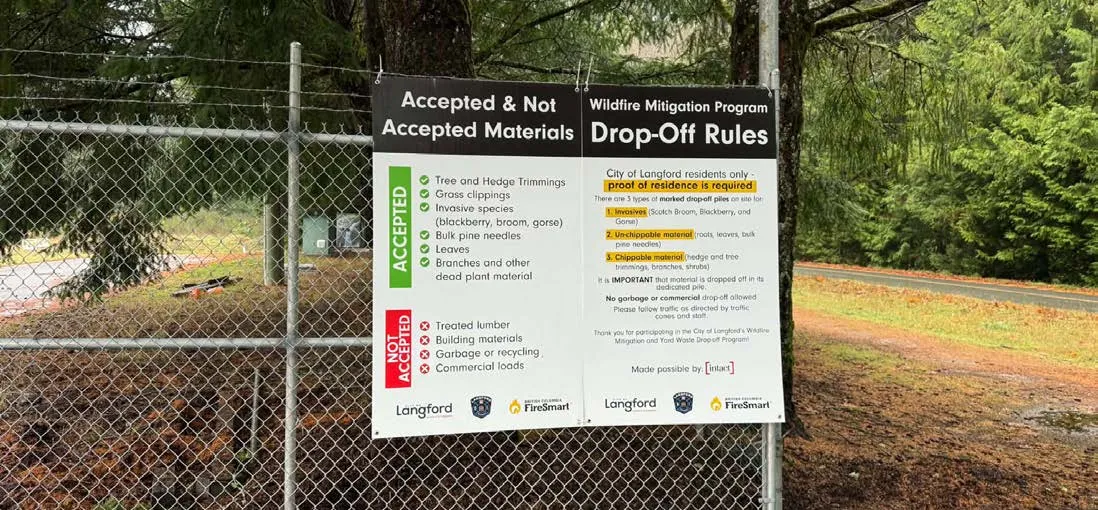
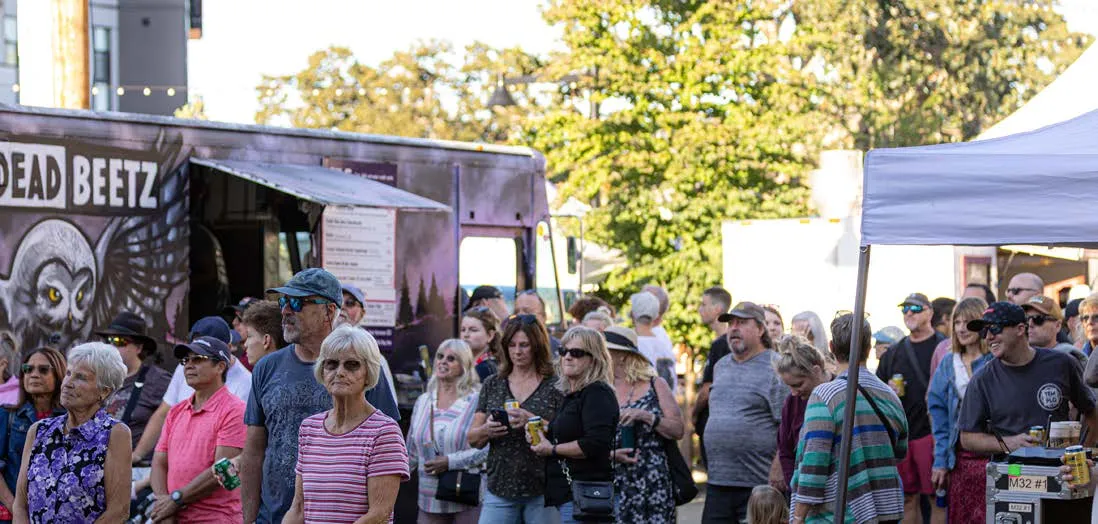




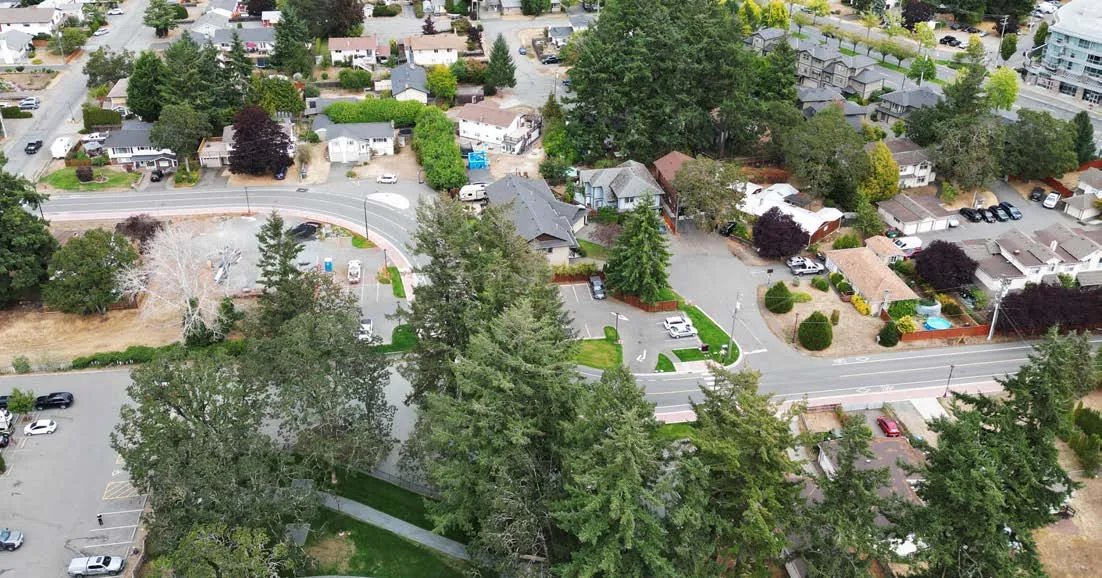


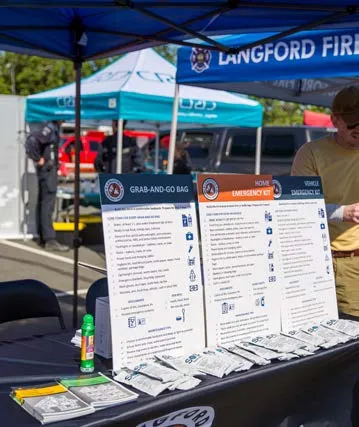
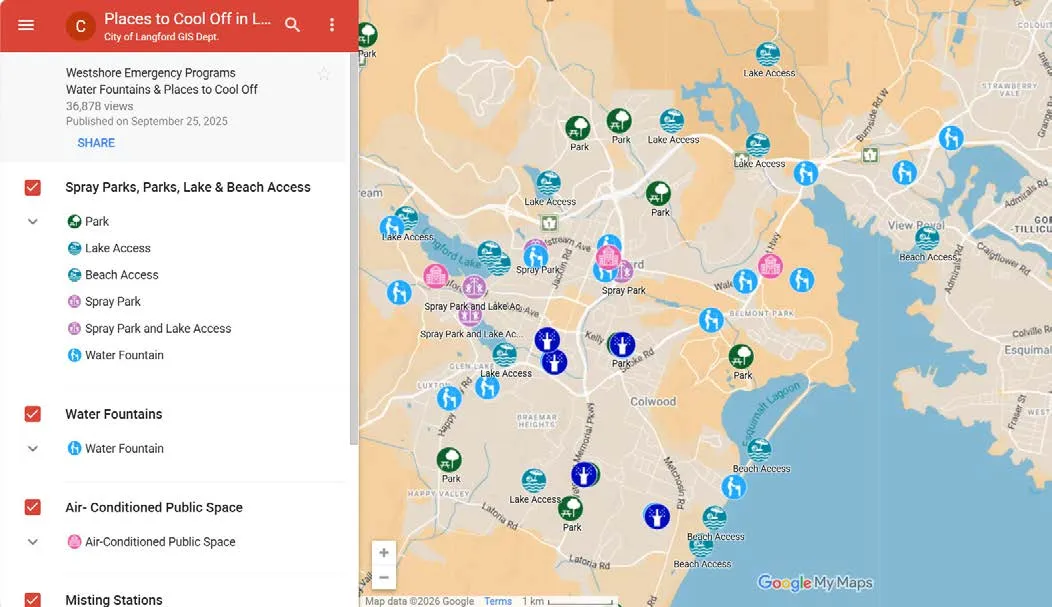






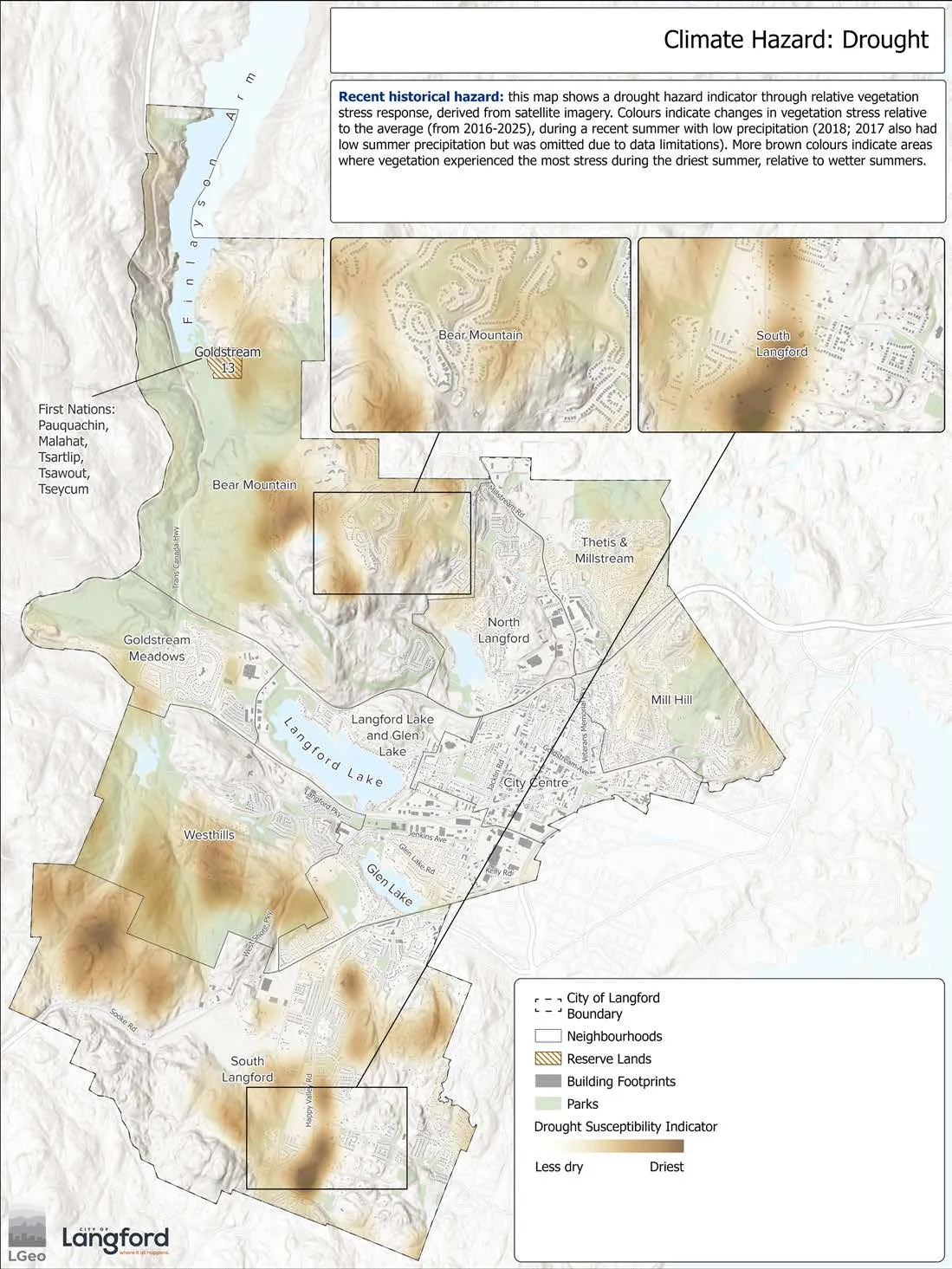
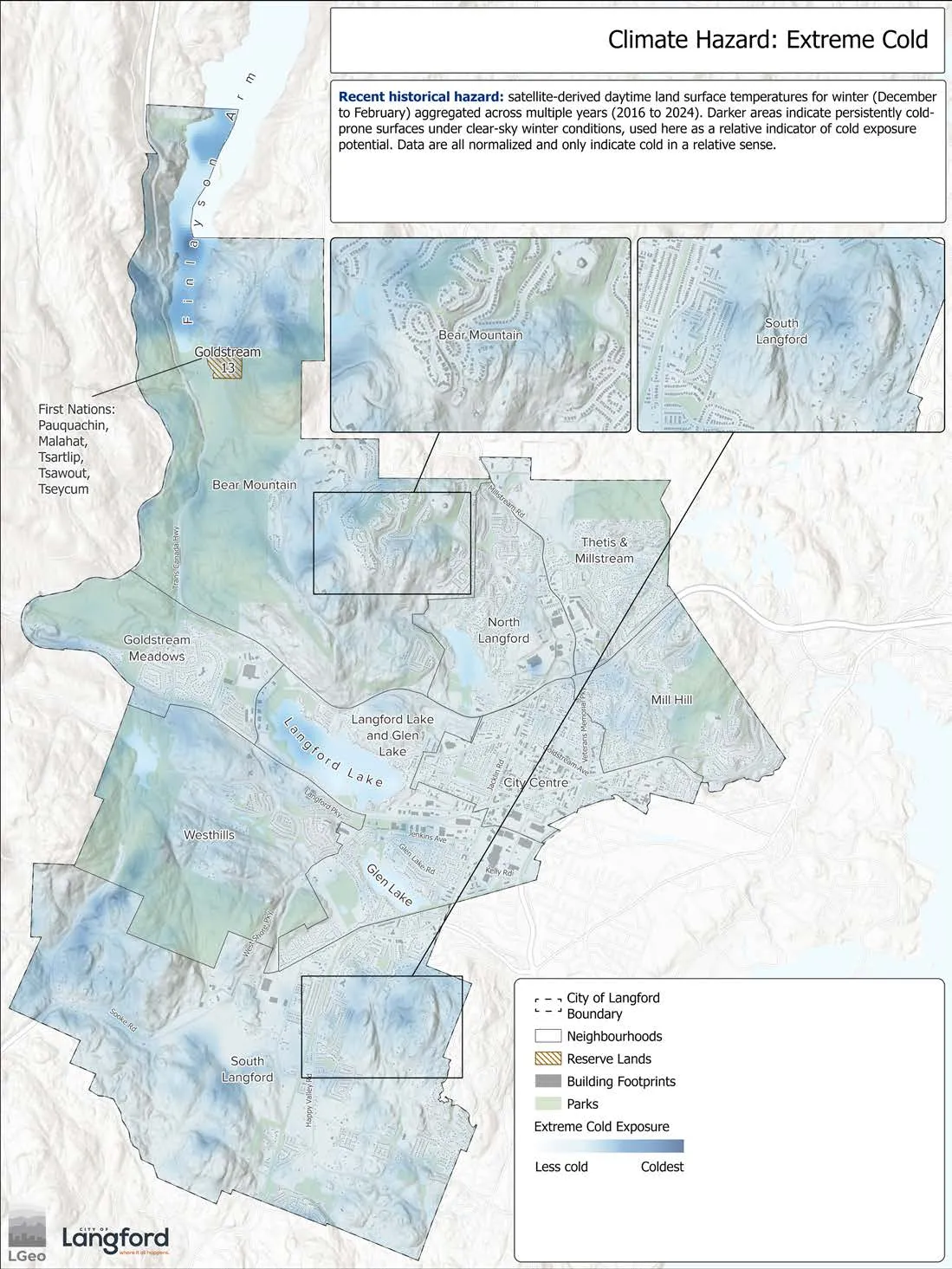
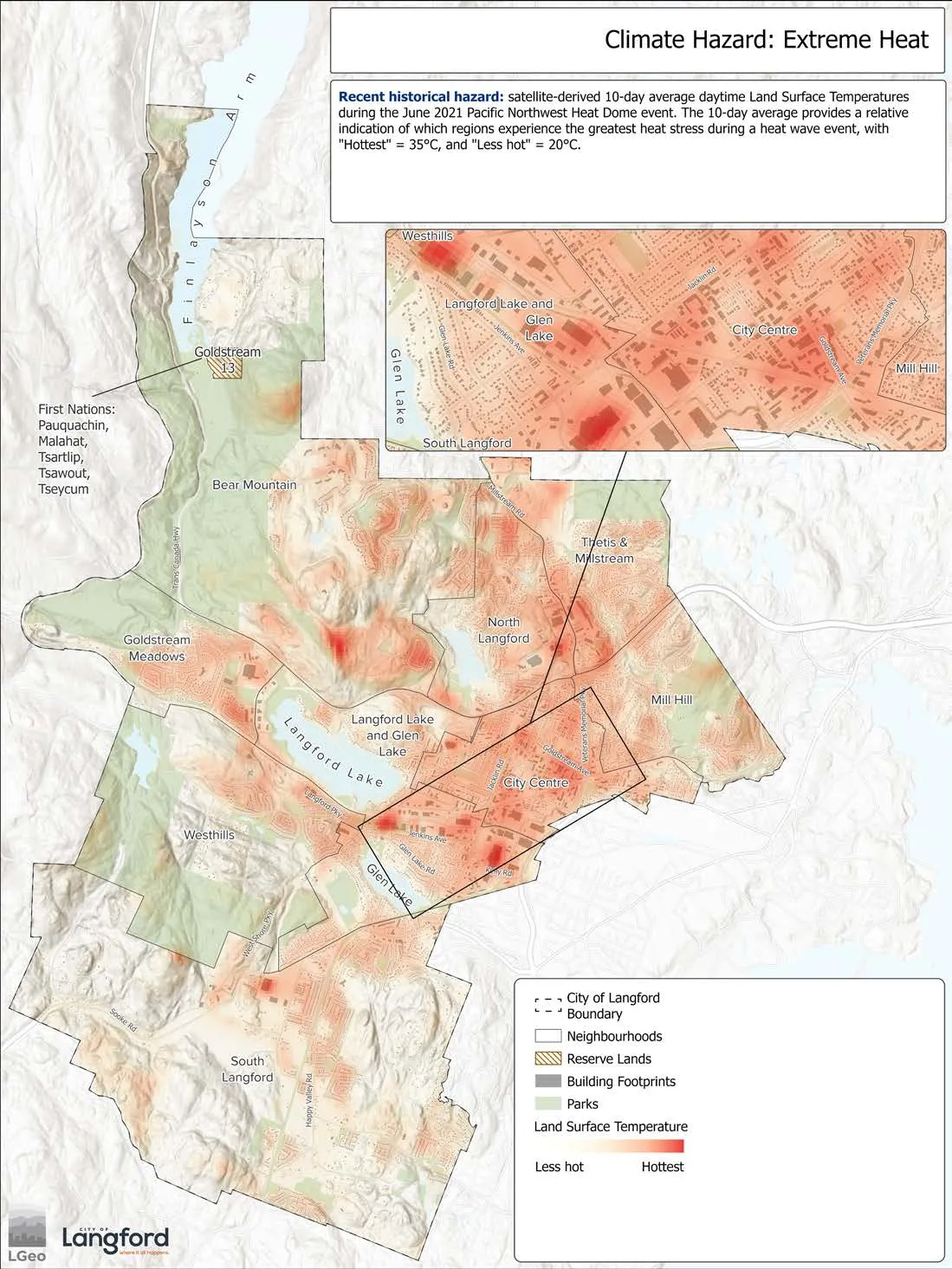
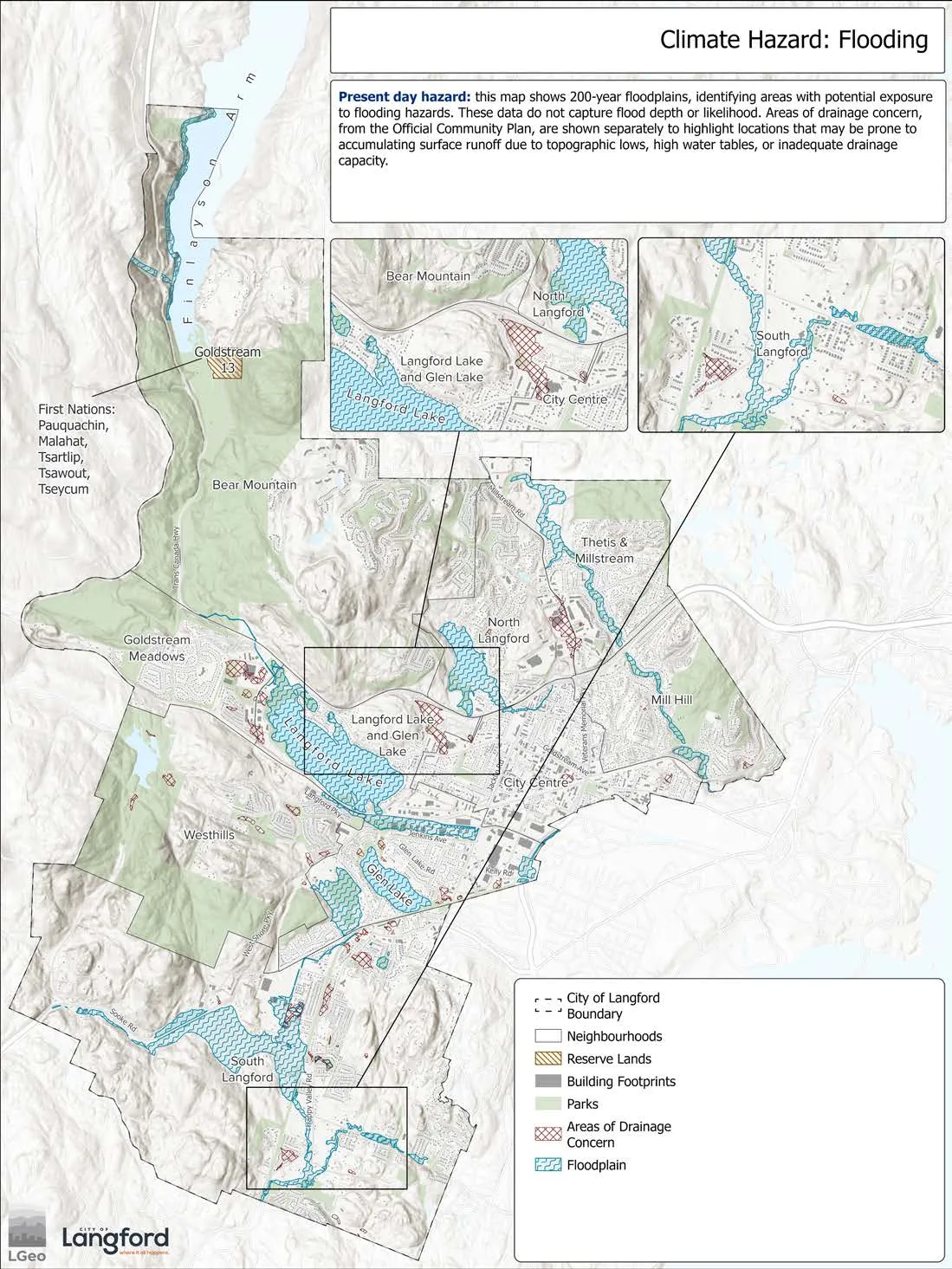
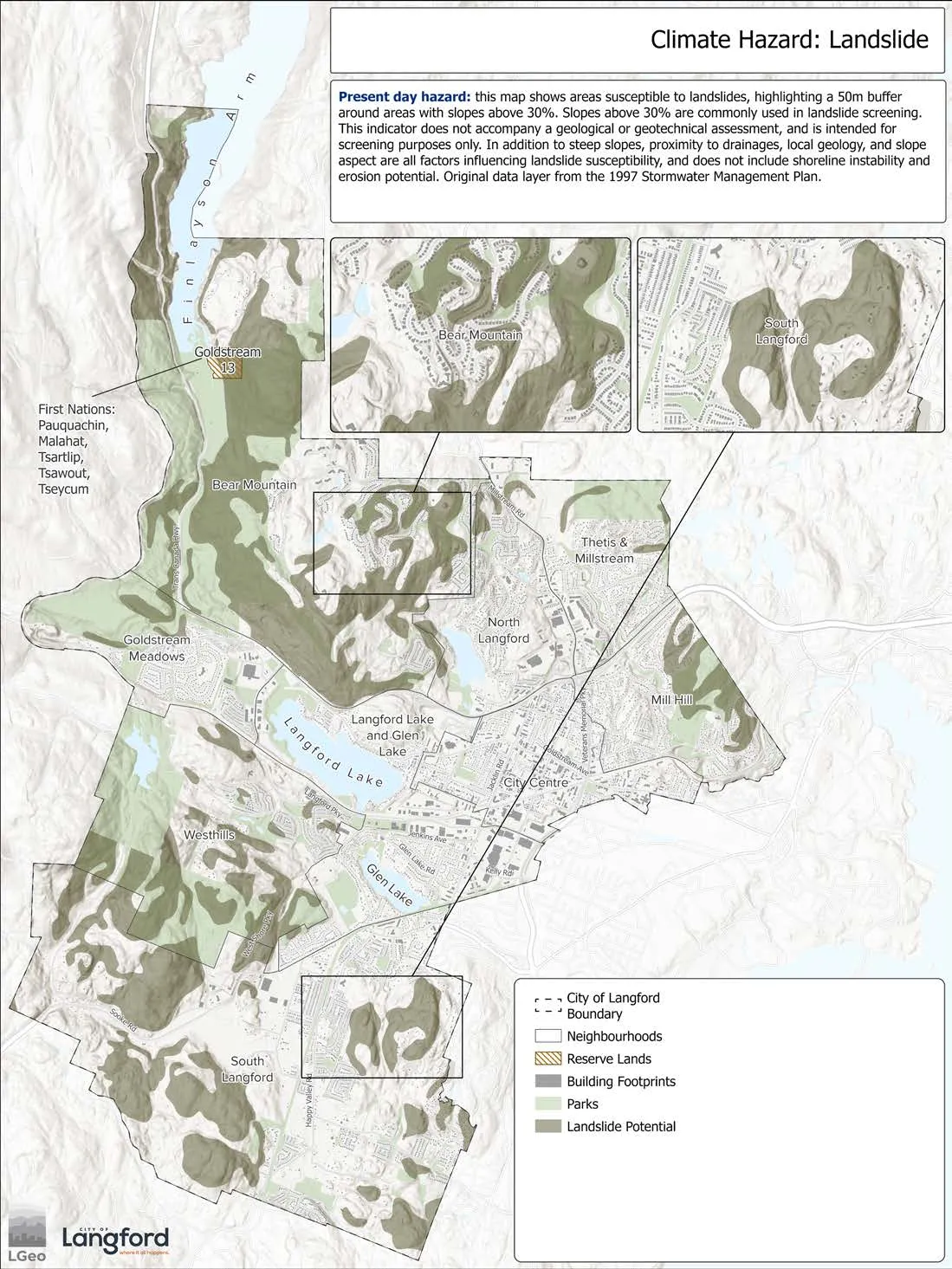
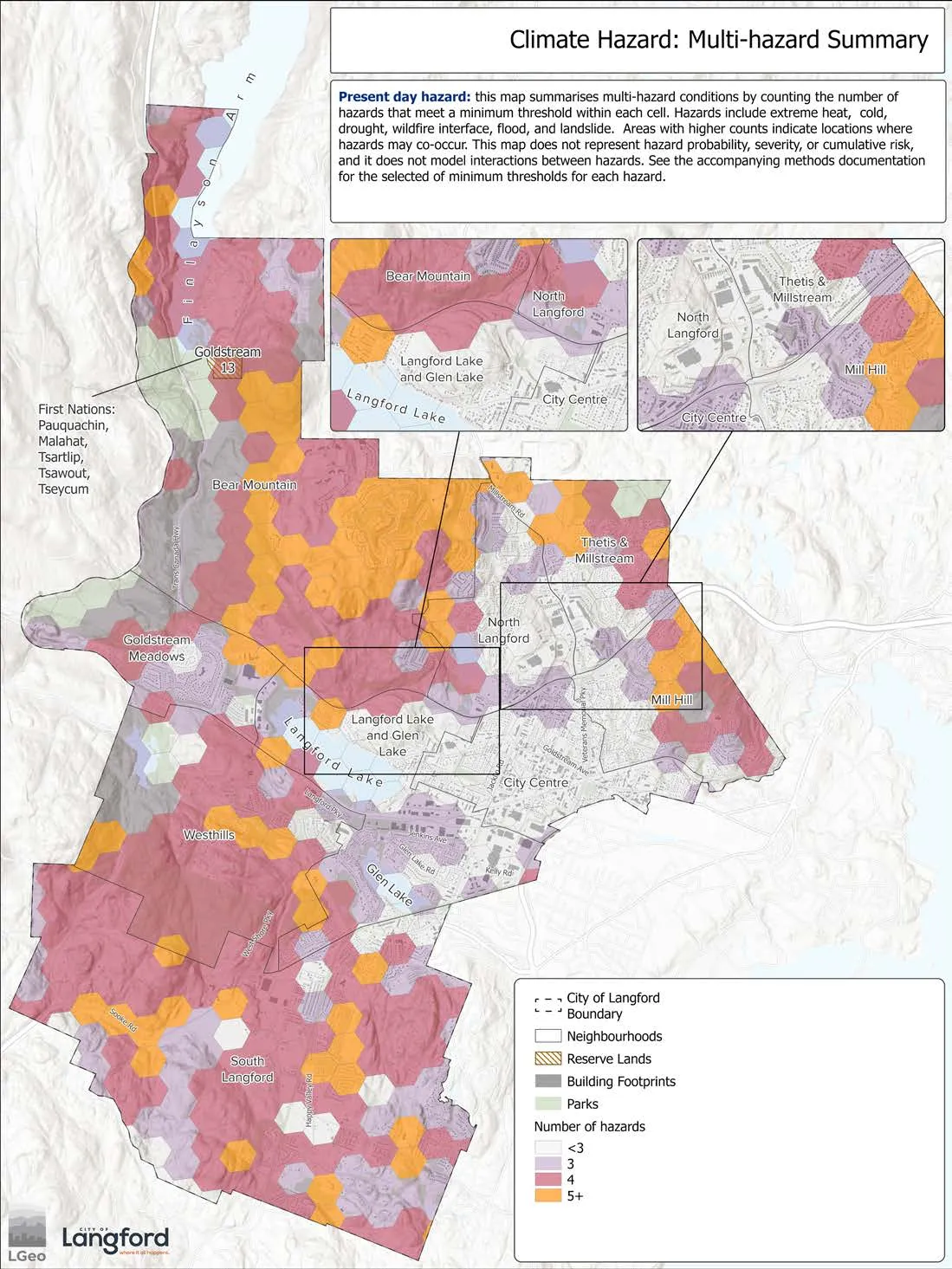
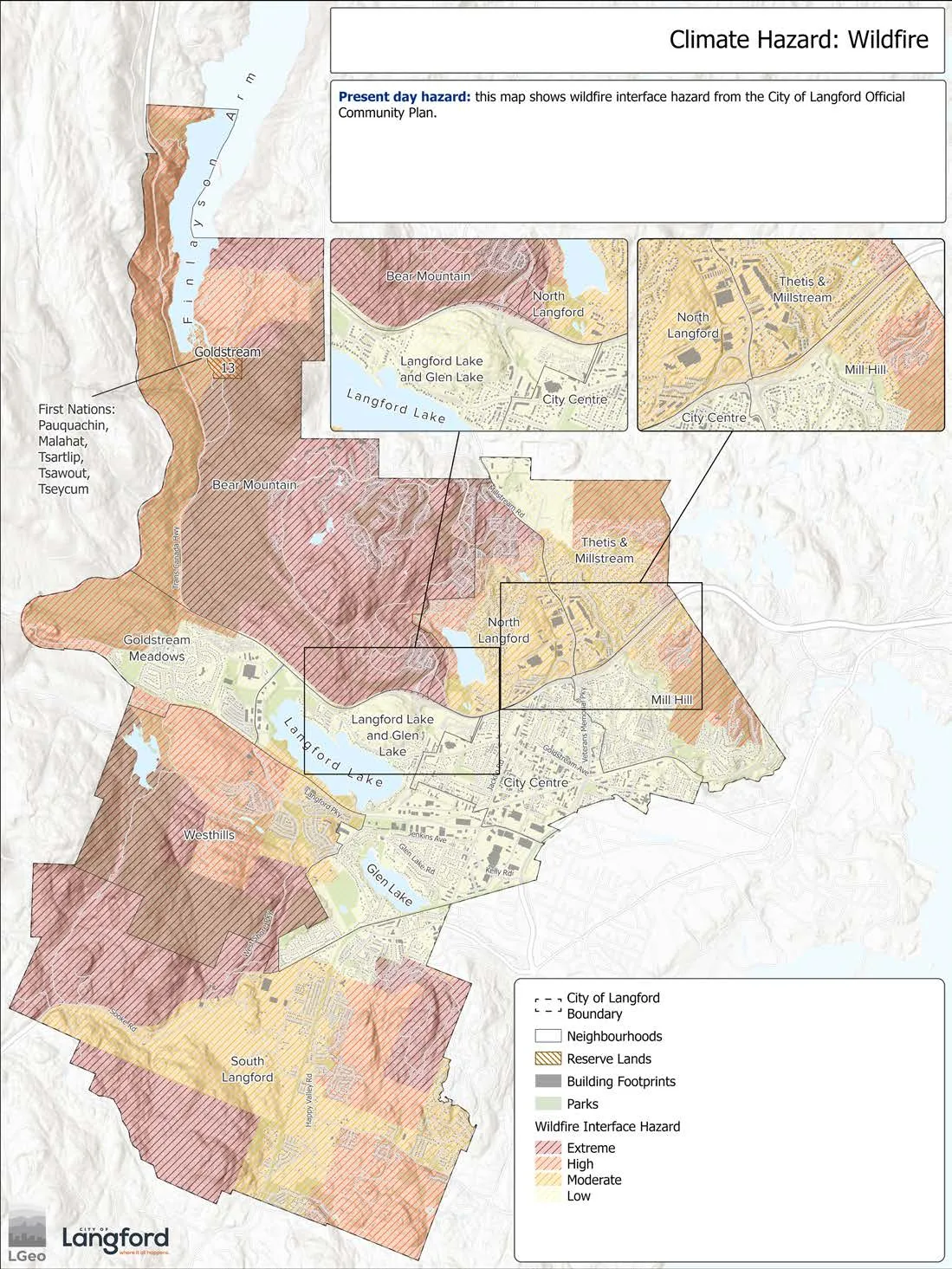
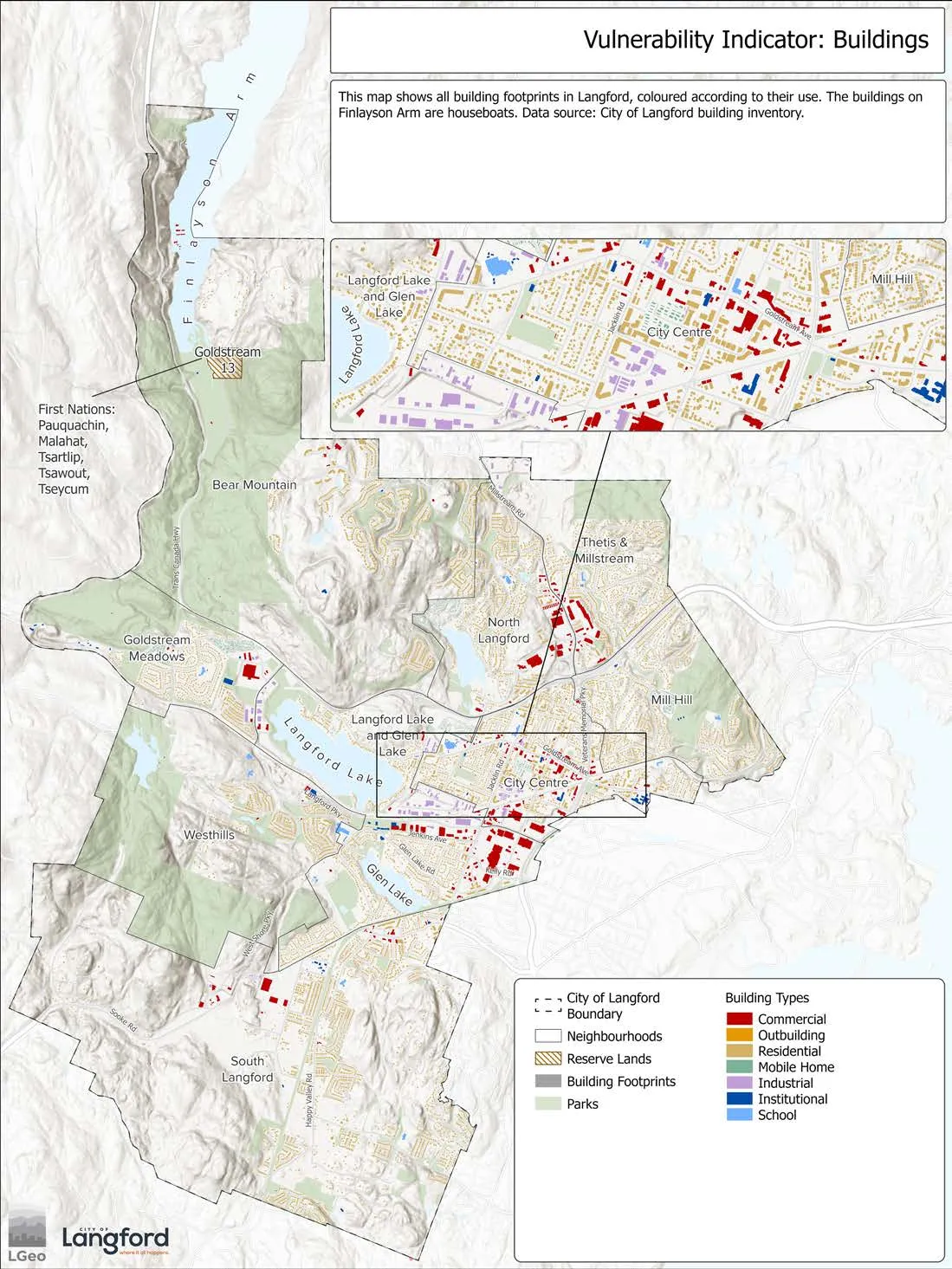
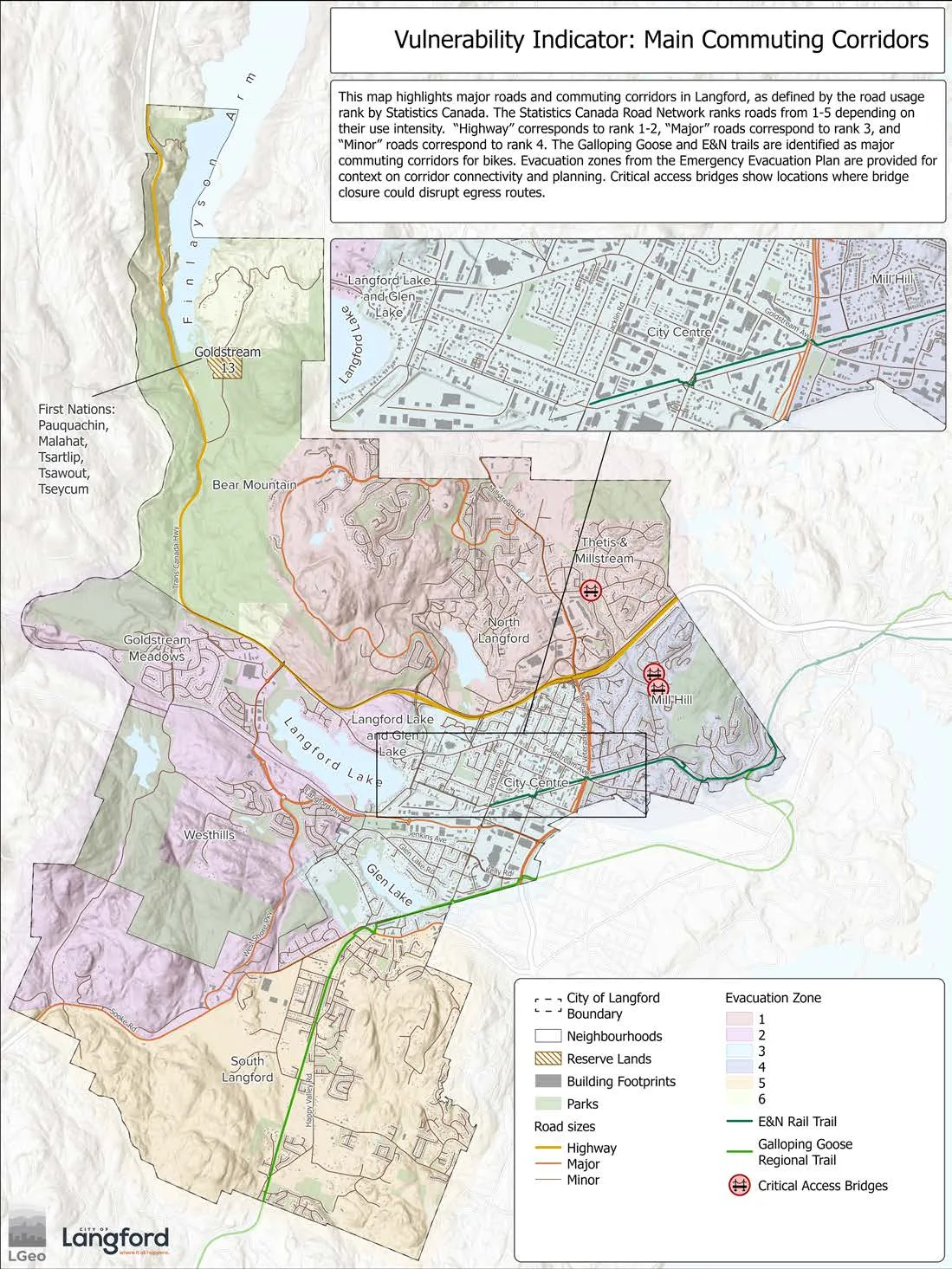
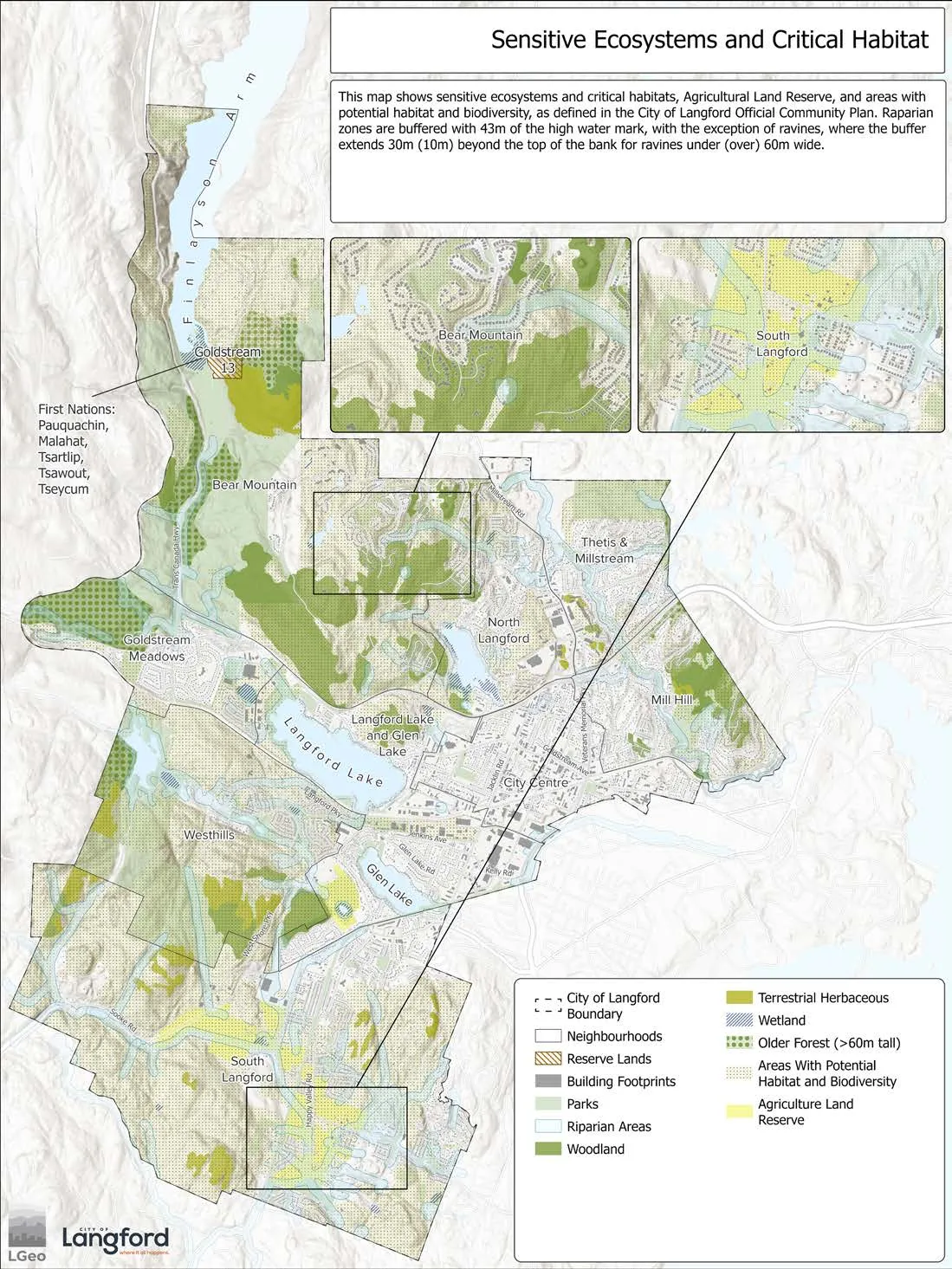
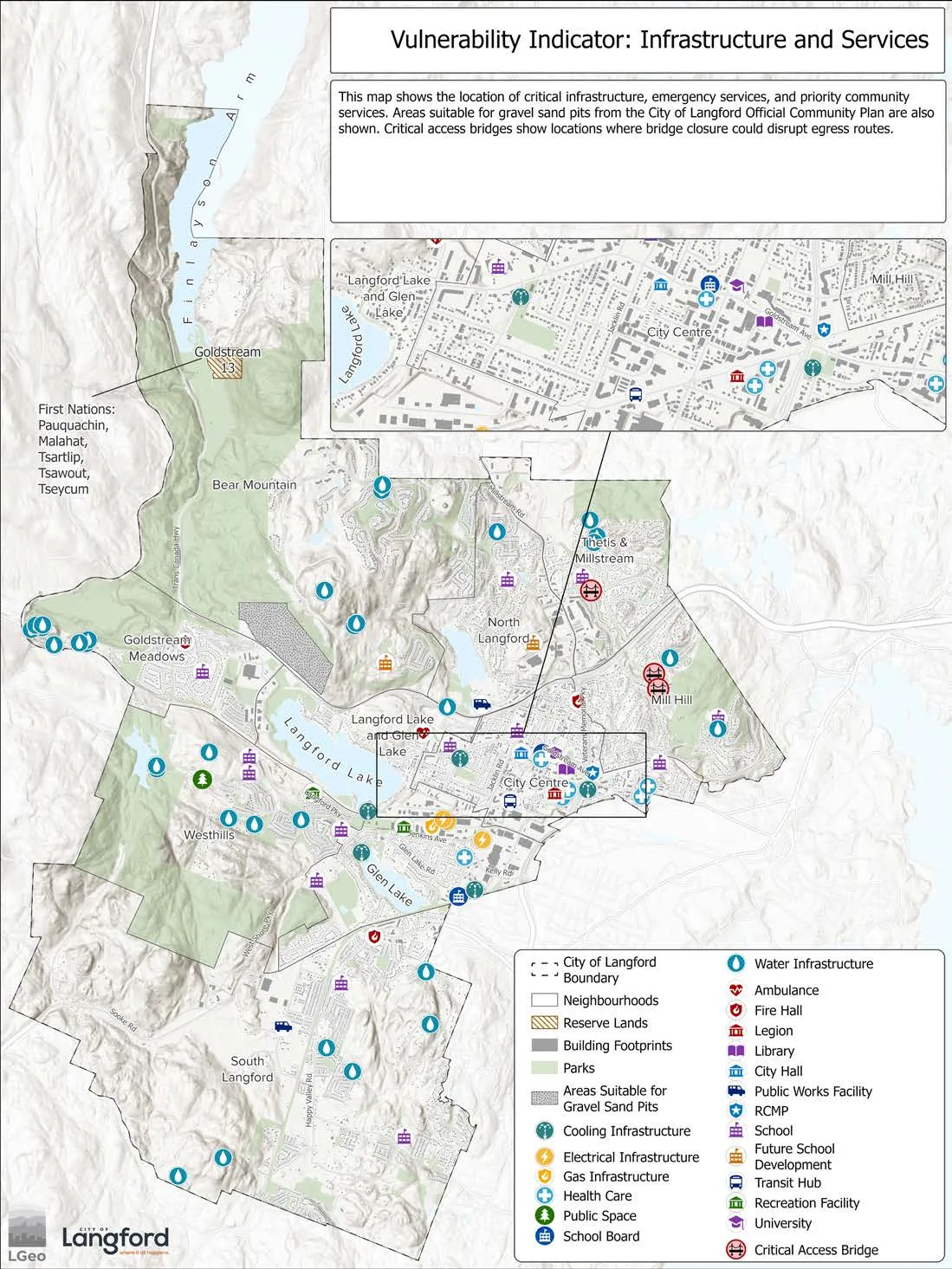
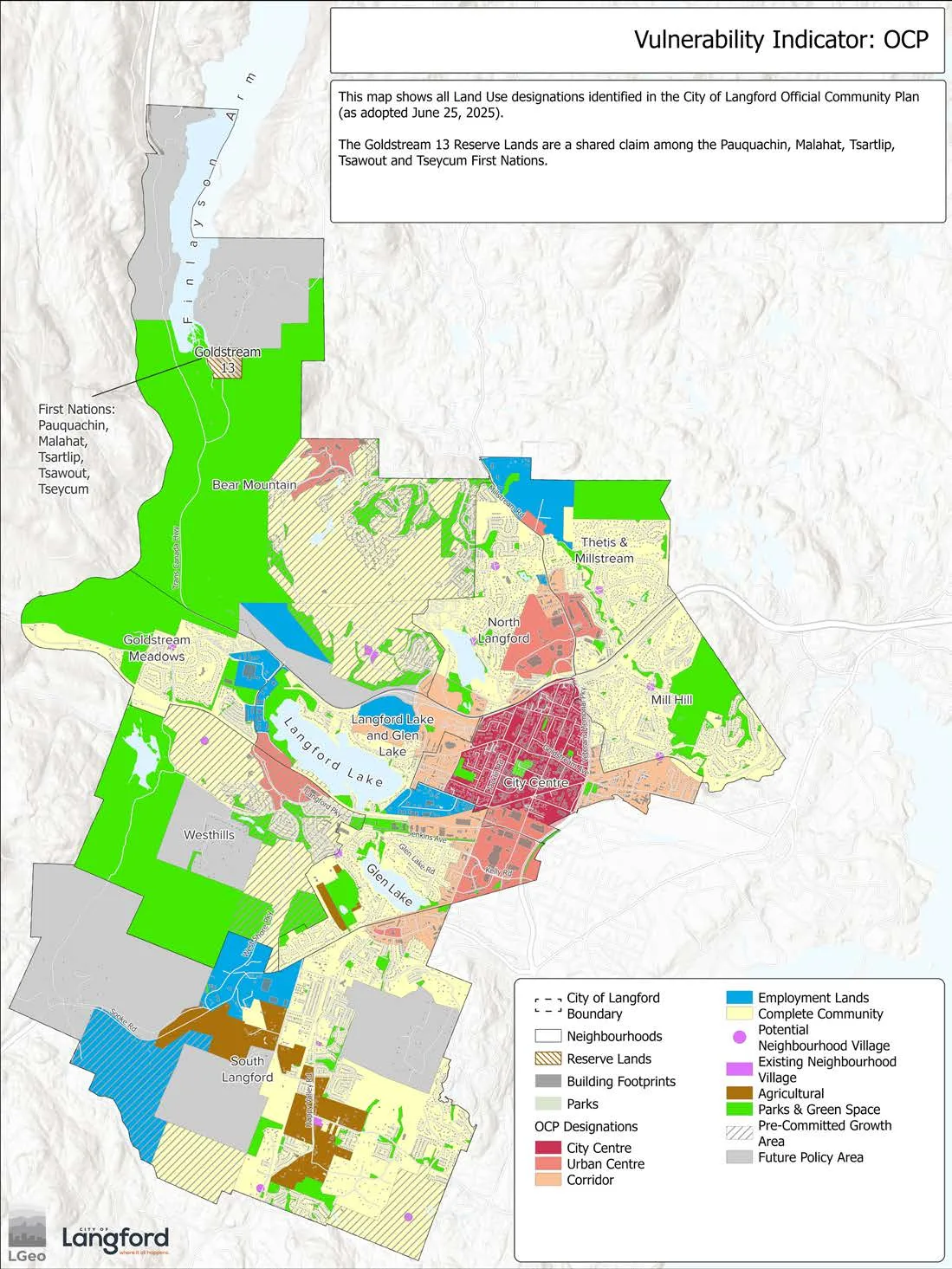
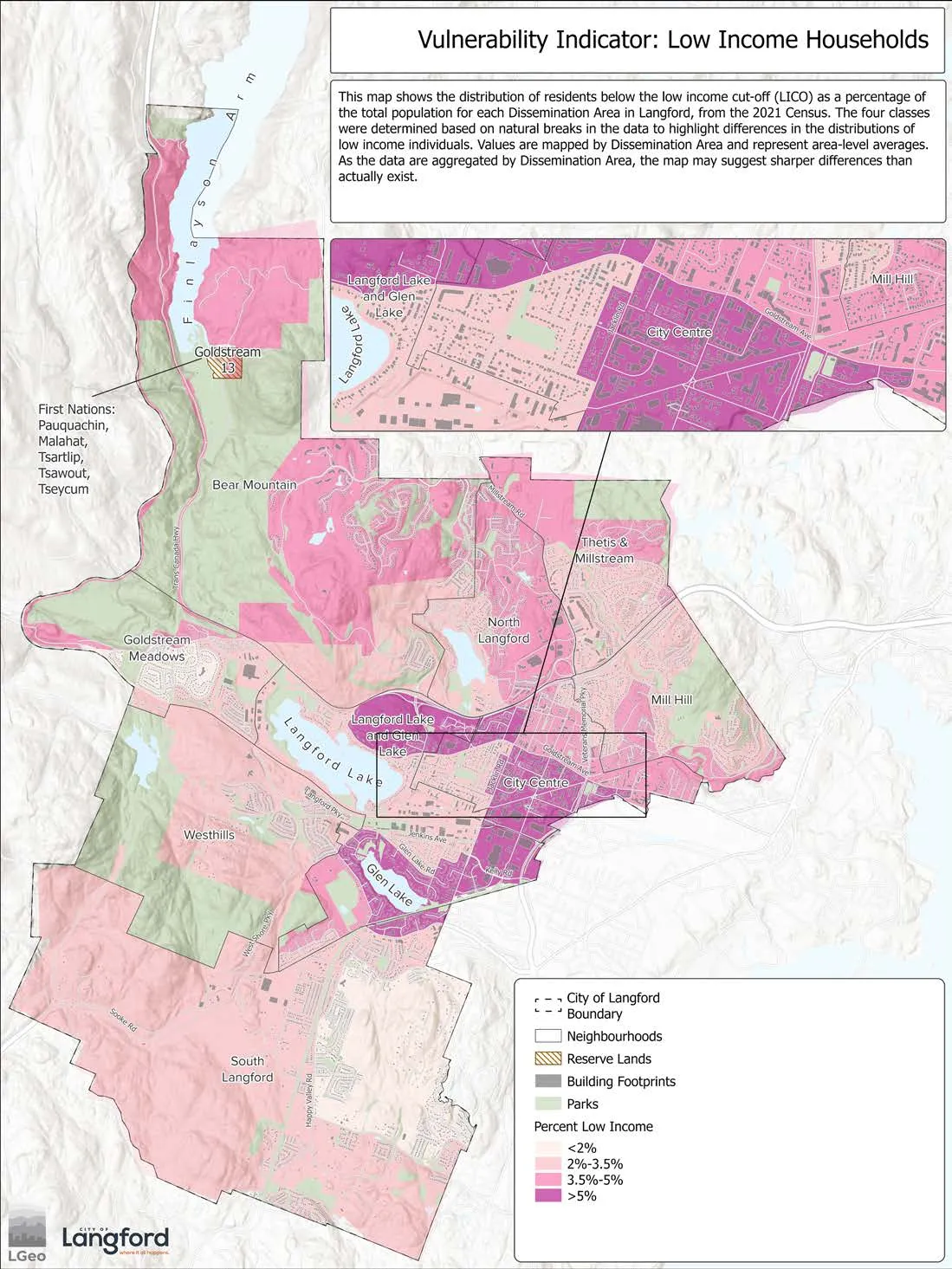
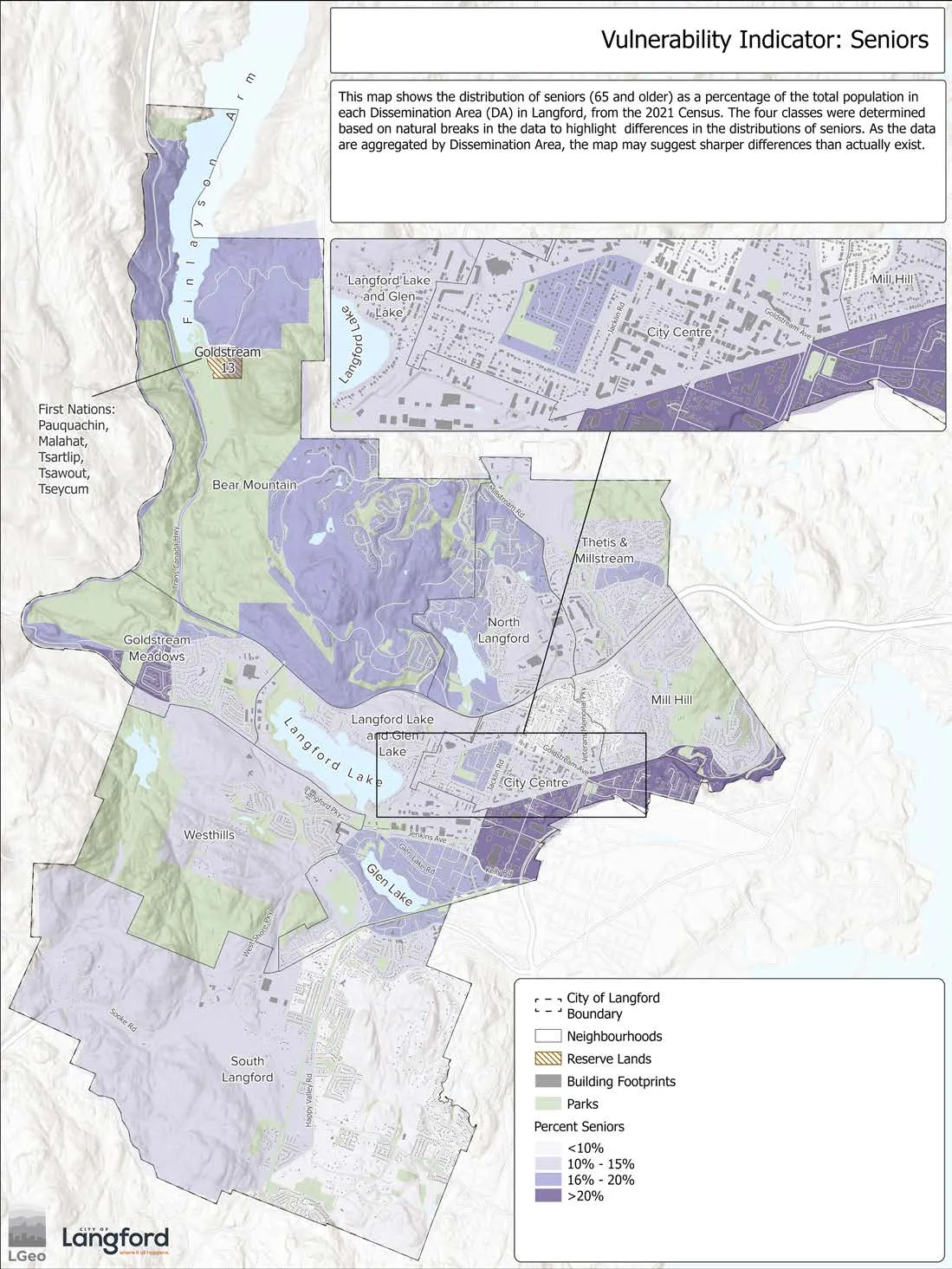
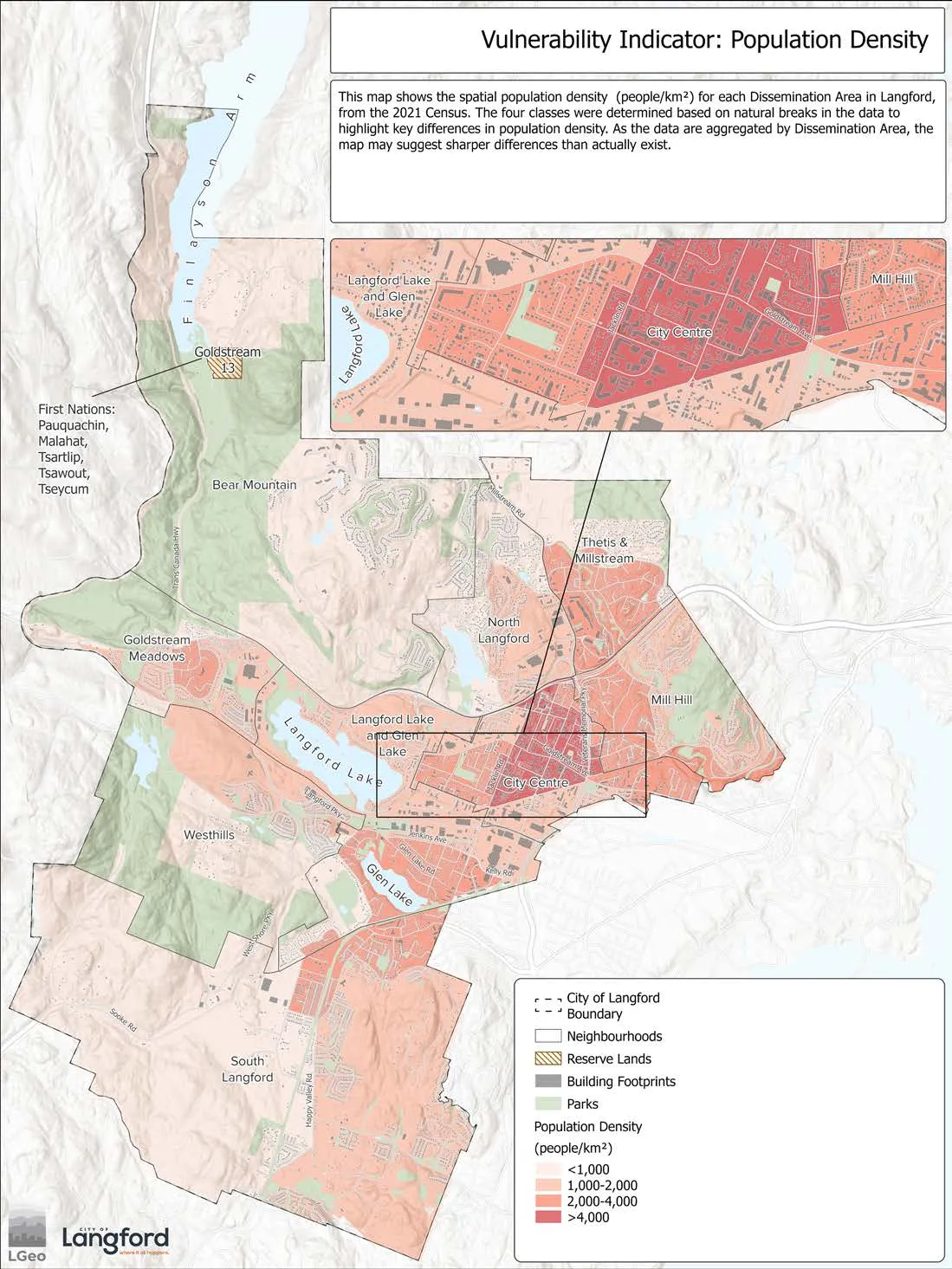
Document Images
(11)
extracted visual asset on page 3

extracted visual asset on page 3

extracted visual asset on page 15
extracted visual asset on page 27

extracted visual asset on page 28

extracted visual asset on page 28

extracted visual asset on page 40

extracted visual asset on page 46

extracted visual asset on page 48

extracted visual asset on page 51

extracted visual asset on page 54