DocumentsOtherSep 21, 2026Pages 1–63
Housing Strategy
The City of Langford’s Housing Strategy sets out a long-term vision, objectives, actions, and monitoring framework for meeting local housing needs. It includes background analysis and appendices on provincial regulations, senior-government funding programs, and annual target monitoring.
Key facts
- Developed in partnership; dated August 2026
- Langford population: 59,664 in 2025
- Projected need for 16,942 new homes from 2025 to 2045
- Five-year housing target: 5,081 new homes by 2030
- The Strategy identifies 32 actions, including 10 quick-start actions
Housing Strategy
Page 1
Housing Strategy CITY OF LANGFORD
Page 2
II | City of Langford | Housing Strategy Acknowledgments Land Acknowledgement Langford is located on the traditional territories of the Xwsepsum (Esquimalt), Lekwungen (Songhees), Sc’ianew (Beecher Bay), and the W̱SÁNEĆ Nations (Tsartlip, Pauquachin, Tsawout, Tseycum, and Malahat). We thank them for sharing this beautiful land. Team The Housing Strategy team would like to thank the City Mayor and Council, City staff, our diverse and dedicated local interest group representatives, and the many community members who call Langford home. AUGUST 2026 DEVELOPED IN PARTNERSHIP BY:
Page 3
Housing Strategy | City of Langford | III Contents Acknowledgments ..........................................................................................II Contents............................................................................................................ III Executive Summary..........................................................................................V INTRODUCTION............................................................. 1 About Langford .................................................................................................2 Purpose of the Housing Strategy ...............................................................2 Developing the Strategy ................................................................................3 BACKGROUND & CONTEXT.......................................4 The Housing Continuum ................................................................................5 Key Definitions ...................................................................................................6 How the City has Responded ......................................................................8 Housing & Community in Langford..........................................................11 What We Heard from the Community ....................................................18 Key Players in Housing Development.................................................... 22 THE STRATEGY............................................................24 How the Strategy is Organized................................................................. 25 Vision .................................................................................................................. 26 Desired Outcomes + Objectives............................................................... 26 Strategies and Actions.................................................................................. 27 MONITORING..............................................................38 Housing Action Metrics and Targets....................................................... 39 APPENDIX....................................................................43 Appendix A: Key Provincial Housing Regulations..............................44 Appendix B: Senior Government Funding Programs ......................46 Appendix C: Annual Target Monitoring Checklist................................51 References.........................................................................................................56
Page 4
IV | City of Langford | Housing Strategy List of Tables Table 1: Mode of Commuting in Langford versus Capital Regional District (CRD)..................................................................................17 Table 2: CMHC Reported Median Rents in Langford by Bedroom (2025)................................................................................................19 Table 3: 2025 Rental Vacancy Rates (CMHC Data) .............................19 Table 4: 2020 Housing Needs Assessment Summary of Non-Market Housing Inventory................................................................20 Table 5: 2021 Census Households Monthly Rental Affordability Gap for Purpose-Built Rental Buildings in Langford..........................21 Table: 6: Projected Additional Household Needs by Bedroom Type, 2020 - 2025............................................................................................ 23 Table 7: Projected Households by Tenure.............................................. 23 Table 8: Five Year Housing Needs (Housing Target Order Guidelines)............................................................................................ 23 Table 9: Monitoring Matrix...........................................................................46
Page 5
Housing Strategy | City of Langford | V Executive Summary With its population reaching 59,664 in 2025, an increase of nearly 70% since 2016, and a projected need for almost 17,000 new homes over the next 20 years, Langford has a significant opportunity to shape complete, inclusive neighbourhoods and ensure housing choice keeps pace with community needs. While the City has established itself as a regional leader in delivering both market and non-market housing, opportunities remain to address persistent housing needs across the community. At the same time, current economic conditions have made housing more expensive to deliver across all sectors, requiring new approaches and partnerships at a time when demand for diverse housing options continues to grow. As the City’s first Housing Strategy, this document reflects Langford’s commitment to proactively plan for growth and ensure housing opportunities are available for current and future residents. Guided by the 2025 Official Community Plan and Housing Needs Report, the Strategy sets clear direction for the next 20 years by identifying priority areas of need, measurable outcomes, and coordinated actions to support a thriving community. HOUSING PROFILE Langford’s housing profile reflects strong progress while also highlighting opportunities to build on that momentum. Multi-unit housing now represents 46% of the housing stock, and the rental vacancy rate sits at a healthy 4.6%. The City is also exceeding its Provincially mandated housing targets, with 794 housing units completed in the first six months of a first-year target of 449. Despite this progress, improving affordability remains an important priority. 11% of Langford households are in core housing need, with lone-parent households and non-census families (people living alone or with roommates) experiencing the greatest housing affordability pressures, often spending more than 30% of their income on shelter costs. COMMUNITY ENGAGEMENT Community engagement echoed these findings. Residents and interest-holders consistently identified family-friendly housing, deeply subsidized rental housing, and a greater variety of housing options as top priorities. Participants also emphasized the importance of complete, walkable communities and stronger collaboration across all levels of government, community partners, and housing providers. VISION AND DESIRED OUTCOMES This Strategy’s vision is that every Langford resident has access to a livable and affordable home in a neighbourhood connected to services, amenities, and transportation options. It envisions a community with housing choices for people of all ages, abilities, incomes, and life stages, delivered at a pace that keeps up with growth. The City’s OCP Desired Outcomes support this vision:
- Langford will offer a diverse range of housing choices that meet the needs of all residents.
- Homes addressing key areas of housing need will be prioritized, significantly reducing core housing need in the city.
- All new homes will be well-connected to transportation options, services, and amenities.
Page 6
VI | City of Langford | Housing Strategy STRATEGIES AND ACTIONS To achieve these goals in a rapidly evolving housing environment, the Strategy identifies a toolkit of 32 actions across four strategic areas that position Langford to continue leading on housing delivery, innovation, and partnership:
- Continue to remove barriers to building homes that align with the City’s existing plans and policies.
- Facilitate housing applications, through clear, predictable processes and high-quality planning outcomes.
- Use municipal land and funding to support housing types that are most needed or are not being delivered by the market.
- Strengthen partnerships and advocate for funding to support housing development. A number of quick-start priority actions are identified to generate immediate gains towards the City’s housing goals:
- Establish a housing liaison to support and facilitate affordable housing and other innovative housing applications, as well as to champion housing actions and opportunities in the city;
- Pre-zone for key housing types - including broad rezoning for affordable housing - in strategic locations;
- Create a suite of incentives for family-friendly and intergenerational living;
- Leverage the City’s financial tools and resources towards affordable housing projects, including: • Reduce municipal fees and charges for affordable housing; • Establish a Revitalization Tax Exemption Program; • Leverage the City’s Affordable Housing Reserve Fund; and • Proactively work with senior levels of government to access funding and other opportunities. FUNDING OPPORTUNITIES The Strategy also recognizes the important role that federal and provincial funding programs play in supporting housing delivery. While several major funding sources have recently closed or scaled back, creating uncertainty for projects already in the pipeline, new opportunities continue to emerge. By maintaining flexibility and monitoring changes in the funding landscape, the City can position itself to capitalize on future opportunities and support housing initiatives as programs evolve. MONITORING SUCCESS To support this adaptive approach, this Strategy includes a monitoring framework aligned with Official Community Plan targets and commitments, as well as the City’s OCP Desired Outcomes for housing. Ongoing monitoring and regular reporting will help ensure the Strategy remains responsive to changing conditions while maintaining a clear focus on results. As a living document, it will evolve alongside Langford’s growth, helping the City advance housing opportunities for people of all ages, incomes, and backgrounds while fostering a community where residents can thrive.
Page 7
Section Title Introduction Introduction
Page 8
2 | City of Langford | Housing Strategy | INTRODUCTION About Langford Known as a family-friendly community with abundant opportunities for outdoor recreation, Langford, BC is a rapidly growing municipality within Greater Victoria, and one of Canada’s fastest-growing cities. With a 2025 population of 59,664 people1, representing a 68.8% increase since 2016, Langford is expected to continue growing significantly. The City’s 2025 Official Community Plan (OCP) projects an additional 42,000 new residents by 2045, correlating with a need for roughly 17,000 new homes2. Purpose of the Housing Strategy Why does Langford need a Housing Strategy? Over the last two decades, Langford has been a leader in supporting both market and non-market housing. The City has developed and implemented innovative housing policies and programs that have expanded opportunities for affordable home ownership and rental housing. As a result, Langford is exceeding its Provincial housing targets3 and continues to maintain greater housing affordability than many communities across the Capital Regional District. As Langford continues to grow, housing needs are becoming increasingly diverse and complex. Additional housing options are needed to support one-income households, Indigenous peoples, newcomers, families, and others who face barriers in securing housing that meets their needs. At the same time, regional demand for housing continues to outpace supply, while economic conditions have increased the cost of housing delivery across all market segments. These factors have created new challenges for housing delivery, reinforcing the need for coordinated action to expand housing choice and support a sufficient supply of homes for current and future residents. Langford’s first Housing Strategy builds on the City’s strong foundation and provides a roadmap for responding to evolving housing needs in a thoughtful and purposeful way. The Strategy’s long-term outlook (20 years) reflects the evolving conditions of today’s real estate development market, acknowledges the City’s role as one of many partners in housing delivery, and, through a coordinated suite of actions, advances housing solutions that contribute to a complete, inclusive, and resilient community.
Page 9
INTRODUCTION | Housing Strategy | City of Langford | 3 What is the Housing Strategy trying to do? This Strategy builds on and advances housing objectives established in the 2025 Official Community Plan (OCP) and the findings of the 2020 Housing Needs Report (including the 2024 Interim Update). It provides a clear vision, strategic priorities, implementable actions, and measurable targets to help achieve the City’s 20-year housing goals. While the Strategy focuses on areas the City can influence, it also recognizes that improving housing affordability and increasing housing supply requires strong partnerships and collaboration among all levels of government, community organizations, housing providers, and the development industry. THE STRATEGY WILL:
- Identify gaps within Langford’s housing continuum using the City’s most current data, including key housing needs and emerging trends;
- Refine City priorities to address housing needs and support a diverse range of housing options;
- Provide a 20-year vision for housing in Langford, supported by desired outcomes for housing;
- Identify implementable actions within the City’s area of responsibility, along with actions for partnerships and advocacy, to advance housing goals over the short, medium and long-term; and,
- Provide a framework for monitoring progress and measuring achievement of the City’s housing goals. Developing the Strategy Timeline & Process The Housing Strategy was developed collaboratively over nine months and involved public and interest holder engagement, a workshop with internal City departments, and input from City Council. EXPLORE DEVELOP FINALIZE • Project Kick-off • Engagement & Communications Strategy • Research & analysis • Public & interest-holder engagement • Housing vision, actions, objectives, and strategies • Draft Housing Strategy • Internal City departmental workshop • Draft Housing Strategy • Refine Draft Housing Strategy • Council receives Draft Housing Strategy • Public engagement • Finalize Housing Strategy • Final Housing Strategy received by Council INITIATE 1 2 3 4
Page 10
Section Title Background & Context
Page 11
BACKGROUND & CONTEXT | Housing Strategy | City of Langford | 5 The Housing Continuum The term Housing Continuum (illustrated below) is used throughout this report to describe the range of housing types and tenures that reflect people’s housing needs throughout changing life stages and circumstances. The continuum consists of three primary housing categories: Market Housing, Below-Market Housing, and Non-Market Subsidized Housing along with their corresponding housing types. Purpose-Built Market Rental & Ownership Co-Op Housing Affordable Home Onwership Affordable Rental Permanent Subsidized Rental Housing Supportive Housing Transitional Housing Emergency Shelter Estimated Approximate Monthly Shelter Cost Minimum Before-Tax Income Needed to Afford Unit Housing Type Non-Market, Subsidized Housing Below-Market Housing Market Housing $1,675 AND UP $67,000 $1,507 AND UP $61,000 $1,250 OR LESS (30% OF INCOME) $50,000 OR LESS To illustrate the relative affordability levels of each category, the Housing Continuum includes estimated monthly shelter costs based on current market conditions. These estimates are intended to provide a general indication of affordability and are based on the following assumptions: • Market Housing: estimated monthly shelter costs are based on 2025 CMHC Average Reported Rents4 in Langford, using the average rent for a studio apartment ($1,675) as the baseline. • Below-Market Housing: estimated monthly shelter costs assume rents that are at least 10% below market-rents, based on 2025 CMHC Average Reported Rents in Langford for a studio apartment. • Non-Market, Subsidized Housing: estimated monthly shelter costs are based on BC Housing’s Housing Income Limits (HILS)5 for Greater Victoria and are intended to reflect rent-geared-to-income programs.
Page 12
6 | City of Langford | Housing Strategy | BACKGROUND & CONTEXT Key Definitions The Housing Continuum includes a wide range of housing types, tenures, and affordability levels. The following definitions provide a common understanding of key terms used throughout this Strategy and support the consistent implementation of its goals and actions. HOUSING AFFORDABILITY The Canadian Mortgage and Housing Corporation (CMHC) provides the most commonly accepted definition for housing affordability, where housing is considered “affordable” if total shelter costs, including base rent or mortgage payments, property taxes, strata fees, and essential utilities, account for less than 30% of a household’s gross (before-tax) income. This understanding of housing affordability is applied throughout this Strategy. AFFORDABLE HOUSING Affordable housing generally refers to housing that is affordable for low to moderate income households, where total shelter costs do not exceed 30% of a household’s gross income. Since housing affordability is tied to household income, what is affordable will vary from one household to another. Throughout this Strategy, affordable housing is used as a broad term that includes below-market housing and non-market subsidized housing. CORE HOUSING NEED Core housing need occurs when people are living in housing that is not affordable, inadequate (in need of repairs), or unsuitable (not enough bedrooms for the size and makeup of the household). Extreme Core Housing Need (ECHN) applies to households in core housing need that spend more than 50% of their gross income on shelter costs. MARKET HOUSING Market housing refers to any type of residential housing that is rented or sold at market rates. In today’s housing market, market housing generally serves households with moderate to higher incomes, although affordability varies by location, household size, and housing type. Market ownership includes all homes that are purchased at market rates. Market rental housing includes units in purpose built rental buildings as well as homes in the secondary rental market that are rented out at market rates, such as secondary suites and detached accessory dwelling units. Co-housing is an intentional and collaborative type of market housing that emphasizes community building, shared amenities, and participatory decision-making. While often confused with cooperative housing (a.k.a “co-ops”) or below market housing, co-housing is typically a form of strata ownership. Housing costs may be higher than comparable market housing due to the inclusion of extensive shared amenities and communal spaces that support social connection and collaborative living. In establishing Inclusionary Zoning Bylaws, municipalities are required to define the tenure and affordability requirements for homes that qualify as ‘affordable housing units’, including maximum sales price and rental rates. Langford’s Inclusionary Zoning Bylaw establishes affordability requirements for ownership and rental tenures, including rents and purchase prices that are at least 10% below market rates. 6 | City of Langford | Housing Strategy | BACKGROUND & CONTEXT
Page 13
BACKGROUND & CONTEXT | Housing Strategy | City of Langford | 7 BELOW-MARKET HOUSING Below-market housing refers to housing offered at rents or purchase prices below those available in the private market. It expands housing options for households who may face challenges accessing market housing, although affordability will vary depending on household income and housing costs. Co-op Housing is a form of below-market housing in which residents collectively govern a housing association that owns the development. Members pay a monthly housing charge and are granted the right to occupy a unit. Co-ops can provide more affordable housing options than the private market, although may still be beyond the reach of some lower-income households. Affordable rental housing serves individuals and households that may face challenges accessing market rental housing without spending more than 30% of their household income on shelter costs. Affordable rental housing may be developed and operated by developers as part of a market development, or by non-profit organizations, municipal housing corporations, regional governments, or by the provincial government through BC Housing. The City defines affordable rental housing in its Inclusionary Zoning Bylaw as housing rented at rates that are at least 10% below the median rents for Langford reported by CMHC, or alternatively, at no more than 30% of the median renter income published by Statistics Canada. Affordable home ownership serves households that may be able to afford the ongoing costs of home ownership but face barriers entering the ownership market, such as providing a down payment. The City defines affordable ownership housing in the Inclusionary Zoning Bylaw as housing priced at least 10% below the benchmark price for a home of a given size, as published by the Victoria Real Estate Board. NON-MARKET SUBSIDIZED HOUSING In non-market subsidized housing, rents are set relative to household income rather than market rates. This approach supports long-term affordability, housing stability, and community inclusion by ensuring rents are based on household income rather than market conditions. Non-market housing developments typically require deeper levels of government funding and financial support than below-market housing. Permanent subsidized rental housing consists of rental units subsidized by government programs, such as those administered through BC Housing. This type of housing often serves those with low or fixed-income including seniors receiving pensions and individuals receiving disability assistance. Rents are typically set relative to household income and are commonly calculated as 30% of household income (also referred to as “Rent Geared to Income” (RGI)). Supportive housing is a form of subsidized housing that offers permanent housing with wraparound support. This type of housing typically serves individuals who would benefit from on-site support services to maintain housing stability, health, and wellbeing, which includes people with physical disabilities, mental health or substance use challenges, and seniors that require care. Transitional housing is similar to supportive housing in that it includes wraparound supports, but differs in that it is intended to provide temporary accommodation and assist residents in the transition toward permanent housing and greater independence. EMERGENCY SHELTER Emergency shelters provide immediate, short-term accommodation for individuals and families experiencing a housing crisis, homelessness, or displacement due to an emergency or disaster. They include both year- round shelters and temporary extreme weather response shelters. BACKGROUND & CONTEXT | Housing Strategy | City of Langford | 7
Page 14
8 | City of Langford | Housing Strategy | BACKGROUND & CONTEXT How the City has Responded people living alone or with roommates), low-income seniors, newcomers, and Indigenous people. Provincial legislation requires municipalities to update their Housing Needs Reports every five years. Langford’s next full Housing Needs Report is expected to be completed in 2028 and will include updated housing need projections based on the latest available data. Official Community Plan Bylaw No. 2200 (OCP) The City adopted a new Official Community Plan (OCP) in 2025 to guide growth and development as Langford plans for a population of 100,000 residents. The OCP identifies where future growth should occur and establishes clear housing outcomes, targets, and commitments to support the delivery of the homes needed to accommodate that growth. Building on this foundation, the Housing Strategy provides the actions needed to ensure a sufficient and diverse housing supply that meets the needs of current and future residents. Key housing-related outcomes include: • Expanding housing choice for all residents at all stages of life. • Supporting a range of housing types, including ownership, rental, non-profit, co-housing, and cooperative housing. • Ensuring that new homes are livable and well-connected to transportation options, amenities, and services. Many of the housing actions identified in the OCP are already underway, including the preparation of this Housing Strategy. Langford has taken a proactive and forward-looking approach to planning for growth and supporting the delivery of housing. Over the past several years, the City has completed a range of major policy, planning, and regulatory initiatives that help accommodate the community’s changing housing needs, provide greater housing choice, and create a more predictable framework for development. Key actions include: Housing Needs Report (2020) and Interim Housing Needs Report (2024) To better understand evolving housing needs and meet Provincial requirements, the City completed a Housing Needs Report in 2020, followed by an Interim Housing Needs Report in 2024. The Interim Housing Needs Report provides updated housing projections and serves as a bridge between the 2020 Housing Needs Report and the City’s next comprehensive Housing Needs Report. The 2024 Interim Housing Needs Report provides updated estimates of housing need and complements the broader analysis contained in the 2020 Housing Needs Report, which continues to inform the goals and actions of this Strategy. Key findings include: • Population projections indicate that Langford is expected to continue growing, with particularly strong growth among residents aged 35 - 44 and those 65 and older; • Future housing needs are projected to be relatively evenly distributed across studio/1 bedroom, 2 bedroom, and 3+ bedroom units; and • The households most likely to be in Core Housing Need include single parent families, non-census families (such as
Page 15
BACKGROUND & CONTEXT | Housing Strategy | City of Langford | 9 Development Permit Areas (DPAs) In July 2026, the City adopted a comprehensive update to its Form and Character and Environmental Development Permit Areas (DPAs) as part of a broader effort to modernize and streamline the development approval process. The update simplified regulations, reduced complexity, and established a clearer, more predictable framework for applicants while maintaining the City’s expectations for high-quality development. The revised Form and Character guidelines support housing delivery by consolidating most areas of the city into a single DPA and emphasizing design outcomes rather than prescriptive requirements. To further streamline approvals, the Director of Community Planning and Development may approve variances that improve site functionality, provided they clearly achieve the intent of the design guidelines. 2023-2027 Council Strategic Plan Langford’s 2023-2027 Strategic Plan establishes Council’s shared vision for the community and identifies six strategic priorities, including sustainable development. Many of the Strategic Plan’s objectives support housing delivery by guiding investments in infrastructure, services, and community amenities needed to support growth and quality of life. IZ and ACC Bylaws (2026 Update) In June 2026, the City adopted new Inclusionary Zoning and Amenity Cost Charge bylaws to ensure that new growth contributes to both affordable housing and the community amenities needed to support a growing population. INCLUSIONARY ZONING BYLAW The City’s Inclusionary Zoning Bylaw helps ensure that new residential development contributes to affordable housing. Developers can either provide a set number of affordable homes within their project or make a financial contribution to the City’s Inclusionary Zoning Reserve Fund. Funds collected through the reserve support affordable housing projects in Langford. This approach replaces the City’s previous practice of negotiating affordable housing contributions through rezoning applications. Affordable housing secured through the bylaw is intended to expand housing opportunities for households earning approximately the median household income in Langford. The bylaw includes two types of affordable units as: • Attainable ownership homes, which are priced at least 10% below the Victoria Real Estate Board benchmark price for that housing type, and increase in value in accordance with average market appreciation; and • Affordable rental homes, which are rented at either: • At least 10% below the CMHC average market rent for Langford (updated annually relative to market rates), for a term of at least 25 years; or • No more than 30% of the median income of renter households in Langford, based on the most recent Census and updated every four years, for a term of at least 10 years. These affordability levels were established with the expectation that more deeply affordable and subsidized housing will continue to be delivered by non-profit housing providers, with the City supporting those efforts through funding secured from cash-in- lieu contributions.
Page 16
10 | City of Langford | Housing Strategy | BACKGROUND & CONTEXT AMENITY COST CHARGE BYLAW The City’s Amenity Cost Charge Bylaw requires new residential and commercial development to contribute toward the expansion of community amenities needed to support growth, including: • A new recreation centre; • Community and arts centres; and • Streetscape/public space improvements.
Zoning Bylaw No. 300 The City’s Zoning Bylaw continues to evolve in response to changing housing needs, provincial legislation, and Council priorities. In recent years, several significant amendments have been adopted to support housing delivery and increase housing choice throughout the community. SMALL-SCALE MULTI-UNIT HOUSING (SSMUH) In June 2024, the City adopted amendments to permit between three and six dwelling units on lots zoned for single-detached and duplex housing, in accordance with provincial legislation. By implementing the minimum SSMUH requirements, the City also met provincial requirements to pre-zone land to accommodate its projected 20-year housing need. NEW RESIDENTIAL ZONES In June 2026, the City adopted four new standard zones to streamline and modernize residential zoning. These new zones include: • Adjusted historic regulations, including setbacks, floor area ratios and minimum lot sizes; • New regulations that support environmental sustainability and livability, including requirements for live landscaping and both shared and private outdoor amenity space. These new zones will work alongside the new Inclusionary Zoning and Amenity Cost Charge Bylaw framework, replacing the density bonus framework in older zones that relied on the rezoning process. PARKING Recognizing that parking is one of the largest cost factors in new development, the City recently adopted amendments to its parking requirements to reduce barriers to housing delivery. These changes included removing parking minimums for affordable housing city- wide and for all apartments (rental and strata) in the City Centre, helping to reduce development costs while allowing developers greater flexibility to provide parking based on the needs of future residents. The City will continue to modernize its Zoning Bylaw over time, including future updates to better align zoning regulations with the new Official Community Plan and to support the implementation of this Housing Strategy.
Page 17
BACKGROUND & CONTEXT | Housing Strategy | City of Langford | 11 Housing & Community in Langford Community Profile AVERAGE HOUSEHOLD SIZE IS 2.4 PEOPLE LANGFORD RESIDENTS6: The households most likely to be in Core Housing Need include one-income households, including one- parent families, recent immigrants and non-permanent residents, and Indigenous people. REGIONAL HOMELESSNESS 2025 Greater Victoria Homeless Count7 1,749 PEOPLE WERE EXPERIENCING HOMELESSNESS ACROSS THE REGION 318 INDIVIDUALS SPENT THE NIGHT IN AN UNSHELTERED LOCATION ACROSS THE REGION Top Reported Barriers to Securing Housing: 65% HIGH RENT PRICES 61% LOW INCOME 59,664 TOTAL POPULATION8 39 MEDIAN AGE 5 YEARS YOUNGER THAN THE PROVINCIAL MEDIAN OF 44 6% INDIGENOUS POPULATION 16% WERE BORN OUTSIDE OF CANADA 13.1% ARE OVER 65 Household Income: $ $93,000 LANGFORD $85,000 BC $84,000 CRD Housing Tenure: 65% OWN 35% RENT AFFORDABILITY & CORE HOUSING NEED9 26% OF RESIDENTS LIVE IN HOUSING THAT COSTS MORE THAN 30% OF THEIR TOTAL HOUSEHOLD INCOME 11% OF ALL RESIDENTS ARE IN CORE HOUSING NEED MODE OF COMMUTING Mode Share Langford CRD Car, Truck, Van as driver 80% 69% Active Transport (cycling, walking) 12% 23% Public Transit 4% 6% Table 1: Mode of Commuting in Langford versus Capital Regional District (CRD)10
Page 18
12 | City of Langford | Housing Strategy | BACKGROUND & CONTEXT Housing Profile GROWTH TIMELINE Langford’s housing landscape includes approximately 25,000 private homes per BC Stats 2025 projections11. Apartments Single- Detached Homes Townhouses Duplexes 2000 2021 Recent Expansion: 65% of housing stock Pre-2000 Base: 35% of total housing stock Langford’s housing stock is relatively new13: Multi-Unit Housing Single-Detached Homes Flats in Duplexes & Secondary Suites Current distribution of housing types reflects a steady shift towards densification of Langford’s housing stock12: THE MOVE TOWARDS MORE DENSITY
New Construction (2015-2023) The Interim Housing Needs Report (2024) shows that homes built over the last decade have trended towards high-density apartment living, while new construction of single-family homes have contracted: Primary Rental Market Focus (2021-2025): The push toward greater density has been driven by construction of purpose-built rental units rather than secondary adaptations. Over a four-year construction window, building permits for new construction totaled: Apartment Units: 5,041 Secondary Suites in Single-Family Dwellings and Duplexes: 28
Page 19
BACKGROUND & CONTEXT | Housing Strategy | City of Langford | 13 THE RENTAL MARKET Home Sizes & Number of Bedrooms14 Nearly 83% of all homes in Langford provide 2 or more bedrooms, supporting a range of household needs and reinforcing the city’s family-friendly character. Rental housing, however, tends to be smaller, with only 52% of rental homes offering 2 or more bedrooms. • All dwellings with 2+ beds: 83% • Rental dwellings with 2+ beds: 52% • Rental inventory breakdown by bedroom type: • Studio: 6% • 1 Bed: 41% • 2 Bed: 47% • 3+ Bed: 5%
A breakdown of average monthly rents by home size is provided below: Studio 1 Bedroom 2 Bedroom 3 Bedroom $1,675 $1,820 $2,399 $2,756
Table 2: CMHC Reported Median Rents in Langford by Bedroom (2025)15 Langford’s median monthly rent ($2,014) is higher than the provincial median ($1,750), but households in Langford also have higher median before-tax incomes ($93,000 compared to $85,000 provincially16). As a result, rental costs are generally aligned with the earning capacity of the City’s median-income households. Despite this, rents for homes with two or more bedrooms exceed the affordability threshold, with median-income households spending more than 30% of their income on housing. Unit Type 2025 Vacancy Rate Market Condition Studio 4.5% Balanced 1-Bed 3.9% Balanced 2-Bed 5.7% High Availability 3+ Bed 1.0% Low Availability Langford Total 4.6% Healthy Target Range 2025 Rental Market & Vacancy Rates Langford’s rental vacancy rate, the share of rental homes that are available for rent at a given time, has increased to between 3% and 5%, a range generally considered healthy. However, larger rental homes remain in short supply, with only 1% of three-bedroom or larger units currently available. A breakdown of 2025 rental vacancy rates is provided below, along with an interpretation of the vacancy rate based on the healthy target range. Table 3: 2025 Rental Vacancy Rates (CMHC Data)17
Page 20
14 | City of Langford | Housing Strategy | BACKGROUND & CONTEXT NON-MARKET HOUSING INVENTORY Langford’s 2020 Housing Needs Assessment reports 847 non-market homes in the city, current to 2019 (see Table 4). The City’s next Housing Needs Assessment will update this summary based on updated data from BC Housing. Service Group Emergency Shelter Transitional & Supportive Housing Independent Rental Housing Rent Assistance in the Private Market Total Seniors
167 30 146 343 Families
365 120 485 Persons with Disabilities
19
19 Total 847 Table 4: 2020 Housing Needs Assessment Summary of Non-Market Housing Inventory18 Indigenous Non-Market Housing: Indigenous peoples make up approximately 6% of Langford’s population but are disproportionately represented among households experiencing core housing need and homelessness19. The 2020 Housing Needs Assessment notes that more non-market housing and more supportive housing is needed for low-income Indigenous households. Co-Op Housing Units: There are 21 co-operative housing units registered with the Co- operative Housing Federation of BC as well as a 94-unit co-cooperative model modular home park. Since 2020, Langford has advanced a number of new non-market and below- market housing projects to help address local housing needs. Habitat for Humanity • 16 two-, three- and four-bedroom attainable townhomes Langford Attainable Home Ownership Program • 42 attainable condo units secured through Housing Agreements, most of which have been completed and sold to qualified buyers Langford Attainable Rental Program • 47 below-market rental units secured through Housing Agreements, many of which are currently under construction Independent Rental Housing • 563 units completed across six purpose- built buildings owned and operated by non-profit housing providers Transitional and Supportive Housing • 108 units completed across two purpose-built buildings (one for seniors and one for women and children) owned and operated by non-profit housing providers
Page 21
BACKGROUND & CONTEXT | Housing Strategy | City of Langford | 15 Housing Needs MONTHLY RENTAL AFFORDABILITY GAP FOR PURPOSE-BUILT RENTAL UNITS The following table illustrates the monthly rental affordability gap for different household types in Langford using median gross household income data from the 2021 Census and average 2025 rental rates reported by CMHC. It is important to note that census household income data includes both renter and homeowner households. This table shows the cost of rent and does not include total shelter costs, which includes all recurring monthly household expenses (e.g. utilities, strata fees). The analysis indicates that non-census families and one-parent families face the greatest housing affordability challenges in Langford. Specifically, on average: • Non-census families, including individuals living alone or with roommates, spend more than 30% of their before-tax income on rent for market rental units of any size. • Lone-parent families spend more than 30% of their before-tax income on rent for a 2-bedroom or 3-bedroom market rental unit. • Couples with children and couples without children spend less than 30% of their before-tax income on rent for any size market rental unit. Table 5: 2021 Census Households Monthly Rental Affordability Gap for Purpose-Built Rental Buildings in Langford Household income data sourced from 2021 Census20. Rental costs sourced from CMHC Reported Median Rents in Langford by Bedroom (2025)21. Median Before-Tax Household Income (2020) Affordable Rental Costs (Monthly) Monthly Rental Affordability Gap 1 Bedroom 2 Bedroom 3 Bedroom Couples without children $99,000 $2,475.00 $655.00 $76.00 -$281.00 Couples with children $138,000 $3,450.00 $1,630.00 $1,051.00 $694.00 One-parent families $74,000 $1,850 $30.00 -$549.00 -$906.00 Non-census families $55,100 $1,377.50 -$442.50 -$1,021.50 -$1,378.50 Spending less than 30% of household income on rent Spending approximately 30-49% of household income on rent Spending 50% or more of household income on rent
Page 22
16 | City of Langford | Housing Strategy | BACKGROUND & CONTEXT Projections: Future Housing Needs The City monitors and reports on two separate provincial housing needs and target frameworks. Each was developed by the Province for a different purpose and is based on distinct data sources, methodologies, and assumptions: • Housing Needs projections estimate how many homes will be needed over the next 5 and 20 years and are required as part of Provincial Housing Needs Reports. • Housing Target Order establishes the number of new homes the City is expected to deliver under the Province’s Housing Supply Act and Housing Supply Regulation. HOUSING NEEDS REPORT: 20-YEAR HOUSING NEEDS Projections for the number of homes Langford will need over the next 20 years (2025 to 2045) are outlined in the City’s 2024 Interim Housing Needs Assessment. These projections were developed using 2021 Census data and a housing needs calculator created by the University of British Columbia through the Housing Assessment Resource Tools (HART) program. 16,942 = Total new homes needed in the next 20 years • 14,165 to meet anticipated growth needs • 1,249 for a “demand buffer”, allowing for a healthy housing market with plentiful choices • 819 to meet the needs of people in core housing need • 301 to house those who live with roommates or parents and want to form an independent household, but can’t afford to • 232 to meet the needs of current and future people experiencing homelessness • 174 to achieve and maintain a “healthy” minimum vacancy rate of 3% With the availability of new census data (estimated 2028), housing need projections will be updated using the HART calculator.
Page 23
BACKGROUND & CONTEXT | Housing Strategy | City of Langford | 17 HOUSING TARGET: FIVE-YEAR HOUSING NEEDS (2025-2030) The Province’s Housing Target Order for Langford establishes a five-year housing target (September 2025-2030) and includes guidance on the mix of housing types needed to support a diverse housing continuum. This guidance prioritizes the delivery of rental housing and below-market housing in the near term to address priority needs and expand housing choice in the community (as shown in Table 8). Units by Size Units by Tenure Rental Units by Market Rate Supportive Rental Units (with on-site supports) Studio/ 1-Bed 2-Bed 3+Bed Rental Owner Below- Market Market 2,044 531 418 2,762 231 1,037 1,725 85 Table 8: Five Year Housing Needs (Housing Target Order Guidelines) The City’s 2020 Housing Needs Assessment provided a more detailed look at housing needs through 2025, including estimates by housing size (number of bedrooms) and tenure (ownership or rental). The projections identified a need for a balanced mix of housing types and tenures (see Tables 6 and 7). Projections by housing size and tenure will be updated in the City’s next Housing Needs Report. Studio / 1 Bedroom 2 Bedroom 3+ Bedroom Total Total 869 1020 886 2,775 % by Bedrooms 31% 37% 32% 100% 2020-2025 Number Percentage of New Housing Owner 2,014 73% Renter 761 27% Table: 6: Projected Additional Household Needs by Bedroom Type, 2020 - 2025 Table 7: Projected Households by Tenure
Page 24
18 | City of Langford | Housing Strategy | BACKGROUND & CONTEXT What We Heard from the Community Interest-Holder Workshops: A wide variety of local developers, builders, real estate professionals, non-profit organizations, local government representatives, and advocacy groups attended virtual interest-holder workshops. Local developers, builders, and real estate professionals noted current challenges with development feasibility and changing governmental regulations. At the same time, they highlighted strong collaborative relationships they have built with the City. Participants noted that continued success will depend on clear and consistent policies, streamlined processes, greater flexibility in requirements, and incentives and tools that support housing development. Non-profit organizations, local government representatives, and advocacy groups highlighted the need for more housing options for low- and moderate-income households, as well as additional three- and four-bedroom homes. Participants also identified the Affordable Home Ownership Program and recent housing development as local successes. Additional opportunities identified through engagement included strategic acquisition of existing properties to expand the supply of affordable rental housing, stronger partnerships with non-profit organizations, more complete communities with better connectivity, access to services, improved data on homelessness, and per-door funding for non-profit housing projects. Participants also emphasized the importance of extending affordability periods in housing agreements, reassessing below-market affordability calculations, balancing the volume of new units with the need for deeply affordable housing, and recognizing that non-profit-owned housing typically becomes more affordable over time. Engagement for the Housing Strategy was conducted in April 2026 and included two streams: a public feedback survey and workshops with external interest holders. The engagement process was coordinated alongside consultation for the City’s Inclusionary Zoning and Amenity Cost Charge bylaws, allowing participants to provide input on all three initiatives at the same time. Public Feedback Survey: Who we heard from: • 192 total respondents • Self-selected: 81% own their home (compared to 65% city-wide) | 14% are renters (35% city-wide) | 4% live with family or friends • 86% are over the age of 35 | 39% over the age of 55 | 15% are under the age of 35 • 60% have annual before-tax total household income of over $100,000 • 15% of respondents have an annual household income of less than $60,000
Page 25
BACKGROUND & CONTEXT | Housing Strategy | City of Langford | 19 Engagement Results at a Glance Several common themes emerged from public and community interest-holder feedback. A summary of these themes, along with representative quotes direct from participants, is provided below: Intergovernmental Collaboration “[Affordable housing]... needs to be a collaborative effort from all levels of government, developers, and supported by non-profit organizations.” - Public Feedback Survey Respondent Both survey respondents and interest-holder workshop participants recognized that delivering affordable housing is challenging in the current housing market. Their feedback highlighted the importance of a coordinated, collaborative approach involving multiple levels of government, non-profit organizations, and other partners to support the development of affordable housing. Family-Friendly Housing “There seems to be lots of rentals lately, but very few that are both affordable and suitable for a family (3 bedrooms+) - this is a big problem and in my mind the most urgent housing one.” - Public Feedback Survey Respondent While Langford has delivered a significant amount of new housing, participants consistently identified a need for more affordable, family-friendly homes, particularly those with three or more bedrooms. Family-oriented housing that includes adequate storage, private outdoor space, sufficient parking, and convenient access to shops, services, and amenities was also frequently identified as a priority. Parks & Greenspace “With the development of new housing, neighbourhoods (regardless of average household income and housing density) still require amenities like safe parks, greenspace, canopy, and walkable/bikeable routes.” - Public Feedback Survey Respondent Participants consistently highlighted the importance of convenient access to high-quality outdoor spaces, including parks, trails, natural areas, and community gardens. Complete Communities “The focus is often on providing the ‘unit’ of housing – rather than creating a home in Langford for them, and that involves their community, their building, and where they live.” - Interest-Holder Workshop Participant While participants recognized that new housing development is both necessary and appreciated, we also consistently heard a desire for more complete communities, with walkable streets, safe cycling infrastructure, and convenient access to shops, services, and amenities.
Page 26
20 | City of Langford | Housing Strategy | BACKGROUND & CONTEXT Public Feedback Survey Results 54% of survey respondents feel that their housing is affordable, while 30% of survey respondents feel that their housing is unaffordable. MONTHLY INCOME SPENT ON SHELTER COSTS 63% of respondents reported spending more than 30% of their monthly income on shelter costs, including nearly 20% who reported spending over 50%. Only 32% of respondents reported spending less than 30% of their income on housing. The 2021 Census22 shows that 74% of Langford households spend less than 30% of their income on shelter costs. This suggests that Langford residents who spend over 30% of their household income on shelter costs are either over-represented in the results of this survey, or shelter costs have become less affordable since the release of the 2021 Census. HOUSING AFFORDABILITY
Page 27
BACKGROUND & CONTEXT | Housing Strategy | City of Langford | 21 TOP PRIORITIES FOR HOUSING IN LANGFORD The top three most frequently selected housing priorities included:
- Improving the amount of family- friendly housing (86);
- Increasing the supply of deeply subsidized rental housing (70); and
- Encouraging a greater variety of housing types (64).
Page 28
22 | City of Langford | Housing Strategy | BACKGROUND & CONTEXT Key Players in Housing Development Provincial Government The Province establishes the legislative and policy framework that guides housing and land use planning in British Columbia. Through its authority, the Province sets many of the rules that shape how communities grow and develop. Much of this framework is established through the Local Government Act, which mandates proactive planning, regulates development processes, and provides local governments with tools to manage growth, regulate density, apply and enforce zoning, and secure affordable housing. A summary of the current, relevant provincial regulatory and policy context is provided in Appendix A as a snapshot of influential initiatives and regulations affecting Langford. BC HOUSING BC Housing is a Provincial Crown corporation that plays multiple roles in the development and operation of non-market housing throughout the province. They primarily administer funding programs for non-market developments, redevelopment projects, and housing operations, while also overseeing programs for supportive housing, transition houses, and group homes. BC Housing often partners with non-profit and private sector organizations to deliver housing projects across the province. As of 2026, funding for core affordable housing programs is very limited. The City plays an important role in influencing the types and locations of housing built in the community. While the City does not directly create housing, it works closely with key partners to support housing delivery and meet the community’s evolving needs, including: Federal Government The federal government helps shape housing outcomes through national policies, funding programs, and tools such as mortgage regulations, interest rates, and immigration levels. While they don’t directly build housing or regulate land use or zoning, they play an important role in supporting housing delivery by providing funding to accelerate new housing construction and by investing in housing research. CANADA MORTGAGE AND HOUSING CORPORATION (CMHC) CMHC is a Federal Crown corporation under the responsibility of the Minister of Housing and Infrastructure. As a financial institution, CMHC supports housing delivery by facilitating access to financing, providing evidence-based housing insights, research and data, and administering the Federal Government’s housing programs.
Page 29
BACKGROUND & CONTEXT | Housing Strategy | City of Langford | 23 Developers While not a level of government, developers play an important role in delivering housing. They are responsible for designing, building, and operating housing across the continuum, and work with multiple levels of government to navigate approvals and secure financing. PRIVATE SECTOR Private sector developers build market-rate housing in the community. To proceed, projects must be financially viable, meaning that revenues from the sale or rental of homes must be sufficient to cover development and construction costs. Multi- storey and high-rise apartment buildings often require significant investment and involve costs associated with land acquisition, planning, approvals, financing, servicing, and construction. NON-PROFIT SECTOR The non-profit housing sector plays an important role in developing, operating, and advocating for affordable and non- market housing. Non-profit organizations often partner with BC Housing, local governments, and other funding agencies to deliver housing that serves households whose needs may not be met through the private market alone.
Page 30
Section Title The Strategy
Page 31
THE STRATEGY | Housing Strategy | City of Langford | 25 How the Strategy is Organized At the heart of the Housing Strategy is a community-driven vision supported by a set of strategic actions designed to address Langford’s most pressing housing needs. Recognizing the City’s areas of direct control and influence, the Strategy defines the role the City can play in enabling housing delivery. This includes shaping what can be built through land use planning and policy, supporting the timely delivery of housing through efficient development review and permitting processes, and leveraging municipal funding, partnerships, land, and other resources to advance housing initiatives. This Strategy also recognizes that some housing outcomes are shaped by factors beyond the City’s direct control. Addressing housing needs will require continued collaboration with key partners, including the Federal and Provincial governments, the Capital Regional District, local First Nations, developers, and non-profit organizations. The vision and strategic actions that follow provide the framework for how the City can respond to identified housing needs, focus resources where they have the greatest impact and work with partners to support a broader range of housing options across the community.
Page 32
26 | City of Langford | Housing Strategy | THE STRATEGY Desired Outcomes + Objectives Langford’s OCP Desired Outcomes identify clear goals for housing. Building on this foundation, the Housing Strategy establishes additional housing objectives that help prioritize actions, guide investment, and inform decision-making where trade-offs are required. Langford will offer a diverse range of housing choices that meet the needs of all residents. • Objective 1: Housing is affordable to Langford’s workforce and families. • Objective 2: A balance of rental, ownership, and other tenure options meet varying household needs and desires. • Objective 3: More family-friendly units are delivered in multi-unit housing, particularly within the City Centre and other urban centres. Homes addressing key areas of housing need will be prioritized, significantly reducing core housing need in the city. • Objective 1: Appropriate housing is available for people and households most likely to experience core housing need, including low-income seniors, single parent families, newcomers, and people with disabilities. • Objective 2: Residents are well-connected to supportive services. • Objective 3: Non-profit organizations are empowered to serve the community and deliver non-market housing. All new homes will be well-connected to transportation options, services, and amenities. • Objective 1: Housing is supported by ample private and public open space, usable and attractive green spaces, and access to natural light. • Objective 2: Homes are strongly connected to transit and safe infrastructure for walking, rolling, and cycling. • Objective 3: Homes are conveniently located near services, amenities, employment opportunities, and community facilities that support daily life. Vision The City’s Housing Strategy is guided by the following vision, which provides the foundation for the goals, strategies and actions that follow. Langford is a community where every resident has access to a livable and affordable home in a complete neighbourhood, with convenient access to services, amenities, active transportation, and transit. A range of housing options support people of all ages, needs, and life-stages, while housing supply keeps pace with the community’s growth.
Page 33
THE STRATEGY | Housing Strategy | City of Langford | 27 Strategies and Actions Supporting housing delivery in today’s challenging real estate market and evolving Provincial and Federal funding landscape requires a coordinated and multi-faceted approach. No single policy, incentive, or funding source is sufficient on its own, particularly when addressing affordability and other areas of housing. This section outlines four strategies for achieving the City’s housing objectives, supported by a toolkit of direct, implementable actions that the City can take towards delivering the types of housing most needed in Langford. Strategies The City will use the following four strategies for meeting its housing needs:
- Continue to remove barriers to building homes that align with the City’s existing plans and policies.
- Facilitate housing applications, through clear, predictable processes and high-quality planning outcomes.
- Use municipal land and funding to support housing types that are most needed or are not being delivered by the market.
- Strengthen partnerships and advocate for funding to support housing development. Actions The Housing Strategy identifies 32 Direct, Implementable Actions that the City can use to address local housing needs. The Actions are organized by strategy area and prioritized by timing and importance, including 10 Quick-Start Actions that can deliver early progress toward the City’s housing goals. TIMELINE LEGEND: Top priority actions: Immediate, Quick-Start Actions Short term or ongoing: 2026-2028 Medium term: 2029-2030
Page 34
28 | City of Langford | Housing Strategy | THE STRATEGY Continue to remove barriers to building homes that align with the city’s existing plans and policies. • Enhance Livability • Create a Suite of Incentives for Family-Friendly Living Facilitate housing applications, through clear, predictable processes and high- quality planning outcomes. • Establish a Housing Liaison • Pre-zone for Key Housing Types • Monitor the City’s Housing Stock Use municipal land and funding to support housing types that are most needed or are not being delivered by the market. • Reduce Municipal Charges for Affordable Housing • Establish a Clear Policy for Housing Grants • Establish a Revitalization Tax Exemption Program • Leverage the City’s Affordable Housing Reserve Fund Strengthen partnerships and advocate for funding to support housing development. • Work with Senior Levels of Government STRATEGIES QUICK-START ACTIONS
Page 35
THE STRATEGY | Housing Strategy | City of Langford | 29 3. Review Inclusionary Zoning Outcomes Monitor and review the performance of the Inclusionary Zoning Bylaw to ensure affordable housing contributions remain effective, aligned with community needs, and supportive of housing delivery. Reviews should assess development viability, housing market conditions, affordable housing contribution rates and values, and the City’s broader affordable housing objectives. Monitoring should also track the number of affordable and attainable homes secured, tenure types, and levels of affordability achieved to inform future updates to the program. The review should consider whether affordability targets continue to align with community needs, particularly for local workers and families earning approximately the median household income in Langford. 4. Review Uptake of Small-Scale Multi-Unit Housing Evaluate and enhance Small-Scale Multi-Unit Housing (SSMUH) regulations where necessary to support housing choice and improve the viability of missing middle housing. The review should consider: • The number and types of SSMUH units approved, under construction, and completed; • The number and types of housing units developed within restricted zones, including units that are not strata-titled and contribute to the rental housing supply; • Permitted housing forms and densities, including the number of units on a parcel and regulations that affect building size; • The number and type of variances requested for SSMUH developments; and STRATEGY: Continue to remove barriers to building homes that align with the city’s existing plans and policies. ACTIONS
- Expand Support for Pre-Fabrication Review and update Zoning and Building Bylaw regulations, City policies, guidelines, and processes to remove barriers to pre- fabricated and modular homes, as well as pre-manufactured assemblies. This review should identify opportunities to support pre-fabrication as a means to reduce construction timelines, lower costs, and minimize neighbourhood impacts during construction.
- Support Innovative Building Design Remove barriers to innovative housing design and construction by reviewing and updating policies, regulations, and practices that affect housing affordability, sustainability, housing delivery, and the supply of larger and family-friendly homes. In collaboration with the Building and Fire Departments, evaluate opportunities to accommodate innovative infill projects, small suites and lock-off suites, adaptable designs for intergenerational living or changing life circumstances, compact detached homes, and other emerging housing solutions, while maintaining safety standards and operational requirements.
Page 36
30 | City of Langford | Housing Strategy | THE STRATEGY • Feedback received from residents regarding the impacts and performance of SSMUH developments. Implement regulatory changes, where appropriate, to further support missing middle housing, which may include: • Higher lot coverage and/or building heights; • Secondary suites within townhouses; • Multiple detached homes that can be strata titled; • Expanding permitted uses to include three-storey apartments; and • Increasing the number of dwelling units permitted per lot. 5. Allow Market Appreciation of Affordable Homes Update the City’s (previous) affordable home ownership program to better support homeowners in transitioning to market housing while maintaining long-term affordability. This could include extending affordability terms beyond the original 25-year period and allowing homes to appreciate in value based on average market appreciation of comparable homes relative to the original sale price. This approach will enable homeowners to build greater equity and access maket housing while preserving affordable homeownership opportunities for future buyers. 6. Enhance Livability Implement the OCP, development permit guidelines, and related City strategies that support livable homes and complete communities by: • Focusing growth within designated growth areas where residents have convenient access to services, amenities, recreation, and transportation options; • Requiring high-quality private and common amenity spaces and publicly accessible open space in multi-unit residential developments; • Advancing the City’s targets for trees, parks, and open space; • Updating landscaping and screening requirements to ensure appropriate provisions are made to incorporate trees and live landscaping into new development; • Implementing the recommendations and strategic priorities of the Arts and Cultural Development Strategy; and • Working with developers to implement family-friendly design objectives, such as locating larger units at grade or on the podium with access to private and/or common amenity space. 7. Create a Suite of Incentives for Family- Friendly and Intergenerational Living Establish targets and incentives for family-friendly housing, including larger homes with two, three, or more bedrooms. Subject to financial feasibility analysis, potential incentives could include: • Floor area ratio exemptions for larger units or adaptable design features; • Exemptions from requirements for inclusionary zoning in exchange for more family-sized units or adaptable or accessible units; and, • Calculating inclusionary zoning requirements by number of bedrooms rather than by units. The City should continue to work with developers to ensure livability for families by including shared amenity spaces and facilities suitable for children, and designing homes that support a range of needs and life-stages, including supporting flexible spaces and storage. 30 | City of Langford | Housing Strategy | THE STRATEGY
Page 37
TIMELINE LEGEND: Top priority actions: Immediate, Quick-Start Actions Short term or ongoing: 2026-2028 Medium term: 2029-2030 8. Monitor Tenant Protection Approaches Establish and update tenant protection policies as needed to reduce displacement and support housing stability, while balancing housing delivery and development feasibility. As Provincial requirements, local housing conditions, and best practices evolve, review opportunities to strengthen protections for renters, including: • Reviewing the implementation and effectiveness of Tenant Protection Bylaws and a Tenant Protection Development Permit Area in comparable municipalities; • Evaluating whether tenant protection requirements should be incorporated into future updates to this Strategy; and • Reviewing the feasibility of measures that help protect tenants from excessive rental increases. 9. Update Protections for Residents of Manufactured Home Parks Review and update the existing Manufactured Home Park Redevelopment Policy (POL-0070-PLAN) to strengthen tenant protections, ensure alignment with current provincial guidelines and legislative requirements, and incorporate more robust provisions for compensation, relocation assistance, and advance notice. 10. Require Rental Replacement Consider policies to protect the City’s rental housing stock and require the replacement of rental housing during redevelopment as existing purpose-built rental buildings age and redevelopment pressures increase. This may include a policy or bylaw to protect rental tenure on redevelopment sites or require the replacement of rental homes at the time of redevelopment. Where sites are pre-zoned for higher densities, the City should also consider rental tenure zoning to maintain rental housing as existing purpose-built rental sites redevelop. 11. Incentivize More Purpose-Built Rental Buildings Create a suite of incentives to support the development of purpose-built rental housing. Potential measures may include: • Pre-zone rental housing in appropriate locations, up to the density permitted under the Official Community Plan; • Monitor the effectiveness of the recently reduced parking rates for rental apartments to determine if further reductions can be supported; • Consider a revitalization tax exemption program for secured market rental housing; • As real estate market conditions improve, identify additional measures, such as density bonusing, that improve project feasibility while supporting the long-term supply of rental housing. Given current market conditions and the City’s recent adoption of Inclusionary Zoning and Amenity Cost Charge Bylaws, incentives should be carefully evaluated to ensure they meaningfully support rental housing delivery while balancing broader City objectives. THE STRATEGY | Housing Strategy | City of Langford | 31
Page 38
32 | City of Langford | Housing Strategy | THE STRATEGY STRATEGY: Facilitate housing applications through clear, predictable processes and high quality planning outcomes. ACTIONS 12. Coordinate Development Application Review Improve the development application review process to better coordinate relevant City departments at the time a development application is submitted, helping to improve efficiency and streamline approvals. 13. Guide Expectations Develop clear guides, brochures, and supporting materials to help applicants navigate common development application requirements and processes. Additional resources may be particularly valuable for smaller developers or non-market developers that are less familiar with the City’s development approval process. 14. Continue to Modernize the Zoning Bylaw Review and update the Zoning Bylaw to simplify regulations, clarify requirements, and establish a predictable framework that helps to reduce approval timelines and development costs. This work should build on the framework established through recent housing- related Zoning Bylaw amendments and align with other City policies, regulations, and guidelines. 15. Establish a Housing Liaison Establish an internal housing liaison to support applicants through the development application process for affordable housing and other unique and innovative housing projects that address gaps in housing. This role could also include championing the goals and actions of this Strategy; undertaking regular monitoring of Housing Strategy targets, and completing regular scans on housing programs, funding opportunities, partnerships, and other opportunities available for supporting Langford’s housing goals. In the future, the role could be expanded to support a broader range of housing providers, with a particular emphasis on small-scale builders and developers of Small-Scale Multi-Unit Housing. This expansion of the role would be a medium-term commitment. 16. Use Technology and Artificial Intelligence Seek opportunities to use technology and artificial intelligence to improve the efficiency of development application approvals, including responding to inquiries, reviewing development applications for completeness and compliance, and organizing the collection and management of housing data. TIMELINE LEGEND: Top priority actions: Immediate, Quick-Start Actions Short term or ongoing: 2026-2028 Medium term: 2029-2030
Page 39
THE STRATEGY | Housing Strategy | City of Langford | 33 17. Pre-zone for Key Housing Types Pre-zone land within the City Centre, Urban Centres, and Corridors for affordable housing up to 6 storeys, where infrastructure is available. Eligible projects should be owned by a non-profit housing organization or government agency and provide 100% below- or non-market housing. In addition to pre-zoning for affordable housing, evaluate opportunities to pre-zone for housing that meets OCP objectives
- such as projects with a mix of affordability levels that exceeds Inclusionary Zoning requirements, rental housing, co-operatives or co-housing - and addresses gaps in housing in strategic areas (ie connected to transit, cycling and walking routes, services, amenities and employment), where infrastructure capacity exists.
- Pre-Approve a Catalogue of Housing Designs Streamline housing design and approval processes by pre- approving a range of housing designs. This could include any combination of the following: • Working with community partners to develop Langford- specific pre-approved housing designs (including exploring the opportunity for a design competition); • Signing onto CMHC’s federal Design Catalogue; and • Signing onto BC Housing’s Digitally Accelerated Standardized Housing or BC Standardized Housing Designs Catalogue.
- Monitor the City’s Housing Stock Establish a system to collect, track, and report annually on housing development activity and changes in the city’s housing profile. This should include: • The number and type of new housing units by: • OCP designation and neighbourhood; • Building type and size; • Housing type, size (ie number of bedrooms), and tenure; • Level of affordability; • Homes with shared or private amenity space; and • The total number and profile of any homes secured through the Inclusionary Zoning Bylaw. The tracking system should include development application approval status, including Rezoning, Development Permit, Building Permit and Occupancy Permit. In addition, it is recommended that the City survey and track the availability of wraparound services and providers active in the community. Tracking data will help the City to monitor the success of this Strategy, and to adjust goals and actions over time, as needed. 20.Update the Housing Needs Report Update the Housing Needs Report following each census cycle to maintain a current understanding of Langford’s demographics, housing profile, and housing needs, in accordance with the Local Government Act and OCP Target 8.18. Use updated findings and 5- and 20-year housing need projections to monitor trends, identify emerging needs, and refine the goals and actions of this Housing Strategy as needed.
Page 40
34 | City of Langford | Housing Strategy | THE STRATEGY STRATEGY: Leverage municipal land, funding, and resources to support housing types that are most needed or are not being delivered by the market. ACTIONS 21. Reduce Municipal Charges for Affordable Housing Explore opportunities to reduce development costs for affordable housing projects by: • Reducing municipal fees and charges identified in the Development Fees and Application Procedures Bylaw; • Reducing or waiving Development Cost Charges for eligible projects; and • Considering opportunities to reduce, defer, or otherwise modify landscape security and bonding for affordable housing projects. 22. Establish a Clear Policy for Housing Grants Establish a housing grants policy that provides clear, predictable funding for affordable housing projects and aligns municipal investments with housing priorities and affordability outcomes. The policy should include clear funding streams and grant amounts tied to unit size, affordability level, and the length of time units are secured as affordable. The policy should also establish defined affordability requirements for family-sized units, eligibility requirements, and evaluation criteria, while supporting projects that complement Provincial and Federal funding programs. In addition, to support the development of more deeply affordable housing, the City could include grant funding for non-profit housing developers towards the following: • Development application fees; • Development charges, including DCCs (where not waived); and • Capacity building, including design and consulting costs. Funds accrued within the Inclusionary Zoning Reserve Fund may only be used towards the capital costs of providing, constructing, altering or expanding affordable and special needs housing, which includes design and consulting fees but does not include operational costs, rent subsidies, or management fees. Through the housing grant program, the City should define how the funds in each reserve fund can be spent, the annual balance in each fund, and all expenditures from the funds. TIMELINE LEGEND: Top priority actions: Immediate, Quick-Start Actions Short term or ongoing: 2026-2028 Medium term: 2029-2030
Page 41
THE STRATEGY | Housing Strategy | City of Langford | 35 23. Establish a Revitalization Tax Exemption Program Evaluate and, where appropriate, establish a Revitalization Tax Exemption Program to support long-term affordability and housing diversity in priority growth areas. The program could exempt the municipal portion of property taxes associated with increases in assessed value resulting from new development for a period of up to ten years. The program should be designed to support housing types that align with the objectives of this Strategy, including below-market housing, purpose-built rental housing, housing with on-site supports, and alternative forms of tenure such as co-operative housing. Potential focus areas could include the City Centre near Goldstream Avenue, Jacklin Road, Peatt Road, Station Avenue, Sooke Road (between Jacklin Road and Happy Valley Road), Urban Centres, and the Industrial Innovation District. 24. Leverage the City’s Affordable Housing Reserve Fund Leverage Reserve Funds to advance the City’s housing goals and priorities. In addition to supporting non-profit housing projects through a formalized grant program, explore opportunities to use funding from the Inclusionary Zoning and Affordable Housing Reserve Funds to support affordable housing projects, strategic land acquisition, and other initiatives that address the City’s housing goals and priorities. 25. Leverage City-Owned Land Acquire and leverage strategic lands to support affordable housing development through partnerships with non-profit organizations, Indigenous organizations, and senior levels of government. Continue to identify opportunities to use City-owned properties and acquire key sites that facilitate the delivery of affordable housing and advance the City’s housing priorities. 26. Co-Locate Housing Integrate community housing into institutional and community- serving developments where appropriate to improve land- use efficiency and increase access to services, amenities, and community supports. This may include new or redeveloped civic facilities, places of worship, and other community-serving developments.
Page 42
36 | City of Langford | Housing Strategy | THE STRATEGY STRATEGY: Strengthen partnerships and advocate for funding to support housing delivery and affordability. ACTIONS 27. Promote Inclusive Housing Incorporate the perspectives of underrepresented and marginalized communities into major housing initiatives by engaging the City’s Accessibility Committee, as well as organizations representing youth, seniors, Indigenous peoples, members of the 2SLGBTQIA+ community, and other underrepresented groups. Use this input to help inform more inclusive housing policies, plans, and projects. 28. Actively Seek and Strengthen Community Partnerships Strengthen partnerships and coordination with housing and service providers to support housing stability and community well-being. This includes working with government agencies, non-profit housing providers, seniors’ associations, homelessness advocacy groups, and other community organizations to identify opportunities to deliver non-market housing, supportive housing, and wraparound services that respond to diverse community needs. 29. Liaise with the Development Community Establish a development advisory working group including representatives from both non-profit and for-profit development sectors, as well as other housing authorities in the region. The group would provide a forum to share information about City initiatives, identify barriers to housing delivery, and explore opportunities to improve processes and support housing delivery. 30. Partner with First Nations Continue to build relationship with Xwsepsum (Esquimalt), Lekwungen (Songhees), Sc’ianew (Beecher Bay), and the W̱SÁNEĆ Nations (Tsartlip, Pauquachin, Tsawout, Tseycum, and Malahat) towards collaborating on Indigenous housing initiatives, including identifying opportunities to support the delivery of housing that responds to the needs of Indigenous communities. 31. Work with Senior Levels of Government Monitor funding opportunities, prepare grant applications, and advocate for senior government investment in housing and related infrastructure. This includes: • Completing regular scans of new and existing programs and funding sources, and maintaining regular communication with senior levels of government, including BC Housing, CMHC, Defense Canada, the Capital Regional District, UBCM, and FCM to understand and advocate for new opportunities;
Page 43
THE STRATEGY | Housing Strategy | City of Langford | 37 • Where new or existing programs and funding sources fall outside of the City’s direct influence, identifying opportunities for, and collaborating with, community partners; • Writing grant applications, or supporting submissions from community partners; • Where appropriate, aligning the City’s housing programs and grants policy with senior government programs to help community partners to maximize benefits; • Advocating for housing and services to end homelessness and improve housing affordability alongside the Capital Regional District and other regional partners; and • Work with the Capital Regional District and Province to explore opportunities to improve the use of housing and homelessness data to inform future housing policy and program evaluation. 32. Support a Programming and Services Hub Support the establishment of a centralized housing and services hub in partnership with government agencies, housing providers, and non-profit organizations to improve access to housing, programs, and services for residents experiencing housing insecurity or core housing need. Where feasible, support a coordinated access approach that improves awareness of and connections to available housing and support services. TIMELINE LEGEND: Top priority actions: Immediate, Quick-Start Actions Short term or ongoing: 2026-2028 Medium term: 2029-2030
Page 44
Section Title Monitoring
Page 45
MONITORING | Housing Strategy | City of Langford | 39 Housing Action Metrics and Targets Monitoring Frequency The City has committed to reviewing OCP Targets and Commitments annually. The same cycle of review is proposed for the targets identified within this Housing Strategy. An annual monitoring checklist is provided in Appendix C to support tracking progress towards the Strategy’s long-term goals. The success of this Housing Strategy will be measured by progress toward its vision and goals, as Langford continues to evolve as a complete community with livable, affordable, and well-connected homes. This monitoring framework establishes baseline conditions and targets to track implementation of the Strategy and evaluate progress over time using reliable data sources. Where available, the targets in this Strategy align with the Targets and Commitments set by the Official Community Plan, Transportation Master Plan, Active Transportation Plan, and Parks and Trails Master Plan, including: • Achieve a multi-modal transportation system that sees 42% of all trips made by walking, rolling, cycling, and/or public transit by 100,000 residents. • Work with BC Transit to increase the public transit mode-share target for Langford beyond their current target of 10% by 2050. • Achieve a minimum of 5,081 new homes by 2030 and 16,942 new homes by 2045. • Reduce the number of households experiencing Core Housing Need to below 10% by 2026. • Establish a minimum of one community garden per neighborhood by the time we reach 100,000 residents. • Ensure 95% of residents live within 400m of a usable City park or public space by the time we reach 100,000 residents.
Page 46
40 | City of Langford | Housing Strategy | MONITORING Monitoring Matrix The following table identifies metrics, baseline conditions, targets, and data sources that will be used to monitor the City’s progress towards the Housing Strategy objectives. In some cases, baseline data is not currently available and will need to be established through the implementation of this Strategy. In other cases, baseline data will need to be updated following the release of new census data in 2028. While some metrics support multiple goals, each measure is listed only once under the objective to which it is most closely aligned. Table 9: Monitoring Matrix Desired Outcome 1: Langford will offer a diverse range of housing choices that meet the needs of all residents. Objective Metric Baseline 2045 Targets Data Source Housing is affordable to Langford’s workforce and families. • Total number of homes, by housing type and number of bedrooms • Percentage of households paying over 30% of pre-tax income on shelter costs (including base rent or mortgage payments, property taxes, strata fees, and essential utilities) • Number of new Attainable Home Ownership and Affordable Rental Housing units secured through the Inclusionary Zoning Bylaw • 19,050 total occupied private-dwellings • 28% of units have 2 bedrooms • 32% of units have 3 bedrooms • 26% of households pay >30% in shelter costs • New Attainable and Affordable units secured through Inclusionary Zoning • 5,081 new homes by 2030 • 16,942 new homes by 2045* • 37% of units have 2 bedrooms • 32% of units have 3 bedrooms • No households are paying >30% for shelter costs • 10% of new rental housing units are secured as affordable under the terms of the IZ Bylaw • 2021 Canadian Census • 2025 CMHC Rental Market Report A balance of rental, ownership, and other tenure options meet varying household needs and desires. • Proportion of renter and owner households • Number of alternative tenure options (co-op housing, leaseholds, community land trusts, co-housing) • Total rental vacancy rate • 65% own their home • 35% rent their home • 21 co-operative units • No established Community Land Trusts • No co-housing communities • Rental vacancy rate = 4.3-4.6% • Establish a co-housing or co- operative housing community and/or a Community Land Trust in Langford • Maintain a balanced rental vacancy rate of 3-5% • Langford building permit data • 2025 CMHC Rental Market Report • 2021 Canadian Census More family- friendly homes are delivered in multi-unit housing, particularly within the City Centre and other urban centres. • Volume and vacancy rates for 2 and 3+ bedroom units (rental and ownership) • Unit mix of new multi-family development • 47% of rental units are 2-bedroom • 5% of rental units are 3+ bedroom • Vacancy rates of 5.7% (2-bedroom) and 1.0% (3+ bedroom) • At least 60% of rental units have 2 or more bedrooms • Strive to maintain a rental vacancy rate of 3-5% for 2-bedroom units and 3+-bedroom units, respectively • Langford building permit data • 2025 CMHC Rental Market Report *Reflects or partially reflects OCP Target and Commitments
Page 47
MONITORING | Housing Strategy | City of Langford | 41 Desired Outcome 2: Homes addressing key areas of housing need will be prioritized, significantly reducing core housing need in the city. Objective Metric Baseline 2045 Targets Data Source Appropriate housing is available for people and households most likely to experience core housing need, including low-income seniors, single parent families, newcomers, and people with disabilities. • Number of non-market homes in Langford* • Percentage of households in core housing need (CHN)* • Number of individuals experiencing homelessness in Langford • Monthly shelter affordability gap for 2- and 3+-bedroom apartments for lone-parent families • Number of supportive housing units • Number of affordable units for seniors • Number of affordable housing units for families • The number of accessible and adaptable homes by tenure (rental and strata) • Percentage of Langford residents identifying as having a visible disability in the 2026 census • BC Housing waitlist for families, people with disabilities, or seniors • 847 non-market homes in Langford (3.4% of homes in Langford) • 11% of households are in CHN • 1,749 people were experiencing homelessness throughout the region in 2025 Greater Victoria homeless count • Monthly shelter affordability gap for lone-parent families • No baseline exists on the existing number of adaptable and accessible units • Minimum of 1,051 (3.5% of all homes) in Langford are non- market and include a mix of units for seniors, families and people with disabilities that reflects census profile • No more than 10% of households are in CHN by 2026*, 0% of households in CHN by 2045 • No individuals are experiencing homelessness in Langford • No monthly shelter affordability gap for any Langford households • 1 in 5 multi-unit residential homes are adaptable • The number of accessible homes aligns with the number of people with mobility-related disabilities per 2026 census data • BC Housing reports no waitlist for families, people with disabilities or seniors seeking non-market housing in Langford • Langford occupancy permit data • 2026 BC Housing unit data, waitlist • 2021 and 2026 Canadian Census • 2025 Greater Victoria homeless count • Langford annual reporting of the number and type of/ new homes approved and completed Residents are well-connected to supportive services • Number of supportive services that are active in Langford • Number of homes located in proximity to wellness or medical centres. • No baseline exists on the number of supportive services that are active in Langford or the number of homes located in proximity to wellness or medical centres • Increase in number of supportive services that are active in Langford • Increase in number of homes located in proximity to wellness or medical centres • City-led survey of supportive services in Langford Non-profit organizations are empowered to serve the community and deliver non-market housing. • Number of non-profit housing projects • Number of non-profit societies • 14 non-profit, non-market housing buildings (2020 Housing Needs Report) • 16 active, registered non-profit societies • Increase in non-profit housing projects • Increase in the number of non- profit societies • 2019 BC Housing data • CRA Registered Non-Profit Societies
Page 48
42 | City of Langford | Housing Strategy | MONITORING Desired Outcome 3: All new homes will be well-connected to transportation options, services, and amenities. Objective Metric Baseline 2045 Targets Data Source Housing is supported by ample private and public open space, usable and attractive green spaces, and access to natural light. • The number of residential parcels within 400 m of a usable park or public open space* • Number of new homes within multi-unit residential buildings with private outdoor space (patio or yard) • Number of new multi-unit residential buildings with shared outdoor amenity spaces • 86.5% of residential parcels are within 400m of a park space (including regional and provincial parks) • No baseline exists as of 2026 for multi- unit residential units with private and shared outdoor space. Begin to track and monitor. • 95% of residents live within 400m of a usable City park or public space by the time we reach 100,000 residents. (Parks & Trails Masterplan) • Increase in the number of new homes within multi-unit residential buildings with private outdoor space • Increase in the number of new multi-unit residential buildings with shared outdoor amenity spaces • 2023 Parks and Trails Needs Assessment • Langford annual reporting of the number and type of new homes approved and completed Homes are strongly connected to transit and safe infrastructure for walking, rolling, and cycling. • Bike score • Walk score • Transit Score • Public transit mode share • Percentage of trips made by walking, rolling cycling and/or public transit* • Bike score = 39 (somewhat bikeable, minimal bike infrastructure) • Walk score = 26 (car -dependent) • No baseline for Transit score • Public transit mode share = 6% for daily trips, 16% for commuters • Mode-share of 42% of all trips to be made by walking, rolling, cycling, and transit by 100,000 residents* • Minimum average Bike Score, Walk Score and Transit Scores of 70 or higher in City Centre and Urban Centres by 100,000 residents* • Walk score, bike score, and transit score • Langford annual reporting of the number and type of new homes approved and completed. Homes are conveniently located near services, amenities, employment opportunities, and community facilities that support daily life. Number of housing units in core growth areas - City Centre, Urban Centres, Corridors and Complete Communities. 50% of new homes are located in City Centre, Urban Centres and transit Corridors. • Langford annual reporting of the number and type of new homes approved and completed.
Page 49
MONITORING | Housing Strategy | City of Langford | 43 Appendix
Page 50
44 | City of Langford | Housing Strategy | APPENDIX Appendix A: Key Provincial Housing Regulations Provincially Mandated Housing Targets Under the Housing Supply Act and Housing Supply Regulation, the Provincial Government began setting annual housing targets for municipalities in May 2023. Municipalities are prioritized based on the Housing Targets Prioritization Index which scores municipalities based on housing availability, urgent housing needs, and the municipality’s role in supporting regional housing growth. Municipalities are expected to support the achievement of these housing targets by creating conditions for housing development, including updating zoning bylaws, streamlining the development approval process, and removing barriers to housing delivery. If a municipality does not meet its required housing target, or does not make satisfactory progress towards them, the Province may appoint an advisor to review their progress and provide recommendations to inform a directive to support housing delivery. Langford’s Housing Target: The five-year Housing Target Order for the City of Langford is 2,993 units, effective September 1, 2025. As of March 2026, Langford had delivered 794 units, exceeding the first-year target of 449 units within the first six months. Bill 44 - Housing Statutes (Residential Development) Amendment Act Bill 44 was introduced by the Province to support the delivery of a broader range of housing options, and accelerate housing development throughout British Columbia. This legislation requires local governments to take a more proactive, long-term approach to housing planning by identifying future housing needs and ensuring zoning regulations can accommodate the housing types and density required to meet those needs. In addition to proactive planning requirements, the legislation also introduced a new framework for small-scale, multi-unit housing (SSMUH), requiring municipalities to update zoning bylaws to allow: • Secondary suites and/or accessory dwelling units in single family residential zones • Three to four dwelling units on lots zoned for single-family zones and duplex housing within urban containment boundaries (“restricted zones”) • Six dwelling units on lots in restricted zones located near frequent bus service To comply with SSMUH requirements, Langford adopted Bylaw No. 2183 to update the Zoning Bylaw accordingly, with additional refinements implemented through Bylaw No. 2273 in response to clarifying amendments to the Local Government Act. Bill 47 - Housing Statutes (TOAs) Bill 47 designates Transit-Oriented Areas (TOAs) around rapid transit stations (SkyTrain stations and bus exchanges) across the province, with the goal of increasing housing density and reducing reliance of private vehicles in locations with strong transit access. The legislation requires local governments to permit minimum
Page 51
APPENDIX | Housing Strategy | City of Langford | 45 densities and building heights within designated TOAs, and mandates the removal of minimum residential parking regulations within the TOA. In Langford, the Province has identified lands within a 400-metre radius of a specific coordinate within the Langford Bus Exchange on Station Avenue as a TOA. Langford adopted Bylaw No. 2160 to establish the TOA and the associated minimum density and height within the TOA, as well as Bylaw No. 2155 to remove minimum off-street parking requirements for development within the TOA Bill 16 - Tenant Protection Bylaws, Inclusionary Zoning and Density Benefits The amendments established new tools to help local governments address tenant displacement resulting from redevelopment. The legislation enables municipalities to: • Establish Development Permit Areas to mitigate the effects of displacement on tenants; • Require Development Approval Information related to tenant impacts caused by redevelopment; and • Adopt Tenant Protection Bylaws , and secure compliance through the development approval process. At the same time, the legislation also expanded local government authority to require affordable housing outright in new developments through inclusionary zoning and clarified the use of density benefits tools (also known as density bonusing). In response, Langford updated its approach to securing affordable housing through new development, including the adoption of an Inclusionary Zoning Bylaw and related Zoning Bylaw and policy updates to align with this new framework. Bill 46 - Development Financing Amendment Acts Bill 46 introduced Amenity Cost Charges Bylaws as a new tool to help local governments fund the community amenities needed to support increasing populations and employment. Eligible amenities may include recreation facilities, community centres, cultural facilities and public spaces. To align with the new legislation, the City adopted an ACC Bylaw to secure amenity contributions alignment with new legislation. Together, the new Amenity Cost Charge and Inclusionary Zoning Bylaws replace the City’s Affordable Housing and Amenity Contribution Policy, Attainable Housing policies, and density bonus framework. 2024 BC Building Code Amendments The BC Building Code establishes minimum standards for health, safety, accessibility, energy performance, fire protection, and structural design of buildings in British Columbia. 2024 BC Building Code changes, including seismic structural design standards, adaptable dwelling unit requirements and zero carbon emission standards, may add to housing construction costs and timelines. At the same time, other changes such as allowances for single-exit stairs in six-storey residential buildings, may support the delivery of creative, land-efficient, and flexible housing solutions.
Page 52
46 | City of Langford | Housing Strategy | APPENDIX Appendix B: Senior Government Funding Programs 2026 Housing Programs & Funding Opportunities While several major affordable housing funding programs have closed or scaled back in 2026, including BC’s Community Housing Fund, CMHC’s Affordable Housing Fund and Seed Funding, the Housing Accelerator Fund, and FCM’s Sustainable Affordable Housing capital stream, new opportunities suggest that funding priorities are evolving rather than disappearing. As a result, Langford’s strategy should prioritize current funding opportunities while remaining flexible enough to respond to new and successor programs as they emerge. Funding opportunities are grouped below based on the City’s role in implementation. DIRECT FUNDING OPPORTUNITIES FOR MUNICIPALITIES The following funding programs and initiatives may support implementation of the Housing Strategy. These opportunities can help advance affordable housing projects, enable infrastructure investments, and facilitate planning, research, and building improvements that can help create the conditions needed for housing delivery.
- Build Canada Homes, launched in 2025, remains an active and growing federal-provincial partnership. As of February 2026, the program has committed funding for approximately 1,100 homes in BC in partnership with BC Housing, including 700 supportive/transitional units and 400 affordable rentals delivered through the DASH Program*. Given the program’s emphasis on accelerating delivery and modern construction methods, Langford’s strong growth patterns and efficient development approval processes position it well for future funding opportunities. • *BC Housing’s DASH Program is a design/permitting resource available as a reference to reduce costs and timeline uncertainty for small-scale multi-unit projects. It supports municipalities and developers through standardized, pre-approved multi-unit housing designs to streamline permitting processes and increase efficiency.
- Union of BC Municipalities (UBCM) administers several funding programs that may support housing-related infrastructure, planning, and policy initiatives. Relevant programs include: • The Build Communities Strong Fund (Community Stream) provides stable, formula-based funding to support growth-related infrastructure such as roads, water, wastewater, community energy, and recreation. • The Local Government Program Services administers intermittent grants for planning, and research, and policy development. The programs most relevant to housing and infrastructure development for Langford include: • Active Transportation Planning grant program, offering $30,000 to support research, engagement, and policy development to incorporate or enhance active transportation plans.
Page 53
APPENDIX | Housing Strategy | City of Langford | 47 • The Complete Communities program, which supports local governments in making informed land-use decisions to advance the creation of more complete communities. • The Local Government Development Approvals program, which supports improvements to development approval processes through best practices and innovative approaches. While the 2026 intake closed in March, the program has been offered through multiple rounds and may reopen in the future. 3. FCM’s Green Municipal Fund (GMF) supports local governments through grants and financing for projects related to land use, transportation, energy, water, and waste management. While some housing-specific funding streams are currently limited, the program continues to evolve and may present future opportunities, particularly for sustainable and affordable housing initiatives. PROGRAMS FOR MUNICIPAL PARTNERSHIPS The following programs are not directly accessible to the City but may support Housing Strategy implementation through partnerships with non-profit housing providers, co-operatives, or Indigenous organizations. The City’s role may include facilitation, advocacy, land contributions, partnership development, or development approval support. 1. BC Housing’s BC Builds Program provides low-interest repayable loans to non-profit, public, and private-sector housing providers to accelerate the delivery of rental housing. The program aims to shorten project timelines and requires 20% of units to be rented at 20% below market rates. Langford can support projects through land partnerships, facilitation, and efficient development approvals. As of 2026, BC Housing has very limited funds available for affordable housing programs. 2. The Rental Protection Fund focuses on preserving existing affordable rental housing by assisting housing organizations in acquiring rental properties at risk of redevelopment or conversion. Created in 2023 with a $500-million provincial investment, the fund has already surpassed its original target of protecting 2,000 rental homes, with an estimated $150 million still uncommitted as of early 2026. The fund may represent an opportunity for Langford’s non-profit partners that are interested in acquiring at-risk rental buildings rather than pursuing new construction. 3. The Vancity Affordable Community Housing Program provides early-stage grants and flexible, low-cost financing to non-profit, co-operative, and Indigenous housing providers. With a proven track record of supporting affordable housing projects in Langford and continued program expansion, it represents a valuable funding and partnership opportunity for future affordable housing initiatives in Langford.
Page 54
48 | City of Langford | Housing Strategy | APPENDIX Federal Programs Organization Program Phase Description Funding Type Max Funding Amount Federation of Canadian Municipalities (FCM) Early support grant for sustainable affordable housing projects Planning Funds the development of deliverables required in applications for additional funding (e.g., GMF’s Sustainable Affordable Housing (SAH) study grant) as you progress through the next stages of energy- efficient affordable housing projects. Grant $30,000 (or up to 80% of eligible costs) Federation of Canadian Municipalities (FCM) Study: Retrofit or new construction of sustainable affordable housing Feasibility Study Funds feasibility studies for initiatives that support the integration of leading-edge deep energy efficiency measures and onsite renewable energy generation in existing affordable housing retrofit and new build projects. Grant $250,000 (or up to 80% of eligible costs) Canada Mortgage and Housing Corporation (CMHC) Affordable Housing Fund All phases Provides capital to partnered organizations (organizations that have partnered with another organization or level of government and have secured some funding). Low-interest and/ or forgivable loans and contributions Program now closed. Canada Mortgage and Housing Corporation (CMHC) Co-Op Housing Development Program All phases Supports the development of affordable rental co-op housing units. Combination of forgivable loans along with low- interest repayable loans Program now closed. Canada Mortgage and Housing Corporation (CMHC) Apartment Construction Loan Program Construction through to stabilized operations Low-cost funding for standard rental, seniors housing, and student projects in Canada where there is a need for additional rental housing supply. Low-cost loans or targeted financing $1,000,000 up to 100% of the cost of the residential component of a project Canada Mortgage and Housing Corporation (CMHC) Housing Accelerator Fund N/A - helped local governments remove barriers to developing affordable housing development. A $4B Canada-wide fund that opened in March of 2023, aimed to accelerate the supply of housing across Canada by driving change within areas that are controlled by local government. It had one application window and provided incentive funding to local governments to remove barriers and support the development of affordable, inclusive communities. Municipalities near Langford that received HAF funding include Victoria and Saanich. N/A N/A Government of Canada Build Canada Homes All phases Build Canada Homes (BCH) helps finance proposed mixed-income and affordable housing projects from public, non-profit, indigenous, and private proponents through public capital and investments from private, philanthropic, and other government orders. It helps reduce costs by shortening development timelines on federal lands. Financing Project dependent.
Page 55
APPENDIX | Housing Strategy | City of Langford | 49 Provincial Programs Organization Program Phase Description Funding Type Max Funding Amount BC Housing Community Housing Fund Pre- development and construction. Funding to develop affordable rental housing for people with moderate to low incomes. Primary applicant must be a non-profit society, housing co-op, municipal housing provider legally incorporated in Canada or First Nation. Capital and Operating funding Program is now closed. BC Housing Indigenous Housing Fund All phases Purpose is to develop on and off reserve affordable rental housing for indigenous families, elders, individuals, and persons with disabilities. Working with Indigenous non-profit housing providers, first nations, and other Indigenous organizations. Rents of finished projects are 100% RGI. Capital and Operating funding Program is now closed. BC Housing Women’s Transition Housing Fund All phases Created to fund the development and operation of Women’s Transition Housing and Supports. Operational funding Project dependent BC Housing Supportive Housing Fund All phases The program was committed to delivering 5,700 supportive housing units with 24/7 onsite support services for people who are experiencing or at risk of homelessness. BC Housing and Build Canada Homes are now committing to building 700 additional supportive housing units. Operational funding Project dependent. BC Housing BC Builds All phases The program was created to speed up the development of new homes for middle-income working people throughout British Columbia by providing low- interest repayable loans, identifying low-cost land for development, and speeding up development timelines. Low-interest, repayable loans and grants for non-profits, co-ops, public housing corporations, and First Nations to achieve 20% units at 20% below market. Project dependent. BC Housing DASH A design/permitting resource available as a reference to reduce costs and timeline uncertainty for small- scale multi-unit projects. It supports municipalities and developers through standardized, pre-approved multi- unit housing designs to streamline permitting processes and increase efficiency.
Page 56
50 | City of Langford | Housing Strategy | APPENDIX Provincial Programs Provincial Programs Program Phase Description Funding Type Max Funding Amount Union of BC Municipalities (UBCM) Build Communities Strong Fund (Community Stream) All stages. Provides stable, formula-based funding to support growth-related infrastructure such as roads, water, wastewater, community energy, and recreation. Local governments choose which projects to fund. Grants Per capita formula with funds administered twice annually. Union of BC Municipalities (UBCM) Local Government Program Services Planning, research, and policy development. Administers intermittent grants for planning, and research, and policy development. Most relevant programs include: Active Transportation Planning Grant Program; The Complete Communities Program; and The Local Government Development Approvals Program. Grants Program dependent. Rental Protection Fund Rental property acquisition Preserves existing affordable rental housing by assisting housing organizations in acquiring rental properties at risk of redevelopment or conversion. Grants Regional Programs Organization Program Phase Description Funding Type Max Funding Amount Vancity Affordable Community Housing Program All phases, including capacity- building Wide-reaching program offering grants and loans for non-profit organizations, cooperatives, Indigenous organizations, and First Nation governments. Priority is given to initiatives in Metro Vancouver, the Fraser Valley, Southern-Vancouver Island, Squamish, and Alert Bay. Early-stage grants and pre- development, pre-construction, and acquisition loans (low-cost and flexible) Project dependent.
Page 57
APPENDIX | Housing Strategy | City of Langford | 51 Appendix C: Annual Target Monitoring Checklist Desired Outcome: Langford will offer a diverse range of housing choices that meet the needs of all residents. Objective Targets Status Metric Number & Percent Target Achieved (Y/N) Housing is affordable to Langford’s workforce and families. • Targets for new homes and sizes of units: • 37% of units have 2 bedrooms • 32% of units have 3 bedrooms • 5,081 new homes by 2030 • 16,942 new homes by 2045 Total Existing Homes Number of new homes Secondary Suites Accessory Dwelling Units Single Detached or Duplex Townhouse • 1 bed • 2 bed • 3 bed • 4 bed Apartment • 1 bed • 2 bed • 3 bed • 4 bed No households are paying >30% of pre-tax income for shelter costs Percentage of households paying over 30% of pre-tax income on shelter costs. 10% of new rental housing units are secured as affordable under the terms of the IZ Bylaw Number of new Attainable Home Ownership and Affordable Rental Housing units secured through the Inclusionary Zoning Bylaw
Page 58
52 | City of Langford | Housing Strategy | APPENDIX Desired Outcome: Langford will offer a diverse range of housing choices that meet the needs of all residents. Objective Targets Status Category Number & Percent Target Achieved (Y/N) A balance of rental, ownership, and other tenure options meet varying household needs and desires. Establish a co-housing or co-operative housing community and/or a Community Land Trusts Number of co-op housing units Number of Community Land Trusts Number of co-housing units Maintain a balanced rental vacancy rate of 3-5% Total rental vacancy rate More family-friendly homes are delivered in multi-unit housing, particularly within the City Centre and other urban centres. Strive to maintain a rental vacancy rate of 3-5% for 2-bedroom units and 3+-bedroom units, respectively Rental vacancy rate for 2 -bedroom units Rental vacancy rate for 3+ bedroom units At least 60% of rental units have 2 or more bedrooms Total Townhouse • 1 bed • 2 bed • 3 bed • 4 bed Apartment • 1 bed • 2 bed • 3 bed • 4 bed
Page 59
APPENDIX | Housing Strategy | City of Langford | 53 Desired Outcome: All new homes will be well-connected to transportation options, services, and amenities. Objective Targets Status Category Number & Percent Target Achieved (Y/N) Housing is supported by ample private and public open space, usable and attractive green spaces, and access to natural light. 95% of residents live within 400 m of a usable City park or public space by the time we reach 100,000 residents. (Parks & Trails Masterplan) Langford population Number of residents living within 400m of a usable park or public space Increase in the number of new multi-unit residential homes with private outdoor space Number of new multi-residential homes with private outdoor space Increase in the number of new homes within multi-unit residential buildings with shared outdoor amenity spaces Number of new multi-residential buildings with shared outdoor amenity spaces Homes are strongly connected to transit and safe infrastructure for walking, rolling, and cycling. Mode-share of 42% of all trips to be made by walking, rolling, cycling, and transit by 2038* Bike score Walk score Transit score Public transit mode share Minimum average Bike Score, Walk Score and Transit Scores of 70 or higher in City Centre and Urban Centres by 100,000 residents Percentage of trips made by walking, rolling cycling and/or public transit Homes are conveniently located near services, amenities, employment opportunities, and community facilities that support daily life. 50% of new homes are located in City Centre, Urban Centres and transit Corridors Number of housing units in core growth areas
Page 60
54 | City of Langford | Housing Strategy | APPENDIX Desired Outcome: Homes addressing key areas of housing need will be prioritized, significantly reducing core housing need in the city. Objective Targets Status Category Number & Percent Target Achieved (Y/N) Appropriate housing is available for people and households most likely experiencing core housing need, including low-income seniors, single parent families, newcomers, and people with disabilities. Targets for specialized non-market housing: Minimum of 3.5% all homes in Langford are non-market and include a mix of units for seniors, families and people with disabilities that reflects census profile BC Housing reports no waitlist for families, people with disabilities or seniors seeking non-market housing in Langford Number of non-market homes in Langford* Number of affordable housing units for families Number of affordable units for seniors Number of supportive housing units BC Housing waitlist for families, people with disabilities, or seniors No more than 10% of households are in CHN by 2026*, 0% of households in CHN by 2045 Percentage of households in core housing need (CHN)* No individuals are experiencing homelessness in Langford Number of individuals experiencing homelessness in Langford No monthly shelter affordability gap for any Langford households Monthly shelter affordability gap for 2-bedroom apartments for lone-parent families Monthly shelter affordability gap for 3+-bedroom apartments for lone-parent families The number of accessible and adaptable homes by tenure (rental and strata) The number of accessible and adaptable homes by tenure (rental and strata) Percentage of Langford residents identifying as having a mobility-related disability in the 2026 census
Page 61
APPENDIX | Housing Strategy | City of Langford | 55 Residents are well- connected to supportive services Increase in number of supportive services that are active in Langford Number of supportive services that are active in Langford Increase in number of homes located in proximity to wellness or medical centres. Number of homes located in proximity to wellness or medical centres. Non-profit organizations are empowered to serve the community and deliver non- market housing. Increase in non-profit housing projects Number of non-profit housing projects Increase in the number of non-profit societies. Number of non-profit societies
Page 62
56 | City of Langford | Housing Strategy | APPENDIX References 1 City of Langford. (n.d.). Demographics & statistics. Retrieved August 24 2026, from https://langford.ca/business/community-profile/ lifestyle/ 2 City of Langford. (2025). City of Langford official community plan (Bylaw No. 2200). City of Langford Planning Department. https:// langford.ca 3 Province of British Columbia. (2023). Housing target order: City of Langford (Ministerial Order M284/2023). Ministry of Housing. https://www2.gov.bc.ca/gov/content/housing-tenancy/local-governments-and-housing/housing-targets4 Canada Mortgage and Housing Corporation. (2025). Rental market survey data tables: Victoria CMA (Langford Zone). https://www.cmhc-schl.gc.ca/hmiportal 5 BC Housing. (2024). 2024 British Columbia Housing Income Limits (HILs). Government of British Columbia. https://www.bchousing. org 6 Statistics Canada. (2023). Census Profile. 2021 Census of Population (Statistics Canada Catalogue no. 98-316-X2021001). Government of Canada. Released November 15, 2023. https://www12.statcan.gc.ca/census-recensement/2021/dp-pd/prof/index.cfm?Lang=E 7 Community Social Planning Council of Greater Victoria, Capital Regional District, & Housing Justice Project. (2025). 2025 Greater Victoria point-in-time homelessness count and survey report. Community Social Planning Council. https://communitycouncil.ca/2025- greater-victoria-point-in-time-homelessness-count-and-survey/ 8 City of Langford. (n.d.). Demographics & statistics. Retrieved August 24 2026, from https://langford.ca/business/community-profile/ lifestyle/ 9 Statistics Canada. (2023). Census Profile. 2021 Census of Population (Statistics Canada Catalogue no. 98-316-X2021001). Government of Canada. Released November 15, 2023. https://www12.statcan.gc.ca/census-recensement/2021/dp-pd/prof/index.cfm?Lang=E 10 Capital Regional District. (2023). 2022 Origin-Destination Household Travel Survey report. Prepared by R.A. Malatest & Associates Ltd. https://www.crd.bc.ca/docs/default-source/regional-planning-pdf/transportation/crd-2022-origin-destination-household-travel-survey- report.pdf 11 BC Stats. (2025). Sub-provincial population and dwelling counts: 2025 estimates. Ministry of Jobs, Economic Development and Innovation, Government of British Columbia. https://www2.gov.bc.ca/gov/content/data/statistics/people-population-community/ population/household-dwelling-estimates 12 Statistics Canada. (2022). Census Profile. 2021 Census of Population. Released November 15, 2023. https://www12.statcan.gc.ca/ census-recensement/2021/dp-pd/prof/index.cfm?Lang=E
Page 63
APPENDIX | Housing Strategy | City of Langford | 57 13 City of Langford. (n.d.). Demographics & statistics. Retrieved August 24 2026, from https://langford.ca/business/community-profile/ lifestyle/ 14 City of Langford. (2024). Interim Housing Needs Report 15 Canada Mortgage and Housing Corporation. (2025). Rental market survey data tables: Median rents by bedroom type – Victoria CMA (Langford Zone). Government of Canada. https://www.cmhc-schl.gc.ca/hmiportal 16 Statistics Canada. (2022). Langford, City [Census Subdivision] and British Columbia [Province]: Income of households in 2020 (Table 98-10-0057-01) [Data table]. 2021 Census of Population. https://www12.statcan.gc.ca 17 Canada Mortgage and Housing Corporation. (2025). Rental market report: Major centres (Victoria CMA / Langford Zone). Government of Canada. https://www.cmhc-schl.gc.ca/professionals/housing-markets-data-and-research/market-reports/rental-market- reports-major-centres 18 Capital Regional District. (2020). City of Langford housing needs assessment. City of Langford. 19 Canada Mortgage and Housing Corporation. (n.g.). Core housing need: Aboriginal households [Data table]. Housing Market Information Portal: Victoria Census Metropolitan Area (Langford / View Royal / Colwood / Sooke Survey Zone). cmhc-schl.gc.ca 21 Statistics Canada. 2023. (table). Census Profile. 2021 Census of Population. Statistics Canada Catalogue no. 98-316-X2021001. Ottawa. Released November 15, 2023. https://www12.statcan.gc.ca/census-recensement/2021/dp-pd/prof/index.cfm?Lang=E (accessed May 14, 2026). 22 Statistics Canada. (2022). Census Profile. 2021 Census of Population. Released November 15, 2023. https://www12.statcan.gc.ca/ census-recensement/2021/dp-pd/prof/index.cfm?Lang=E





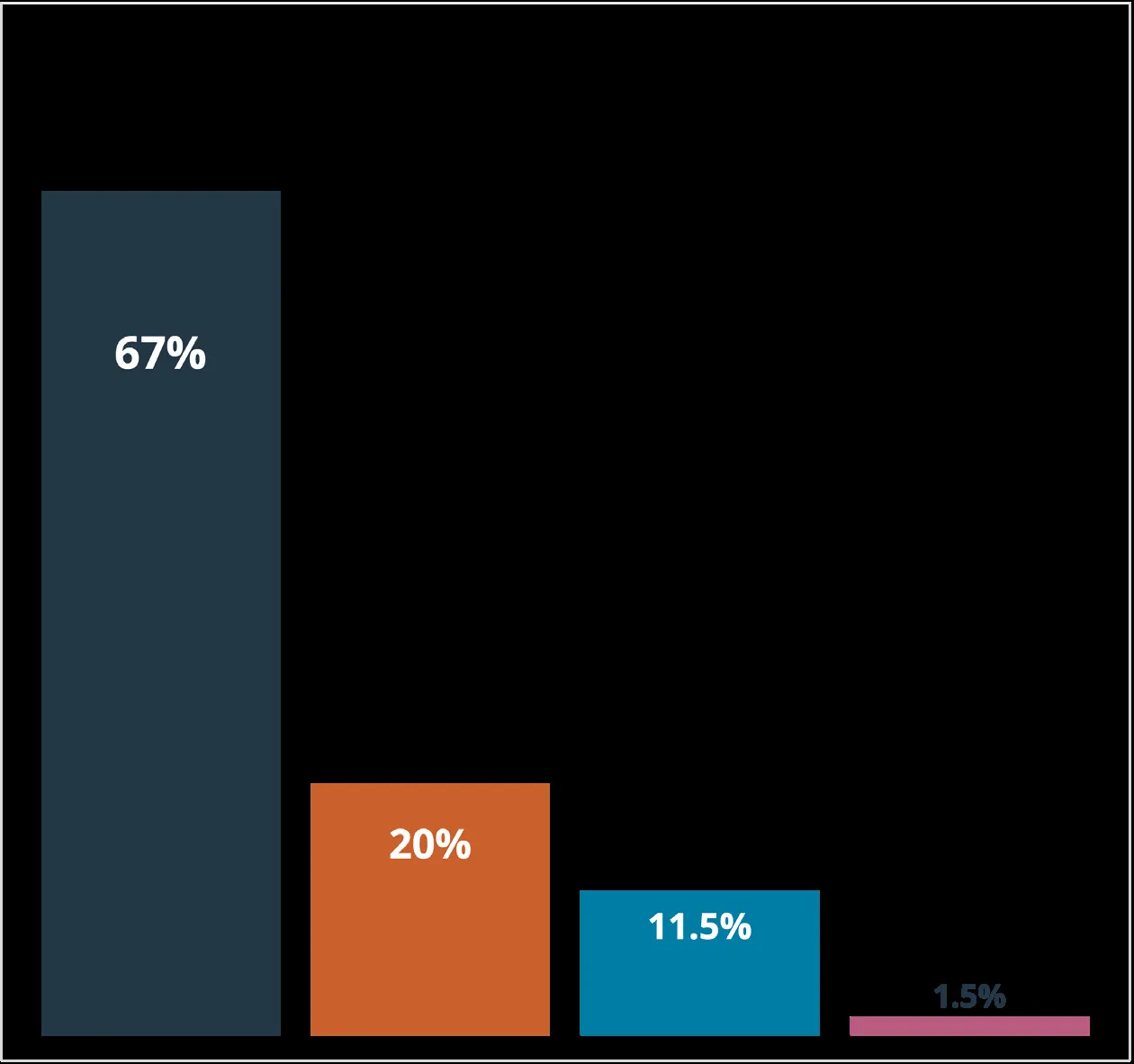
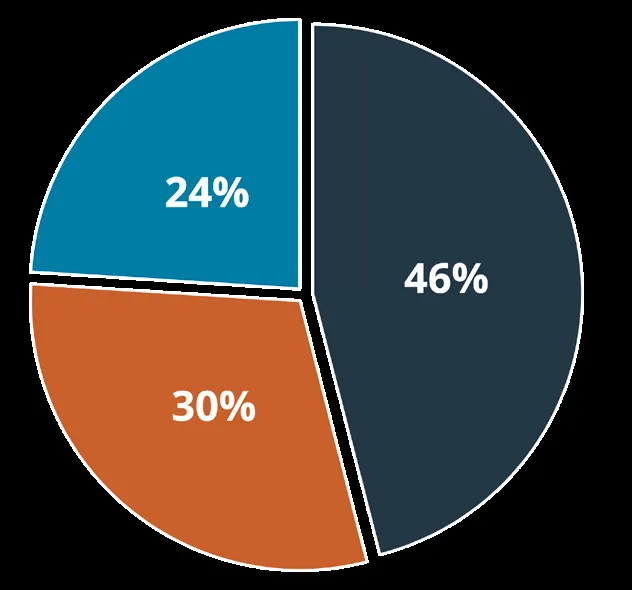




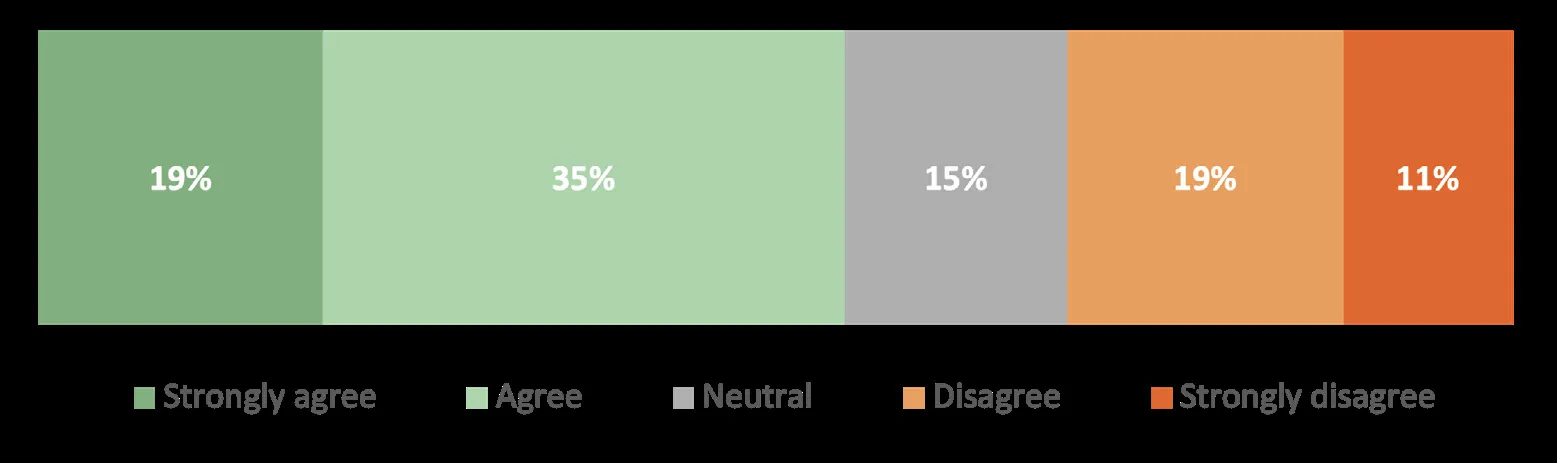
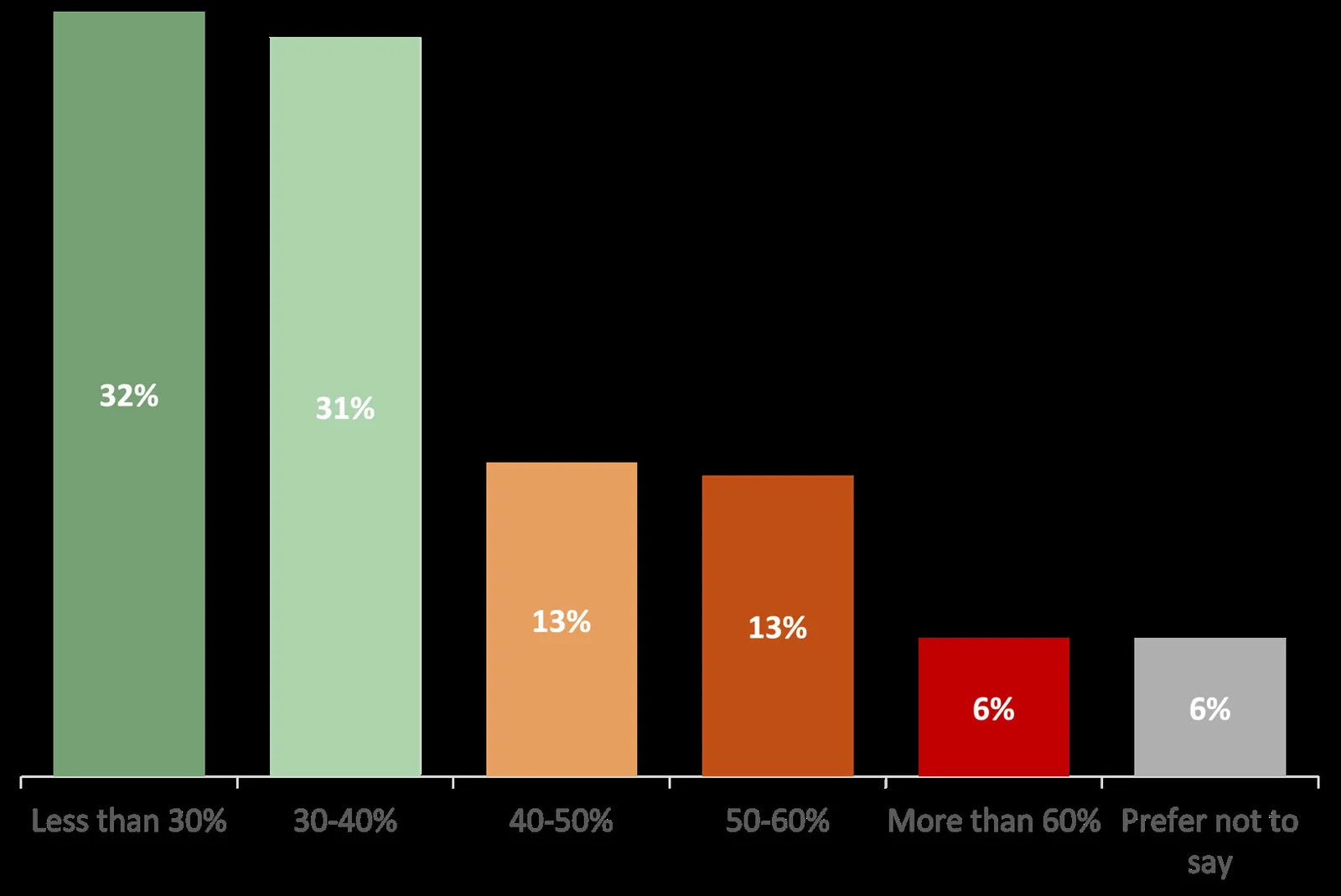
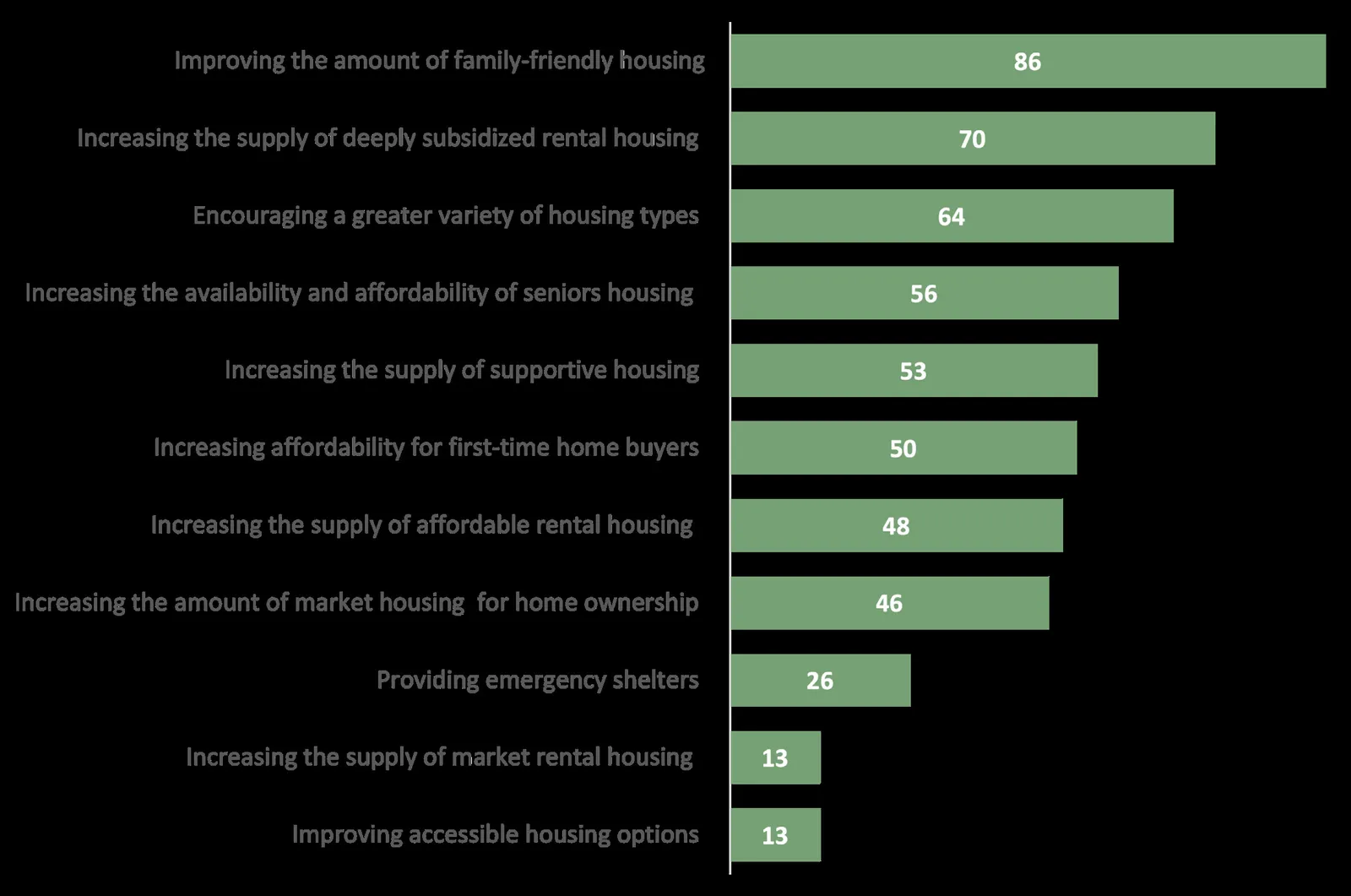
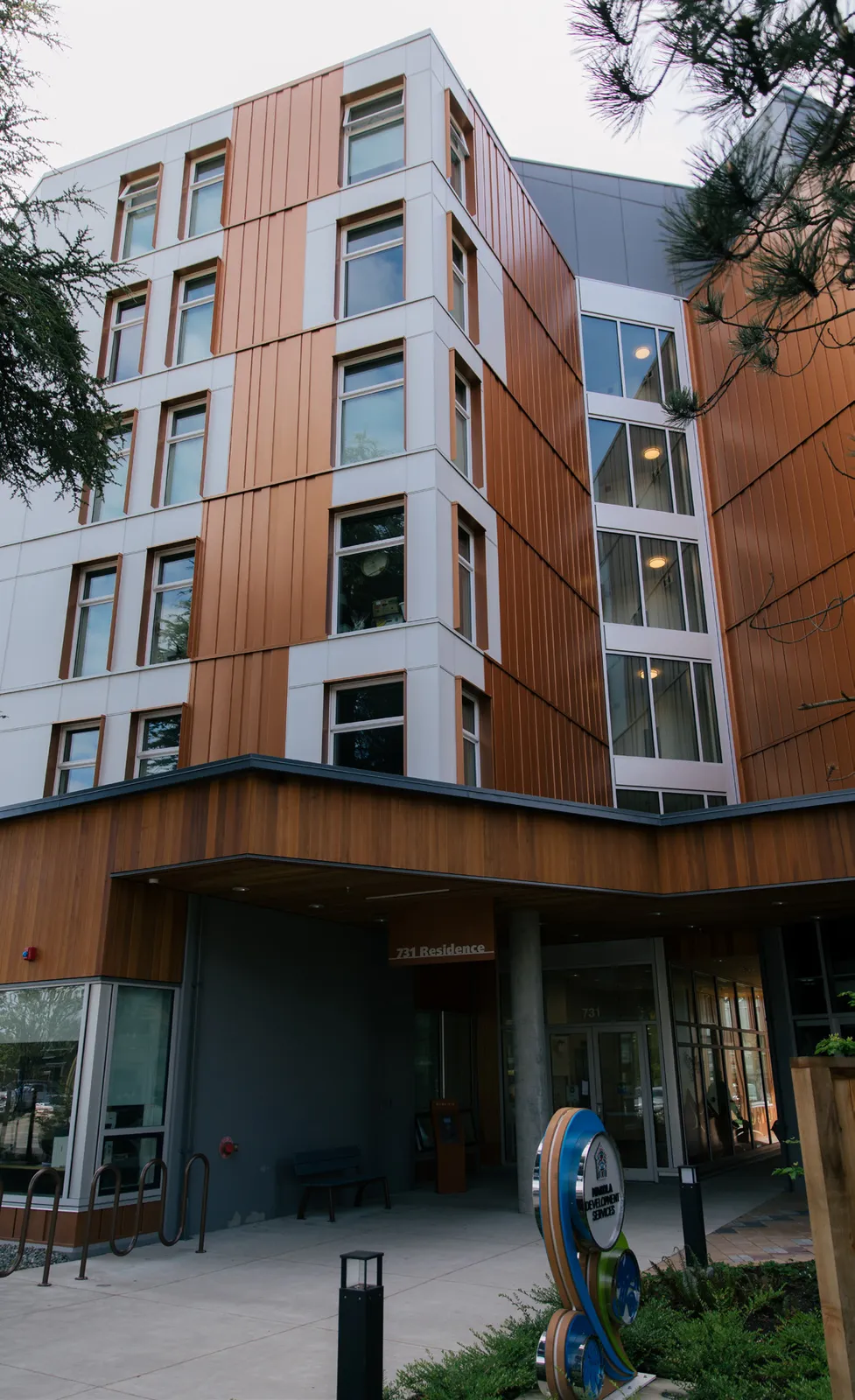
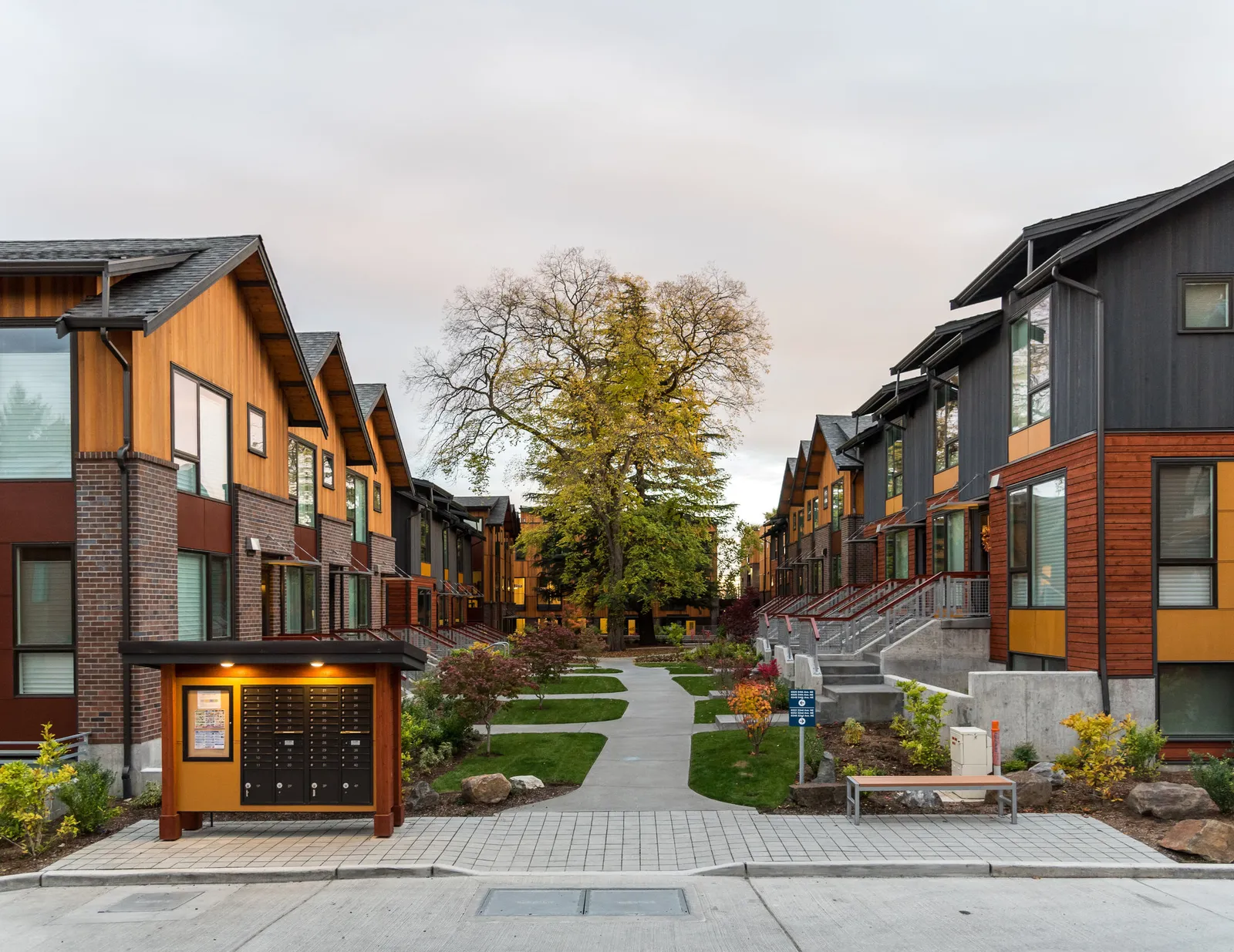
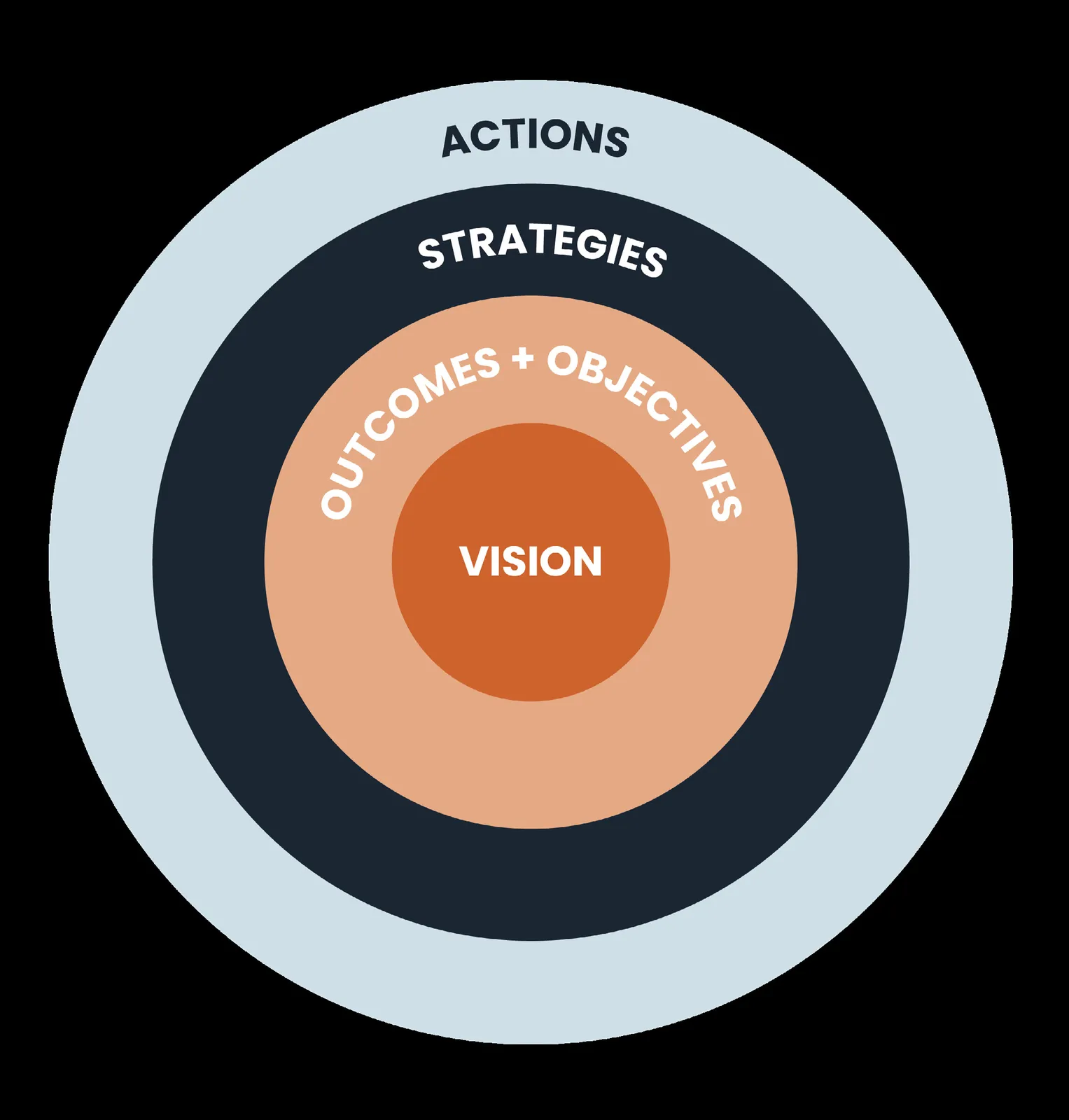
Document Images
(1)
Related Documents
(5)Official Community Plan Bylaw
Bylaw No. 2200 · Referenced in 2 sections
Zoning Bylaw
Bylaw No. 300 · Referenced in 1 section
Langford Zoning Bylaw, Amendment No. 726 (Omnibus No. 65 – Small-Scale Multi-Unit Housing)
Bylaw No. 2183 · Referenced in 1 section
Transit-oriented Area Bylaw
Bylaw No. 2160 · Referenced in 1 section
Langford Zoning Bylaw, Amendment No. 711 (Omnibus No. 64 – Provincial Government Housing Statutes: Transit-Oriented Areas)
Bylaw No. 2155 · Referenced in 1 section