DocumentsPresentationFeb 26, 2025Pages 7–42
West Shore RCMP 2024 Annual Year End Report
The West Shore RCMP's 2024 year-end annual report summarizing staffing, unit structure, policing initiatives, crime statistics, calls for service, and major operational highlights and seizures for the West Shore jurisdiction.
Key facts
- Report year: 2024
- Population served (approx.): 101,536
- Total calls for service in 2024: 25,515 (average ~70 calls/day)
- Sworn officers (2024): 119 plus civilian staff and reserves
- Notable seizures: ~171,000 packs (17,100 cartons) of contraband cigarettes (estimated retail value > $1.7M); approximately $30,000 in stolen merchandise seized in one investigation; additional seizures including suspected cocaine, fentanyl, hydromorphone and large cash amounts
West Shore RCMP 2024 Annual Year End Report
Contents
- Message from the Officer in Charge
- West Shore RCMP
- RCMP & West Shore Communities
- West Shore RCMP (resources & staffing)
- Exit from Regional Units
- Resources
- Calls for Service per Area
- Reported Incidents per Population
- Calls for Service by Category
- Frontline Policing
- Top 5 Calls for Service
- Investigative Support Team (IST)
- Strategic Policing Priorities – Annual Performance Plan
- Reducing Property Crimes
- Enhancing Public Safety and Deterring Youth Crime
- Youth Related Crime
- Enhancing Relationships with Indigenous Communities and Reconciliation
- Enhancing Road Safety
- Criminal Code Offences
- Mental Health and Mobile Crisis Response Teams
- Bike Patrol Unit
- Employee Wellness
- Media Relations Unit and Social Media
- Green Technology
- Stats and Facts
MESSAGE FROM THE OFFICER IN CHARGE
Being the Officer in Charge of Policing Services for the West Shore is one of my greatest honours. Every year, I look back and reflect on what our detachment has been able to achieve and ask myself how can we continue to improve service delivery?
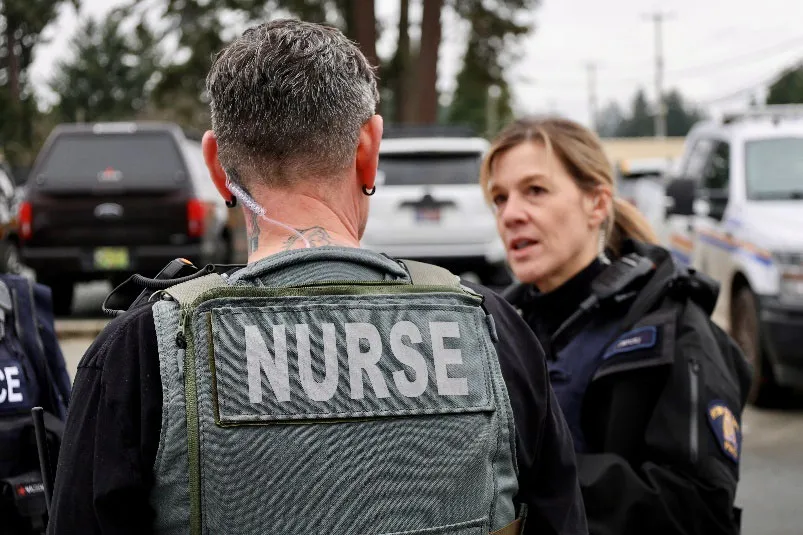
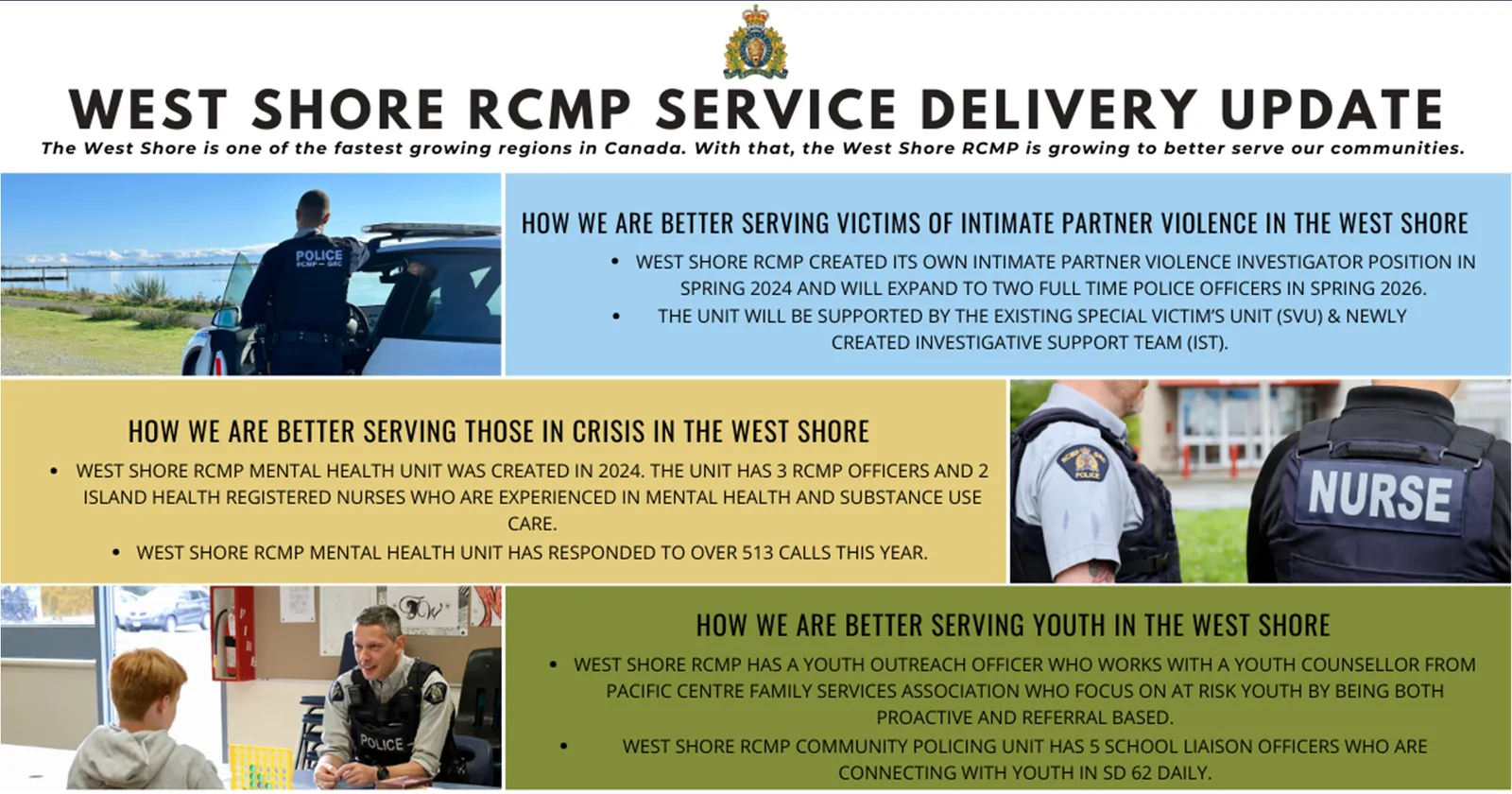
There were many additions to West Shore RCMP in 2024. Arguably the most impactful addition was our Mental Health Unit comprised of officers and Registered Nurses from Island Health who form a Mobile Integrated Crisis Response Team. The unit achieved full staffing in early April. A client-centered approach allowing medical professionals and police to work collaboratively to address mental health calls for service has proven to be an incredible success and is very well received in the community.
We recently launched a five-officer Investigative Support Team (IST), with the goal of supporting our Frontline officers in complex investigations. This team offers our Frontline officers support in various areas that involve time-sensitive aspects of an investigation. This allows an investigation to progress quickly, while freeing up the Frontline officers to continue answering calls for service.
Year over year, the West Shore has been named the fastest growing community in British Columbia. With population at an all-time high, myself and the Senior Management Team, took stock of our personnel and budget and organized our resources to best suit our community’s policing needs. We continue to grow our Frontline and have added new positions to our Special Victims Unit and the Community and Indigenous Policing Unit. In 2024, West Shore residents reported being defrauded of over $15 million dollars. There is a need for a dedicated Economic and Cyber Crime Unit, which we are in the progress of creating.
In 2024, we choose to withdraw our financial support from a few integrated regional units and focus our efforts on enhancing our service delivery to the residents of West Shore. I can appreciate that exiting these regional units has raised questions regarding the service delivery but we want to assure you that West Shore RCMP strives to provide the best service. We created our own units that provide expertise and service in the areas of supporting at-risk youth and people experiencing a mental health crisis. We are also on track to develop our own unit dedicated to investigating intimate partner violence in late 2026.
As stated in the past, a growing community means an increase in the demand for our policing services. Our present detachment has reached its maximum capacity for officers and staff that it can support. There is a need for a new detachment that can accommodate future growth in personnel, equipment and infrastructure. Proposals for a new building are being examined and we look forward to growing our police force and ensuring public safety in 2025 and beyond.
Sincerely,
Superintendent Todd PRESTON
Officer in Charge
West Shore RCMP
WEST SHORE RCMP
RCMP & WEST SHORE COMMUNITIES
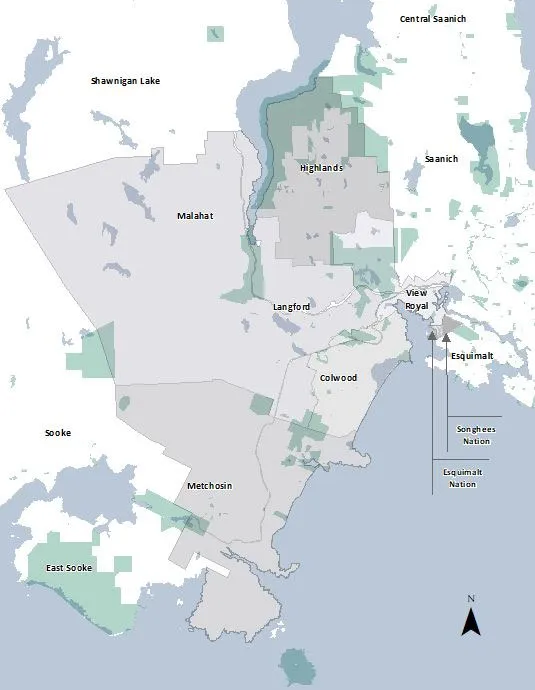
West Shore RCMP proudly serves approximately 101,5361 citizens and continues to be the fastest growing region on the South Island. The West Shore RCMP report to five municipalities including the Cities of Langford and Colwood, the Town of View Royal and the Districts of Metchosin and Highlands. West Shore RCMP also serves the Songhees and Esquimalt Nations and portions of the Malahat. West Shore RCMP police rural and suburban residential neighborhoods, commercial and industrial zones, recreational waterfront areas, provincial and regional parks and the Trans-Canada Highway.
1 Police Services Division provides estimated population data. Population figures utilize Census data; however, an algorithm is applied to align the data with policing boundaries.
West Shore RCMP — Staffing & Partnerships
In 2024, there were 119 sworn officers, one civilian member, four reserve constables, 10 commissionaires, and over 50 civilian personnel who staffed West Shore RCMP. Together they handled 25,515 calls for service, an average of 70 calls per day.
West Shore Detachment supports a number of integrated units through the secondment of Detachment personnel on a full time or rotational basis and through financial contributions toward their budgets. Through this partnership, West Shore RCMP works in conjunction with:
- Vancouver Island Integrated Major Crime Unit (VIIMCU) - Two full time officers ($230,700)
- Forensic Identification Services (FIS) - One full time officer ($115,350)
- Regional Domestic Violence Unit (RDVU) - $121,827 plus one full time officer – (Approx. $237,177 total)
- Integrated Mobile Crisis Response Team (IMCRT) - $74,345 annually
- Mobile Youth Services Team (MYST) - $37,349 annually
West Shore RCMP works with and receives support from other provincial units and RCMP sections including the BC Highway Patrol (BCHP), RCMP Air Services, RCMP Explosive Disposal Unit (EDU), Combined Forces Special Enforcement Unit (CFSEU), RCMP Emergency Response Team (ERT), Vancouver Island Underwater Recovery Team (URT), RCMP Special I and Federal Serious and Organized Crime (FSOC) teams, and E Division Communications. Several officers are also part of the Vancouver Island Tactical Troop (VITT), a specialized branch of policing that deals with large scale protests, road blockades, and evidence searches.
Several West Shore RCMP officers have advanced training and are a part of specialized BC RCMP response teams. These officers work full time with West Shore RCMP but are also on-call for emergency situations. West Shore RCMP provides officers to the following:
- 9 officers to the Vancouver Island RCMP Tactical Team (VITT)
- 2 officers to the Vancouver Island Crisis Negotiator Team (CNT)
- 6 officers to the Vancouver Island RCMP Emergency Response Team (ERT)
- 6 officers to the Community-Industry Response Group (CIRG)
- 2 officers to the Underwater Recovery Team (URT)
- 1 officer to the Proactive Support Response Team (PSRT)
We also have access to two Criminal Drug Interdiction Dogs. Criminal Drug Interdiction Dog teams are funded by the Province and used to intercept drug trafficking in vehicles, boats and other forms of transportation including shipping containers. Criminal Drug Interdiction dog teams are available for West Shore RCMP Frontline officers upon request.
Note: West Shore RCMP also has three dedicated Police Service Dog Teams who provide Frontline support. This is separate from Criminal Drug Interdiction Teams.
EXIT FROM REGIONAL UNITS
A rapidly growing population in West Shore has created the need for enhanced policing services. Staying abreast of current policing trends and community needs is a top priority for our detachment therefore, reinvesting our resources to support existing and new West Shore RCMP units will better serve our communities.
It is important to understand that West Shore RCMP’s rationale to exit these regional units is largely based upon the fact that we have created our own specialized units that enhance service delivery in these areas. Essentially, remaining a part of the regional units creates a duplication of service and is not cost effective. After careful analysis and consideration, we made the decision to respectfully exit the three regional policing units and opt for enhanced service delivery through existing or new West Shore RCMP units.
West Shore RCMP is planning to exit the Integrated Mobile Crisis Response Team (IMCRT), Mobile Youth Service Team (MYST), and Regional Domestic Violence Unit (RDVU). In the past, these units provided valuable services to the West Shore; coordinating a regional response in a cost sharing arrangement made sense. Now, however, West Shore has reached a point where these services have been duplicated by West Shore RCMP’s own service enhancement in these areas.
Regional Units Exit Dates:
- Integrated Mobile Crisis Response Team (IMCRT) > Projected exit date: December 31, 2025. West Shore RCMP currently contributes $ 74,345 annually to participate in this regional unit (as per 2025 budget). Replaced by West Shore RCMP Mobile Integrated Crisis Response Teams
- Mobile Youth Service Team (MYST) > Projected exit date: December 31, 2025. West Shore RCMP currently contributes $ 37,349 annually to participate in this regional unit (as per 2025 budget). Replaced by West Shore RCMP Youth Outreach Team
- Regional Domestic Violence Unit (RDVU) > Projected exit date: Dec 31, 2026. West Shore RCMP currently contributes $121,827 plus $115,350 (salary of one Constable), annually to participate in this regional unit (Approx. $237,177 as per 2025 budget). To be replaced by Intimate Partner Violence Unit currently being developed
RESOURCES
2024 Paid Resources per Area
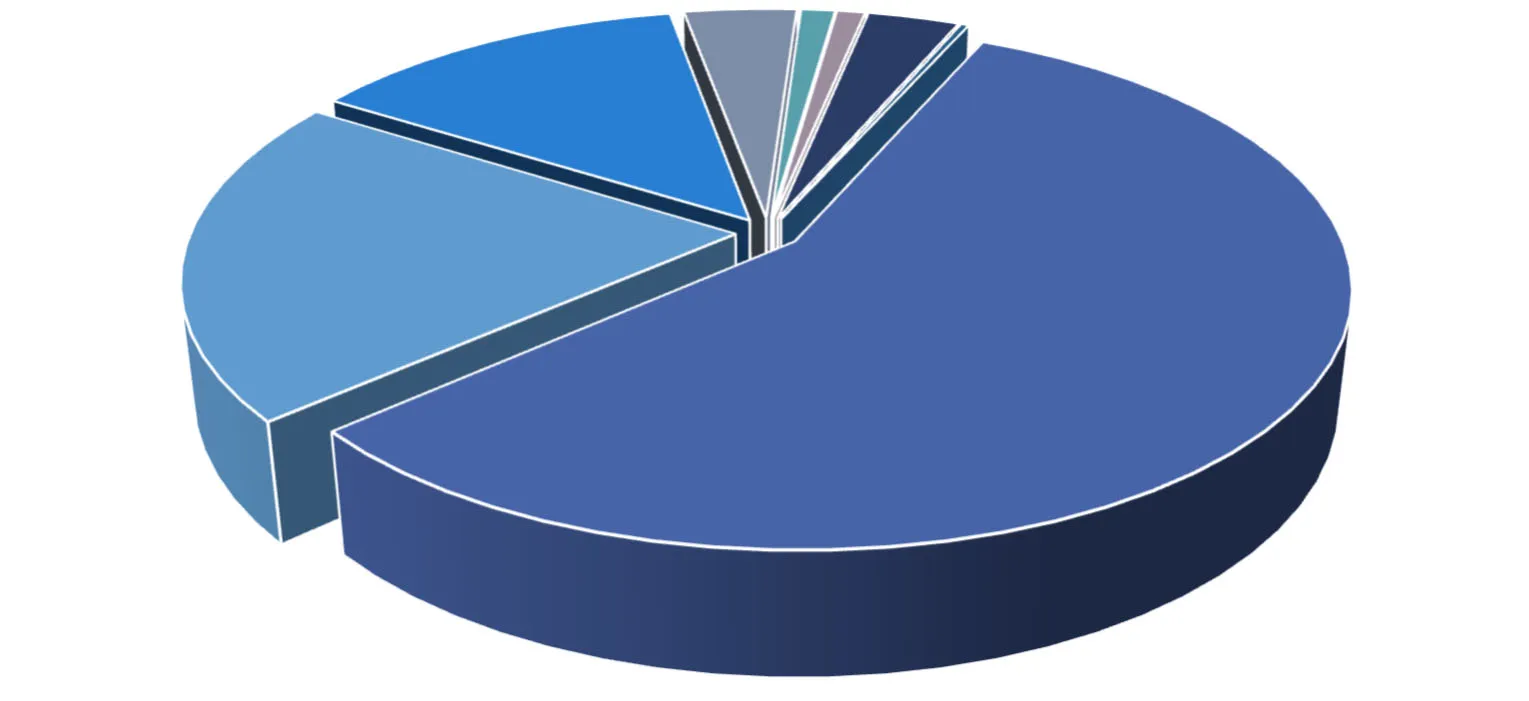
2024 Calls for Service per Area
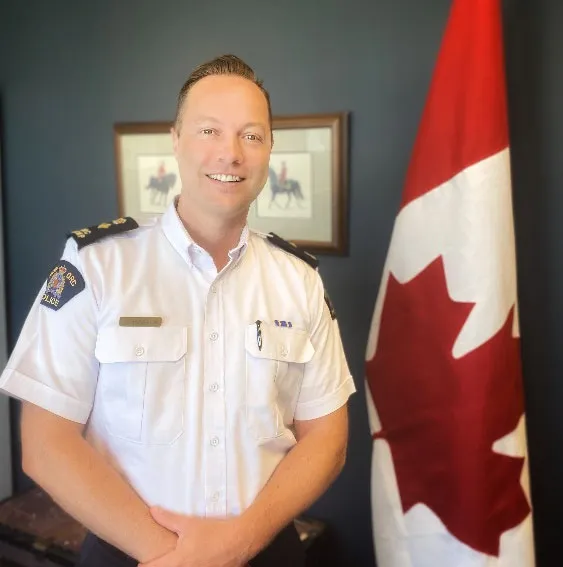
Table 1 – 2023 vs 2024 Reported Incidents
| AREA | 2023 | 2024 | FILE COUNT (+/-) | % CHANGE |
|---|---|---|---|---|
| Colwood | 5123 | 5181 | 58 | 1.1% |
| Esquimalt Nation | 77 | 68 | -9 | -11.7% |
| Highlands | 317 | 301 | -16 | -5.0% |
| Langford | 15333 | 14419 | -914 | -6.0% |
| Malahat | 193 | 248 | 55 | 28.5% |
| Metchosin | 998 | 995 | -3 | -0.3% |
| Songhees Nation | 979 | 808 | -171 | -17.5% |
| View Royal | 3369 | 3352 | -17 | -0.5% |
| West Shore Total | 26618 | 25515 | -1103 | -4.1% |
Table 1 depicts the total incidents for West Shore in 2023 and 2024, along with the file count (+/-) and percent change. There was a 4.1% decrease in calls for service from 2023 to 2024. Although there was an overall decrease in calls for service, Colwood experienced a slight increase in call volume, while the Malahat experienced a 28.5% increase.
Table 2 – Reported Incidents per 1000 Population
| AREA | 2024 REPORTED INCIDENTS | 2024 POPULATION ESTIMATE | REPORTED INCIDENTS / 1000 POPULATION |
|---|---|---|---|
| Langford | 14,419 | 56,932 | 253.3 |
| Colwood | 5,181 | 21,968 | 235.8 |
| View Royal | 3,352 | 12,963 | 258.6 |
| West Shore Provincial | 1,425 | 4,387 | 324.8 |
| Metchosin | 995 | 5,286 | 188.2 |
| All West Shore Jurisdiction | 25,515 | 101,536 | 251.3 |
2 West Shore Provincial includes part of the Malahat, the District of Highlands & the Songhees and Esquimalt First Nations. As of 2023, Metchosin’s population exceeded 5000 and is no longer included in the Provincial population estimates. Police Services Division provides estimated population data. Population figures utilize Census data; however, an algorithm is applied to align the data with policing boundaries.
CALLS FOR SERVICE BY CATEGORY
Figures 3 and 4 depict the overall number of calls for service in various categories, comparing 2023 with 2024.


Explanatory notes:
- The category of Acting Under the Authority represents calls where police act under the authority of a provincial or federal legislation, but no offence has been committed, such as the Mental Health Act or Firearms Act.
- Preventative Measures represent the expenditure of police time and resources directed towards reducing or preventing crime, such as school zone patrols, curfew checks, and road blocks.
- Assistance to Other Agencies represent calls where assistance was given to law enforcement agencies in another unit or jurisdiction, or to any domestic or foreign police agency, government or department.
FRONTLINE POLICING
Our Frontline police officers respond to the vast majority of the calls for service at West Shore RCMP. Currently, 56 Frontline officers are spread over four watches and deliver 24-hour policing to our communities.
Frontline officers are the first on scene to almost all calls. A Frontline police officer must therefore be well-versed in Criminal and Provincial Statutes. Our Frontline officer experience levels and rank vary from new recruits to seasoned officers with twenty-plus years of experience. We ensure every watch has a balance of work experience and specialized skills. Frontline officers receive continuous training throughout the year on a variety of investigative topics. We routinely invite partner agencies to attend and share their knowledge on law enforcement. In 2024, we held training sessions in several categories given by subject matter experts in Gang Enforcement, Illicit Tobacco Trafficking, Civil Forfeiture Law and Procedure, Adult and Youth Probation, and Crown Counsel to name a few. Hearing perspectives from other agencies is critical to how we proceed with our investigations.
After recognizing the need for more police officers to be available during peak hours of demand between 12 p.m. and 11:30 p.m., a “Mid-Shift” consisting of four Constables was added to enhance service delivery. This ensures that we are able to address and attend calls for service in a timely manner when demand is the greatest.
West Shore RCMP has a dedicated Front Desk Constable who is responsible for speaking with members of the public that attend the front counter to report crime or seek assistance from police. Our front desk municipal staff are exceptional at taking complaints from the public and directing their concerns to the proper avenues, whether that be creating police reports or re-directing clients to the appropriate agencies.
Our Frontline officers receive regular and on-going training throughout the year. One key piece of training delivered biannually is Immediate-Action-Rapid-Deployment (IARD), where officers train to respond quickly to high-risk situations that pose a threat to public safety. Threats involving firearms and explosives, especially near highly populated areas like schools and businesses, are highlighted in this training. Officers also receive ongoing training in various areas, including de-escalation techniques and bias-free policing.
Working alongside Frontline officers there are over 50 Civilian personnel who specialize in various roles at the detachment. These supporting roles are critical to policing infrastructure and include duties such as: Disclosure Clerks, Switchboard Operators, Transcriptionists, Watch Clerks, Court Liaison Officers, Exhibit Custodians, and more.
TOP 5 CALLS FOR SERVICE
Within the 25,515 calls for service in 2024, Frontline officers spent a significant amount of time responding to these types of calls. Figure 5 illustrates the Top 5 calls for service in 2024. Traffic incidents were the most prevalent calls representing 10.7% of calls. Check Well Being represented the second highest service call followed by Assist Police/Fire/Ambulance calls, Breaches (individuals found/reported breaching court-ordered conditions), and Property related offences. Traffic incidents include, but are not limited to, driving complaints, insurance violations, seatbelts, speeding, erratic/dangerous driving and road rage reports.
INVESTIGATIVE SUPPORT TEAM (IST)
In November 2024, West Shore RCMP formed a new unit, the Investigative Support Team (IST) consisting of:
- 1 Corporal (permanent)
- 4 Constables (each on a two (2) year rotational position)
The Investigative Support Team helps on complex Frontline investigations which fall outside the mandate of the Serious Crime Unit. Members of IST are assigned urgent time-sensitive requests and work collaboratively with Frontline officers to complete tasks. IST officers receive extensive training in many areas of police work including interviewing both suspects and children as well as obtaining judicial authorizations - commonly known as search warrants.
STRATEGIC POLICING PRIORITIES – ANNUAL PERFORMANCE PLAN
2024 – 2025 ANNUAL PERFORMANCE PLAN (APP) FISCAL YEAR APRIL-MARCH
Each year West Shore RCMP’s Senior Management Team works closely with Songhees and Esquimalt First Nations and our five municipal communities to identify local policing priorities. Each RCMP Detachment in British Columbia is mandated to prepare an Annual Performance Plan3 that addresses local policing priorities. Through consultation with elected officials and senior staff, the West Shore RCMP APP focuses on the issues identified throughout the region. The APP is designed to be flexible to the changing needs of the communities and the priorities are continually revisited and adjusted accordingly.
3 The APP follows the RCMP fiscal year, April 1st to March 31st
Five key priorities were identified for the 2024-2025 fiscal year and include: Reducing Property Crimes, Deterring Youth Crime, Enhancing Road Safety, Enhancing Relationships with Indigenous Communities and Reconciliation, Mental Health and Crisis Response Teams.
REDUCING PROPERTY CRIMES
Offences Against Property
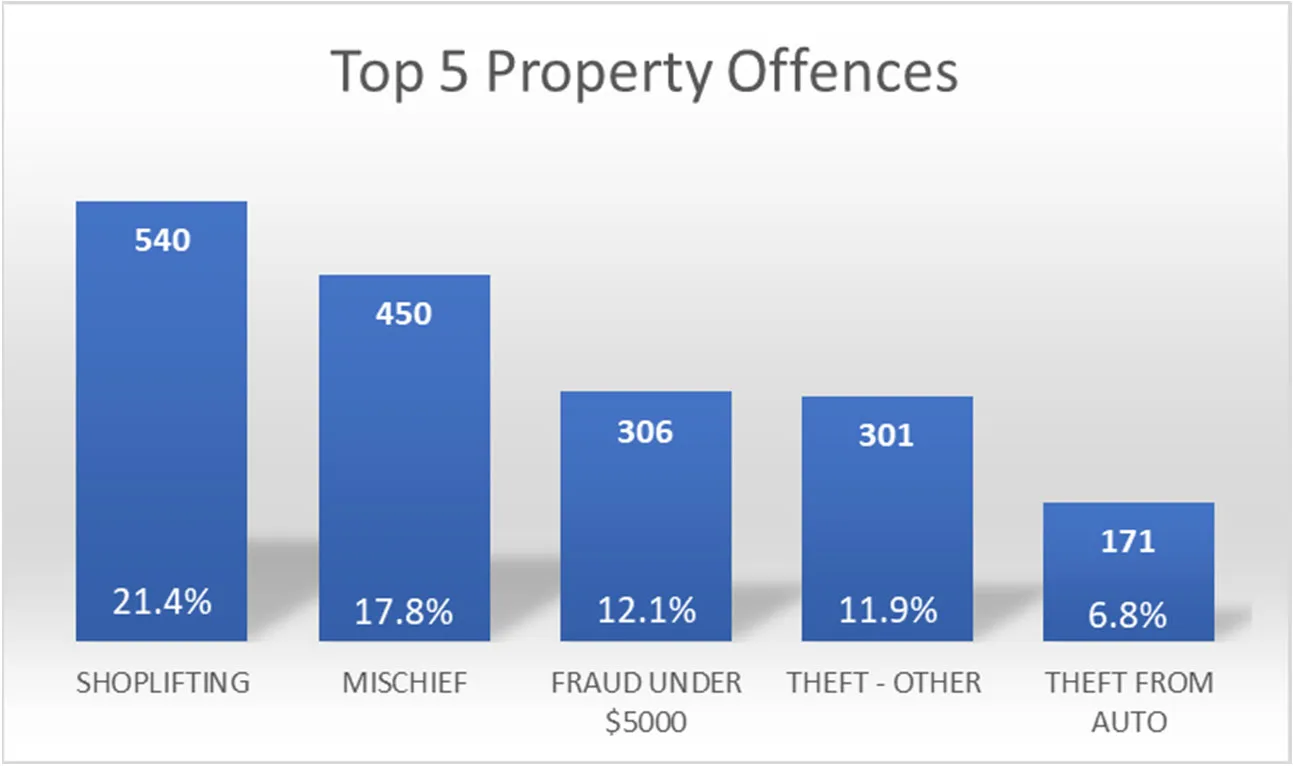
Property related offences account for the highest incidence of criminal code offences in West Shore. In 2024, there were 2,525 Offences Against Property, representing a 9% decrease compared to 2023, with 2,777 incidents. Of the total 2,525 property offences, Shoplifting accounted for the highest number of offences, followed by Mischief (Damage Under $5000), Fraud Under $5000, Theft-Other, and Theft from Auto.

All Property Crimes in West Shore (2020–2024)

Crime Reduction Unit (CRU)
West Shore RCMP’s Crime Reduction Unit (CRU) is comprised of:
- 1 Corporal
- 4 Constables
They are overseen by the Sergeant in Charge of Street Crimes. CRU focuses on priority and repeat offenders in an effort to curb property related offences.
Key CRU activities:
- Curfew Check Program: CRU along with Frontline officers actively monitor individuals placed on court ordered curfew or house arrest. Frontline officers also take part in this by conducting routine curfew checks to ensure offender compliance with court ordered conditions; a number of these checks have resulted in breach charges.
- In 2024, CRU undertook a proactive year-long initiative to target shoplifting in the West Shore. Commencing in March 2024, CRU sought and received $111,000 in funding from the Provincial SITE Program. Enforcement action incorporated a multifaceted approach, addressing public safety issues such as violence while implementing programs to tackle underlying factors contributing to criminal behavior.
- The project aimed to enhance public safety and loss prevention effectiveness through collaboration with local businesses and police. CRU and Frontline officers deployed covert surveillance teams in coordination with Loss Prevention Officers at identified problematic sites. When an offence was substantiated, the surveillance team responded by arresting the suspect and in many cases were able to recover the stolen items and return them to the business.
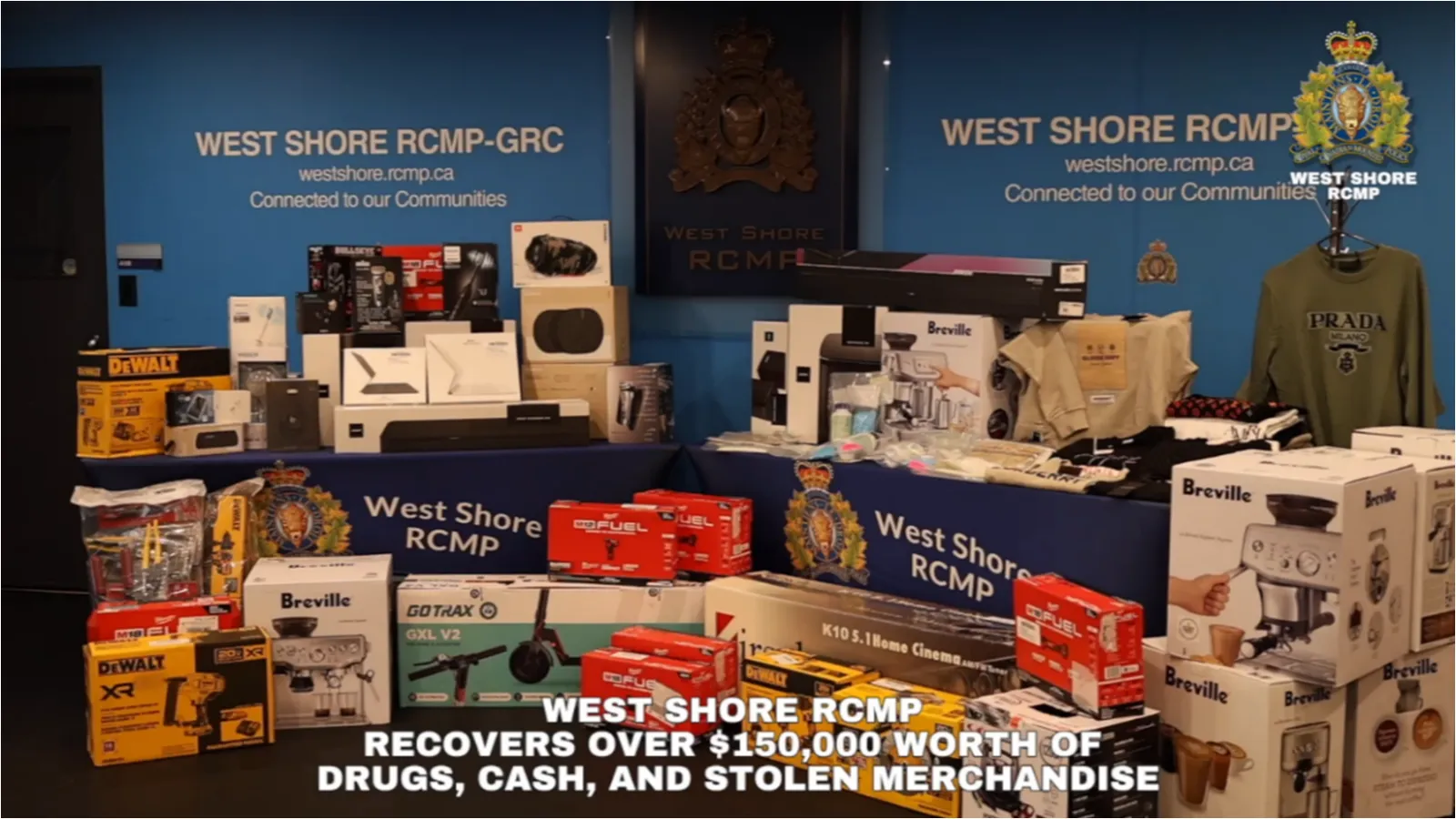
- Notable investigation: In September 2024, CRU arrested two suspects who allegedly stole approximately $10,000 worth of merchandise in one afternoon across the Capital Regional District at various big box stores. Additionally, a search warrant obtained by West Shore RCMP was executed at the home of one of the suspects in New Westminster.
With the assistance of the New Westminster Police, West Shore RCMP seized:
- approximately $30,000 worth of stolen merchandise including tools and electronics;
- approximately $20,000 worth of stolen high-end luxury clothing with the tags still attached;
- approximately 180 grams of suspected cocaine;
- approximately 5600 suspected counterfeit Fentanyl pills;
- approximately 900 suspected hydromorphone pills;
- approximately 1000 suspected benzodiazepines pills;
- $30,000 cash.
Controlled Drugs & Substances Act Violations
There were 103 CDSA offences in 2024, representing a 7% increase compared to 2023, with 96. The top five CDSA violations in 2024 were Possession of Other Schedule 1 Substances, Possession of Cocaine, Possession of Methamphetamine, Trafficking Cocaine, and Possession of Fentanyl.
Drugs & Organized Crime Unit (DOCU)
DOCU is comprised of:
- 1 Corporal
- 4 Constables
They are overseen by the Sergeant in Charge of Street Crimes. Their mandate is to target drug trafficking in the West Shore which is directly linked to Organized Crime. DOCU also delivers the Inadmissible Patrons Program (IPP) in the West Shore area to protect businesses from the negative effects of organized crime.
DOCU Notable highlights:
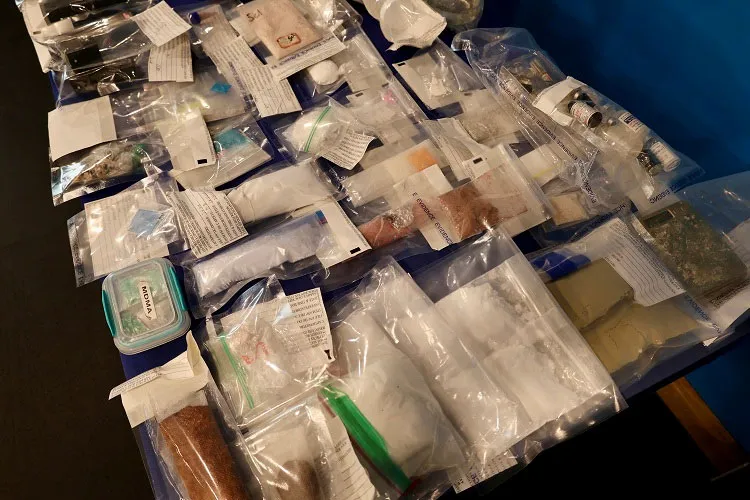
- In December 2024, West Shore RCMP Drugs and Organized Crime Unit executed a search warrant on a residential property in Langford in relation to suspected trafficking of illicit tobacco. Police seized approximately 17,100 cartons, equal to about 171,000 individual packs of contraband cigarettes with an estimated retail value of over $1.7 million dollars.
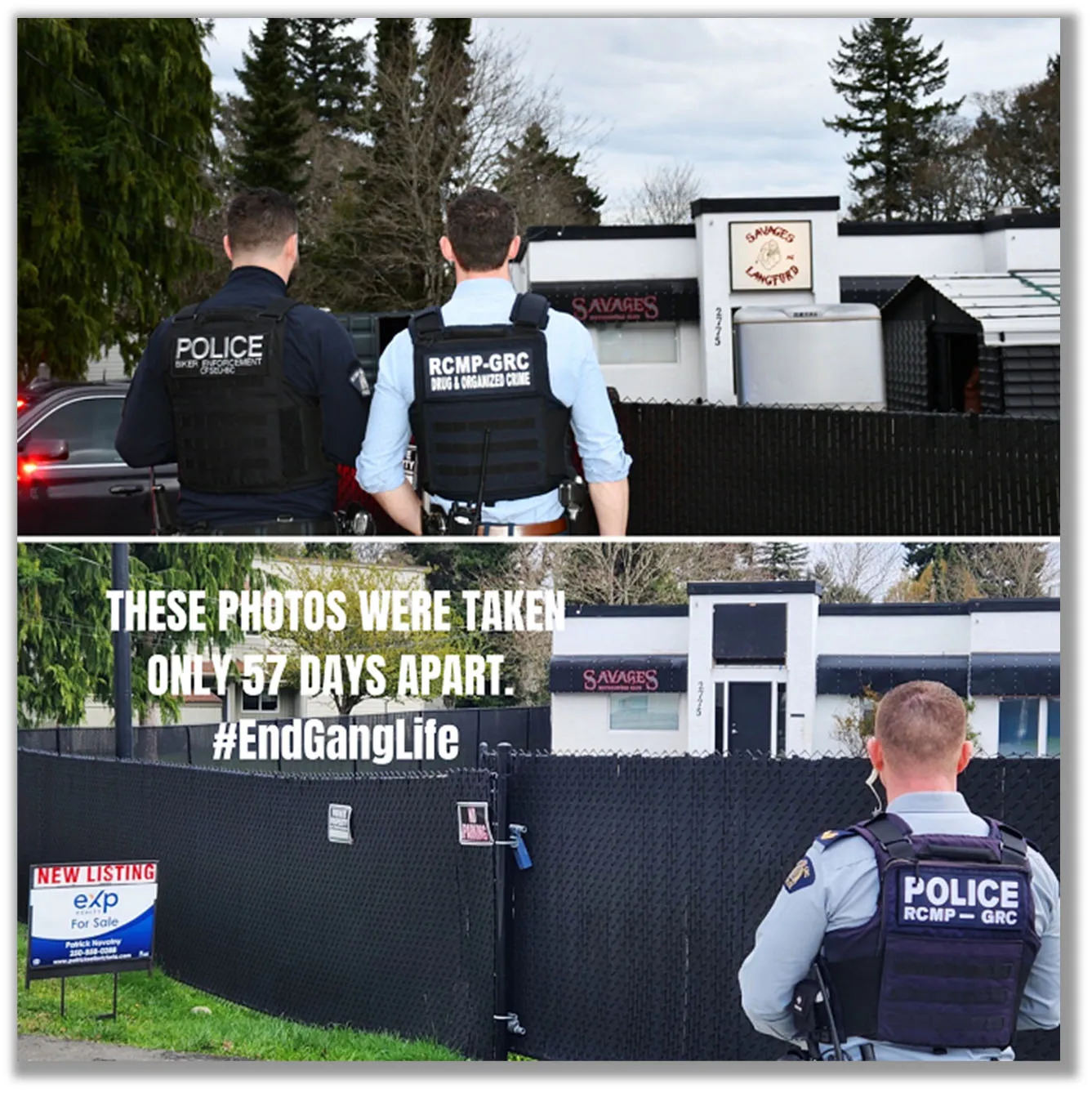
- In January 2024, approximately 40 police officers from West Shore RCMP along with other police agencies in the CRD, executed 12 search warrants on properties and vehicles in the Greater Victoria area including the Savages Clubhouse on Spencer Road. The search warrants were part of a months-long investigation led by West Shore RCMP DOCU into drug trafficking taking place in the West Shore and Greater Victoria area. Drugs, weapons, and nearly $50,000 cash was seized by police. Shortly after this the Savages Clubhouse closed down for good.
Note regarding decriminalization: As of February, 2023, the BC Provincial Government requested an exemption from Health Canada under the Controlled Drugs and Substances Act (CDSA) whereby small quantities of illicit drugs were decriminalized for a three-year period. The change applied to small quantities (2.5 grams and under) of methamphetamine, heroin, cocaine (its derivatives, crack cocaine) and fentanyl. Prior to this change, police very seldom charged individuals who were in possession of small quantities of illicit drugs; often, police would seize these drugs without charging the individual unless they were found breaching court ordered conditions to not be in possession of drugs.
Other Criminal Code Violations
There were 1,414 Other CC violations in 2024, representing a very slight increase in offences compared to 2023, with 1,404. Fail to Appear was the most prevalent violation, representing 36.9% of files. Cause Disturbance was the second highest violation followed by Breach/Bail Violations, Breach of Probation (Adult) and Weapons Possession.
ENHANCING PUBLIC SAFETY AND DETERRING YOUTH CRIME
Licensed Premise Checks
West Shore hosts several establishments that are open late into the evening and are popular drinking locations. The Inadmissible Patrons Program aims to prevent people who are wearing or displaying gang colors/insignia or whose lifestyle associations and activities, directly or indirectly, pose a risk to public safety from being served at licenced establishments. Frontline officers regularly patrol these establishments in an effort to mitigate any issues.
CRU sought Provincial SITE funding for several initiatives in 2024 including shoplifting deterrence initiatives and Enhanced Public Safety Patrols. The Enhanced Public Safety Patrols Program addressed immediate public safety concerns while facilitating investigations and strategic planning. By monitoring high-crime areas during Friday and Saturday nights, officers collected valuable data on crime patterns and potential areas of concern. This information was used to guide further investigations and develop targeted strategies to prevent future incidents.
From April to October 2024, CRU and Frontline officers conducted 632 foot patrols, made 25 arrests, forwarded seven charges, and issued 53 violation tickets. During these patrols, they seized various drugs and weapons while providing critical support to other detachment members.
This visible presence has been widely appreciated by both the public and local businesses. Officers prioritize attending community events and conducting foot patrols to ensure safety remains a central focus.
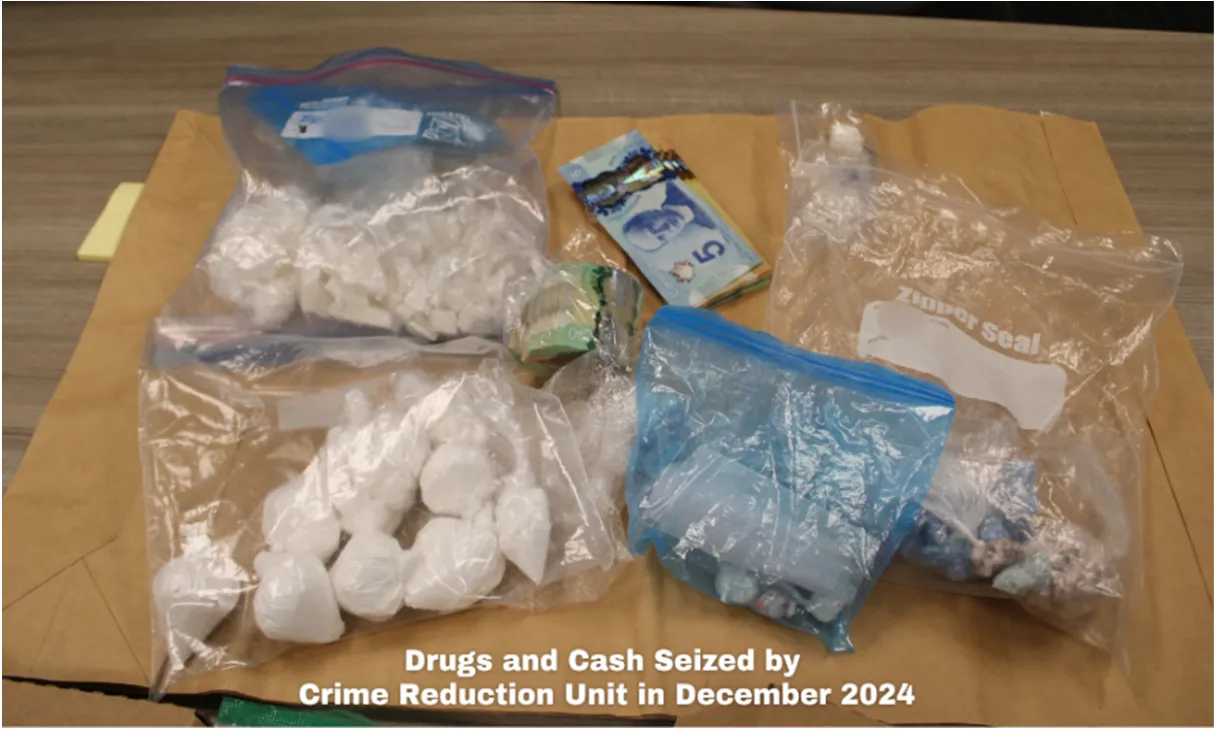
In December 2024, during their involvement with the Enhanced Public Safety Patrols, the West Shore Crime Reduction Unit encountered a suspect with a known gang affiliation who was engaged in drug trafficking. This initiated a larger drug investigation resulting in the arrest of 6 suspects. Police seized evidence of drug trafficking including drugs, approximately $25,000 in cash, approximately 1 kilogram of combined suspected cocaine, methamphetamine, fentanyl, and hundreds of unidentified pills.
Restorative Justice
West Shore RCMP has a robust Restorative Justice program that has been growing year over year from 22 referrals in 2022 to 38 referrals in 2024. West Shore Restorative Justice is a program facilitated by volunteers with the West Shore RCMP. The primary mandate of the West Shore Restorative Justice Program is to facilitate Community Justice Forums where the accused take ownership of their actions and agree to reparations thereby diverting low-risk offenders, especially youth offenders, away from criminal courts.
In 2024, West Shore RCMP referred 38 investigations to Restorative Justice. The vast majority of the offenders were arrested for theft under $5000. Restorative Justice Forums were held to decide how the offender could repair the harm. Statistics from 2024 Restorative Justice forums:
- Out of the 38 investigations, 24 offenders were adults, 32 offenders were youth;
- Offender’s completed 408 community service hours;
- $900 in financial restitution was collected;
- Approximately $9,422 worth of stolen merchandise was recovered and returned to the business/owner.
West Shore Restorative Justice also held proactive youth education talks focused on encouraging youth to employ critical thinking skills when faced with peer situations that may involve pressure to commit offences.
YOUTH RELATED CRIME
In 2023 there were 296 investigations involving youth who were listed as the main perpetrators. In 2024, there were 267 investigations, representing a 9% decrease.
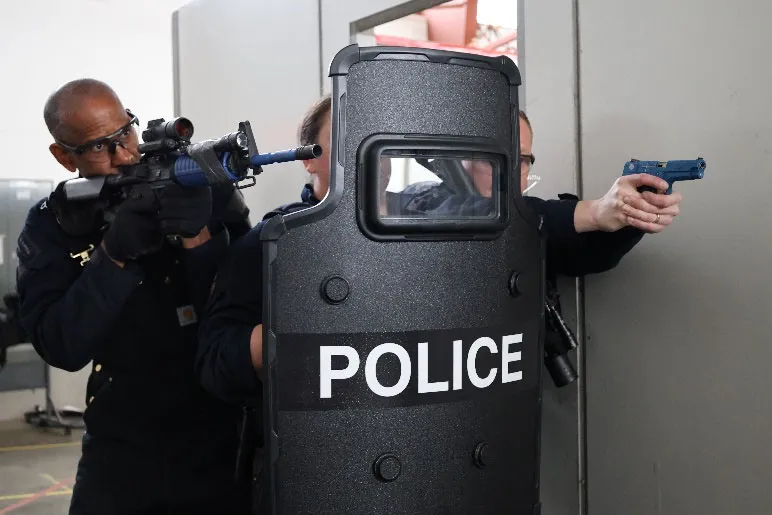
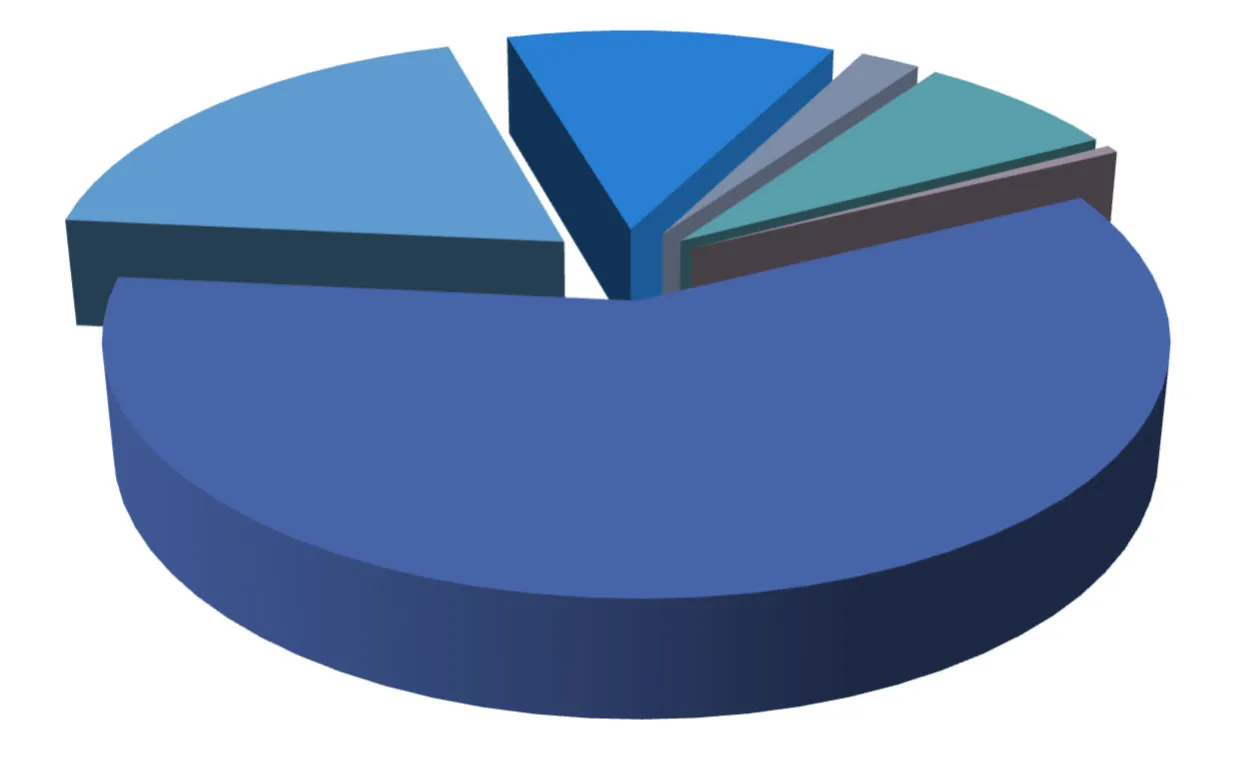
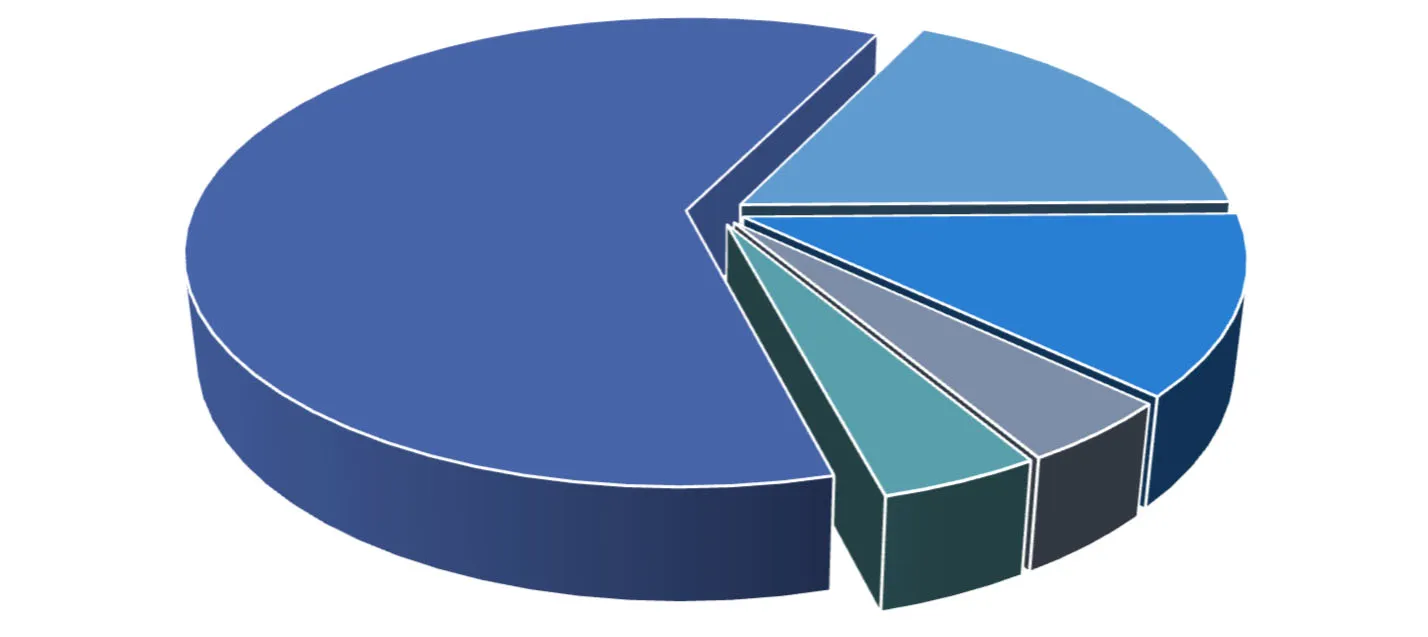
Figure: YOUTH FILES PER COMMUNITY (2024)
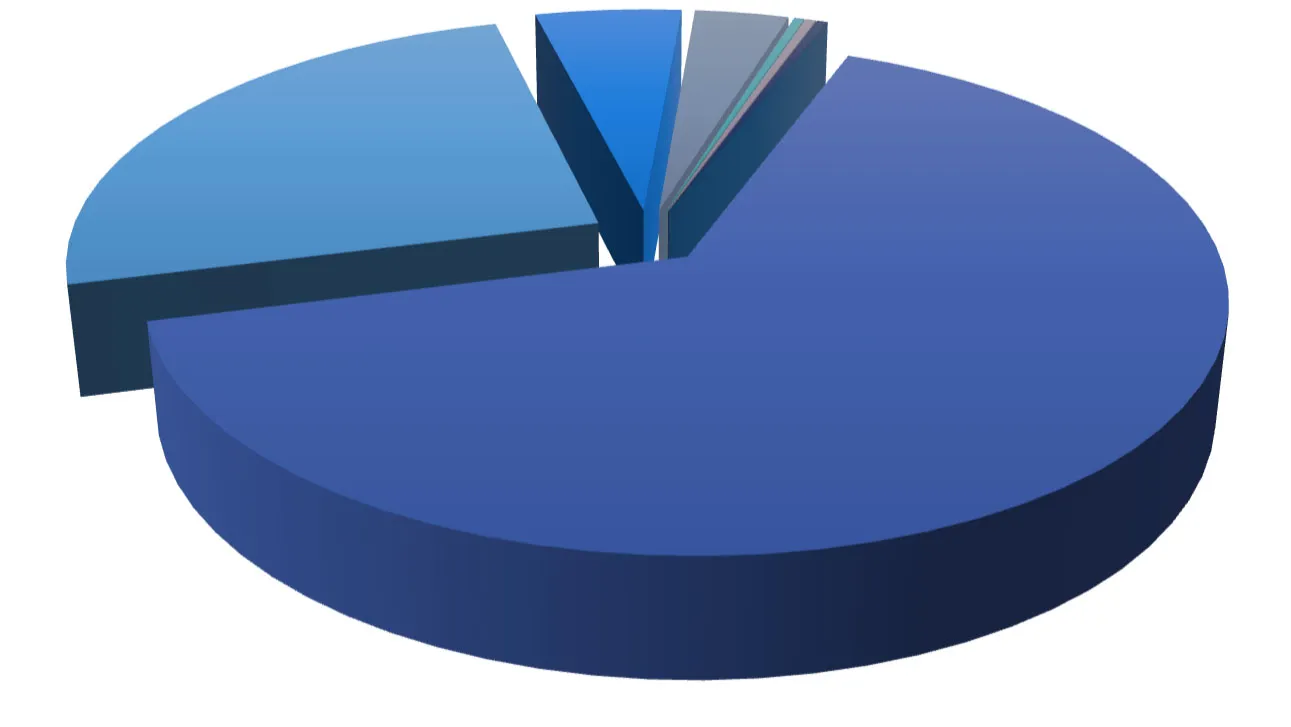
- Langford 65%
- Colwood 25%
- View Royal 5%
- Metchosin 3%
- Highlands 0%
- Malahat 1%
- Esquimalt Nation 0%
- Songhees Nation 0%
When it comes to violent crime involving youth specifically, Assault with a Weapon involving youth increased 54%, from 11 occurrences in 2023 to 17 occurrences in 2024.
Addressing the underlying causes of youth crime is a priority for West Shore RCMP. Several policing strategies have been implemented including:
- Increasing proactive patrols in areas where youth congregate.
- Meeting with business owners whose properties attract youth and providing strategies and advice on how to handle disruptive patrons.
- Engaging with community partners to reach out to at-risk youth and their families to provide support.
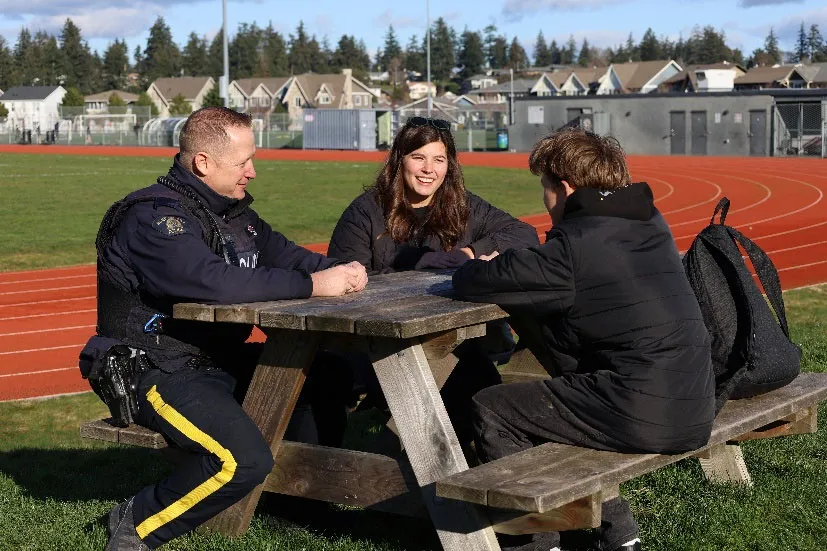
- In 2021, West Shore RCMP Community Police Section created an integrated team involving a youth counsellor from Pacific Family Services Centre to work with officers and troubled high-risk youth. They are referral based and their involvement prioritize mentoring and prevention strategies.
Top 5 Locations Where Youth Offences Occur (counts):
- Other Commercial/Corporate Places — 62
- Single Home/Townhouse/Duplex — 55
- Streets, Roads, Highways — 42
- Open Areas, Parks, Bodies of Water — 19
- Schools During Unsupervised Activity — 12
Youth Outreach Team
West Shore RCMP created the position of Youth Outreach Officer in 2021. The Youth Outreach Officer’s mandate is to focus on at-risk youth via a partnership with a counsellor from Pacific Centre Family Services Association (PCFSA). Together, they work as a team addressing at-risk youth by being both proactive and referral based. They focus on mentoring and prevention strategies.
West Shore RCMP will remain in contact with MYST to ensure that at-risk youth who may travel between jurisdictions are provided with consistent support. The MYST youth counsellor is also attached to PCFSA, allowing this transition and information sharing to remain seamless.
ENHANCING RELATIONSHIPS WITH INDIGENOUS COMMUNITIES AND RECONCILIATION
In 2024, West Shore RCMP combined its Indigenous Policing and Community Policing Unit into one unit. The unit is now referred to as Community and Indigenous Policing Unit (CIPU). The reason for this was simple — both have similar mandates and previously both units were attending the vast majority of community events together as a team.
CIPU expanded by 1 additional officer in 2024. CIPU is made up of:
- 1 Corporal
- 5 Constables
One of the five constables is a dedicated Indigenous Police Officer who works directly with Songhees and Esquimalt Nations to continue relationship building. This position was previously held by Cst. Cole Brewer for a number of years; he has been promoted to Corporal in charge of CIPU. The Indigenous Police Officer position is being filled; in the meantime, Cpl. Brewer remains fully engaged with Songhees and Esquimalt Nations.
TL’CHES SPIRIT CANOE PROGRAM
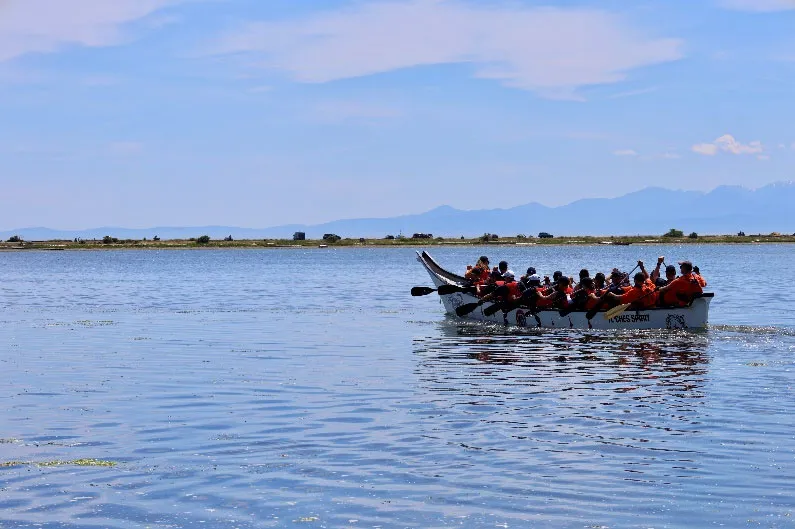
TL’Ches Spirit Canoe Program is run by CIPU and features a 35-foot Pacific Dancer Canoe named TL’Ches Spirit. The canoe boasts traditional Indigenous artwork and is used by the West Shore RCMP CIPU for community and cultural events to connect with Indigenous and non-Indigenous youth. The goal is to teach students about water safety and Indigenous cultural connection to the sea as taught by Elder Joan Morris, traditional name Sellemah, from Songhees Nation. An education video on the TL’Ches Spirit Canoe Program is available on the West Shore RCMP website.
School Liaison Officers (SLO)
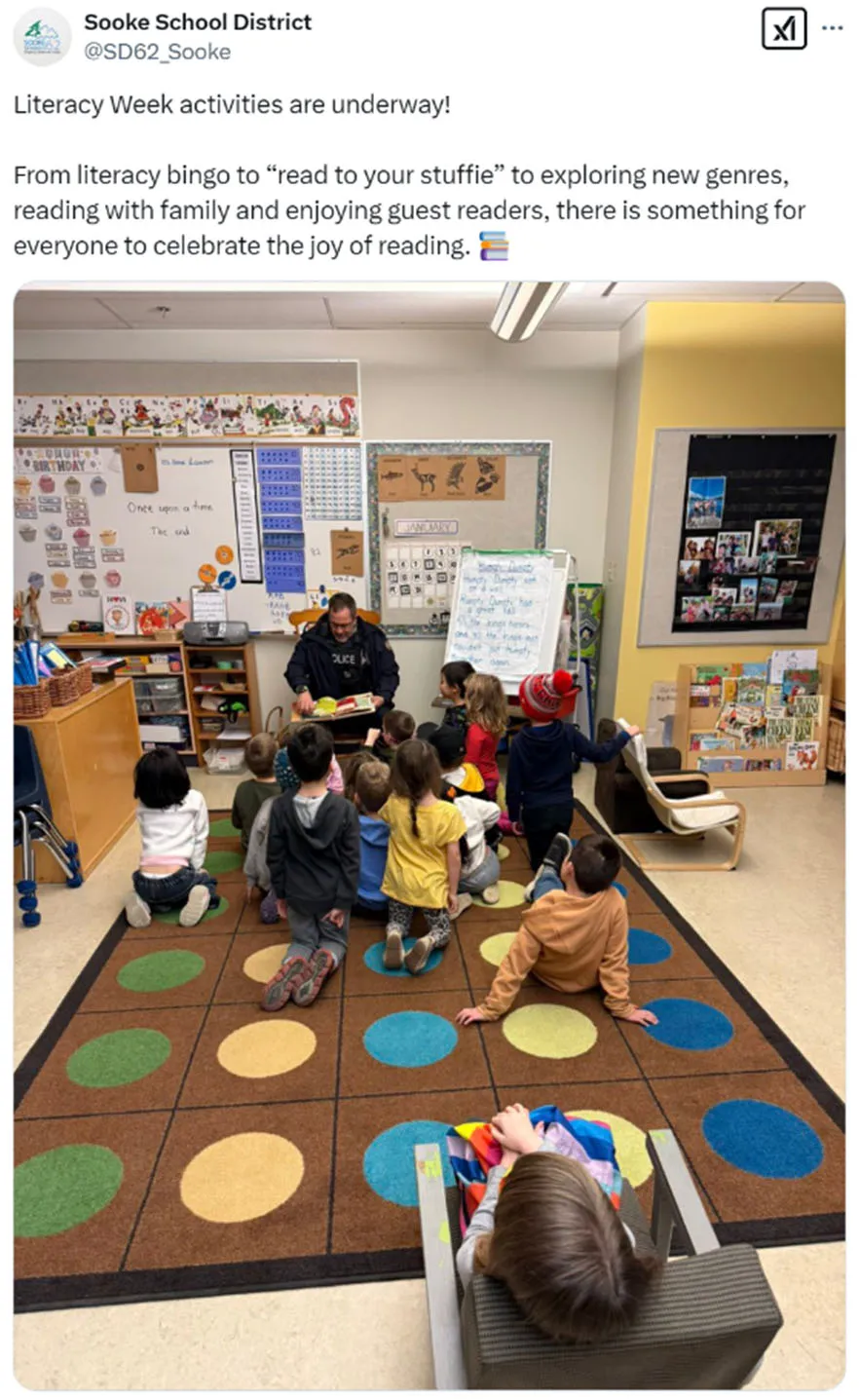
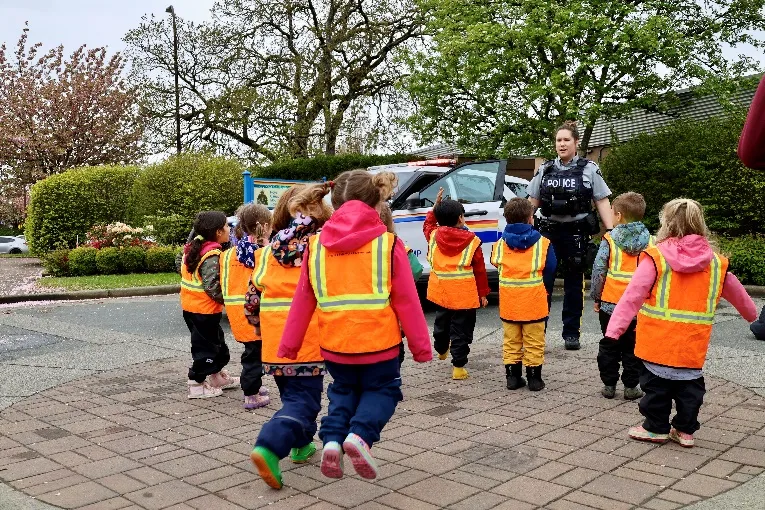
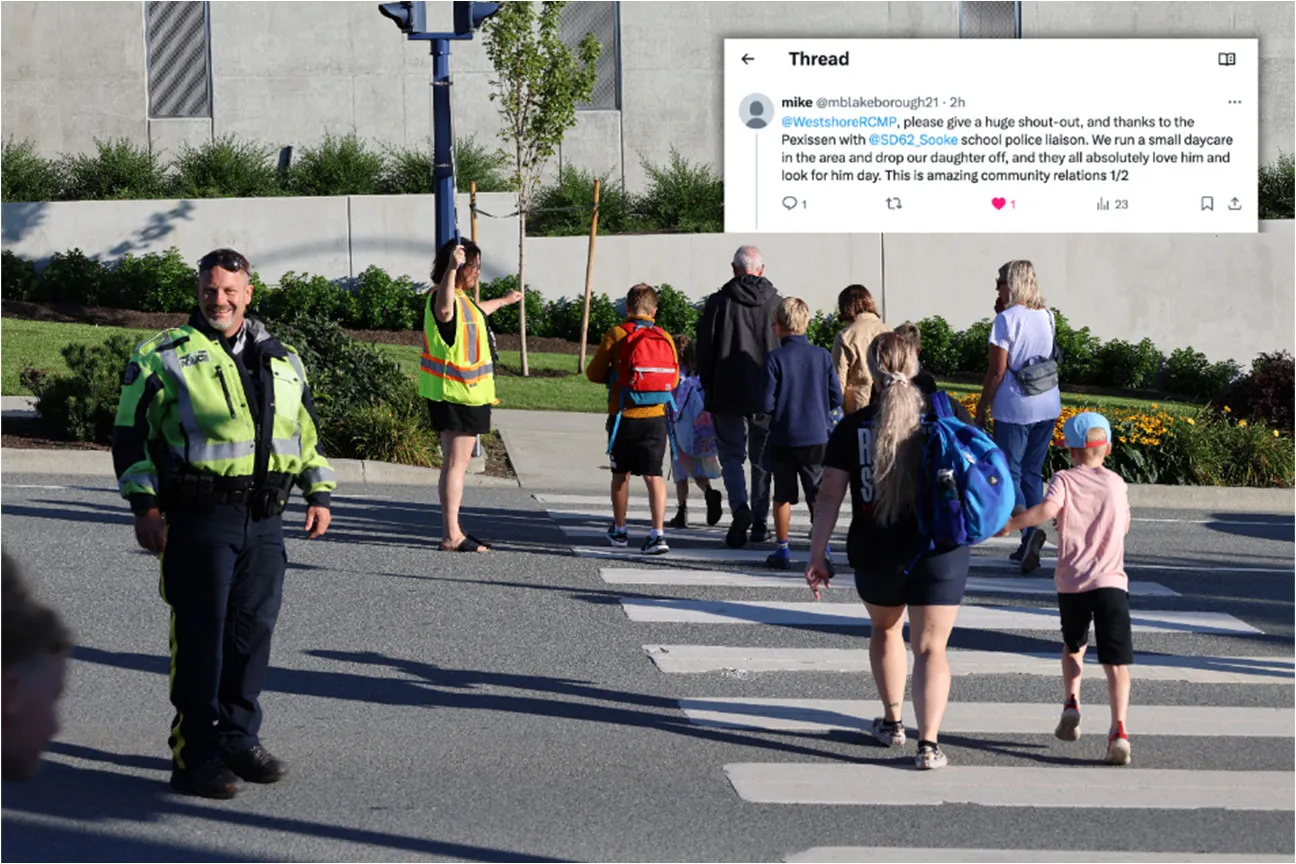
In 2023, School District 61 Board banned School Liaison Officers (SLO) from attending their schools. CIPU also act as West Shore RCMP School Liaison Officers. This deeply impacted service delivery of CIPU to elementary schools in View Royal, specifically Craigflower and Shoreline Elementary schools where the majority of Songhees and Esquimalt Nation children attended. West Shore RCMP sought other ways to enhance relationships with Indigenous youth outside of school settings by hosting open houses at the Nations and attending cultural events. CIPU also hosted an annual camping weekend at Bamberton Provincial Park with Indigenous youth from both Nations. In 2024, SLOs continued to engage in meaningful work with School District 62 (SD62). SLOs participated in activities and events with students across SD62 schools.
CIPU actively engages with the West Shore communities through a variety of educational and prevention programs, including:
- Providing RCMP School Liaison Officers for all SD62 within the West Shore (and formerly SD61, prior to 2023 ban on SLOs); SLOs conduct daily check-ins with staff and students.
- Investigating reports to police of suspicious and criminal activity in and around the school or related to students/staff.
- Regularly hosting educational talks with various classes throughout SD62.
- Conducting Lock Down and Hold and Secure drills with students and staff.
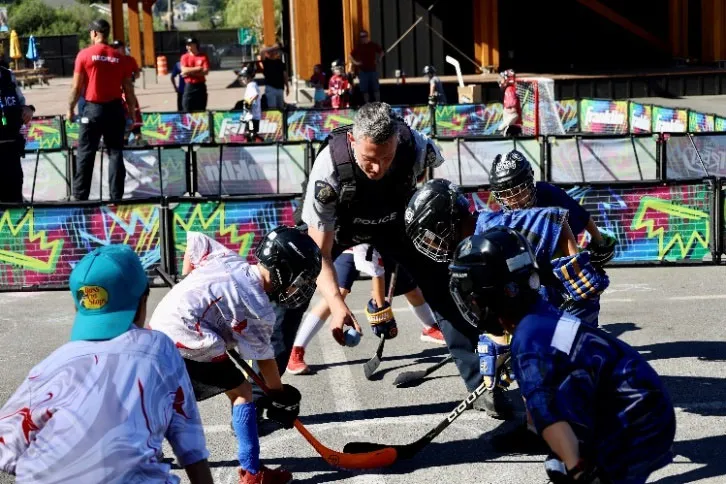
- Organizing youth activities with schools including floor and ice hockey games; teaching new-to-Canada students how to skate as a welcoming initiative.
- Hosting an NHL street hockey program for kids in summer (outside school hours).
- Participating in the Greater Victoria Diversity Advisory Committee.
- Fundraising: Cops for Cancer (raised over $60,000 in 2024) and Special Olympics BC via Polar Plunge.
- Offering Crime Prevention Through Environmental Design (CPTED).
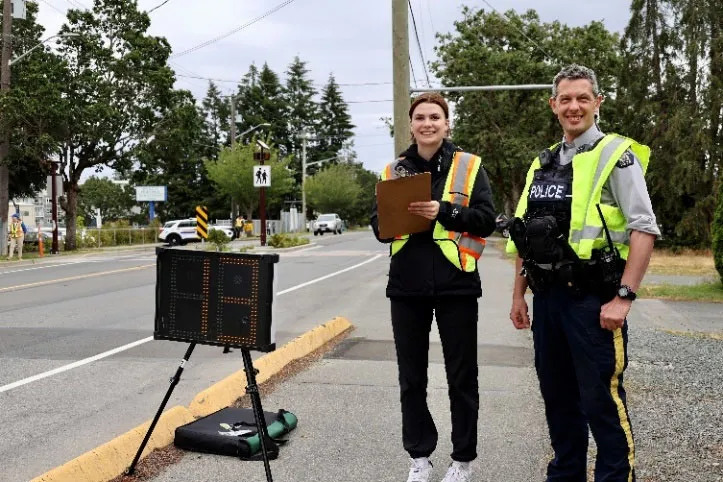
- Operating the West Shore RCMP Speed Watch Program.
- Operating the Keep in Touch Program where volunteers call elderly citizens daily.
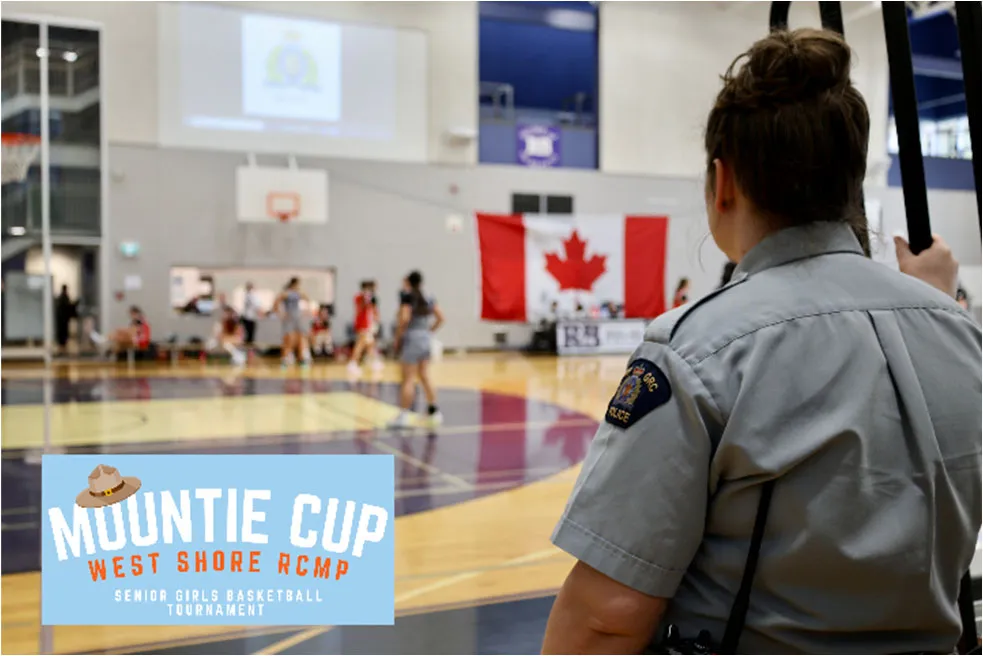
- Hosting “The Mountie Cup” annual basketball tournament for senior girls at Royal Bay Secondary and Belmont Secondary.
CIPU is a reflection of West Shore RCMP’s commitment to meaningful engagement and efforts to build relationships with the community.
ENHANCING ROAD SAFETY
Year over year, enhancing road safety has remained a priority identified by each of the West Shore communities.
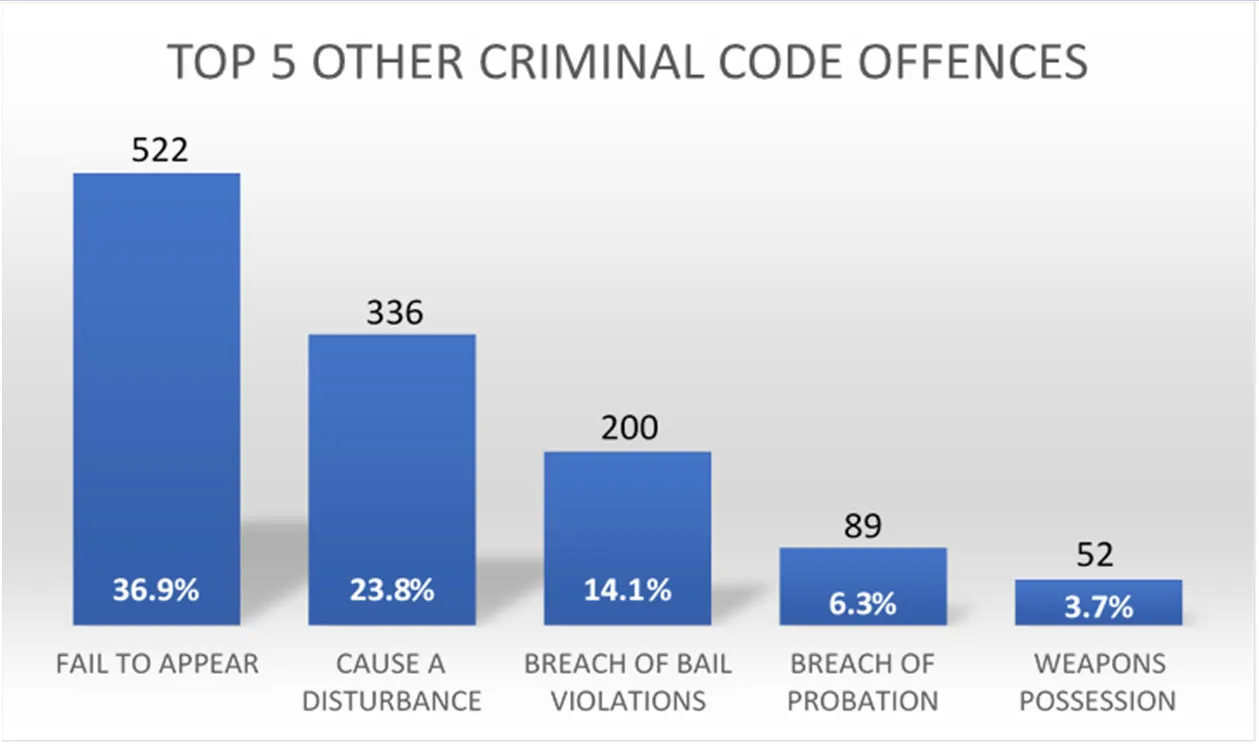
Figure: 2019–2024 TRAFFIC SERVICE CALLS
- 2019 — 1,928
- 2020 — 1,813
- 2021 — 2,070
- 2022 — 2,318
- 2023 — 2,436
- 2024 — 2,486
Traffic Services Unit
West Shore RCMP Traffic Unit is made up of:
- 1 Corporal
- 4 Constables
Their mandate is to investigate collisions, enforce the Motor Vehicle Act and enhance pedestrian and motorist safety via educational campaigns.
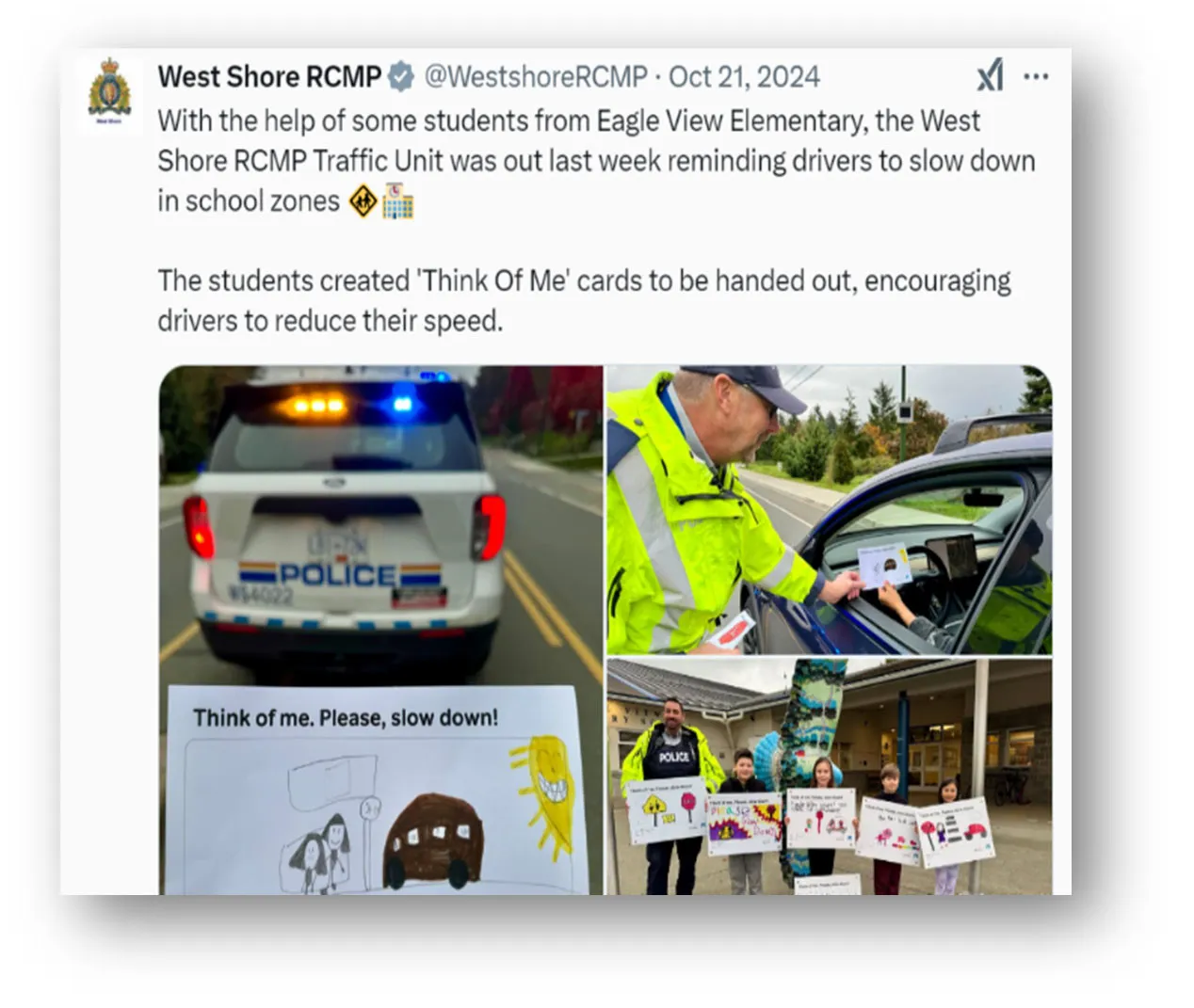
Throughout the year, the Traffic Unit conducted enhanced patrols and enforcement efforts in identified high-collision and traffic areas of concern (hot-spots), including school zones across the West Shore, Ocean Boulevard in Colwood, Island Highway and Adams Road in View Royal, Veterans Memorial Parkway in Langford, Happy Valley Road in Metchosin, and Millstream and Finlayson Arm Road in Highlands.
Traffic Unit highlights:
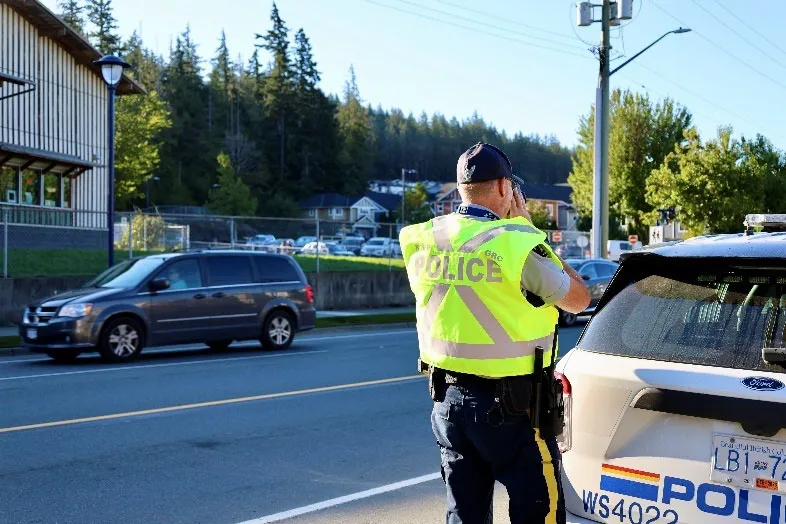
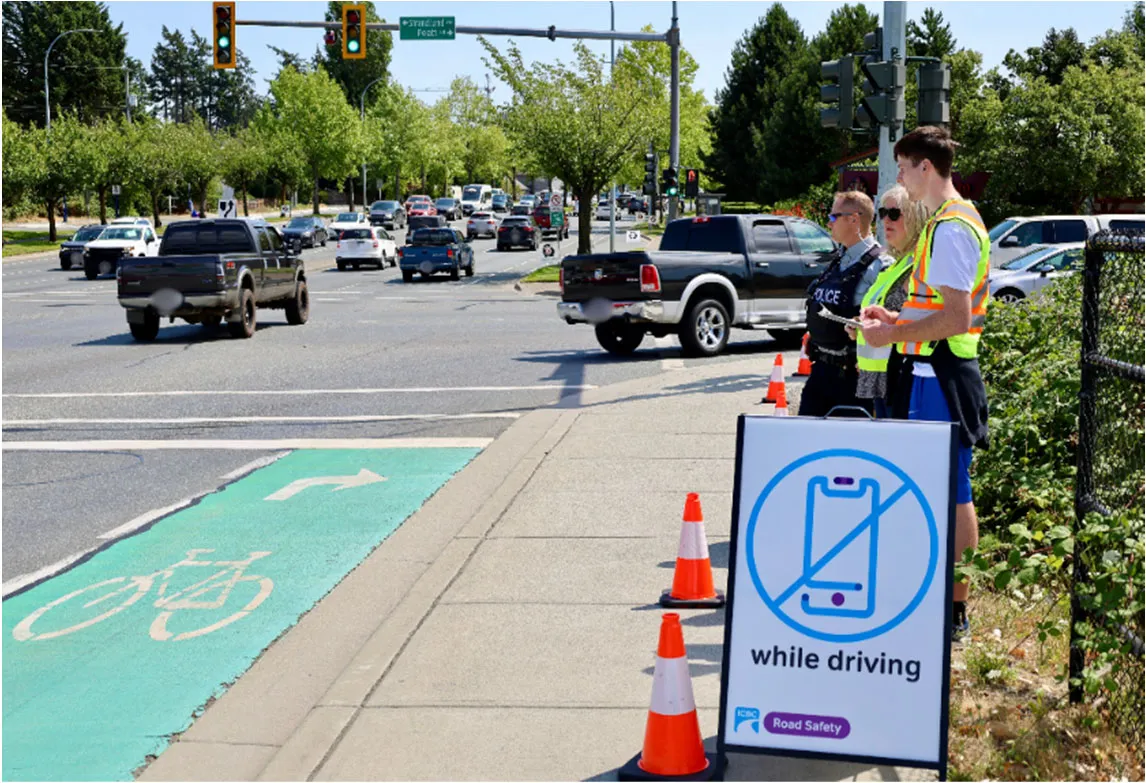
- In July 2024, West Shore RCMP teamed up with BC Highway Patrol and ICBC on a distracted driving campaign. Officers and volunteers were stationed at three locations along Veterans Memorial Parkway; messaging was posted on local radio, newspapers, TV, and highway digital billboards.
- Traffic Unit vehicles are equipped with Automated License Plate Readers (ALPR) which detect uninsured vehicles, vehicles registered to prohibited drivers, and notify officers of potential violations.
- In 2024, West Shore RCMP issued 678 violation tickets to drivers with uninsured vehicles.
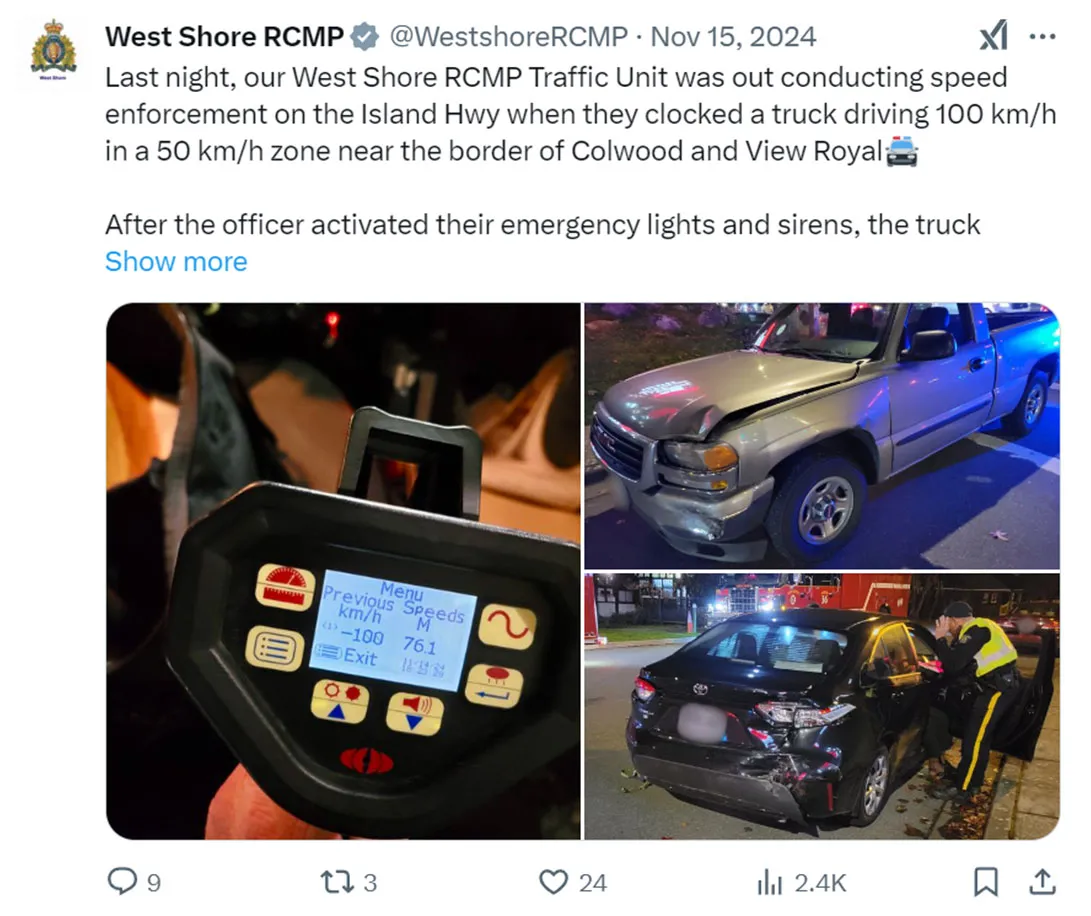
- West Shore issued 955 written warnings and 2,220 violation tickets in 2024 — over 3,000 in-person interactions with motorists.
- Traffic related calls include Fail to Stop, Insurance Violations, Collisions, Impaired Operation of a Motor Vehicle and Driving While Prohibited.
Collisions (2024)
In 2024, West Shore RCMP received 848 collision reports, up 16% from 2023 (725 collisions).
Most serious injury-causing collisions occurred at:
- Trans Canada Hwy (TCH) / West Shore Parkway
- Trans Canada Hwy / Helmcken Road
- Island Hwy / Wale Road
- Trans Canada Hwy between Exit 11 (Six Mile Rd) and Exit 14 (Millstream Rd)
- Island Hwy / Burnside Road West
- McCallum Rd / Millstream Road
- Highway 14
Printers were installed in nearly all general duty and traffic enforcement vehicles allowing officers to print digital tickets.
Criminal Traffic Violations (Top 5)
Top 5 Criminal Traffic Violations (2024):
- IMPAIRED OPERATION MOTOR VEHICLE - ALCOHOL — 67.2%
- IMPAIRED OPERATION MOTOR VEHICLE - DRUG — 14.2%
- IMPAIRED OPERATION MOTOR VEHICLE - ALCOHOL & DRUG — 5.5%
- FLIGHT FROM POLICE — 3.8%
- FAIL/REFUSE DEMAND - ALCOHOL — 3.5%
Note: Not all traffic violations generate a police file (e.g. speeding, seatbelts, etc.) & these figures are not comprehensive.
CRIMINAL CODE OFFENCES
West Shore RCMP officers respond to a wide array of service calls, including Criminal Code offences and non-criminal incidents.
Crimes Against Persons – Violent Crime
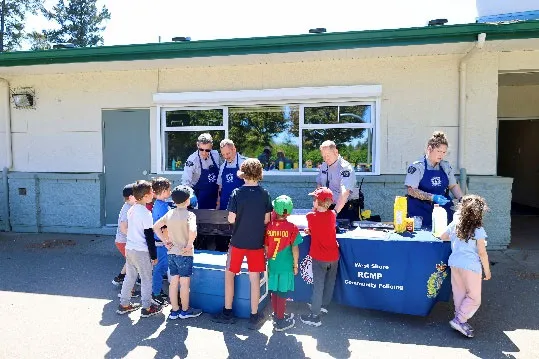
Figure: 2020–2024 Crimes Against Persons per Community — the chart shows a multi-year trend by community. Langford experienced a 12% increase in persons offences from the year prior, and View Royal experienced an 18% increase.
2024 Percentage of Persons Offences per Community:
- Langford 60%
- Colwood 18%
- View Royal 13%
- Songhees Nation 4%
- Metchosin 3%
- Highlands 1%
- Esquimalt Nation 1%
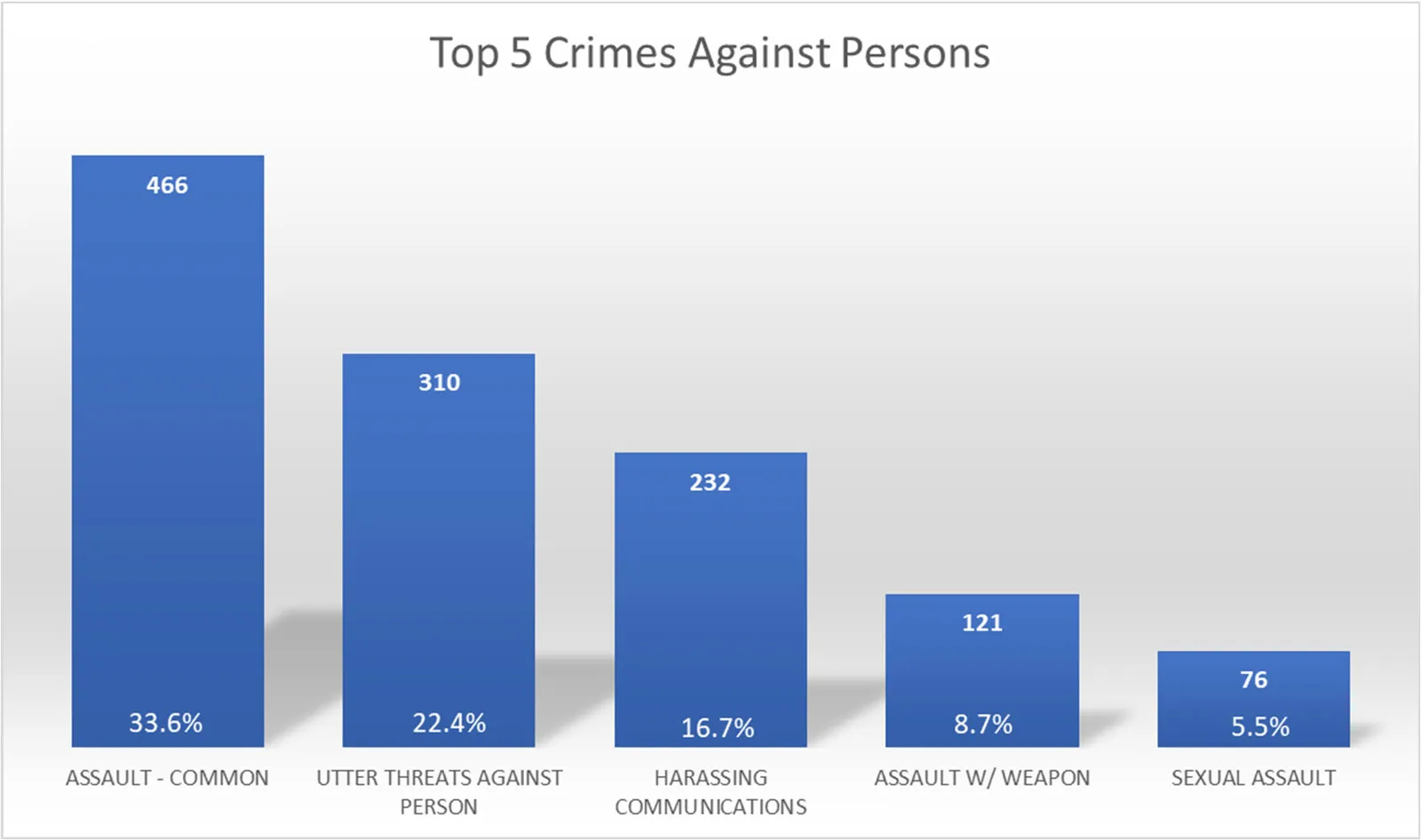
There were 1,386 Crimes Against Persons in 2024, representing an 8.9% increase compared to 2023 (1,272). Of the 1,386 offences, Assaults accounted for the highest incidence followed by Uttering Threats, Harassing Communications, Assault with a Weapon and Sexual Assault.
Sex-Based Offences & Special Victims Unit
Sex-Based Offences reported to West Shore RCMP over 2021–2024:
- 2021 — 123
- 2022 — 164
- 2023 — 142
- 2024 — 136
The Special Victims Unit (SVU) was created in 2022 to investigate Sex-Based Offences. SVU is comprised of:
- 1 Corporal
- 4 Constables
SVU is overseen by the Sergeant in Charge of Serious Crimes. The unit reviews all reports involving sexual assault and takes over complex investigations including Sexual Assaults, Sexual Interference/Invitation to sexual touching and other sexual offences such as Indecent Acts, Voyeurism and Child Abuse.
SVU also:
- Interviews children under the age of six and monitors child and youth statements (6–14 years of age)
- Provides guidance to Frontline officers for Sexual Offence investigations
- Oversees West Shore RCMP contributions to the National Sex Offender Registry (NSOR)
SVU officers receive specialized training including interviewing children, preparing search warrants and supporting victims with trauma-informed approaches. In 2024, all West Shore RCMP officers completed a new course on Sexual Offences focused on best practices, policy and trauma informed policing.
Serious Crime Unit (SCU)
The Serious Crime Unit (SCU) handles large scale complex investigations, primarily violent crime, suspicious deaths, serious workplace injuries/fatalities and Child Sexual Exploitative and Abusive Material.
Notable SCU investigations in 2024 included:
- August 2024 – multiple overdoses resulting in 2 deaths in Metchosin.
- September 2024 – an arson and shooting at a popular international singer’s home in Colwood; two suspects were identified, one arrested and one outstanding and believed to be outside Canada.
- September 2024 – Fatal workplace injury at a construction site in Langford.
- December 2024 – A man found with gunshot wounds on Kangaroo Road in Metchosin (investigation ongoing).
Child Sexual Exploitative and Abusive Material investigations:
- 2021 — 19
- 2022 — 39
- 2023 — 29
- 2024 — 27
Note: In 2024, R v. Bykovets rendered a decision temporarily affecting the rate of referrals of Child Pornography cases to police agencies. The slight decline in these investigations in 2024 (and potentially into 2025) may be reflective of this ruling.
MENTAL HEALTH AND MOBILE CRISIS RESPONSE TEAM
West Shore RCMP often respond to calls involving a mental health component. Under the Mental Health Act (MHA), police may apprehend individuals for their protection and for public safety. Individuals apprehended under the MHA are taken to Royal Jubilee Hospital in Victoria (adults) or Victoria General Hospital (youth) for medical assistance. MHA apprehensions are time consuming; police must remain with the individual until a physician has determined if they will be committed under the MHA.
In April 2024, West Shore RCMP established a Mental Health Unit made up of:
- 1 Corporal
- Constables
- 2 Registered Nurses from Island Health
Together they form two Mobile Integrated Crisis Response Teams (MICR). The co-responding teams work together to meet community members where they are at — often in their homes. RCMP and health-care teams respond with a timely, supportive and empathetic approach to both the person experiencing a crisis and their families/caregivers. In partnership, RCMP and Island Health teams strive to provide the right support, at the right time, via the best possible response.
In 2024, West Shore received 1,904 mental health related service calls representing a 7% increase compared to 1,782 service calls in 2023.
Files with a Mental Health Component (yearly):
- 2019 — 1,296
- 2020 — 1,759
- 2021 — 1,788
- 2022 — 1,622
- 2023 — 1,782
- 2024 — 1,904
2024 % Files with a Mental Health Component per Area:
- Langford 59%
- Colwood 19%
- View Royal 12%
- Metchosin 2%
- Provincial 7%
- Other 0.5%
There were 254 individuals apprehended under the Mental Health Act in 2024; of those 182 were admitted to the hospital for further psychological care. In 2024 West Shore RCMP officers spent 646 hours at the hospital waiting with apprehended individuals to be assessed, averaging approximately 54 hours per month.
Currently the MICR Teams are available during daytime hours. When on shift they prioritize answering the highest risk mental health calls for service as overlapping calls are common. West Shore RCMP advocates to expand these teams to 24-hour availability.
MICR is well connected to other mental health resources in the community. Having a Registered Nurse with a background in mental health and substance use allows the teams to triage individuals in the comfort of their own home and ensure only the highest-risk individuals are apprehended and taken to hospital.
BIKE PATROL UNIT
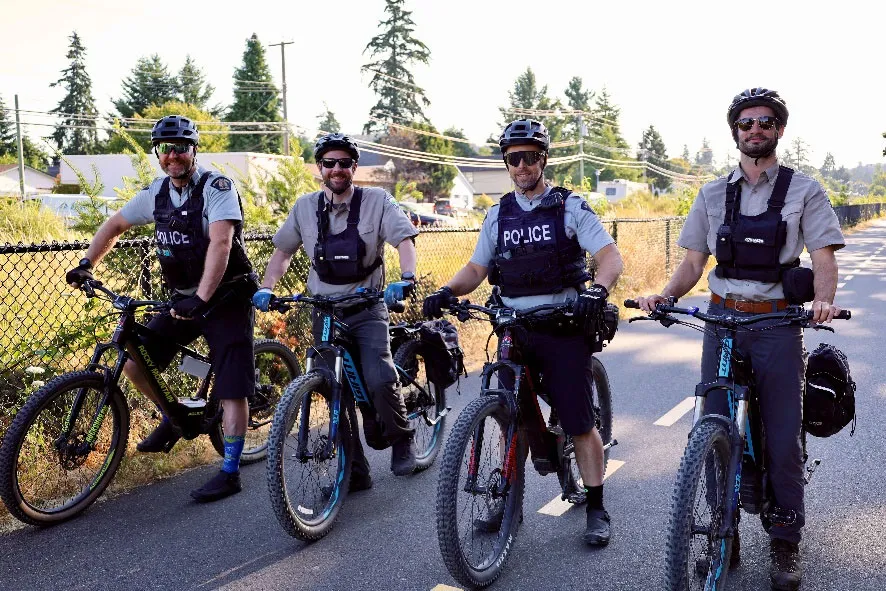
West Shore RCMP’s Bike Patrol Unit (BPU) is comprised of:
- 1 Corporal
- 4 Constables
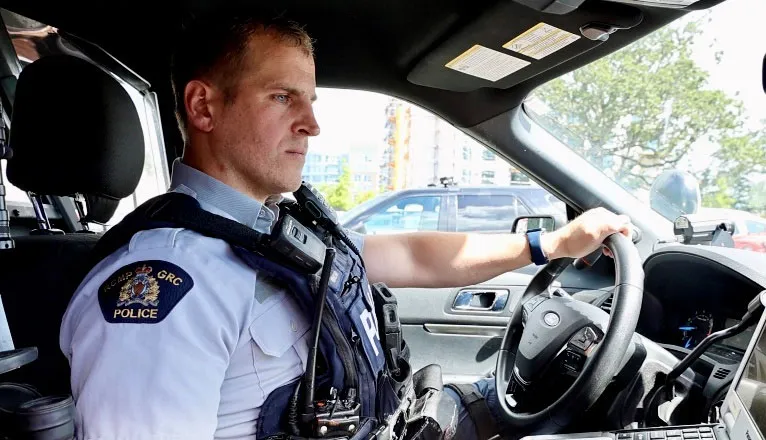
BPU provides a visible uniformed enforcement presence that conducts year-round bicycle patrol in areas not easily accessible by vehicle. This mode of transportation allows police officers to respond to situations quickly and quietly day or night. Bicycle patrol enforcement limits the carbon footprint of police vehicles and officers are considered more approachable than officers in a vehicle.
BPU activities and outcomes:
- Proactively searches for individuals with outstanding arrest warrants living in the West Shore. In 2024, they arrested 36 individuals with outstanding warrants.
- Issued over 50 violation tickets for various infractions.
- Conducted over 70 curfew checks (for individuals on court ordered curfew).
- Logged hundreds of kilometers patrolling West Shore trails and urban areas.
- Works closely with CRD and Municipal Bylaw Officers to address community concerns such as unwanted solicitation, unhoused encampments, aggressive animal reports, and provide support when dealing with belligerent individuals.
BPU notable operation (October 2024): Investigation of alleged drug trafficking at a Langford residence. Search warrant resulted in seizure of:
- Approx. 583 grams of suspected Cocaine
- Approx. 95 grams of suspected Fentanyl
- Approx. 111 grams of suspected Methamphetamine
- Approx. 29 grams of suspected Ketamine
- Approx. 13 grams of suspected MDMA
- Approx. 2 grams of suspected Benzodiazepines
- Approx. 150 pills of suspected Hydromorphone
- Approx. 50 pills of suspected Methadone
- Drug trafficking and packaging materials (buffering agents, weigh scales, small bags, etc.)
- Just over $1,500 cash
EMPLOYEE WELLNESS
West Shore RCMP identified Employee Wellness as a key priority for staff. Along with available psychological services, the detachment developed a robust physical health portfolio including a well-equipped in-house gym and multi-purpose fitness studio for group fitness classes. Members and municipal staff are encouraged to use the facility.
Shift work in policing can be demanding; the detachment converted one office into a quiet room where members and support staff can regroup after traumatic events or long days.
Critical Incident Stress Debriefings are offered when officers experience traumatic calls. Support staff affected by traumatic calls are also invited to participate.
Peer support: Several trained Peer Support Employees assist officers/staff encountering stressful situations, whether personal or professional.
RCMP Wellness programs include:
- Peer to Peer Coordinators
- Officer and Executive Peer to Peer Volunteers
- Support for Operational Stress Injury (SOSI) Coordinators
- National Reintegration Program Coordinators
- Divisional Fitness and Health Promotion Advisors
- Divisional Chaplains
- Occupational Health and Safety Services offices
- Occupational Safety Officers
- Informal Conflict Management Practitioners
- Well-Being Ambassador
New Roads Therapeutic Recovery Community
New Roads Therapeutic Recovery Community (Operated by Our Place Society), located at 94 Talcott Rd, View Royal, is a secured long-term treatment facility for men experiencing substance abuse issues. Therapeutic housing is available for 9–24 months. In 2024, the facility housed upwards of 40 residents (usually 15–30 residents at a time), many of whom are subject to court orders and must remain at the facility.
West Shore RCMP has protocols with the Director of the facility when attending calls for service. The Director notifies West Shore RCMP of new residents to ensure police can respond appropriately if called.
Greater Victoria Police Victim Services (GVPVS)
Victim Services is a volunteer-based program supporting people impacted by crime and trauma. Their services include:
- Emotional and practical support
- Referrals to government and private services
- Safety plans
- Assistance with Crime Victim Assistance applications
- Assistance with Victim Impact Statements
- Information about court and the criminal justice system
- Court accompaniment
- Education on victim rights and services
Cases referred by police to Victim Services in 2024:
- Saanich — 493
- West Shore — 339
- Sidney/North Saanich — 129
- Victoria — 99
- Oak Bay — 12
- Central Saanich — 15
- Other Police Agency — 6
- CFB Esquimalt — 1
- 2024 Total — 1,094
MEDIA RELATIONS UNIT AND SOCIAL MEDIA
West Shore RCMP Media Relations Unit is comprised of one Corporal and one Media Relations Assistant. The Media Relations Assistant position was added in April 2024 to increase community connection via social media channels.
The unit responds to media enquiries and publishes timely media releases on public safety issues and noteworthy police investigations aligned with the Annual Performance Plan.
In 2024, multiple investigations were solved by publishing media releases and enlisting public assistance to identify suspects.
Website
West Shore RCMP website is continuously updated with information on Police Information Checks, contact information, volunteer programs, services, media releases, online non-violent crime reporting, and Crime Stoppers links. The website is planned to be refreshed in 2025 with updated branding and easier navigation. Educational videos highlighting West Shore RCMP units and initiatives have been started.
Social Media
- X (formerly Twitter): West Shore RCMP is active via X (@WestshoreRCMP) since February 2015 and has over 10,000 followers.
- Facebook: West Shore RCMP started a Facebook page in Jun 2024.
GREEN TECHNOLOGY
Vehicles
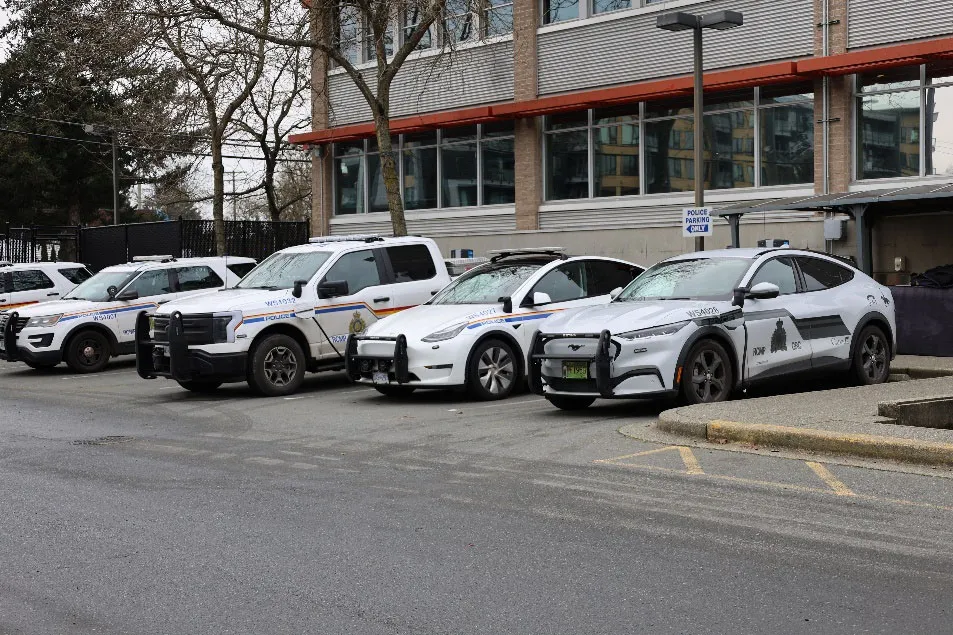
- In February 2023, West Shore RCMP unveiled the first electric police vehicle, a Tesla Model Y.
- In 2024, they added a Mustang Mach-E and Ford F-150 Lightning outfitted to policing standards.
- West Shore RCMP has five hybrid police vehicles.
- Commitment: reducing the RCMP’s carbon footprint and complying with the Canadian Net-Zero Emissions Accountability Act.
Important Note: In 2020, the average general duty West Shore police vehicle cost approximately $11,100 in fuel and maintenance fees. Costs have increased since then due to soaring fuel prices and inflation. The cost of charging and maintaining an electric vehicle is significantly lower and fiscally responsible.
STATS AND FACTS
The West Shore RCMP Annual Report provides an overview of various statistics and policing in West Shore and is not comprehensive. The statistics presented in this report were retrieved from RCMP E Division Business Intelligence and the British Columbia Police Records Information Management Environment (PRIME) and are accurate on the retrieval date. All data is preliminary and is subject to change based on investigational factors and data quality processes. In cases of discrepancy with previous/subsequent data, the most current data will take precedence. Data collection utilized “most serious offence” scoring consistent with Statistics Canada and the British Columbia Ministry of Justice (Police Services Division) data collection practices. Police Services Division provides population data. Collision data is not complete as it only includes files where police attended and not all collisions reported to the Insurance Corporation of British Columbia (ICBC).
Founded occurrences gathered as of January 2019 include offences where it has been determined that the reported incident did occur or was attempted, or there was no credible evidence to confirm that the incident did not take place. Prior to 2019, only offences that were proven to have occurred were included in founded occurrences. This change in reporting may result in an increase when comparing post-2019 founded occurrences with reports from previous years.
(Note: Figures and photos are included above at the points they are referenced. Images are labelled according to their position in the report: Image 1 through Image 31 correspond to charts, graphs, and photos embedded in the pages provided.)
Document Images
(13)