DocumentsStaff ReportFeb 28, 2023Pages 110–380
Fire Department Master Plan
Staff report / master plan for the Fire Department providing strategic direction, service level analysis and recommendations (includes budget and infrastructure implications).
Key facts
- Agenda item: 4.3 Fire Department Master Plan
- Report appears in agenda package starting page 110
- Document likely contains service-level recommendations, capital/facility implications and multi-year implementation considerations (detailed content in pages 110–380)
Fire Department Master Plan
Page 110
t 250.478.7882 e administration@langford.ca 2nd Floor, 877 Goldstream Avenue Langford, BC V9B 2X8
Staff Report to Committee of the Whole
DATE: Monday, February 27, 2023 DEPARTMENT: Fire Rescue SUBJECT: Fire Department Master Plan
BACKGROUND:
In 2017 the fire department created, and Council approved, a five-year plan called ‘Expanding the Stipend Model’ which was designed to address the capacity of the fire department to meet the needs of a growing city.
There were four key objectives set out in the plan:
increase both career and volunteer staffing levels to provide 24/7 coverage at Station 2 to reduce response times in the south end of the city; build a dedicated training ground to provide better training for the firefighters; renovate Station 2 to accommodate the increased staffing at that station; and dedicate personnel to the Langford Emergency Program to better prepare for large scale emergencies.
To fund the five-year plan, the fire department was allocated a 1% taxation increases for five years with the intention of going from a minimum of four firefighters (one career member, three volunteer members) per shift to eight firefighters (four career members, four volunteer members) per shift split between Station 1 (North) and Station 2 (South).
This plan recommended increasing career staffing numbers from eight to twenty career members and volunteer membership from fifty-three members to sixty-three members. It became clear in 2021 that while on target for the career staffing component, the key objective of increasing volunteer staffing levels was not going to be achieved. By the fall of 2022, the number of volunteer firefighters had decreased to thirty, half of what would be required to open Station 2. Several changes to the recruitment process were made to increase the volunteer membership, including accepting volunteers from all areas of Greater Victoria - rather than just Langford - and running two recruitment classes per year (Spring and Fall) instead of the usual single-recruitment in the Spring. Despite these changes, Langford’s volunteer retirements continue to outpace volunteer recruitment.
It is important to note that the 2017 plan did not account for several external events that have had a significant impact on the fire department’s ability to recruit and retain volunteer firefighters. The global Page 110 of 461
Page 111
Fire Department Master Plan 20230227 Report to Committee of the Whole Page 2 of 7
pandemic caused delays and challenges to the process of recruitment of volunteers. It was a difficult time to get people interested in volunteering, especially in a field that was on the front lines. Selecting new members and providing the required training was extremely difficult with restrictions that limited group sizes and gatherings to a small number of people or outside of established cohorts. While these challenges are largely over with, the pandemic has created a deficit in our volunteer complement that we are still working to recover from.
Despite the fact that the immediate effects of covid have passed, there are other factors which continue to impact Langford’s ability to hire new volunteer members. One major factor is the increased cost of living and ongoing inflation that have put a strain on many families. The cost-of-living increases have deterred many people from volunteering as they now need to work multiple jobs to pay additional costs for housing, food, and utilities to meet their basic needs. Despite an interest in volunteering, many simply cannot as the hours they would have traditionally volunteered are now required to be used to earn income for their families.
A result of these pressures on volunteerism, is a change in the motivations for those who do wish to join. Many are joining to use the training and experience gained in Langford Fire Rescue (“LFR”) for career opportunities elsewhere with full-time career departments. Many career departments in BC and Alberta have stated that they will be hiring a significant number of new firefighters in the next one to four years. Most career departments are hiring record numbers of firefighters to fill vacancies and increase their staffing levels and they are drawing from volunteer or composite departments such as Langford when hiring. Langford Fire Rescue responds to between 1500-2000 calls per year and is considered a full-service fire department, meaning that it responds to all hazards in the community. This provides an excellent opportunity for volunteer members to gain experience and training that doesn’t exist at the same level elsewhere making them a sought after by other career departments. It has become common that LFR is treated as a work experience program that other career departments draw from thus LFR loses many volunteers per year to career positions elsewhere. This has resulted in over 65% of our current volunteer firefighters having less than three years of experience.
Another item of note is the issue of availability and the level of time commitment that is necessary. A challenge arises with respect to their availability and how much time they can commit to the organization and the fire service, which as a whole, is significant. The BC Fire Service Minimum Training Standards Structural Competency and Training Playbook defines the minimum training requirements for structural firefighters to remain safe and to be competent on the fire ground. These requirements were introduced to reduce firefighter deaths and injuries and to have all fire departments in BC provide a level of training based on the type of fire department they declare. LFR is a full-service fire department (all-hazards) and therefore we require our members to achieve the highest level of training before being able to respond as a qualified firefighter. In the past, training could be done concurrent with call response and filling shifts at the station; however, now to meet minimum standards, volunteers have to meet the requirements before they are able to respond and that can take years depending on the availability of the volunteer and the ability for the department to provide the training.
Page 111 of 461
Page 112
Fire Department Master Plan 20230227 Report to Committee of the Whole Page 3 of 7
While these external factors were difficult to predict, the 2017 plan also did not account for the increase in densification in the core of Langford. At the time the plan was created, the predominant housing types being constructed were townhouses and six-story residential buildings and that was a trend that had been occurring for years. By 2020 and into 2021, the city started to discuss the construction of residential towers that were eighteen-stories and above. This alone would have strained the capacity of the fire service even if the 2017 Plan’s goals were achieved.
Considering all these factors, it was recommended that a Fire Department Master Plan be done in 2022. The Plan was approved in the 2022-2027 Budget to hire a third-party to complete an objective and comprehensive review of the current capacity of the fire department and to plan for the future needs of the organization.
COMMENTARY:
Emergency Management Group Inc (EMG) out of Barrie, Ontario was awarded the contract to conduct the Fire Department Master Plan through an RFP process. EMG is a professional consulting and training firm dedicated solely to emergency services and emergency management. They have completed Fire Department Master Plans for many other Canadian and U.S. fire departments both larger and smaller than LFR. This depth of experience was a key aspect in selecting EMG to complete the LFR Master Plan.
The overall objective of the LFR Master Plan is to ensure the most efficient use of fire service resources in order to meet the demands of the community while planning for growth in the population over the next 10-20 years. The plan is designed to prepare the fire department to be able to manage the impact of future growth throughout the City of Langford and the best way to deliver fire protection and fire prevention services to all residents. EMG used their experience and understanding of municipal fire services and worked with internal stakeholders to conduct a comprehensive review of the fire department’s operations. The in-depth assessment included reviewing the fire and emergency services in detail, an analysis of each division/department, a gap analysis and development of recommendations to optimize service excellence.
EMG spent eight months researching the challenges and opportunities facing LFR. In addition to the above, the scope of the LFR Master Plan reviewed the following requirements:
Existing legal, operational, and administrative structure, including the fire department’s mandate of services. The LFR service capacity in the context of anticipated development and growth. Ability to meet statutory and regulatory obligations under or as defined by codes and standards. Response times, including dispatch, turnout, and travel time by incident types. Budget process. Staffing levels and needs. Recruitment and retention of volunteers Occupational health and safety issues. Comparative analysis of similar sized departments. Page 112 of 461
Page 113
Fire Department Master Plan 20230227 Report to Committee of the Whole Page 4 of 7
Emergency Program activities. Fleet and apparatus. Fire Prevention Programs. Health and wellness. Training Programs. Fire station locations. Regional efficiency and operability.
Based on this in-depth analysis of the department, internal and external documentation and reference to industry standards and best practices, EMG made seventy-two recommendations for consideration. The recommendations were defined as immediate, short-term (1-3 years), mid-term (4-6 years), long-term (7- 10 years) and future planning (10+ years).
Some of the significant highlights of the recommendations are as follows:
Complete a new governance bylaw to ensure that the services offered by LFR align with Council’s vision and expectations. Increase suppression staffing from four to ten per platoon to bring staffing per apparatus in line with industry standards and enhance the operational capabilities of LFR. Implement strategies to retain volunteer members for longer periods. Implement a stipend (pay per shift) for volunteers that is in line with other neighboring fire departments to help attract more volunteer members. Expand the current initiative in fire prevention inspections and public education by training all firefighters to NFPA 1031 (Fire Inspections) and NFPA 1035 (Fire and Life Safety Educator). Assess the feasibility of improving the staffing model to implement a stand-alone Fire Prevention Division. Implement a dedicated full-time Training Officer to develop, deliver, manage, and measure the delivery of training within the department. Develop and implement a formal succession planning program. Pivot to using NFPA 1710 as a performance measure over the BC Building Code for response time benchmarks. Work collaboratively with Colwood and View Royal to implement tri-municipal agreements for emergency response. Begin the process to secure funding to enter into a design phase for a new Fire Station 1 to consolidate Fire Station 1 and Fire Station 3. Assess the feasibility of replacing the current aerial ladder truck with a used aerial device that has 10 years or less service time. Update the City of Langford Emergency Program Response Plan.
While all seventy-two recommendations will bring value to the organization, staff will need to prioritize them and bring forward a plan to Council for implementation. The timing of the implementation will be determined by which has the most impact and the best value for the City to enhance fire protection Page 113 of 461
Page 114
Fire Department Master Plan 20230227 Report to Committee of the Whole Page 5 of 7
services overall. For example, completing a new governance bylaw to ensure the services provided by the fire department meets Council’s and resident’s expectations is needed to provide guidance and direction now and for the future of the organization whereas designing a new Station 1 is a recommendation that can be a plan objective for future years.
Staff believe the most significant concern identified in the master plan must be dealt with in 2023. A platoon is a set of firefighters that respond as a group to emergencies. Currently our minimum staffing level is four firefighters at Station 1 with little capacity to deal with sick or vacation relief. Station 2 and Station 3 are both volunteer stations (volunteers respond from home to the station via a pager) and do not have a guaranteed response as it is dependant on volunteer availability. Staffing Station 2 was a component of the 2017 Plan that was not achieved; however, the need to have a dedicated and guaranteed response from that station has continued to increase. Moving to a model with ten firefighters per platoon would provide a minimum of eight firefighters on duty at all times, with four at Station 1 and four at Station 2, supplemented with our volunteer members. This number would also account for sick and vacation relief.
In recognition of the need to ensure a guaranteed emergency response to both the north and south ends of the City and to help address the increase in density with residential towers, it is recommended that Council consider a plan to hire additional firefighters to meet the ten per platoon system over a three year period. This would create a total of twenty-four additional suppression firefighter positions.
As well, it is recommended that three additional firefighters be hired, two to specifically focus on Fire Prevention and Life Safety Education and a dedicated Training Officer to ensure all firefighters continue to be trained to industry standards and expectations. These members would be hired within the same three-year time frame noted above.
Many of the other recommendations of the LFR Master Plan would be addressed with the additional staff. Meeting our staffing needs not only assists with emergency response capabilities, but it will also allow the department to dedicate personnel to addressing the other objectives of the LFR Master Plan.
The mission statement for the department is “LFR is a highly competent and progressive organization, committed to serving the community with courage and pride in the preservation of life and property to the best of our ability.” The staff and volunteers that make up Langford Fire Rescue are providing an incredible service to the community and are dedicated to serving the residents with pride. By using the LFR Master Plan as a framework and following the recommendations, Council can continue to support the membership by providing them with the resources and staffing they need to accomplish the mandate of saving lives and protecting property to the best of their ability now and well into the future.
FINANCIAL IMPLICATIONS:
Staff will need to prioritise the recommendations of the LFR Master Plan and determine annually which items to bring forward to Council as part of the budgeting process. The cost of the recommendation of Page 114 of 461
Page 115
Fire Department Master Plan 20230227 Report to Committee of the Whole Page 6 of 7
hiring additional firefighting staff would be approximately $950,000 per year for a total of approximately $2,850,000 after three years.
For reference, for 2023 a 1% property tax increase is approximately $380,000.
Therefore, should Council support the staff recommendation of providing the necessary staffing for the LFR over the next three years, the tax implications in each year would be 2.5%.
LEGAL IMPLICATIONS:
While a municipality is not required to provide fire suppression services, because the City of Langford has made the decision to provide the services of a full service fire department, the City is obligated to meet the expectations that have been set by that decision.
There are also Worksafe BC requirements which dictate the minimum number of firefighters that must be present for entry into a structure. As well, the BC Building Code imposes building requirements that are subject to a fire department’s response time and capabilities.
OPTIONS:
Option 1
THAT Committee of the Whole directs staff to include nine additional firefighting positions in the budget and five-year financial plan in each of the next three years;
AND
That Council receives the LFR Master Plan, as prepared by Emergency Management Group and directs staff to prioritize the remaining recommendations as part of the annual budgeting process.
OR Option 2
THAT Committee of the Whole directs staff to include nine additional firefighting positions in the 2023 Budget and 2023 – 2027 Five Year Financial Plan for consideration;
AND
That Council receives the LFR Master Plan, as prepared by Emergency Management Group and directs staff to prioritize the remaining recommendations as part of the annual budgeting process.
OR Option 3
THAT Committee of the Whole directs staff to include additional firefighting positions in the 2023 Budget and 2023 – 2027 Five Year Financial Plan for consideration; Page 115 of 461
Page 116
Fire Department Master Plan 20230227 Report to Committee of the Whole Page 7 of 7
AND
That Council receives the LFR Master Plan, as prepared by Emergency Management Group and directs staff to prioritize the remaining recommendations as part of the annual budgeting process.
OR Option 4
THAT Committee of the Whole recommends to Council that Council receive the LFR Master Plan but take no action at this time.
SUBMITTED BY: Chris Aubrey, Fire Chief Concurrence: Donna Petrie, Senior Manager of Business Development and Events Concurrence: Yari Nielsen, Director of Parks, Recreation and Facilities Concurrence: Matthew Baldwin, MCIP, RPP, Director of Planning and Subdivision Concurrence: Katelyn Balzer, P.Eng., Director of Engineering and Public Works Concurrence: Michael Dillabaugh, CPA, CA, Director of Finance Concurrence: Marie Watmough, Deputy Director of Corporate Services Concurrence: Braden Hutchins, Director of Corporate Services Concurrence: Darren Kiedyk, Chief Administrative Officer
Page 116 of 461
Page 117
Langford Fire Rescue Darryl Culley, President 65 Cedar Pointe Drive, Suite 144 Barrie, ON L4N 9R3
705.719.9007/888.421.0665 info@emergencymgt.com www.emergencymgt.com Page 117 of 461
Page 118
2 EXECUTIVE SUMMARY This Master Plan encompasses a comprehensive review of challenges and opportunities faced by the Langford Fire Rescue (LFR) service. This Master Plan also consists of a review of the community, along with identifying present and future population statistics as well as anticipated growth of the community. By conducting these reviews, Emergency Management Group Inc. (EMG) was able to develop this 10-year Master Plan for the Langford Fire Rescue service. There are numerous benefits of master planning, however, the key advantages are: • Having a clearer vision of future requirements, what to be implemented and when. • A guide that includes options and budgetary estimates for implementation. • Prioritization of each project. • The ability to communicate with staff, internal and external stakeholders about the future goals of the organization. • Engaging key stakeholders to help move the LFR service into the future.
Master Plan Moving Into the Future Stakeholder Engagement Fiscal Responsibility Tracking Progress & Achievements Defined Set of Goals Page 118 of 461
Page 119
3 Recommendations contained within this document have been submitted to provide LFR with a set of strategies and goals for implementation. These strategies are aimed at assisting LFR in making decisions in relation to the efficient allocation of resources and staffing. A review of past and present service levels has also been completed, keeping in mind the overall goals and expectations of the department. The recommendations provided by EMG have been broken down into the following timelines: • Immediate – should be addressed urgently due to legislative or health and safety requirements • Short-term – 1 – 3 years • Mid-term – 4 – 6 years • Long-term – 7 – 10 years • Future Planning-11-20 years Each recommendation is also supported with an estimated cost to the item, whether it involves staff time only, possible equipment purchases or building of a new station. Ultimately, the timing of implementation of any of the following recommendations will depend on the City’s resources and ability to move forward with the associated suggestions that are contained within the document. Overview of Master Plan Sections Through the utilization of best practices, including applicable standards and legislation, this report was prepared by completing an assessment of the following areas/sections: • Community and Emergency Services Overview Page 119 of 461
Page 120
4 • Planning – future community growth and related service needs • A general risk assessment of the community in relation to present and future service requirements • Non-emergency related services • Emergency response call volume and Communications/Dispatching • Facilities, Vehicles and Equipment • Emergency Management Program • Mutual, Automatic Aid and Fire Service Agreements • Finance • Technology and Innovation • Review of Previous Strategic and/or Master Plans • Conclusion and Recommendations Recommendations are noted within each section of the document. However, section 12 of the document contains a quick reference recommendations chart, that includes recommended timelines for implementation, along with any estimated costing and possible service enhancements to be accomplished with the implementation of each recommendation. Scope of Requirements As noted in the original Request for Proposal (RFP), the responsibilities of the Consultant include a review of the following: • The City’s existing legal, operational, and administrative structure and requirements including the mandate for fire services. • The City’s Fire Underwriters Survey (FUS) grading, recommendations, and considerations. A review of the FUS and Public Fire Protection Classification (PFPC). • The Langford Fire Rescue (LFR) service capacity in the context of the existing demographic profile. • The LFR’s ability to meet its statutory and regulatory obligations under or as defined by the BC Building Code and Workers Compensation Act, Fire Services Act and BC Playbook. Page 120 of 461
Page 121
5 • Emergency and non-emergency services provided (Medical co-response, Motor Vehicle Incidents (MVI), Technical Rescue & HazMat). • Emergency response times, including dispatch, turnout, and travel time by incident types. • Budget process • Staffing levels and needs • Occupational health and safety issues • Comparable departments • Emergency program activities • Inventories • Reporting structure and requirements, duties, and workload • Health and wellness • Training programs (Stipend, Career staff, recruitment) Through best practices and industry standards, the future needs and sustainability of the LFR were reviewed and included the following: • The LFR service capacity in the context of anticipated development and growth. • Potential impacts of the new Fire Services Act (or Fire Safety Act when established), BC Playbook, Part 31 of the Worker’s Compensation Act and the proposed Emergency Program Act and best practices recommended by NFPA Standards. • Apparatus, equipment, facility replacement and resource allocation • Department training needs and standards • Fire prevention activities including fire safety inspections, fire investigations, public education, and pre-incident planning. • Regional efficiencies and operability • Contracts, service agreements and mutual aid agreements • Standard Operating Guidelines, bylaws, policies, and procedures • Recruitment, retention, and use of stipend members • Capital and operating budget Page 121 of 461
Page 122
6 • Recommended 5-year administration and operations plan for the years 2023-2028. • 5, 10, and 20-year outlooks • Succession planning • Administrative requirements • Building space requirements. • Long term apparatus replacement plans. Based on the information received during the meetings, a comprehensive review of supplied documentation and reference to industry standards and best practices, we have concluded that there is a total of 72 recommendations for consideration by the Fire Chief and Council to guide the LFR into the future. Please note that many of the recommendations below are administrative in nature and are located within this document at the end of each applicable section. All 72 recommendations are found at the end of this document in Section 12 – Recommendations and Estimated Costs. Page 122 of 461
Page 123
TABLE OF CONTENTS EXECUTIVE SUMMARY .......................................................................................................................................................... 2 DEFINITIONS & ACRONYMS ................................................................................................................................................ 10 INTRODUCTION .................................................................................................................................................................... 14 SECTION 1: COMMUNITY, FIRE DEPARTMENT OVERVIEW & GOVERNANCE .............................................................. 22 1.1 COMMUNITY OVERVIEW ......................................................................................................................................................... 22 1.2 ECONOMIC SNAPSHOT ........................................................................................................................................................... 26 1.3 FIRE SERVICE COMPOSITION................................................................................................................................................... 26 1.4 GOVERNANCE AND ESTABLISHING & REGULATING BY-LAW ..................................................................................................... 29 SECTION 1 – RECOMMENDATION AND RATIONALE ....................................................................................................................... 31 SECTION 2: PLANNING ........................................................................................................................................................ 33 2.1 COMMUNITY SAFETY – FOUR LINES OF DEFENCE ................................................................................................................... 33 2.2 NATIONAL FIRE PROTECTION ASSOCIATION (NFPA) 1201 ................................................................................................... 35 2.3 FIRE UNDERWRITERS SURVEY (FUS) ...................................................................................................................................... 35 2.4 COMMISSION ON FIRE ACCREDITATION INTERNATIONAL (CFAI) ............................................................................................ 39 2.5 STRENGTHS, WEAKNESSES, OPPORTUNITIES, AND THREATS (SWOT) .................................................................................... 40 2.6 STAKEHOLDER SURVEYS ......................................................................................................................................................... 42 2.7 EXPANDING THE FIRE PROTECTION MODEL ............................................................................................................................ 42 SECTION 2 – RECOMMENDATION AND RATIONALE ....................................................................................................................... 44 SECTION 3: RISK ASSESSMENT ........................................................................................................................................... 46 3.1 CURRENT AND FUTURE NEEDS ............................................................................................................................................... 46 3.2 RISK ASSESSMENT OVERVIEW ................................................................................................................................................ 46 3.3 FUTURE NEEDS ....................................................................................................................................................................... 58 3.4 RESIDENTIAL FIRE SPRINKLERS AS A RISK REDUCTION STRATEGY ............................................................................................ 58 3.5 FIRE SERVICES POLICIES, DIRECTIVES, AND SOG’S.................................................................................................................. 61 SECTION 3 – RECOMMENDATION AND RATIONALE ....................................................................................................................... 65 SECTION 4: FIRE DEPARTMENT DIVISIONS – NON-SUPPRESSION ............................................................................... 68 4.1 ADMINISTRATION ................................................................................................................................................................... 68 4.2 FIRE PREVENTION AND PUBLIC EDUCATION ........................................................................................................................... 71 4.3 TRAINING AND EDUCATION DIVISION ..................................................................................................................................... 79 4.4 TRAINING FACILITIES ............................................................................................................................................................... 83 Page 123 of 461
Page 124
SECTION 4 – RECOMMENDATION AND RATIONALE ....................................................................................................................... 91 SECTION 5: FIRE SUPPRESSION........................................................................................................................................ 106 5.1 FIRE SUPPRESSION/EMERGENCY RESPONSE ......................................................................................................................... 106 5.2 BC PLAYBOOK ..................................................................................................................................................................... 109 5.3 NFPA 1710 ........................................................................................................................................................................ 112 5.4 NATIONAL INSTITUTE OF STANDARDS AND TECHNOLOGY ..................................................................................................... 124 5.5 MEDICAL RESPONSE ............................................................................................................................................................. 128 5.6 RECRUITMENT AND RETENTION OF VOLUNTEER/STIPEND FIREFIGHTERS .............................................................................. 132 5.7 COMMUNICATIONS ............................................................................................................................................................... 138 5.8 RADIO SYSTEM ..................................................................................................................................................................... 138 SECTION 5 – RECOMMENDATION AND RATIONALE ..................................................................................................................... 140 SECTION 6: FACILITIES ....................................................................................................................................................... 157 6.1 FIRE STATIONS REVIEW ........................................................................................................................................................ 157 6.2 FIRE APPARATUS - NEW AND REPLACEMENT SCHEDULES ..................................................................................................... 173 6.3 VEHICLE MAINTENANCE ....................................................................................................................................................... 182 6.4 VEHICLE TECHNOLOGY ......................................................................................................................................................... 183 6.5 EQUIPMENT .......................................................................................................................................................................... 183 6.6 HYDRANTS ........................................................................................................................................................................... 188 SECTION 6 – RECOMMENDATION AND RATIONALE ..................................................................................................................... 191 SECTION 7: HEALTH & WELLNESS ................................................................................................................................... 201 7.1 STAFF WELLNESS ................................................................................................................................................................. 201 7.2 CANCER PREVENTION .......................................................................................................................................................... 204 7.3 MENTAL WELL BEING ........................................................................................................................................................... 206 SECTION 7 – RECOMMENDATION AND RATIONALE ..................................................................................................................... 209 SECTION 8: EMERGENCY MANAGEMENT ....................................................................................................................... 213 8.1 EMERGENCY MANAGEMENT PLAN ........................................................................................................................................ 213 8.2 EMERGENCY MANAGEMENT ASSUMPTIONS .......................................................................................................................... 214 8.3 MITIGATION EFFORTS ........................................................................................................................................................... 215 8.4 INCIDENT COMMAND SYSTEM .............................................................................................................................................. 216 8.5 EMERGENCY PLANNING TRAINING AND EXERCISES ............................................................................................................... 218 8.6 OTHER EMERGENCY PLANS .................................................................................................................................................. 222 8.7 MOBILE COMMAND CENTER ................................................................................................................................................ 222 Page 124 of 461
Page 125
8.8 DOMESTIC TERRORISM ......................................................................................................................................................... 223 8.9 EMERGENCY MESSAGING ...................................................................................................................................................... 223 SECTION 8 – RECOMMENDATION AND RATIONALE ..................................................................................................................... 224 SECTION 9: FIRE SERVICE AGREEMENTS ........................................................................................................................ 229 9.1 MUTUAL AID AND AUTOMATIC AID ...................................................................................................................................... 229 SECTION 9 – RECOMMENDATION AND RATIONALE ..................................................................................................................... 232 SECTION 10: FINANCE, BUDGETING, FEES & COST RECOVERY MECHANISMS ......................................................... 234 10.1 OPERATING BUDGET .......................................................................................................................................................... 234 10.2 CAPITAL IMPROVEMENT PLAN ........................................................................................................................................... 235 10.3 FEES AND COST RECOVERY ................................................................................................................................................ 236 SECTION 10 – RECOMMENDATION AND RATIONALE ................................................................................................................... 237 SECTION 11: ASSESSMENT OF PREVIOUS FIRE SERVICE REVIEW ............................................................................... 240 11.1 STATUS OF PREVIOUS REPORTS ......................................................................................................................................... 240 SECTION 12: RECOMMENDATIONS, TIMELINES, & ASSOCIATED COSTS ................................................................... 243 12.1 CONCLUSION ..................................................................................................................................................................... 243 12.2 RECOMMENDATIONS & ESTIMATED COSTS ........................................................................................................................ 244 APPENDIX A – FUS SUGGESTED INSPECTION FREQUENCY ......................................................................................... 260 APPENDIX B – FIVE-STEP STAFFING PROCESS ............................................................................................................... 262
Page 125 of 461
Page 126
10 DEFINITIONS & ACRONYMS DEFINITIONS Immediate Recommendations that should be addressed urgently due to the legislative or health and safety requirements or operationally critical needs Short-term Recommendations that should be addressed within 1 – 3 years Mid-term Recommendations that should be addressed within 4 – 6 years Long-term Recommendations that should be addressed within 7 – 10 years Future- Planning Recommendations that should be addressed within 11-20 years ACRONYMS AED Automatic External Defibrillator AHJ Authority Having Jurisdiction BCAS British Columbia Ambulance Service CFAI Commission on Fire Accreditation International CIP Capital Improvement Plan CRA Community Risk Assessment CREST Capital Region Emergency Services Telecommunications CSA Canadian Standards Association DPG Dwelling Protection Grade E&R Establishing & Regulating By-law EMALB Emergency Medical Assistants Medical Board EMC Emergency Management Coordinator EMG Emergency Management Group Page 126 of 461
Page 127
11 ACRONYMS EMP Emergency Management Plan EMR Emergency Medical Responder EOC Emergency Operation Centre ERF Effective Response Force FESO Fire and Emergency Services Organization FUS Fire Underwriters Survey GIS Geographical Information System GPM Gallons Per Minute HFSC Home Fire Sprinkler Coalition HRFP Health Related Fitness Program IAFF International Association of Fire Fighters IDLH Immediately Dangerous to Life or Health IMS Incident Management System LFR Langford Fire Rescue LVFA Langford Volunteer Firefighter Association MCC Mobile Command Centre NIST National Institute of Standards and Technology NFPA National Fire Protection Association OCP Official Community Plan OHSA Occupational Health and Safety Act Page 127 of 461
Page 128
12 ACRONYMS PPE Personal Protective Equipment PFPC Public Fire Protection Classification PSAP Public Safety Answering Point PTSD Post-Traumatic Stress Disorder RCMP Royal Canadian Mounted Police RFP Request for Proposal RIT Rapid Intervention Team SCBA Self-Contained Breathing Apparatus SOAR Strengths, Opportunities, Aspirations, Results SOG Standard Operating Guideline SOP Standard Operating Policy SRA Simplified Risk Assessment SSL Sustainable Services Limited STI Shift Training Instructors SWOT Strength, Weakness, Opportunity, Threats TSSA Technical Safety Standards Authority
Page 128 of 461
Page 129
13
Intro Introduction Page 129 of 461
Page 130
14 INTRODUCTION Project Methodology The Emergency Management Group (EMG) has based its review process on the City’s initial Request for Proposal (RFP) in conjunction with the response document submitted by EMG. The specific scope of work noted (in the RFP) was reviewed and is incorporated into each section of this document. The Master Plan review was completed by utilizing best practices, current industry standards, and applicable legislation as the foundation for all work undertaken. EMG also utilized quantitative and qualitative research methodologies to develop a strong understanding of current and future needs along with circumstances of the community.
• Reviewing data, reports, bylaws, operational guidelines, community plan, demographics, etc. Research & Information Gathering • Industry standards and legislation Best Practices • Analyze data and compile into Master Plan Data Analysis • Draft recommendations, revise and finalize Recommendations Page 130 of 461
Page 131
15 Below shows the GROW Model which is based upon existing documentation, consultations, surveys, questionnaires, industry best practices and standards as the framework for the Master Plan. GROW Model Goals • Goals-realistic as well as challenging goals for the fire department. Reality • A SWOT evaluates where the strengths, weaknesses, opportunities, threats as well as aspirations and results though a SOAR analysis. The aspirations will be built upon the strengths and opportunities of the LFR. • Surveys were sent out to members of the Langford Fire Rescue. • Analysis of survey information has been incorporated into this Master Plan. Options • What are the options and obstacles that need to be considered to achieve the goals? • Research based upon industry best practices, standards, and legislation. Way Forward • What is the action plan and timelines required to get to the next steps? The action plan and timeline will provide benchmarks for the department and aid in the annual evaluation of the Master Plan.
Page 131 of 461
Page 132
16
Overall, the methodology involves a considerable amount of research, documentation review, data analysis, and the submission of draft reports, and related recommendations. The final product is a living document that provides high-level strategic direction for Council and the LFR service. This plan provides direction to the LFR by reviewing and addressing the following areas: • Applicable Legislation, Guidelines, Standards, and Industry Best Practices • Master Planning process which includes; o Analysis and Recommendations, o Strategic priorities, o Stakeholder consultation, • General Risk Assessment • Administrative Division o Applicable By-laws, organizational structure, resources, management team • Fire Prevention and Public Education o Best practices • Training Division o Training standards and qualifications, succession planning, specialty training S W O T Strengths Weaknesses Opportunities Threats External Internal SWOT Analysis Matrix Positive Negative SOAR Analysis Matrix S O A R Strengths Results Opportunities Aspirations Time Frame Future Present External Internal Page 132 of 461
Page 133
17 • Operations Division o Response times, dispatch time, travel time, etc. • Propose Staff Resource Strategies • Fleet and Facilities • Emergency management program • Fire dispatch services • Implementation Plan o Including budget recommendations General Risk Assessment EMG conducted a general risk assessment for the LFR that involved the completion of an extensive questionnaire along with research of the community. The general risk assessment completed a high- level overview of the risks and the findings have been included within Section 3 – Risk Assessment of this document. To accomplish the scope of requirements for the Master Plan, EMG has: • Reviewed fire services by-law. • Reviewed applicable municipal, provincial, and federal legislations. • Reviewed planning department documents regarding community and areas of jurisdiction growth projections over the next 10-20 years. • Reviewed any previous risk assessment, Council’s strategic priorities and other pertinent documents. • Reviewed the Community Risk Profile including community building stock, industry, care occupancies, transportation networks, etc. • Reviewed current service agreements with neighbouring municipalities and any other current documents. • Gathered information on operational requirements including past and current response statistics (call volumes/response times) to analyze for tends, staff availability/needs and response capabilities, etc. Page 133 of 461
Page 134
18 • Reviewed service administration including staffing, organizational structure, policies and procedures, administrative support, record keeping and information management/technology, purchasing and inventory control, public and media relations and customer service. • Toured the LFR fire stations and conducted a location/response analysis. • Examined fire vehicles, apparatus and equipment including the maintenance program. • Reviewed Fire Service policies, procedures and emergency response operational guidelines, training programs and records. • Collected information on the fire prevention program including education programs, and fire inspection data. • Identified and compared industry best practices relating to fire and emergency services performance measurement. • Reviewed current job descriptions, staff recruitment and retention practices, promotional policy, succession planning and demographics. • Reviewed the operational and capital budgets along with capital reserves. Based on the previously noted criteria, through meetings with the Fire Chief, Deputy Chief and other stakeholders, the consulting team was able to complete a thorough review of elements that are working well and areas requiring improvement within the LFR. Data provided by the LFR was reviewed in relation to all the previously noted items contained within the original RFP. This review culminated a total of 72 recommendations. Page 134 of 461
Page 135
19 Performance Measures and Standards This MP has been based upon (but not limited to) key performance indicators that have been identified in national standards and safety regulations such as: • The BC Playbook • The Fire Safety Act • WorkSafe BC • The National Fire Protection Association (NFPA) standards: o NFPA 1001 – Standard for Fire Fighter Professional Qualifications o NFPA 1002 – Standard for Fire Apparatus Driver/Operator Professional Qualifications o NFPA 1021 – Standard for Fire Officer Professional Qualifications o NFPA 1031 – Standard for Professional Qualifications for Fire Inspector and Plan Examiner o NFPA 1033 – Standard for Professional Qualifications for Fire Investigator o NFPA 1035 – Standard on Fire and Life Safety Educator, Public Information Officer, Youth Fire Setter Intervention Specialist and Youth Fire Setter Program Manager Professional Qualifications o NFPA 1041 – Standard for Fire Service Instructor Professional Qualifications o NFPA 1061 - Professional Qualifications for Public Safety Telecommunications Personnel o NFPA 1072 – Standard for Hazardous Materials/Weapons of Mass Destruction Emergency Response Personnel Professional Qualifications o NFPA 1201 – Standard for Providing Fire and Emergency Services to the Public o NFPA 1221 – Standard for the Installation, Maintenance, and Use of Emergency Services Communications Systems o NFPA 1500 – Standard on Emergency Services Occupational Safety, Health, and Wellness Program Page 135 of 461
Page 136
20 o NFPA 1710 – Standard for the Organization and Deployment of Fire Suppression Operations, Emergency Medical Operations to the Public by Career Fire Departments o NFPA 1720 – Standard for the Organization and Deployment of Fire Suppression Operations, Emergency Medical Operations and Special Operations to the Public by Volunteer Emergency Services o NFPA 1730 – Standard on Organization and Deployment of Fire Prevention Inspection and Code Enforcement, Plan Review, Investigation, and Public Education Operations o NFPA 1901 – Standard for Automotive Fire Apparatus o NFPA 1911 – Standard for the Inspection, Maintenance, Testing, and Retirement of In- Service Emergency Vehicles • Fire Underwriters Survey technical documents
Project Consultants Although several staff at EMG were involved in the collaboration and completion of this Master Plan, the overall review was conducted by (in order of involvement): • Les Karpluk, Fire Service Consultant • Brian Hutchinson, Fire Service Consultant • Lyle Quan, Fire Service Consultant/ VP of Operations • Darryl Culley, President Together, the team has accumulated a considerable amount of experience in all areas of fire and emergency services program development, reviews as well as training. The EMG team has worked on projects that range from fire service reviews, creation of strategic and master fire plans, and development of emergency response programs for clients. Page 136 of 461
Page 137
21
Community & Fire Department Overview SECTION Page 137 of 461
Page 138
22 SECTION 1: COMMUNITY, FIRE DEPARTMENT OVERVIEW & GOVERNANCE This Master Plan examines and identifies current and probable community fire risks and needs over the next ten years and beyond. This Master Plan will guide the Fire Chief and Council with future decision making and planning, related to staffing and emergency response, fire and life safety programming as well as asset management. 1.1 Community Overview Langford was incorporated in 1992 and is part of the Capital Regional District and one of the 13 municipalities of Greater Victoria. In 2016 the population of Langford was 35,342 and in 2018 the population surpassed 40,000. From 2016 to 2021 the population of Langford jumped 31.8% to 46,584, making it the fastest-growing municipality in B.C. and the third fastest-growing community in Canada. In 2006 nearly 20% of Langford’s residents were new to the area which provided a tax benefit to the City. This tax benefit assisted with the development of public amenities, new facilities, and beautification initiatives. Langford was recognized by Macleans’ magazine as the 18th Best Community in Canada and was recognized as the Best Community in B.C. TABLE #1 – POPULATION INCREASE (2016-2021)
31.80% 8.40% 8.00% 7.60% 5.20% Langford Capital Region Victoria British Columbia Canada Population Change 2016 - 2021 Page 138 of 461
Page 139
23 Visible minorities make up approximately 10.3% of the population while Aboriginal groups make up 6%. The City of Langford grew annually an average of 6.36% from 2016-2021 and based upon a modest annual 6% population increase over the next five-years, it is anticipated that Langford can feasibly reach a population of 60,559 by 2026. The Official Community Plan (OCP) noted that the population of Langford can double by 20281. TABLE #2 – LANGFORD PROJECTED POPULATION
The land area for Langford is 41.43 square kilometers with a population density of 1124.4 people per square kilometre. Most notably the number of private dwellings increased by 34.4% from 2016 for a total of 19,050 private dwellings.
1 City of Langford Official Community Plan (2022), Bylaw 1200.p.45 Langford Projected Population 2016 2021 2026 35,342 46,584 60,559 Page 139 of 461
Page 140
24 FIGURE #1: MAP OF GREATER VICTORIA
The City of Langford is part of five communities that are considered the “West Shore” which include Colwood, Langford, Highlands, View Royal and Metchosin with Sooke often being included as part of the West Shore. With more than 3,000 businesses, hiking and bike trails, world class golf courses and City parks the attractions to Langford are obvious and the annual growth rate can be expected to remain high. The climate is generally warm, but severe rain storms can occur during winter months with the potential of bringing over 100mm of rain within a 24 hour period. The area is also prone to seismic activity with the potential for earthquakes of 6.0-70 magnitude resulting in significant damage to structures and infrastructure. Langford is a young and diverse population with 27,085 residents falling within the categories of 20- 59 years of age. Page 140 of 461
Page 141
25 TABLE #3 – LANGFORD - AGE OF POPULATION 2685 2765 2550 2380 2620 3605 3955 4150 3605 3190 2975 2985 2720 2195 1775 1135 670 630 0 500 1000 1500 2000 2500 3000 3500 4000 4500 Age 0-4 Age 5-9 Age 10-14 Age 15-19 Age 20-24 Age 25-29 Age 30-34 Age 35-39 Age 40-44 Age 45-49 Age 50-54 Age 55-59 Age 60-64 Age 65-69 Age 70-74 Age 75-79 Age 80-84 Ages 85+ Age of Population - Langford Page 141 of 461
Page 142
26 1.2 Economic Snapshot The economic growth of Langford exceeds that of any other community within the Capital Regional District. Langford continues to attract retail stores along with owner operated stores and restaurants. The number of businesses and residential properties within Langford provide a strong tax base for the City. The 2022 OCP identified that over time the entire City Centre is expected to transform to higher- density forms of development, with the highest density being situated in close proximity to the principal transportation corridors of Goldstream Avenue and the E&N Rail Corridor2. With higher- density forms of development comes risk, this Master Plan will help address these concerns. 1.3 Fire Service Composition The Langford Fire Rescue department serves 45,000 residents from a composite fire department staffed with three Chief Officers, 20 career members and have an authorized strength of up to 60 volunteer/stipend members. During this assessment, the LFR had 35 active volunteers of the 60 authorized positions. The Department faces recruitment and retention issues within the volunteer or stipend ranks, as does most of the combination, or paid on call departments in Canada. However, as of late 2022, the LFR team were in the process of training 13 new NFPA 1001 qualified volunteers with a goal to have them operational by early 2023. Plans are in place to start another recruitment for NFPA 1001 qualified individuals in March of 2023.
2 City of Langford, Official Community Plan (2022), Bylaw No. 1200, Version 4.1, p.20 Page 142 of 461
Page 143
27 The LFR operates out of three fire stations; Station 1 (2625 Peatt Road, constructed 2001), Station 2 (3205 Happy Valley Road, constructed 2005) and Station 3 (2872 Sooke Lake Road, constructed 1984). Generally, a fire station should have a life expectancy of 30 - 40-years which makes Station 3 the oldest station within the LFR. Historically, older stations require extra maintenance, have design issues that tend to pose problems with the larger modern-day apparatus, as well as health and safety conditions. The LFR is dispatched by Surrey Fire Dispatch to approximately 2,000 (+/-) incidents annually which includes fire suppression, medical, technical rescue, and hazmat responses. To ensure that the LFR is meeting the needs of the community, the Fire Chief and CAO recognized that it is necessary to conduct this Master Plan for the intention of providing high-quality fire services to the residents, visitors, and businesses within the community, for the short, medium, long term and future planning for the next 10-20 years. The Fire Chief serves as the head of the Department and is supported by one Deputy Fire Chief, one Assistant Fire Chief, 20 Career firefighters (International Association of Firefighters (IAFF) Local 2848) which includes four Captains, and strength of up to 60 Volunteers with two Lieutenants being volunteer members. The current roster indicates 35 active members. The following organizational chart reflects the general reporting structure within the LFR service. Page 143 of 461
Page 144
28 FIGURE #2: CURRENT LANGFORD FIRE RESCUE SERVICES ORGANIZATIONAL CHART
Page 144 of 461
Page 145
29 1.4 Governance and Establishing & Regulating By-law A municipality is not required by law to have a fire department. A bylaw provides the authority for the fire department to exist and the services it provides to the community. From a legal perspective, the authority, service level, and responsibilities of the fire department must be specified in a bylaw, otherwise there is a deficiency of standard powers for the fire department and the provision of its services. If a lawsuit were to occur after an incident, the firefighter(s) identified in a lawsuit could be challenged to identify if they were acting “within their scope of employment”, if specific services are not identified in the bylaw. Additionally, a bylaw also provides a scope of duty for worker compensation claims and removes any questions if the duties were permitted and authorized. In good faith, the municipality should expect workers compensation to cover a firefighter for injuries that occur on duty but ensuring that specific duties are identified and authorized in a bylaw removes the potential for conflict in a claim. The Langford Fire Protection District Bylaw 87 was passed by Council on June 19, 1989. No updates were provided to this bylaw which makes this a 33-year-old document. This outdated bylaw was to be replaced with Bylaw 1665, the Fire Department Establishing, Maintaining and Operating Bylaw which was drafted in 2016 but has not been presented to Council for approval. With the existing Langford Fire Protection District Bylaw 87 being the only bylaw identifying the powers and authority of the LFR, it is necessary and urgent for a new bylaw to be approved by Council. A review was conducted on the draft version of Bylaw 1665, and it was noted that there are numerous areas within the draft bylaw that are operational in nature and should not be included. Fundamentally, if any operational issues need to be revised or changed, the bylaw must therefore be presented to Council for approval. The governance and establishing bylaw for the LFR should identify the authority of the Municipality to establish the Fire Department and the powers they have been allocated for the provision of fire protection services. A general practice is to review the fire department establishing and regulating (E&R) bylaw annually. A review should additionally take place when there is a significant change that occurs within or to the community, or when provincial legislation changes and impacts the fire department. The bylaw is intended to identify the fire department service levels, service expectations and the authority of the Fire Chief to enforce other fire related bylaws, standards, and legislation. Page 145 of 461
Page 146
30 1.4.1 Other Fire Related Bylaws There are three additional bylaws that impact the Langford Fire Rescue service. • Bylaw 1033 - Regulate the Possession of Fireworks and Limit the Discharge of Fireworks (2006) regulates the possession and discharge of low hazard recreational and high hazard recreational fireworks that includes rocket shells, bombshells, maroons, etc. within the City of Langford. The bylaw is outdated and requires a full review. The bylaw should be included in a new governance and establishing bylaw for the LFR. • Bylaw 1532 - Regulate Burning, Prevent and Suppress Fires and Regulate People at Fires in the City of Langford (2014). This bylaw should be reviewed and included in a new governance and establishing bylaw for the LFR. • Bylaw 1548 - Amend the Langford zoning bylaw for secondary suites. This amendment was approved in 2015 and is due for review. This bylaw should also be included in a new governance and establishing bylaw for the LFR. Page 146 of 461
Page 147
31 Section 1 – Recommendation and Rationale Recommendation and Rationale Section Recommendation A new governance bylaw be presented to City Council within the next six months to ensure that the services offered by the LFR align with Council’s expectations. • The updated document should be reviewed annually, or as significant changes occur to the community to ensure that the noted services levels, service expectations, and authority of the Fire Chief are properly aligned with the service needs of the community. • As part of any bylaw updating process, the draft should be vetted through the city solicitor prior to going to council. • The new bylaw should encompass fire prevention and inspection services, open burning, and fireworks parameters along with new non-compliance penalties. 1.4 Rationale Currently, the LFR have used Bylaw Enforcement for cost recovery or fines and an updated bylaw that is reflective of the needs of the LFR legally confirms services that the LFR provides to the community and the authority to administer fines for noncompliance. Page 147 of 461
Page 148
32
Planning
Page 148 of 461
Page 149
33 SECTION 2: PLANNING Planning is a key function of any organization. Therefore, planning should be completed with a focus on the present needs of the community, paired with its future growth and how this growth will affect the service demand s on the emergency services. The initial phase of such planning efforts is to identify the strengths, weaknesses, opportunities, and threats affecting the department and the community it serves. 2.1 Community Safety – Four Lines of Defence This review and the recommendations contained within are established, partially on the utilization of firefighters, chief officers, and fire stations. It should be noted that the main focus for a fire department is generally based on three key Lines of Defence in relation to servicing its community. These three lines are Public Education, Safety Standards & Enforcement, and Emergency Response. EMG includes the fourth Line of Defence as Emergency Management and has been added to the overall concept of community safety. TABLE #4: FOUR LINES OF DEFENSE Four Lines of Defense
- Public Education Educating residents has proven to be the most effective means in reducing and preventing fire incidents and property damage. The reduction and elimination of fires before they start is beneficial to the heath and safety of a community and the fire department. Page 149 of 461
Page 150
34 Four Lines of Defense 2. Safety Standards and Enforcement Ensuring that the inspection and enforcement of fire codes arise so buildings meet the required safety standards. Inspections and enforcement are not intended to punish. They are intended to prevent fires as well as to prevent harm to people and property. A collaborative approach ensures this meets the needs of the business and the safety of the community. 3. Emergency Response The availability of well trained and well- equipped firefighters to respond and effectively mitigate the incident is the last defence. The staff, equipment and fire station locations impact how quickly and efficiently the emergency is mitigated. 4. Emergency Management In British Columbia a municipality is required to have an emergency plan regarding preparation for response and recovery from emergencies and disasters. Page 150 of 461
Page 151
35 2.2 National Fire Protection Association (NFPA) 1201 To assist with EMG’s review and related recommendations, reference has been made to key NFPA standards and how services can be delivered based on the composition of the emergency service. National Fire Protection Association Standard 1201 – Standard for Providing Fire and Emergency Services to the Public Section 4.3.5 notes: “The Fire and Emergency Services Organization (FESO) shall provide customer service-oriented programs and procedures to accomplish the following:
- Prevent fire, injuries and deaths from emergencies and disasters
- Mitigate fire, injuries, deaths, property damage, and environmental damage from emergencies and disasters
- Recover from fires, emergencies and disasters
- Protect critical infrastructure
- Sustain economic viability
- Protect cultural resources.” To accomplish this, an FESO must ensure open and timely communications with the Chief Administrative Officer and governing body (Council), create a master plan for the organization, and ensure there are mutual aid and automatic aid programs in place, along with an asset control system and maintenance program. The NFPA suggests that response times should be used as a primary performance measure in emergency services. NFPA 1710 refers to goals and expectation for the delivery of fire suppression, emergency medical operations and special operations delivered to the public by career fire departments. More discussion in relation to these two standards will be presented in Section 5. 2.3 Fire Underwriters Survey (FUS) The Fire Underwriters Survey (FUS) developed and implemented a grading system to set insurance rates for residential, multi-family, commercial and industrial properties. The FUS provides data on public fire protection for fire insurance statistical work and underwriting purposes of subscribing insurance companies. Subscribers of FUS represent approximately 85 percent of the private sector property and casualty insurers in Canada. The insurance rates are based on the score that a Page 151 of 461
Page 152
36 community receives founded on such things as the emergency services assessment which includes a review of apparatus, distribution of companies/ fire stations, staffing, training, maintenance, pre- incident planning, etc. FUS Certified Fire Protection Specialists will conduct a detailed assessment of the fire risks and fire defences maintained in a community. The results of these surveys are used to establish a Public Fire Protection Classification (PFPC) for each community. While the FUS is not involved in setting rates, the information provided through the Fire Insurance Grading Index is a key factor used in the development of commercial property insurance rates. The PFPC is also used by underwriters to determine the amount of risk they are willing to assume in each community or section of a community. There are two grades used for the evaluation process:
- Public Fire Protection Classification (PFPC): a numeric grading system from 1 to 10 that is used to rank a community’s fire protection program to prevent and control major fires that may occur in multi-family, commercial, industrial, and institutional buildings. The grading scale of Class 1 represents the highest level of protection, and a Class 10 represents the absence of an effective fire protection system.
- Dwelling Protection Guide (DPG): a numeric grading system from 1 to 5 that is used to reflect a community’s ability to handle fires in small buildings such as single-family residential dwellings and semi-detached dwellings with a response distance within 8km of continuously accessible public roads. Response from within 5km is preferred due to the quicker response times by the fire department. This grading system is ranked from Grade 1 as the best and Grade 5 as low where the community has little, if any fire protection. Page 152 of 461
Page 153
37 As noted in both rankings, the lower the number the better the fire protection services within the community, which therefore results in lower insurance rates. The fire protection capacities are measured in four areas: Feature Weight
- Fire Department 40%
- Water Supplies for Firefighting 30%
- Fire Safety Control-Prevention 20%
- Fire Service Communications 10% The risk assessment is a general measurement of the rate of speed that the fire department can respond with sufficient resources to control a fire. The severity of the event is based upon building stock such as size, construction, exposures, occupancy and fire protection systems with the weighted criteria consisting of the following; Fire Department (40%) • Number of pumper and ladder trucks • Distribution of apparatus • Apparatus design and conditions • Personnel training • Training programs • Response coverage • Equipment quality • Pre-fire planning • Record keeping Page 153 of 461
Page 154
38 • The FUS will also review and consider mutual and automatic aid agreements. Water Supplies for firefighting (30%) • An analysis of the water system including the source, supply, and distribution to the hydrant. • Capacity to provide required fire flows (the amount of water required to confine and control, structural conditions such as construction, number of stories, occupancy, hydrant flow testing and records,
• Adequacy and reliability • Redundancy and looping • Hydrant distributions, spacing and maintenance (valve maintenance programs, engineering studies, etc.) Fire Safety Control (20%) • Permanent or part time staff assigned to fire prevention • Fire prevention program and code enforcement • Building inspections • Public education program • Pre-plan program Fire Service Communications (10%) • Means of transmitting alarms by the public • Means of alarm dispatch and dispatching • Radio communications The FUS grading system helps communities to plan, budget, and justify improvements within the fire department, water distribution systems, and fire prevention budgets. A well rated fire department, in terms of apparatus, staffing, training, fire prevention, fire safety control and communications, make up 70% of the grading system. The criteria established by the FUS benefit the community in more ways than just the provision of fire protection service but in insurance costs as well. Page 154 of 461
Page 155
39 Canadian insurers of commercial property use the FUS Public Fire Protection Classification (PFPC) to calculate insurance premiums. The Public Fire Protection Classification can be improved by reducing community risk and increasing the capacity of fire protection services. When a community improves its PFPC, or Dwelling Protection Guide (DPG) insurance rates may be reduced, and underwriting capacities may increase. Every insurance company has its own formula for calculating their underwriting capacities and insurance rates; however, the PFPC and DPG classifications are extremely useful to insurers in determining the level of insurable risk present within a community. Municipal bylaws and controlling the size and type of buildings, exposures and requirements for sprinkler systems are ways to reduce the required fire flows and improve a community analysis for grading. The most common area where investment has the largest impact is in the available fire force sub-category. The best possible PFPC calculation is a result of the investment a community is making in this area. The benefit of improving the PFPC is having a reduction in fire insurance rates within the community. The City of Langford was assessed in 1977 and in June 2021 another FUS assessment was initiated for the City of Langford. At the date of writing this document, the City of Langford has not received the final assessment document. The FUS was also requested to conduct a joint review of the Westshore departments, and no further information was available for the consultants during this review process. 2.4 Commission on Fire Accreditation International (CFAI) When a fire department applies a model of risk assessment to help determine their level of emergency services commitment, they have moved from being reactive to being proactive. The NFPA standards represent the benchmark to strive for in the fire service. The CFAI is recognized as the organization that has incorporated all national and local standards, which has become the model for best practices for all fire departments. Benefits of Accreditation: • A system for risk assessment, decision making, and continuous improvement • A plan for sustainment and self-assessment • Agency performance objectives and performance measures • Verification by peers
Page 155 of 461
Page 156
40
The CFAI program revolves around 11 categories, which are:
- Governance and Administration – includes such things as organizational reporting structure, establishing and regulating by-law requirements, etc.
- Assessment and Planning – evaluating the organization in relation to future planning
- Goals and Objectives – what are the goals of the fire service; do they have a strategic plan in place
- Financial Resources – does the organization have sufficient funding in place to effectively meet the needs of internal and external stakeholders
- Community Risk Reduction Program – this includes fire prevention, fire suppression, training, emergency management
- Physical Resources – what is the state of the fire stations and are they located in the best location to respond to the community in a timely manner
- Human Resources – staffing of the organization in all divisions and how the fire service works with the municipality’s Human Resources Department
- Training and Competency – review of all training programs based on what the fire department is mandated to provide
- Essential Resources – this section covers such things as water supply, communications/dispatch, and administrative services
- External Systems Relations – includes such topics as mutual aid, automatic aid, third party agreements, etc.
- Health and Safety – this section focuses on having adequate programs and processes in place to ensure the health and safety of all staff, thus reducing liability on the organization, and making it more effective and efficient. The adoption of some of the CFAI program and its recommended practices will assist the Fire Chief in comparing the fire department’s present practices with those recommended by the CFAI. This could result in improvements operationally and administratively in the fire department and community. 2.5 Strengths, Weaknesses, Opportunities, and Threats (SWOT) The strengths and weaknesses portion of a SWOT analysis are based on an internal review that identifies what is working well, along with recognizing areas for improvement. The opportunities and Page 156 of 461
Page 157
41 threats would be related to external influences and how these influences affect the operations and response capabilities of an emergency service. During this review, EMG conducted in-person and virtual engagement sessions with all LFR personnel. These sessions provided opportunities to better understand the experiences, perspectives, insights, and feedback from the full scope of members. This assessment process included all Chief Officers, the four Captains, all four Suppression Platoons (Firefighters), LVFFA President, Lieutenant – EP, ESS Coordinator, FireSmart Coordinator, and the IAFF Local 2848 President. This in-depth process of organizational assessment is a systematic review of an organization's processes, work environment, and structure. These sessions act as a diagnostic tool that focuses on the organization as a whole rather than on any individual. An organizational assessment is not a quick, stopgap measure. Based on this approach, a full and comprehensive SWOT analysis was not undertaken, yet some key themes did arise through the organizational assessment that fit within these categories and should be highlighted. 2.5.1 Strengths Resounding affirmation of positive workplace culture. Confidence in leadership and positive outlook on the future of the fire department. 2.5.2 Weaknesses Growing pains as the LFR transitions from an all-volunteer force towards a composite model with career personnel at the core. 2.5.3 Opportunities A dynamic and engaged workforce throughout the LFR that is open, adaptable, flexible, and highly motivated. 2.5.4 Threats/Challenges Pace of growth in the community outpacing that of the fire department, with potential impact to the service being delivered to the community members. Page 157 of 461
Page 158
42 2.6 Stakeholder Surveys Staff surveys and interviews are essential. They help provide a complete understanding of how well the LFR is meeting the needs of its staff and the community as well as provide support to Council to make informative strategic decisions that affect the future of their community. In addition to the comprehensive engagement method described above, a supplementary opportunity was provided to the general members of the LVFA. This staff feedback was requested in the form of a blind survey, via Survey Monkey. While responses were limited, the themes reinforced the information derived through the in-person and virtual interviews conducted throughout the LFR. 2.6.1 Internal Surveys Much of the information received from the process of undertaking the organizational assessment and internal surveys identified the following: The Langford Fire Rescue is currently in a unique transition phase. The rate of growth in Langford is transforming the face of the community. As noted earlier, Langford's population increased rapidly from roughly 35,000 in 2016, to 46,000 in 2021 equalling a 31.8% increase. With these changes in the community, the fire department has been working diligently to keep pace with the increasing pressures on its service delivery model; everything from fire service occupancy inspections to fire and medical responses. The staff of the LFR are the Fire Departments’ greatest asset. A high level of confidence was expressed towards the LFR leadership team, and the course being charted by them for the Fire Department. Not only do personnel express this verbally, but by their very actions; the willingness to take on projects, tasks and assignments that would not be common in other career fire departments is unquestionably worthy of acknowledgement. While many of these types of activities will need to be reduced or restrained as the LFR matures, their very willingness to step up and complete these tasks demonstrates the high level of commitment to the success of the LFR that the personnel have. This is reflected again and again in the desire to ensure the citizens of the City of Langford have the best possible service provided to them in what is often their greatest time of need. 2.7 Expanding the Fire Protection Model In 2017 the Fire Chief provided an in-depth document titled, “Expanding the Fire Protection Model” to City Council. This document highlighted four key areas;
- Requirements of a Full-Service Fire Department
- 2017 Technical Report authored by Dave Mitchell and Associates Page 158 of 461
Page 159
43 3. Advantages of following the Technical Report 4. Disadvantages of following the Technical Report The growth of the City of Langford has been substantial with a 31.8 % rise in population from 2016 to 2021, making the city the fastest-growing municipality in B.C. and the third fastest-growing community in Canada. EMG indicates that administration could not have foreseen nor expected such a rapid increase in population and an increase in the demand for services delivered by the LFR. In 2016, the City of Langford declared that the LFR would provide Full-Service Operations to the City (as identified in the BC Playbook) and require firefighters to be trained to NFPA 1001 FF2 standard and fire officers to meet the NFPA 1021 standard for Fire Officer I. As noted, in the Expanding the Fire Protection Model report the LFR has historically trained firefighters to that level, but it came with the challenge to have firefighters conduct live fire sessions and a proper training facility for other fundamental firefighting skills. With the existing model of stipend firefighters and only qualified NFPA 1001 Level 2 firefighters being hired as stiped firefighters, the LFR is able to have control over the number of qualified firefighters on scene. A challenge continues with the volunteer members and their ability to get training in technical rescue, extrication, hazardous materials incidents, etc. With the addition of career firefighters, the LFR moved from NFPA 1720 and now falls within NFPA 1710 (More on this in Section 5.3). The key performance measurement for NFPA 1710 is staffing and response times. Currently, the LFR does not meet the minimum staffing level for a basic residential structure fire and even with the BC Building Code requiring increased setbacks or residential sprinklers for properties outside of a 10-minute response time from the fire department, minimal staffing means that firefighters are limited to what tactical objectives they can perform. An important point in the report is the growth near Bear Mountain, Westhills, south Langford, and Center Mountain and the existing staffing model of the LFR where the increase in career staff would positively impact a FUS analysis. The Expanding the Fire Protection Model report identified that more fire inspectors would be hired by the City, but this has not occurred and the existing model of having two Captains (on a shift rotation) in charge of fire inspections creates a gap in consistent fire inspections and follow up inspections to pre-empt and resolve noncompliance issues. Having the platoon Captain away from the station conducting fire inspections also impacts the effective response force of the engine company. Page 159 of 461
Page 160
44 Section 2 – Recommendation and Rationale Recommendation and Rationale Section Recommendation The LFR request the FUS to conduct a formal review of the fire protection services in the City of Langford to get a new grading result and assess whether the Westshore departments can be structured to increase response capacity while reducing redundancies between the fire departments. 2..3 Rationale An improved grading generally results in lower insurance rates, while a poor grading may negatively impact the insurance rates. The FUS will be able to identify and provide guidance to the LFR to address gaps and minimize existing gaps regarding the overall grading result. Page 160 of 461
Page 161
45 Page 161 of 461
Page 162
46 SECTION 3: RISK ASSESSMENT The project scope did not request a Community Risk Assessment; however, EMG has provided a high- level risk assessment for the LFR. The NFPA defines risk management as the process of planning, organizing, and controlling the resources and activities of an organization in order to minimize detrimental effects on that organization. A completed risk assessment for the LFR would identify, analyze, evaluate, and prioritize the risks to public safety so informed decisions can be made by the LFR for the provision of fire protection services. 3.1 Current and Future Needs The population of Langford is forecasted to grow to approximately 60,000 by the year 2026. With a land area of 41.43 km2 the community contains developed areas including single family, multi-unit, low rises, and high rises and over 3,000 businesses. The number of private dwellings increased by 34.4% from 2016 for a total of 19,050 private dwellings which makes Langford the fastest growing municipality in British Columbia. The numerous hiking and bike trails, world class golf courses and parks make Langford an attraction for tourists and new families. 3.2 Risk Assessment Overview The first and most effective way to reduce injuries, death, and property damage due to fire is through public education, inspections, and enforcement. The fire prevention and education strategies address these key components of fire safety and starts with conducting a Community Risk Assessment (CRA). Risk assessment is the process utilized to identify the level of fire protection required within the boundary of the City of Langford. It measures the probability and consequence of an adverse effect to health, property, organization, environment, or community because of an event, activity, or operation. Council has the authority to establish the level of fire protection within their city and the Fire Chief is responsible for informing Council of all risks existing within Langford. Based on this information Council can make an informed decision on the level of service to be provided for the residents of Langford. NFPA 1300, Standard on Community Risk Assessment and Community Risk Reduction Plan Development defines, in Article 3.3.2, that a Community Risk is: Page 162 of 461
Page 163
47 “Risk that pertains to the community, including the aggregate potential of loss or damage to critical infrastructure, individual properties, or stakeholders that could have a significant detrimental impact on the overall community.” It further defines, in Article 3.3.3, that a CRA is: “A comprehensive evaluation that identifies, prioritizes, and defines the risks that pertain to the overall community.” While Article 3.3.4 defines Community Risk Reduction as: “A process to identify and prioritize local risks, followed by the integrated and strategic investment of resources to reduce their occurrence and impact.” Two basic risk categories associated with the fire service are Operational Risk and Organizational Risk. Operational risk is the responsibility of the LFR to determine the risks within its community and plan strategic, tactical, and task-orientated plans to mitigate incidents. Organizational risk is a function and responsibility of City Council to determine the disciplines, level of service, staffing, stations, and approval of the department business plan based on the overall risk assessment of the municipality. The accumulation and analyzation of these factors will assist in applying this information to identify potential risk scenarios that may be encountered. It is during the assessment of the information gathered, which includes the likelihood of these scenarios occurring and subsequent consequences, that will assist in answering the following questions: • What could happen? • When could it happen? • Where could it happen? • Who could it happen to? • Why could it happen? • How likely could it happen? • How bad would it be if it happened? • What can be done to mitigate or prevent any or all the above? Page 163 of 461
Page 164
48 Once these questions are answered, they will frame the basis for formulating and prioritizing risk management decisions to reduce the likelihood of incidents occurring and to mitigate the impact of incidents when they occur. Two ways to collect and analyze data are through quantitative and qualitative analysis. Quantitative analysis assesses statistics and counts. Qualitative analysis assesses anecdotal information and testimonials. This information will assist in the completion of the CRA, which may identify gaps and areas where actual conditions vary from the desired outcomes. Data to be reviewed for each mandatory profile include: • Demographics Profile – age, gender, educational attainment, socioeconomic makeup, vulnerable individuals or occupancies, transient population, ethnic and cultural considerations. • Geographic Profile – waterways, highways, canyons and other landforms, railroads, wildland-urban interface, bridges, and other specific features of the community. • Building Stock Profile – potential high-risk occupancies, whether residential, commercial, or industrial, building density, building code classifications, age of the structure(s), occupancies that could be a high life safety risk, historic buildings. • Public Safety Response Profile – the way resources are distributed within the community, their deployment and usage, types of incidents responded to and the frequency of such incidents including the seasonal variations and time of day. • Community Service Profile – existing planning and zoning committees, schools, seniors’ organizations, ratepayers’ associations, mental-health organizations, faith-based groups, cultural/ ethnic groups. • Hazard Profile – human, technological or natural hazards. • Economic Profile – infrastructure, local employers and industries, institutions, community’s tax base, local attractions. • Past Loss/ Event Profile – consideration to the impact and frequency of an event; identify large acute events which have a low frequency but a high impact, or small chronic events which have a high frequency with a low impact. • Critical Infrastructure Profile – the facilities and services that contribute to the interconnected networks, services and systems that meet vital human needs, sustain the economy, and protect public safety and security. Page 164 of 461
Page 165
49 In the interpretation phase of the data collected for the nine profiles, the matters that are only relevant to fire protection services are considered. The following flow chart outlines the process whereby risks are to be identified from past events while also reviewing future growth trends within the municipality relating to demographics and building stock. TABLE #5: COMMUNITY RISK ASSESSMENT FLOW CHART
Review the Community Risk Assessment Annually and Complete a New Risk Assessment Every Five Years to Ensure it Accurately Reflects Risk in the Community Determine Fire Protection Services to be Provided Based on How Risks will be Treated Determine Risk Treatment Options for Each Identified Risk Assign Risk Levels for Each Identified Risk Prioritize Risks Based on Probability and Consequence Levels Identify Risks Within the Community - Considering Nine Profiles Page 165 of 461
Page 166
50 The probability or likelihood of a fire occurring within a community is estimated based on previous occurrences and the frequency of such events. It is this review of previous events (including the fire loss data, learning from what may have occurred in other jurisdictions, and discussions with those who may have been in attendance of the event) that will assist is laying a baseline for evaluation. The judgement of professionals with such experiences must not be missed during this process and may paint a more in-depth picture of what occurred in the past. These evaluations are based on four levels of probability as outlined in NFPA 1300’s Risk Assessment Matrix: Very Low (Green) • May occur in exceptional circumstances. • No incidents in the past 15 years. Low (Yellow) • Could occur at some time, especially if circumstances change. • 5 to 15 years since last incident. Moderate (Orange) • Might occur under current circumstances. • One incident in the past five years. High (Red) • Will probably occur at some time under current circumstances. • Multiple or recurring incidents in the past five years. • Expected to occur in most circumstances unless circumstances change. • Multiple or recurring incidents in the past year. Page 166 of 461
Page 167
51 Consider the consequences of an event when it occurs, whether it be minor or major in intensity. The use of professional judgement and reviews of past events are important to establishing the quantification levels. To establish this level, four components are to be considered: • Life Safety – any injuries or loss of life to anyone involved including public and firefighters (includes actual or potential situations). • Property Loss – the dollar loss relating to public and private buildings, contents, irreplaceable assets, significant/ symbolic landmarks, and critical infrastructure. • Economic Impact – monetary losses associated with income, business closures, downturn in tourism, tax assessment value, loss of employment. • Environmental Impact – harm to humans, vegetation, and animals; the decline in quality of life due to air/ water/ soil contamination because of either the fire or fire suppression operations. The impacts are categorized according to four severity levels. No Impact • no or insignificant consequences to life safety, value of property loss, impact on the local economy or the general living conditions. Limited Impact • potential life safety risk to occupants is low, minor property loss or disruption to business or general living conditions. Substantial Impact • a threat to life safety of occupants, a moderate loss of property, the threat to loss of business or could pose a threat to the environment. • large dollar loss with significant property loss, large threat to local commerce and tourism, impacts the environment that would result in short-term evacuations. High Impact • significant loss of life, multiple properties with significant damage, long-term disruption of business, employment, and tourism along with environmental damage resulting in long-term evacuations of residents and businesses. Page 167 of 461
Page 168
52 The four different levels of risk treatment are:
- Avoid the Risk – Implementation of programs to prevent fires or emergencies from occurring.
- Mitigate the Risk - Programs and initiatives implemented to reduce the probability and/or consequences of a fire or emergency.
- Accept the Risk – After identifying and prioritizing a risk, it is determined that there are no specific programs or initiatives to be implemented to address this risk.
- Transfer the Risk – The fire department has chosen to transfer the impact and/or management of the risk to another organization or body outside the agency.
TABLE #6: NFPA OCCUPANCY RISKS Occupancy Definition High Risk Occupancy An occupancy that has a history of high frequency of fires, or high potential for loss of life or economic loss. Alternatively, an occupancy that has a low or moderate history of fire or loss of life, but the occupants have an increased dependency in the built-in fire protection features or staff to assist in evacuation during a fire or other emergency (e.g., apartment buildings, hotels, dormitories, lodging and rooming, assembly, childcare, detention, education, and health care). Moderate Risk An occupancy that has a history of moderate frequency of fires or a moderate potential for loss of life or economic loss (e.g., ambulatory health care, and industrial). Page 168 of 461
Page 169
53 Occupancy Definition Low Risk An occupancy that has a history of low frequency of fires and minimal potential for loss of life or economic loss (e.g., storage, mercantile, and business). Conducting a review of every building within the City of Langford may not be practical and based upon the existing staffing model, a review of every building within the City of Langford is not going to occur. Utilizing the NFPA 1730 definitions of risk categories may guide Council in deciding the focus and service level within the community. Council should determine, with input from the Fire Chief, an acceptable level of risk to manage within the community based on its needs and balanced with the circumstances to deliver the services. As noted earlier, EMG was not required to conduct a formal CRA, however, during EMGs review of the city the following are just a few of the top risks within the community. Some risks may impact neighbouring municipalities and the risk identified below are not in the order of their level of risk. ▪ Bodies of Water – The LFR has an 18-foot zodiac with a fire pump and firefighters have their Pleasure Craft Operators Certificates. The LFR is transitioning to RCMSAR out of Brentwood Bay for water rescues in salt water and retaining freshwater rescue with View Royal FD aiding. ▪ City of Langford - New developments are bringing an increase in population and building stock. The increased demand on fire inspections and public education events exists and it is a significant challenge for staff to keep up with inspections of new facilities and maintain a regular inspection schedule of other buildings within the City of Langford. Only two Captains have NFPA 1031 Standard for Professional Qualifications for Fire Inspector and Plan Examiner which severely limits the number of fire inspections conducted annually. NFPA 1730 recommends the inspection frequency on high-risk classifications to be annually, moderate risk to be every two years and low risk to be every three years; with critical infrastructure to be conducted as per the AHJ requirements. There is a willingness to conduct fire inspections, however both Captains, being on different platoons, are only able to conduct inspections during dayshifts. Based upon research and information received, there is a large gap in the number of fire inspections Page 169 of 461
Page 170
54 being conducted within the City of Langford and this can be attributed to the lack of a full-time fire inspector working Monday-Friday and coordinating fire inspections as per NFPA 1730 standards. As noted in this document, a stand-alone fire prevention and education division does not exist in the LFR, and these activities have been assumed by the Assistant Fire Chief and two Suppression Captains. A recommendation is provided in this Master Plan to assess the feasibility of an improved staffing model to implement a stand-alone Fire Prevention Division. ▪ Technical Rescues –The existing technical rescue certification process is primarily focused on high angle rescue and confined space. Many of the career firefighters are trained to the technician level for both high angle and confined space. When firefighters are operationally certified they can then attend the tower crane certification which is offered once a year. Highly technical rescues may require additional resources from mutual aid departments and combined training events in these specialties should occur regularly. ▪ Hazardous Material Incidents –Five of the career staff are trained to the Haz Mat Technical Level with three of them being a part of the Capital Region District Haz Mat Team. Over 60 firefighters from across the CRD are trained as Haz Mat Response Technicians and have access to specialized equipment that is stored and maintained by the Central Saanich Fire Department. The fire departments and the Ministry of Environment work together along with other parties to contain a spill and minimize the impact to the safety of people and the environment. The CRD water treatment facility is located within the LFR response area with significant amounts of Chlorine and Ammonia being stored onsite. There is a high volume of fuel being transported along the Trans-Canada Highway and the LFR along with the CRD Regional is prepared to deal with Haz Mat incidents within the City of Langford. ▪ Weather Events –The Province of British Columbia uses Alert Ready to notify residents of emergencies when applicable. The City of Langford uses Alertable, and Langford residents can subscribe to the City of Langford Alertable service called the “Westshore Alert” where they can receive mass notifications for the City of Langford, Colwood, View Royal and the Highlands. ▪ Domestic Terrorism – Can occur in any community and include an active shooter, to sabotage of municipal infrastructure such as water treatment plants and cyber-attacks, such as many British Columbia and Ontario municipalities experienced a few years ago. There are also industries in the city that are at risk of experiencing some form of domestic terrorism. Use NFPA 3000, Standard for an Active Shooter/ Hostile Event Response (ASHER) Program. Page 170 of 461
Page 171
55 In 2016 a school shooting occurred in La Loche, Saskatchewan killing two teachers and wounding seven others. Domestic terrorism is a reality today and active shooter and hostile event training should be provided with cooperation from the West Shore RCMP Detachment. ▪ Building Stock – Based upon the development trends over the past five years and combined with the long-range outlook for regional housing additions by structure type, the projection is that there will be an increase of 14,056 new ground- oriented homes in the City by 2051 and 19,350 apartments. The City has numerous high rises (over six storeys) ranging from nine to 24 storeys with zoning designations in the City ranging from no height limit to a 15 storeys. ▪ Industries –the CRD Water Treatment Plant on Sooke Lake Rd has hazardous materials, and its geographic location can pose a threat to the Goldstream Provincial Campground. Response plans are in place and semi-regular response drills occur, but due to the potential for life safety the response plan should be scheduled annually rather than on an as need basis. The main Fortis gas line, main BC Hydro high tension lines and main CRD water line to feed the South Island come down the same corridor (Langford Parkway between Westshore Parkway and Jacklin Rd) and is an area of vulnerability especially in an earthquake. No plan exists for these risks and a formal risk assessment should be conducted. ▪ Demographics –Chinese, Filipino, Latin American and Southeast Asian make up most visible minorities. The LFR should analyze fire related data and determine the need to provide appropriate education and prevention programs for seniors, Indigenous and visible minorities. ▪ Langford Fire Rescue –As per the NFPA 1710 standard, a minimum of 16 members is required (17 if an aerial device is used) for response to a single-family residential structure fire and with the existing staffing model of four career firefighters the LFR falls short of meeting the NFPA 1710 standard. Through a mutual aid agreement, Engine Companies from View Royal and Colwood respond, and this generally includes a minimum of 12 firefighters and one or two chief officers. A staffing model will be presented in this Master Plan. Page 171 of 461
Page 172
56 3.2 Community Risk Reduction Plan When the LFR completes a CRA and the risks are identified, the process begins to develop a Community Risk Reduction Program (CRRP). The CRRP coordinates emergency operations with prevention and mitigation efforts throughout the community and at the fire station level. Involvement of fire station personnel is critical for both gathering local risk data and performing activities necessary to implement the CRRP. A CRRP improves firefighters and emergency responder safety, health, along with reducing line-of- duty deaths. This is due in part to the strategic prioritization in the number of fire inspections and public education events, enforcement of the fire code and provincial legislation and thereby reducing the number of fires in the community. There are additional reasons why the LFR should begin the process of developing a CRRP: • The presence of new and emerging hazards, that are identified, and the risks managed, which makes the community safer. • Declining budgets among fire departments and local governments, thereby better resource allocation. • Rapidly changing community demographics. • Community engagement. • The avoidance of potential ramifications of hazards that were ignored or not fully addressed. • Better defines the fire department’s purpose and value within the community, beyond just fighting fires. 3.2.1 Develop Mitigation Strategies & Tactics In order to develop mitigation strategies a community risk assessment should be completed that identifies community risks and their subsequent risk priority. Developing mitigation strategies would require input from stakeholders, including those most affected by the risk. Stakeholder involvement is paramount and should always be included in the decision-making processes. It will necessitate decisions to determine what tactics and strategies will be necessary to prevent and/or mitigate those risks with the highest priority. Page 172 of 461
Page 173
57 During the development of the plan, there are five elements that should be included: • Education: Determining the appropriate type and mix of educational messaging necessary to inform the public and effect behavioural change. More encompassing education through different mediums of social media. • Enforcement: Identifying whether stronger enforcement is necessary or if newer codes and standards need adoption. Notification of the public on successful convictions through the justice system. • Engineering: Determine whether there are engineering or technological solutions to address the identified risk(s). • Emergency Response: Changes to the emergency response protocols, SOGs, SOPs, and policies to better meet a specific risk or need. This may require additional resources such as stations, apparatus, equipment, staffing, and/or enhanced levels of training. • Economic Incentive: Identifying whether financial incentives will improve compliance or help increase awareness of community needs. 3.2.2 Prepare the CRRP Develop a written plan once the risks are identified and prioritized and strategies and tactics are identified for prevention and mitigation. 3.2.3 Implementation of the CRRP The implementation of the completed CRRP usually involves several steps. The process should include timelines, which can be quick and focused or slow and methodical. The implementation may rely on the fire department, community partners, or a combination of both. 3.2.4 Monitor the Progress, Evaluate Your Findings & Modify the CRRP The final step involves monitoring and evaluating the effectiveness of the plan and adjusting, as necessary. This will enable the organization to determine if they are achieving their desired goals and/or if the plan is or is not having an impact. Ongoing monitoring allows for plan modifications in a timely manner. Page 173 of 461
Page 174
58 The CRRP is a gateway to the reinvention of the fire service culture. It requires buy-in from council along with vision, and strong leadership to champion needed change and navigate the process. Having a successful CRRP will bring additional resources to the effort through partnerships within the fire department as well as the community it serves. The community-based approach increases public safety because of the collective work within the community to understand, assess, and provide inclusive solutions to community safety issues. 3.3 Future Needs Understanding the community and its needs allows the Fire Chief and staff to be proactive with education and enforcement programs for the public. When fires, technical rescues, medical or emergency situations occur within the community, the firefighters are prepared to perform their duties because they are trained and understand the unique and special hazards that are found within the community. These hazards must be identified in a risk assessment so the Fire Chief can ensure preventative and mitigative programs are in place. As the City of Langford continues to grow in population and building stock, the frequency of and the need for services will grow. 3.4 Residential Fire Sprinklers as a Risk Reduction Strategy The NFPA, along with the Canadian Association of Fire Chiefs (CAFC), are strong supporters of residential sprinkler systems to reduce the risk to life and property from fire. Because fire sprinklers react so quickly, they can dramatically reduce the heat, flames, and smoke produced in a fire. Properly installed and maintained fire sprinklers help save lives, reduce damage, and make it safer for firefighters. Fire sprinklers have been around for more than a century protecting commercial and industrial properties and public buildings. What many people do not realize is that the same life-saving technology is also available for homes, where roughly 85% of all civilian fire deaths occur. Working smoke alarms provide an early warning for occupants but do not control the fire. Residential sprinklers will activate when heat from a fire (135-165º Fahrenheit/57-74º Celsius) melts a solder plug or glass tube which will release water as a spray to cover and suppress the fire. Residential sprinklers will activate before the room temperature reaches flashover conditions and not only reduces fire damage but saves lives. In 2017, a study titled, ‘Sprinkler Systems and Residential Structure Fires’; ‘Revisited: Exploring the Impact of Sprinklers for Life Safety and Fire Spread’ published by the University of Simon Fraser Valley Page 174 of 461
Page 175
59 analyzed data from 439,256 fire incidents in Canada. Of these fires, 97% of the fires occurring in residential buildings without sprinkler protection resulted in 99.2% of the fire deaths. More interesting, the study recognized that in the absence of residential sprinkler protection the death rate per 1,000 more than tripled that of sprinklered homes. There can be a misconception that residential sprinklers will reduce or replace the need for firefighting staff and a quick response time. It must be noted that residential sprinklers are a part of an effective fire prevention system to reduce fire property damage and fire deaths. Today the fire department is typically an all-hazards department where services are provided for hazardous material release, technical rescues, vehicle and heavy rescue, wildland urban interface firefighting and a host of prevention and educational services. The City of Pitt Meadows, B.C. has had a regulation for residential fire sprinklers since 1991. In 2012/2013 there were three fires in multi-family apartment units where the residential sprinklers rapidly extinguished the fires with minimal water damage. The City of Pitt Meadows is one example of a successful implementation and mandate for residential fire sprinklers in the city. The City of Chilliwack also has a bylaw where if a residential dwelling is outside of a 10-minute intervention time from either of the two career staffed fire departments, the residence must be sprinklered. 3.4.1 Facts About Home Fire Sprinklers Unfortunately, due to the lack of Canadian statistics, EMG must rely on American statistics. Since there are so many similarities in building construction, however, the statistics are an accurate reflection of the Canadian experience. Automatic sprinklers are highly effective and reliable elements of total system designs for fire protection in buildings. According to an American Housing Survey, 8% of occupied homes (including multi-unit) had sprinklers in 2010-2014 up from 4.6% in 20093. • 85% of all U.S. fire deaths occur in the home. • The civilian death rate of 1.4 per 1,000 reported fires was 81% lower in homes with sprinklers.
3“NFPA Research - U.S. Experience with Sprinklers, Marty Aherns, October 2021”, accessed on December 31, 2021, https://www.nfpa.org/News-and-Research/Data-research-and-tools/Suppression/US-Experience-with-Sprinklers, Page 175 of 461
Page 176
60 • The civilian injury rate of 25 per 1,000 reported fires was 31% lower in homes with sprinklers. Many of the injuries occurred in fires that were too small to activate the sprinkler or in the first moments of a fire before the sprinkler operated. • The average firefighter injury rate of 13 per 1,000 reported home fires was 789% lower where sprinklers were present. • Where sprinklers were present flame damage was confined to the room of origin in 97% of the fires compared to 74% of fires without sprinklers. In 2021 some fire safety statistics4 were released which includes: • 40% of fire deaths happen in homes with no smoke alarm • 17% of home fire deaths occur due to a non-functional smoke alarm • 25% of smoke alarm failures with a deadly outcome occur due a dead battery • $235 million per year in property damage is caused by children starting fires • Smoke alarms decrease the risk of dying in a home fire by 50% • Electric space heaters are the cause of 80% of house fires with a deadly outcome • Fire sprinklers can reduce the chance of death in homes by 80% • According to the National Fire Protection Association, firefighters in the US respond to a fire every 24 seconds • Fire sprinklers use less water than fire hoses • Sprinklers activate on an individual basis • The risk of property loss is reduced by 70% in homes with sprinklers In 2009 the Home Fire Sprinkler Coalition (HFSC) partnered with FM Global, one of the world’s largest commercial property insurers, to identify and evaluate the environmental impact caused by home fires. With the growing concern of protecting the environment and reducing greenhouse gas emissions FM Global conducted full-scale tests to identify the environmental impact of sprinklered and non-sprinklered home fires. Interestingly, the testing identified that there were significant positive environmental impacts of sprinkler systems; • Greenhouse gas emissions were cut by 97.8%.
4 Safeatlast - The Latest Fire Safety Statistics - Stay Safe in 2021, Published January 30, 2021, accessed on December 31, 2021, https://safeatlast.co/blog/fire-safety/ Page 176 of 461
Page 177
61 • Water usage was reduced between 50% and 91%. • Fewer persistent pollutants, such as heavy metals, were found in sprinkler wastewater versus fire hose water. • The high pH level and pollutant load of non-sprinkler wastewater are an environmental concern. Residential sprinkler systems can reduce the amount of water run-off and pollution, reduce fire damage by up to 71%, and reduce the amount of water used to fight a residential fire by as much as 91%. 5 The HFSC is a leading resource for accurate non-commercial information and materials about home fire sprinklers for consumers, the fire service, builders, and other professionals. By working with the developers and the public in promoting the installation of home sprinkler systems, the LFR would be demonstrating a pro-active approach to educating the public on another viable option for homeowners to help reduce the risk from fire. As such, it is recommended that LFR investigate this safety initiative as part of their fire prevention and public education initiatives. 3.5 Fire Services Policies, Directives, and SOG’s A review was conducted on the LFR’s Operational Guidelines. Policies and guidelines have enormous value as they are a key foundation to a department’s success. The backbone of any emergency service is its policies, SOPs and SOGs, which govern and provide direction on its operations. • Policy: a high-level statement that expects consistent compliance. There is very little to no leeway permitted with a policy. • Guideline: a standard with an acceptable level of quality or attainment on how to act in each situation with non-mandatory controls. • Procedure: a standard with an acceptable level of quality or attainment in a series of detailed steps to accomplish an end. There are step-by-step instructions for implementation.
5 Ontario Association of Fire Chiefs, published 2022, https://www.oafc.on.ca/oafc-key-messages-residential-sprinklers Page 177 of 461
Page 178
62 The Federal Emergency Management Agency (FEMA) identifies that a needs assessment be conducted to keep SOGs current and valid. See the FEMA recommended process flow chart below. FIGURE #3: SOG NEEDS ASSESSMENT MODEL (FEMA)
SOGs are written to provide directives for firefighters for specific emergencies based upon the level of service identified in a bylaw. Reviewing and revising SOGs can be time consuming, but this is a task that should be performed annually to determine whether the SOG is relevant or needs to be revised. The LFR Operational Guidelines are numerous, and it was noted that many could easily be combined into a single Operational Guideline. For example, there are three separate operating guidelines for the Duty Officer, and these could be combined into one Operational Guideline to make it easier for staff to retrieve. Operational Guidelines that should be considered, in regard to strategic and tactical assignments for high-risk incidents, include the initial strategic and tactical assignments for the first due Engine at a structure fire. With View Royal and Colwood also responding to structure fires, an operating guideline should identify how these resources will be utilized and how a common personnel Page 178 of 461
Page 179
63 accountability system will be used on scene. There may be significant value in creating tri-municipal Operational Guidelines where procedures are concerned. To ensure all the SOGs are current, the administration should conduct a needs assessment where the internal and external factors impacting an Operational Guidelines are considered. By considering legislation, governance, industry standards and the local needs, it can be determined what Operational Guidelines are required and whether current operating guidelines meet the needs of the LFR. Most of the operating guidelines are dated and should be reviewed and revised accordingly. Best practice dictates that the Operational Guidelines are reviewed regularly, and it would be cumbersome and time consuming to expect the Fire Chief and Deputy Fire Chief to review and revise all Operational Guidelines annually. 3.5.1. Evaluating the Operational Guidelines The evaluation of Operational Guidelines is a complex task that must be conducted regularly and strategically. If a guideline exists that is outdated or no longer applicable, it must be revised or removed otherwise confusion will exist. An Operational Guideline should be evaluated when specific circumstances exist, which include: • An incident that resulted in a tragic or negative outcome for the fire department. • Rapid growth of a community resulting in new construction methods or standards. • A change in federal or provincial legislation. • Demographic changes in the community that increase the risk of fire or personal injury. • Changes in fire service agreements. The evaluation process should also identify whether the Operational Guideline resulted in the appropriate changes in employee behaviours and or departmental objectives. If there were obstacles in administering the Operational Guideline, this should also be noted, and steps need to be taken to determine what the obstacles were and how they can be resolved. A complete review of the Operational Guidelines will be a lengthy and involved process and the Fire Chief and Deputy Fire Chief should not take this task on by themselves. The establishment of an Operational Guideline Committee that establishes its own Terms of Reference would be a great asset to the Department in many ways; the SOGs would be updated and current with staff being involved in Page 179 of 461
Page 180
64 the Department’s operations. Receiving feedback and ideas from line staff is a significant benefit as they perform the tasks and have ideas and experience to provide reasonable input into Operational Guideline development. It will remain the role of management to implement, but administration can never go wrong getting feedback from those that perform the job every day. Page 180 of 461
Page 181
65 Section 3 – Recommendation and Rationale Recommendation and Rationale Section Recommendation That City of Langford and Langford Fire Rescue complete a Community Risk Assessment, in accordance with NFPA 1300, and that it falls in line with the findings of the Fire Master Plan and upon completion of the CRA, the Fire Chief, city staff and city stakeholders develop and implement a Community Risk Reduction Plan. 3.3 Rationale A completed risk assessment for the LFR would identify, analyze, evaluate, and prioritize the risks to public safety so informed decisions can be made by the LFR for the provision of fire protection services.
Recommendation That Langford Fire Rescue work with city stakeholders to promote the use of residential home sprinklers as part of the overall fire prevention strategy. 3.4.1 Page 181 of 461
Page 182
66 Recommendation and Rationale Section Rationale The use of residential home sprinklers has a track record of extinguishing fires and reducing fire property damage and fire deaths Recommendation The creation of an OG Committee with representation of all Divisions of the Department should be established in the immediate future. It is further recommended that the Department’s OGs be reviewed regularly. 3.5 Rationale Involvement of Department staff in the development and implementation of the OGs ensures that each document is viewed from all angles, develops into a current and applicable document and it helps to create a greater level of ownership for the final document. Page 182 of 461
Page 183
67 Page 183 of 461
Page 184
68 SECTION 4: FIRE DEPARTMENT DIVISIONS – NON-SUPPRESSION Within the scope of work noted in the original RFP document, EMG was to undertake a thorough review of all areas of the Fire Department and to assess future needs and sustainability. This section will discuss the following divisions: • Administration • Fire Prevention and Public Education • Training & Education Division • Training Facility When considering these overall needs for the Department within the Non-Suppression areas, some of the key questions that should be considered are: • Is there a proper level of senior staff to manage the Department and its divisions? • Is there adequate administrative support staff to assist with such things as records management and addressing day-to-day operations of the Department? • Is there a proper level of staffing to meet community and Department needs integral to fire prevention, public education, and to meet training requirements? 4.1 Administration Currently the Administration Division of Langford Fire Rescue is comprised of senior staff and administrative staff. Currently, there are three senior staff which includes the Fire Chief, a Deputy Fire Chief, and an Assistant Fire Chief, and one administrative position titled as the Confidential Assistant to the Fire Chief. In addition, there is one Lieutenant – Emergency Program Specialist supporting the entire emergency management program for the City of Langford. It is noted that a significant amount of organizational history and knowledge resides within the senior staff positions, which will be referenced later in this section focused on the career development of LFR personnel. The placement of qualified and dedicated personnel in these key roles ensures stability within the Department. At the time of this report the position of Assistant Fire Chief was being filled temporarily as an ‘Acting’ assignment by a confirmed Suppression Division Captain with responsibility for Fire Prevention. Once all senior positions are filled, this will help to create more stability within the Department. This steadiness will help to promote the development and updating of policies, planning, operational changes, acquisition of equipment, etc., which will provide focus on the direction the Page 184 of 461
Page 185
69 Department is heading. Goals and outcomes continue to be developed along with proposed timelines for their completion. The LFR has a history of chief officers performing operational roles to cover vacancies within the Suppression Division when the need arises to respond to incidents. This practice not only interrupts the workflow expected of an exempt chief officer but could also negatively impact the ability to manage resources at rapidly evolving incidents. It is not recommended or best practice for any one person to try and operate at the task level, tactical level, and strategic level at the same time. The appropriate role for senior staff within the LFR is to be focused on everything from leading the organization, to ensuring the City of Langford is provided with the level of public safety it requires. Senior staff should also be focused on safeguarding fire department operational readiness to support a robust response, a speedy recovery, and that the community is resilient in the face of any number of hazards to which it is vulnerable. It was also noted the Lieutenant – Emergency Program Specialist is also regularly required to cover Suppression vacancies for incident response. This not only brings similar issues regarding workflow and service continuity but should also be assessed in terms of how the LFR is helping the Lieutenant to maintain the training and skills required to operate in what is often a dynamic and changing incident environment. It should be noted that Chief Officers serve a critical role as both a daytime ‘Duty Chief’ and an after- hours ‘On Call’ Duty Chief model. They bring a level of experience and expertise to incident response, from a strategic level, which then supports the tactical and task level operations. Through a comparison with four other equivalent sized municipalities in British Columbia (West Vancouver, Campbell River, Mission, & Port Moody) the number of chief officers ranged from seven to three respectively. However, in all those examples, none of the fire departments required their chief officers to cover regular suppression vacancies detracting from their primary duties. Any efforts to enhance the capabilities and/or capacity of the LFR to serve the community will need to begin with creating a more stable work environment for senior leadership. This may include an assessment of roles and responsibilities and/or staffing levels for these key leadership roles and a potential realignment of the organizational structure. A proposed organizational structure re-alignment is provided within this document in a ‘Proposed Organizations Chart’. This proposal would see the elevation of the current Assistant Fire Chief level, followed by a realignment of roles and responsibilities between the two Deputy Chiefs. Subsequently, one Deputy Chief would oversee ‘Operations & Technical Services’, with the other Deputy Chief overseeing “Community Safety & Training’. There are several recommended staff positions in each of Page 185 of 461
Page 186
70 these areas that would report to the Deputies, allowing for day-to-day items being managed at the appropriate level within the organization, and the Deputy Fire Chiefs being focuses on strategic implementation and support for the Fire Chief. It should be noted, that under ‘Technical Services’ inclusive of Fleet, Facilities, And Technical & Communications Support, staff positions have not been recommended. An assessment of workflow and workload would be needed, and in the interim, the four shift Captains could be tasked with the workload being spread across all four shift specifically related to Facilities and Fleet Maintenance, with supervision and support from the Deputy. FIGURE #3 – PROPOSED FIRE DEPARTMENT STRUCTURE Page 186 of 461
Page 187
71 4.2 Fire Prevention and Public Education EMG normally conducts a review of the existing fire prevention program, identifying strengths, gaps and areas for growth and improvement. When evaluating LFR structure, it became evident that the LFR does not have a ‘stand-alone’ fire prevention/public education division. At present, one exempt Assistant Fire Chief, and two Suppression Division Captains have assumed all fire prevention and public education responsibilities. During the review of the fire prevention/public education program, it was noted that the two Captains from within the Suppression Division faced significant challenges keeping up with the workflow created by serving the City of Langford, which as mentioned previously, has been recognized as one of the fastest growing municipalities in British Columbia. The all-encompassing review of significant and important documentation such as Building Fire Safety Plans, and participating in Occupancy Permit processes, not only takes precedence over completing annual fire safety inspections, but also limits the ability to plan for and participate in other Public Education and Fire Prevention activities. Based on feedback regarding the number of fire inspections that have been completed over the past number of years, and the public education events completed, the workload within Fire Prevention as mentioned previously is impacting completion of these key objectives. To the credit of the LFR they have shown initiative by attending local events to promote fire safety messaging. It should also be noted that by dual tasking the two Suppression Division Captains as also being the sole Fire Prevention Division Captains, the City of Langford is not utilizing these resources to the full advantage in either role. As Fire Prevention Captains, these two members work a Suppression Division schedule, which limits them to working two dayshifts out of every eight-day block. These day shifts may also fall on weekends, further limiting their ability to engage with, collaborate, and communicate with many businesses, other professionals, and specialists regarding building safety, and with their counterparts at Langford City Hall. The ability to conduct proactive outreach within a growing community, across all ages and demographics, is limited by the other pressing workflow for these Captains. As will be discussed later, the ability of the two Captains to fulfill their roles as Suppression Captains, providing adequate supervision, coaching, mentoring, and training to the Suppression personnel under their control is severely impacted by their responsibilities within the Fire Prevention field. Neither role is being provided with 100% focus and attention. Training and educating suppression personnel to assist with conducting fire inspections and providing public education would be of benefit to the community, however, this current assessment questions Page 187 of 461
Page 188
72 who internally would be able to provide the scheduling, training, and oversight that would be required to successfully implement this. Previously, the City of Langford and services provided by the LFR were compared to four other municipalities in BC (West Vancouver, Campbell River, Mission, & Port Moody). The City of Port Moody (population of 33,551) while being smaller than the City of Langford (46,584) currently staffs a Life Safety Division (Fire Prevention Division) with one fulltime Captain-Fire Prevention and Investigation, and one Lieutenant-Community Outreach & Life Safety Education. A recommendation will be provided as an immediate goal, that the LFR should consider staffing a separate and dedicated Fire Prevention Division and implementing a model like that of Port Moody Fire Rescue, which would serve as a starting point. Once in-place, this dedicated Fire Prevention team could then best assess and help to determine manageable workloads regarding community fire prevention and preparedness for this fast-growing city. This in turn would mean that the LFR would need to fill both positions with personnel who are certified in NFPA 1031, Standard for Professional Qualifications of Fire Inspector and Plans Examiner and NFPA 1035, Standard for Fire and Life Safety Educator, Public Information Officer, Youth Firesetter Intervention Specialist and Youth Firesetter Program Manager Professional Qualifications. By establishing a Fire Prevention Division staffed with fulltime personnel, LFR will see a consistent manner of fulfilling inspections requirements as required to meet Fire Underwriters Requirements and may very well aid in reducing the number of fires and fire-related deaths/injuries in the city. The public education portion of the division would be responsible for proving fire safety messaging to prevent fires from occurring in the first place, thereby possibly saving lives. The Division should also consider establishing a smoke detector and CO alarm program to ensure all residences have them in place and operating. With oversight and scheduling from the Fire Prevention Division, the LFR Suppression personnel could be utilized to carry out this program. Within this document there is further information on the many roles the Fire Prevention Division would provide the community. If the LFR were to establish its own fire prevention division, it should do so in compliance with NFPA 1730, Standard on Organization and deployment of Fire Prevention Inspection and Code Enforcement, Plans Review, Investigation, and Public Education Operations. In support of these efforts, the LFR should reassess how it captures and manages information documenting inspections, violations, and enforcements. While public education is not specifically mandated by the BC Fire Services Act, the Office of the Fire Commissioner reiterates that public education is a critical component of the fire service. The more resources assigned to this endeavour, the more proactive a community and its fire department are Page 188 of 461
Page 189
73 regarding fire safety. Inspection and enforcement are recognized as the next line of defense after public education in preventing fires before they begin. Fire prevention and education combined with inspection and enforcement are the most effective methods of reducing injuries, death and damage to property and the environment associated with fires and other emergencies. The city has high-risk structures that require constant monitoring by the Fire Prevention Inspectors, and as mentioned the frequency in which these are currently being inspected would not meet the FUS benchmarks even as an aspirational goal. The Fire Prevention Division may also identify high-risk audiences and target these for their fire prevention and public education efforts. These efforts should focus on engaging the numerous high- density residential areas, any of the care facilities within the city, and even pre-identifying target demographics with resources dedicated to conducting monthly mandatory inspections, supervising fire drills, and supporting the training of onsite staff. 4.2.1 Code Enforcement / Inspections For a Community Risk Reduction Plan to be successful, ongoing fire inspections are a necessity. It is the inspections that will identify deficiencies and contraventions of the BC Fire Code, the National Fire Code, the BC Building Code, and/or the National Building Code before they cause a fire. Fire Inspectors oversee community life safety issues concerning fire code inspections and enforcement of the Fire Code. Fire inspections of all types of occupancies in the city, with the intent of compliance with the Fire Code is crucial to the protection of persons and property from the hazards of fire. The reduction of risks from fire and other life safety hazards with detection and reporting through the inspection process is necessary for the creation of a fire safe community, occupant safety and building preservation. Inspections also provide assurances that fire detection equipment in buildings meet code standards, are present and operational and that firefighting equipment in buildings have been tested to the standards. Fire Inspectors also manage the issuing of orders, filing court documents, and carrying out inspections. Through the utilization of the FUS Inspection Frequency Chart (Table #7), the LFR can measure requirements to meet inspection benchmarks and developing a plan on what can be accomplished with its present staffing complement, along with presenting options for increasing inspection frequencies. The utilization of this inspection chart can also prove beneficial in the Fire Chief’s review for staffing needs.
Page 189 of 461
Page 190
74 TABLE #7: FUS SUGGESTED INSPECTION FREQUENCY CHART Occupancy Type Benchmark Assembly (A) 3 to 6 months Institutional (B) 12 months Single Family Dwellings (C) 12 months Multi-Family Dwellings (C) 6 months Hotel/Motel (C) 6 months Mobile Homes & Trailers (C) 6 months Seasonal/Rec. Dwellings (C) 6 months Commercial (F) 12 months Industrial (F) 3 to 6 months
It is acknowledged that the FUS suggested frequency chart can be difficult to address, therefore priority should be focused on the vulnerable occupancies (e.g., nursing homes, retirement homes, group homes, etc.), institutional buildings, assemblies, multi-residential and industrial buildings. While industry best-practice within the BC fire service is leaning towards a data-driven framework for conducting fire safety inspections based on risk, this is typically an outgrowth from a well-established fire inspection program within a dedicated fire prevention division. Page 190 of 461
Page 191
75 TABLE #8: NFPA 1730 OCCUPANCY AND FIRE INSPECTION FREQUENCY Occupancy NFPA 1730 High-Risk An occupancy that has a history of high frequency of fires, high potential for loss of life or economic loss, or that has a low or moderate history of fires or loss of life, but the occupants have a high dependency on the built-in fire protection features or staff to assist in evacuation during a fire or other emergency. High risk occupancies should be inspected annually. Moderate-Risk An occupancy that has a history of moderate frequency of fires or a moderate potential for loss of life or economic loss. Medium risk occupancies can be inspected every 2-years. Low-Risk An occupancy that has a history of low frequency of fires and minimal potential for loss of life.6 Low risk occupancies can be inspected every 3-years. Critical Infrastructure To be determined by the AHJ.
6 NFPA 1730, Standard on Organization and Deployment of Fire Prevention Inspection and Code Enforcement, Plan Review, Investigation, and Public Education Operations 3.3.3.1-3.3.3.3 Page 191 of 461
Page 192
76 NFPA 1730, states that a Community Risk Assessment (CRA) forms the foundation for the development of fire prevention inspections and code enforcement. The CRA includes the following profiles; • Demographics • Geographics overview • Building stock • Fire experience • Responses • Hazards • Economic profile The current staffing of the LFR Fire Prevention Division; consisting of one Assistant Fire Chief, and two cross-staffed Suppression Captains are not currently able to devote the time required to using the FUS or even the fire inspection frequency as noted in NFPA 1730 as an aspirational benchmarking tool, due to their workload related to new construction and occupancies across the municipality. While suppression personnel are already utilized to support public education and community engagement activities, they could be better utilized in supporting the LFR prevention efforts through targeted inspections in areas of concern. To ensure these inspections are carried out in a knowledgeable manner, it is recommended that new suppression personnel to the LFR be already trained to the NFPA Inspector level I qualification. Current personnel who do not presently hold this qualification should be provided the training necessary. Increased use of Suppression personnel across all four shifts will enhance community safety, though will require oversight and scheduling by dedicated Fire Prevention staff as recommended earlier. Page 192 of 461
Page 193
77 4.2.2 Fire Origin and Cause The Fire Services Act of British Columbia requires that all fires be investigated within three days after the fire, excluding holidays. The investigation is to determine the cause, origin, and circumstances of each fire. This occurs regardless of whether the fire was accidental, negligent or by design. Fire investigation also helps to determine future building and fire code regulations as well as future recalls. The results of these investigations assist in identifying trends which are used in the development of building and fire codes, public education, and fire prevention initiatives. Typically, fire investigation is a part of the Fire Prevention Inspectors or Fire Prevention Officers role. For a member to be successful, the fire investigators should have successfully completed NFPA 1033, the Standard for Professional Qualifications for Fire Investigator and become a certified fire investigator. Knowledge from determining origin and cause assist in targeting groups or causes to better educate the public on fire safety. Another purpose is to ensure fire code compliance (i.e., were there working smoke alarms). It is recommended that all Chief Officers and Fire Prevention Division personnel be qualified as per NFPA 1033 as certified fire investigators. The LFR currently has four firefighters trained to the NFPA 1033 level with two typically investigating. This does put some pressure on the LFR, especially on days off to get investigations completed but a Westshore Fire Investigation Team composed of certified investigators from View Royal, Colwood and Langford are available if required. 4.2.3 Public Education The LFR has shown initiative in delivering some fire prevention and public education programs with available resources. The current Assistant Fire Chief and two cross-staffed Suppression/Prevention Captains indicate a desire to see further delivery of this programming in the community, however current workload precludes this from happening. As recommended earlier, with dedicated, fulltime Fire Prevention Division staff, which would include a Lieutenant-Community Outreach & Life Safety Education in place, this person would be responsible for teaching fire safety to all ages and in a variety of formats and settings. This position would also oversee delivery by Suppression personnel of this valuable and important content in the community. The LFR has a Juvenile Fire Setter’s Intervention Program which is typically conducted by the Prevention Division through a referral, usually a parent or a teacher who is concerned about fire Page 193 of 461
Page 194
78 setting from a youth. These are not regular occurrences and rarely occur and during research for this Master Plan it was noted that it has been some time since the LFR had a referral to the program. To increase prevention and education within the community there are opportunities through partnerships with local businesses, media outlets and other city organizations. Through community partnerships the delivery of public education programming is enhanced and cost effective. It is recommended that efforts be increased to leverage social media platforms and develop partnerships with internal and external stakeholders that would support advancement of public safety messaging campaigns. The utilization of existing resources is a cost-effective option for the promotion of fire prevention and public education programs. Currently the LFR utilizes suppression personnel to support the school program, fire station tours, community event appearances and distributing public safety material. Opportunities exist to enhance these programs and to implement innovative approaches with support from within LFR. It is recommended that consideration be given to training all Suppression personnel to NFPA 1035, Fire & Life Safety Educator I. 4.2.4 Determination of Current Staffing Requirements To assist fire departments in the determination of present and future staffing needs, NFPA 1730 Standard on Organization and Deployment of Fire Prevention Inspection and Code Enforcement, Plan Review, Investigation and Public Education Operations outlines a five-step process within Annex ‘C’ of the standard. Ultimately, Council determines the level of Fire Prevention based off the local needs and circumstances of the community. Note: Annex ‘C’ is not part of the requirements of this NFPA document but is included for informational purposes only. The five-step process involves a review of the following items:
- Identifying the scope of desired services, duties, and desired outputs.
- Review of the Fire Prevention Division’s overall time demands in its efforts to offer services. Page 194 of 461
Page 195
79 3. Review of hours presently documented, coupled with the hours required to meet annual goals of the branch. 4. Actual availability of branch personnel factoring in vacation and other absences. 5. Estimating total number of personnel required based on the previous four steps. By completing this process, it will assist the LFR, if/when it establishes a Fire Prevention Division that no longer relies 100% on cross-staffed Suppression personnel, in further identifying what services it not only wants to offer, but what can be delivered based on present staffing levels and shift schedules. (More information on this staffing equation can be found in the NFPA 1730 Standard). 4.3 Training and Education Division A fire service is only capable of providing effective levels of protection to its community if it is professionally trained (and equipped) to deliver these services. Firefighters must be prepared to apply a diverse and demanding set of skills in a safe manner to meet the needs of a modern fire service. Whether assigned to Operations, Training, Fire Prevention (Community Risk Reduction), or Administration, staff must have the knowledge, skills, and abilities necessary to provide reliable fire protection. Regarding training and professional development, NFPA 1201 – Providing Fire and Emergency Services to the Public notes: 4.11.1 Purpose: “The FESO shall have training and education programs and policies to ensure that personnel are trained, and that competency is maintained to effectively, efficiently, and safely, execute all responsibilities.”7 NFPA 1500 Standard on Occupational Safety, Health, and Wellness Program states that: 5.1.1: “a fire department shall establish and maintain a training, education, and professional development program with a goal of preventing occupational deaths, injuries, and illnesses.”8
7 “Standard for Providing Fire and Emergency Services to the Public,” Retrieved January 30, 2022, https://www.nfpa.org/codes-and-standards/all-codes-and-standards/list-of-codes-and-standards/detail?code=1201 8 “Standard on Fire Department Occupational Safety, Health, and Wellness Program,” Retrieved January 30, 2022, https://www.nfpa.org/codes-and-standards/all-codes-and-standards/list-of-codes-and-standards/detail?code=1500 Page 195 of 461
Page 196
80 NFPA 1500 also states that… “training programs should include but not be limited to the following: community risk reduction (fire prevention, public education, investigation, etc.), health and safety, fire suppression, emergency medical, human resources (leadership, supervision, interpersonal dynamics, equal employment opportunity, etc.), incident management system, hazardous materials, technical rescue, information systems and computer technology, position-specific development (firefighter, company officer, chief officer, telecommunicator, investigator, inspector, driver/operator, etc.).”9 The expectations of knowledge and skill placed on the modern firefighter are higher than they have ever been. Community fire protection demands a high level of training and qualification in all aspects of prevention, suppression management and administration. The broad spectrum of disciplines and the skills they carry is challenging. When the decisions made at an emergency scene may literally be life or death, the reliance on strong skillsets is of the utmost importance. 4.3.1 Staffing Levels & Shift Training Instructors For the LFR, training is one of the duties assigned to a Captain who is also cross staffed as a Suppression Captain assigned to one of the four shifts with oversight being provided by the Deputy Fire Chief. The cross staffed Suppression Captain is responsible for the development and implementation of training programs for the career and stipend/volunteer members of LFR. During EMG’s review of the training and education programs, it was evident that the LFR is endeavouring to ensure all required training programs are being addressed to the best of the Department’s ability. To assist with the implementation of training, the utilization of Shift Training Instructors (STI) to assist the Training Captain and Deputy Chief in the delivery of training would provide career development opportunities, add depth and breadth to program development, and additionally enhance capacity for overall program delivery. It is recommended that opportunities to assist with the delivery of training by STIs be developed and implemented. These individuals would be responsible for the delivery of training assignments to members of their platoon while on duty. This does not need to be the responsibility of a single member but could involve several members, each looking after a different assignment. These STIs also do not have to be officers; they can be firefighters who are either experienced in certain subject matter, or those eager to take on other opportunities and challenges.
9 NFPA 1500 Annex A.5.1.1 Page 196 of 461
Page 197
81 The implementation of an STI stipend is also worth considering. This stipend is a way of recognizing not only the expertise of the individual, but it is also a way of showing appreciation for taking on the task of training. Based on the size of the LFR, the complexity within the City of Langford, and the demographics of the Fire Department, in the assessment of this report there is a definitive need for dedicated training staff within LFR. It is recommended that LFR look at implementing a Captain-Training & Professional Development that is not a cross staffed position, but one that works a regular work week thereby gaining access to all shifts/platoons. When this individual is away from work (vacation, etc.) the LFR would then be able to offer opportunities to the STIs to fill-in and maintain continuity of training programs. Once staffed, efforts should then be undertaken to assess the relative workload, given the need to train both career and stipend/volunteer personnel in a relatively young and growing fire department, to determine the long-term feasibility of staffing a second Captain-Training & Professional Development. 4.3.2 Training Plans Even with highly motivated personnel, it can be very difficult under the current staffing structure to deliver and complete training to those members on duty due to the number of times the training would be interrupted by incoming calls. This is also impacted by a variety of other duties the career staff are assigned to daily. While training does occur in the evenings, it is typically geared towards the stipend/volunteer firefighters, delivered by career staff, and as such does not provide a venue for the career members to effectively enhance or develop their knowledge, skills, or abilities. This assessment recognizes that the LFR has in-place a Firefighter & Fire Officer Development Training Plan dated from 2016. Event though it is a well laid-out document, it is clear the document is geared towards the Stipend/Volunteer Firefighters. Given the changes to the LFR a review, revision, and update of this Training Plan is recommended. Recently, a new training plan for the career personnel has been implemented, though focused on new hires. There may be opportunities to combine an overall approach to training stipend/volunteer and career personnel within an over-arching document. Streams should be clearly defined for career and stipend/volunteer firefighters, that also align with implementation of a defined and detailed regular (daily/weekly/monthly/annual) training objectives and outcomes for all personnel. To help alleviate this challenge, it is advisable that a workflow assessment/gap analysis be undertaken to compare current program delivery expectations and outcomes to that of the LFR anticipated objectives. In the interim, it is recommended that LFR implement a defined daily schedule for career personnel that sets aside time for training, delivered by Page 197 of 461
Page 198
82 the proposed STI’s and/or a full-time Captain-Training & Professional Development. This will support the newly developed training plan for career personnel and help to field test the efficacy of the new model. The LFR dedicates time and resources to training Stipend/Volunteer members, and to new-hire career personnel, however for longer serving LFR personnel, the focus appears to be on skills maintenance. A more formal structure in terms of a training plan and dedicated time allotted that ensures delivery and documentation of advanced and ongoing training for career staff will reduce the level of exposure the LFR and City of Langford currently face in terms of ensuring the workforce is being trained and developed in a consistent manner to meet industry best practices. 4.3.3 Online Training WorkSafe BC requires the documentation of completed training and currently this is done by way of FDM Training Module serviced by Surrey Fire Dispatch and the Analytics software program. This does provide the LFR an ability to not only run reports on Training, but to also pull data on Inspections and Incidents. The LFR is well positioned in this regard to use data as a direct measure of the successes and/or challenges with any revisions to the current model for delivering training. The Department requires a proper training program that can be made available on-line for components that do not require any hands-on tasks. Ideally, as an industry best-practice, the online components will enhance the delivery of field and hands-on training by ensuring personnel come to the training session better prepared and spend less time in lecture type settings. This online program could also be used as a records management system for training records in addition to the systems already in-place. This electronic format would allow for ease of updating and review by the Fire Chief to ensure that all required training is being accomplished. The lack of a proper record management system for training assignments and reports needs to be addressed. 4.3.4 Incident Command With LFR personnel taking on leadership roles early in their careers, training specific to Incident Command, or Emergency Scene Management is required to maintain safety of all fire service personnel on-scene, to ensure citizen safety, and to support rapid incident mitigation. While the four current Captains are seasoned and well experienced, it is common for an Acting Lieutenant to be the first arriving officer, and to have less than six years of career service. The mentorship and coaching provided by the current Captains has great value, however as noted earlier, each of these officers has other roles and responsibilities that often take them away from day-to-day engagement with the suppression personnel. Page 198 of 461
Page 199
83 In the complex operating environment of todays’ fire service, the role of incident commander is the most critical position at any incident. It is an oft repeated phrase, that ‘the first five minutes is worth the next five hours’ to effectively command and control the strategic and tactical operations of any incident. It is recommended, that in addition to the ongoing mentoring and coaching being provided, that all personnel be provided access to a Learning Management System focused on incident command/emergency scene management. There are numerous models and products available on the market, being used by Fire Departments across Canada and the United States. By ensuring consistent engagement around managing incident strategies and tactics, the LFR will directly enhance responder and citizen safety, and the protection of infrastructure and property aligned with the present level of service level provided by the Department. Engaging View Royal and Colwood in this initiative would assist with further alignment of incident operations. 4.4 Training Facilities The LFR has a recently constructed training facility to conduct regular hands-on programs such as live fire training and other specialized programs. These programs require more training props outside of those available at the fire station. This training facility will provide significant benefits to the Department by ensuring that all personnel are professionally trained to perform. The facility which is on an appropriately sized parcel of land allows the Department to conduct different training evolutions. At the time of this assessment, the facility was in the final stages of completion. When completed, the Department should initiate regular Fire Company level drills as soon as possible and use NFPA 1410, Standard on Training for Emergency Scene Operations as benchmark for fire company drills. Advancing hose lines, deploying ladders, and managing the incident scene from an incident command perspective are examples of topic areas to include. Consideration should also focus on live fire training. Page 199 of 461
Page 200
84
Live fire training is a critical part of the instruction and ongoing training for firefighters. It educates how to fight fires safely and effectively in a controlled setting under supervision. This aspect of training reinforces for company officers and firefighters how to think clearly and act calmly under the stress of an emergency when lives are at stake. The Department should be commended on having this training prop as various scenarios may be organized and completed that pertain or are relevant to a structure fire. These include pumper operations, ventilation, search and rescue, hose advancement, laddering, fire control, etc. Any live fire training should be compliant with NFPA 1403, Standard on Live Fire Training Evolutions. Each year firefighters are caught in what is known as a flashover. Flashover refers to the rapid ignition of contents in a room, and it occurs with such intensity, that many do not get out safely. The LFR should consider and assess the best approach to incorporate flashover training, and this should be used as part of the firefighter’s annual live fire sessions. Training is one of the most critical components for a fire department. Firefighters need to continually train to preserve and develop their acute skills and knowledge. Company officers are responsible for the health and safety of members during emergency incidents. They also need the practical experience from live fire burns and other practical evolutions to attain a high-level of situational awareness. During an emergency, a fire officer must be able to rapidly diagnose the situation and make good decisions based upon Recognition Primed Decision Making (RPDM). RPDM occurs when an officer makes a decision that is instinctive from past experience and similar circumstances. These decisions are made within seconds, and they can only occur if the officer has gained the experience through training, education, and emergency incidents. If the officer does not possess the experience Page 200 of 461
Page 201
85 because of low call volume, such as structure fires or adequate training, the officers will lack or not have a strong RPDM. Other training opportunities include vehicle extrication, search and rescue techniques, and technical rescue, which could be conducted on site. While the acquisition and development of the current training structure is commendable, additional props should be acquired to enhance the firefighter’s proficiency and expertise in events such as forceable entry and hazardous materials. As a whole the fire service continues to be tasked with a wide array of responsibilities and the LFR is no different. There is an importance of maintaining and building on fireground knowledge, however, skills and abilities that arise from live fire training should not be underestimated. Firefighter and civilian safety rely on effective and efficient fireground activities and live fire training is fundamental to that approach. Following a review of the LFR annual training program it is apparent that live fire training has not been completed for some time. This should be scheduled once conditions permit, to occur on an annual basis. The training ground provides opportunities for a variety of training props to be used to enhance the skillsets of the firefighters. While these are great training opportunities, all future training props should comply with NFPA 1402, Standard on Facilities for Fire Training and Associated Props. It is recommended that with support from LFR leadership, annual live fire training becomes an annual occurrence. Any impediments to delivering this training should be identified and addressed in the short-term. 4.4.1 Commission on Fire Accreditation International The CFAI Accreditation program has a specific section that evaluates the training component of a fire department. In this section the following points are noted: • Category VIII: Training and Competency o Training and educational resource programs express the philosophy of the organization they serve and are central to its mission. Learning resources should include a library; other Page 201 of 461
Page 202
86 collections of materials that support teaching and learning; instructional methodologies and technologies; support services; distribution and maintenance systems for equipment and materials; instructional information systems, such as computers and software, telecommunications, other audio-visual media, and facilities to utilize such equipment and services. If the agency does not have these resources available internally, external resources are identified, and the agency has a plan in place to ensure compliance with training and education requirements. The Fire Chief, Deputy Fire Chief and Training Captain are aware and tracking the overall training program needs and facility requirements; however, to verify in a more formal manner that training is meeting the related NFPA program recommendations the Deputy Fire Chief, should identify: • What training programs are required in relation to the services that LFR is providing. • The number of hours that are required to meet each of those training needs. • What resources required to accomplish this training. • Joint partnerships with bordering fire departments such as Colwood and View Royal, and private organizations that can be entered to achieve the training requirements identified. • An annual program outline at the start of each year to the Fire Chief with noted goals and expectations and completion success rate. To complete the evaluation of the Department’s training programs and related successes in meeting the training needs of the firefighters, EMG is recommending the following: • Continue to support training and certification for each rank and position within LFR. • The Chief Officers should annually review training programs and costs to ensure that all efficiencies are identified to keep costs fiscally responsible and ensure resources are committed appropriately. • Work with regional partners such as Colwood and View Royal to run joint training sessions to enhance interoperability. 4.4.2 Certification The Training Division is responsible for ensuring that all firefighters and officers meet the requirements for the appropriate NFPA Standards and other recognized industry standards such as the OFC Playbook, the Canadian Standards Association (CSA), and others. The LFR has a close working relationship with Vancouver Island Emergency Response Academy (VIERA), a designated ProBoard Page 202 of 461
Page 203
87 accredited academy. Firefighters, fire officers and fire prevention officers undergo written and practical exams, under direction from the Fire Chief, to meet the required standards. It is a condition of employment for those hired as firefighters that they have completed and certified to NFPA 1001 Firefighter I & II prior to being hired as career personnel. 4.4.3 Stipend/Volunteers The stipend/volunteer firefighters follow the LFR Firefighter & Fire Officer Training Plan 2016 as the guide for continuing competency with completion of NFPA 1001, Fire Fighter I & II. being an expected outcome. While two certified Fire Officers still exist within these ranks, further efforts should be focused on building and maintaining firefighter skillsets for current and future volunteer members. As noted elsewhere in this report, the complexity of incident response in our built environment, the required time commitment to become a fire officer, would seem out of line with what can and should be expected of volunteer firefighters. The LFR would best serve the development of volunteer members through ongoing and enhanced firefighter training, to maintain and build on the required knowledge, skills, and abilities for safe and effective fireground operations. Given the current and projected staffing model of the LFR, it makes sense to focus training for stipend/volunteer members on the task level skills and away from the tactical and strategic level, inherent with being an officer. It was also noted that some stipend/volunteer members have been trained and certified as apparatus operators. It is recommended that the LFR should re-assess this practice given the United States Fire Administration (USFA), an agency of the Department of Homeland Security, cites motor vehicle crashes as the cause of death for between 20–25% of the annual firefighter line-of-duty fatalities. Motor vehicle crashes are the second highest cause of death for firefighters. These incidents have potentially dire consequences for the vehicle occupants and for the community if the fire apparatus was traveling to provide emergency services. Maintaining competency as an emergency vehicle operator requires significant training, practice, and experience. The requisite level of knowledge that is required to safely operate a fire apparatus is difficult to achieve as a part-time stipend/volunteer firefighter. For the LFR to expect a volunteer member to maintain the skillsets required of a professional driver (i.e., operating heavy and large apparatus in a wide range of conditions) under emergency and non-emergency situations, appears unrealistic and may place personnel in uncomfortable positions. It is not unreasonable to imagine situations where volunteer personnel may be unable to attend their assigned stipend shift. This adds to staffing challenges, should LFR be counting on these members to fill apparatus operator roles. Time and resources would again be better invested in ensuring ongoing competency and proficiency in fireground operations as opposed to emergency vehicle operations. Page 203 of 461
Page 204
88 4.4.4 Recruit/Probationary Recruit/probationary firefighters are currently hired exclusively from within the stipend/volunteer firefighter ranks. All new career personnel have graduated from a college/academy having completed NFPA 1001, Fire Fighter I & II during their pre-fire training. Typically, once assigned to a shift, these recruit/probationary firefighters must operate at the same level as the current firefighters. In some instances, due to staffing challenges, these new members are required to provide leadership and oversight at incidents, such as medical calls, to stipend/volunteer members. As career personnel provide training to stipend/volunteer members during evenings and weekends, this is also a convenient time to review many of the key components of NFPA 1001. Nevertheless, due to limitations with stipend/volunteer skillsets, the training for the career recruit/probationary firefighters in these settings is limited in how far it can advance. With a dedicated training Captain along with a defined and dedicated dayshift training schedule, for career personnel, this would ensure the recruit/probationary firefighters have and are maintaining the necessary skills to perform their duties safely and effectively. 4.4.5 Firefighters The career Firefighters provide regular refresher training for the stipend/volunteer members that also aligns with the NFPA 1001 Fire Fighter I & II, on evenings and weekends with theory and practical evolutions as time and conditions allow. This does provide basic skillset refresher for those career personnel leading the evolutions, though this is geared more towards those volunteers on their stipend shifts than it is for the enhancement of career personnel. There are also scheduled certification courses that typically run-on weekends. They include High Angle Rescue Awareness, Operations, Technician, NFPA 1002 Driver and Pump Operator training, Fire Officer-I and Fire Officer- II, Fire Service Instructor and Wildland Fire training. It has been recommended within this report that a focus be placed on regularly scheduled training for the career personnel that enhances and builds upon their knowledge, skills, and abilities. It is important to note, that training should not be an activity that is an allotted time and only when it does not conflict with other duties. Other duties should be scheduled around training as a priority. Training enables firefighters to learn new skills and techniques to make their jobs safer. Firefighters risk their lives to save others. However, with the right training some of the risk to fire personnel can be managed. The importance of daily training being allotted a defined and protected time within every day shift cannot be over-emphasized. Page 204 of 461
Page 205
89 4.4.6 Company Officers The LFR should continue to train all company officers at the Captain and Lieutenant rank to NFPA 1021 Level II (Fire Officer-II). Given the complexity of incidents and current staffing model, the company officer arriving on-scene will have many responsibilities and this level of training is appropriate. The LFR has discontinued the practice of training stipend/volunteer members to the fire officer levels and given the need to focus on the development of career personnel into these leadership positions, this approach appears sound. 4.4.7 Chief Officers The current chief officers are highly experienced and qualified members of the LFR. Often times the necessity for chief officer development is overlooked and in order to provide all personnel with an understanding of the qualifications associated with leading a modern fire service, it is recommended that completion of Fire Officer-III and Fire Officer-IV be added to the position descriptions for Fire Chief, Deputy Chief, and Assistant Chief. Additional education and training opportunities should be assessed for the current chief officers as ongoing development. Overall, it was found that LFR is endeavouring to train its firefighters to the best of their ability, with the equipment located at Fire Stations and on their training grounds. One area that does require more attention is the scheduling of structured and dedicated training of its career suppression firefighters. 4.4.8 Succession Planning Succession planning in the fire service can often be a daunting undertaking. There is no question that an agency such as the LFR would be well served to develop and implement a succession planning program. Succession programs are about identifying and creating opportunities for personnel to be exposed to the roles and responsibilities of senior positions. This can support their advancement to senior positions within the organization when opportunities for advancement arise. These programs are also effective at providing not only career development, but often help to boost morale as personnel respect the Department in being committed to their successes. The LFR has recently implemented a program whereby senior firefighters are provided several sets of Acting Lieutenant time. This has occurred primarily due to one of the captains-suppression/prevention being assigned an acting assistant chief-fire prevention role. This demonstrates solid initiative from Page 205 of 461
Page 206
90 the LFR to develop future company officers. Identifying and preparing personnel for the next steps within the organization, the senior leadership level should also be assessed. The following steps should be undertaken to formalize this initiative: • Identify roles and responsibilities of Chief Officers. • Determine qualifications necessary to succeed in these roles. • Identify training and certifications that will meet the desired qualifications. • Determine a methodology for selecting and supporting LFR personnel to participate in the program. A succession planning program provides a comprehensive approach to providing development opportunities across the organization. Building tomorrow’s leaders of LFR should start today. It is recommended that research be undertaken to identify the industry’s best practices with subsequent development and implementation of an LFR succession planning program. By doing so may reduce the risk associated with senior leadership approaching retirement simultaneously. Page 206 of 461
Page 207
91 Section 4 – Recommendation and Rationale Recommendation and Rationale Section Recommendation During the build out phase of this master plan, the LFR transition away from Chief Officers covering regular vacancies within the Suppression Division. Scheduling and budgeting strategies should be implemented to maintain four firefighters on-duty inclusive of a Captain/Lieutenant 24/7/365. 4.1 Rationale Ensuring that chief officers can dedicate their focus and energy to the managerial/administrative/leadership roles aligned with their positions will serve the fire department and the community well.
Recommendation LFR to undertake an assessment of appropriate staffing levels for chief officers within the fire department. Consideration should be given to the LFR organizational structure with respective roles and responsibilities of chief officers from comparably sized fire services in BC. 4.1 Page 207 of 461
Page 208
92 Recommendation and Rationale Section Rationale To best position the LFR in service of a growing and dynamic community, it is critical to have senior leaders in place who can articulate a vision and implement strategic directions. This in addition to the day-to-day requirement to plan, organize, and oversee firefighting operations, emergency management functions, and fire prevention activities. (See Proposed Organizational Chart).
Recommendation LFR to assess feasibility of improved staffing model and look to implement a stand-alone Fire Prevention Division. Staffing with at least one fulltime Captain-Fire Prevention & Investigation and one fulltime Lieutenant-Community Outreach & Life Safety Education would position the LFR to better meet the needs of the City of Langford. 4.2 Rationale The current model for delivery of Fire Prevention and Public Education within LFR is not sustainable in the mid-term or long-term. By implementing a fulltime Captain-Fire Prevention & Investigation, and a fulltime Lieutenant-Community Outreach & Life Safety Education, the LFR can then look to build out a robust program to best serve the City of Langford, meet current needs, and plan for the future. Page 208 of 461
Page 209
93 Recommendation and Rationale Section Recommendation LFR to expand the current initiative in fire prevention inspections and public education by training all firefighters so that they are certified to NFPA 1031 and 1035. 4.2.1 Rationale Ensuring that all firefighters possess the noted NFPA credentials will go a long way to furthering a fire safe community because each firefighter will have the requisite knowledge to deal with inquiries from the public, to support fire inspection programs, and to deliver public education. Recommendation LFR to implement a Fire Company Inspections program across all shifts; managed, scheduled, and measured by the Fire Prevention Division. 4.2.1 Page 209 of 461
Page 210
94 Recommendation and Rationale Section Rationale Ensuring that all LFR firefighters are actively engaged in the fire prevention service delivery model through Company Inspections will enhance the capacity of the Fire Prevention Division, while building on the professional development for Suppression members. These efforts will underpin a safer City of Langford Recommendation All Chief Officers and current/future Fire Prevention Division personnel be qualified as per the NFPA 1033 as Certified Fire Investigators. 4.2.2 Rationale The addition of two more trained fire investigators increases the capacity of the LFR to conduct fire investigations. With six members trained a call out schedule amongst the fire investigators can be created when a fire investigation is required. Page 210 of 461
Page 211
95 Recommendation and Rationale Section Recommendation Efforts be increased to leverage social media platforms and develop partnerships with internal and external stakeholders that would support advancement of public safety messaging campaigns. 4.2.3 Rationale This recommendation continues to support what is viewed as the first line of defence, which is public safety education. Further to what has already been noted by the NFPA and FUS, the Commission on Fire Accreditation International (CFAI) outlines the following industry best-practice regarding fire prevention and public education: “A public education program is in place and directed toward reducing specific risks in a manner consistent with the agency’s mission and as identified within the community risk assessment and standards of cover. The agency should conduct a thorough risk-analysis as part of activities in Category 2 to determine the need for specific public education programs.” Page 211 of 461
Page 212
96 Recommendation and Rationale Section Recommendation Consideration be given to training all Suppression personnel to NFPA 1035, Fire & Life Safety Educator I. Further, the delivery of Public Education should fall within the fire prevention scope of duties for Suppression personnel. Scheduling and oversight provided by the Fire Prevention Division. 4.2.3 Rationale Having more staff trained in fire safety education increases the opportunity to promote these lifesaving messages to the public. With increased staffing in Fire Prevention, the Suppression staff could be better supported and scheduled to deliver this critical service. Recommendation LFR to identify and develop opportunities for Shift Training Instructors (STI) to be implemented to assist with the delivery of training assignments. 4.3.1 Page 212 of 461
Page 213
97 Recommendation and Rationale Section Rationale The individual responsible for developing the training programs and schedule works a Suppression shift pattern aligned with one shift/platoon. Having Shift Instructors on each platoon ensures consistency of training and career enhancing opportunities for staff.
The recommendation to implement STI’s does not negate the need for LFR to assess workload for the current cross staffed Training Captain. As noted previously, the fire service faces increasing complexity regarding the breadth and depth of incidents. The City of Langford, as a fast growing and diverse community has all the hazards associated with a modern urban centre. The need to have a defined and structured training program that is well documented should be a priority for the LFR. At the same time, the majority of LFR personnel have limited experience as career firefighters. This should not be taken as a question of the motivation, capability, or professionalism, but more to highlight the need for regular and consistent training to support these members in delivering the best possible service to the community. The captains have a key role in the development of firefighters through coaching and guiding others and passing along their knowledge and experience. Due to the multiple roles filled by the captains, the time for coaching and guiding is severely limited. Page 213 of 461
Page 214
98 Recommendation and Rationale Section Recommendation LFR to implement a dedicated fulltime Captain-Training & Professional Development to develop, deliver, manage, and measure the delivery of training within LFR. 4.3.1 Rationale The individual responsible for developing, delivering, and managing the training programs and schedule should work a regular weekday shift pattern. This will provide access to all four shifts/platoons and enhance consistency and focus organizational efforts on defined training goals. Future efforts should consider staffing a second Captain-Training & Professional Development based on a thorough workload analysis once the first position is in place. Page 214 of 461
Page 215
99 Recommendation and Rationale Section Recommendation Conduct an internal review of daily/weekly/monthly workflow compared with training outcomes, focused on career personnel. Gaps should be identified and addressed to ensure consistent delivery of high-quality training. • A review/revision of the LFR Firefighter & Fire Officer Training Plan 2016 to align and support the recently completed career Training Plan will be a key outcome of this recommendation. • Focused efforts should consider expectations and outcomes for career personnel at the 1-, 3-, 5-, and 10-year marks. • Daily schedule for career Suppression personnel should allocate and prioritize training. 4.3.1 Rationale A full review of the LFR training programs is recommended to identify any possible gaps in the Department’s training initiatives. This review could also support the previous recommendation for the inclusion of a full-time Training Officer. Recommendation LFR to obtain an on-line training management program which delivers training for all personnel and maintains training records as well. 4.3.1 Page 215 of 461
Page 216
100 Recommendation and Rationale Section Rationale With the advance of technology, many training programs can be offered and completed in an online/virtual format. This provides flexible options to both the Department and staff. Many of these programs have built in records management systems, which would be in addition to the system currently being utilized.
Recommendation LFR to assess and implement best practices for delivery of on-going, consistent, and up-to-date training for incident command/emergency scene management. • Use of an online Learning Management System will build on the current mentoring/coaching, and practical experience. • Efforts should be undertaken to engage the partner agencies of Colwood and View Royal in this initiative to enhance interoperability, effectiveness, and consistency of approach. 4.3.1 Rationale With the increasing complexity of incidents, and the expectations placed on an incident commander, ongoing training that is measured, documented, and meets industry best practices is required. This is a critical recommendation for the safety of all LFR personnel, the citizens they serve, and the property being protected. Aligning this approach with both Colwood and View Royal will enhance the confidence and consistency of command across municipal boundaries. Page 216 of 461
Page 217
101 Recommendation and Rationale Section Recommendation LFR conduct a needs assessment to identify what additional training props are required to ensure the firefighters meet training requirements. • At the very least, LFR should secure resources required to ensure annual live fire training is provided to all personnel in accordance with NFPA 1403: Standard on Live Fire Training Evolutions. 4.4 Rationale While the LFR is fortunate to have training grounds with some equipment and buildings located on it, a full assessment of what additional props should be completed based on the level of services offered to the community, coupled with training requirements. Page 217 of 461
Page 218
102 Recommendation and Rationale Section Recommendation It is recommended that LFR qualify company officers (Captains & Lieutenants) to NFPA 1021 Level II (Fire Officer-II). 4.4.2 Rationale Although this level of training and certification is not mandated, all fire officers should be trained to at least FO-I and ideally FO-II of NFPA 1021 program to ensure consistency in scene management. Recommendation It is recommended that LFR include completion of Fire Officer-III and Fire Officer-IV in the position descriptions and expectations for all Chief Officers within the LFR. 4.4.2 Page 218 of 461
Page 219
103 Recommendation and Rationale Section Rationale Although this level of training and certification is not mandated, all Chief fire officers should be trained to at least FO-III and FO-IV to align with fire service industry best-practice. Attainment of the Executive Chief Fire Officer (ECFO) credential through the Canadian Association of Fire Chiefs would also be beneficial. Recommendation It is recommended that LFR re-assess the practice of training/qualifying and allowing Stipend/Volunteer personnel to fill the role of Emergency Vehicle Operators. 4.4.2 Rationale As noted, operating heavy vehicles, under emergency conditions through traffic and around pedestrians and obstructions is a specialized skillset. In addition, effectively working as a pump operator at fires has significant repercussions for both operator and personnel entering a hazard zone. Time and resources required to keep Stipend/Volunteer firefighters qualified may not be effective. Page 219 of 461
Page 220
104 Recommendation and Rationale Section Recommendation Develop and implement a formal succession planning program within the LFR. 4.4.5 Rationale Succession planning is not only a logical endeavour to ensure ongoing supervision, but it also provides learning and career opportunities for staff which in turn can encourage retention with the Department. Page 220 of 461
Page 221
105 Fire Suppression Page 221 of 461
Page 222
106 SECTION 5: FIRE SUPPRESSION 5.1 Fire Suppression/Emergency Response LFR is a composite fire department in that it has both career and volunteer firefighters. With a full- time firefighting crew on duty the NFPA 1710, Standard for the Organization and Deployment of Fire Suppression Operations, Emergency Medical Operations, and Special Operations to the Public by Career Fire Departments is applicable for this Master Plan (hereafter referred to as NFPA 1710). The NFPA standards are not mandated, but they are recognized as an industry best practice, and it is advisable that fire departments follow their due diligence and use the NFPA standards as goals and guidelines to strive for. 5.1.1 Staffing Model The total staffing per platoon on duty at the LFR is four career firefighters which includes one captain and three firefighters primarily operating out of Fire Station #1. However, due to vacation, sick time, and other approved leave, the LFR generally operates with a minimum of three on duty. When a daytime crew falls below the staffing level of four, the LFR does not backfill with overtime staff; rather the Fire Chief, Deputy Chief, and/or the Lieutenant-Emergency Programs will respond to the scene from their office, or from other locations within the city. A full staffing compliment consists of four firefighters on duty during the dayshift, however at any given time on two of the platoons, the captain’s responsible for Fire Prevention are separate from their crew while they are conducting fire & life safety duties. These duties can range from conducting fire inspections, to fulfilling the requirements for building occupancy permits. In addition, one captain is responsible for training and can be away from the platoon while coordinating training sessions. This cross-staffing of the captain positions can pose a problem with response times and fireground strategy when the engine company arrives without an officer and adequate staffing to perform the basic duties for a structure fire. It has been recommended previously within this report, that the LFR look at ways to move away from the cross-staffing model for the captains, with fire prevention and training. A first alarm for a structure fire will also have engine companies from View Royal and Colwood respond and generally this includes a minimum of 12 firefighters and one or two chief officers. A second alarm for the LFR consists of a callback of volunteer firefighters and a third alarm would be additional mutual aid departments and career firefighters. As per NFPA 1710, the best practice staffing level for a residential structure fire is: Page 222 of 461
Page 223
107 • Single-Family Dwelling — minimum of 16 members (17 if aerial device is used). The initial full alarm assignment to a structure fire in a typical 2000 ft2 (186 m2), two-story, single-family dwelling without a basement and with no exposures must provide for a minimum of 16 members (17 if an aerial device is used). It is recommended that the LFR, in collaboration with View Royal and Colwood, undertake a review of the 2020 edition of the NFPA 1710 standard, subsection 5.2.4.1.1 on fire department service deployment along with the appropriate response staffing levels for each. Presently, of the three fire departments none are able to singly achieve the recommended staffing levels. Therefore, the LFR and its partner fire departments, should assess what steps need be taken to work towards collaboratively fielding the appropriate firefighting force, known as an Effective Response Force (ERF) as listed in subsection 5.2.4.1.1 of NFPA 1710. The LFR utilizes stipend firefighters to augment staffing levels during night shifts and weekends. These stipend firefighters are members of the Langford Volunteer Firefighters Association (LVFA) and in essence are volunteer firefighters who receive compensation (stipends) for filling shifts on nights and weekends. All stipend firefighters are NFPA 1001: Standard for Fire Fighter Professional Qualifications certified and are required to schedule at least three stipend shifts per month. Based upon this there are times that the nightshift and weekends have more firefighters available than most weekday day shifts. During the writing of this Master Plan, the LFR is using four career firefighters and three volunteers for nights and weekend days from Fire Station #1. During weekdays the four career and two to three Chief Officers and the Lieutenant - Emergency Programs are available to supplement Suppression response. It was noted that on Mondays and Fridays the available full-time staff decreases to six members. Outside of the scheduled stipend shifts, the members of the LVFA, the volunteer firefighters and officers are not compensated for attending incidents. There are two volunteer lieutenants left within the LFR and they are required to schedule a minimum of three shifts per month to maintain their status as a volunteer member. There may be some instances when a volunteer lieutenant will be on duty for a nightshift and will oversee a career engine company due to their ranking over a full-time career member. The rank of the volunteer lieutenant places them as the officer in charge of the platoon. Given the requirements in the fire service for both firefighters and officers to maintain their skillsets, it seems impractical and inefficient to continue using LVFA personnel in supervisory roles as company officers. The focus within the LVFA should be on maintain and building skillsets required for firefighting operations, with a focus on keeping firefighters safe, protecting lives, and preserving Page 223 of 461
Page 224
108 property. Additionally, expecting todays’ volunteer firefighter to serve in a supervisory role with the increasing complexity of our built environment and requirements to meet the fire officer qualifications may in fact be unreasonable and excessive. As a composite fire department, the LFR is developing depth and experience within the career ranks, and it should be incumbent upon those members to provide supervision, mentoring, and coaching to the volunteer members. During nightshifts there will be times that there are enough career and stipend firefighters on duty to split the crews into two apparatus. A best-case scenario would be having a four-person crew staffed on the engine company and at least a two-person crew on the rescue company at Fire Station #1. In the future, the LFR should consider splitting this staffing model between Fire Station #1 and Fire Station #2, when staffing levels would permit a minimum of four personnel at Fire Station #1 and two personnel at Fire Station #2. Until such time as both stations have a minimum of four personnel on duty, all responses should require a multi-company deployment. Regardless, if the personnel are split between apparatus or fire stations, it is recommended that the LFR should ensure that career personnel fill the officer positions and the apparatus operator (driver) positions separately. There have been instances in the past where a career member acts as both the officer and apparatus operator. This should be avoided and will be when position vacancies are filled by qualified personnel. In cases where a volunteer lieutenant is assigned, a career captain, or a career acting captain should also be in-place. When a volunteer lieutenant is not on-duty, then the split should see a captain/acting captain and an acting lieutenant established so each apparatus has an officer, and the chain of command is clear. This approach would see an ideal situation whereby the LFR is able to maintain career staffing of four personnel. Position vacancies such as officer and apparatus operator should be filled with qualified personnel. As the authority having jurisdiction (AHJ), the LFR will need to determine and classify what the expected qualifications will be, in terms of training, certifications, and experience, required for these positions. During the research for this master plan, it was noted that the Fire Chief and Deputy Chief regularly respond as part of an engine company. The captains are for the most part, not staffing their apparatus because of other work-related duties and respond with a station vehicle to the scene which consumes valuable response time and leaves the engine company short of an officer for initial critical tasks and appropriate supervision. There are key points that need to be addressed regarding staffing levels: • The AHJ sets the level of fire protection services for the community. • Fire department staffing levels will dictate the level of effectiveness during a structure fire. Page 224 of 461
Page 225
109 • The more duties required of firefighters during fireground operations, the more there is an increased probability that a critical task may not be accomplished properly or safely. • Work related injuries are often related to low staffing levels during an emergency incident as firefighters will take short cuts to perform a task when required to lift or move equipment. • During a best-case scenario, staffing levels fall short of NFPA 1710 for a structure fire and the incident commander on scene will be required to make decisions on what critical fire ground tactics to skip. For example, does the incident commander eliminate the need to place a ground ladder for emergency exit purposes for the interior attack crew? • How the incident commander fulfills their role and executes their obligations. • Having fewer firefighters on scene will tend to push the envelope on “airtime” and personnel can consume multiple cylinders of air without rehabilitation. This is a dangerous practice as a firefighter’s physical limits are being pushed to the maximum which not only physically exhausts a firefighter, but it also places them into state where mistakes can be made, or a medical event occurs. • When few firefighters are available, the incident commander has no other choice but to assist with attack line placement or change self contained breathing apparatus (SCBA) cylinders, when the incident commander needs to be focused on their command functions without losing situational awareness. • The on-scene incident commander is responsible for the overall scene and safety of firefighters and if situational awareness is lost or diminished and a firefighter gets injured, the incident commander will be held accountable for their decision making. The existing staffing model is not sustainable, and it is safe to say that the Fire Chief and Deputy Chief have exhausted methods to retain firefighters and have stipend members staff apparatus during weekdays and weekends. With the growth of the community there is room for improvement as the LFR falls significantly short on meeting the NFPA standard of staffing for a residential structure fire. 5.2 BC Playbook The British Columbia Fire Service Minimum Training Standards, Structure Firefighters Competency and Training Playbook (hereafter referred to as the Playbook) was implemented in 2014 and revised in 2015. On November 7, 2016, the City of Langford declared the LFR as a full-service fire department. Page 225 of 461
Page 226
110 When the AHJ declares a service level the necessary competencies for the fire department must be achieved and it becomes the responsibility of the AHJ to support the fire department so it can meet the applicable requirements for the declared service level. The full-service declaration means that the LFR can provide a full spectrum of services including interior structure firefighting, hazardous materials response, motor vehicle extrication and rescue, and technical rescue services. All firefighters are required to be trained to NFPA 1001 Level II standard and complete exterior and interior live fire evolutions. The fire officers are to be certified as NFPA 1021 Fire Officer Level 1, Incident Command 200, NFPA 1041 Fire Service Instructor Level I and Emergency Scene Management. Full-service fire departments are to have Standard Operating Guidelines (SOGs) that are based upon response protocols that identify the appropriate staffing levels and number and types of apparatus on scene. The Playbook states that: “Under British Columbia law, all employers are legally required to ensure that their employees are properly trained for their jobs and properly supervised while performing them.” It should be noted that the BC Playbook recognizes and references the NFPA Standards throughout as industry best practice. It is recommended that the LFR review the current scope of SOGs to identify any gaps and develop a plan for addressing any deficiencies. Efforts should be undertaken to work collaboratively with View Royal and Colwood fire departments to align these SOG where they exist and to develop others that address any gaps to improve interagency operations. 5.2.1 Rapid Intervention Team A rapid intervention team (RIT) is a dedicated crew of firefighters trained to conduct Interior Operations as identified by the Occupational Health and Safety Regulations under the Workers Compensation Act. 31.23(1) When self-contained breathing apparatus must be used to enter a building, or similar enclosed location, the entry must be made by a team of at least two firefighters. 31.23(4) A suitably equipped rescue team of at least two firefighters must be established on the scene before sending in a second entry team and not more than ten minutes after the initial attack. Page 226 of 461
Page 227
111 31.23(5) The rescue team required by subsection (4) must not engage in any duties that limit their ability to make a prompt response to rescue an endangered firefighter while interior structural firefighting is being conducted. NFPA 1407, Standard for Training Fire Service Rapid Intervention Crews defines a rapid intervention crew as, “a dedicated crew of firefighters who are assigned for rapid deployment to rescue lost or trapped members.” During interior firefighting operations a firefighter may get disorientated, trapped, injured, or suffer a medical emergency while they are conducting suppression and search and rescue operations. A “mayday” initiates the priorities for the rescue of a firefighter and having firefighters trained for this function is critical and required by legislation. The Workers Compensation Board of British Columbia, operating as WorkSafeBC, does not allow for entry into an immediately dangerous to life or health (IDLH) atmosphere unless there is one person at the pump panel maintaining a reliable water supply and one person prepared to facilitate a rescue in the event the initial entry crew runs into trouble. The pump operator may not act as the outside safety backup during initial operations with a single crew on the scene. For the LFR, maintaining crew integrity throughout the shift, which includes supervisory personnel will mitigate risks that a first arriving engine company may not have adequate staffing to make initial entry into an IDLH atmosphere for rescue or fire control operations. It is recommended that when suppression crews are assigned to other duties during their shifts, that they complete these as a unit. 5.2.2 Company Fire Officer The company officer is responsible for a crew of firefighters and a fire apparatus will generally have a company officer (captain/lieutenant) on each truck. The company officer is responsible for the safe, efficient, and effective leadership during emergency and non-emergency operations. They must provide strategic and tactical leadership at emergency incidents. Their role also requires they address unsafe conditions and acts during emergency operations where unsafe acts are performed by the crew and easily addressed by the company officer, while unsafe conditions are influenced by external conditions and require more attention and experience to address. The company officer must be able to maintain situational awareness and address unsafe acts such as; • Firefighters acting on their own initiative without following orders from the incident commander. Page 227 of 461
Page 228
112 • Firefighters taking shortcuts and not using equipment or their PPE properly. • Inadequate communications with the incident commander. • The driver/operator driving too fast for road conditions or not obeying traffic laws. • Crew members not wearing their seat belts. Unsafe conditions are generally out of the company officers’ control, but the company officer with good situational awareness and experience is in a good position to recognize these conditions and address them appropriately. Some examples of unsafe conditions include: • Rapidly advancing fire conditions or a change in fire conditions while interior firefighting operations are being performed. • Unsafe structural conditions due to fire growth or light weight truss construction. • Unstable vehicles during complex extrication incidents. the company officer is tasked with the responsibility to keep firefighters and the public safe, by recognizing unsafe acts and conditions and dealing with them appropriately. The industry best practice is to have the company officer arrive on scene with their crew. As noted previously, the LFR often has captains assigned to other duties/tasks. For the sake of crew cohesion and to align with best practices, the suppression officers (captains) on each shift should remain with the crew for the duration of each shift, to provide appropriate emergency and non-emergency supervision and leadership. 5.3 NFPA 1710 NFPA 1710, Standard for The Organization And Deployment Of Fire Suppression Operations, Emergency Medical Operations, And Special Operations To The Public By Career Fire Departments identifies eight critical tasks that need to be performed safely, effectively and in most cases simultaneously to save lives, prevent property damage and minimize risk to firefighters. NFPA 1710 notes that first responding apparatus shall be staffed with the minimum number of members to deal with the tactical hazards, high-hazard occupancies, high incident frequencies, geographical restrictions and other pertinent factors identified by the AHJ. For an initial response, it is recommended that the crew consists of four personnel – one officer and three firefighters arrive on scene within four- minutes. In NFPA 1710 (2020 Edition) Standard for the Organization and Deployment of Fire Suppression Operations, Emergency Medical Operations and Special Operations to the Public by Career Fire Page 228 of 461
Page 229
113 Departments, Clause 4.1.2.1 states that the fire department shall establish the following performance objectives for the first-due response zones that are identified by the AHJ. • Alarm handling time completion in accordance with 4.1.2.3. • 80 seconds turnout time for fire and special operations response and 60 seconds turnout time for EMS response. • 240 seconds or less travel time for the arrival of the first engine company at a fire suppression incident. • 360 seconds or less travel time for the arrival of the second company with a minimum staffing of four personnel at a fire suppression incident. • For other than high-rise, 480 seconds or less travel time for the deployment of an initial full alarm assignment at a fire suppression incident. • For high-rise, 610 seconds or less travel time for the deployment of an initial full alarm assignment at a fire suppression incident. • 240 seconds or less travel time for the arrival of a unit with first responder with automatic external defibrillator (AED) or higher-level capability at an emergency medical incident. • 480 seconds or less travel time for the arrival of an advanced life support (ALS) unit at an emergency medical incident, where this service is provided by the fire department provided a first responder, with an AED or basic life support unit arriving in 240 seconds or less travel time. When career departments receive a call for service, firefighters are generally in the station when the call comes in. This state of readiness allows them to get into their structural firefighting personal protective equipment (PPE), board the apparatus, and then respond, which is known as the ‘turnout’ time. The NFPA Standard for career fire departments identifies 80 seconds as the benchmark turnout time at a 90th percentile for fire and special operations response and 60 seconds turnout time for EMS response. Page 229 of 461
Page 230
114 The overall goal of any fire department is to arrive at the scene of the incident as quickly and as effectively as possible. If a fire truck arrives on scene within the target response time of five minutes and 20 seconds or less with a recommended crew of four or more firefighters, there is increased opportunity to contain the fire by reducing further spread to the rest of the structure. Alternatively, if the first fire attack team arrives with fewer than four firefighters on board, or is delayed, it is limited to what operations it can successfully attempt. 5.3.1 Response Times To provide the fire department clearer focus on what the ultimate goals for emergency response criteria are, NFPA 1710 suggests that response times should be used as a primary performance measure. When considering the response times and needs of a community, the fire response curve presents the reader with a general understanding of how fire can grow within a furnished residential structure over a short period of time. Depending on many factors, the rate of growth can be affected in several different ways which can increase or suppress the burn rate through fir control measures within the structure. The response time of a fire department is a function of several factors including, but not limited to: • Notification time. • Assembly time of the firefighters, both at the fire station and at the scene of the incident. o Assembly time includes dispatch time, turnout time to the fire station and response to the scene. It should be noted that assembly time can vary greatly due to weather and road conditions along with the time of day. • The distance between the fire stations and response location. • The layout of the community. • Impediments such as weather, construction, traffic jams, lack of direct routes (rural roads). As illustrated in the following fire propagation diagram the need for immediate initiation of fire suppression activities is critical. It is imperative to be as efficient and effective as possible in responding to calls for assistance as the LFR responds to more than just fires, it responds to medical Page 230 of 461
Page 231
115 emergencies, motor vehicle accidents and technical rescue incidents where a life-threatening event may occur and require immediate intervention. TABLE #9: TIME VS. COMBUSTION
The above figure notes the following time variables: • Detection of fire – this is when the occupant discovers that there is a fire. The fire may be in a very early stage or could have been burning for quite some time before being detected. • Report of fire – this is when someone has identified the fire and is calling for help. • Dispatch – the time it takes the dispatcher to receive the information and dispatch the appropriate resources. • Response to the fire – response time is a combination of the following: o Turnout time – how long it takes the career firefighters to get to the fire truck and respond or how long it takes the volunteer firefighters to get to the fire station to respond on the fire truck. (A combination fire department such as the LFR model should analyze the turnout time for the career firefighters and the volunteer firefighters). Page 231 of 461
Page 232
116 o Drive time – the time from when the crew advises dispatch that they are responding until the time that they report on scene. • Setup time – the time it takes for the fire crews to get ready to fight the fire. (NFPA 1410 is a training standard designed to provide fire departments with basic evolutions to meet a minimum acceptable performance during training for fire suppression activities). • Fighting the fire – actual time it takes to extinguish the fire on scene. Performance measurements that the fire department should continue to monitor include: • Response time - the total time from receipt of call to the time the fire vehicle arrives at the incident location. • Firefighter turnout time - time from emergency page until the first vehicle is responding. • Drive time - time tracked from when the fire vehicle has left the station until arrival at the incident location. LFR response times should be monitored based on the NFPA 1710 standards which is from “dispatch time to time of arrival at the incident.” **Note: In monitoring time measurements, the 90th percentile criterion is the recommended practice that is endorsed by the NFPA and CFAI. This data is more accurate since it is evaluating the times based on 90% of the calls as opposed to averaging the times at the 50th percentile. For example: • 9 out of 10 times the fire department arrives on scene in ten minutes or less, which means that only 10% of the time they are above or outside that 10-minute mark, • as opposed to five out of ten times (average) the fire department arrives on scene in ten minutes or less, which means that 50% of the time they are above or outside the 10-minute mark. The travel time grids highlighted in Figure #4 are calculated using GIS software, which uses the road network with the posted speed limits, factoring in direction of travel, traffic lights and stop lights. While the posted speed limit is used, it is understood that at times fire apparatus responding to calls may exceed the speed limit if it is safe to do so, thus reducing the response time. Correspondingly, there will be times due to weather conditions, construction, and traffic congestion that the fire apparatus will be travelling at speeds lower than the posted speed limit (even using emergency lights Page 232 of 461
Page 233
117 and sirens). Therefore, using the posted limit is a reasonable calculation in determining travel distance. FIGURE #4: STATION 1 WITH 4-, 6- AND 10-MINUTE DRIVE TIME
Page 233 of 461
Page 234
118 5.3.2 Response Times Currently the LFR uses the 10-minute response time referenced in the BC Building Code to measure and report their response standards. The BC Building Code uses response time of a fire department based on the 10-minute threshold at 90th percentile, as one criterion to establish spatial separation requirements for non-sprinklered buildings. It is recommended that LFR move away from the BC Building Code as a measure and should strive to meet the stated minimum response standards based on responding to a 2,000 ft2 single-family dwelling as identified in NFPA 1710. While this report recognizes that currently the LFR would struggle in meeting NFPA 1710 response times, this should serve as a guide and an aspirational objective to measure service delivery and report out to the community in a transparent manner that aligns with best practices for a career fire department in a fast-growing urban centre. NFPA 1710 (2020 Edition) recommends a minimum of 16 firefighters on scene for a single-family dwelling (17 if an aerial is used) as the full 1st Alarm response assignment, also referenced as an Effective Response Force (ERF). As noted in NFPA 1710 the initial response crew is a 4-person engine company arriving within 5:20 seconds after dispatch (80 second turnout time plus 4-minute drive time). A second engine company should arrive within 7:20 (80 second turnout time plus 6-minute drive time) and a full assignment of 16 firefighters should be on scene within 8-minutes. The LFR can call upon additional resources such as View Royal and Colwood fire department along with off duty career firefighters, but these resources will not arrive in time to meet the NFPA standard. Recognizing this, the LFR should work with View Royal and Colwood to identify what the current baseline of operations are related to fielding an ERF for each municipality. This will then lead to identifying acceptable benchmarks for achieving the goals and objectives of the fire department regarding levels of service and response times. Automatic aid dispatching for all three fire departments will also support this approach. Due to the high probability that the LFR will not arrive with sufficient resources within the NFPA 1710 response benchmarks, it is imperative that strategic and tactical assignments are clearly identified in an SOG to enhance the safety of responders on scene. TABLE #5 outlines the minimum tasks of the firefighters at a residential structure fire and the staffing required to complete each. Page 234 of 461
Page 235
119 TABLE #10: NFPA 1710 (2020) STAFFING REQUIRED - RESIDENTIAL STRUCTURE FIRE Function Staffing Required
- Establish incident command for the overall coordination and direction of the full alarm assignment. 1
- Establish uninterrupted water supply of a minimum 400 GPM. (1,520 L/min) for 30 minutes with supply line maintained by an operator. 1
- Establish effective water flow application rate of 300 GPM. (1,140 L/min) from two handlines, each of which has a minimum flow rate of 100 GPM. (380 L/min) with each handline operating by a minimum of two members. 4
- The provision of one support member for each deployment attack and back-up line to provide hydrant hook-up and assist in laying of hose lines, utility control and forcible entry. 2
- Provision of at least one victim search and rescue team with each such team consisting of two members. 2
- Provision of at least one team consisting of at least two members to raise ground ladders and perform ventilation. 2
- If an aerial device is used in the operations, one member to function as the aerial operator. 1
- An initial rapid intervention crew (IRIC) assembled from the initial attack crew and as the initial full alarm arrives, a sustained rapid intervention crew (RIC) of four members. * 4 Total effective response force with a minimum 16 (17 is an aerial device is used). ** See asterisk 17 Page 235 of 461
Page 236
120 **Note(s): NFPA 1710 (3.3.53) defines the Rapid Intervention Crew as a dedicated crew of at least one officer and three members positioned outside the Immediately Dangerous to Life or Health (IDLH) Zone, trained and equipped as specified in NFPA 1407 Standard for Training Fire Service Rapid Intervention Crews, who are assigned for rapid deployment to rescue lost or trapped firefighters. NFPA 1710 (1.3.53.1) defines the initial rapid intervention crew (IRIC) as two members of the initial attack, crew, positioned outside the IDLH zone, trained, and equipped as specified in NFPA 1407, Standard for Training Fire Service Rapid Intervention Crews, who are assigned for, rapid, deployment (i.e., two/in/out) to rescue lost or trapped firefighters. NFPA 1710 (5.2.2.3) An incident safety officer shall be deployed upon confirmation of a structural fire, at special operation incidents, or when significant risk is present to the member, due to the nature of the incident. Further to this, NFPA 1710 (5.2.2.3.1) states that the safety officer meets the requirements as specified in NFPA 1521, Standard for Fire Department Safety Officer, and shall have the expertise to evaluate, hazards and provide direction with respect to the overall safety of personnel. NFPA 1710, Article 5.2.4.4.1 outlines the resources required for a working fire within a high-rise structure about 75’ (or 23 m). The initial full alarm assignment for a high-rise fire requires 42 firefighters (38 if a medical unit is not required) and in these incidents the LFR has a mutual aid agreement where the View Royal and Colwood fire departments response to assist. A high-rise fire would be considered a High-Risk, Low-Probability event, and continued mutual training with the View Royal and Colwood fire departments is necessary to ensure that key strategic decisions are made early during a high-rise event to minimize property loss and or civilian injury or death. It is recommended that collaborative efforts be undertaken with Colwood and View Royal to ensure a consistent approach to High-Rise incidents, through the establishment of a tri municipal SOG and annual training exercises, be they field or tabletop in nature. Initial full alarm assignment to a fire in a building with the highest floor greater than 75’ (23 m) above the lowest level of fire department vehicle access shall provide for the following: Page 236 of 461
Page 237
121 TABLE #11: STAFFING REQUIREMENT PER FUNCTION Function Staffing Required
- Establishment of a stationary incident command post outside of the hazard area for overall coordination and direction of the initial full alarm assignment with a minimum of one officer with an aide dedicated to these tasks and operations are to be conducted in compliance with the incident command system for the overall coordination and direction of the full alarm assignment. 2
- Establishment of an uninterrupted water supply to the building standpipe/sprinkler connection sufficient to support fire attack operations maintained by an operator and if the building is equipped with a fire pump, one additional member with a radio to be sent to the fire pump location to monitor and maintain operations. 1/1
- Establishment of an effective water flow application rate on the fire floor at a minimum of 500 GPM (1892 L/m) from two handlines, each operated by a minimum of two members to safely, and effectively, handle the line. 4
- Establishment of an effective water flow application rate on the floor above the fire floor at a minimum of 250 GPM (946 L/m) from at least one handline, with each deployed handline operated by a minimum of two members to safely, and effectively, handle the line. 2
- At a minimum, an initial rapid intervention crew (IRIC) assembled from the initial attack crew and, as the initial attack crew and as, the initial alarm response arrives, a full and sustained rapid intervention crew established. 4 Page 237 of 461
Page 238
122 Function Staffing Required 6) Provision of two or more search-and-rescue teams consisting of a minimum of two members each. 4 7) Provision of one officer, with an aide, dedicated to, establish an oversight at or near the entry point on the fire floor(s). 2 8) Provision of one officer, with an aide, dedicated to, establish an oversight at or near the point of entry on the floor above the fire. 2 9) Provision of two or more evacuation management teams to assist and direct building occupants with evacuation or shelter actions, with each team consisting of a minimum of two members. 2 10) Provision of one or more members to account for and manage elevator operations. 1 11) Provision of a minimum of one trained incident safety officer. 1 12) Provision of a minimum of one officer two floors below the fire floor to manage the interior staging area. 1 13) Provision of a minimum of two members to manage member rehabilitation and at least one of the members to be trained to the ALS level. 2 Page 238 of 461
Page 239
123 Function Staffing Required 14) Provision of an officer and a minimum of three members to conduct vertical ventilation operations. 4 15) Provision of a minimum of one officer to manage the building lobby operations. 1 16) Provision of a minimum of two members to transport equipment to a location below the fire floor. 2 17) Provision of one officer to manage external base operations. 1 18) The establishment of an initial medical care component consisting of a minimum of two crews each with one member trained to the ALS level, capable of providing immediate on-scene emergency medical support, and transport that provides rapid access to civilians or members potentially needing medical treatment. NFPA 1710 asks for four, members to be assigned to this task. No staff required as this would be handled by Ambulance 19) Total effective response force, a minimum of 42 (38 due to the non- implementation of #18) 39 if the building is equipped with a fire pump. 38 The LFR staffing does not meet the standard set out by the NFPA for a residential fire and falls well short of the staffing required for a high-rise response. Even though additional resources from View Royal and Colwood may be requested by the incident commander to support the fire scene during a residential and high-rise fire, there is a response time concern along with interagency protocols and staffing numbers responding from the above neighbouring fire departments which does not guarantee enough firefighters will be available to mitigate the incident. Page 239 of 461
Page 240
124 Due to the number of high-rise structures in Langford and the projected growth of the City, it is imperative that the LFR, View Royal and Colwood fire departments regularly schedule training to address the operational needs required for high rise fires. 5.4 National Institute of Standards and Technology Based on studies and evaluations conducted by the National Institute of Standards and Technology (NIST) and the NFPA, no interior attack is to be made by the firefighters until sufficient personnel arrive on scene. The expectation is that a minimum of three firefighters and one officer arrive on scene to make up the initial fire suppression team. This team of four can effectively do an assessment of the scene, secure a water source (e.g., fire hydrant), ensure the fire truck is ready to receive the water and get the fire pump in gear, as well as unload and advance the fire hose in preparation for entry into the structure. In 2010 NIST conducted over 60 fireground experiments to measure 22 tasks performed at a low hazard (2,000ft2) residential structure fire by two-, three-, four- and five-person crews on the initial arriving pumper. The NIST study found that on a four-person crew was (on average) seven minutes faster-nearly 30%-than a two-person crew. The four-person crew completed the same number of fireground tasks (on average) 5.1 minutes faster-nearly 25%-than the three-person crew. The four- person crew operating on a low-hazard structure fire completed laddering and ventilation (for life safety and rescue) 30% faster than the two-person crew and 25% faster than the three-person crew. The modeling showed clearly that two-person crews cannot complete essential fireground tasks in time to rescue occupants without subjecting them to an increasingly toxic atmosphere.10 Additionally, a four-person crew was able to get “water on the fire” 16% faster than a two-person crew. The four-person crew started and completed a primary search 6% faster than a three-person crew and 30% faster than a two-person crew. During the primary search it was noted that a 10% difference was equivalent to just over one minute. The NIST study was focused on career fire departments which clearly identifies the relationship between the deployed firefighting resources and the ability to perform effective tasks on the fireground.
10 National Institute on Standards and Technology (2010) Report on Residential Fireground Field Experiments, p. 10-11. Page 240 of 461
Page 241
125 In both the 2010 and 2020 studies, the NIST examined fire crew efficiencies and the tasks that may be completed during a residential structure fire with different sized crews. The following research questions guided the experimental design of the low-hazard residential fireground experiments documented in this report: • How does crew size and stagger affect overall start-to-completion response timing? • How does crew size and stagger affect the timings of task initiation, task duration and task completion for each of the 22 critical fireground tasks? • How does crew size affect elapsed times to achieve three critical events that are known to change fire behavior or tenability within the structure? • Entry into structure? • Water on fire? • Ventilation through windows (three upstairs and one back downstairs window and the burn room window). • How does the elapsed time to achieve the national standard of assembling 16 firefighters at the scene vary between crew sizes? The experiments were conducted in a burn prop designed to simulate a low-hazard fire in a residential structure described as typical in NFPA 1710. A low-hazard occupancy is defined in the NFPA Standard as a one, two or three-family dwelling and some small businesses. Medium hazard occupancies include apartments, offices, mercantile and industrial occupancies not normally requiring extensive rescue or firefighting forces. High-hazard occupancies include schools, hospitals, nursing homes, explosive plants, refineries, high-rise buildings and other high life hazard or large fire potential occupancies. The study found that four-person crews were able to complete 22 essential firefighting and rescue tasks in a typical residential structure fire 30% faster than a two-person crew and 25% faster than a three-person crew.11 Having crews of four firefighters lessens the risk of injury as more personnel are available to complete assignments. Unfortunately, the misconception of many is that an arriving fire truck has enough firefighters to conduct immediate search, rescue, and suppression duties. The LFR generally does not arrive with
11 “Report on Residential Fireground Field Experiments,” Averill, Jason D. et all, April 2010, https://tsapps.nist.gov/publication/get_pdf.cfm?pub_id=904607 Page 241 of 461
Page 242
126 enough firefighters to conduct these critical tasks and therefore firefighters are limited on the tasks they can perform until the arrival of more apparatus and firefighters. The staffing during dayshifts is consistently below an acceptable level for a structure fire and when a three-person engine company responds to a structure fire, with a chief officer responding from home or the office, the initial engine company is severely limited to the operations they can conduct. There is no indication that the population growth of Langford is going to slow down, in fact it is the opposite, and even if the population of Langford does not increase at the anticipated rate, increasing the number of on-duty staff is recommended to strive for a better staffing level that meets or at the very least, closes the gap to the NFPA 1710 standard. It is anticipated that the use of stipend firefighters will continue to be an important and valuable part of the staffing model in the future. Through cooperation and collaboration with IAFF Local 2848 the proposed staffing model in this Master Plan will see an increase in full time career staff and support ongoing use of stipend firefighters. It is recommended that the LFR develop and implement a plan to hire additional staff over the next 5- 7 years with the goal of having ten firefighters per platoon. This level of staffing would allow the LFR to fully staff two pieces of firefighting apparatus deploying from both Fire Station #1 and Fire Station #2, with four personnel each (one officer and three firefighters). By having ten career firefighters per platoon a minimum level of staffing can be established as noted above and can continue to be supplemented by stipend firefighters. The recommendations will enhance the level of response resources available within the city. It should be noted that the increase in personnel will add an additional twenty-four (24) career firefighters to the LFR, with six additional firefighters to each Platoon, for a total of ten. This model more than doubles the existing full time career staff and recommends the continuation of employing a minimum of two stipend firefighters on weeknights and weekends. This staffing level also aligns the LFR with other like-sized municipalities across British Columbia. As mentioned previously, there are four firefighters assigned to each platoon, and with vacation, time taken off as banked time and illness, the platoon is often left short staffed as the LFR does not backfill vacant positions with overtime. The increase in firefighter staffing must be a planned process where the City is able to adjust the short and long term operational financial plan to accommodate the increase in staff. Page 242 of 461
Page 243
127 EMG is presenting a staffing option for the long-term growth of the LFR to narrow the staffing gap identified in the NFPA 1710 standards, meet community expectations, and support efficient and effective operations. This option can be implemented as is or can form the foundation for other approaches that LFR leadership deem appropriate to achieve the same outcome. 5.4.1 Staffing Model Option The staffing recommendations can be accomplished in the following seven stages over a 7-year period (2023-2029); • The hiring of one firefighter per platoon (for a total of four firefighters) in 2023, which will increase the platoon staffing to five firefighters. • This will move to the 1.25 staffing rate. • The hiring of a second firefighter for per platoon (for a total of four firefighters) in 2024, which will increase the platoon staffing to six firefighters. • This should facilitate operationalizing Fire Station #2. • The hiring of a third firefighter fortwo of the platoons (a total of two more firefighters) in 2025, which will increase the platoon staffing to seven firefighters on two platoons. • The hiring of a third firefighter for the remaining two platoons (a total of two more firefighters) in 2026, which will increase the platoon staffing to seven firefighters on all platoons. • The hiring of a fourth firefighter per platoon (for a total of four firefighters) in 2027 which will increase the platoon staffing to eight firefighters. • This will staff Station #1 and Station #2 with full compliment of four fire fighters on- duty each. • The hiring of a fifth firefighter per platoon (for a total of four firefighters) in 2028 which will increase the platoon staffing to nine firefighters. • The hiring of a sixth firefighter per platoon (for a total of four firefighters) in 2029 which will increase the platoon staffing to ten firefighters. o This will ensure LFR is at the 1.25 staffing rate. The staffing model proposed will by 2029/2030 provide the LFR a four-person engine company at Station #1 and a four-person engine company at Station #2. The fifth firefighter per platoon will primarily maintain full engine company staffing and provide coverage for vacation, illness, injury, and Page 243 of 461
Page 244
128 related vacancies. During rare occasions when all staff are at work, this fifth firefighter would drive a rescue truck or other support vehicle to supplement response capacity. This staffing model and the ongoing use of stipend firefighters to supplement the career fire suppression staff during weeknights and weekends integrates into this phased plan and will enhance response capacity thereafter. The long-term planning proposal is intended to help the City of Langford adjust financially to the increased fire department budget and to also work with the IAFF Local 2848 in a staffing model that continues to use stipend firefighters where the stipend firefighters are used for nightshifts and weekends. 5.5 Medical Response Currently, based on data from the past six years, approximately 40% of the calls for assistance the LFR attends are medical related. The anomaly year of 2020 saw a significant decrease due to the COVID-19 pandemic and the restrictions placed on response to medical incidents for fire services such as the LFR by the BC Emergency Health Services (BCEHS). TABLE #12: 2016 -2021 MEDICAL RESPONSE YEAR MEDICAL INCIDENTS TOTAL INCIDENTS PERCENTAGE 2021 1002 2358 42.5% 2020 528 1958 26.9% 2019 874 2203 39.7% 2018 813 2028 40.0% 2017 838 2053 40.8% 2016 743 1881 39.5% Page 244 of 461
Page 245
129 Any incident response category that comprises 40% of call volume should be considered a core service and be provided appropriate resources and organizational focus. Too often fire services view medical response as an ancillary service and as such miss the opportunity to apply a strategic lens to the delivery of this service and to ensure the community is receiving the best possible service. The LFR is well positioned to incorporate emergency medical services in their long-term planning. They provides medical care to the community as a first responder agency with personnel trained and licensed through the Emergency Medical Assistants Licensing Board (EMALB) to a First Medical Responder Level-III. The First Responders - III’s arrive at the scene of a vehicle collision, birthing, heart attack, trauma, or other emergencies to perform possible life-saving medical intervention. The EMALB defines the scope of practice for First Responders - III’s with permitted exemptions provided occasionally for personnel to deliver care normally outside this scope. An example of this is when the emergency medical assistant’s regulation was amended to permit licensed fire rescue first responders to administer naloxone to individuals who have overdosed on opioids. Being able to offer these services to the public is a definite advantage to addressing patient care in an effective manner. First Responders - III’s are trained in basic first aid skills, including the patient assessment model, cardiopulmonary resuscitation, hemorrhage control, and care for a variety of acute and chronic conditions. This course usually takes around 40 hours from start to finish. Typically, this level of training does not permit the administration of medications. While there is a BC Ambulance Station (Station 109) in the city, it is not uncommon for ambulance response to be delayed due to staffing shortages, deployment to other areas within the region, and during times of peak call volume. To ensure the citizens of Langford receive the appropriate level of care, the LFR, in consultation with their medical advisor, should consider whether crews should be trained to the Emergency Medical Responder (EMR) license. The scope of services falling within EMR are likely better aligned with providing the level of care expected by the citizens of the City of Langford. The current First Responders - III program has not kept pace with societal changes or expectations for the fire service regarding delivery of pre-hospital, or out-of-hospital care. Simple diagnostic tools such as Blood Pressure measurement, use of a Pulse oximeter to gauge oxygen saturation of the blood and using a blood glucose meter to identify those suffering a diabetic event would be beneficial tools for LFR firefighters. While these procedures are slowly being incorporated into First Responders - III scope of practice, the EMR License provides a far more sustainable license model. Some communities in BC have already begun or completed the transition process of training their firefighters to the license level of Emergency Medical Responder (EMR), which requires approximately another 40 hours of training. Being qualified to provide first aid, EMR can also provide emergency Page 245 of 461
Page 246
130 medication as approved. Their training in patient assessment, and stabilization also allows them to enhance the level of pre-hospital medical treatment. The goal of an EMR is to rapidly evaluate the condition of the patient and maintain their breathing and circulation (by CPR and defibrillation) until they have been transported to a hospital. Controlling external bleeding and preventing further injury or disability while awaiting British Columbia Ambulance Service (BCAS) transport for more extensive medical care is the focus of an EMRs responsibilities. LFR should review the differences in the level of training between an First Responders - III and that of an EMR to identify any advantages of the firefighters enhancing their level of training, which inevitably will be passed on to the patient as part of the pre-hospital care. Integration of fire services within the current model of pre-hospital care is based on the Clinical Response Model used by BCAS to prioritize response to incidents. Fire services can identify the level of response they can provide, often categorized by colour coding.
Page 246 of 461
Page 247
131 FIGURE #8 - CLINICAL RESPONSE MODEL
Changes are also coming to how the fire service is integrated within the medical system through the BC Emergency Health Services, the BCAS, and the Ministry of Health. The LFR should stay abreast of these changes and look ahead to best position the fire department to engage and best determine what service level is expected from its citizens, and to what extent the LFR can deliver on those expectations. Collaboration with partner agencies such as View Royal and Colwood would be beneficial to this approach and align delivery of pre-hospital care regionally. 5.5.1 Response Data The LFR should monitor response and arrival times of BCAS crews. The LFR does document when their fire suppression personnel arrive at the scene of a medical emergency. They should also document the time the BCAS crew makes patient contact to begin treatment. All this data is critical in relation to confirming patient care and the times associated with patient contact. It can also demonstrate any trends such as ongoing ambulance delays which may cause LFR resources to be unavailable for higher acuity medical incidents, fires, rescues, or other incidents of a more critical nature. Establishing this approach to capturing data, may also lead to further collaboration with local BCAS crews around identifying ongoing issues or areas requiring further attention to better patient care in the City of Langford. Page 247 of 461
Page 248
132 5.6 Recruitment and Retention of Volunteer/Stipend Firefighters Today’s combination fire service requires a level of professionalism and competency that can only be achieved through training and education. The LFR has the Langford Volunteer Firefighters Association (LVFA) from which to draw its volunteer and stipend firefighters. It should be noted, the use of the term ‘stipend’ firefighters simply refers to a system of paid shifts scheduled on weekday evenings and weekend days and nights, covered by the volunteer members of LFR. Currently, there are around 35 active volunteer firefighters out of an authorized strength of 60 for the LFR. On average 12 LVFA members leave the Fire Department annually, replaced by approximately 12 new volunteers. A trend common across Canada, as well as the United States, relates to recruitment and retention of volunteer firefighters. As demographics change in communities it becomes harder to recruit volunteer members who can be available Monday-to-Friday for emergency responses. The goal of any combination fire department is to overcome barriers of recruitment and to increase and retain firefighters in the department; this means retaining career, stipend, and volunteer firefighters for the LFR. A one size fits all model does not exist when it comes to recruitment and retention practices for the fire service. Community dynamics and demographics vary, and the fire department should reflect the community demographics. Today more than ever, people are busier and tend to have fewer ties to their community or volunteering their time for any organization and volunteers are becoming harder to recruit. The answer for many fire departments is to pay members as paid-on-call or use stipend firefighters as part of the staffing model. Fire service leaders today need to recruit differently and become marketers rather than relying upon past practices. The National Volunteer Fire Council identifies questions to guide the recruitment process include: In a nationwide survey, the leading reasons why people stop volunteering include the following: • Lack of time to volunteer • Conflicts within the organization • Organizational leadership created an adverse atmosphere • Amount of training requirements • Attitude of existing personnel towards newcomers • Criticism received from officers or older members • Lack of camaraderie Page 248 of 461
Page 249
133 As with many volunteer fire departments, the daytime hours from Monday to Friday are the greatest challenge for volunteer response due to fact that many volunteer firefighters are either at work, school, or taking care of family. While some issues may be uncontrollable, other issues can be mitigated such as conflicts within the organization, leadership, training, attitudes, criticism, and camaraderie. Some reasons for the limited recruitment response may include: • A weakening sense of community among the population in part because the fire department may not adequately reflect the diversity of the people it serves. • The ratio of men versus women in the fire service giving the misconception that a department is looking for firemen vs firefighters. • The lack of the fire department to fully connect with the community by promoting the activities and services provided by the LFR. The education, competencies and practical skills required for a firefighter today require significant time and dedication. In many cases, keeping current with the basic firefighting skills is a challenge for the volunteer firefighter which leaves little or no time to focus on advanced technical rescue skills. 5.6.1 Stipend Fire Fighters The LFR has in-place a well-defined and developed ‘Stipend Fire Fighters’ program, whereby volunteer members of the LVFA work scheduled weekday evenings and weekend days and evenings for a stipend payment of $100 per shift. Stipend firefighters must cover a minimum of three shifts per months, equaling 36 shifts per year. This is also used to track and quantify training for the volunteer members, as their stipend shifts are utilized as their documented training sessions. At LFR there are two paths to becoming a member of the LVFA. The first path to entry sees most of these stipend/volunteer firefighters hired having already completed NFPA 1001 Level II certification. This long-standing program is quite frankly an innovative and proactive approach to enhancing the resources available to the fire department. The LFR has a reputation for this program, which draws applicants and members from across the Capital Regional District (CRD). There are numerous jurisdictions across BC and Canada that would be well served by emulating the stipend model developed by the LFR. The reputation of the program has at its foundation a roster of stipend/volunteer firefighters focused on obtaining a fire service career, with Langford, or any other fire department interested in employing them. The upside is a roster of highly motivated and engaged personnel, the downside is the high annual turnover. Page 249 of 461
Page 250
134 The second path to entry as a LVFA member is through a more general application process not requiring the NFPA 1001 certification. These members will eventually be trained by LFR to the NFPA 1001 standard, however until that time they are not eligible to cover the stipend shifts. While this second path is inclusive in nature, the LFR must commit a greater level of time and resources to qualify personnel, than is required for those streaming through the first path. That said, the LFR has a tradition of hiring for career positions solely from within its stipend/volunteer ranks. The time spent by stipend firefighters with the career suppression members provides for in essence an extended ‘ride-along’ program where candidates are trained, coached, mentored, and assessed for fit as a future member of the LFR. With the time requirements for training, responding to emergencies and maintaining equipment, the fire department must recruit the right people for the right reasons and the use of the stipend program as a recruiting tool has served the LFR well. However, there can be at times a lack of familiarity between career personnel and the stipend personnel showing up for their shifts. Knowing the skills, knowledge, and abilities of stipend firefighters working alongside them provides the career personnel with confidence to assign fireground tasks, and to focus on their own assignments. During the COVID-19 pandemic, the LFR grouped the stipend firefighters into shifts, or platoons, to limit cross-shift exposure. This had the unintended impact of allowing career personnel to work alongside a regular cohort of stipend firefighters, thus gaining an awareness of what they bring in terms of background and experience, and a continuity to the training being delivered. It is recommended that the LFR look at ways to align stipend firefighters with specific shifts for consistency and continuity, which will enhance operational effectiveness. During the research conducted for this Master Plan, it was noted that the stipend rate should be brought into alignment with that of the neighbouring fire departments. The LFR would be well served to assess best-practices in terms of what a current stipend or ‘paid-on-call’ rate for the shifts being covered would be. 5.6.2 Volunteer Firefighters Over the years, as the fire department has evolved, the role and make-up of the LVFA has changed. With integration of the stipend firefighter program, drawn from the ranks of the LVFA, in effect there no longer remains a true ‘volunteer firefighter’ contingent within LFR. With LVFA members committing to covering a minimum three shifts per month, most understandably look at that being their commitment to the LFR. This is a two-sided coin for the LFR; on the one hand, a stable and scheduled body of stipend firefighters enhances response capacity on weekday evenings and weekend days/nights. The flipside is that ‘call outs’ for volunteers often results in minimal turnout. This situation seems to be a natural outflow of the current program where LVFA members make a defined commitment of their time, and then can focus their time and energy when not ‘on shift’ to the Page 250 of 461
Page 251
135 many other draws on personal time today, ranging from family responsibilities, to employment, and to recreational activities that all ensure a work/life balance. Given the structure and resources of the LFR, it is reasonable to conclude that the days of ‘calling out’ large numbers of volunteer firefighters have passed and the LFR has exhausted this strategy. It is recommended that LFR review and possibly revise the response and call-out procedures for larger incidents to integrate notification for off-duty career personnel in place of, or simultaneously with, volunteer callouts. The members of the LVFA could still respond, though the LFR would be more reliant on off-duty career personnel. 5.6.3 Recruitment As noted earlier, the stipend firefighter program that leverages the members of the LVFA to work weeknights and weekend days and nights, provides a significant recruitment draw across the region. In effect, this stipend or ‘work experience program’ not only provides the pool of talent for the LFR when filling career firefighter roles, but also provides aspiring firefighters with resume-enhancing experience when competing for career positions across the region. The very success of the stipend program itself, will and does result in a higher-than-normal turnover as these LVFA members are hired internally or externally. While it is likely the program will continue to draw a large talent pool to the LFR, should a need arise, or resources become available to direct towards recruitment & outreach there are several approaches that could be employed to recruit new members. This may include: • Placing ads in local media such as newspapers, rate-payers association newsletters and websites along with working with local radio stations to provide public service announcements about the recruitment. • Posting notices on social media such as Facebook, Twitter, Instagram, and home page of the City’s website including increasing the fire department profile by posting pictures of the firefighters in action and statistics on social media outlets. • Posting signage in the front of the fire station may yield interest. • Develop a recruitment video and use local students to help develop and film the video as part of their required community service time. • Create a Junior Firefighter program where high school students are given credit for participating in fire department activities. This has been very, successful in the United States and is beginning to grow in Canada as a means of gaining interest in the fire service at an early age. • Promote and conduct an information night at the fire station for potential new members to drop by to see what being a firefighter is all about. Encourage attendees Page 251 of 461
Page 252
136 to bring the entire family and have activities for children to promote that the fire service is a family unit. • During the information sessions, members of the department could provide tours of the station and apparatus. Administration would outline the expectations of members of the department such as the number of fire calls and training sessions they must attend; satisfaction gained knowing that you’re helping your neighbour on the worst day of their lives; describe the life-long friendships that are started; understand what true teamwork is like and the bond that is garnered between firefighters. • Diversity can only thrive in a welcoming, inclusive environment. This will require a plan on making new members feel accepted and welcomed. There needs to be a change in attitudes and overall fire department culture in today’s fire service in welcoming visible minorities, females and LGBTQ members. Involve some of the female firefighters in the recruitment process. Include a focus on visible minorities that live in the community. • Fire departments tend to recruit in a one-dimensional fashion which is not always successful. Departments need to adapt the recruitment strategies to better suit the individuals in the community and recruit those that believe in the department’s mission and values. • Establish a recruitment committee comprising both male and female firefighters of LFR. • The building of a new headquarters/fire station may peek a potential new recruit’s interest and could be the turning factor for some to wish to join the department. While LFR already incorporates some of the previously noted items, a full evaluation of which of the additional points can be incorporated into the recruitment efforts is a recommended course of action to sustain the level of interest and enhance community exposure. 5.6.4 Retention The issue of retention has been identified as a challenge with just about every volunteer fire service in North America. There are numerous reasons for leaving including the firefighters not feeling appreciated by the municipality, the time and effort required for both training and response, firefighter’s family not being recognised for loaning their family member to the community. The reality in the LFR, is most retention-related issues are due to LVFA members obtaining career positions. The LVFA is now predominantly the catchment for stipend firefighters, the majority of whom are readying themselves for career positions locally, regionally, or provincially. Page 252 of 461
Page 253
137 There are however opportunities the LFR can take to increase retention, which may include: • Assign a seasoned member to mentor each rookie when a new member joins the department. • Conduct a firefighter appreciation events (e.g., dinner, BBQ) where members are recognised by Council for their long term, outstanding service, or something exceptional they did at a call. • Council take time to acknowledge, the employers, of the firefighters for permitting their participation in the fire department and/or permitting them to leave work to attend fire calls. • Survey other fire services to compare pay rates and adjust the stipend accordingly. • Implement a service recognition pay incentive. This might include paying extra in the form of a 5 to 10% pay increase for every five years they have been on the department; this would prevent the loss of years of experience. • Offer benefit packages as many may not have benefits at their place of employment, and some are self-employed. Such packages would include basic dental, drug, and eyewear coverage. • Purchase a wellness benefit package for the firefighters such as mental, financial, and family counseling. • Engage in treating post traumatic stress disorder (PTSD), which is a common illness among fire responders. • Offer a RRSP/pension savings plan with contributions from the LFR after they have been a member of the department for a predetermined length of time. • Education assistance programs to support staff in their professional development. • Provide strong leadership that focusses on the Mission, Vision and Values of the department while resolving conflict resolution in a timely manner. • Conduct exit interviews with those that leave the department to understand their reasons for leaving. • Foster the history of the fire department by creating displays of pictures of past members, events, apparatus, to instill a sense of pride on how far the department has grown. Page 253 of 461
Page 254
138 Some of the above suggestions may imply an expense, but the value of keeping trained personnel longer, which in the end saves on the ongoing training of new firefighters. It costs the city a large sum of money to train and equip new firefighters, therefore it is important that a means to retain their investment is developed and supported by Council. 5.7 Communications The LFR utilizes a variety of systems to ensure effective emergency communications with the public, responders, and other agencies. E-COMM is the Public Safety Answering Point (PSAP) provider within the region and the Capital Region Emergency Services Telecommunications Inc (CREST) operates the radio network used by almost all agencies in the Capital Regional District (CRD) of the province. As of July 26, 2021, the LFR entered into a five-year agreement with the City of Surrey to provide dispatching services. The LFR uses this dispatching service provided by Surrey Fire Dispatch which receives 9-1-1 calls from E-COMM for call evaluation of fire related call types and dispatch. Surrey Fire Dispatch receives medical dispatch requests for the department from the British Columbia Emergency Health Services dispatch center when call typing identifies fire support for medical response. All systems are maintained and tested in accordance with National Fire Protection Association (NFPA) 1221 Standard for the Installation, Maintenance, and Use of Emergency Services Communications Systems standard including backup and redundancy components. The Department, through the CRD has agreements with E-COMM and CREST, while the LFR holds the Service Agreement with Surrey Fire Dispatch for provision of services. The CRD would then have input into the E-COMM system and CREST as a shareholder in the governance group. The current Agreement with Surrey Fire Dispatch identifies the services provided for dispatching by Surrey Fire at a base level but does not include language related to the specific performance objectives, needs or expectations for dispatch services as required by the department. It is recommended that the LFR identify performance and dispatching expectations and needs that meet the fire departments requirements to be incorporated into the Dispatching Agreement. 5.8 Radio System Radio systems have many technological advancements every year, making it difficult for fire services to maintain current standards. Some of these technologies are: Page 254 of 461
Page 255
139 Simplex vs Repeater Radio Signals A simplex radio system is best explained as radios that talk directly to each other (i.e., radio to radio). Radio signal strength using a simplex system is not as strong as using a repeater; a repeater system receives a radio message and then rebroadcasts it at a higher strength, thus providing better coverage. Most fire services operate a repeater system for the enhanced radio signal. Analogue vs Digital An analogue signal weakens as it travels further way from the radio that sent the signal; a digital radio signal maintains the same strength no matter how far the signal goes. The LFR radio system is operating on digital technology with repeaters installed that strengthen the radio signal. The LFR is a member of the CREST user group represented by the CRD. Through this body, the LFR can leverage a coalition of 50 agencies providing emergency response and safety services within the CRD. As new apparatus is ordered, a mobile repeater should be included in its outfitting. Repeaters are necessary when operating within structures that contain steel as the steel inhibits radio transmissions from entering or leaving a structure which is paramount for firefighters to have good radio communications. Poor radio communications are a significant health and safety concern. The radios of today have advanced technologies including radio telemetry which identifies the firefighter and their location on the fire ground. This feature becomes a very important tool when a “Mayday” is announced, and a firefighter’s safety is in jeopardy. The CREST radio system was last updated in 2020, completing a $24.5 million technology upgrade to a P25 North American standard of public safety excellence. CREST’s public safety telecommunications network enables regional self-reliance in the event of a natural disaster. CREST shares a common network with Emergency Communications BC (E-Comm) allowing for strategic interoperability capabilities. Based on the relationships in-place and the level of knowledge captive within LFR regarding dispatch services, it would seem the LFR is being well served through the current relationships with Surrey Fire Dispatch, E-COMM, and CREST Page 255 of 461
Page 256
140 Section 5 – Recommendation and Rationale Recommendation and Rationale Section Recommendation LFR to undertake an assessment, in collaboration with View Royal and Colwood, of the 2020 edition of the NFPA 1710 standard, subsection 5.2.4.1.1 on fire department service deployment along with the appropriate response staffing levels for each. 5.1.1 Rationale As none of the three fire departments alone can achieve the recommended staffing levels for response at present, the LFR and its partner fire departments, should assess what steps need be taken to work towards collaboratively fielding the appropriate firefighting force, known as an Effective Response Force (ERF) as listed in subsection 5.2.4 of NFPA 1710.
Recommendation LFR to implement staffing maintenance factor of 1.25 for Suppression positions. With a maintenance factor of 1.25, this means that for every firefighter required to meet minimum deployment of four, the City of Langford maintains 1.25 FTE. It is recommended that the LFR implement the staffing maintenance factor from its current level to 1.25. 5.1.1 Page 256 of 461
Page 257
141 Recommendation and Rationale Section Rationale Staffing levels for LFR should include a “staffing maintenance factor”. which is a staffing modifier ensuring more firefighters are employed than the number required to operate all shifts; this enables backfill to occur due to non- operational demands on firefighter time as well as different kinds of absences. In the case of the LFR, the current (2022) model of having four Suppression personnel on-duty (one captain and three firefighters) would require at a maintenance factor of 1.25, there be five FTE for each Platoon/Shift.
Recommendation LFR to ensure vacancies within the Suppression Division caused by illness, injury, or other leaves impacting staffing, be filled with career members holding appropriate qualifications. 5.1.1 Rationale As a best practice, the LFR should seek to maintain career staffing of four personnel on each fire apparatus and/or Fire Station. Of these four, there should be at least one qualified officer and one qualified apparatus operator. Position vacancies such as officer and apparatus operator should be filled with qualified career personnel, as determined by the LFR.
Page 257 of 461
Page 258
142 Recommendation and Rationale Section Recommendation LFR to develop and implement a Standard Operating Guideline (SOG) for the establishment of a RIT during structure fires and entry into any IDLH atmosphere. 5.2.1 Rationale The LFR must ensure it meets the requirements set out by WorkSafe BC for the establishment of a RIT during structure fires and any entry into an IDLH environment. The SOG should identify the parameters of utilizing firefighters from View Royal and Colwood as a RIT. Ideally, a tri municipal SOG would align all three Fire Departments for this crucial tasking.
Page 258 of 461
Page 259
143 Recommendation and Rationale Section Recommendation LFR to review the current breadth of SOG’s across the fire department to identify any gaps and develop a plan for addressing any deficiencies. 5.2.1 Rationale A thorough review of all LFR SOG’s should be undertaken to assess currency and to identify any gaps. Efforts should be undertaken to work collaboratively with View Royal and Colwood fire departments to align these SOG’s where they exist and to develop others to improve interagency operations.
Recommendation LFR to put in-place a practice whereby Suppression crews are kept whole, including supervisory personnel (Captain) while performing non-suppression duties. 5.2.1 Page 259 of 461
Page 260
144 Recommendation and Rationale Section Rationale The LFR should move to a best practice of keeping the on-duty Suppression crew together, including the supervisory personnel, for the duration of their shifts. Having these crews assigned other duties identified as important to the LFR is reasonable and acceptable, however maintaining the integrity of a four person crew to support an appropriate response in the community should be considered. This allows for a rapid and well supported, and WorkSafeBC compliant, entry into an IDLH atmosphere for rescue and firefighting operations.
Recommendation LFR to implement a practice and develop appropriate SOG’s to ensure a Company Officer is in direct supervision of Suppression personnel during emergency and non-emergency operations. 5.2.2 Rationale The Company Officer is tasked with the responsibility to keep firefighters and the public safe, and to ensure personnel are trained and ready to respond. The industry best practice is to have the Company Officer arrive on scene with their crew which requires them to be with their crew prior to emergency incident notification.
Page 260 of 461
Page 261
145 Recommendation and Rationale Section Recommendation As a tool to evaluate response times, LFR is to monitor its ability to meet effective response times as identified in NFPA 1710. This includes the following: • Achieve a goal of 80 seconds for firefighter turn-out time. • Four firefighters arriving on scene within four minutes of travel time. • Sixteen firefighters arriving on scene within an eight-minute travel time at a residential structure fire. 5.3.1 Rationale While the NFPA timelines are not mandatory, they do identify an industry requirement based on studies conducted by NFPA and NIST. With the limited number of staff available for LFR, meeting these goals may not be achievable. If this is the case, then the Fire Chief must decide what can be safely accomplished by the LFR staff at the scene of a fire.
Recommendation LFR should pivot towards using NFPA 1710 as a performance measure and should strive to meet the stated minimum response standards based on responding to a 2,000 ft2 single-family dwelling. This refocuses the LFR away from using the BC Building Code as a response time benchmark and aligns with industry best practices within the BC fire service. 5.3.1 Page 261 of 461
Page 262
146 Recommendation and Rationale Section Rationale The LFR is a career fire department serving an urban centre. While meeting the NFPA 1710 will remain an aspirational goal for some time, using the Standard as a measure of performance allows for comparison to other fire services and validates benchmarks the LFR may establish for itself, based on the NFPA 1710 as a guide.
Recommendation LFR should work with View Royal and Colwood to identify current baseline of operations related to fielding an ERF for each municipality. This will then lead to identifying acceptable benchmarks for achieving the goals and objectives of the fire department regarding levels of service and response times. 5.3.1 Rationale The LFR should dedicate the time and resources to clearly understanding and reporting out the current response capabilities of the fire department. By identifying current baselines, the LFR along with its partners in View Royal and Colwood can better assess any strengths and areas for improvement in the overall response model. To chart a path forward, the process must begin with a clear understanding of where the fire department is starting from.
Page 262 of 461
Page 263
147 Recommendation and Rationale Section Recommendation LFR to develop and implement an SOG for the operational roles of the first and second arriving Engine Companies at a structure fire. 5.3.1 Rationale An SOG is required for full-service operations to identify the tasks, along with the strategic and tactical objectives that can be performed by arriving LFR resources. There would be benefit in sharing this and/or developing this SOG in collaboration with View Royal and Colwood.
Recommendation LFR to work collaboratively with View Royal and Colwood to implement a tri-municipal High-Rise SOG. This SOG should then be exercised annually at the strategic and tactical levels. 5.3.1 Page 263 of 461
Page 264
148 Recommendation and Rationale Section Rationale The High-Consequence/Low-Probability nature of a High-Rise incident requires many firefighting personnel. To manage this effectively, efforts should be taken in advance to ensure all stakeholders are well versed in their respective roles and responsibilities. Completion of field exercises and tabletop exercises will both be advantageous.
Recommendation The LFR to increase Suppression staffing from four to ten per platoon over the next 5-7 years. This would bring LFR closer to being in line with the recommendations regarding the staffing of fire apparatus as identified in the NIST study and NFPA 1710 and will enhance operational capabilities of the LFR. 5.4 Rationale Having more trained firefighters at the scene of a structure fire enhances the operational capacity to perform a rescue, save the structure, reduce damage, and most importantly, make the emergency scene safer for the firefighters. A staffing model has been provided in 5.4.1 to support the LFR in building this out.
Page 264 of 461
Page 265
149 Recommendation and Rationale Section Recommendation It is recommended that LFR work in conjunction with the medical oversight to review the appropriate license level that LFR firefighters should obtain and maintain. Consideration should be given to implementing EMR as a standard within the LFR. 5.5 Rationale Any opportunity for LFR to provide an enhanced level of service to the members of the community should be investigated and adopted, where feasible. The EMR license level also provides many benefits which could be seen as both cost savings and as a documented and defined continuous improvement approach to medical care in the community
Recommendation It is recommended that LFR remain engaged with the efforts being undertaken by BC Emergency Health Services (BCEHS) to review and refine the role of fire services in delivery of pre-hospital care. 5.5 Page 265 of 461
Page 266
150 Recommendation and Rationale Section Rationale It is anticipated that in 2023, the BCEHS will begin engaging with municipalities and fire departments to identify and document service agreements. The LFR would be best served by working collaboratively with View Royal and Colwood to explore if there is room for a unified approach to the level of medical care delivered by the three fire services.
Recommendation LFR personnel to record times associated with patient contact being made by responding BCAS personnel at medical incidents. 5.5.1 Rationale Efforts to identify any trends related to ambulance availability and downstream impacts to LFR resources should be undertaken. Delays in ambulance arrival requires LFR personnel to potentially remain on-scene for extended wait times, thereby limiting availability for other higher acuity responses.
Page 266 of 461
Page 267
151 Recommendation and Rationale Section Recommendation LFR should assess feasibility of aligning stipend firefighters with a designated shift/platoon. 5.6 Rationale By aligning stipend firefighters with a designated shift/platoon, both the career and stipend firefighters will build confidence and understanding around knowledge, skills, and abilities of the stipend firefighters covering shifts. This will enhance operational effectiveness and provide opportunities for training that can build upon itself to the benefit of all involved.
Recommendation LFR should review and implement a stipend (pay per shift/hour) that is in line with other neighbouring fire departments. 5.6 Page 267 of 461
Page 268
152 Recommendation and Rationale Section Rationale While offering a fair and reasonable stipend rate, the LFR is in a better position to retain its stipend firefighters and potentially increase the availability of stipend firefighters for nightshifts and weekends. Ensuing alignment with View Royal and Colwood may prove beneficial.
Recommendation LFR should assess response protocols related to callouts and align notification of off-duty career personnel with that of LVFFA members to occur simultaneously. 5.6.2 Rationale By aligning callout of career and volunteer personnel at the same time, the LFR will increase the probability of having sufficient personnel acknowledge and respond to staff an additional fire engine, or engines.
Page 268 of 461
Page 269
153 Recommendation and Rationale Section Recommendation LFR should review historical turnover of LVFFA members and assess approaches to recruitment & outreach to encourage a robust pool of applicants into the future. 5.6.3 Rationale By reviewing current recruitment and outreach efforts, and the sustainability of the LVFFA to fill career positions with the LFR, the fire department can best position itself for the future.
Recommendation LFR should review rates of retention within LFR. This assessment should assess all factors and can support the LFR in putting in-place strategies to retain LVFFA members for longer periods. 5.6.4 Page 269 of 461
Page 270
154 Recommendation and Rationale Section Rationale The retention rate of LVFFA members is likely related to the success of the stipend program as a ‘work experience’ program for aspiring firefighters. That said, an assessment should be undertaken to support or refute this assumption.
Recommendation LFR should identify performance and dispatching expectations and needs that meet the fire departments requirements to be incorporated into the dispatching agreement with Surrey Fire Dispatch. 5.7 Rationale To best position the LFR for the collection of data related to call volume, types, and response time metrics, a review should be undertaken to specify the department’s needs. This can be then incorporated into the next iteration of the dispatch contract, should that be renewed with Surrey Fire Dispatch, or with an alternate provider
Page 270 of 461
Page 271
155 Recommendation and Rationale Section Recommendation LFR would be well served to seek opportunities to actively engage in user groups for both CREST and E-COMM. 5.8 Rationale Currently the LFR is represented by the Capital Regional District which may limit communications and contribution to regional discussions. Senior staff at LFR have a depth and breadth of knowledge in this field, having hosted dispatch services in the recent past. There may be opportunities for the LFR to contribute to region-wide conversations to enhance and improve service delivery.
Page 271 of 461
Page 272
156
Page 272 of 461
Page 273
157 SECTION 6: FACILITIES 6.1 Fire Stations Review This section will assess facility needs and station locations - review existing facilities and provide recommendations for future locations relative to current and future service delivery demands and applicable standards. The Langford Fire Rescue operates out of three fire stations: • Fire station #1 (Peatt Road) • Fire station #2 (Happy Valley Road) • Fire station #3 (Sooke Lake Road). This review consisted of a walkthrough of the fire stations as a visual inspection; no destructive testing or engineering assessment was conducted. 6.1.1 Fire Stations Historically, fire stations may be looked upon as a focal point for a community. They have traditionally been located at main roadways in communities to provide quick access and response by the firefighters. They are built with the intent to last 30 to 40 years, and as such the planning and design should not only address the needs of today but those of the department in 20 years and beyond. Fire stations should be positioned to offer the most efficient and effective response to the community they serve. Centering them within a determined response zone that is simply based on timed responses is not always the best option to implement. Fire station location depends on many factors such as key risks within the response zone, future growth of the community, and station staffing (career or paid-on-call firefighters). Another consideration is the geographical layout of the community that can include natural barriers or divides, such as water, making it necessary to have some stations located within proximity of each other. Research and industry best-practices on fire station location states that fire stations should be situated to achieve the most effective and safe emergency responses. Distance and travel time may be a primary consideration; however, if a basic expectation of response time is set by the community’s decision makers, then a more realistic level of service and fire station location criteria can be identified. Page 273 of 461
Page 274
158 6.1.2 Fire Station Planning Fire station location planning and analysis begins with an evaluation of the distribution of apparatus and personnel throughout the LFR’s service area relative to demand for the Department’s services and the ability to meet system performance goals adopted by the department. The legacy infrastructure currently housing the response resources of the community may not be most effectively or efficiently placed. Using Geographical Information Systems (GIS) and data analytics, fire departments such as the LFR can better assess and identify appropriate fire station locations that meet community needs of today, and for the future. During this review, the geographical distribution of the three fire stations of LFR would appear to provide appropriate levels of coverage if staff responded from all three locations. As this is not the case and given the identified challenges with responding from and even staffing fire station #3, a realignment of fire department infrastructure is recommended. As the response area graphs below demonstrate, should the LFR decommission the current fire station #1 and relocate those resources to a pre-identified parcel of land being held in reserve, there should be response time improvements. This relocation of fire station #1 could coincide with fire station #3 being decommissioned, as station #1 would then provide coverage for that response area as well, in addition to the formerly identified station #1 response area. A more central location, with improved access to primary roadways, should then lead to improvements for both first-due apparatus and the on-scene ERF. In figure #3 below, the response footprint based on staffed apparatus deploying from each of the current LFR fire stations shows a 4-minute and 6-minute geographic response areas. These two times relate respectively to the NFPA 1710 Standard for First–Due Apparatus, and the subsequent arrival of an ERF. This shows current state deployment model. Page 274 of 461
Page 275
159 FIGURE #3 : CURRENT STATIONS WITH 4- , 6- AND 10-MINUTE RESPONSE Page 275 of 461
Page 276
160 In figure #4 the response footprints have been adjusted based on the relocation of the current fire station #1 to the primary proposed site (site 1). This deployment model demonstrates that the relocation to a more centralized area within the geographic area of the City of Langford can have a beneficial impact on response times and response coverage. While the current station #1 and station #3 are still displayed, the relocated fire station #1 has a geographic response area that overlaps both areas with improvements to the heavier populated areas having greater risk. FIGURE #4: FIRST PROPOSED STATION (SITE #1)
Page 276 of 461
Page 277
161 Finally, figure #5 provides a reflection of the secondary proposed re-location of fire station #1. While coverage improvements are seen, the distancing to the primary roadway does limit some response time gains. However, both site #1 and site #2 will provide opportunities for enhancements in service delivery due to a rightsizing of the deployment model for the LFR. FIGURE #5 – SECOND PROPOSED STATION (SITE #2)
Further analysis and data collection could be helpful in supporting the decommissioning of the current fire station #1 and a relocation to one of the proposed sites for a new fire station #1. Page 277 of 461
Page 278
162 However, based on the experience of the LFR and its leadership, and projections around community growth, the City of Langford would be well served by finalizing a decision on this proposed relocation in the near term. At this stage of analysis, based on site visits and an examination of available data, road networks, area geography, and historical response data, the EMG review would recommend the LFR look to expedite the relocation of fire station #1 to the site currently identified as being site 1. 6.1.3 Fire Station #1 (Peatt Road) This station was built in 2001 and is in good condition and is well maintained. The offices for the chief officers and support staff are located here. There is a large meeting room which has upgraded audio visual equipment that can serve as an Emergency Operations Centre (EOC), or a fire department- specific Department Operations Centre (DOC). A large ‘hall-style’ classroom provides ample space for the range of training disciplines the firefighters undertake. An appropriately sized kitchen with cooking facilities is also available for use. A well-equipped fitness facility separated from the apparatus bays is on-site, as is laundry facilities for both PPE cleaning and separate equipment for items requiring non-contaminated regular laundering. a maintenance shop is provided, outfitted for the general repairs and maintenance staff conduct regularly. There is also a lecture room/lounge co- located with the dining area. The apparatus bays are large and spacious for additional equipment to be stored, with the appropriate separation tanks for the runoff while washing the vehicles. The driveway and parking lot are in good condition. During the time of this report, it was noted that plans are underway for the replacement of this station on a nearby location. It is anticipated that the new station could be completed within three to four years. There were some deficiencies, including: • Structural personal protective equipment (PPE) or ‘turnout gear’ is stored on the apparatus floor; they should be stored in a negative pressure storeroom, away from the apparatus floor. • There is a need for the proper bio-hazard disposal bins, and removal by a company that specializes in this. Currently, items contaminated with biohazard are disposed of through BCAS. This may not always be available, and a back-up bio-hazard bin at each station would be prudent. Page 278 of 461
Page 279
163 Front View of Fire Station #1 - Peatt Road
Meeting room
Classroom
Page 279 of 461
Page 280
164 Apparatus floor - career PPE
Apparatus Floor - career PPE
Apparatus floor - volunteer PPE
Maintenance shop
Maintenance shop
Page 280 of 461
Page 281
165 Fitness Area
Fitness Area
Page 281 of 461
Page 282
166 6.1.4 Fire Station #2 (Happy Valley Road) This fire station was built in 2005 and has recently undergone a renovation of the office and living quarters. Efforts have been undertaken to prepare this fire station to house career staff and stipend firefighters on a more regular basis as part of the long-term approach to resource deployment in the LFR. The building in general appears well maintained and in good condition. In the future, the full-time career staff will work the regular suppression shift pattern in this station. Stipend firefighters would augment staffing levels in the evenings and on weekends as is currently the practice at fire station #1. As mentioned in the response section of this document, due to a variety of factors, the reliance on stipend firefighters to meet the LFR’s response needs will continue to be an issue, and the City of Langford should consider the proposed staffing plan that will see the LFR build towards career staffing levels to meet response needs. Due to the proactive nature of leadership at LFR, the work done at fire station #2 is ready to accommodate full-time staffing, with appropriate dormitories, fitness room, gender neutral washrooms, etc. While the LFR works to transition this station into a fully staffed and operational fire station, efforts should continue identifying and implementing amenities and/or required upgrades such as: • Structural personal protective equipment (PPE) or ‘turnout gear’ is stored on the apparatus floor; they should be stored in a negative pressure storeroom, away from the apparatus floor. • Fitness room separated from apparatus floor Front View of Fire Station #2 Happy Valley Road
Page 282 of 461
Page 283
167 Rear View of Fire Station #2 Happy Valley Road
Apparatus Bay
Apparatus Bay
Apparatus Bay - PPE storage Page 283 of 461
Page 284
168 Kitchen/Dining & Training room
Kitchen/Dining & Training room
Fitness room
Amateur Radio Room
Laundry Facility (Non-PPE)
Page 284 of 461
Page 285
169 Workshop
Page 285 of 461
Page 286
170 6.1.5 Fire Station #3 (Sooke Lake Road) This station was built in 1984 and is showing signs of wear and needs replacement. As a satellite fire station, it is under-sized related to apparatus storage, living quarters or training areas (internally or externally). Not only does this fire station not have a large enough catchment of potential volunteer firefighters, due to the successful stipend firefighter program, this fire station has outlived its usefulness aside from housing equipment. With that in mind, the geographic locations of the three fire stations in Langford are strategically placed for coverage. Though the reality is, responding resources are only deployed from fire station #1 at this time. It would be recommended that the decommissioning of this fire station only occur in conjunction with the relocation of Fire Station #1 to an appropriately located coverage area that could ensure the most appropriate resource deployment model for the LFR. During the time of this report, it was noted that land has been secured as a proposed site for the replacement of fire station #1. This report identifies this location as site 1. With re-deployment of resources to the proposed site of fire station #1, this would allow for appropriate coverage and fire station #3 could then be decommissioned. There were some deficiencies, including: • Structural personal protective equipment (PPE) or ‘turnout gear’ is stored on the apparatus floor; they should be stored in a negative pressure storeroom, away from the apparatus floor. • There is a need for the proper bio-hazard disposal bins, and removal by a company that specializes in this. • Post disaster engineering. In addition to the building not being designed to post-disaster standards, the fire station is sited on an embankment overlooking Goldstream Park and Waugh Creek. The physical location itself could compromise stability and reliability of the fire station in a seismic event. Front View of Fire Station #3 Sooke Lake Road Page 286 of 461
Page 287
171 Apparatus Bay
Apparatus Bay
Office
Meeting Room/Training Room
Kitchen & Laundry (Non-PPE)
Page 287 of 461
Page 288
172 6.1.6 Summary A recommendation has been provided that would support decommissioning and consolidation of the current fire station #1 and fire station #3, to be replaced with a new fire station #1 at the proposed ‘site 1’. The following breakdown is a synopsis of each fire station and current state. Fire Station #1 - found to be in particularly good condition. This can be attributed to the care and diligence with which LFR personnel provide ongoing maintenance and upkeep. A relocation of this Fire Station could prove beneficial to the LFR in the way of right-sizing the fire department in terms of number of Fire Stations, resource deployment, response times related to geographic location, and ensuring infrastructure needs of the community are being met with an eye on both today and the future. Fire Station #2 - recently undergone a thorough renovation to ensure appropriate living quarters, training room, and office space. This was undertaken as a proactive approach in preparation for career personnel, augmented by stipend firefighters, to begin operating from and responding out of this fire station. As noted earlier in this report, recommendations provided for staffing strategies that will ensure LFR begins to put in place the appropriate on-duty staffing levels, will see this fire station become active and provide better service to the community. Consideration should be given to further improvements at this site to ensure it meets operational needs of the LFR. Fire Station #3 - provides LFR with a footprint in this geographic area of the City of Langford but does not add value or provide enhancement to the capacity or capabilities of the LFR. The building is vulnerable in a seismic event and is not built to post-disaster standards. The recommended relocation of Fire Station #1 to a more central location, would then render this fire station ready for decommissioning and consolidation with the new Fire Station #1. In the meantime, however, the building should continue to be maintained to the level at which the LFR currently does, to preserve this piece of infrastructure and ensure it can serve a function in support of LFR operations should it be needed. Backup Power Supply It was noted that all LFR fire stations have automatic power back up systems in the event of a power interruption. The LFR should be commended for ensuring resiliency within their fire station infrastructure. If a power failure is caused by a natural disaster or weather-related event that creates a surge in emergency incidents, then personnel will continue to serve the community. Page 288 of 461
Page 289
173 Gender Neutral Washrooms The LFR has proactively worked, within the constraints of each fire station, to ensure access to gender neutral facilities. It would be recommended that any future renovations and/or new builds for the LFR facilities take a robust approach to this aspect of inclusiveness with the fire service. 6.2 Fire Apparatus - New and Replacement Schedules This section assesses the general state of the Department’s apparatus, vehicles, and equipment, reviewing existing vehicles and equipment condition, maintenance programs, capital replacement schedules, and plans relative to existing and expected service demands. When assessing a fire department’s ability to respond and meet the needs of the community, the Fire Underwriters Survey (FUS) considers the age of a fire truck as one of its guidelines. It was noted that the Langford Fire Rescue endeavours to keep fire vehicles on a 15 to 20-year replacement cycle to keep them within the FUS recommendations and, more importantly, creates a benchmark for forecasting fire truck replacements. This approach was reinforced upon review of the LFR 2017 Apparatus Replacement Plan 2016-2031. 6.2.1 FUS – Vehicle Replacement Recommendations The medium sized cities section (highlighted in blue) is the recommended schedule for vehicle replacement for a city the size of Langford. This allows for up to a 15-year replacement cycle for frontline apparatus, in which the fire vehicle can be utilized as second-line response status from 15 to 20 years. It is recommended that all first-line units still be replaced by a new or younger unit when it reaches 15 years of age. Page 289 of 461
Page 290
174 TABLE #7: FUS VEHICLE REPLACEMENT CHART Apparatus Age Major Cities 3 Medium Sized Cities 4 or Communities Where Risk is Significant Small Communities 5 and Rural Centres 0 – 15 Years First-line First-line First-line 16 – 20 Years Reserve Second-line First-line 20 – 25 Years 1 No Credit in Grading No Credit in Grading Or Reserve 2 No Credit in Grading Or Reserve 2 26 – 29 Years 1 No Credit in Grading No Credit in Grading Or Reserve 2 No Credit in Grading Or Reserve 2 30 Years 1 No Credit in Grading No Credit in Grading No Credit in Grading 1All listed fire apparatus 20 years of age and older are required to be service tested by a recognized testing agency on an annual basis to be eligible for grading recognition (NFPA 1071) 2Exceptions to age status may be considered in small to medium sized communities and rural centre conditionally, when apparatus condition is acceptable, and apparatus successfully passes required testing 3Major cities are defined as an incorporated or unincorporated community that has: • a populated area (or multiple areas) with a density of at least 400 people per square kilometre; AND • a total population of 100,000 or greater. 4Medium Communities are defined as an incorporated or unincorporated community that has: • a populated area (or multiple areas) with a density of at least 200 people per square kilometre; AND • a total population of 1,000 or greater. 5Small Communities are defined as an incorporated or unincorporated community that has:
• no populated areas with densities that exceed 200 people per square kilometre; AND • does not have a total population in excess, of 1,000. Page 290 of 461
Page 291
175 FUS definition of first-line, second line and reserve are: • First-line is the first fire truck utilized for response at the fire station • Second-line is the next truck to be used if the first-line unit is tied up at a call, and • Reserve is the vehicle kept in the fleet to be put into service if a first-line or second-line vehicle is out of service. FUS is reviewed by insurance companies; by ensuring that the vehicles are being replaced on a regular schedule, the City of Langford is demonstrating its due diligence towards ensuring a dependable response fleet for the Fire Department and the community it serves. This will keep the community’s fire rating in good stance, which can also reflect on commercial and residential insurance rates. 6.2.2 NFPA – Vehicle Replacement Recommendations Although there is no national standard that legally mandates the replacement of emergency vehicles, it must be kept in mind that it is critical to replace these and other apparatus before they become unreliable. Over the long-term, delaying the replacement is inadvisable as it will add to the overall maintenance costs of the apparatus and can have an influence on insurance costs based on the fire department’s FUS rating. The NFPA 1911, Standard for the Inspection, Maintenance, Testing, and Retirement of In-Service Automotive Fire Apparatus is an industry standard that addresses vehicle replacement. Like the FUS recommendations, this standard includes guidance on retirement criteria for fire apparatus. This standard recommends that all front-line vehicles are replaced on a 15 to 20-year cycle, depending on the community size. These replacement recommendations are for fire vehicles with pumps. For general purpose fire department vehicles, most communities refer to their town’s vehicle replacement policies. It is becoming quite common in fire services to standardize fleet and ancillary equipment. By doing so, the department may realize savings in training hours and repairs as the variety of parts for repairs is lessened and the time to train firefighters on the apparatus is reduced. Additionally, the firefighters would be able to operate any apparatus in the fleet if they have the same chassis and pump. Ancillary equipment could also be standardized such as the hose, nozzles, chainsaws, circular saws, extrication tools, SCBA, ventilation fans, foam equipment, etc. Again, there are savings in repairs and time required for training. Page 291 of 461
Page 292
176 Langford Fire Rescue is well-equipped with pumper trucks (engines), aerial ladder, and rescue. There also appears to be a sufficient level of support vehicles and equipment to meet the general needs of the Department. Replacement schedules are identified in the capital forecast for the fire trucks contained within the 2017 Apparatus Replacement Plan 2016-2031. Engine 1 The Engine-1; Spartan Gladiator (2016) is approaching seven years service. Apparatus is well maintained and serves as a front-line, first- in unit. Replacement projected for 2031 (15 years).
Ladder 1 The Ladder-1; E-One (1998) is approaching 25 years service. Apparatus is well maintained and serves as a front-line, second-in unit. Replacement of this unit is projected for 2023 (25 years).
Rescue 1 The Rescue-1; Metro star (2015) is approaching eight years service. Apparatus is well maintained and serves as a front-line, second-in unit. Replacement is projected for 2030 (15 years). Page 292 of 461
Page 293
177 Engine 2 The Engine-2; Pierce (2007) is approaching 16 years service. Apparatus is well maintained and serves as a front-line, second-in unit. Replacement of this unit is projected for 2026 (20 years).
Engine 3 The Engine-3; Spartan Gladiator (2009) is approaching 14 years service. Apparatus is well maintained and serves as a front-line, second-in unit. Replacement projected for 2026 (25 years).
Engine 12 The Engine-12; Freightliner (2004) is approaching 19 years service. Apparatus is well maintained and serves as a Reserve unit. This unit will remain in Reserve until 2026. Condition of this apparatus supports extending its service life in this function.
Brush 1 – 2014 Ford F550.
Page 293 of 461
Page 294
178 Chief 1 – 2012 Ford Explorer.
Chief 2 – 2009 Chevrolet 1500.
Marine 3 – 1991 Zodiac.
Page 294 of 461
Page 295
179 Rescue 3 – 2013 Chevrolet 2500.
Utility Vehicles – Various years, replacement as per City lifespan cycle.
Technical Rescue
UTV 2 – 2014 John Deere.
Page 295 of 461
Page 296
180 The LFR anticipates replacement of Ladder-1 in 2023. An option for consideration is the acquisition of a used aerial device that has ten years or less service time. A considerable number of financial resources could be saved by exploring this avenue. It is recommended that LFR assess this, in conjunction with the potential of acquiring an alternative apparatus such as a Quint that still provides the same capacity in terms of reach of elevated device. In addition, it is recommended that the relationship that exists between Langford, Colwood, and View Royal be leveraged to ensure that the fleet of apparatus across the region is right-sized, appropriate, and avoids unnecessary duplication. In relation to vehicle replacement and refurbish, the industry standard for the design and replacement of vehicles is the NFPA 1901 and in Canada, departments also use ULC S-515-12. It is recommended that these and other related NFPA standards relating to vehicle design, replacement, and refurbishing be utilized. The following table lists the current fire apparatus, not including support vehicles. Page 296 of 461
Page 297
181 TABLE #13: LIST OF CURRENT APPARATUS (EXCLUDING UTILITY VEHICLES) Asset Est Lifespan Age Km Condition Rating Useful Life Based on km. Replacement Year Engine-1 Spartan Gladiator 2016 20 7 52,000 Good 20 2031 Reserve 2031-2036 Engine-2 Spartan Gladiator 2009 20 13 54,396 Good 20 2026 Reserve 2026-2031 Engine-3 Pierce 2007 20 15 31,000 Fair 20 2021 Engine-12 Freightliner 2004 20 18 54,521 Good 20 Reserve until 2026 Rescue-1 Spartan Metro Star 2015 20 7 28,468 Good 20 2030 Rescue-2 Chevrolet 2500 2013 10-15 9 16,000 Good 15 2028 Rescue-3 Chevrolet 2500 2013 10-15 9 13,466 Good 15 2028 Ladder-1 E-One 1998 15-20 24 62,188 Fair 20 2023 Brush-1 Ford F550 2015 10-15 7 29,734 Good 15 2030 Chief-1 - 2021 7-10 2 7,233 Good 10 2029 Chief 2 – 2020 7-10 3 9,967 Good 10 2029 Chief 3 - 2015 7-10 8 89,000 Good 10 2023 Page 297 of 461
Page 298
182 A best practice in the fire service is for the Fire Department to apply a condition rating for the apparatus within the fleet. This condition rating would be assigned by the administration of Langford Fire Rescue, as a measure of condition, both mechanically and physically (of the vehicle’s body). This may include costs for repairs, both in the past and possibly in the future, based on the vehicle history. This practise is a good measure to make decisions whether an apparatus should be replaced sooner due to excessive costs for repairs and the amount of down time experienced with that apparatus (i.e., it was not available to respond to a call as it was in the mechanical shop for repairs). When an apparatus is taken Out-Of-Service and replaced before its scheduled time, it may bring a higher value when it is liquidated. The LFR has a clear understanding and well-planned approach to fleet maintenance and procurement. Adding a formalized annual Condition Rating system would support this. 6.3 Vehicle Maintenance Langford Fire Rescue leverages the skills and experience of its personnel for many minor repairs and equipment installation on fleet vehicles. Recognizing that fact, the LFR does not have its own in-house mechanical division to complete repairs and testing to its vehicles and equipment. This is handled in the following manner: • Firefighting staff are expected to complete all weekly inspections and testing of vehicles and equipment. • City of Victoria Fire Department is on contract to provide any work required by a qualified heavy-duty mechanic as they have an Emergency Vehicle Technician (EVT) to provide this work. Examples would include any pump testing/repairs and Commercial Vehicle Inspections (CVI’s). • Rocky Mountain Phoenix provides testing and repair services for LFR SCBA’s, compressors ground ladders. Apparatus and equipment are checked at the beginning of each shift, as a pre-trip. Fleet is also checked weekly to a greater depth as part of a regular day-shift activities. While this does take up a portion of the shift, there is significant value in all personnel gaining greater understanding and intimacy of the LFR fleet. By identifying a specific day each month for the more in-depth truck check, this spreads the experience and familiarity with all apparatus across all four Platoons. Page 298 of 461
Page 299
183 6.4 Vehicle Technology The LFR has endeavored to advance the technological perspective on the apparatus through the acquisition of tablets in all the apparatus except for utility 2 and utility 3. These units are data-enabled and permit the responding crews to acquire the following information about the incident while they are enroute: • Computer Aided Dispatch (CAD) information accessibility • Mapping • Pre-incident plans • Hydrant locations • Each tablet has cell access for continued access and stability in the field. • Having the apparatus check lists, including inventories, would enable the firefighters to efficiently complete apparatus checks. • Monthly station inspection forms, in addition to other LFR documents could also be made available. • Future technology should consider integrating advancements such as SCBA telemetry. Some SCBA manufacturers have telemetry built into their SCBAs that aid the incident commander keep track on the location of their firefighters in a structure, which is a valuable tool if the interior crew requires rescuing. In the future, the LFR should upgrade these units to a full Mobile Data Terminal function, which permits enhanced communications directly to the Surrey Fire Dispatch and many more features. This includes vehicle Global Positioning System (GPS) so that apparatus may see the location of the responding apparatus, including those of Mutual Aid partners. 6.5 Equipment Tracking the completion of annual testing should be an organization’s priority to ensure the functionality of equipment for the front lines. Tracking will allow the fire department to confirm that apparatus and equipment testing can be scheduled accordingly to minimize frontline apparatus being unavailable. An important piece of equipment that is issued to each firefighter is their structural firefighting turnout gear. Cancer diagnoses amongst firefighters are ever-increasing, making the cleaning and maintenance of ensemble that much more important. A contributing factor to their illness has been Page 299 of 461
Page 300
184 proven to be the contaminants that adhere to the turnout gear during firefighting operations. After a fire, the turnout gear should be packaged and sent for cleaning to reduce this risk. While the LFR currently follows best practice in this regard, it is recommended that the Fire Department create an Operational Guideline that clearly defines expectations in this area. Currently station #1 has a commercial washing machine for this cleaning. During this time, the firefighter requires a replacement set of turnout gear until theirs is returned. The LFR has addressed this by issuing every firefighter a second set of structural firefighting PPE, and the volunteers/stipend firefighters can access a cache of approximately twenty spare sets. The second set of PPE is an industry best practice and the LFR has been proactive in this regard. Ensuring that the cleaning of gear is a high priority after fires and that firefighters have access to properly fitting turnout gear during the cleaning process assists the Department in meeting its goals within its decontamination and hygiene program. Along with the cleaning of the gear, the life cycling of the gear needs to be tracked. Turnout gear has a life span of ten years as stated in NFPA 1851, Standard on Selection, Care and Maintenance of Protective Ensembles for Structural Fire Fighting and Proximity Fire Fighting. The LFR replaces PPE in the seven to nine years of service period, which allows for the regular rotation of spare PPE that still meets NFPA Standards. The LFR removes all PPE older than ten years from service. The turnout gear at all stations is currently stored on the apparatus floor and the particulate being exhausted from the apparatus may adhere to the fabric of the gear. New fire stations should store the gear in negative pressure storage rooms that ventilate the air in the room every 15 minutes or so. Any renovations planned for station #2 should include a ventilated storage room for the gear. Consideration should also be given to installing commercial grade washing machines at station #2 for the cleaning of PPE. When planning for the new station #1, the PPE storage room should be included. The LFR currently maintains a cache of spare turnout gear which ensures no firefighters are without clean gear. Firefighting Foam A useful tool in fighting fires that involve ordinary products of combustion, is Class A foam. The LFR response area has an ever-increasing number of structures being built in the community, and the use of Class A foam when fighting a fire in these occupancies will aid in extinguishing the fire faster, while at the same time reduce the amount of water required, thereby reducing the fire loss and water damage. Foam develops a covering layer over the product and assists in smothering the burning Page 300 of 461
Page 301
185 products. Currently the LFR uses Class A foam products, ensures apparatus have foam generating systems on-board, and has an appropriate cache of additional foam concentrate available as needed. Respiratory Protection The Langford Fire Rescue Respiratory Protection Program is overseen by the Department, through the Training Division. The SCBA used are MSA FireHawk purchased in 2012. Aligning with NFPA 1852: Standard on Selection, Care, and Maintenance of Open-Circuit Self-Contained Breathing Apparatus (SCBA) is an industry best practice and complies with NFPA 1500: Fire Department Occupational Safety and Health Program to reduce health and safety risks associated with improper maintenance, contamination, or damage. The LFR indicates their internal assessment indicates the current SCBA are in good condition. A plan is in-place for the purchase of SCBA air cylinders as these are nearing their end-of-life cycle and will be replaced in the coming years, pending budget approval. It is recommended that the LFR begin to consider what the SCBA replacement/procurement process will entail and incorporate the changes made in 2018 to the NFPA 1852 Standard, that includes: • Low Air Alarm • The NFPA 1981-2007 required the alarm to sound when 25 percent of the cylinder's available air was left. The 2013 edition ups that requirement to 33 percent of the cylinder's available air. • Facepiece Improvements o NFPA requires the facepiece lens to be subjected to a test of radiant heat at 15 kW/m2. The previous lens testing specification focused on convection heat, prevalent in legacy home fires, rather than the impact of radiant heat present in homes with modern fuel loads. Page 301 of 461
Page 302
186 • Voice Intelligibility Requirements o NFPA 1981 also includes a new requirement for all SCBA facepieces to have a mechanical speaking system. Electronically enhanced communication systems can be an accessory, but all units must have a mechanical one that works independent of any power source. • Emergency Breathing Safety Systems (EBSS) o As far as NFPA 1981 is concerned, EBSS will be considered an accessory — they are not required — but if a department chooses to have them on their SCBA, they must perform to the new standard. It is also recommended that when considering procurement of new SCBA there should be consideration for the inter-operability with fire service partners in View Royal and Colwood. This is not only a crucial factor for firefighter safety, but will enhance inter-operability, and could provide cost benefits through joint procurement, maintenance, and repair. It was noted that currently each firefighter has not been assigned their own face mask. As the LFR looks ahead to the next SCBA procurement process, the issuance of personal facepieces, at least for career staff, should be a consideration. This is a positive endeavour to ensure proper hygiene and a proper mask fit. Fire Administration is in the process of establishing an asset management program to ensure that equipment replacement is occurring where applicable. It is a customary practice to tie this equipment to the parent apparatus. Drones Fire services in North America are embracing drones for emergency and non-emergency roles. The use of drones in the fire service is a growing trend as a multi-purpose tool that can assist with large-scale assessments of fireground and HAZMAT incidents, enhance search and rescue functions, and be used in pre-incident planning. Drones can cover a lot of ground thus allowing valuable fire services personnel to be utilized elsewhere. They have proven beneficial for HAZMAT incidents and large-scale emergencies as the drone can be quickly deployed and give the incident commander a live view of the incident. The reduction of risk to firefighting personnel is a significant benefit of drone technology along with the live view capabilities that provides invaluable information. This technology is used by many fire departments in Canada that vary in size from a large metro fire department to a volunteer fire department. Drone pilots must follow the Canadian Aviation Page 302 of 461
Page 303
187 Regulations (CARs) Part IX-Remotely Piloted Aircraft Systems that contain the rules for drones up to 25 kilograms. Advanced operations include flying in a controlled airspace, flying over bystanders, or flying within 30 meters of bystanders. A structure fire attended by the Lauderhill Fire Department in Florida is an example of utilizing a thermal imaging equipped drone to locate the hidden fire that was travelling in the attic space of this residence. 12
As a future consideration, the LFR could benefit from assessing the applicability of this technology platform. Doing so in collaboration with regional partner agencies would reduce costs, enhance sustainability, and support operational deployments. 6.5.1 Maintenance - Small Equipment During the review it was noted that there is a program in place for small equipment testing and evaluation. The equipment such as ladders, breathing apparatus, small engines, ropes, and hoses are tested annually or based on manufacturers recommendations.
12 Lauderhill Fire Department (2021) Facebook post of February 10, 2021, on the use of their drone to locate a hidden fire in the attic space of the home. Page 303 of 461
Page 304
188 • NFPA 1932 Standard identifies the type and frequency of testing for ground ladders. • NFPA 1983 outlines the testing process for life safety rope. • NFPA 1914 outlines testing for aerial devices. • The WorkSafeBC OHS regulation Part 3: Rights and Responsibilities under section 3.5 ‘General Requirement’ that employer must ensure regular inspections are made of all tools, equipment, machinery and work methods and practices, at intervals that will prevent the development of unsafe working conditions The LFR should be commended for ensuring that these regular testing and maintenance schedules and procedures are in-place. 6.6 Hydrants The City of Langford draws its water supply from the Capital Regional District (CRD) Infrastructure Operations Division as they operate the water supply system across the region. Bulk water is provided to the City of Langford, which is then distributed through the municipal system. The primary water distribution system flowing from the Sooke Water Supply Area (primary) and the Goldstream Water Supply Area (secondary) flows through the City of Langford enroute to the Greater Victoria distribution network. The Leech Water Supply Area is an area designated by the Regional Water Supply Service as a future catchment area. Through this system, the City of Langford is provided with water to the populated areas as well as some rural areas and as such has installed approximately 965 municipal hydrants and 81 private hydrants. In addition, Sustainable Services Ltd. (SSL) is a third-party infrastructure service provider that purchases water from the CRD for the growing community of Westhills and has 102 fire hydrants installed in this area. The fire service relies on the use of these hydrants to draw water in an emergency. Water mains have a minimum size range from 150mm (6”) to 500mm (20”). The most common throughout the city is 200mm (8”). The LFR has several areas within the jurisdiction that have limited, or no fire hydrants. This includes areas north of Goldstream Park and on Finlayson Arm Rd. There are no hydrants south of Westshore Parkway on Sooke Rd (Center Mountain and Humpback Rd). Center Mountain is scheduled to get hydrants when development starts there but no plans are in place for Finlayson Arm Rd or Humpback Rd. When responding to structure fires in those areas, the fire department should be cognisant that supplemental water supply may be required. All the fire hydrants should be inspected and tested as required in BC Fire Code, Section 6.4. Water- Based Fire Protection Systems, and both NFPA 25, Inspection, Testing, and Maintenance of Water- Based Fire Protection Systems and NFPA 291, Recommended Practices of Fire Flow Testing and Page 304 of 461
Page 305
189 Marking of Hydrants. Any hydrants installed on private property should be compliant with NFPA 24, Standard for the Installation of Private Fire Service Mains and Their Appurtenances. The failure of a hydrant to operate as required may present catastrophic results and expose the city to risk of litigation. For this reason, Langford Fire Rescue, ensures that every hydrant is serviced annually, to maintain their expected operation. The LFR has ensured that fire hydrants have a sticker based on the NFPA colour coding with the GPM listed to be compliant with NFPA 291 Standards, for fire flow. Recently, the CRD has been installing reflective Maltese cross plates on the 65mm ports that are colour coded identifying the hydrants fire flow that designates the NFPA classification. NFPA 291, states hydrants should be identified in the following manner: • Article 5.2.1.1: All barrels are to be chrome yellow except in cases where another colour has already been adopted. • Article 5.2.1.2: The tops and nozzle caps should be painted with the following capacity indicating colour scheme to provide simplicity and consistency with colours used in signal work for safety, danger, and immediate condition: o Class AA – Rated capacity of 1500 GPM (5,700 L/min) or greater is to be light blue. o Class A – Rated capacity of 1,000 – 1,499 GPM (3,800 – 5,699 L/min) is to be green. o Class B – Rated capacity of 500 – 999 GPM (1,900 – 3,799 L/min) is to be orange. o Class C – Rated capacity of less than 500 GPM (1,900 L/min) is to be red. The intention of NFPA 291 can be accomplished through various means, if the Authority Having Jurisdiction (AHJ), be that the CRD or City of Langford has recognized, indicated, and documented their approach. Collaboration and agreement between the CRD, SSL, LFR and City of Langford in this regard would be a minimum expectation. When a fire hydrant is out of service, repairs should be completed in an expedited manner, along with notifying the fire department of such breakages and the anticipated time to complete the required repairs. Currently, the CRD and SSL as primary water operators notify the LFR via email of when a hydrant is covered with an out of service bag and is inoperable. Therefore, follow up is also made with LFR, when repairs have been made and are back in service. The email from the water operators goes to LFR Chief Officers and City of Langford Engineering staff. Page 305 of 461
Page 306
190 Several areas within the City of Langford should further assessed for sufficient water supply. Westshore Parkway Industrial Park, Center Mountain, and Industrial Way all may present challenges based on fire hazard, fire load, values at risk, and limitations on available water supply for firefighting. It is recommended, that the City of Langford ensure all new developments meet or exceed the firefighting water supply requirements as per NFPA and the BC Fire Code, and in alignment with the Fire Underwriters Survey (FUS) expectations. This should be maintained regardless of who the water provider is, be it the CRD, the city, or third-party providers. To the credit of the City and CRD the areas with legacy water system, the older core part of Langford is slowly being replaced. Goldstream Ave is the biggest and most complex area due for upgrading which has been deferred until 2023. With the increasing amount of residential building stock that has been or is planned to be built in the City of Langford, a proactive approach to firefighting water supply will need to be maintained. The amount of growth will undoubtedly influence water supply capacity in the coming years, and the LFR should be making plans to present any issues that may arise due to this growth. 6.6.1 Couplings and Hose Modern fire hydrants have three ports for attaching fire hose when required. The two ports on the side are 65mm (2 ½”) in diameter and the large steamer port on the front may vary in size from 100mm to 150mm (4” to 6”). Normally the large steamer port has threads on it, in which fire services attach large diameter water supply hose ranging in size from 100mm to 150mm. The water supply hoses do not have threads but Storz couplings or lug locks to attach the hoses together. Attaching a hose with these couplings to a hydrant requires the fire service to use an adaptor. Many municipalities like the LFR are now ordering new or replacement fire hydrants with Storz couplings on the large steamer ports so the need for an adaptor to be used is eliminated. The LFR currently uses 5” (125mm) water supply lines on their apparatus. When a fire occurs a constant flow of water supply is key to saving a structure. In many incidents the amount of water supplied becomes an issue and may result in additional fire loss due to the shortage. There are many high value and vulnerable occupancies within the City of Langford and if they caught fire, getting the fire extinguished quickly to preserve the structure is paramount. To aid in attaining adequate water supply could be as simple as increasing the size of the supply hoses used. The aerial device in use by the LFR has a large capacity pump and as such require strong water supply to maximize their operation; using a supply line of 5” (125mm) will make a difference. Water supply hoses with a diameter of 5” (125mm) or greater have a very worthwhile purpose during relay pumping water along long laneways. Page 306 of 461
Page 307
191 Section 6 – Recommendation and Rationale Recommendation and Rationale Section Recommendation LFR to secure City approval for design and construction of a new Fire Station #1. This will consolidate resources by decommissioning current Fire Station #1 and Fire Station #3. 6.1.2 Rationale The decommissioning of the current Fire Station #1 and Fire Station #3 and relocating those resources (mobile & personnel) to the proposed Site 1 for a new Fire Station #1 would improve emergency response service delivery. With procurement processes and construction timelines, the LFR would be well advised to move this project ahead. Recommendation LFR to discontinue storage of the structural turnout gear (PPE) on the apparatus floor, at all Fire Stations and instead, in a negative pressure storage room specifically for PPE that is exposed to products of combustion. 6.1.6 Page 307 of 461
Page 308
192 Recommendation and Rationale Section Rationale Removing the structural turnout gear from the apparatus floor will reduce exposure of the gear to cancer causing agents from the exhaust of apparatus. It also decreases the number of atmospheric contaminants produced by off- gassing of the turnout gear from the by-products of combustion. Recommendation LFR should install bio-hazard waste containers at each Fire Station and contract with a service provider to dispose of these by-products of medical incidents. 6.1.6 Rationale Currently the LFR is reliant on BC Ambulance Service to dispose of items contaminated with bodily fluids and other contaminants considered biohazardous. While this practice undoubtedly meets the needs of LFR most of the time, this will not always be the case. Proactively installing these bins and contracting service on an ‘as needed’ basis will address a potential issue in advance. Page 308 of 461
Page 309
193 Recommendation and Rationale Section Recommendation LFR should assess feasibility of replacing the current Ladder-1 with a used aerial device that has ten years or less of service time. 6.2.2 Rationale As an aerial device is typically not staffed full-time, and is a specialty piece of equipment, opportunities may exist to purchase used equipment as opposed to new. Consideration could be given to whether a Quint with equivalent reach of ladder would meet the needs of the LFR. Recommendation LFR should work collaboratively with partner agencies of Colwood and View Royal to align apparatus replacement and acquisition approaches. 6.2.2 Page 309 of 461
Page 310
194 Recommendation and Rationale Section Rationale Apparatus replacement and acquisition in the fire service entails significant financial resources. By ensuring approaches are aligned, where possible, the purchasing power of three fire departments has greater impact and value than that of any single one. Cost savings can be had, resource deployment improvements made, and greater consistency in terms of types of apparatus for operations and maintenance. Recommendation LFR look to begin assessing and applying a formalized annual Condition Rating to all apparatus as a means of ongoing monitoring. 6.2.2 Rationale By annually assessing all apparatus and applying a Condition Rating, the LFR can monitor the fleet and proactively address any issues that may begin to arise. Page 310 of 461
Page 311
195 Recommendation and Rationale Section Recommendation LFR to assess opportunities to upgrade technology in all front-line apparatus including Chief and Fire Prevention vehicles, with enhanced GPS and communications functionality. 6.4 Rationale Having these tools available will result in efficiencies within resource deployment model for LFR and Mutual Aid partners. The implementation of GPS-enabled ‘Closest Hall’ or ‘Closest Truck’ dispatching would be available with these technology enhancements. Recommendation LFR to develop and implement an Operational Guideline outlining the expectations regarding decontamination and cleaning of structural PPE contaminated with by-products of combustion post-fire. 6.5 Page 311 of 461
Page 312
196 Recommendation and Rationale Section Rationale The LFR follows industry best-practice for PPE decontamination and cleaning. Codifying this in an Operational Guideline will enhance compliance and understanding. Recommendation LFR to acquire a commercial grade washing machine to clean structural PPE and install at Fire Station #2. 6.5 Rationale The LFR follows industry best-practice with the decontamination and cleaning of structural firefighting PPE. The addition of another commercial washing machine will enhance turn around time for contaminated PPE and get it back to the assigned personnel. Page 312 of 461
Page 313
197 Recommendation and Rationale Section Recommendation The LFR consider aligning procurement of new SCBA with fire service partners in View Royal and Colwood for enhanced interoperability and firefighter safety. Adherence to the most recent NFPA Standard should be a foundation of this approach. 6.5 Rationale If the fire departments move forward with this option, it will assist in training each firefighter on the same make and model of SCBA, thereby saving time. At fire scenes, having this interoperability will mean the SCBA cylinders will be able to be installed in SCBA belonging to a different jurisdiction, and provides continuity of equipment between fire departments. Cost savings could be achieved through joint purchasing powers. Recommendation The LFR revisit the Drone Program and look at implementing again in the long-term. 6.5 Page 313 of 461
Page 314
198 Recommendation and Rationale Section Rationale The acquisition of a drone will provide another means of leveraging technology in support of a variety of operations. It can also be of value while fighting a large fire by providing the incident commander a view from to gauge the size/progress of a wildland fire. Undertaking this approach collaboratively with regional partner agencies would have significant value and potential cost saving from a capital and operating budget perspective. Recommendation The City of Langford ensure water providers, be they CRD, SSL, or others adopt the NFPA 291 colour code for identifying fire flow capacity of fire hydrants with the consultation and support of the fire department. 6.6 Rationale This will bring the City of Langford in line with the NFPA Standard and provide vital fire flow information to firefighters when locating a fire hydrant for use that provides adequate water flow. Page 314 of 461
Page 315
199 Recommendation and Rationale Section Recommendation The City of Langford ensure all new developments meet or exceed the firefighting water supply requirements as per NFPA and the BC Fire Code, and in alignment with the Fire Underwriters Survey (FUS) expectations. 6.6 Rationale This will ensure adequate water supply for firefighting operations in line with the NFPA Standard. This should be maintained regardless of who the water provider is, be it the CRD, the city, or third-party providers. Given the fast pace of growth in the City of Langford, this is an area that should not be overlooked.
Page 315 of 461
Page 316
200 Page 316 of 461
Page 317
201 SECTION 7: HEALTH & WELLNESS 7.1 Staff Wellness The health and wellness of fire service personnel is a key focus for all municipalities and Langford is no exception. The inherit nature of firefighting is both stressful and physically demanding. During the review by EMG, it was noted that the fire stations have been equipped with workout facilities to ensure that staff have the ability, to keep fit, which helps to reduce work related injuries. With a new station in the early stages of concept/design, it would be important to remember the inclusion of a fitness room and relevant equipment into the structure. Many fire departments routinely test their firefighters to meet occupational fitness tests delivered internally or by a third party. NFPA 1582 details basic expectations placed upon firefighters. As a component of career staff onboarding, the LFR utilizes the Firefighter Applicant Physical Aptitude Evaluation provided by the University of Victoria, School of Exercise Science, Physical & Health Education. For new volunteer members, the LFR uses an internal, modified ‘Combat Challenge’ fitness test. In this review by EMG, the LFR is following industry best practices in terms of the career testing through the University of Victoria, and for volunteer testing the LFR is encouraged to review NFPA 1582 and ensure alignment into both candidate testing and firefighter fitness and functionality. It is recommended that, as part of a larger commitment to firefighter health and wellness, LFR review the physical expectations of a firefighter for use in training and recruiting. NFPA 1582 Standard on Comprehensive Occupational Medical Program for Fire Departments identifies 14 essential job tasks that detail the physical and physiological strains placed on firefighters. The standard outlines the requirements for a department medical program including certain conditions that may pose a risk to firefighting. As the core determination for the physicality of firefighting, it is important for LFR to understand the expectations they are placing on their personnel. These job tasks are listed in the standard as: 5.1 Essential Job Tasks and Descriptions 5.1.1 The fire department shall evaluate the following 14 essential job tasks against the types and levels of emergency services provided to the local community by the fire department, the types of structures and occupancies in the community, and the configuration of the fire department to determine which tasks apply to their department members and candidates: • While wearing personal protective ensembles and self-contained breathing apparatus (SCBA), performing firefighting tasks (e.g., hose line operations, extensive crawling, Page 317 of 461
Page 318
202 lifting, and carrying heavy objects, ventilating roofs or walls using power or hand tools, forcible entry), rescue operations, and other emergency response actions under stressful conditions, including working in extremely hot or cold environments for prolonged time periods. • Wearing an SCBA, which includes a demand valve-type positive-pressure facepiece or HEPA filter mask, which requires the ability to tolerate increased respiratory workloads. • Exposure to toxic fumes, irritants, particulates, biological (infectious) and nonbiological hazards, and heated gases, despite the use of personal protective ensembles and SCBA. • Depending on the local jurisdiction, climbing six or more flights of stairs while wearing a fire protective ensemble, including SCBA, weighing at least 50 lb (22.6 kg) or more carrying equipment/tools weighing an additional 20 to 40 lb (9 to 18 kg). • Wearing a fire protection ensemble, including SCBA, that is encapsulating and insulated, which will result in significant fluid loss that frequently progresses to clinical dehydration and can elevate core temperature to levels exceeding 102.2°F (39°C). • While wearing personal protective ensembles and SCBA, searching, finding, and rescue- dragging or carrying victims ranging from newborns to adults weighing over 200lb (90kg) to safety despite hazardous conditions and low visibility. • While wearing personal protective ensembles and SCBA, advancing water-filled hose lines up to 2 ½in. (65mm) in diameter from fire apparatus to occupancy [approximately 150ft (50m)], which can involve negotiating multiple flights of stairs, ladders, and other obstacles. • While wearing personal protective ensembles and SCBA, climbing ladders, operating from heights, walking, or crawling in the dark along narrow and uneven surfaces that might be wet or icy, and operating in proximity to electrical power lines or other hazards. • Unpredictable emergency requirements for prolonged periods of extreme physical exertion without benefit of warm-up, scheduled rest periods, meals, access to medication(s), or hydration. • Operating fire apparatus or other vehicles in an emergency mode with emergency lights and sirens. • Critical, time-sensitive, complex problem solving during physical exertion in stressful, hazardous environments, including hot, dark, tightly enclosed spaces, which is further aggravated by fatigue, flashing lights, sirens, and other distractions. Page 318 of 461
Page 319
203 • Ability to communicate (give and comprehend verbal orders) while wearing personal protective ensembles and SCBA under conditions of high background noise, poor visibility, and drenching from hose lines and/or fixed protection systems (sprinklers). • Functioning as an integral component of a team, where sudden incapacitation of a member can result in mission failure or in risk of injury or death to civilians or other team members. • Working in shifts, including during nighttime, which can extend beyond 12 hours. The 14 essential job tasks explained in NFPA 1582 lay the groundwork for NFPA 1583 Standard on Health-Related Fitness Programs (HRFP) for Fire Department Members. NFPA states that “this standard outlines a complete HRFP for members of fire department involved in emergency operations to enhance their ability to perform occupational activities and reduce the risk of injury, disease, and premature death.” The applicable portion of the standard comes from section 4.1 wherein it states: 4.1 Program Overview 4.1.1 The fire department shall establish and provide a HRFP that enables members to develop and maintain a level of health and fitness to safely perform their assigned functions. The LFR has an Operational Guideline that mandates annual medical examination and health monitoring as a component of the Langford Fire Rescue Department Occupational Health & Safety Program. This guideline references NFPA 1500 Standard on Fire Department Occupational Health and Safety Program. The LFR should be recognized for this proactive approach to employee health and wellness. The occupational health and safety program provides direction on performing assigned functions in a safe manner. Complimentary to that, the HRFP allows members to enhance and maintain their optimum level of health and fitness throughout their tenure with the fire department. Education is a provision of a health-related fitness program and allows a means for improving health and fitness throughout the organization. Currently, the LFR has an Operational Guideline that allocates time during each shift for physical fitness training. Significant organizational effort has gone into facilitating a gradual change in culture, shifting away from older, entrenched views on health and wellness. The LFR has worked hard over the past five years to adapt the culture of the fire department to be one of health and wellness. In the past, bad habits, especially with diet and sleep, existed. Today, Page 319 of 461
Page 320
204 the LFR has in-place a philosophy where healthy eating, regular physical activity, and awareness of mental health are standard. Health and fitness have simultaneously become a value within the LFR. The LFR has embraced and shared internally the concepts of the MEDS approach by supporting a senior member to provide monthly suggestions for health and wellness based on training they received outside the fire service. This acronym highlights a few of the most important elements of health, being Meditation, Exercise, Diet, and Sleep. A recommendation for the LFR in this area would be to continue with this proactive and innovative approach, and to leverage successes to build out a multi-year plan for holistic ‘whole of person’ health and wellness. Data suggest a correlation between the following: (1) A proactive approach to health and fitness and a decrease in debilitating occupational injuries. (2) A reduction in workers compensation claims and a decrease in acute and chronic health problems of firefighters. Combining the health-related fitness program with the proactive occupational safety and health program provides a fire department with the level of quality needed for its members. It is suggested that as part of a larger obligation to health and wellness, the LFR should review the 14 essential job tasks from NFPA 1582 as they pertain to their recruitment and testing. The Department should seek options for offering personnel the ability to exercise and maintain fitness levels as explained in NFPA 1583. 7.2 Cancer Prevention In recent years there has been an intensive review of cancer prevention and a correlation of the disease to firefighting. The Workers Compensation Act; Firefighters Occupational Disease Regulation, under section 140 (1) (b) [firefighters: presumptions respecting lung cancer and other diseases] stipulates 16 cancers as prescribed occupational diseases. Intrinsically, the focus within the fire service has been on contamination control surrounding fire incidents. From pre-fire to incident duration, to cleaning and decontamination post-fire, all aspects of prevention should be under regular review by all levels of fire service management. Departments are limiting opportunities for cross contamination and secondary exposure of carcinogens involved in fire scenes. It is suggested that, as part of a larger commitment to firefighter health and wellness, LFR review current practices and Operational Guidelines, and continue documenting and communicating approaches within their cancer prevention program. This may include items such as, but not limited to: Page 320 of 461
Page 321
205 • Post-fire decontamination of personal protective equipment (PPE) • Firefighter hygiene at fire scenes • PPE during handling of contaminated gear/equipment • Documenting potential exposures • Reducing exposures to diesel exhaust All LFR Fire Stations are equipped with a diesel exhaust extraction system to reduce exposure to vehicle exhaust. Diesel exhaust has contributed to health issues when people are exposed to it over long duration. By having these systems in the station, the health concern is reduced. This is a positive feature towards cancer prevention. In reviewing the PPE program, also known as structural firefighting ensemble, it was noted that the LFR has Operational Guidelines in-place that reference the applicable NFPA Standard. However, with the expectation that structural PPE that is nearing ten years of age and needs to be replaced proactively. A plan to review PPE inventories and forecast replacements should be identified so that budgetary submissions are effectively managed. This is important to note as NFPA 1851 Standard on Selection, Care and Maintenance of Protective Ensembles for Structural Fire Fighting and Proximity Fire Fighting states in Chapter 10: 1.1.2 Structural fire fighting ensembles and ensemble elements shall be retired in accordance with 10.2.1 or 10.2.2, no more than ten years from the date the ensembles or ensemble elements were manufactured. The appendices, to that section also references that “…it is imperative that the protective elements be routinely inspected to ensure that they are clean, well maintained, and still safe.” The Department has a program that all PPE is to be inspected and cleaned in-house, all career personnel have a second set of structural PPE, and the volunteers can access a reserve of spare gear (20 units) which can accommodate a fraction of the department. This approach is seen to lower the risk of cancer, so one can be worn while the other set is cleaned after fighting a fire. The LFR should be praised for having proactively ensured that all career firefighters have a second set of gear Page 321 of 461
Page 322
206 Cancer prevention should begin at the scene of a structure fire. The PPE becomes laden with contaminants, smoke, and any off gases for a duration after a fire. By decontaminating the on-scene firefighters and prohibiting them to wear their contaminated gear back to the station or store the gear in the cab of the truck, is the step in the right direction of cancer prevention. The Department should invest in some on-scene decontamination equipment and bags for transporting the bunker gear back to the station. Cancer prevention does not stop at just taking at the decontamination of firefighting PPE. The hygiene and decontamination program should also address the firefighters personal clothing or their uniform worn to the fire. This may see the necessity of the firefighters having spare clothing at the fire station or in their personal vehicle, available for them to change into after they have a shower at the station. This clothing should also be washed at the fire station and not taken to the residence to be washed as they are then introducing the contaminants to members of their family. A fire department exposure report should be completed each time a firefighter is exposed to the products of combustion. 7.3 Mental Well Being Like law enforcement, paramedics, and military personnel, firefighters are regularly exposed to critical incidents. A critical incident can be described as: • A near miss that threatened the health and safety of a member of the Department. This can include a situation where a member of the department experienced an event that could have resulted in significant harm or was a close call where they escaped significant harm. • The suicide or attempted suicide of a co-worker. • The sudden death of a fellow firefighter. • The loss of a patient after a rescue attempt. • The death or a critical incident involving a child. • A prolonged rescue or incident with excessive media coverage. Being regularly exposed to horrific events can lead to critical incident stress. A critical incident can best be described as a normal reaction to an abnormal traumatic incident. Exposures to critical incidents can impact firefighters later in life and it is critical to have a formal record of critical incidents to assist a firefighter for a workplace injury if they are struggling due to post traumatic stress disorder (PTSD). Page 322 of 461
Page 323
207 Mental health takes on a critical importance in high-stress, high-risk work settings, such as those in which first responders operate, where their own functioning has serious implications for the health, safety, and security of the public they serve. Municipalities have employee assistance programs, but these tend to have gaps when dealing with long term mental health injuries because of continued exposure to extraordinary and horrific events in a firefighter’s career. Being proactive in recognizing the reality of this issue and committing resources to educate members and provide mental health services prior to a member suffering from PTSD is the best recourse. It is common practice that all fire department members and their families are enrolled in a municipal Employee Assistance Program (EAP). Firefighters are the greatest asset of any fire service, and it is imperative that their mental well being is addressed in a genuine, consistent, and professional manner. This may include the establishment of a PTSD Prevention Plan by a committee of firefighters, chief officers, mental health professions and representatives of the bargaining unit. The plan should include: • An introduction about the plan. • Goals and objectives • Prevention and education focus areas • Screening and initial intervention focus areas • Support, WSCC claims management, recovery and return to work focus area • An overview of PTSD, risk factors, signs, and symptoms. • Legal requirements of the municipality under the OH&S Regulations of Nunavut. • Organizational PTSD practices (promoting good mental health). • Organizational anti-stigma practices. • Roles and responsibilities for prevention, intervention, recovery, and return to work. • Training on awareness and anti-stigma, recognising the signs and symptoms and responding to signs of PTSD, postexposure education and awareness LFR has included all its fire department staff in an expanded Employee Family Assistance Program (EFAP) offered through its municipal employee benefits. The addition of unlimited counselling services for personnel and their families is an industry leading practice. This is an important piece of Page 323 of 461
Page 324
208 employee wellness. LFR should take steps to ensure that all Langford fire service personnel are fully aware of what benefits the EFAP offers, should they need it. In July 2012, WorkSafeBC amended the Workers Compensation Act to define coverage more clearly for work-related mental illness. In April 2018, the provincial government introduced presumptive legislation for five groups of first responders in the province, and a year later, expanded the eligible occupations to include Firefighters (paid and volunteer workers assigned to fire suppression duties) and Emergency dispatchers for firefighters, police, ambulance, and 911. The LFR has undergone changes to their approach to mental wellness for personnel that incorporates a range of practices. Firstly, all personnel are trained under the Resilient Minds Program, evidence informed, peer-to-peer, skill-building program designed by and for career and volunteer firefighters across Canada. Initial awareness training for existing staff and recruits is essential in establishing minimum levels of resiliency. Where interventions are needed, the LFR can engage the Fire Department Chaplin, trained in CISM using the Mitchell Model and can provide one on one peer support. The LFR will also rely on WorkSafeBC’s Occupational Trauma Response (OTR) service model for critical intervention. A relationship also exists with Wounded Warriors Canada to provide additional support if any LFR member require a higher level of support. The LFR is currently leveraging a wide spectrum of tools to support the mental wellness of personnel. By documenting this approach in the recommended multi-year Health & Wellness Plan, they will ensure continuity of programming to address the four pillars of managing PTSD in the workplace: prevention, peer support, treatment/recovery, and return to work programs. Page 324 of 461
Page 325
209 Section 7 – Recommendation and Rationale Recommendation and Rationale Section Recommendation A fitness room with physical separation from operational areas of the fire station be incorporated into any new fire stations. 7.1 Rationale The inclusion of a well-equipped fitness room that focuses on cardio health and fitness maintenance has been a key component to the reduction of on-the-job injuries, along with promoting good health for the firefighters. Ensuring these areas are not exposed to off-gassing of by-products of combustion is an important consideration in design.
Recommendation LFR to review the physical expectations of a firefighter for use in developing training programs and for use in recruiting as part of a larger commitment to firefighter health and wellness. 7.1 Page 325 of 461
Page 326
210 Recommendation and Rationale Section Rationale As part of the commitment to firefighter health and wellness, LFR should review the 14 essential job tasks from NFPA 1582 as they pertain to their recruitment and testing and seek options for offering personnel the ability to exercise and maintain fitness levels as explained in NFPA 1583. Recommendation LFR to continue the investment in decontamination equipment and develop the appropriate policies and SOGs in performing decontamination of firefighters at the scene of a fire. LFR should develop policies and procedures that reflect the following. That contaminated PPE is not to be: • Transported inside the cabs of fire department vehicles. • Taken into living quarters of a fire station (this should include any areas of the fire station other than the apparatus bays). • Taken into the firefighter’s home. 7.2 Rationale The introduction and enforcement of the previously noted points will help to reduce contamination related to carcinogens, which in turn demonstrates a commitment by the city to the health and wellness of its firefighters. Page 326 of 461
Page 327
211 Recommendation and Rationale Section Recommendation LFR formalize and consolidate organizational support for physical and mental wellness through a documented multi-year Health & Wellness Plan. 7.3 Rationale To ensure the longevity of the current proactive and innovative approaches to wellbeing within the fire department, laying out a multi-year plan would ensure the time, energy, and resources are dedicated to this very worthwhile effort. Page 327 of 461
Page 328
212 Page 328 of 461
Page 329
213 SECTION 8: EMERGENCY MANAGEMENT 8.1 Emergency Management Plan As mandated by the Emergency Program Act, all municipalities in British Columbia are responsible for the direction and control of the local authority’s emergency response. As stated in the Act; 6 (2) “A local authority must prepare or cause to be prepared local emergency plans respecting preparation for, response to and recovery from emergencies and disasters.” 6 (3) A local authority that is a municipal council or the board of a regional district must establish and maintain an emergency management organization to develop and implement emergency plans and other preparedness, response and recovery measures for emergencies and disasters and, for that purpose; 6 (3)a “If the local authority is a municipal council, the municipal council must establish and maintain an emergency management organization with responsibility for the whole of the municipality.” An emergency plan will not prevent or reduce the possibility of a disaster or emergency occurring. It aids in providing a prompt and coordinated multi-agency response, thereby reducing human suffering and loss or damage to property or the environment. For any emergency plan to be effective, it is important that all affected are made aware of its provisions. Therefore, every official, agency, and department are required to be prepared to carry out their assigned functions and responsibilities in an emergency. It is also critical that the emergency plan is reviewed regularly, and annual exercises are conducted accordingly so personnel become familiar, comfortable, and competent in their roles. NFPA 1600 suggests that best practices for a successful emergency management program include but are not limited to the following: • The annual review and maintenance of the emergency management program. • Regular exercising of the emergency management program. • The identification of short comings in the emergency management plan and planning for and addressing the deficiencies. The existing emergency plan for the City of Langford was written in 2008 and is severely outdated, but it does state, “For this plan to be effective, it is important that all parties involved be made aware Page 329 of 461
Page 330
214 of its provisions. Furthermore, every official, agency and department that will participate in the City of Langford Emergency Operations Centre (EOC) must be prepared to carry out their assigned functions and responsibilities in an emergency.”13 For an Emergency Plan to be effective, it must be embraced as part of the organization’s culture where training and exercises are regularly conducted. 8.2 Emergency Management Assumptions Assumptions can be made that translate into basic principles associated with the emergency management plan for the City of Langford in preparation for, response to and recovery from major emergencies. • Emergencies or disasters may occur at any time, day, or night, in populated or remote areas of the City of Langford. • Major emergencies and disasters will require a multi-agency, multi-jurisdictional response. For this reason, it is essential that the Incident Command System (ICS) standards be implemented as a unified command may be implemented by responding agencies and expanded as the situation dictates. • Legislation dictates that the municipality is responsible for emergency actions to which they should commit available resources to save lives, minimize injury to persons, minimize property damage, protect the environment, and support local economies. • Large scale emergencies and disasters may overburden local resources and necessitate mutual aid from neighbouring jurisdictions. (i.e., View Royal, Colwood, Highlands, Metchosin) • Large scale emergencies and disasters and the complex organizational structure required to respond to them may pose significant challenges in terms of warning and notification, logistics, and agency coordination and communication. • Major emergencies and disasters will generate widespread media and public interest. • The media is a partner in large scale emergencies and disasters as they can provide considerable assistance in communicating emergency public information and warning.
13 Emergency Management and Recovery Plan, A Strategic Guide for Site Support to Major Emergencies and Disasters. November 2008, p.5 Page 330 of 461
Page 331
215 • Large scale emergencies and disasters may pose serious long-term threats to public health, property, the environment, and the local economy. • Disasters and emergencies may require an extended commitment of personnel and other resources from involved agencies and jurisdictions. Identifying and addressing these assumptions is an important part of the City of Langford emergency plan. 8.3 Mitigation Efforts In 2018, the National Institute of Building Sciences (NIBS) released findings from research that analyzed 23 years of U.S. grant funding for the Federal Emergency Management Agency (FEMA). The report highlights significant savings from mitigation in terms of safety, property protection, and continuity when communities are struck by riverine or coastal flooding, hurricanes, earthquakes, or wildfires. The benefit-cost ratio (BCR) was estimated in the studies and mitigation for riverine flood of 5:1 BCR in monetary quantities, wind mitigation analyzed and found a 5:1 BCR, while earthquake and wildland urban interface (WUI) were both at a 4:1 BCR. In terms of simplicity, the mitigation strategies for WUI included: • Adding fire-resistant windows, doors, and cladding • Adding non-combustible roof and keeping it clear of pine needles and other flammables • Removing woodpiles and other fuels near the house • Cutting back vegetation around the house FEMA identifies that mitigation efforts and building codes that are enforced is crucial for community resiliency14. Emergency Management focuses on the reduction of impacts of disasters to communities and the prevention and mitigation efforts help reduce the financial costs of the disaster response and recovery.
14 FEMA (2022) Building Codes Adoption Playbook, For Authorities Having Jurisdiction Page 331 of 461
Page 332
216 8.4 Incident Command System The Incident Command System (ICS) is based upon best practices in Canada and the United States and is used for small and large emergency and non-emergency incidents. It identifies roles and responsibilities to improve response capacity, resource, and interagency communications for a common purpose. Interagency, multi-jurisdictional, multi-government and multi-disciplinary are terms used when operating at a large-scale emergency incident. The strength of the ICS is making sure that the safety of responders and other personnel are the priority and the effective use of resources or elimination of the duplication of services is achieved. The best practice is that individuals that are expected to fill a role in the EOC should have training in ICS, which also includes designated alternates. Based upon the type of emergency, there is a likelihood of the ICS being expanded into a Unified Command structure. The type of incident, complexity, and location of the incident may require a Unified Command structure where incident commanders of all major emergencies and organizations involved are brought together to coordinate an effective response, while at the same time carrying out their own jurisdictional responsibilities. The Unified Command structure can change throughout an incident and as noted in Beyond Initial Response (2010) the benefits of the Unified Command include: • A single incident organization with one set of objectives • Coordinated information flow • A single joint planning process and Incident Action Plan • A coordinate process for ordering the necessary resources • The duplication of efforts is reduced or eliminate The EOC for the City of Langford is located at Fire Station #1 with the secondary EOC located at either City Hall or Fire Station #2. Command position kits are readily available within the EOC in Fire Station #1 to provide the necessities for EOC operations. Page 332 of 461
Page 333
217 During an earthquake, severe weather, flooding or a wildfire, there is a high likelihood of the implementation of a Unified Command structure. The EOC is critical for the coordination, resource management, communications, and critical assessments of the event with the incident commander. During research for this Master Plan, it was noted that regular EOC activation, a simple training exercise, has not occurred. There is has not been confirmation that the secondary EOC location has ever been tested to ensure LAN connections, phone lines or WIFI are working. Both of the fire stations have backup generators that supply power to the entire fire station. The City Hall is equipped with a smaller generator that energizes specific areas as well as specific equipment. EMG recommends that annually testing and activation of the EOCs occur, so staff are confident in the procedure and process. The LFR has existing plans in place for the renovation of the former dispatch room in Fire Station #1 that will be equipped with laptops, a dry erase board, and other necessities to enhance the operations being conducted within the EOC. ICS Canada identifies the following four levels of training for the incident command system: • ICS 100: The awareness level training that introduces the participant to ICS topics and concepts. • ICS 200: The awareness level training that is designed to help people function within the ICS. This level of training provides a greater depth regarding the functional areas and positions in the ICS. • ICS 300: The level that is directed for supervisory functions and provides exposure to setting objectives, unified command, planning, demobilization, and termination of command. This level is focused on developing skills through practical exercises. • ICS 400: The level that is directed for supervisory functions and is orientated to developing skills for complex incidents and the coordination of multiple incidents. Currently there is no minimum training requirement to fill a role within the EOC. Although the Emergency Program Specialist is planning for more emergency management training, there has not been an official document that addresses the requirements for the EOC role. Page 333 of 461
Page 334
218 8.5 Emergency Planning Training and Exercises Emergency planning and ICS skills require continuous practice and training. Training exercises regarding situational awareness and other additional skills that are essential during an emergency incident will help keep personnel prepared. Several training options will be identified to assist the LFR to plan and exercise within the ICS. • EOC Activation: Conducting a planned EOC activation of the primary and secondary EOC keeps staff orientated to their roles and identifies gaps in the activation process. • Discussion Based: Discussion based exercises the primary intent is to have dialogue regarding the emergency plan, procedures, bylaws, and any policies that could impact an emergency. The discussion sessions are low key, low pressure and a great tool for familiarization of plans, procedures, bylaws, and policies. The secondary intent of discussion-based exercises is to build confidence through familiarization amongst team players in the application of the plan. ▪ This training is a great way to orientate new staff or existing staff that have not had a real opportunity to familiarize themselves with the emergency plan or organizational plans, bylaws, procedures and policies and procedures. It is also a way to stress the importance of having a minimum understanding of how the EOC should operate during an incident. • Tabletop Exercise: Low cost, minimal stress, but preparation can require several weeks to create a scenario that is relevant to the City of Langford. The benefits of a tabletop exercise are that they can be led by one facilitator depending upon the complexity of the scenario. This type of exercise can be put together by the LFR Emergency Program Specialist. ▪ Tabletop exercises are great ways to identify gaps in plans, policies, and procedures. After the tabletop exercise is completed, it is critical that an After- Action Report is conducted to identify shortcomings or deficiencies. • Operations Based: Operations based exercises primary intent is to deploy the necessary personnel and equipment in a full-scale exercise or smaller drill. The disadvantage of operations-based exercise is that they require a significant amount of time to plan and prepare for as resources will be required and they generally include multiple agencies. ▪ Operations based exercises are excellent in revealing gaps and weaknesses in Page 334 of 461
Page 335
219 training, inter-agency communications, resource allocation and operational procedures. Operations based exercises include: • Drills: These are exercises that are intended to evaluate a specific operation. For example, the LFR, RCMP, and EMS may conduct a drill of a high school hostage taking or active threat. ▪ Drills are easily set up and the benefit of performing drills is the value of performing a function and identifying any weaknesses. Weakness may include communication issues, staging concerns or resource allocation to the scene. Drills are generally led by one instructor and a follow up report can be formal or informal to the respected agencies. • Functional Exercises: These exercises incorporate plans, procedures, and policies into the training scenario. For the most part, these exercises are used by participating agencies to test their capabilities of performing multiple functions in a scenario that is located at a single site. It is a more complex exercise than a drill and will have a high degree of realism that requires significant preparation time and resources. For example, the LFR could test its capability to respond to a significant hazardous materials incident in a city owned facility. Due to the numerous high rises within the City of Langford, a good functional exercise would include LFR, Colwood FD and View Royal FD, to review, revise and finalize response plans. Due to the realism and the objectives of testing specific agency functions, several instructors or facilitators are required to ensure safe operations and scenario compliance. At the conclusion of the exercise debriefing should occur and then a formal After-Action Report should be completed and distributed to the agencies involved. • Full-Scale Exercises: Generally, a complex exercise that tests multiple agencies in a single scenario at multiple sites. These exercises are in real time, highly realistic and usually stressful for agency personnel participating in the exercise. A well-prepared full- scale exercise can take from 6-10 months to prepare and require a significant investment in resources and funds. Due to the complexity of the exercise and different locations, several instructors and facilitators are required to ensure safety and compliance to the storyline of the exercise. A full-scale exercise is developed with clear objectives to test multiple agencies. Upon completion of the exercise, a hot wash is conducted which is a formal discussion of the involved agencies performance during the exercise. An After-Action Report and a formal Improvement Plan are prepared and distributed that identify actions required to address and improve performance. Page 335 of 461
Page 336
220 An emergency management plan is much more than a document, it is the coordination of the response and recovery to any major emergency that threatens the health, safety and welfare of the citizens, or the environment, or property within the jurisdiction of the City of Langford. The objectives of emergency management plan include: • The establishment of a procedure for the periodic review and revision of the plan. (This reduces the possibility of an emergency management plan becoming outdated). • Summarization of the potential hazards and risks within the community. • Outline of the procedures for activating and implementing the plan. • Identification of the communication procedures of the notification of a potential incident. • Identification of how emergency and crisis services, i.e., food, clothing, shelter, transportation, and medical services are provided to people impacted by incidents, including the needs of vulnerable population groups). • Identification of the roles and responsibilities of internal departments and external agencies. • Identification of the logistical support requirements necessary for implementing the plan. • Listing mutual aid agreements and partners. • Identification of a training and exercise program for personnel assigned responsibilities within the emergency plan. Local governments are required to establish and maintain an emergency measures organization to implement emergency plans and other preparedness, response and recovery measures for emergencies and disasters for the whole of the municipality. Page 336 of 461
Page 337
221 A training and exercise program is intended to provide opportunities to help EOC personnel become more familiar and comfortable with their roles and responsibilities in the EOC. Training and exercise scenarios should be based on the hazards and risks most likely to occur. A draft three-year training program can be as simple as described below. TABLE #14: SAMPLE TRAINING PROGRAM (3 YEARS)
Activity Year One Year Two Year Three January Training
Exercises Training Orientation ICS 100
Orientation to Plan Revisions February Exercises
March Training ICS 200
ICS 200 Exercises
April Training EOC Course
EOC Course Exercises
May Training
Exercises Tabletop EOC Exercise Functional EOC Exercise Tabletop EOC Exercise June Training
Exercises
July No Training or Exercises Due to Holidays and Hazard Season August September Training
Exercises
October Training
Exercises Telephone Fanout Drill Telephone Fanout Drill Telephone Fanout Drill November Training Exercises ICS 300 ICS 200 ICS 300 December Training
Exercises
Page 337 of 461
Page 338
222 8.6 Other Emergency Plans The Community Wildfire Protection Plan (2020) The Community Wildfire Protection Plan for the City of Langford was prepared by a third-party consulting firm. The plan is comprehensive and is a critical component for emergency preparedness for the City of Langford. Climate change along with substantial parkland and greenspace within the city increases the risk of a wildfire and the plan identifies measures to reduce and mitigate the threat of wildfire. Emergency Evacuation Plan (2020) The Emergency Evacuation Plan was prepared by a third-party consulting firm. The plan applies to an actual or anticipated emergency or disaster that could trigger a partial or full evacuation of the City of Langford. The plan is encompassing and identifies evacuation trigger points, vulnerable populations, non-residents, and seasonal visitors. Tsunami Notification & Response Plan The primary purpose of the Tsunami Notification & Response Plan is to address the actions for a distant tsunami threat which are a result of earthquakes that occur far away. The plan provides maps and triggers to a tsunami warning, advisory or tsunami watch that will lead to the activation of the emergency plan and or the EOC. 8.7 Mobile Command Center The LFR does not have a Mobile Command Centre (MCC) but does have access to the former LFR Fire Mobile Command that was donated to the RCMP. It is a well-equipped RV style unit that they can make available to LFR at request. A MCC can be utilized during emergencies and non-emergencies as it serves as a single staging location where multiple agencies can coordinate and communicate during the incident or event. It can be deployed during large incidents for extended periods of time and will generally see more use for non-emergency events (pre-planned) than it will for emergency events. Page 338 of 461
Page 339
223 8.8 Domestic Terrorism With acts of domestic terrorism taking place each year throughout the world, as well as Canada, a municipality must plan for the possibility of such events within their own community. The EMP should have a section dedicated to domestic terrorism with an integrated response program comparable to NFPA 3000, Standard for an Active Shooter/ Hostile Event Response (ASHER) Program. Partnerships could be achieved with outside agencies such the RCMP, EMS and other agencies as active shooter and hostile events continually rise. 8.9 Emergency Messaging Most municipalities take advantage of social media platforms including their municipality’s website to promote the need for residents to be prepared for an emergency. It may speak to being prepared in advance and having supplies readily available to take in an emergency, the differences between a weather watch and a warning, and supplies required to be self-sufficient for up to 72 hours. A mass notification system sends messages via personal cell phones to communicate to the public during an emergency. Many communities will also use the mass notification system to communicate local issues like a heat warning, water main break, local flooding, or road closure to advise residents in the affected area. The City of Langford has a well-designed and easy to navigate website, however, it does lack a section for emergency management. The addition of emergency management in conjunctions with links to outside agencies such as Environment Canada, Emergency Info BC, and Emergency Management BC would be valuable. Page 339 of 461
Page 340
224 Section 8 – Recommendation and Rationale Recommendation and Rationale Section Recommendation It is recommended that the emergency plan for the City of Langford be updated in the short term. 8.1 Rationale The existing plan is severely outdated, and administration recognizes that the plan needs to be updated, however no concrete plan has been put into place to update the Emergency Plan. Due to the importance of this document, it is imperative that the EMP is current and if the LFR does not have the capacity to complete an Emergency Management Plan that reflects the needs of the community, a third party should be consulted to lead the process.
Recommendation It is recommended that individuals that are expected to fill a role in the EOC have a minimum of ICS 300, with an alternate having ICS 200. Elected officials should be provided an introduction to the EOC operations to fully understand the necessity of a sound emergency plan and efficient EOC. 8.4 Page 340 of 461
Page 341
225 Recommendation and Rationale Section Rationale Emergency management plays a key role in the health and safety of the community. Individuals assigned to the EOC should have ICS training to understand the roles and responsibilities within the Incident Command System. During an active emergency is not the time to figure out the roles and responsibilities of staff positions within the Incident Command System. Recommendation It is recommended that only one secondary location for the EOC be established and that the City of Langford ensures that the primary and secondary EOC locations have backup power, amenities, and the proper IT equipment to run a fully operational EOC. 8.4 Rationale Ensuring that the primary and secondary EOC locations are fully operational is critical to the initial stages of deployment of staff and key stakeholders to the EOC. Page 341 of 461
Page 342
226 Recommendation and Rationale Section Recommendation It is recommended that a formal EM training plan be incorporated into the LFR training schedule and budget process. 8.5 Rationale Scheduled training and exercises are required to build competencies and confidence in individuals staffing the EOC. A predetermined training plan will ensure this is a priority in future budgets. Recommendation The Community Wildfire Protection Plan, Emergency Evacuation Plan and Tsunami Notification & Response Plan should be reviewed annually with key stakeholders to discuss public awareness and education strategies. 8.6 Page 342 of 461
Page 343
227 Recommendation and Rationale Section Rationale These plans are a critical component of emergency preparedness for the City of Langford and regularly reviewing and revising the plans based upon stakeholder contributions creates the foundation for interagency teamwork and partnerships. Page 343 of 461
Page 344
228
SECTION Service Agreements Page 344 of 461
Page 345
229 SECTION 9: FIRE SERVICE AGREEMENTS Mutual aid, automatic aid, and fire protection agreements are designed to support a community’s fire department at times when local resources are exhausted. These agreements can also offer a quicker response coverage to areas that may be closer to a bordering a fire department’s response area than that of the host department. There are situations where a fire service agreement provides an automatic response by a neighbouring fire department to properties or high value occupancies/commercial/industrial properties that are closer to their fire stations than that of the host fire department. An automatic response can also be identified for complex incidents such as high-rise fires, technical rescues, mass casualty incidents and dangerous goods events. 9.1 Mutual Aid and Automatic Aid Mutual aid agreements are essential for a community as fire protection services enhance the safety and welfare of that community. Typically, a mutual aid agreement enables a fire department to request the additional services of another fire department when certain situations warrant it. Fire departments have limited resources and during an emergency, resources may be depleted quickly, and additional aid may be required. Mutual aid agreements are necessary for fire emergencies as well as any emergencies that involve dangerous goods incidents (hazmat spill), technical rescues, mass causality incidents and disaster management. An automatic aid agreement refers to a response that will ensure resources are dispatched from the nearest fire station, regardless of which side of the jurisdictional boundary the incident is on. These agreements identify the specific call types so there is no confusion as to what apparatus and staff would be responding into another jurisdiction. During the review conducted by EMG, it was observed that the LFR has positive working relationships with Colwood, View Royal, Metchosin and Esquimalt Fire Departments. The LFR has Mutual Aid Agreements with the Colwood, View Royal, Metchosin and Esquimalt Fire Departments. These Agreements are all current with the eldest being the Colwood 2018 Agreement. All four of the Mutual Aid Agreements have automatic renewal clauses where they will automatically renew for a second five-year term. Page 345 of 461
Page 346
230 Based upon information received during this Master Plan, the Colwood and View Royal Mutual Aid Agreements are more utilized than the Metchosin and Esquimalt. In favourable conditions the approximate drive times from Langford, are as follows: • Colwood - 5-6 minutes • View Royal - 8-9 minutes • Metchosin - 13 minutes • Esquimalt - 14 minutes All four Mutual Aid Agreements are similar. The parties all agree to provide firefighting or emergency services to assist in emergency operations to the requesting organization's area of jurisdiction. An emergency is defined in the Mutual Aid Agreements as: • Fire Emergency: a real or anticipated fire that in the opinion of the Fire Chief or Officer in Charge endangers the lives safety, welfare and well-being of people, or the safety or fabric of buildings or structures and which cannot be brought under control by the use of local firefighting resources within the area of jurisdiction within a reasonable time in the sole discretion of the Officer in Charge of the requesting party. • Rescue Emergency: a real or anticipated rescue assistance situation that in the opinion of the Fire Chief or the Officer in Charge endangers the lives, safety, welfare and well- being of people, or the safety or fabric of buildings or structures and which cannot be brought under control by the use of local emergency resources within the area of jurisdiction within a reasonable time in the sole discretion of the Officer in Charge of the requesting party. • Medical Emergency: a real or anticipated medical emergency that in the opinion of the Fire Chief or Officer in Charge endangers the lives, safety, welfare and well-being of people and which cannot be brought under control by the use of local emergency resources within the area of jurisdiction. • Emergency Standby Services: the provision of emergency resources by the Providing Party to the Fire Department of the Requesting Party for the purpose of standing by in the event that an emergency occurs in the Requesting Party’s area of jurisdiction which Page 346 of 461
Page 347
231 cannot be brought under control by the use of local emergency resources within the area of jurisdiction. All the Mutual Aid Agreements have the same definition of an emergency, however, not all the fire departments have the same level of training. For example, The Metchosin Fire Department is a rural department that focuses on rural types of responses such as water supply and superior shuttle accreditation and wildland firefighting. The Esquimalt Fire Department incurs some overtime costs when responding to the Westshore (Langford, Colwood and View Royal) departments and the requests for personnel from Esquimalt and Metchosin are limited to a third alarm. The Westshore Fire Chief’s group will also request additional Command Staff for an incident where the additional resources are required to maintain command presence and scene safety for emergency responders. The Mutual Aid Agreements are well written; however, the Automatic Aid Agreements should be finalized with View Royal and Colwood for an immediate response to a structure fire and/or high-rise incident. 9.1.1 Automatic Aid Agreement The LFR does not have any formal Automatic Aid Agreements with the Westshore departments, however, a standing practice is that some of the Westshore departments are automatically dispatched to specific emergencies within the LFR boundaries. Page 347 of 461
Page 348
232 Section 9 – Recommendation and Rationale Recommendation and Rationale Section Recommendation The LFR, View Royal and Colwood fire departments should formalize an automatic aid agreement for structure fires, high rise incidents and mass casualty incidents. 9.1 Rationale The automatic aid agreement should identify the specific parameters for View Royal and Colwood fire departments response to structure fires, high-rise incidents, and mass casualty incidents. These incidents have a high probability for civilian injury or death and ensuring that an automatic response for such incidents will decrease response time and increase response capacity.
Page 348 of 461
Page 349
233
Page 349 of 461
Page 350
234 SECTION 10: FINANCE, BUDGETING, FEES & COST RECOVERY MECHANISMS Along with other career and combination fire departments, the LFR also faces challenges to ensure that the budget stays ahead of inflationary pressures due to the annual price increases of equipment, fire trucks, disposable medical supplies, fuel, and annual salary increases. 10.1 Operating Budget The LFR has an annual operating budget that addresses the Department’s needs in terms of training, annual pump and ladder testing, SCBA flow tests, regular replacement of turnout gear and prevention and education materials. Overall, there weren’t any major concerns with the operating budget, but a few recommendations will be provided that will have an impact to the operating budget. During the review of the operating budget, it was noted that key accounting operating sections were identified, such as: • Fire Administration • Fire Fleet • Firefighter Training • Firefighting Force • Fire Stations • Communications Center • Fire Equipment Maintenance • Emergency Measures The operating budget will require adjusting based upon the two recommendations provided in this section. Page 350 of 461
Page 351
235 10.2 Capital Improvement Plan The Department does not have a specific equipment capital reserve fund, but the City does have an Equipment Replacement Reserve that is used primarily for the LFR, but it is also used throughout the City’s equipment replacement. The City of Langford will use taxation funding to cover some smaller capital items and if on occasion the Capital Works Reserves are used. There was a gradual trend of cost increases in fire apparatus and equipment prior to the pandemic, but today the fire service is facing considerable cost increases in equipment and fire apparatus. For example, a few years ago a custom chassis pumper could be purchased for $650- $750,000 while today that same pumper will range from $850-$1Million. A capital improvement plan (CIP) is a short to long term plan that identifies capital expenditures such as apparatus, fire station renovations, equipment, telecommunications, land purchases, backup generators, etc., that are scheduled for replacement or purchase within a 5–10-year timeframe. A capital reserve budget that identifies the upcoming year’s capital budget items and a capital program should be at a minimum a 20-year plan. In terms of fire station and apparatus replacement such as pumpers and aerial ladders, a 20-year capital reserve fund is necessary for apparatus replacement while the 20-year plan should identify fire Station renovations or major upgrades. The CIP is an effective way to plan future needs of the fire department without shocking the taxpayer when the acquisitions are required. It is a powerful planning tool to keep elected officials and the community informed about the future needs of the fire department and on track with the annual financial contribution into the CIP. The CIP is not a haphazard planning process rather it is a strategic planning process that has identified targets and values, which addresses and prioritizing the needs of the fire department. This is accomplished by collecting information and data on equipment replacement schedules, industry best practices, FUS recommendations for fire apparatus, analyzing the information and then prioritizing capital expenditures. The CIP is a form of financial forecasting where the historical financial data of the capital expenditures for the Department are examined, which then allows the City of Langford to anticipate future costs. Unfortunately, many capital reserve funds are underfunded and fall Page 351 of 461
Page 352
236 short of the financial requirements to replace large ticket items such as a pumper, rescue, or ladder truck. Sound financial planning requires that the Fire Chief and the Director of Finance to annually review the capital budget to ensure that contributions to the CIP will meet the needs for the future. Historically, a 5-10 percent annual increase for fire apparatus purchases was not uncommon, but today this number needs to be evaluated and adjusted accordingly. Creating a well-funded CIP is a must for today’s fire service and the CIP must be supported by reports, data, and information to justify the existence of the plan. 10.3 Fees and Cost Recovery Bylaw 1532, A Bylaw to Regulate Burning, Prevent and Suppress Fires and Regulate People at Fires in The City of Langford (2014) identifies fines for noncompliance or hindering a fire department member from conducting their duties. This does provide the LFR some cost recovery for their services and dealing with non-compliance issues, however it should be updated and revised in a new regulating bylaw for the LFR service. (Section 1.4.1 provided a recommendation for a new bylaw). Page 352 of 461
Page 353
237 Section 10 – Recommendation and Rationale Recommendation and Rationale Section Recommendation As the LFR moves toward career members filling the role as an Acting Shift Officer, a new line item should be created for this acting pay. 10.1 Rationale Currently the Department utilizes volunteer officers to fill acting positions, but the LFR is transitioning away from this to use qualified career members. Page 353 of 461
Page 354
238 Recommendation and Rationale Section Recommendation A needs assessment should be completed to addresses a future capital budget items and a report provided to City Council for the 2023 budget year. 10.2 Rationale The significant increase in fire apparatus, equipment and other emergency supplies renders the need for a CIP where annual contributions are put towards the acquisition of apparatus, fire stations and equipment for the next 20-years Page 354 of 461
Page 355
239
Review of Previous Master Fire Service Review Page 355 of 461
Page 356
240 SECTION 11: ASSESSMENT OF PREVIOUS FIRE SERVICE REVIEW In 2017, Dave Mitchell & Associates completed the Langford Fire Rescue Department Technical Report Review of Issues-Next Steps. Also, in 2017 a report was submitted to City Council by the Fire Chief titled, Expanding the Fire Protection Model. 11.1 Status of Previous Reports In 2017 the LFR department was a volunteer department and the Expanding the Fire Protection Model report submitted was a summary of the Technical Report in conjunction with a forecast of the staffing and resources needs of the LFR department. The report was based upon a composite model and meeting the 10-minute response time as per the BC Building Code, however, few could have predicted the population growth of the City of Langford to its current state today. The report recommended components for an expanded model for the LFR which consisted of the following:
- Amalgamate Station 1 and Station 3 • Cover the entire city with two stations instead of three. • Resolve the 10-minute response issue in the BC Building Code. It was noted earlier in this Master Plan that the LFR needs to transition to the NFPA 1710 response time for career departments and due to the growth of the city, fire station options are provided for administration to consider. Additional information is provided in Section 7.
- Expand Model to Station 2 • Two engine companies (one north and one south) • Career staff daytime response and composite (four career and four volunteer) at night A proposed staffing increased has been presented within this Master Plan to increase career staff for each platoon to ten members within the next ten years. Additional information is provided in Section 5. Page 356 of 461
Page 357
241
- Establish a Training Ground • Use existing property • Ensure meeting legislative training requirements • Keep volunteers in Langford while training • Possible financial opportunity to offset costs Currently, a training facility is in the final stages of completion and located on an appropriately sized parcel of land. When completed this facility will provide live fire training, specialized programs, and engine company level drills. The LFR will be able to conduct drills as per NFPA 1410, Standard on Training for Emergency Scene Operations and modify to meet the level of the effective response force anticipated by the LFR for their first due engine company. The City of Langford and the LFR is to be commended for establishing a training facility for the Department as the benefits of having this facility will pay dividends into staff development and maintenance of competencies. Additional information on the training facility is provided in Section 4.4.
- Emergency Planning • Reallocate staff to focus on emergency planning and disaster recovery to be compliant with the Act. As noted in this Master Plan, the Lt-Emergency Programs is responsible for the emergency management program. Recommendations and additional information in provided in Section 8. Page 357 of 461
Page 358
242
SECTION Page 358 of 461
Page 359
243 SECTION 12: RECOMMENDATIONS, TIMELINES, & ASSOCIATED COSTS 12.1 Conclusion During the research for this Master Plan, it was demonstrated that the full-time staff and volunteer firefighters are truly dedicated to the community they serve. Based on the present staffing, equipment, and fire station locations, the LFR is endeavoring to offer their most efficient and effective service while facing tremendous growth within the City of Langford. All costs and associated timelines noted in this Master Plan are approximate estimates that can be implemented through prioritization between the Fire Chief and City Council. It must be noted that the estimated costs can vary greatly due to many extenuating circumstances. This Master Plan is a long-range planning document, and it is recommended that annual updates be completed and provided to City Council. Page 359 of 461
Page 360
244 12.2 Recommendations & Estimated Costs The following chart provides a detailed overview of the recommendations found throughout this Master Plan along with any estimated costs and suggested timelines for implementation. This Master Plan is a culmination of 72 recommendations. Rec
Section Recommendation Suggested Timeline Estimated Cost SECTION 1 – COMMUNITY, FIRE DEPARTMENT OVERVIEW & GOVERNANCE 1 1.4 A new governance bylaw be presented to City Council within the next six months to ensure that the services offered by the LFR align with Council’s expectations. Immediate (Within 1 year) Staff Time SECTION 2 - PLANNING 2 2.3 The LFR request the FUS to conduct a formal review of the fire protection services in the City of Langford to get a new grading result and assess whether the Westshore departments can be structured to increase response capacity while reducing redundancies between the fire departments Short Term (1-3 years) Unknown Cost Page 360 of 461
Page 361
245 Rec
Section Recommendation Suggested Timeline Estimated Cost SECTION 3 – RISK ASSESSMENT 3 3.3 That City of Langford and Langford Fire Rescue complete a Community Risk Assessment, in accordance with NFPA 1300, and that it falls in line with the findings of the Fire Master Plan and upon completion of the CRA, the Fire Chief, city staff and city stakeholders develop and implement a Community Risk Reduction Plan. Short Term (1-3 years) Staff Time 4 3.4.1 That Langford Fire Rescue work with city stakeholders to promote the use of residential home sprinklers as part of the overall fire prevention strategy. Short Term (1-3 years) Staff Time 5 3.5 The creation of an OG Committee with representation of all Divisions of the Department should be established in the immediate future. It is further recommended that the Department’s OGs be reviewed regularly. Immediate (Within 1 year) Staff Time SECTION 4 – FIRE DEPARTMENT DIVISIONS – NON- SUPPRESSION 6 4.1 During the build out phase of this master plan, the LFR transition away from Chief Officers covering regular vacancies within the Suppression Division. Scheduling and budgeting strategies should be implemented to maintain four firefighters on-duty inclusive of a Captain/Lieutenant 24/7/365. Short Term (1-3 years) Cost analysis to be conducted Page 361 of 461
Page 362
246 Rec
Section Recommendation Suggested Timeline Estimated Cost 7 4.1 LFR to undertake an assessment of appropriate staffing levels for chief officers within the fire department. Consideration should be given to the LFR organizational structure with respective roles and responsibilities of chief officers from comparably sized fire services in British Columbia. Mid Term (4-6 years) Staff Time 8 4.2.1 LFR to expand the current initiative in fire prevention inspections and public education by training all firefighters so that they are certified to NFPA 1031 and 1035. Short Term (1-3 years) Course cost and Staff Time 9 4.2.2 All Chief Officers and current/future Fire Prevention Division personnel be qualified as per NFPA 1033 as certified fire investigators. Short Term (1-3 years) Course cost and Staff Time 10 4.2.3 Efforts be increased to leverage social media platforms and develop partnerships with internal and external stakeholders that would support advancement of public safety messaging campaigns. Short Term (1-3 years) Staff Time 11 4.3.1 Conduct an internal review of daily/weekly/monthly workflow compared with training outcomes, focused on career personnel. Gaps should be identified and addressed to ensure consistent delivery of high-quality training. Short Term (1-3 years) Staff Time 12 4.3.1 LFR to obtain an on-line training management program which delivers training for all personnel and maintains training records as well. Short Term (1-3 years) Dependent upon program Page 362 of 461
Page 363
247 Rec
Section Recommendation Suggested Timeline Estimated Cost 13 4.3.1 LFR to assess and implement best practices for delivery of on-going, consistent, and up-to-date training for incident command/emergency scene management. Short Term (1-3 years) Staff Time 14 4.4.2 It is recommended that LFR re-assess the practice of training/qualifying and allowing Stipend/Volunteer personnel to fill the role of Emergency Vehicle Operators. Short Term (1-3 years) Staff Time 15 4.2 LFR to assess feasibility of improved staffing model and look to implement a stand-alone Fire Prevention Division. Staffing with at least one (1) fulltime Captain-Fire Prevention & Investigation and one (1) fulltime Lieutenant-Community Outreach & Life Safety Education would position the LFR to better meet the needs of the City of Langford. Mid Term (4-6 years) As per Collective Agreement 16 4.2.1 LFR to implement a Fire Company Inspections program across all shifts; managed, scheduled, and measured by the Fire Prevention Division. Mid Term (4-6 years) Staff Time 17 4.2.3 Consideration be given to training all Suppression personnel to NFPA Fire & Life Safety Educator I. Further, the delivery of Public Education should fall within the fire prevention scope of duties for Suppression personnel. Scheduling and oversight provided by the Fire Prevention Division. Mid Term (4-6 years) Course cost to be determined 18 4.3.1 LFR to identify and develop opportunities for Shift Training Instructors (STI) to be implemented to assist with the delivery of training assignments. Mid Term (4-6 years) Staff Time Page 363 of 461
Page 364
248 Rec
Section Recommendation Suggested Timeline Estimated Cost 19 4.3.1 LFR to implement a dedicated fulltime Captain-Training & Professional Development to develop, deliver, manage, and measure the delivery of training within LFR. Mid Term (4-6 years) Course cost to be determined 20 4.4 LFR conduct a needs assessment to identify what additional training props are required to ensure the firefighters meet training requirements. Mid Term (4-6 years) Staff Time 21 4.4.2 It is recommended that LFR qualify company officers (Captains & Lieutenants) to NFPA 1021 Level II (Fire Officer-II). Mid Term (4-6 years) Course costs to be determined 22 4.4.2 It is recommended that LFR include completion of Fire Officer-III and Fire Officer-IV in the position descriptions and expectations for all LFR chief officers. Mid Term (4-6 years) Course costs to be determined 23 4.4.5 Develop and implement a formal succession planning program within the LFR. Mid Term (4-6 years) Staff Time SECTION 5 – FIRE SUPPRESSION 24 5.1.1 LFR to undertake an assessment, in collaboration with View Royal and Colwood, of the 2016 edition of the NFPA 1710 standard, subsection 5.2.4 on fire department service deployment along with the appropriate response staffing levels for each. Mid Term (4-6 years) Staff Time Page 364 of 461
Page 365
249 Rec
Section Recommendation Suggested Timeline Estimated Cost 25 5.1.1 LFR to implement staffing maintenance factor of 1.25 for Suppression positions. With a maintenance factor of 1.25, this means that for every firefighter required to meet minimum deployment of four (4), the City of Langford maintains 1.25 FTE. It is recommended that the LFR implement the staffing maintenance factor from its current level to 1.25. Mid Term (4-6 years) To be determined based upon Collective Agreement 26 5.1.1 LFR to ensure vacancies within the Suppression Division caused by illness, injury, or other leaves impacting staffing, be filled with career members holding appropriate qualifications. Short Term (1-3 years) Cost determined by Collective Agreement 27 5.2.1 LFR to develop and implement a Standard Operating Guideline (SOG) for the establishment of a RIT during structure fires and entry into any IDLH atmosphere. Short Term (1-3 years) Staff Time 28 5.2.1 LFR to review the current breadth of SOG’s across the fire department to identify any gaps and develop a plan for addressing any deficiencies. Mid Term (4-6 years) Staff Time 29 5.2.1 LFR to put in-place a practice whereby Suppression crews are kept whole, including supervisory personnel (Captain) while performing non- suppression duties. Short Term (1-3 years) Staff Time 30 5.2.2 LFR to implement a practice and develop appropriate SOG’s to ensure a Company Officer is in direct supervision of Suppression personnel during emergency and non-emergency operations. Short Term (1-3 years) Staff Time Page 365 of 461
Page 366
250 Rec
Section Recommendation Suggested Timeline Estimated Cost 31 5.3.1 As a tool to evaluate response times, LFR is to monitor its ability to meet effective response times as identified in NFPA 1710. This includes the following: • Achieve a goal of 80 seconds for firefighter turn-out time. • Four firefighters arriving on scene within four minutes of travel time. • Sixteen firefighters arriving on scene within an eight-minute travel time at a residential structure fire. Mid Term (4-6 years) Staff Time 32 5.3.1 LFR should pivot towards using NFPA 1710 as a performance measure and should strive to meet the stated minimum response standards based on responding to a 2,000 ft2 single-family dwelling. This refocuses the LFR away from using the BC Building Code as a response time benchmark and aligns with industry best practices within the BC fire service. Short Term (1-3 years) No Cost 33 5.3.1 LFR should work with View Royal and Colwood to identify current baseline of operations related to fielding an ERF for each municipality. This will then lead to identifying acceptable benchmarks for achieving the goals and objectives of the fire department regarding levels of service and response times. Mid Term (4-6 years) Staff Time 34 5.3.1 LFR to develop and implement an SOG for the operational roles of the first and second arriving Engine Companies at a structure fire. Short Term (1-3 years) Staff Time Page 366 of 461
Page 367
251 Rec
Section Recommendation Suggested Timeline Estimated Cost 35 5.3.1 LFR to work collaboratively with View Royal and Colwood to implement a tri-municipal High-Rise SOG. This SOG should then be exercised annually at the strategic and tactical levels. Mid Term (4-6 years) Staff Time 36 5.4 The LFR to increase Suppression staffing from four to ten per platoon over the next 5 – 7 years. This would bring recommendations regarding the staffing of fire apparatus as identified in the NIST study and NFPA 1710 and will enhance operational capabilities of the LFR. Short Term (1-3 years) Determined by Collective Agreement salary grid 37 5.5 It is recommended that LFR work in conjunction with the medical oversight to review the appropriate license level that LFR firefighters should obtain and maintain. Consideration should be given to implementing EMR as a standard within the LFR. Mid Term (4-6 years) Staff Time 38 5.5 It is recommended that LFR remain engaged with the efforts being undertaken by BC Emergency Health Services (BCEHS) to review and refine the role of fire services in delivery of pre-hospital care. Short Term (1-3 years) Staff Time 39 5.5.1 LFR personnel to record times associated with patient contact being made by responding BCAS personnel at medical incidents. Short Term (1-3 years) Staff Time 40 5.6 LFR should assess feasibility of aligning stipend firefighters with a designated shift/platoon. Short Term (1-3 years) Cost analysis to be conducted Page 367 of 461
Page 368
252 Rec
Section Recommendation Suggested Timeline Estimated Cost 41 5.6 LFR should review and implement a stipend (pay per shift/hour) that is in line with other neighbouring fire departments. Short Term (1-3 years) To be determined 42 5.6.2 LFR should assess response protocols related to callouts and align notification of off-duty career personnel with that of LVFFA members to occur simultaneously. Short Term (1-3 years) Cost analysis to be conducted 43 5.6.3 LFR should review historical turnover of LVFFA members and assess approaches to recruitment & outreach to encourage a robust pool of applicants into the future. Short Term (1-3 years) Staff Time 44 5.6.4 LFR should review rates of retention within LFR. This assessment should assess all factors and can support the LFR in putting in-place strategies to retain LVFFA members for longer periods. Short Term (1-3 years) Staff Time 45 5.7 LFR should identify performance and dispatching expectations and needs that meet the fire departments requirements to be incorporated into the dispatching agreement with Surrey Fire Dispatch. Short Term (1-3 years) Staff Time 46 5.8 LFR would be well served to seek opportunities to actively engage in user groups for both CREST and E-COMM. Short Term (1-3 years) Staff Time Page 368 of 461
Page 369
253 Rec
Section Recommendation Suggested Timeline Estimated Cost SECTION 6 - FACILITIES 47 6.1.2 LFR to begin the process of securing funding with City approval to then enter the design phase for a new Fire Station #1 to consolidate resources from Fire Station #1 and Fire Station #3. Short Term (1-3 years) To be determined 48 6.1.6 LFR look to discontinue storage of the structural turnout gear (PPE) on the apparatus floor, at all Fire Stations and instead, in a negative pressure storage room specifically for PPE that is exposed to products of combustion. Mid Term (4-6 years) To be determined 49 6.1.6 LFR should install bio-hazard waste containers at each Fire Station and contract with a service provider to dispose of these by-products of medical incidents. Short Term (1-3 years) Minimal cost 50 6.2.2 LFR should assess feasibility of replacing the current Ladder-1 with a used aerial device that has ten years or less of service time. Short Term (1-3 years) $500,000
- $1 Million 51 6.2.2 LFR should work collaboratively with partner agencies of Colwood and View Royal to align apparatus replacement and acquisition approaches. Mid Term (4-6 years) Staff Time 52 6.2.2 LFR look to begin assessing and applying an annual Condition Rating to all apparatus as a means of ongoing monitoring. Mid Term (4-6 years) Staff Time Page 369 of 461
Page 370
254 Rec
Section Recommendation Suggested Timeline Estimated Cost 53 6.4 LFR to assess opportunities to upgrade technology in all front-line apparatus including Chief and Fire Prevention vehicles, with enhanced GPS and communications functionality. Mid Term (4-6 years) Dependent upon IT equipment needs 54 6.5 LFR to develop and implement an Operational Guideline outlining the expectations regarding decontamination and cleaning of structural PPE contaminated with by-products of combustion post-fire. Short Term (1-3 years) Staff Time 55 6.5 LFR to acquire a commercial grade washing machine to clean structural PPE and install at Fire Station #2. Short Term (1-3 years) $15,000 56 6.5 The LFR consider aligning procurement of new SCBA with fire service partners in View Royal and Colwood for enhanced interoperability and firefighter safety. Adherence to the most recent NFPA Standard should be a foundation of this approach. Mid Term (4-6 years) Staff Time 57 6.5 The LFR revisit the Drone Program and look at implementing again in the long-term. Long Term (7-10 years) Dependent upon Drone cost 58 6.6 The City of Langford ensure water providers, be they CRD, SSL, or others adopt the NFPA 291 colour code for identifying fire flow capacity of fire hydrants with the consultation and support of the fire department. Short Term (1-3 years) Staff Time Page 370 of 461
Page 371
255 Rec
Section Recommendation Suggested Timeline Estimated Cost 59 6.6 The City of Langford ensure all new developments meet or exceed the firefighting water supply requirements as per NFPA and the BC Fire Code, and in alignment with the Fire Underwriters Survey (FUS) expectations. Short Term (1-3 years) Staff Time SECTION 7 – HEALTH & WELLNESS 60 7.1 A fitness room with physical separation from operational areas of the fire station be incorporated into any new fire stations. Long Term (7-10 years) Design feature 61 7.1 LFR to review the physical expectations of a firefighter for use in developing training programs and for use in recruiting as part of a larger commitment to firefighter health and wellness. Mid Term (4-6 years) Staff Time 62 7.2 LFR to continue the investment in decontamination equipment and develop the appropriate policies and SOGs in performing decontamination of firefighters at the scene of a fire. Short Term (1-3 years) Staff Time 63 7.3 LFR formalize and consolidate organizational support for physical and mental wellness through a documented multi-year Health & Wellness Plan. Short Term (1-3 years) Staff Time Page 371 of 461
Page 372
256 Rec
Section Recommendation Suggested Timeline Estimated Cost SECTION 8 – EMERGENCY MANAGEMENT 64 8.1 It is recommended that the emergency plan for the City of Langford be updated in the short term. Immediate (Within 1 year) Staff Time 65 8.4 It is recommended that individuals that are expected to fill a role in the EOC have a minimum of ICS 300, with an alternate having ICS 200. Elected officials should be provided an introduction to the EOC operations to fully understand the necessity of a sound emergency plan and efficient EOC. Short Term (1-3 years) Course costs to be determined 66 8.4 It is recommended that only one secondary location for the EOC be established and that the City of Langford ensures that the primary and secondary EOC locations have backup power, amenities, and the proper IT equipment to run a fully operational EOC. Short Term (1-3 years) Staff Time and IT equipment as needed. 67 8.5 It is recommended that a formal EM training plan be incorporated into the LFR training schedule and budget process Short Term (1-3 years) Course costs to be determined 68 8.6 The Community Wildfire Protection Plan, Emergency Evacuation Plan and Tsunami Notification $ Response Plan should be reviewed annually with key stakeholders to discuss public awareness and education strategies. Short Term (1-3 years) Staff Time Page 372 of 461
Page 373
257 Rec
Section Recommendation Suggested Timeline Estimated Cost SECTION 9 – FIRE SERVICE AGREEMENTS 69 9.1 The LFR, View Royal and Colwood fire departments should formalize an automatic aid agreement for structure fires, high rise incidents and mass casualty incidents. Short Term (1-3 years) Staff Time SECTION 10 – FINANCE, BUDGETING, FEES & COST RECOVERY MECHANISMS 71 10.1 As the LFR moves toward career members filling the role as an Acting Shift Officer, a new line item should be created for this acting pay. Short Term (1-3 years) As per Collective Agreement 72 10.2 A needs assessment should be completed to addresses a future capital budget items and a report provided to City Council for the 2023 budget year. Immediate (Within 1 year) Staff Time Page 373 of 461
Page 374
258
APPENDICES Appendix A: Fire Underwriters Survey Suggested Inspection Frequency Appendix B: Five-Step Staffing Process Page 374 of 461
Page 375
259 Section 12 - Page 375 of 461
Page 376
260 APPENDIX A: FUS SUGGESTED INSPECTION FREQUENCY Fire Underwriters Survey Suggested Frequency Chart Occupancy FUS Benchmark Assembly (A) 3 to 6 months Institutional (B) 12 months Single Family Dwellings (C) 12 months Multi-Family Dwellings (C) 6 months Hotel/Motel (C) 6 months Mobile Homes & Trailers (C) 6 months Seasonal/Rec. Dwellings (C) 6 months Commercial (F) 12 months Industrial (F) 3 to 6 months
Page 376 of 461
Page 377
261 Page 377 of 461
Page 378
262 APPENDIX B: FIVE-STEP STAFFING PROCESS Step 1: Scope of Service, Duties, and Desired Outputs Identify the services and duties that are performed within the scope of the organization. Outputs should be specific, measurable, reproducible, and time limited. Among the elements can be the following: • Administration • Data collection, analysis • Delivery • Authority/responsibility • Roles and responsibilities • Local variables • Budgetary considerations • Impact of risk assessment Step 2: Time Demand Using the worksheets in Table C.2.2(a)-(d), quantify the time necessary to develop, deliver, and evaluate the various services and duties identified in Step 1, taking into account the following: • Local nuances • Resources that affect personnel needs Plan Review - Refer to Plan Review Services Table A.7.9.2 of the standard to determine Time Demand. Page 378 of 461
Page 379
263 Step 3: Required Personnel Hours Based on Step 2 and historical performance data, convert the demand for services to annual personnel hours required for each program [see Table C.2.3(a) through Table C.2.3(e)]. Add any necessary and identifiable time not already included in the total performance data, including the following: • Development/preparation • Service • Evaluation • Commute • Prioritization Step 4: Personnel Availability and Adjustment Factor Average personnel availability should be calculated, considering the following: • Holiday • Jury duty • Military leave • Annual leave/vacation • Training • Sick leave • Fatigue/delays/other Example: Average personnel availability is calculated for holiday, annual, and sick leave per personnel member (see Table C.2.4). Page 379 of 461
Page 380
264 Step 5: Calculate Total Personnel Required Branch of the unassigned personnel hours by the adjustment factor will determine the amount of personnel (persons/year) required. Any fractional values can be rounded up or down to the next integer value. Rounding up provides potential reserve capacity; rounding down means potential overtime or assignment of additional services conducted by personnel. (Personnel can include personnel from other agencies within the entity, community, private companies, or volunteer organizations). Correct calculations based on the following: • Budgetary validation • Rounding up/down • Determining reserve capacity • Impact of non-personnel resources (materials, equipment, vehicles) on personnel More information on this staffing equation can be found within the National Fire Protection Association 1730 standard. The Fire Prevention should assess the previous five steps and evaluate their present level of activity and the future goals of the Branches.
Page 380 of 461

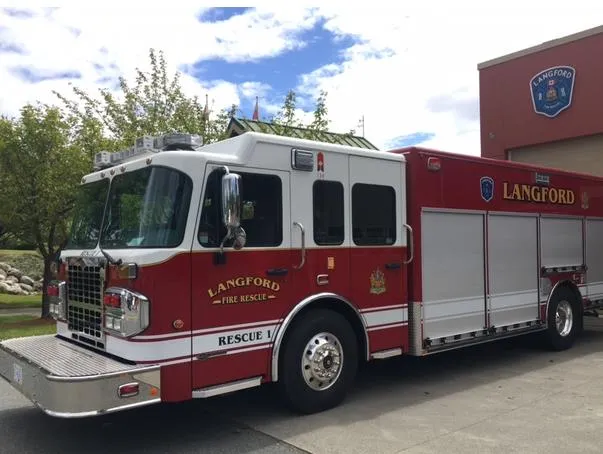
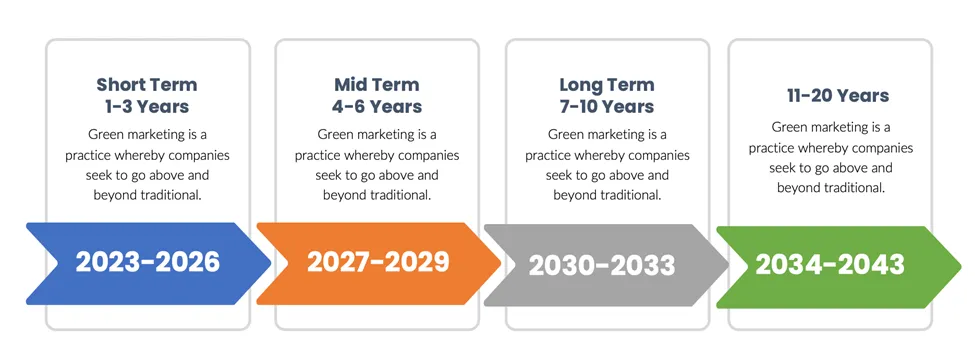


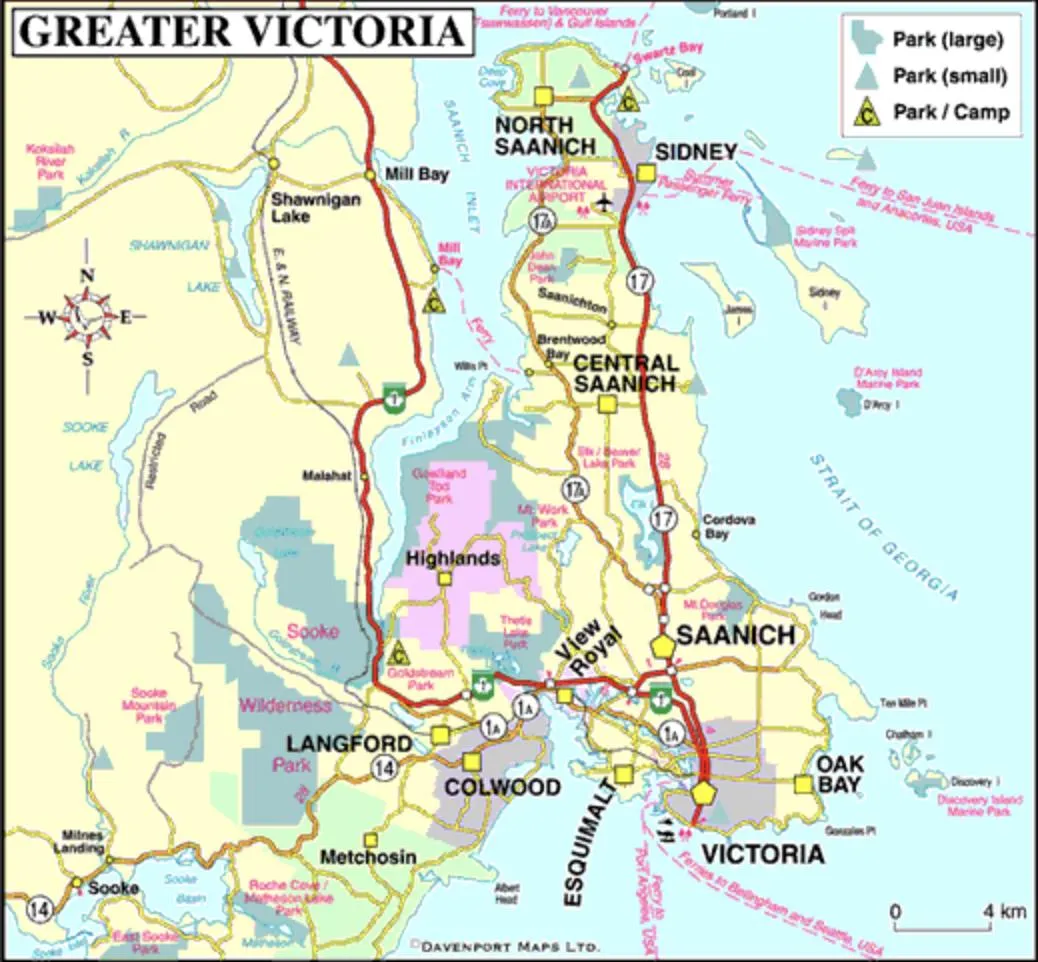


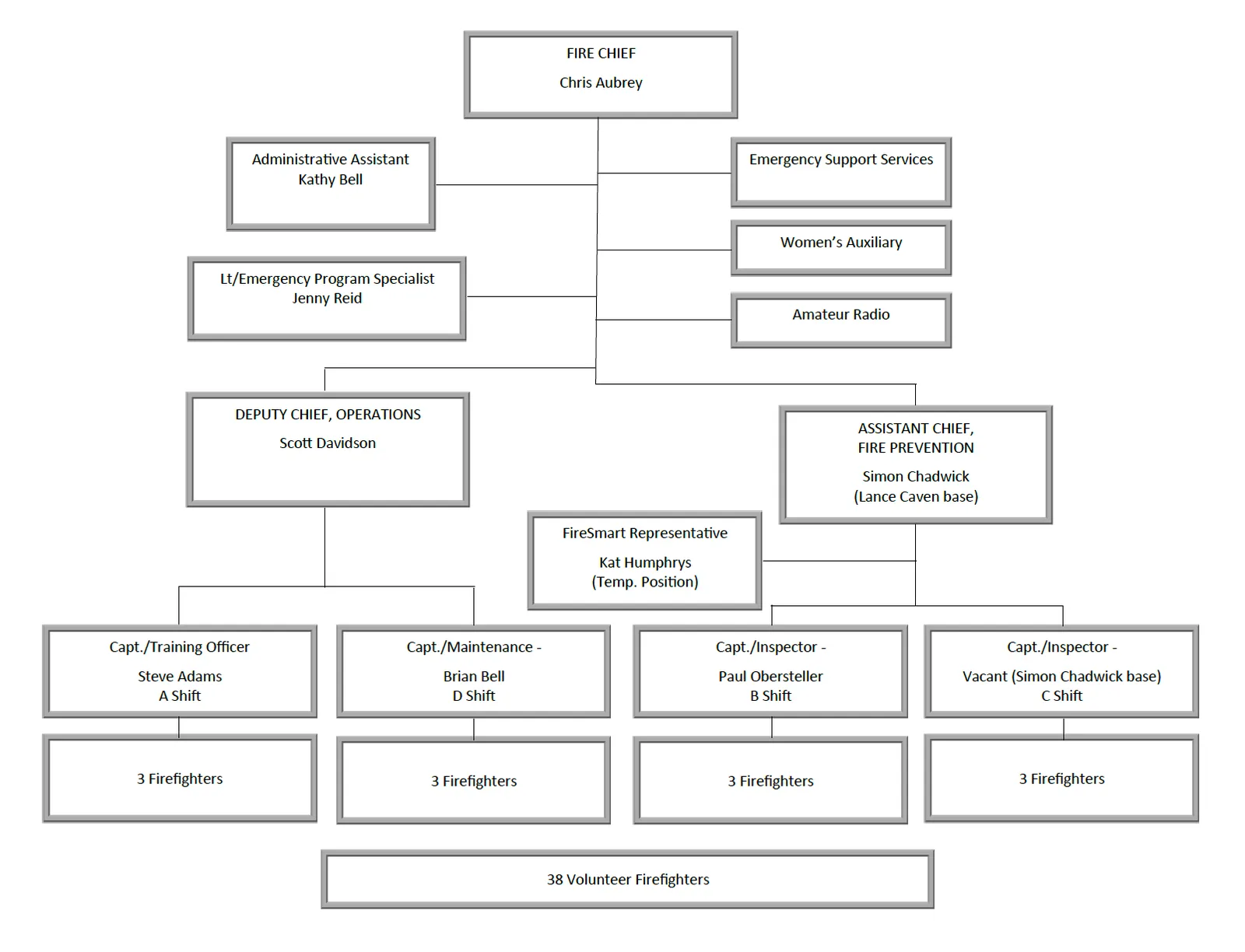
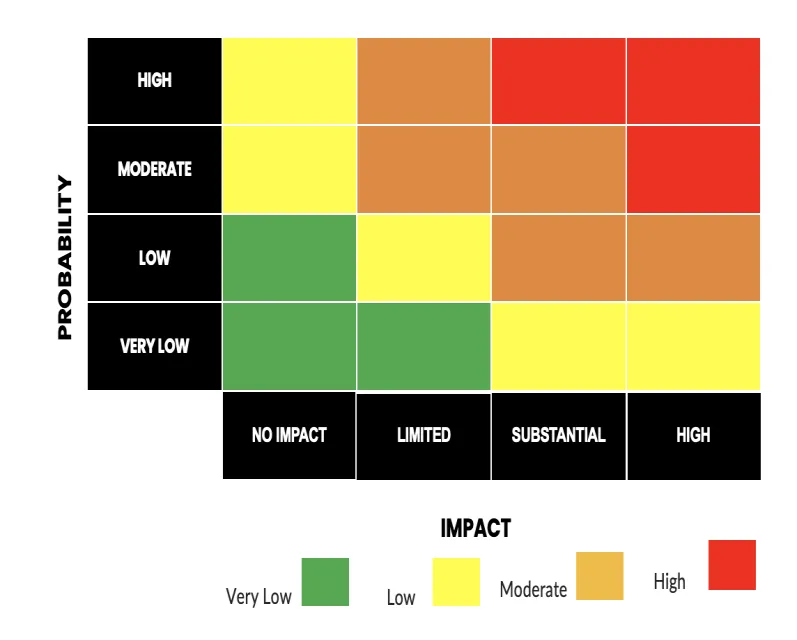
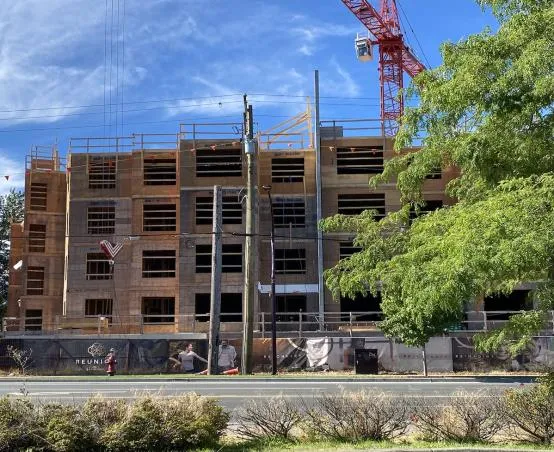
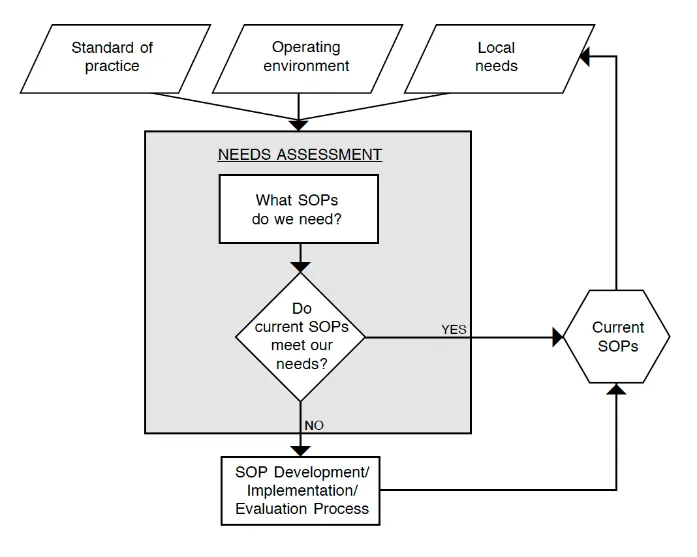
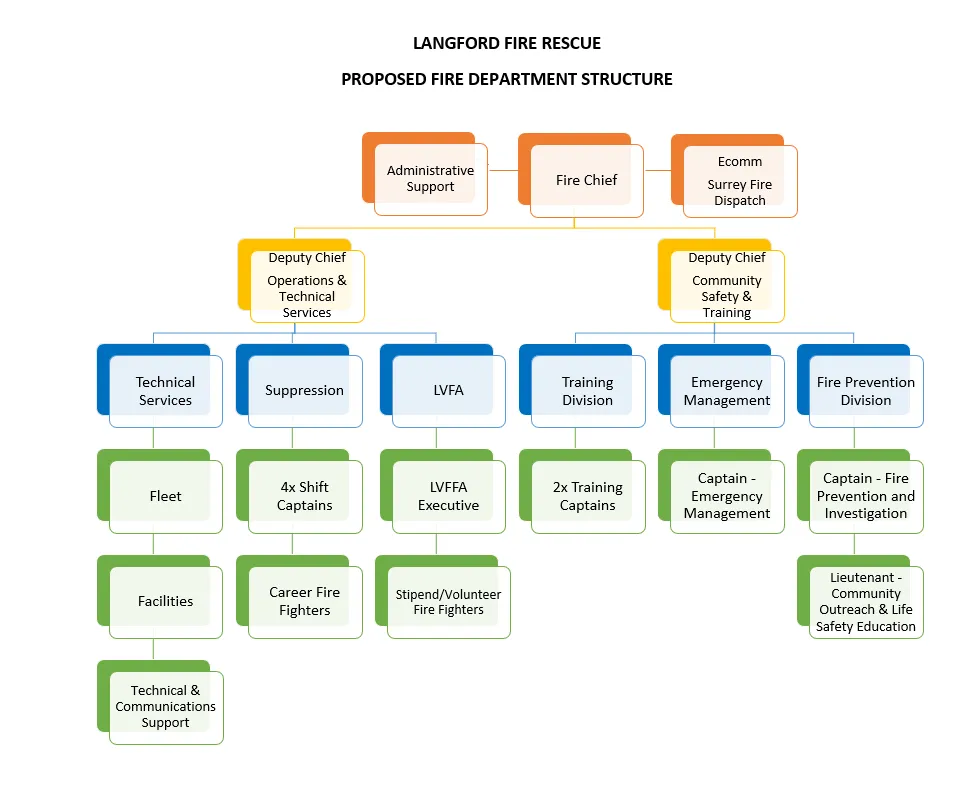
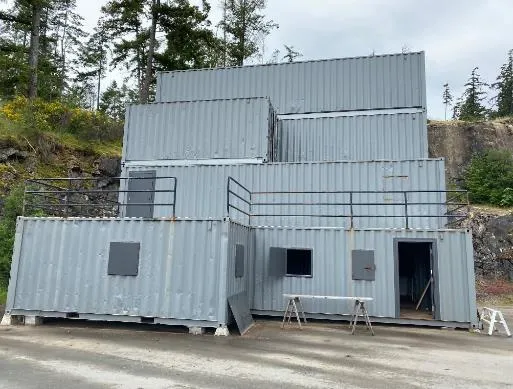
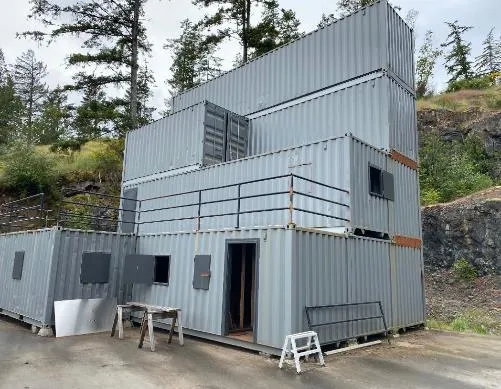
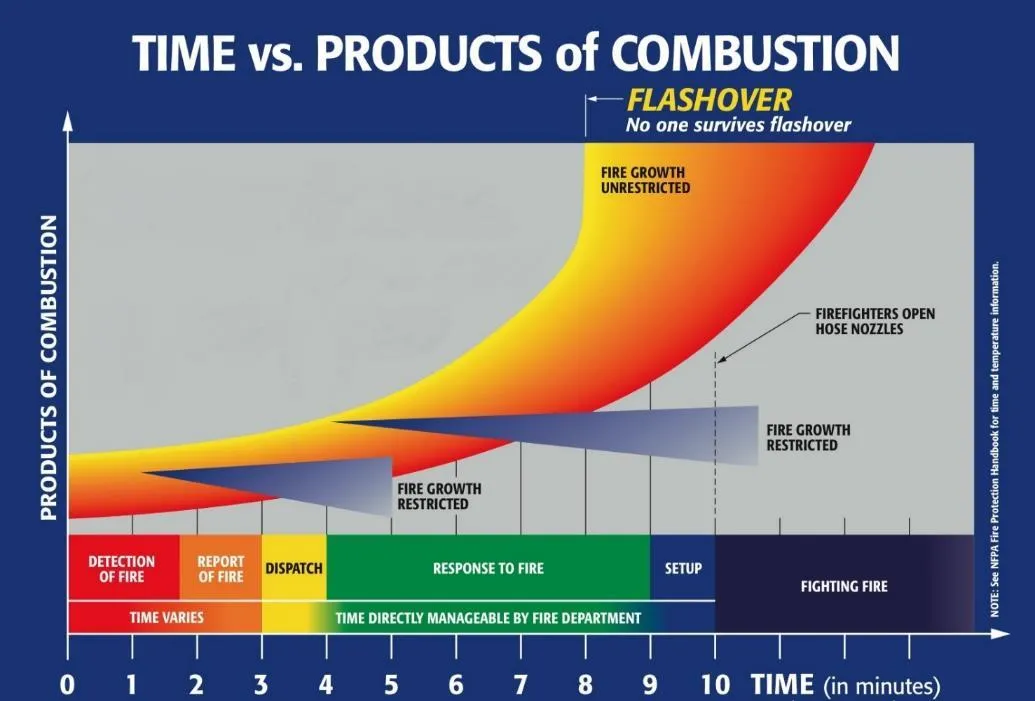
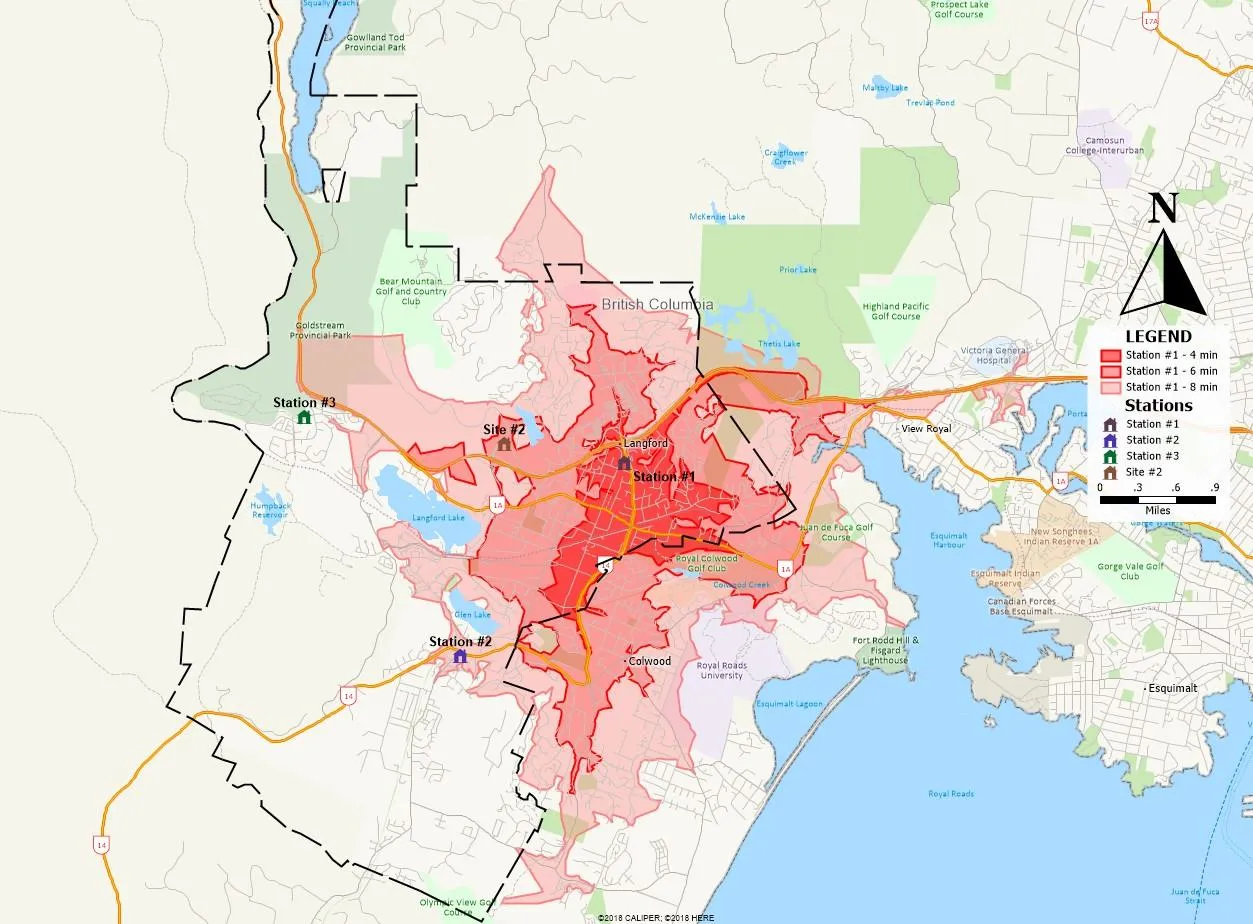
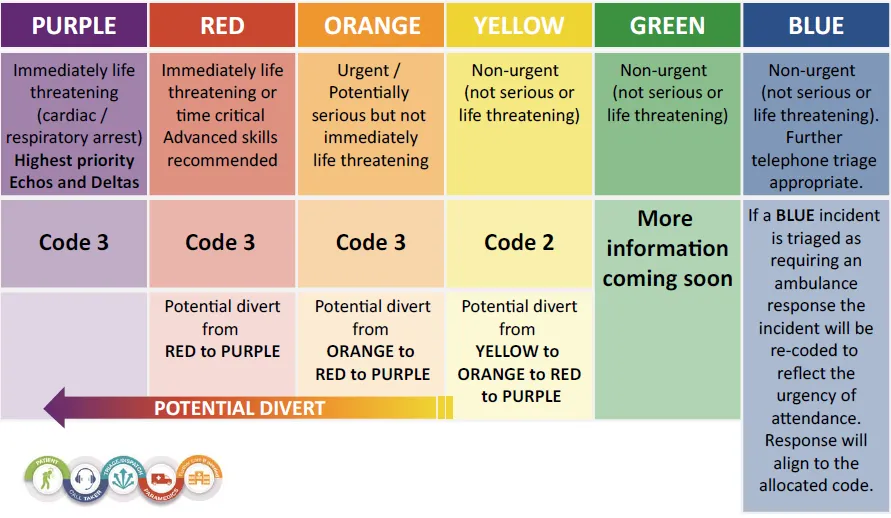
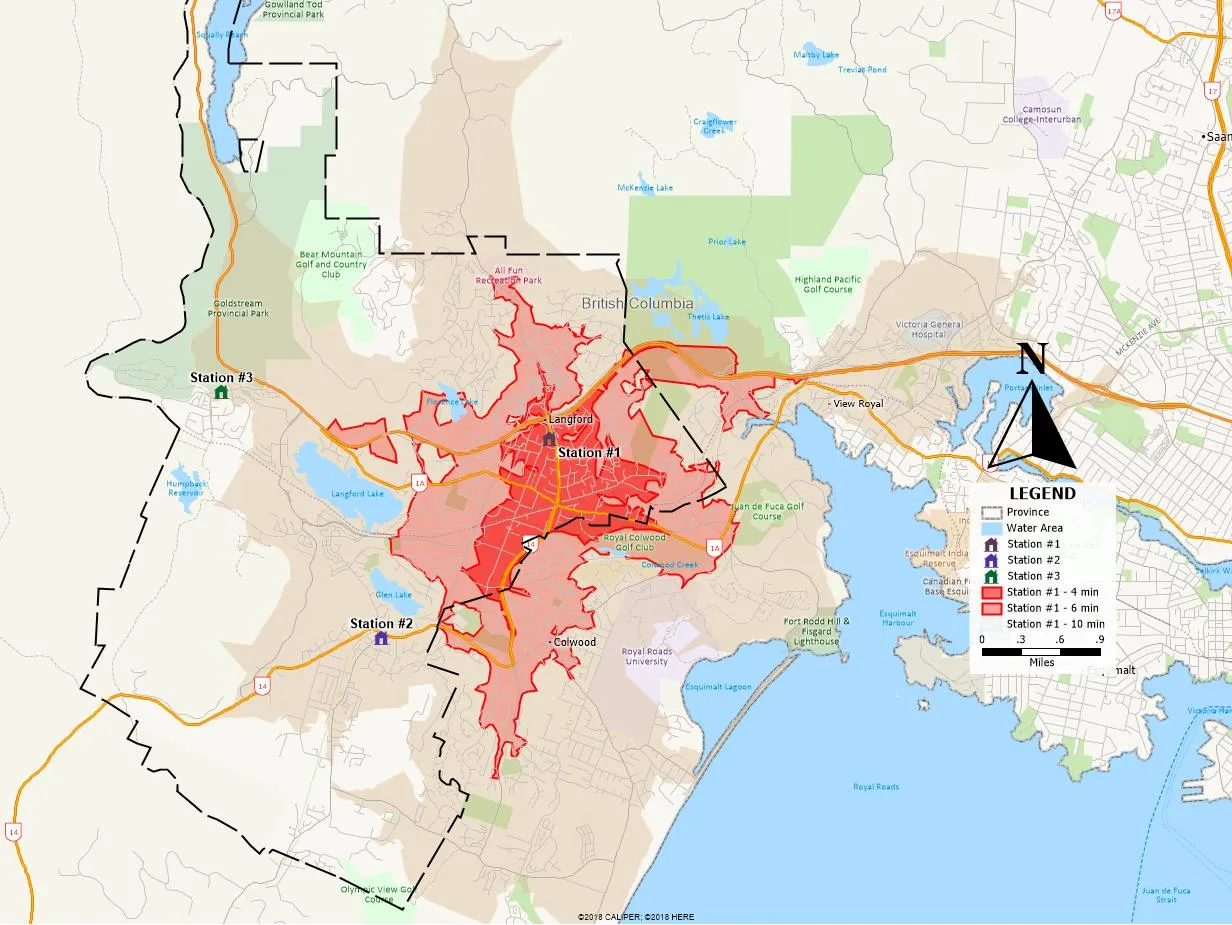
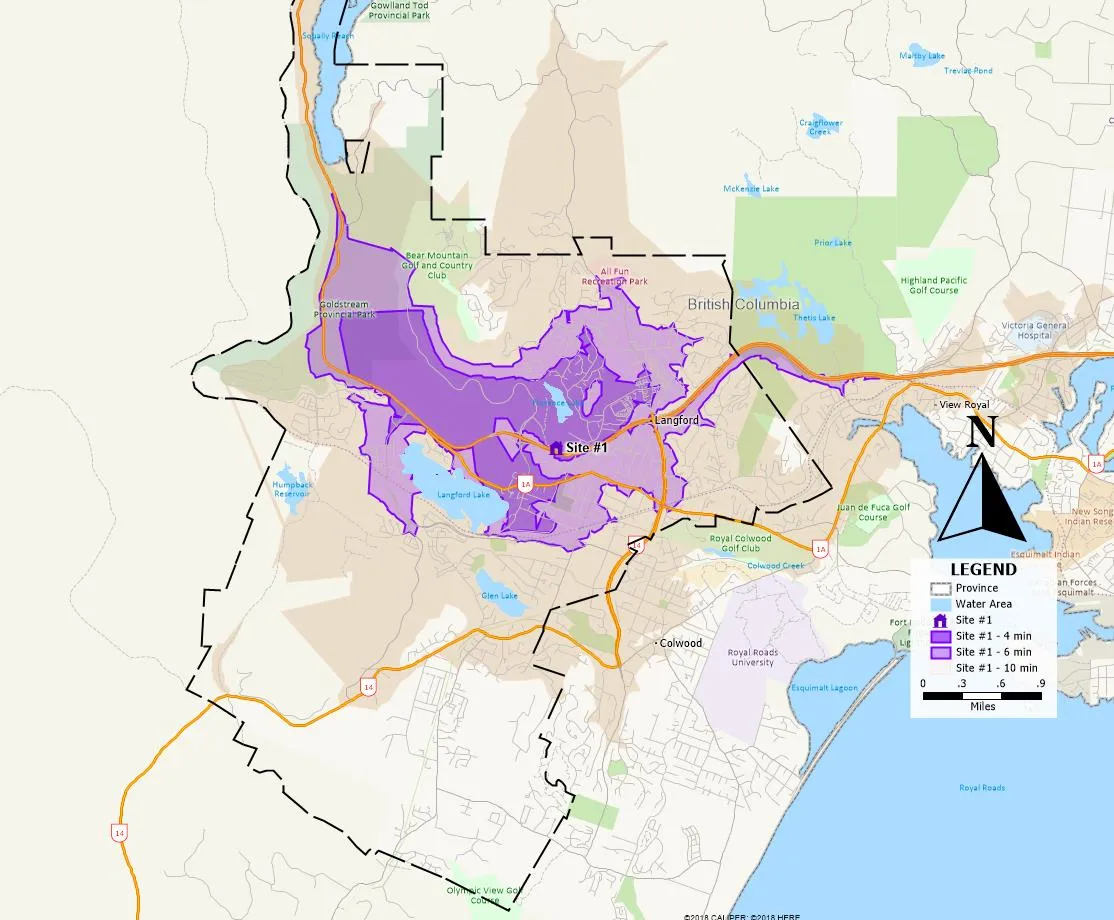
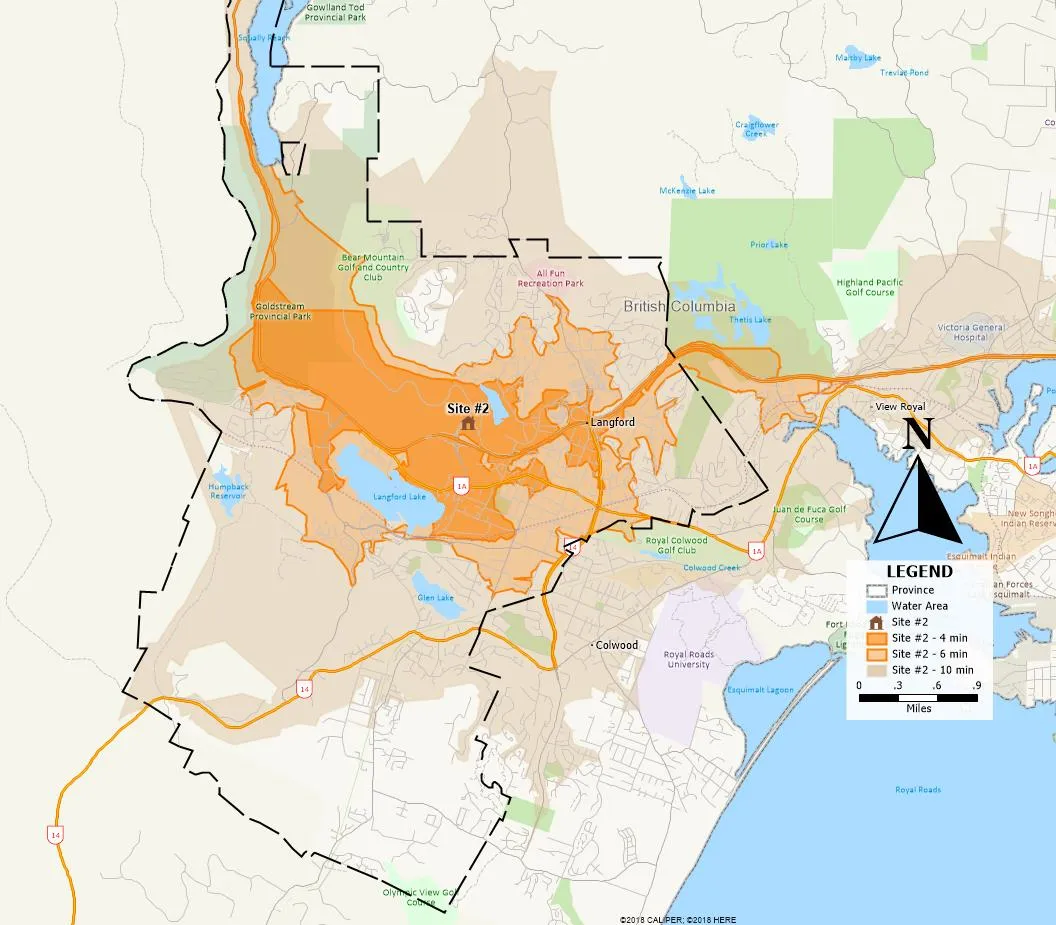
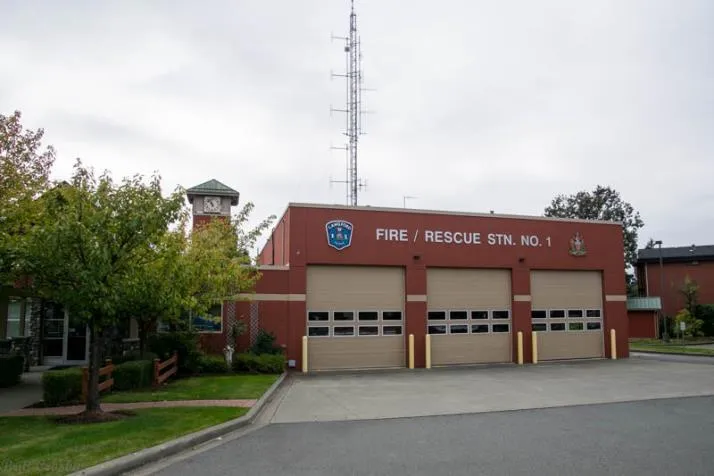
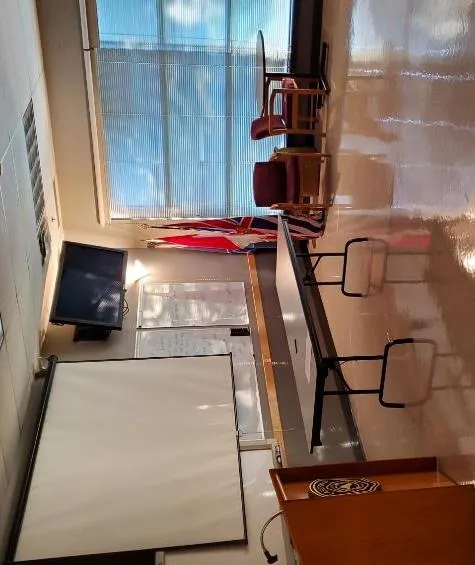
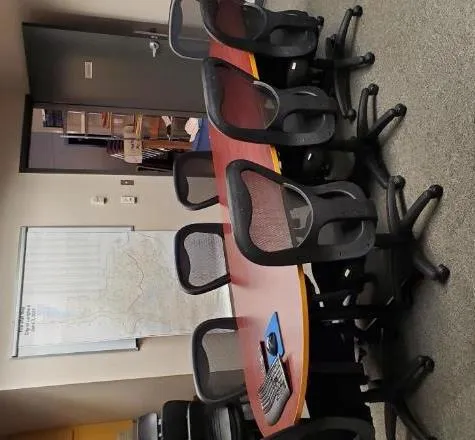
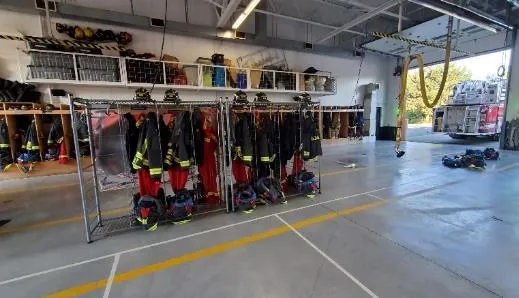
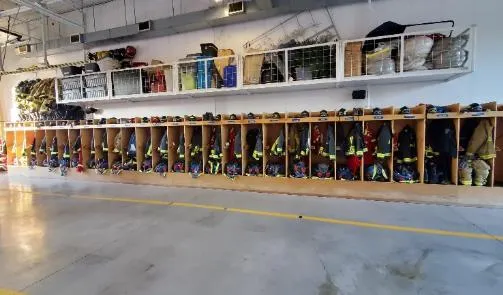
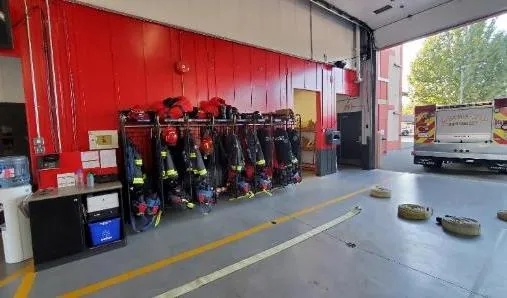
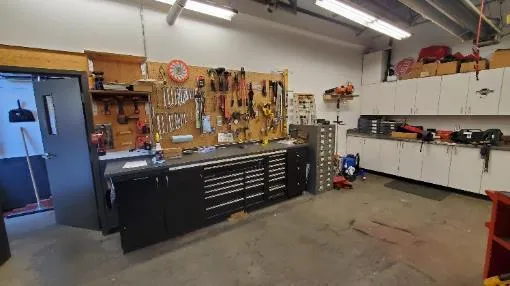

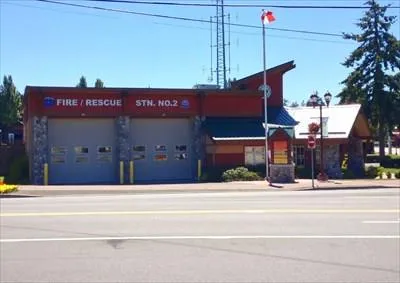
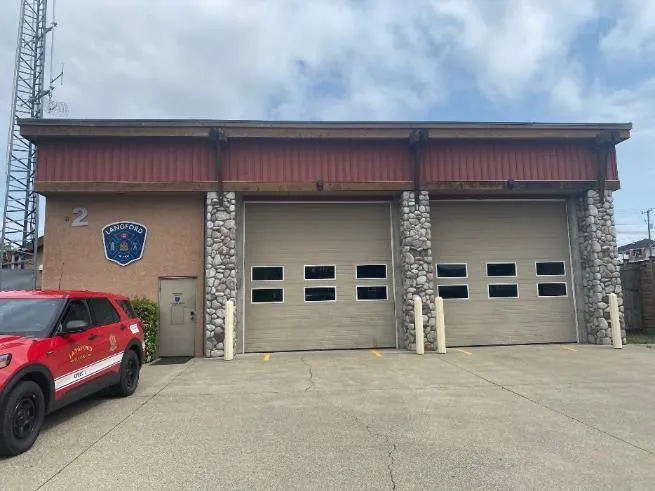
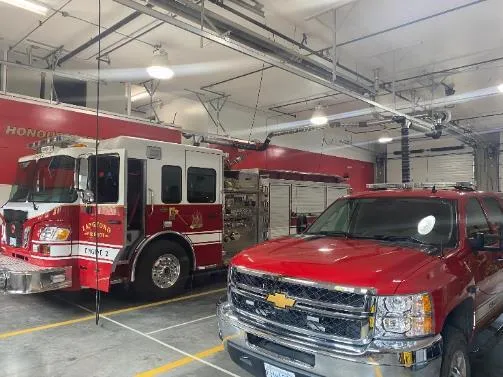
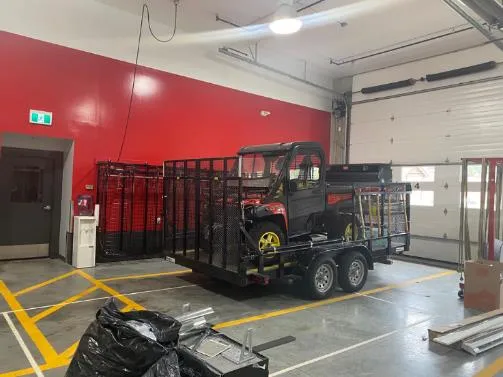
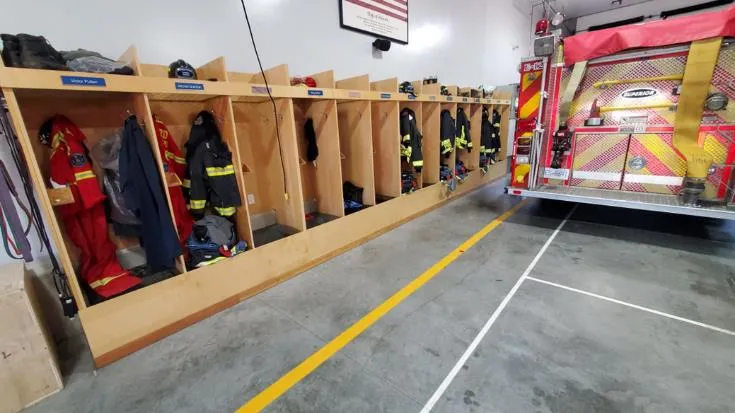
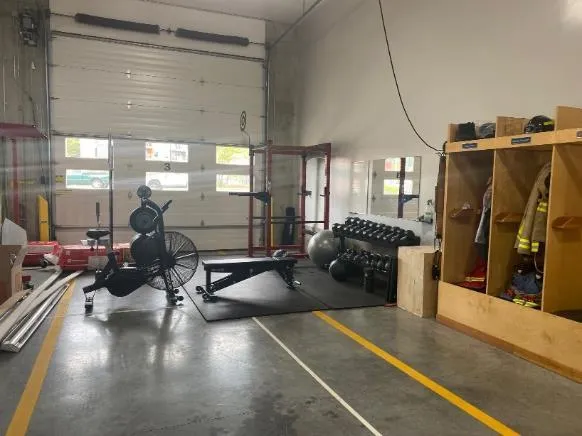


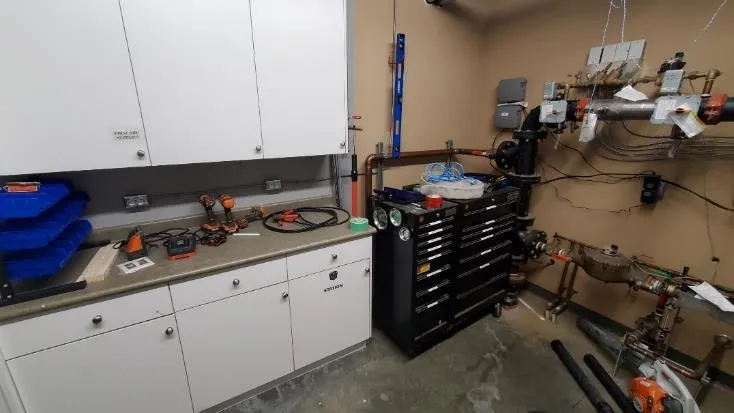
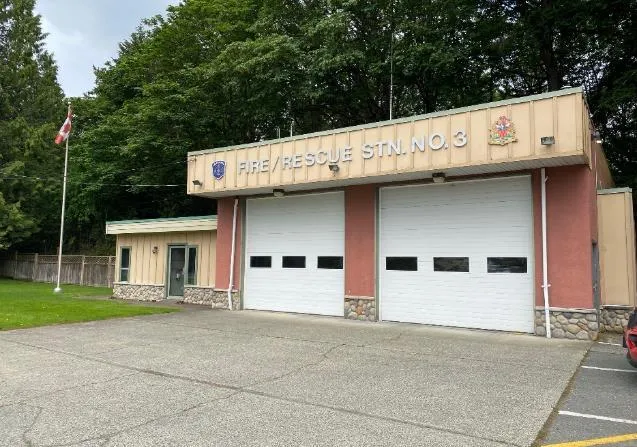
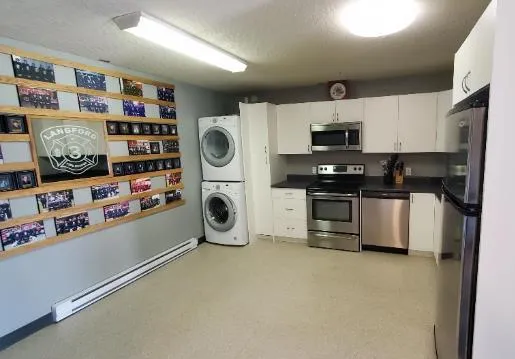
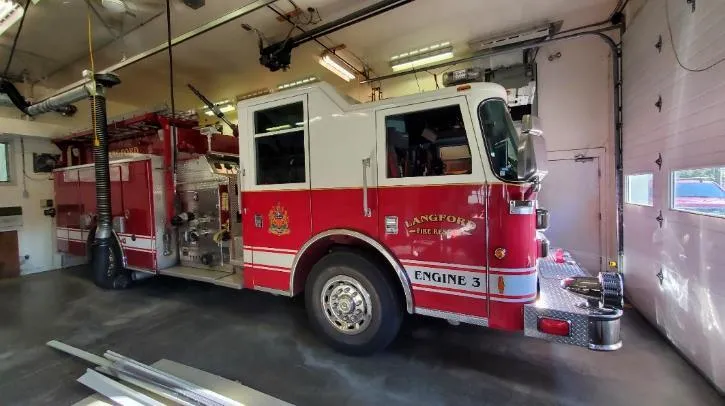
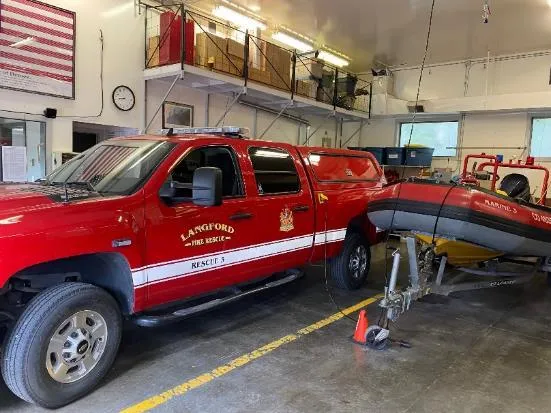
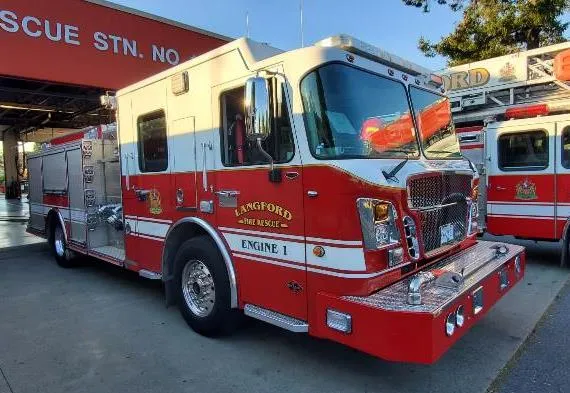
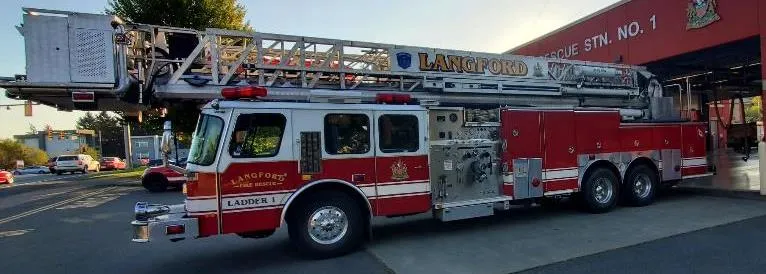
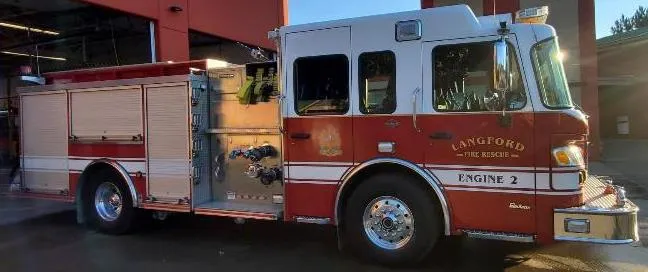
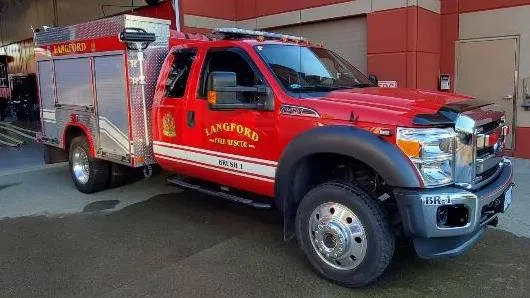
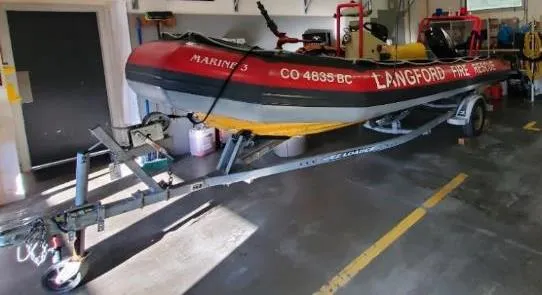
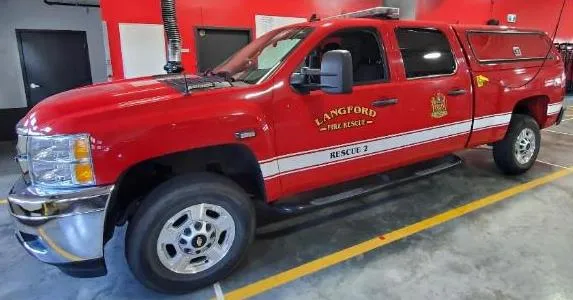
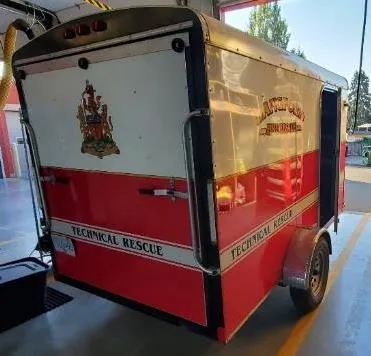
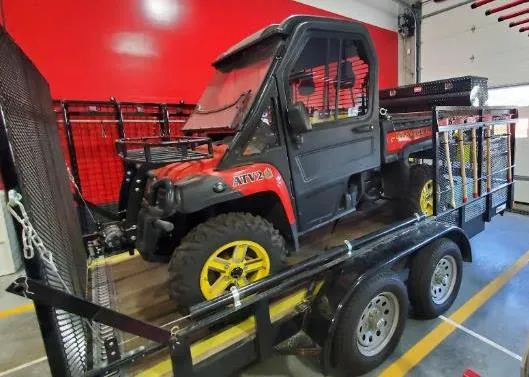
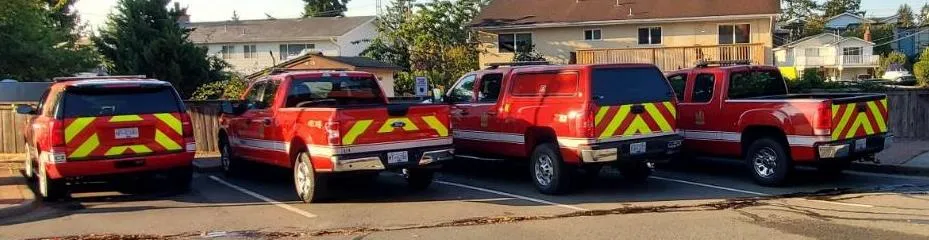
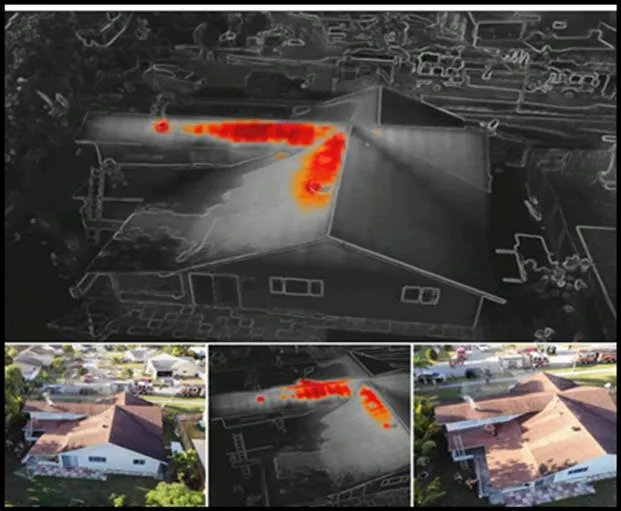

Document Images
(18)
extracted visual asset on page 117

extracted visual asset on page 117
extracted visual asset on page 117

extracted visual asset on page 117

extracted visual asset on page 118

extracted visual asset on page 118

extracted visual asset on page 118

extracted visual asset on page 118

extracted visual asset on page 118

extracted visual asset on page 118

extracted visual asset on page 132

extracted visual asset on page 132

extracted visual asset on page 132

extracted visual asset on page 132

extracted visual asset on page 132

extracted visual asset on page 132

extracted visual asset on page 132

extracted visual asset on page 132