DocumentsStaff ReportJan 13, 2025Pages 114–222
Staff Report: Accessibility Plan Adoption
Report recommending adoption of the City's Accessibility Plan, outlining actions, timelines and responsibilities to improve accessibility across municipal services and facilities.
Key facts
- Agenda item 10.5 starts p.114 per table of contents
- Likely includes plan objectives, implementation timelines and related policy references
- May include statutory or strategic plan alignment and any budget/resource implications
Staff Report: Accessibility Plan Adoption
Page 114
t 250.478.7882 e administration@langford.ca 2nd Floor, 877 Goldstream Avenue Langford, BC V9B 2X8
Staff Report to Council
DATE: Monday, January 13, 2025 DEPARTMENT: Legislative Services SUBJECT: City of Langford Accessibility Plan Adoption & Next Steps
EXECUTIVE SUMMARY: The Capital West Accessibility Advisory Committee (the “Committee”) has produced the first Joint Accessibility Plan in accordance with the Accessible BC Act. The plan has been subject to public feedback and the findings and next steps for the plan are captured within this report. BACKGROUND: At its Regular Meeting held October 21, 2024, the City of Langford Council passed the following resolution: THAT Council receive the City of Langford’s Draft Accessibility Plan in partnership with the Capital West Accessibility Advisory Committee;
AND
THAT the document be made available for public inspection at City Hall and on the City’s website.
Hard copies of the Draft Accessibility Plan were made available at City Hall for public inspection at the 2nd floor Engineering department reception counter and in the temporary reception area on the 1st floor of the building. The Langford portion of the Joint Accessibility Plan was published on the Let’s Chat Langford public engagement platform to collect feedback from participants. As the City has previously used this platform for accessibility related engagement, the page was updated to include a full copy of the Draft Accessibility Plan, and a detailed timeline of activities. This engagement opportunity was advertised on the City’s website and social media channels throughout October, November, and December. Feedback could be submitted in the following ways: Page 114 of 248
Page 115
City of Langford Accessibility Plan Adoption & Next Steps 20250113 Council Report Page 2 of 4
Through email: accessibility@langford.ca Phone: 250-478-7882 Mail: City of Langford, 2nd Floor, 877 Goldstream Avenue, Langford BC, V9B 2X8 In person by speaking to a staff member at City Hall (877 Goldstream Avenue, 2nd floor) Using the survey tool on the Let’s Chat Langford public engagement platform
This public feedback opportunity concluded on Friday, December 6, 2024. COMMENTARY: The scope of this initial Accessibility Plan focuses solely on Service Delivery and Employment. The City received three (3) pieces of correspondence regarding the Draft Accessibility Plan throughout the public feedback period. No feedback regarding the topics of Service Delivery and Employment were received. Instead, the public feedback demonstrates an anticipation for future accessibility plans and initiatives that pertain specifically to the built environment. As a result of the public feedback received, staff are not recommending any amendments to the Accessibility Plan at this time. Next Steps: Once adopted, staff will notify the Capital West Accessibility Advisory Committee. As the Committee’s member municipalities approve their portions of the Joint Accessibility Plan, the full document will be compiled. Langford’s portion of the Accessibility Plan will be available on the City’s website on the accessibility webpage. A copy of the complete Joint Accessibility Plan will be added as soon as it is available. Monitoring Accessibility Plan Initiatives: Staff have created a tracking system for the initiatives outlined in the Accessibility Plan. As items are actioned and completed, the tracker will be updated. Staff are reviewing available grants and programs that will assist the City with achieving its goals as outlined in the plan. FINANCIAL IMPLICATIONS: The final draft of the Joint Accessibility Plan may be compiled by a consultant. The Committee expressed interest in engaging a graphic design professional to ensure the final document contains accessible features and remains editable by staff moving forward. This cost is estimated to be Page 115 of 248
Page 116
City of Langford Accessibility Plan Adoption & Next Steps 20250113 Council Report Page 3 of 4
approximately $2500 - $12,000 depending on the extent of the scope. The cost of the document development will be shared by all partner municipalities of the Capital West Accessibility Advisory Committee resulting in an individual cost of approximately $350 - $1700 per municipality. This expenditure was budgeted for but unused in 2024, and as a result, has been carried forward to 2025. As the Committee is a joint municipal initiative, each member municipality will be given an opportunity to host the administrative duties of the Committee and provide a physical location for the meetings to occur, with the ability to provide for electronic means of participation as well as in person. The duties of the host municipality for the Committee were carried out by Langford City staff for 2024 and are now being administered by the City of Colwood in 2025. Included within the staffing needs for this Committee was the capacity to develop and administer surveys, plan and implement public engagement opportunities, write and edit an accessibility plan, and produce all advertisements, social media, website updates, agendas, reports, and minutes for this Committee. LEGAL IMPLICATIONS: The adoption of the City of Langford’s section of the Joint Accessibility Plan in collaboration with Capital West Accessibility Advisory Committee satisfies the requirements of the Accessible BC Act that require local governments to develop an accessibility plan. The plan will continue to be reviewed every three (3) years in accordance with the Act STRATEGIC PLAN ALIGNMENT: 6g – Develop and Implement an Accessibility Plan OPTIONS: Option 1 THAT Council approve the City of Langford Accessibility Plan in collaboration with the Capital West Accessibility Advisory Committee.
OR Option 2 THAT Council approve the City of Langford Accessibility Plan in collaboration with the Capital West Accessibility Advisory Committee with the following changes: a) ______________, b) ______________, c) ______________.
SUBMITTED BY: Nisa Johnston, Legislative Services Administrative Coordinator Concurrence: Melisa Miles, Manager of Legislative Services Page 116 of 248
Page 117
City of Langford Accessibility Plan Adoption & Next Steps 20250113 Council Report Page 4 of 4
Concurrence: Donna Petrie, Senior Manager of Communications & Economic Development Concurrence: Yari Nielsen, Director of Parks, Recreation and Facilities Concurrence: Matthew Baldwin, RPP, MCIP, Director of Development Services Concurrence: Leah Stohmann, RPP, MCIP, Director of Community Planning and Climate Change Concurrence: Katelyn Balzer, P.Eng., Director of Engineering and Public Works Concurrence: Michael Dillabaugh, CPA, CA, Director of Finance Concurrence: Marie Watmough, Director of Legislative & Protective Services Concurrence: Braden Hutchins, Deputy Chief Administrative Officer Concurrence: Darren Kiedyk, Chief Administrative Officer
Attachments: Attachment 1: Langford Accessibility Plan Attachment 2: Appendix 1 – Survey 1 Results Attachment 3: Appendix 2 – Survey 2 Results Attachment 4: Appendix 3 – Changing Paces Final Report Page 117 of 248
Page 118
DRAFT ACCESSIBILITY PLAN
Page 118 of 248
Page 119
Accessibility Plan – 2024
2
Contents Introduction .................................................................................................................................................. 3 Territorial Acknowledgement........................................................................................................................ 3 Vision Statement ........................................................................................................................................... 4 Background ................................................................................................................................................... 4 What is the Accessible BC Act? ................................................................................................................. 4 Member Municipalities ................................................................................................................................. 5 Definitions ..................................................................................................................................................... 6 About the Capital West Accessibility Advisory Committee ........................................................................... 7 Recruitment .............................................................................................................................................. 7 Meetings and Information ........................................................................................................................ 7 Public Consultation Conducted to Date ........................................................................................................ 7 Summary ................................................................................................................................................... 7 Who Was Consulted? ................................................................................................................................ 8 How Consultation Was Conducted ........................................................................................................... 8 Discussions and Key Themes – Phase 1 .................................................................................................... 8 Survey #1 – (December 2023 – January 2024): How and Where Should Public Engagement Take Place? .................................................................................................................................................... 9 Survey #2 – (March 2024 – April 2024): Accessibility & You ................................................................. 9 Changing Paces Engagement (July 2024) In Person and Virtual Sessions: .......................................... 10 Individual Accessibility Plans ....................................................................................................................... 12 City of Langford ....................................................................................................................................... 12 Monitoring and Evaluation.......................................................................................................................... 37 Conclusion & Next Steps ............................................................................................................................. 37 How to Give Feedback ................................................................................................................................ 37
Page 119 of 248
Page 120
Accessibility Plan – 2024
3
Introduction The City of Colwood, Township of Esquimalt, District of Highlands, City of Langford, District of Metchosin, District of Sooke and the Town of View Royal have partnered to show their commitment to making sure our services are available to, and inclusive of everyone including employees. Together, our partnering municipalities form the Capital West Accessibility Advisory Committee. The Committee recognizes that accessibility doesn’t have borders, and when our communities work together, we are able to strive toward our goal of becoming a barrier-free region by sharing resources, knowledge, and skills. The first accessibility plan, this plan, will begin to satisfy the requirements of the Accessible BC Act by providing clear instructions on how the partner municipalities will provide more accessible employment standards and improve service delivery through an accessibility lens. Accessibility Plans will be created and revised in consultation with the Committee, however the document will ultimately belong to each municipality to serve as a guiding resource. In 2023, the Committee Terms of Reference were created. The membership of the Committee was comprised of staff members from the seven municipalities (City of Colwood, Township of Esquimalt, District of Highlands, City of Langford, District of Metchosin, District of Sooke and the Town of View Royal). The Terms of Reference outline the process for membership transition in early 2025 to comprise of citizen representatives from the member municipalities. Territorial Acknowledgement The member municipalities comprising of the Capital West Accessibility Advisory Committee sit upon the traditional territories of the following Nations: • BOḰEĆEN (Pauquachin) • MÁLEXEȽ (Malahat) • Sc'ianew (Beecher Bay) • SȾÁUTW̱ (Tsawout) • T’Sou-ke • W̱ JOȽEȽP (Tsartlip) • W̱ SIKEM (Tseycum) • xʷsepsəm (Esquimalt) • Songhees • Ləkโʷəŋən, SENĆOŦEN, and Hul’q’umi’num speaking First Nations We respect and acknowledge the rich diversity within each of these Nations. Page 120 of 248
Page 121
Accessibility Plan – 2024
4
Vision Statement The Capital West Accessibility Advisory Committee is looking forward to the accessibility journey across all partner municipalities. Through public feedback, Committee work, ongoing learning, and Federal and Provincial legislation, we are working towards a future where everyone is able to participate fully and equally and is empowered to live their life to the fullest. Municipal facilities, spaces, and services welcome all to explore, visit, and enjoy. Employment opportunities are meaningful and accessible, welcoming diverse applicants. The member municipalities continue to learn and adapt by receiving feedback from residents and visitors, while developing and implementing exciting advances towards universal design. With support from the CRD, Provincial and Federal Governments, things that were once viewed as “accommodations” or “accessible features” are now becoming the common standard. Background What is the Accessible BC Act? Introduced in 2021, the Accessible BC Act was passed by the Provincial Government of British Columbia. The Accessible BC Act, or “the Act” enables improvements to accessibility to all residents and visitors. The Act also shares some similarities with the BC Human Rights Code and other pieces of legislation. There are eight (8) standards included within the Act:
- Employment
- Service Delivery
- Built Environment
- Information and Communications
- Transportation
- Health
- Education
- Procurement This plan focuses on Employment and Service Delivery. As accessibility work continues within the member municipalities, the plan will be revisited and revised as we address the other standards prescribed by the legislation. The Act recognizes several types of barriers that people experience including attitudinal, physical, informational or communication, systemic, technological, and sensory. Over 750 organizations in the Province are required to take action to identify and remove barriers to accessibility. Municipalities are an example of one of these organizations and must meet the following requirements to the extent possible with a goal of: • Committee makeup to be reflective of the diversity of persons within our communities including Indigenous perspectives. 50% of committee membership must be people with disabilities, or individuals who support persons with disabilities. As written in the Committee Terms of Reference, the membership of the Capital West Accessibility Page 121 of 248
Page 122
Accessibility Plan – 2024
5
Advisory Committee will be expanded to include citizen representatives from all partner municipalities. Working collaboratively with the Province of British Columbia, the first step identified for the partner municipalities was to focus on the aspects of Service Delivery and Employment. • Establishing a committee to assist in identifying barriers to interacting with the local government and provide recommendations on the removal and prevention of these barriers. • Create an Accessibility Plan to identify, remove, and prevent barriers to individuals in or interacting with the municipality, review and update at least once every 3 years, and consider comments received from public feedback. • Create a feedback mechanism for receiving questions and comments from the public pertaining to accessibility. To comply with the Act, and with support from the Province, the Capital West Accessibility Advisory Committee was formed. Working together, the Committee has produced an overarching Accessibility Plan which is customized for each municipality. While these areas are different, the plans unite us and share similarities that create an accessible experience for residents and visitors in each community. Accessibility work is ongoing and requires continuous adaptation and review. The Capital West Accessibility Advisory Committee will collaborate with the member municipalities as identified in the Terms of Reference. Member Municipalities The member municipalities are located on the Southern end of Vancouver Island within the Capital Regional District. All municipalities share serene natural beauty and unique connections to nature such as lakes, oceans, mountains, and forests. The region includes urban centers and is integral to the islands workforce and provides housing, shopping, and recreational aspects for residents while balancing rural charm, west coast character and stunning areas with untouched natural elements. Our communities offer rich cultural heritage including community events including, festivals, markets and local artwork that support social connection. The member municipalities are places for people to discover, feel welcome, and belong. Our ongoing work regarding accessibility will further our commitment to vibrancy, resiliency, and diversity. The table below provides some additional information regarding the makeup of our communities:
Page 122 of 248
Page 123
Accessibility Plan – 2024
6
Colwood Esquimalt Highlands Langford Metchosin Sooke View Royal Total Population 18,961 17,533 2,482 46,584 5,067 15,086 11,575 Citizens over 65 3,655 3,625 450 6,405 1,320 3,055 2,415 Parks 50 30 7 57 6 80 72 Land Area (square kilometers) 17.66 7.08
38.01 41.43
69.57 56.62
14.33 Definitions To work together effectively, we must first create a shared understanding for concepts and words you will find in this plan. Below are some helpful definitions: “Accessibility” is the concept of making a product, service, or experience that can be used or interacted with by everyone – including individuals with disabilities or impairments. “Barrier” Anything that hinders the full and equal participation in society of a person with a disability (a)caused by environments, attitudes, practices, policies, information, communications or technologies, and (b) affected by intersecting forms of discrimination. “Capital West Accessibility Advisory Committee” Committee comprised of the City of Colwood, City of Langford, Town of View Royal, Township of Esquimalt, District of Sooke, District of Highlands, and District of Metchosin. “Disability” means an inability to participate fully and equally in society as a result of the interaction of an impairment and a barrier.1 “Impairment” includes a physical, sensory, mental, intellectual, or cognitive impairment, whether permanent, temporary, or episodic.2 “Inclusion” is the practice of providing equitable access to opportunities and resources for anyone who might otherwise be excluded or marginalized.
1 Definition as written from the Accessible BC Act (Government of British Columbia , 2023). 2 Definition as written from the Accessible BC Act (Government of British Columbia , 2023). Page 123 of 248
Page 124
Accessibility Plan – 2024
7
“Plain Language” is the use of basic sentence structure and simple language so that the audience understands the message clearly. About the Capital West Accessibility Advisory Committee Recruitment The Capital West Accessibility Advisory Committee was initially formed of staff representatives from each of the participating municipalities. The Terms of Reference for the Committee state that membership will transition to members of the public from each municipality. Meetings and Information Each member municipality has a webpage focused on accessibility where you can also find information about the Committee. The member municipalities will rotate hosting the Committee on an annual basis. If you are unsure who is hosting or where you can get information, please reach out to any of the member municipalities. Public Consultation Conducted to Date Summary The Capital West Accessibility Advisory Committee has completed two phases of formal public consultation between December 2023 and July 2024. In addition to the formal engagement, each member municipality, as required by the Accessible BC Act, has established an email address to receive input, ideas, and comments from the public pertaining to accessibility. Feedback received through this required mechanism helps inform the accessibility work of the communities. If using email does not work for you, please contact your municipality. Our municipal partners are happy to work together to find a solution. The first phase of public consultation consisted of two surveys that were available online through the Let’s Chat Langford platform, on paper, and could be emailed if requested. Survey #1 (Appendix 1) focused on finding out how people would like to engage with their municipality when talking about accessibility, where these engagement sessions should take place, and if they should be in person or online. Survey #2 (Appendix 2) explored accessibility needs from the perspective of individuals with disabilities and those who support individuals with disabilities in respect to municipal service delivery and employment. This survey was more in depth and robust asking participants questions about their personal experiences interacting with their municipality, accessing services provided, and applying for or working with their municipality in an employment or volunteer capacity. The Committee reviewed the results of the surveys and discovered that more information was needed from the public regarding municipal service delivery and employment prior to the member municipalities drafting their accessibility plans. Page 124 of 248
Page 125
Accessibility Plan – 2024
8
The Committee released a Request for Proposals to retain a professional consultant with lived experience to guide the next phase of public consultation. Changing Paces, a professional firm which specializes in coaching, counselling, advocacy, and support for individuals with disabilities or accessibility needs was selected and awarded the contract. Beginning in July 2024, Changing Paces worked with the Committee to host in person and online accessibility engagement based around the findings of Survey #2. After the public consultation was complete, Changing Paces produced a final report for the Committee (Appendix 3). The feedback received during all phases of public engagement has informed this Accessibility Plan and will continue to shape and support the work undertaken by the partner municipalities as a result. All communities involved with the Capital West Accessibility Advisory Committee are committed to listening and learning from the public to increase accessibility throughout the region. Who Was Consulted? Participants of Phase 1 and 2 of the public consultation that helped inform this plan include members of the public, municipal staff members, families and caregivers of those with disabilities, community organizations, and service providers. This diverse participation resulted in rich and wholesome discussions including the sharing of personal experiences, suggestions, critical observations, and solution-based conversations. In total, the Committee heard from 378 members of the public throughout all phases of engagement. How Consultation Was Conducted In Phase 1 of public engagement, Survey #1 and #2 were hosted through the City of Langford’s “Let’s Chat Langford” platform that offers online survey hosting capabilities and information sharing. This platform provides a simple and accessible survey format that can be easily accessed across many devices. Recognizing a need for multiple document formats, the partner municipalities also provided printed paper copies of the surveys and were able to email surveys directly to those interested in completing one. After hearing from the public in Phase 1, the Committee worked with Changing Paces to deliver both in person and virtual engagement sessions. Our earlier feedback showed a need for engagement opportunities at different times of day and in different parts of the region. The partner municipalities were tasked with selecting locations in Esquimalt, Colwood, and Langford for people to gather and discuss accessibility. In addition, four online sessions were held at different times of day. While the sessions followed the same agenda, the conversations were shaped by the diversity and experiences of those present resulting in varying discussions. Discussions and Key Themes – Phase 1 Survey #1 and #2 provided valuable feedback pertaining to public engagement, municipal service delivery, and employment. Page 125 of 248
Page 126
Accessibility Plan – 2024
9
Survey #1 – (December 2023 – January 2024): How and Where Should Public Engagement Take Place? The purpose of this survey was to find out from the communities when, where, and how public engagement should take place. The Committee wanted to learn from the public prior to retaining a consultant and beginning robust public engagement. The following key themes and discussions were captured regarding when public engagement should take place: • Respondents wanted multiple opportunities to provide feedback at different times of days and on different days of the week. • Proximity to transit routes and being mindful of transit schedules. The following key themes and discussions were captured regarding where public engagement should take place: • As the Committee represents a larger geographic area, respondents wanted to see engagement sessions in more than one municipality. • The survey asked respondents to identify specific accessible locations that engagement could take place. Many respondents suggested schools, municipal facilities and government buildings, hotels, and community spaces (such as community halls, and cultural facilities). • Importance of online sessions was stressed noting individuals’ busy schedules, transportation needs, personal devices and accessibility assistive technology, and personal health requirements. The following key themes and discussions were captured regarding how public engagement should take place: • Respondents noted a need for more than one format of presentation at public engagement events such as oral speakers, accompanying presentation, Braille, large print copies of the presentation, and closed captioning. • An open, inviting environment free of judgement and prejudice where those with lived experience can be heard and understood. When retaining the services of Changing Paces, the Committee was able to accurately represent the needs and wishes of the public by providing the consultant with this information from Survey #1 to help them build engagement sessions that would meet the needs of the communities. Survey #2 – (March 2024 – April 2024): Accessibility & You This survey focused on respondents’ interactions with the municipalities through the lens of service delivery and employment. Respondents were asked to share their personal experiences, challenges, and ideas regarding these topics. Page 126 of 248
Page 127
Accessibility Plan – 2024
10
The survey opened with questions about the individual responding, asking them to self-identify any accessibility challenges or disabilities they felt comfortable sharing. The survey also invited those who care for or support an individual with accessibility challenges or disabilities to participate. The results of this section found that our communities have many individuals living with pain related disabilities, and physical or mobility related disabilities. The survey also found that many participants were completing this survey from the point of view of a caregiver. The following key themes and discussions were captured regarding barriers encountered when accessing municipal information: • Websites are difficult to navigate, contain outdated information, and lack accessibility tools and considerations. • Accessing and interacting with Council, Committee, and Board meetings is challenging from an accessibility perspective. • Wish for more formats of municipal information (online, physical print materials, emails, newsletters, social media, news releases). • Difficult to interact with municipal staff and Council. Most respondents noted difficulty accessing municipal parks, trails, and playgrounds as well as participating in municipal events. The following key themes and discussions were captured regarding barriers encountered when applying for jobs or volunteer opportunities within the member municipalities: • Opportunities are not advertised as accessible, or do not provide enough information about what is expected from an individual. • Respondents were unsure if their specific needs could or would be accommodated. When searching for a job or volunteer position, accessible parking, availability of adapted spaces such as accessible washrooms, breakrooms, and common areas, and flexibility within work schedules were identified by the most respondents as highly important. Respondents were asked to identify their top three (3) accessibility improvements they would like to see their municipality make. While many diverse answers were provided, the following three were the most common: • Accessible parking • Accessible washrooms • Sidewalk upgrades Changing Paces Engagement (July 2024) In Person and Virtual Sessions: The Committee retained the services of Changing Paces beginning in June of 2024. Working together, the Capital West Accessibility Advisory Committee and Changing Paces reviewed Page 127 of 248
Page 128
Accessibility Plan – 2024
11
Survey #1 and #2 agreeing that more engagement was needed relating to municipal services delivery and employment. Changing Paces took Survey #2 and built a more robust engagement outline focusing on encouraging the public to expand further and provide more information to help inform the member municipalities’ accessibility plans. Public engagement sessions began in July of 2024 with Committee members and municipal staff working alongside Changing Paces to capture the thoughts and feedback of participants. Three (3) in person sessions were held in Colwood, Langford, and Esquimalt. In addition, four (4) online sessions were conducted. These sessions took place on different days of the week, at different times to accommodate the varying needs of the communities. Participants were taken through an engaging introduction from Changing Paces, and then asked to discuss accessibility and their experiences, suggestions, and ideas in a judgement free environment. Questions about municipal service delivery and employment had participants considering the ways they interact with their municipal governments, and how these interactions could be improved or changed to enhance accessibility. Employment related questions had respondents thinking about their personal needs and accommodations within a workplace setting and how the municipalities could become more inclusive employers. While all sessions online and in person followed the same agenda, each session was unique thanks to the diversity of the participants. Changing Paces was able to gather the feedback from the public and produce a final report (Appendix 3) that was presented to the Capital West Accessibility Advisory Committee at its Special Meeting held September 4, 2024. The report summarized all feedback received throughout the public engagement campaign. Changing Paces then turned this feedback into identifiable barriers categorized as physical, communication, digital, customer service, policy related, systemic, and attitudinal. They also provided recommendations that municipalities could consider when addressing these barriers. All feedback collected throughout Phase 1 and 2 of the Capital West Accessibility Advisory Committee’s public engagement has helped form this Accessibility Plan. While some feedback collected throughout the public engagement campaign has been municipality specific, we shared many areas and aspects of municipal service delivery and employment that could be reviewed, changed, or enhanced to support accessibility in our communities. While the City of Colwood, City of Langford, Town of View Royal, Township of Esquimalt, District of Sooke, District of Highlands, and District of Metchosin have worked together to develop this accessibility plan, these communities provide varying municipal services and employment opportunities. Working towards an accessible community is a journey, and we are all at different places. As a result, each member municipality has written their own unique section of this Accessibility Plan. There may be repetition and overlap showing that we have identified the same needs. Page 128 of 248
Page 129
Accessibility Plan – 2024
12
For ease of the reader, each Accessibility Plan is sorted into the following three (3) categories: • What we have done (past) • What we are doing (present) • What we may explore (future) Accessibility work is ongoing and continually modernizing. The following plan will support the member municipalities as they strive toward becoming barrier-free. Individual Accessibility Plans In this section of the Plan, each partner municipality will present their individual accessibility plans. These are based off of feedback received and differ from community to community. The plans are presented in the following order:
- City Of Colwood
- Township of Esquimalt
- District of Highlands
- City of Langford
- District of Metchosin
- District of Sooke
- Town of View Royal
Page 129 of 248
Page 130
Accessibility Plan – 2024
13
PAGE INTENTIONALLY BLANK - CITY OF COLWOOD’S ACCESSIBILITY PLAN SECTION
Page 130 of 248
Page 131
Accessibility Plan – 2024
14
PAGE INTENTIONALLY BLANK – TOWNSHIP OF ESQUIMALT’S ACCESSIBILITY PLAN SECTION
Page 131 of 248
Page 132
Accessibility Plan – 2024
15
PAGE INTENTIONALLY BLANK – DISTRICT OF HIGHLANDS’ ACCESSIBILITY PLAN SECTION
Page 132 of 248
Page 133
Accessibility Plan – 2024
16
Enhancing Accessibility in Langford: A Way Forward This is the City of Langford’s first formal Accessibility Plan. This document, drafted in consultation with the public, accessibility consultants, the Capital West Accessibility Advisory Committee, and City staff strives to bring accessibility into all conversations at the municipal level, recognizing that the City is a place for all to feel welcome and valued. This Accessibility Plan will guide the City's projects, strategic planning efforts, and day-to-day operations. As described earlier in the Plan, the Accessible BC Act outlines eight objectives that municipalities must address over time:
- Employment
- Delivery of Services
- Built Environment
- Information and Communications
- Transportation
- Health
- Education
- Procurement
While this initial plan addresses the following two objectives, Employment and Service Delivery,) it is important to note that there are impacts on several of the other objectives not specifically targeted: Objective 1: Employment The City prides itself on being a diverse, inclusive, and equitable employer. As such, it is important for City employees to have the required training, support and policies to carry out their duties efficiently. Objective 2: Delivery of Services “Service Delivery” is an all-encompassing term for all goods and services provided by the municipality, and how the public interacts with them. Page 133 of 248
Page 134
Accessibility Plan – 2024
17
Core Values and Strategic Plan Alignment As presented in Council’s 2023-2027 Strategic Plan, the following core values support this Accessibility Plan as the City moves forward: Community Involvement embodies inclusivity, collective progress, and active democracy. It is the commitment to engaging with the community, valuing every voice, and fostering equality. By going further together, we forge unity through diverse participation. Communicating democratic ideals of fairness and shared decision-making. Continuous Learning is an ongoing and lifelong pursuit of knowledge, skills, and personal and organizational development. It involves staying receptive to new ideas, adapting to changing circumstances, and consistently acquiring fresh insights. This process fosters adaptability, growth, and improvement. As accessibility work continues in Langford, inclusivity, education, engagement, and adaptability will remain important aspects of ensuring the community needs are met. Strategic Initiative 6G “Develop and Implement an Accessibility Plan” The Accessible BC Act requires all local governments to develop an Accessibility Committee and Accessibility Plan, and to provide a tool to receive feedback on accessibility concerns within the community. The City is working in collaboration with neighbouring communities on these requirements to ensure the unique needs of Langford’s residents and visitors are met. This plan has been developed through feedback received including surveys and engagement opportunities and meets Strategic Initiative 6G as outlined above. Throughout the document, alignment with Council strategic priorities are referenced.
Page 134 of 248
Page 135
Accessibility Plan – 2024
18
Accessibility Plan Objective 1: Employment The City of Langford is dedicated to fostering an equitable, inclusive, and diverse workplace that addresses the needs of its staff. The City is enhancing the integration of accessibility practices across all areas of employment, from application to onboarding. Langford offers a chance for meaningful work that supports a diverse and vibrant community. What We’ve Done: The City has implemented the following practices pertaining to accessibility: Offers the Option of Virtual Interviews When Recruiting New Employees Virtual interviews are offered to accommodate a variety of needs. Strategic Plan Alignment: 6G - Develop and Implement an Accessibility Plan
Provides Sit-stand Desks at Most Working Spaces Within City Hall Sit-stand desks are standard within City Hall providing users with a personalized and adaptable experience. Strategic Plan Alignment: 6G - Develop and Implement an Accessibility Plan
What We’re Doing: The City has been working toward implementation of the following accessibility solutions: Developing Report Writing Standards and Training for Staff The City is preparing report writing training that includes the use of plain language and accessibility standards. Strategic Plan Alignment: 5 – Good Governance Strategic Plan Alignment: 6G – Develop and Implement an Accessibility Plan
What We May Explore: To improve the City's accessible employment model, all feedback has been reviewed, and the organization is dedicated to continual learning, and adopting standards and tools that support a diverse, adaptable workforce committed to serving the community.
Page 135 of 248
Page 136
Accessibility Plan – 2024
19
Exploring Opportunities for Accessibility Training for Staff The City may explore accessibility training for Council and staff to enhance awareness and improve service delivery. Strategic Plan Alignment: 5 – Good Governance
Revising Job Descriptions and Advertisements to be More Inclusive and Accessible Job descriptions and advertisements may be revised in order to promote accessibility and inclusivity for those currently employed or seeking employment with the City. Strategic Plan Alignment: 6G - Develop and Implement an Accessibility Plan
Revising Interview and Hiring Practices to Become More Inclusive and Accessible The City may explore new interview and hiring practices that promote an accessible and inclusive experience. Strategic Plan Alignment: 6G - Develop and Implement an Accessibility Plan
Development of a Standardized Two-way Process for Requesting and Amending Workplace Accommodations in Which the Employer and Employee Work Together The City may develop a standardized process to work with their employees to find suitable workplace accommodations and solutions. Strategic Plan Alignment: 6G - Develop and Implement an Accessibility Plan
Continue Implementation of Accessible Workspace Enhancements in City Owned Facilities Accessible equipment may be added to City workspaces for employee use on an as needed basis to meet individual needs. Strategic Plan Alignment: 6G - Develop and Implement an Accessibility Plan
Accessibility Plan Objective 2: Service Delivery Providing services in the City of Langford reflects a dedication to: • Providing the services our residents need and want. • Delivering services in a helpful and courteous manner. Page 136 of 248
Page 137
Accessibility Plan – 2024
20
• Assisting all individuals in a meaningful way that addresses and accommodates their unique needs. What We’ve Done: The City has implemented the following pertaining to accessible service delivery: Joined the Capital West Accessibility Advisory Committee The City of Langford worked alongside partner municipalities to bring the Capital West Accessibility Advisory Committee forward. Langford served as the host municipality for the Committee’s inaugural year providing meeting Chair duties and administrative support. Strategic Plan Alignment: 6G - Develop and Implement an Accessibility Plan
Implemented Closed Captioning Capability on Council and Committee Meeting Recordings Council, Committee, and Board meetings hosted in the City of Langford Council Chambers now have the ability for viewers to see live closed captioning during meetings and in the recordings. Strategic Plan Alignment: 5 – Good Governance
Removed the Front Row of Chairs in Council Chambers to Create Space for Mobility Devices The front row of chairs closest to the doors in Council Chambers have been removed to create a welcoming and accessible space for wheelchairs and other mobility devices. Strategic Plan Alignment: 6G - Develop and Implement an Accessibility Plan
Installed Screens at Council and Staff Seats in Chambers to View Presentations Screens to display presentations were installed at every Council and Staff seat to enhance accessibility. Strategic Plan Alignment: 6G - Develop and Implement an Accessibility Plan
Purchased Assistive Tools for Use at Reception and Public Facing Areas Purchased signing and cheque writing guides and magnifying glasses to assist individuals. Strategic Plan Alignment: 6G - Develop and Implement an Accessibility Plan
Page 137 of 248
Page 138
Accessibility Plan – 2024
21
Created a Page on the City Of Langford Website to Share Information About Accessibility and the Capital West Accessibility Advisory Committee The City maintains a dedicated webpage focused on promoting and enhancing accessibility in Langford. Strategic Plan Alignment: 6G - Develop and Implement an Accessibility Plan
Created a dedicated Email Address to Receive Accessibility Correspondence from the Public As required by the Accessible BC Act, the City has set up a feedback mechanism for the public to use (accessibility@langford.ca). In addition, the City works with individuals to provide alternate solutions for receiving feedback. Strategic Plan Alignment: 6G - Develop and Implement an Accessibility Plan
Implemented an Accessibility Menu on the Website The City has implemented an accessibility tool (UserWay) within the website that customizes the experience on the website based on selections made by the user. Strategic Plan Alignment: 6G - Develop and Implement an Accessibility Plan
Created Standards for Social Media Posts and Promotional Materials Through an Accessibility Lens When developing promotional materials for the City, contrast, adequate text size, and appropriate fonts are considered in development. Social media platforms include accessibility features that can be customized to the needs of each specific user offering an accessible and familiar experience. Strategic Plan Alignment: 6G - Develop and Implement an Accessibility Plan
Completed a Website Accessibility Audit Based on the WCAG 2.0 Level AA compliance criteria, the previous version of the City website was rated as semi-compliant. To address this, the City of Langford conducted a series of comprehensive updates aimed at achieving full WCAG 2.0 AA compliance. These updates included improvements to font readability, color contrast adjustments, and the addition of appropriate image tagging. Additionally, general code revisions were made to ensure the website is easily navigable by screen readers. Strategic Plan Alignment: 6G - Develop and Implement an Accessibility Plan
Page 138 of 248
Page 139
Accessibility Plan – 2024
22
Online Payment Capability for Parking Infractions Langford offers an online payment module for members of the public to pay parking infractions. This module can be accessed through the City website. Strategic Plan Alignment: 5 – Good Governance
Burning Permits, Campfire Permits, and Fireworks Permit Exams Available Online Langford offers an online module to obtain a Campfire or Burning Permit. Fireworks exams are also offered online through the City’s website. Strategic Plan Alignment: 5 – Good Governance
Partnered With 4VI to Produce Accessible Travel Guides To best serve travellers of all abilities, 4VI, together with Spinal Cord Injury BC (SCIBC) and the City of Langford, developed travel information guides featuring accessible tourism products available within the City for those with physical mobility considerations or other barriers. Strategic Plan Alignment: 3D – Implement the Five-Year Tourism Strategy
City Surveys Provided in Multiple Formats While the Let’s Chat Langford platform hosts many of the City’s surveys, they are also available on paper or can be mailed or emailed to promote participation. Strategic Plan Alignment: 5C – Expand Opportunities of Public Engagement
Designed Accessible and Inclusive Engagement Materials for the Urban Forest Management Plan Throughout the Urban Forest Management Plan development process, the City utilized an inclusive and accessible approach to public engagement. Strategic Plan Alignment: 1G – Develop an Urban Forest Management Plan
Designed Accessible Public Engagement Materials for the Official Community Plan Refresh The Official Community Plan Refresh engagement materials were designed to be inclusive, accessible, and interactive to allow for diverse participation. Strategic Plan Alignment: 1A – Refresh the Official Community Plan (OCP)
Page 139 of 248
Page 140
Accessibility Plan – 2024
23
Included Accessibility Considerations When Drafting the Official Community Plan Refresh and Engagement Materials. The Official Community Plan is the long-term vision for the community expressed through objectives and policies about land use and development. The Refresh places importance on equity and accessibility for all residents. When creating engagement materials, accessibility needs were considered. Accessibility related feedback will form an important component of the policy choices being considered as part of the OCP Refresh. Strategic Plan Alignment: 1A – Refresh the Official Community Plan (OCP)
Implemented Construction Licences to Ensure Accessibility and Continued Access to Public Areas The City requires developers wishing to utilize the road right-of-way for their exclusive use for a period of time to apply for a Construction Licence which includes provisions to minimize accessibility impacts to sidewalks, bike lanes, multi-use lanes, parking stalls, and vehicle lanes. Strategic Plan Alignment: 1F – Develop a Construction Impact Management Strategy and “Good Neighbour Policy”
Designed Inclusive Banners for Streetlights The City produced streetlight banners that were installed throughout Langford that represent the diverse community. Strategic Plan Alignment: 6G - Develop and Implement an Accessibility Plan Strategic Plan Alignment: 3F – Create an Arts and Culture Strategic Plan Strategic Plan Alignment: 6F - Develop and Implement a Placemaking Strategy
Included Accessibility Considerations When Drafting the Active Transportation Plan and Transportation Master Plan Scope of Work When drafting the Active Transportation Plan and Transportation Master Plan scope of work, the City ensured that a variety of accessibility needs were incorporated. Strategic Plan Alignment: 4A – Develop a Transportation Master Plan Strategic Plan Alignment: 4B - Develop an Active Transportation Plan
Page 140 of 248
Page 141
Accessibility Plan – 2024
24
Added Accessible Picnic Benches and Resting Places Throughout City Parks Picnic tables designed for accessibility enable people to position their mobility devices right at the table. Strategic Plan Alignment: 6A – Undertake a Parks Needs Assessment
New Signs at Jordie Lunn Bike Park to Indicate Terrain Difficulty and Key Information Signage has been installed that recommends needed skill level, expected features, and directionality to help users determine which trail network suits their needs. Strategic Plan Alignment: 6A – Undertake a Parks Needs Assessment
Included Accessibility Considerations in the Community Garden Policy The Community Garden Policy indicates that a minimum of 10% of garden plots will be designed to include accessible features including but not limited to raised garden beds and pathing that allows for mobility devices. Strategic Plan Alignment: 2C – Review and Action the Food Security Policy as Detailed in the OCP
What We’re Doing: The City has been working toward implementation of the following accessibility solutions: Designing and Implementing a Public Engagement Strategy Standards have been created to enhance accessibility within public engagement opportunities. Strategic Plan Alignment: 5C - Expand Opportunities for Public Engagement Strategic Plan Alignment: 6G - Develop and Implement an Accessibility Plan
Creating an Accessibility Checklist for City Events A checklist is being created to ensure accessibility needs are considered when designing and facilitating City led events. Strategic Plan Alignment: 6G - Develop and Implement an Accessibility Plan
Page 141 of 248
Page 142
Accessibility Plan – 2024
25
Utilizing the Let’s Chat Langford Platform to Host City Information and Projects Let’s Chat Langford provides details about the City’s major projects in one place, making it easier for users to participate and access information. Strategic Plan Alignment: 5C - Expand Opportunities for Public Engagement Strategic Plan Alignment: 5D - Improve Access to City Information
Improving Paper Copies of City Surveys The City is researching ways to improve the format of paper surveys in order to meet accessibility standards. Strategic Plan Alignment: 5C - Expand Opportunities for Public Engagement
Producing Accessible Documents for Public Use When creating new forms, print materials, and online documents, the City considers accessibility features including font type, size, contrast, and alternate text. Strategic Plan Alignment: 6G - Develop and Implement an Accessibility Plan
Improving Search Categorization on the Langford Website to Improve User Experience The City is actively working on a solution to improve search functionality on the website. Strategic Plan Alignment: 6G - Develop and Implement an Accessibility Plan
Considering Accessibility Needs When Drafting the Construction Impact Management Strategy and Good Neighbour Policy The Construction Impact Management Strategy and Good Neighbour Policy will consider accessibility needs in areas undergoing development. Strategic Plan Alignment: 1F - Develop a Construction Impact Management Strategy and “Good Neighbour Policy”
Creating Accessible Features Within Existing and New Recreational Spaces and Parks When planning new parks, playgrounds, and recreational spaces, accessible features are being added in the concept and design phase. Strategic Plan Alignment: 6A – Undertake a Parks Needs Assessment Page 142 of 248
Page 143
Accessibility Plan – 2024
26
What We May Explore: The City of Langford is aware that the sections above do not encompass all needs and feedback received through the Committee’s consultation process. To address these gaps, accessibility needs will inform the City’s projects, strategic plan initiatives, and day to day operations. Service Delivery: Objective 2A: Staff and/or Council Training The City will consider implementing the following regarding accessibility within the objective of Staff and/or Council Training: Provide Additional Training Opportunities for Council and Staff Including but not Limited to Accessibility Topics and Service Delivery The City may provide training opportunities for Council and staff to enhance skills and explore opportunities to improve accessibility. Strategic Plan Alignment: 5 – Good Governance
Provide Funding for Staff to Complete the Rick Hansen Accessible Spaces Certification or Other Accessibility Training Opportunities The City may offer training opportunities to staff who wish to further their education and credentials pertaining to accessibility. Strategic Plan Alignment: 5 – Good Governance
Provide Accessible Document Creation and Communications Training for Staff When developing forms, documents, and communications on behalf of the City, specific training may be provided to staff to ensure that accessibility needs are considered. Strategic Plan Alignment: 5 – Good Governance
Objective 2B: Technological Improvements or Enhancements The City of Langford is evaluating the implementation of the following measures to enhance accessibility as part of its technological upgrades:
Page 143 of 248
Page 144
Accessibility Plan – 2024
27
Accessibility Improvements to the Technology in Council Chambers The City may consider improvements such as the installation of a hearing loop, closed captioning enhancements, podium wiring, and general functionality improvements that enhance public participation in Council Chambers. Strategic Plan Alignment: 5 – Good Governance
Digital Upgrades and Regular Audits of the City’s Website to Promote and Enhance Accessibility In order to provide an accessible and user-friendly experience, the City’s website will continue to receive audits and updates. Strategic Plan Alignment: 5 – Good Governance
Review and Improve Access to the City Website on Mobile Devices The City might consider updates to its mobile website to improve user experience and accessibility. Strategic Plan Alignment: 5 – Good Governance
Revise City Produced Documents in Order to Meet Accessibility Standards The City may update print materials, brochures, templates, and official municipal documents to meet accessibility standards. Strategic Plan Alignment: 5 – Good Governance
Design and Install Informational Signage at Parks, Trails, and Playgrounds Additional signage may be designed and installed to provide users with information about parks, trails, playgrounds, or recreational spaces. Strategic Plan Alignment: 6A - Undertake a Parks Needs Assessment
Objective 2C: Policy and Procedure Related to Accessibility The City of Langford will consider implementing the following regarding accessibility within the objective of policy and procedures: Research Online Payment Options for Municipal Fees and Taxes Self-service modules and additional online payment options may be explored for a variety of municipal fees and property taxes. Strategic Plan Alignment: 5 – Good Governance
Page 144 of 248
Page 145
Accessibility Plan – 2024
28
Consider Accessibility Needs as the Disaster Mitigation Strategy Processes are Developed Accessibility needs will be considered in the development of the Disaster Mitigation Strategy and accompanying programs and public engagement opportunities. Strategic Plan Alignment: 2E - Develop an Overarching Disaster Mitigation Strategy with Respect to Climate Change and Build Resiliency as a Community Based on Specific Initiatives
Purchase, Upgrade, or Replace Specialized Equipment and Emergency Response Programming and Procedures That Reflect the Needs of the Community While the City complies with emergency response requirements, new equipment, programming, procedures, processes, technology, and tools may be explored that benefit the community. Strategic Plan Alignment: 2E - Develop an Overarching Disaster Mitigation Strategy with Respect to Climate Change and Build Resiliency as a Community Based on Specific Initiatives Strategic Plan Alignment: 6H - Implement the Recently Developed Fire Master Plan
The Built Environment: Through public engagement, it became clear that further awareness is needed with respect to the difference between a municipal service and the built environment (on-street parking, sidewalks, signage, facilities, etc.). The following section is intended to highlight both current initiatives and future goals with respect to the built environment. Throughout public consultation, respondents discussed accessible parking issues including but not limited to: • Accessible parking spot sizes (dimensions) • Accessible parking locations • Accessible parking minimums The City of Langford understands that parking needs greatly impact residents and visitors which is why parking is mentioned numerous times within the Strategic Page 145 of 248
Page 146
Accessibility Plan – 2024
29
Plan. The BC Building Code acknowledges accessible parking, and as required, the City will defer to the BC Building Code for on-site parking requirements at non- municipal facilities. Through parking reviews, the City may make recommendations and decisions regarding accessible parking, and parking minimums. What We’ve Done: While outside of the scope of this initial Accessibility Plan, the City has implemented the following pertaining to the built environment: Commissioned an Accessibility Audit on the Langford Station Cultural District The Langford Station Cultural District underwent an accessibility audit in 2023. The recommendations within are being actioned by staff in order to make the space more accessible for all, including the addition of ramps for use by visitors and vendors. Strategic Plan Alignment: 3F – Create an Arts and Culture Strategic Plan
Installed an Accessible Washroom at The Langford Station Cultural District An accessible washroom facility was built at The Langford Station Cultural District for use by the public. Strategic Plan Alignment: 3F – Create an Arts and Culture Strategic Plan Strategic Plan Alignment: 6G – Develop and Implement an Accessibility Plan
Annual Sidewalk Inspection and Repair Program Each year, Engineering staff inspect sidewalks throughout the City for damage and possible improvements. Strategic Plan Alignment: 4C – Improve and Expand Active Transportation Infrastructure
Reception Area and Public Facing Upgrades Within City Hall That Promote Accessibility and Respond to Diverse Needs The renovated reception area will include accessibility features such as varying counter heights. Strategic Plan Alignment: 6G - Develop and Implement an Accessibility Plan
Page 146 of 248
Page 147
Accessibility Plan – 2024
30
Installed Motion Activated Automatic Doors at City Hall’s Second Floor Entrance The doors to City Hall on the second floor can be opened by a motion activated panel to enhance accessibility. Strategic Plan Alignment: 6G - Develop and Implement an Accessibility Plan
Installed an Intercom Speaker at the Public Doors at Fire Hall No. 1 to Assist Visitors The installation of an intercom system provides an accessible audio alternative for those visiting Fire Hall No. 1 to speak with administration. Strategic Plan Alignment: 6G - Develop and Implement an Accessibility Plan
What We’re Doing: While outside of the scope of this initial Accessibility Plan, the City has been working toward implementation of the following accessibility solutions: Adding Sidewalks to Previously Unfinished Road Shoulders or Frontage Through the Sidewalk Infill Program Through the Sidewalk Infill Program, the City continues to improve accessibility and connectivity throughout Langford. Strategic Plan Alignment: 4C - Improve and Expand Active Transportation Infrastructure
Accessibility Condition Assessments will be Conducted on Existing Transportation Infrastructure When Drafting the Active Transportation Plan and Transportation Master Plan When drafting the Active Transportation Plan and Transportation Master Plan, the condition of existing transportation infrastructure will be assessed for users of all ages, stages, and abilities. Strategic Plan Alignment: 4A – Develop a Transportation Master Plan
Page 147 of 248
Page 148
Accessibility Plan – 2024
31
Improvements to the Accessible Parking Area as Identified in The Langford Station Cultural District Accessibility Audit Improvements such as paving and widening are underway at the Langford Station Cultural District accessible parking area. Strategic Plan Alignment: 3F – Create an Arts and Culture Strategic Plan Strategic Plan Alignment: 6G – Develop and Implement an Accessibility Plan
What We May Explore: While outside of the scope of this initial Accessibility Plan, the City will consider implementing the following regarding accessibility within the built environment: Conduct an Accessibility Audit on the City Hall Workspaces, Public Spaces, and Municipal Facilities To provide the best service, the City may retain an accessibility consultant to provide recommendation for improvement. Strategic Plan Alignment: 6G - Develop and Implement an Accessibility Plan
Accessibility Improvements to Municipal Facilities That Enhance Public Participation, Access, and Useability The City is committed to improving access and useability to increase participation in municipal initiatives and receive input from all individuals. Strategic Plan Alignment: 6G - Develop and Implement an Accessibility Plan
Improvements to Council Chambers That Enhance Physical Access and Participation Features within Council Chambers that enhance physical accessibility and promote diverse participation may be considered including but not limited to, renovations and new furniture. Strategic Plan Alignment: 5 – Good Governance
Upgrades and Renovations to Provide Accessible Washrooms in Municipal Facilities Features may be installed to provide accessible washrooms within municipal facilities. Strategic Plan Alignment: 6G - Develop and Implement an Accessibility Plan
Page 148 of 248
Page 149
Accessibility Plan – 2024
32
Enhance Physical Accessibility Within Parks and Trail Networks The City may explore the addition of accessible features such as boardwalks, grade softening, wider trails, and railings. Trails and parks may include accessible features such as wider trails, Strategic Plan Alignment: 6A - Undertake a Parks Needs Assessment
Install Accessible Surfacing or Replace Existing Surfacing Where Possible Where possible, the City may install rubberized surfacing, pavement, or other recognized accessible options in parks, trails, recreational spaces, and municipal facilities. Strategic Plan Alignment: 6A - Undertake a Parks Needs Assessment
Updated Wayfinding Signage Signage and wayfinding tools such as braille and audio signage may be considered throughout the City. Strategic Plan Alignment: 6F - Develop and Implement a Placemaking Strategy Strategic Plan Alignment: 6G - Develop and Implement an Accessibility Plan
General Accessibility Feedback While this Accessibility Plan focuses on Service Delivery and Employment, public engagement opportunities provided further information regarding additional accessibility aspects. The following are examples of general accessibility feedback that was collected through public engagement that does not fall within the scope of this initial Accessibility Plan: Advocate to Other Levels of Government for the Promotion and Enhancement of Accessibility In order to reach the City’s goal of becoming a barrier free community, advocacy may be required through inter-governmental discussions and meeting opportunities. Strategic Plan Alignment: 5A - Be at the Table for Strategic Regional Discussions and Decisions
Page 149 of 248
Page 150
Accessibility Plan – 2024
33
Look for Opportunities to Collaborate and Work With Neighbouring Local Governments to Promote and Enhance Accessibility Opportunities may arise with neighbouring local governments to work collaboratively in order to promote cohesive accessibility needs. Strategic Plan Alignment: 5A - Be at the Table for Strategic Regional Discussions and Decisions
Work With Recreational Partners to Provide Options That Promote Accessibility and Diverse Programming When collaborating with recreational partners, think about improvements and cooperative efforts that can enhance accessibility. Strategic Plan Alignment: 6A - Undertake a Parks Needs Assessment Strategic Plan Alignment: 6B - Develop a Parks, Recreation, and Trails Master Plan Strategic Plan Alignment: 6L - Increased Access to Recreation Infrastructure and Services
Hiring Consultants to Provide Advice and Complete Work That Promotes or Enhances Accessibility on Behalf of the Municipality The City may benefit from working with professional consultants as required. Strategic partnerships can help the City complete work quickly and accurately. Strategic Plan Alignment: 6G - Develop and Implement an Accessibility Plan
Conclusion This Accessibility Plan will be reviewed by the City in collaboration with the Capital West Accessibility Advisory Committee every three years. Working alongside our municipal partners within the Capital West Accessibility Committee, accessibility consideration will continue to be a priority of the City. The accessibility feedback mechanism, accessibility@langford.ca remains available for use. Comments and feedback will be reviewed and responded to accordingly. The City aims to foster and advance accessibility, continually working toward the objective of creating a community without barriers.
Page 150 of 248
Page 151
Accessibility Plan – 2024
34
PAGE INTENTIONALLY BLANK – DISTRICT OF METCHOSIN’S ACCESSIBILITY PLAN SECTION
Page 151 of 248
Page 152
Accessibility Plan – 2024
35
PAGE INTENTIONALLY BLANK – DISTRICT OF SOOKE’S ACCESSIBILITY PLAN SECTION
Page 152 of 248
Page 153
Accessibility Plan – 2024
36
PAGE INTENTIONALLY BLANK – TOWN OF VIEW ROYAL’S ACCESSIBILITY PLAN SECTION
Page 153 of 248
Page 154
Accessibility Plan – 2024
37
Monitoring and Evaluation Member municipalities will be utilizing this plan to develop more specific projects that will be undertaken to promote and enhance accessibility. The development of these sub-plans or specific projects will be a step forward towards implementing changes and developing accessible practices. This plan is intentionally not prescriptive. Rather than outlining the exact steps that are to be undertaken, the plan recognizes that while member municipalities are similar, they provide diverse services and employment opportunities. The intent is that this plan will get member municipalities striving to continually enhance accessibility. This plan will be reviewed by each partner municipality every three years. Conclusion & Next Steps Accessibility improvements, learning, and work will continue after the implementation of this plan. As mentioned earlier in this plan, the Capital West Accessibility Advisory Committee will be expanded to include members of the public with lived experience. Subsequent plans will focus less on internal operations such as employment and municipal service delivery, and more on community building and -improvements that will benefits residents and visitors as they access and interact with the member municipalities. How to Give Feedback Thank you for reviewing our plan! Do you have accessibility related feedback for your community? Feel free to reach out to your municipality to discuss your ideas! City of Colwood 3300 Wishart Road, Colwood BC V9C 1R1 accessibility@colwood.ca 250-294-8157
Corporation of the Township of Esquimalt 1229 Esquimalt Road, Esquimalt BC V9A 3P1 accessibility@esquimalt.ca 250-414-7177
District of Highlands 1980 Millstream Road, Victoria BC V9B 6H1 accessibility@highlands.ca 250-414-1773
City of Langford 2nd Floor, 877 Goldstream Avenue, Langford BC V9B 2X8 accessibility@langford.ca 250-478-7882 Page 154 of 248
Page 155
Accessibility Plan – 2024
38
District of Metchosin 4450 Happy Valley Road, Victoria BC V9C 3Z3 accessibility@metchosin.ca 250-474-3167
District of Sooke 2205 Otter Point Road, Sooke BC, V9Z 1J2 accessibility@sooke.ca 250-642-1634
Town of View Royal 45 View Royal Avenue, Victoria BC, V9B 1A6 accessibility@viewroyal.ca 250-479-6800
Appendices: Appendix 1: Survey #1 “How and Where Should Public Engagement Take Place?” Excerpt of Results Appendix 2: Survey #2 “Accessibility & You” Excerpt of Results Appendix 3: Final Report “What We Heard” from Changing Paces
Page 155 of 248
Page 156
Appendix 1 – Draft Accessibility Plan
Appendix 1 - Survey #1 “How and Where Should Public Engagement Take Place?” Excerpt of Results
Question 1: What types of engagement would you like to see? Online surveys 129 In person focus groups facilitated by an instructor 112 Written submissions (email, letter) 81 Paper surveys or comment cards 45 Note: Question 1 allowed for respondents to select multiple options. Question 1 also offered a fillable field for options outside of those provided. The following was received: • Public meetings where accessibility items are the only ones discussed. • Newsletter with updates from all involved communities with progress reports. Respondent noted that this would be nice to see every 2 months. • Community Zoom calls/online focus groups. • Materials using large fonts and braille. • Visual aids and graphics use wherever possible. • More opportunities to discuss directly with Councils. Respondent noted that this could be formal or informal (meet and greet, coffee shop pop-up) • Advertisements in local newspapers • Open house style engagement at municipal hall • Open house style engagement at malls • Virtual session hosted by a facilitator. • Mail out
Question 2: Please indicate which venue(s) or type of venue(s) are most accessible for in-person engagement. Please note you can include venues within any of the partner municipalities (Langford, Colwood, View Royal, Esquimalt, Highlands, Sooke, Metchosin).
General submissions included: • School Gyms • City Hall • Community Centre • Recreation Centers • Currently empty storefronts in malls or shopping centers • Auditoriums • Libraries • Churches • Buildings with a community room • Government buildings
Page 156 of 248
Page 157
Appendix 1 – Draft Accessibility Plan
Respondents noted the following pertaining to a specific municipality:
Municipality: Suggestions: Colwood • Royal Roads University • Emery Hall • Seniors Center Langford • Langford in General • Starlight Stadium • Westhills YW/YMCA • Four Points Sheraton • Legion • Belmont Market • Millstream Shopping Center • West Shore Mall View Royal • Victoria Scottish Community Centre Esquimalt • Esquimalt Recreation Centre • Gorge Pavilion • Legion Highlands • Highlands Community Hall. Sooke • Whiffin Spit • John Phillips Memorial Park • Ed Macgregor Park • Edward Milne School Parking Lot • Legion Metchosin • Metchosin Community Hall • Gym in the Metchosin Arts and Cultural Center • Hans Helgesen • St. Mary’s Church • Metchosin Golf Course
Respondents noted that locations should be outfitted with ramps, automatic doors, elevators, adequate handicapped parking, and accessible washrooms. Respondents also noted that while a building may have a ramp, there may still be barriers to enter the building such as a step or ledge.
The ability for the room to host more than one interactive option was also noted as important. For example, in person oral presentation and an accompanying slide presentation, braille information, posters with large font etc.
Ample and free parking was also noted as high importance for respondents when selecting a location. Proximity to transit routes was also highlighted. A need for HandiDart parking was also identified.
Respondents noted the importance of engagement events being held in Sooke due to proximity to other municipalities, and difficulties with transit.
Importance was placed on smaller gatherings. Respondents chose to disclose that due to health challenges, they would feel unsafe in a large gathering. These same respondents noted a preference for either online events, or online Page 157 of 248
Page 158
Appendix 1 – Draft Accessibility Plan options.
Many responses indicated that engagement events should take place in every municipality involved. From those who selected specific locations, Langford, Sooke and Esquimalt were identified.
Question 3: Do you have any other suggestions?
This question was open ended and allowed respondents to type/write their own answer. Due to the nature of this question, there was a variety of responses. To make it easier to follow, the responses have been organized into categories:
Challenges: • Lack of public engagement (public apathy) • Don’t forget about deaf or blind people when planning events. • Disabilities and challenges can be very diverse. • Need for American Sign Language interpreters for events. • Closed captioning. • Don’t forget families and caregivers. • Can be difficult to make improvements to accessibility while growing as a community. • Lack of beach accessibility
Event Specific: • When planning an event, be aware of bus service end times. • Host events at multiple times of the day so more people may attend. • Dark evenings can be a barrier for people to attend events. • Need for small, intimate events. • Need for large gathering events. • Importance of virtual options so more people can participate and use their own devices/adaptive technology. • Consider traffic impacts when choosing a time for engagement activities. • Don’t forget about service animals at events. • Advertise events as wheelchair accessible (but only if they are). • Difference between handicapped parking and accessible parking.
Committee Feedback: • Sub-committee made up of residents. • Excitement for the public to join the Committee and a wish that they had been included as members from the beginning. • Would like to see more progress reports coming from Committee to the Council level. • Request to see the feedback presented. • Don’t forget to include the Disability Alliance of BC, Inclusion BC, BC Coalition of People with Disabilities, BC Center for Ability, Island Deaf and Hard of Hearing Center, and Canadian National Institute for the Blind when promoting the Committee.
General Accessibility Considerations: • Request input before making changes to barriers in the community. • Wish for the process to be quick. • Desire for road structure to be left out. • Public availability of the Station Road (Langford) Accessibility Report. • Ability to speak freely with no judgement. • Wish to not hire consultants. Page 158 of 248
Page 159
Appendix 1 – Draft Accessibility Plan • Municipalities should publish a document listing all accessible buildings/businesses and their features (automatic doors, accessible washrooms, etc. Page 159 of 248
Page 160
Appendix 2 – Draft Accessibility Plan
Appendix 2 - Survey #2 “Accessibility & You” Excerpt of Results
Question 1: Do you (or the person you are assisting) identify as having a disability or disabilities, or have you or they experienced an accessibility challenge at any time? (The Accessible British Columbia Act defines “disability” as meaning an inability to participate fully and equally in society as a result of the interaction of an impairment and a barrier.)
This question was multiple choice, and the following answers were collected: Yes 90 No 59 No, but I have a connection with someone with a disability 30 Prefer not to answer 5
Question 2: Which type or types of disabilities impact you (or the person you are assisting)?
Physical/mobility 91 Learning 9 Developmental 7 Memory 11 Hearing/auditory 25 Mental health related 29 Seeing/visual 11 Pain-related 38 I do not have a disability and I am not assisting someone with a disability 47 Prefer not to answer 6 This question allowed respondents to select multiple options. While this question also had a field titled “other”, the responses collected above are adequate. Information collected in this fillable field included personal and possibly identifiable information about the respondent(s) such as explicit details of a medical condition.
Question 3: Please identify your age range (or that of the person you are assisting) Page 160 of 248
Page 161
Appendix 2 – Draft Accessibility Plan Under 18 7 18-24 2 25-34 12 35-44 21 45-54 24 55-64 30 65-74 51 75+ 29 Prefer not to answer 3
Question 4: In which of the partner municipalities do you (or the person you are assisting) live? Colwood 22 Esquimalt 14 Highlands 10 Langford 77 Metchosin 28 Sooke 6 View Royal 12 I do not live in one of the partner municipalities, but I often visit these areas. 11 I do not live in one of the partner municipalities and I am rarely in these areas. 0
Question 5: What barriers, if any, do you (or the person you are assisting) experience when accessing municipal information? (Consider your municipality’s website, public engagement tools (such as this survey), news releases, Council meeting recordings, or other documents produced by the municipality. Examples of barriers might be lack of alt text, confusing or offensive language, lack of captioning, etc.) Feedback specific to each municipality: Colwood • Prefer written and print materials over online only. • Wish to engage in person rather than only online. • Difficulty hearing at Council meetings or on the recorded video. • Wish to see local newspapers used more as an outlet for municipal information. • Wish to receive an email newsletter with updates from municipality. • Links are out of date on website. • Wish for more contact information for City staff. Esquimalt • Website is difficult to use. • “Link in bio” is not user friendly or accessible. • No captioning or unsure how to access captioning on Council Meetings. • Too much information only shared on Facebook and not offline. Highlands • Website is difficult to use. Langford • Website is difficult to use. • Website is not accessible. Page 161 of 248
Page 162
Appendix 2 – Draft Accessibility Plan • Event calendars are not up to date. • No captioning or unsure how to access captioning on Council Meetings. • Search function on website is not helpful. • Difficulty finding information pertaining to finances. • Difficulty finding information pertaining to development. • Committee and Council resolutions are difficult to find on website. • Difficult to get in touch with City staff. • Difficult to get replies from City staff and Council. • Difficulty accessing Council meetings through doors after 7pm. • Inconsistent sound in Council Chambers • Contact phone number send callers through too many steps or loops them back through. Metchosin • Website is too basic. • Information is difficult to find on website. • Search function on website is not helpful. • Difficulty hearing at Council meetings. • Timeliness of information on website to be improved. View Royal • Website navigation is difficult. • Inconsistent sound in Council Chambers during meetings and on recordings Sooke • Website is difficult to use. • Website homepage is too cluttered. • Website is not up to date. • Takes too much time to find what you are looking for on website.
General Feedback: • Respondents who have colour blindness have a particularly difficult time accessing our municipal websites. • Website information can be convoluted or insufficient. • Not everyone uses websites or the internet. • Confusing to access municipal information.
Question 6: Please indicate if you (or the person you are assisting) experience any barriers. Accessing municipal parks, trails, playgrounds? 61 Accessing municipal programs or services? 18 Engaging with Council? 27 Accessing municipal buildings and grounds? 24 Interacting with bylaws or policies? 15 Page 162 of 248
Page 163
Appendix 2 – Draft Accessibility Plan Interacting with municipal staff? 20 Participating in municipal events? 30 Interacting with signage/wayfinding around the municipality? 15 Accessing municipal sidewalks, crosswalks, and bike lanes? 69
This question also allowed respondents to type/write their own answers through a field titled “other.” The following feedback was collected: • Difficulty accessing municipal buildings during renovations and building alterations. Wished for municipalities to make sure ramps and accesses are available for those who need them at all times. • Snow and inclement weather make transportation and access to municipal buildings difficult as when snow is piled, it is often placed in accessible parking areas. • Snow piles on sidewalks and crosswalks prevent those with mobility assistive devices from accessing municipal roadways. • Wish to see stronger municipal policies and bylaws around supportive housing and accessible units. • Difficulty hearing in large or crowded places or events. • Lack of access to public washrooms. • Beach accesses are often limited to those who are not using mobility assistive devices. • Need for more accessible parking.
Question 7: What barriers do you (or the person you are assisting) experience when applying for jobs or volunteer positions with your local government? (Examples of barriers might relate to job postings, interviews, communications regarding employment, etc.) This question allowed respondents to type/write their own answers. The following feedback was collected: Feedback specific to a municipality: Colwood • Hard to sit or stand for long periods of time. • Inadequate bus service and lack of stops Esquimalt • Discrimination for disability and being transgender. • Lack of accessibility information so I don’t feel comfortable applying. • Lack of understanding of what a neurodiverse person may need. Highlands None collected. Langford • Not sure if hearing loops are available. • Not sure if sign language interpreters are available. • Information overload. • Generally struggle in interview settings • Lack of close proximity parking can lead to lots of walking which I am unable to do. • Timelines to apply are too short. • Perceived or real age barriers • Inadequate bus service and lack of stops Page 163 of 248
Page 164
Appendix 2 – Draft Accessibility Plan • Very few positions available • Unsure of what positions are available. • Stairs generally are a barrier for me accessing volunteer opportunities in the community. Metchosin • Difficulty navigating website. • Need visual diagrams to understand concepts and often, those are not provided or included. View Royal None collected. Sooke • Would like positions, but currently not able to do them. • Previous volunteer positions were not accommodating, nervous to try again.
General Feedback: • Difficult or confusing interview processes • High-level language. • Discrimination based on being in a wheelchair.
Question 8: What supports are important to you (or the person you are assisting) when working or looking for a job? Accessible Parking 49 Adapted spaces such as restrooms, breakrooms, reception area, meeting areas, or pathways 42 Modified workstations such as standing desks or wheeled mobility device-adaptive desks 36 Assistive devices such as screen readers, braille displays, text-to-speech software, strobe light/visual smoke alarms, or hearing loops 11 Flexible work hours 55 Shorter workdays 31 Working from home 54 I am not working or looking for a job 71
This question allowed respondents to type/write their own answers. The following feedback was collected: • Accessible pedestrian and rolling lanes for transportation to and from work. • Advocacy needed for more bus stops and service so employees can meet work start times. • Rather than adapted spaces, have them be inherently accessible from the beginning. • Free and safe staff parking. • Employer and staff education regarding trauma informed care and accessibility. • Soft lighting. • Soft door closing. Page 164 of 248
Page 165
Appendix 2 – Draft Accessibility Plan • Office space to limit distractions. • Communication supports. • Support for neurodivergence. • Elevators and adequate seating.
Question 9: Please list the top 3 accessibility improvements you (or the person you are assisting) want to see your municipality or the municipality you visit make: Colwood • Accessible parking, especially at events. • Advocacy needed for accessible parking at schools. • Accessible public washrooms • Removal of gravel and bark mulch on trails. • Flat and firm surfacing for trails. • More sidewalks • Wider sidewalks • More pedestrian crossings • Remove “maze gates” at local parks (entrances that include switchbacks). • Wheelchair access to local parks to be improved. • Wheelchair access to beaches to be improved. • Quiet spaces or covered tent at local events for neurodiverse and families to rest. • Have accessibility requirements built into the development and building process. • Signage to indicate terrain and difficulty of trails. Esquimalt • More sidewalks • Wider sidewalks • More bus shelters Highlands • Sidewalks • Streetlighting • Road markings need to be more visible. • Consider installation of “cat eyes” on the roads. Langford • Complete sidewalks • Accessible benches • Automatic doors to be mandated in community. • Smoother transitions and curb cuts • Automatic doors with adequate opening time. • Lights at crosswalks • ASL interpreters • Staff training for hearing technology. • Staff training regarding accessibility accommodations. • Pedestrian rolling lanes and paths. • Adult change stations in public washrooms Metchosin • Lighting at building entrances. Page 165 of 248
Page 166
Appendix 2 – Draft Accessibility Plan • Ramps. • Safer bike access on roads. • More roadside trails that support walking, biking, and mobility assistive devices. • Improve accessibility to Pioneer Museum, Metchosin School. • Paving trails and access to farmer’s market. • Gravelled areas changed to smaller aggregate. • Sound system upgrade in Council Chambers. • Accessibility signage. • Safer street crossings. • Accessible parking. • Advocacy needed for additional bus routes and more service. • Upgrade museum and bookstore halls to allow wheelchair access. • Crosswalk installation across Happy Valley to the MyChosen Café. • Elevator installation in the Metchosin Arts and Cultural Centre Building. • Need for more housing options such as assistive housing, supportive housing, co-ops. • Add participation on Zoom for Council meetings. View Royal • Wider sidewalks. • Wider streets. Sooke • Sidewalks (need more, and wider ones). • Wheelchair ramps in more places.
Sidewalks are extremely important to respondents, but it should be noted that these sidewalks are needing to be made of quality materials, adequate width or oversized, and align appropriately with curb cuts and adjoining walking paths or sidewalks. Question 10: Do you have any additional comments or ideas for improving accessibility in our municipalities? Colwood • Consider using all forms of communication. • Sidewalk and bus stop maintenance during snow events is not sufficient. • Need for additional traffic calming in areas that do not have sidewalks. • More streetlighting • Need for more public washrooms. • Need for rubber surfacing in playgrounds. • Need for accessible park benches to be placed in shaded areas. • More budget for accessible retrofits. • Need for live captioning and ASL interpreters at municipal engagement events. • Install lighting at crosswalks. • Opportunities to work from home with flexible hours or at an Page 166 of 248
Page 167
Appendix 2 – Draft Accessibility Plan adaptive workspace. Esquimalt • Need for more accessible parking. • Reduce foliage and plants near sidewalks and cut back overhangs. • Reduce tripping hazards on sidewalks. • More sidewalks • Connectivity for sidewalks • More accessible parking spaces • Access to sidewalks while areas are under construction. • Website is difficult to navigate. • Accessible access to beachfronts and trails Highlands • Accessible trails • More bike lanes • Wider road shoulders Langford • Publish results of Langford Station accessibility audit publicly. • Wish for the building code standards to be exceeded. • Need for advocacy to the CRD to improve the access at Atkins to the E&N Trail. • Staff training regarding accessibility and inclusivity. • Boardwalks and lakefront spaces to increase accessibility. • Insufficient parking in downtown core. • Need for both wider and longer accessible parking spots. • Explore possibility of car free roads in downtown core. • Simpler reception system over the phone. • Need for sidewalks and crosswalks particularly on Walfred Road. • Need for more parks and trails in the downtown core. • Reports are difficult to understand and there’s a need for visuals to be included. • Advocacy is needed to improve BC Transit service and scheduling. • More playgrounds are needed. • Universal design could be adopted in the City to be a leader. • Need for accessible drinking water stations for humans and their service animal companions. • Provide answers to questions in plain language and take time to explain concepts. • Reduce plants and foliage at corners so pedestrians can be seen. • Sidewalk access at Redington Ave to Millstream Plaza is needing to be improved. • Need for more walkable areas. • Need for engagement with seniors living in care facilities. • Include more part time and remote work options in the job bank on the website. • Need for more green spaces to promote mental and physical health. • Advocacy needed for BC Transit service in the area. • Need for additional safety measure with bike lanes. Page 167 of 248
Page 168
Appendix 2 – Draft Accessibility Plan • More enforcement for illegal parking as it can obstruct walkways and accesses. • Advocacy needed for the CRD to review connections for the Galloping Goose Trail from an accessibility perspective. • Audio Visual in Council Chambers needs to be improved. • Meeting minutes are difficult to find. Metchosin • Community Ambassadors to welcome newcomers. • Need for one information hub for accessible features located within the municipality. • Need for flattening and smoothing trails for ease of use with mobility assistive devices. • Lack of housing options may make people need to leave as downsizing or aging-in-place is not an option. • Need for paved or hard surfacing around municipal buildings. • Need for more street lighting. • Need for more parks, trails, and outdoor spaces to have accessible features. • Wish to see public engagement regarding accessible parking. View Royal • Increased availability of public washrooms. • More sidewalks. • Sidewalk maintenance. • More accessible parking spaces. • Separated bike lanes. • Clearer website. • Larger website font. • Active transportation needs an accessibility lens as not everyone can use it. Sooke • Wish to establish a day to celebrate people with diverse abilities. • Need for more automatic doors. • Need for single accessible washrooms with locking doors for privacy. • Connecting sidewalks. • Safer crosswalks. • Opportunities to work from home with flexible hours or at an adaptive workspace.
General Feedback: • Excited to apply to join the Capital West Accessibility Advisory Committee. • Municipal advocacy needed to remove utility poles from sidewalks and walkways. • Electric cars are very quiet and can be a hazard for those with hearing impairments. • Municipalities could go on a “walk and roll” in their community with those with lived experience to review challenges firsthand. • Make use of local agencies and resources that help further accessibility in our communities. • “Live Chat” feature to speak with municipal staff. Page 168 of 248
Page 169
Appendix 2 – Draft Accessibility Plan • Difficulty finding support or advocates within the community. • Local government is confusing; would like opportunities to learn about it.
Page 169 of 248
Page 170
Appendix 3 – Draft Accessibility Plan
Appendix 3 – Final Report “What People Said…” from Changing Paces Capital West Accessibility Advisory Committee Community Engagement Report — Developed by ChangingPaces.com Delivered on September 5, 2024 Introduction In July 2024, the Capital West Accessibility Advisory Committee (CWAAC) hired Changing Paces, an accessibility consulting firm, to conduct a survey they had developed. The intention was to have facilitated sessions to more fully consider the questions sent out to the community in the spring of 2024. They ran four two-hour virtual workshops, and three in-person workshops titled “Gauging Accessibility in Capital West AAC Communities.” The workshops were facilitated by Trish Robichaud, the founder and CEO of Changing Paces, and Marie Marchildon, a Subject Matter Expert on disability, both having lived experience with disability.
The CWAAC is comprised of the Corporate Officers representing seven municipalities: The City of Colwood, the Township of Esquimalt, the District of Highlands, the City of Langford, the District of Metchosin, the District of Sooke, and the Town of View Royal. From March 1, 2024, to April 7, 2024, the committee undertook a survey to determine what barriers people with disabilities encounter within their municipalities.
Hiring Changing Paces to facilitate a more in-depth exploration of the needs of people with disabilities around municipal facilities, goods, and services in the seven municipalities, was the next step in compiling information to use in creating the communities’ accessibility plan. By engaging people face- to-face, even if over Zoom, the level of authenticity and vulnerability of the participants grew Page 170 of 248
Page 171
Appendix 3 – Draft Accessibility Plan exponentially. This allowed the feedback to directly reflect actual municipal barriers experienced by citizens with disabilities in these seven communities. The focus of the initial accessibility plan is Service Delivery and Employment.
Along with a more in-depth look at the survey, the presentation included sharing their personal experience with disability. Discussion included topics such as stigma, barriers, the pros and cons of labels, and ideas for improving working relationships between people with disabilities and municipal staff. Also discussed was “what it would be like to have ultimate accommodations on the job.” These discussions proved to be hearty and insightful, providing rich qualitative data.
The quality of the data collected is substantial. Changing Paces participated in the effort to promote the engagement events along with the partner municipalities. Changing Paces used social media channels, emailed disability organizations and various stakeholders, and placed ads in the local paper. In total, thirty surveys were gathered. The following is the collected data, together with target areas to address, and our recommendations for CWAAC’s inaugural accessibility plan.
Page 171 of 248
Page 172
Appendix 3 – Draft Accessibility Plan Table of Contents Introduction ................................................................................................................................................. I Question 1. .................................................................................................................................................. 1 Question 2. .................................................................................................................................................. 2 Question 3. .................................................................................................................................................. 3 Question 4A. ................................................................................................................................................ 4 Question 4B. ................................................................................................................................................ 5 What People Said: .................................................................................................................................................. 5 Identified Barriers .................................................................................................................................................. 6 Changing Paces’ Recommendations: ................................................................................................................... 6 Question 4C. ............................................................................................................................................... 8 What People Said: .................................................................................................................................................. 8 Identified Barriers .................................................................................................................................................. 9 Changing Paces’ Recommendations: ................................................................................................................... 9 Question 5. ................................................................................................................................................ 10 Question 5A. .............................................................................................................................................. 11 What People Said: ................................................................................................................................................ 11 Identified Barriers ................................................................................................................................................ 12 Changing Paces’ Recommendations: ................................................................................................................. 13 Question 5B. .............................................................................................................................................. 14 5 B. Programs or Services ................................................................................................................................... 14 What People Said: ................................................................................................................................................ 14 Identified Barriers ................................................................................................................................................ 14 Changing Paces’ Recommendations: ................................................................................................................. 15 Question 5C. ............................................................................................................................................. 16 5 C. Engaging Council ......................................................................................................................................... 17 What People Said: ................................................................................................................................................ 17 Identified Barriers ................................................................................................................................................ 17 Changing Paces’ Recommendations: ................................................................................................................. 18 Question 5D. ............................................................................................................................................. 19 5 D. Municipal Buildings and Grounds ............................................................................................................... 19 What People Said: ................................................................................................................................................ 19 Identified Barriers ................................................................................................................................................ 20 Changing Paces’ Recommendations: ................................................................................................................. 21 Question 5E. .............................................................................................................................................. 21 5 E. Bylaws or Policies ......................................................................................................................................... 21 Page 172 of 248
Page 173
Appendix 3 – Draft Accessibility Plan What People Said: ................................................................................................................................................ 21 Identified Barriers ................................................................................................................................................ 22 Changing Paces’ Recommendations: ................................................................................................................. 22 Question 5F. .............................................................................................................................................. 23 5 F. Municipal Staff ............................................................................................................................................... 23 What People Said: ................................................................................................................................................ 23 Identified Barriers ................................................................................................................................................ 24 Changing Paces’ Recommendations: ................................................................................................................. 25 Question 5G. ............................................................................................................................................. 25 5 G. Municipal Events .......................................................................................................................................... 25 What People Said: ................................................................................................................................................ 25 Identified Barriers ................................................................................................................................................ 26 Changing Paces’ Recommendations: ................................................................................................................. 27 Question 5H. ............................................................................................................................................. 28 5 H. Signage/Wayfinding ...................................................................................................................................... 28 What People Said: ................................................................................................................................................ 28 Identified Barriers ................................................................................................................................................ 29 Changing Paces’ Recommendations: ................................................................................................................. 30 Question 5I. ............................................................................................................................................... 30 5 I. Sidewalks, Crosswalks, Bike lanes ............................................................................................................... 30 What People Said: ................................................................................................................................................ 30 Identified Barriers ................................................................................................................................................ 32 Changing Paces’ Recommendations: ................................................................................................................. 32 5 J. Additional Information Please ............................................................................................................. 33 Changing Paces’ Recommendations: ................................................................................................................. 33 Question 6A ............................................................................................................................................... 34 What People Said: ................................................................................................................................................ 34 What People Said: ................................................................................................................................................ 35 Identified Barriers ................................................................................................................................................ 35 Changing Paces’ Recommendations: ................................................................................................................. 35 What People Said: ................................................................................................................................................ 36 Identified Barriers ................................................................................................................................................ 37 Changing Paces’ Recommendations: ................................................................................................................. 38 What People Said: ................................................................................................................................................ 39 Changing Paces’ Recommendations: ................................................................................................................. 39 Question 7B. .............................................................................................................................................. 40 What People Said: ................................................................................................................................................ 41 Page 173 of 248
Page 174
Appendix 3 – Draft Accessibility Plan Changing Paces’ Recommendations: ................................................................................................................. 41 Question 7C. ............................................................................................................................................. 42 What People Said: ................................................................................................................................................ 42 Changing Paces’ Recommendations: ................................................................................................................. 42 Question 8. ................................................................................................................................................ 44 What People Said: ................................................................................................................................................ 44 Identified Barriers ................................................................................................................................................ 45 Changing Paces’ Recommendations: ................................................................................................................. 46 Conclusion ................................................................................................................................................. 47 Page 174 of 248
Page 175
Appendix 3 – Draft Accessibility Plan Question 1.
70% - Yes
20% - No
10% - No, but I have a connection with someone with a disability. 0% - Prefer not to answer. ………………………………………………………………………………………………………..
This pie chart shows the percentage of individuals who have or know anyone with a disability or have experienced an accessibility challenge. [The data indicates that the “Yes” was the most answered, noting the importance of addressing accessibility challenges and issues.] While the survey represents a small sample size relative to the overall population, the quality of the discussions makes it clear that there is a need to address accessibility challenges and issues across all seven municipalities.
Page 175 of 248
Page 176
Appendix 3 – Draft Accessibility Plan Question 2.
11.1% - Learning
5.6% - Developmental
33.3% - Hearing/auditory
50% - Physical
27.8% - Mental health-related 16.7% - Seeing/visual 55.6% - Pain-related
22.2% - I do not have a disability and I am not assisting someone with a disability. 5.6% - Prefer not to answer The bar graph above shows the type/s of disabilities that the respondents may have encountered or are currently experiencing. Physical and pain-related disabilities ranked the highest out of the choices.
Page 176 of 248
Page 177
Appendix 3 – Draft Accessibility Plan Question 3.
16.7% - Esquimalt
6.77% - Highlands
20% - Sooke
46.7% - Colwood 26.7% - View Royal 33.3% - Metchosin 50% - Langford
13.3% - I do not live in one of the partner municipalities, but I often visit these areas.
10% - I do not live in one of the partner municipalities and I am rarely in these areas. …………………………………………………………………………………………………… The bar graph indicates that most of the respondents came from the municipalities of Langford (50%) and Colwood (46.7%). Regardless Page 177 of 248
Page 178
Appendix 3 – Draft Accessibility Plan of the municipality, some answers to our surveys had similarity in terms of addressing accessibility issues, which will be explored more below.
Question 4A.
The bar graph shows areas that the respondents encountered the following barriers to accessing municipal information. The “municipality's website” and “public engagement tools” ranked as the two highest.
42.9% - municipality’s website
33.3% - public engagement tools (such as this survey) 19% - news releases 28.6% - Council meeting recordings
28.6% - any documents produced by the municipality
4.8% - I have not encountered this, but we have heard many times where persons have had trouble with website, news releases, Council meetings
4.8% - Any documents produced, personal interaction, people are uncomfortable do not know what to say, maximize font size on signage, presentations Page 178 of 248
Page 179
Appendix 3 – Draft Accessibility Plan
……………………………………………………………………………………………………….. The following questions below and their responses exhibit the accessibility concerns that need the municipalities’ attention.
Question 4B. 4.B. If you (or the person you are assisting) indicated experience with a barrier when accessing municipal information, on part one of this question, please provide details below.
What People Said:
In terms of accessing municipal information, the issues most often raised were website accessibility, online information, and ease of access. Specifically, they said the following:
• Municipal websites not user friendly to diverse needs of people with disabilities, very limited/no engagement opportunities for PwD [persons with disabilities], no notice/accommodation to reduce/eliminate barriers for them, news releases not in alternate formats/sufficient notice for booking transportation, not enough accessible parking, no universally accessible bathrooms on site, automatic doors not working or don't exist, recordings difficult to impossible for those visually/hearing impaired, documents not in alternate format and documents not readily available. • Sometimes it is difficult to find documents on websites, especially if visually challenged. Alternative formats would be useful. • Too many levels you need to navigate to get to the correct department. • The search function on websites is very difficult. • An event was held that didn't offer suitable parking (required walking a long distance) • Website a hunt and search exercise. • Trying to access documents can be difficult. • Not in plain language and in symbols colors or red. • Council meetings are long and exhaust me. I can watch the live meeting on Zoom, and watch recordings, but it's hard to participate with the public comment process. • Websites are difficult to navigate, information is in more than one place, difficult to assess what is the most recent information. • Some surveys don't work with just the use of a keyboard and screen-reader. Glad this this one does. • The person I am assisting wants more info or is looking to be involved, but often feels information is lacking. • Easier access to resources. Page 179 of 248
Page 180
Appendix 3 – Draft Accessibility Plan • Knowing the engagement opportunity might only see or recognize if it was on Colwood's Instagram. • Finding forms and you have to go to many different spots to find what you need. • People using microphones do not speak loud enough and I can't hear questions or comments. • Langford website is not user friendly, can't do simple searches, and not-community focused.
Identified Barriers
a. Physical Barriers
● Inadequate accessible parking and long walking distances at events. ● Lack of universally accessible bathrooms and functional automatic doors ● Poor audio quality during meetings, making it hard to hear speakers.
b. Communication Barriers
● News releases and documents not available in accessible formats. ● Delays in accessing front counter staff. ● Lengthy Council meetings that may hinder participation.
c. Digital Barriers
● Websites are not user-friendly or accessible for people with disabilities. ● Difficulty navigating websites and using search functions. ● Information is scattered, outdated, and hard to find. ● Lack of alternative formats for documents and forms. ● Surveys and digital resources are often not compatible with assistive technology. ● Difficulties accessing recordings and participating in public participation opportunities.
d. Customer Service Barriers
● Lack of clear and accessible information about resources and opportunities. Changing Paces’ Recommendations: 4B 1. Physical Solutions
4B-1i – Strive to exceed the minimum number of accessible parking spaces required by the Province of BC. Page 180 of 248
Page 181
Appendix 3 – Draft Accessibility Plan 4B-1ii - An accessible front entrance with a power door should be provided to ensure ease of access for all individuals. 4B-1iii - Accessible washrooms should also include power doors to ensure ease of access for all individuals. 4B-1iv - In large or elongated spaces, consider adding seating or resting spots throughout to provide comfort and accessibility for everyone.
4B 2. Communication Solutions
4B-2i - Accessible document training is essential to ensure staff can create alternate formats, such as Microsoft Word, PDF, PowerPoint, and social media content.
4B-2ii - Providing timely notices of community events and meetings allows individuals to book transportation as needed. 4B-2iii - Municipalities may consider increasing front counter staff coverage. This is an opportunity to hire diverse people, including those with disabilities. 4B-2iv - Council meeting locations should include hearing loops to accommodate those who have trouble hearing.
4B 3. Digital Solutions
4B-3i - The partner municipalities may wish to consider conducting an accessibility audit on each site where budgetary considerations are allowed, if they have not already done so. 4B-3ii - When creating forms for internal or external use, consider using electronic forms to enhance accessibility. 4B-3iii - Remind staff to allow their devices to update automatically to ensure accessibility features are up to date.
4B-3iv - On pages with downloadable files, videos, or documents, municipalities should provide an email address for those needing help accessing these resources.
4B 4. Customer Service Solutions
4B-4i - Wherever a service counter is provided, it is recommended to include a space with lowered counter height to accommodate the needs of individuals with disabilities. Page 181 of 248
Page 182
Appendix 3 – Draft Accessibility Plan 4B-4ii - Customer service training should be conducted for all staff including accessibility. This training is most effective when all organization members participate, as this can foster a more inclusive company culture.
Question 4C. 4 C. If you (or the person you are assisting) indicated experience with a barrier when accessing municipal information in part one of this question, please share any ideas you might have on how to reduce or eliminate that barrier. What People Said:
To address accessibility issues when accessing municipal information, the respondents shared the following suggestions:
• Provide ‘plain language’ documents. • Provide a front counter customer service agent. • Pay attention to meeting times – Council meeting times are hard. • Access needs to be thought of right at the beginning and not just as an afterthought. • Phone information may assist people with visual impairments. In-person services may be more helpful than on-line materials. • Drop down windows showing all departments. • I understand there is work updating the website. I trust this will make a big difference. • Always have Accessibility parking options. • Provide alternate text in plain language. • Website not user-friendly. • Better ways to search. • Support artificial intelligence (AI) use for accessibility. • I'd like to feel more confident that writing a letter to the Council & the District of Sooke was really going to take action. I feel people who also present in person get more attention to the issue they're writing about. I can't even sit on the wobbly folding chairs long enough to wait for a turn to speak at Council. • More streamlined website. Perhaps a ‘Where do you want to go’ prompt on the opening page would help? Searching documents is especially cumbersome, perhaps more selection prompts like a selection prompt to search by year and type of document one wants. • More info municipalities could share. • I would make it, so it picks out many words when related to the search item. • Use door to door mail or flyers for information. • Remind speakers to speak clearly and loudly. Consider closed captioning for recorded Page 182 of 248
Page 183
Appendix 3 – Draft Accessibility Plan meetings. • Larger font on communications, signs, alternative formats e.g.: audio, PDFs, screen readers. • Improve search features and design of websites to help people easily find whatever they are looking for. Identified Barriers
a. Communication Barriers
● Lack of plain language documents and alternate text. ● Inadequate phone and in-person services for people with visual impairments. ● Font sizes on communications and signs is too small, lack of alternative formats like audio or screen readers. ● Ineffective methods for disseminating information, such as limited use of door-to-door mail or flyers. ● Need for municipalities to share more information and improve public engagement. ● Accessibility needs not being considered early enough in planning processes.
b. Customer Service Barriers
● Limited front counter customer service for direct assistance. ● Perception that in-person presentations to the Council are more effective than written communication. ● Speakers at meetings need to speak more clearly and loudly, consideration of closed captioning for recordings.
c. Physical Barriers
● Minimal accessible parking options at municipal sites. ● Lack of accessible seating during Council meetings (e.g., wobbly chairs, chairs with no arms, chairs with arms). d. Digital Barriers
● Website not user-friendly, with poor search functionality and cumbersome navigation. ● Need for a more streamlined website with prompts for easier document searching. ● Larger role for alternative formats in communications, such as PDFs, audio versions, and screen reader compatibility. Changing Paces’ Recommendations: Page 183 of 248
Page 184
Appendix 3 – Draft Accessibility Plan 4C 1. Communication Solutions
As in recommendations for Question 4B under communication barriers, and consider training on accessible documents,
4C 2. Customer Service Solutions
[See 4B RE: Customer Service Solutions:]
4C-2i - If someone has indicated that they cannot attend a Council meeting in person, they could be offered the option of participating virtually through electronic means. 4C-2ii - Municipalities may wish to partner with organizations that support people with disabilities who are looking for work. Staff training may help establish a company culture that encourages and supports people’s self-disclosure of their disabilities.
4C-2iii - Speakers at meetings should have microphones. If microphones are unavailable, speakers can be asked to stand up when contributing to help carry their voice. Municipalities may consider closed captioning options.
4C 3. Physical Solutions
4C-3i - Municipalities should ensure there is a sufficient number of accessible parking spaces based on how many parking spots there are in total. 4C-3ii - Seating at Council meetings include space for mobility devices. Chairs must be stable and include both those with arms and those without.
4C 4. Digital Solutions
[Refer to 4B 3i, RE: Digital Solutions for recommendations on websites]
[Refer to 4B 3 RE: Digital Solutions for accessible document training it would be best to include making audios and videos accessible as well.]
Question 5. 5 A-J. Please indicate if you (or the person you are assisting) experience any barriers:
A. Accessing municipal parks, trails, playgrounds?
B. Accessing municipal programs or services? Page 184 of 248
Page 185
Appendix 3 – Draft Accessibility Plan
C. Engaging with Council?
D. Accessing municipal buildings and grounds?
E. Interacting with bylaws or policies?
F. Interacting with municipal staff?
G. Participating in municipal events?
H. Interacting with signage/wayfinding around the municipality?
I. Accessing municipal sidewalks, crosswalks, and bike lanes?
J. Other (if you wish, please provide additional information about these experiences) What do you recommend as possible solutions to eliminate these barriers? Question 5A. 5 A. Parks, Trails, and Playgrounds What People Said:
When it comes to accessibility barriers in terms of parks, trails, and playgrounds, the respondents said the following: • Universally accessible parks, trails and playgrounds where everyone is included. • More accessible swimming and sports activities in nature/outside. • Paved well even walkways, sitting areas. • Build Ramps, not stairs. Everyone can use a ramp. • Accessible benches/picnic tables (for rest) and participation. • Accessing Esquimalt lagoon beach. I access near garbage cans 32 & 33 area - take risks with crutches to get through gravel dumped on narrow pathways (32). • Better surfacing of the ramp at Ed McGreggor Park - very slippery when wet. Surfacing on park trails to be wheelchair navigable. • Using symbols, colours, braille. • Flashing light for crosswalk at the corner Veterans Memorial Park and Veterans Memorial Highway, 1 more accessible parking spot. Ramp access to gazebo. • Conduct accessibility assessments of all public trails and fund implementation of improvements such as signage to provide trail difficulty rating. • Wood chips instead of rubberized surfaces. My wife has noted to the City of Colwood that not Page 185 of 248
Page 186
Appendix 3 – Draft Accessibility Plan all parks are inclusive (for wheelchairs or motorized scooters). • Could not get my mom's wheelchair through the gate easily at one of the parks in Langford. She was visiting from another municipality, and we went elsewhere to let my child to play. • Creating a municipal accessibility plan for parks & playgrounds. Add more playground equipment that are accessible, education for municipal staff. • Use fine-grained material on trails instead of coarse gravel. • [Use coloured garbage cans as they are easier to locate] More options; clearly sharing information on accessibility for parks, trails & playgrounds. • Recognition that trails are now regional roads so they can be treated as such. • Pay attention to include people with disabilities given that there are more and more people walking over time so space will become limited. • Ensure good communication between all trail users (including cyclists and those not on cycles). • Bicycle lanes should be wide. • Thank you for providing the bicycle rack. • Gravel is not an accessible surface. • Gravel is also unstable and can have people lose their footing (this point was trying to demonstrate that there is no good use for gravel when it comes to the public). • Ramps that are wood are not accessible (slip hazard). • Need more accessible playgrounds. • Access to parks and trails from parking lot can be hard. • Elevator is not reliable. • Events by the [Sooke] river are not accessible. • MacGreggor Park has challenging parts in it where events are sometimes hosted Identified Barriers
a. Physical Barriers
● Low number of universally accessible parks, trails, and playgrounds. ● Walkways, ramps, and sitting areas are not always paved, reliance on stairs limits access. ● Surfaces like gravel and wood can create mobility challenges and safety hazards. ● Inaccessible park gates, playground equipment, and resting spots like benches and picnic tables. ● Limited accessible parking spots near key facilities and events. ● Unreliable and inaccessible elevator services at public locations.
b. Communication Barriers
● Lack of plain language documents and alternate formats such as braille, symbols, and larger fonts. Page 186 of 248
Page 187
Appendix 3 – Draft Accessibility Plan ● Poor communication regarding accessibility features in parks, trails, and public spaces. ● Limited use of clear signage and accessible information indicators (e.g., color-coded garbage cans).
c. Policy-Related Barriers
● Municipal initiatives may overlook accessibility considerations. ● Need for comprehensive policies for creating and maintaining accessible public spaces and services. Changing Paces’ Recommendations: 5A 1. Physical Solutions
5A-1i - Strive towards providing accessible playgrounds, adequate bench or rest stops, and smooth surfaces in common go-to areas. 5A-1ii - Surfaces such as gravel and wood chips are difficult to navigate. For better accessibility use asphalt or rubberized surfaces instead. 5A-1iii - Seating and rest stops, such as benches and picnic tables, make trails or grounds accessible for individuals who tire easily or have mobility issues. 5A-1iv - Consult with playground experts to ensure that playground equipment is designed to be accessible.
5A-1v - Washroom facilities should be designed to be fully accessible or at the very least, include an accessible stall as a minimum standard with a goal of being fully accessible. 5A-1vi - Where possible, include additional temporary accessible parking spaces near the entrance of any event.
5A 2. Communication Solutions
[See 4B Digital Solutions RE: accessible document support]
5A-2i - Create an inventory online of the accessibility features at parks, trails, and public spaces by each respective municipality would be a major asset to the public. 5A-2ii - Signage should include oversized text with significant contrast between the background and the text for better readability.
Page 187 of 248
Page 188
Appendix 3 – Draft Accessibility Plan 5A-2iii - Provide signage indicating trail difficulty or challenges to help users navigate effectively.
5A 3. Policy-Related Solutions
5A-3i - Integrate accessibility at the core or onset of your planning and processes rather than addressing it afterward. 5A-3ii - Develop accessibility policies for maintaining accessible public spaces and services, including an accessible customer service policy.
Question 5B. 5 B. Programs or Services What People Said:
When assessing programs or services of municipalities, the respondents said:
• Listen to people with lived experience and value their input and put these ideas into action. Lip service happens far too often. Accessibility to community spaces remains a barrier to participation. Well-defined easy access to programs [including those that have] time sensitive [registration]. We have an annual service review where levels of service are discussed, leading to budget decisions. • Limited accessible options for neurodiverse & physical disabilities. • Swim programs needed evenings or weekends, or you could have partners to connect with to do workouts or swimming buddies. • At reception the only thing I would add would be space for a mobility scooter/wheelchair to wait safely and at least 2 chairs one with arms. Sofa and sofa type chairs are difficult sit and get up from. • Create and expand public service/ program models and introduce democratic participatory planning and administration. • Make station avenue accessible with ramps. • Education and training for all, but for public-facing and front-counter staff. • Teach people to recognize differences in others and react appropriately and accordingly. • Present all options for people (paper, QR code, online, over the phone, in person, etc.). • Have an “accessibility concierge” type of person to help out with all things accessibility. • Networking [knowing what resources are available in the community and nearby]. Identified Barriers
Page 188 of 248
Page 189
Appendix 3 – Draft Accessibility Plan a. Physical Barriers
● Accessibility to community spaces. ● Limited accessible options for neurodiverse and physically disabled individuals in municipal programs. ● Need for more space at reception areas for mobility scooters/wheelchairs and seating with proper support. ● Need for ramps and better surfacing in public spaces.
b. Communication Barriers
● Perceived lack of meaningful engagement with people with lived experience. ● The need for well-defined and easy access to time-sensitive programs. ● Inadequate presentation of service options (e.g., paper, QR code, online, phone, in- person). ● Absence of an “accessibility concierge” to assist with accessibility-related needs.
c. Systemic Barriers:
● Need to create and expand public service/program models. ● Need for accessibility considerations to be addressed during annual service reviews and budget decisions when considering new initiatives.
d. Customer Service Barriers
● Insufficient education and training for public-facing staff to recognize and appropriately respond to differences in others.
e. Digital Barriers
● Potential issues with integrating various communication tools and platforms to ensure accessibility. Changing Paces’ Recommendations: 5B 1. Physical Solutions
5B-1i – Contact neurodiverse and physically disabled populations for input on the types of programs they’d be interested in and their needs for participation. Page 189 of 248
Page 190
Appendix 3 – Draft Accessibility Plan 5B-1ii - Work towards providing sufficient space in reception areas for mobility scooters and wheelchairs and plan for strong, supportive seating. 5B 2. Communication Solutions
5B-2i - Value and leverage the lived experience of people with disabilities in the community. 5B-2ii - Once contact is made with disability organizations, develop relationships with people in communications to share information about accessible municipal programs. 5B-2iii - Include multiple avenues for people to communicate with you when sending any communication, such as phone, email, QR code, online, and in-person options. 5B-2iv - Consider appointing an “accessibility concierge” to assist the public or staff with accessibility-related needs. This person could work closely department/person responsible for Human Resources to facilitate necessary accommodations.
5B 3. Systemic Solutions
5B-3i - The involvement of people with disabilities in the community is central to the idea of “Nothing about us, without us.” Remember that “Disability inclusion is an opportunity, not an obstacle.
5B-3ii - Suggest to the department/person responsible for Human Resources that they implement a policy ensuring accessibility concerns or feedback are responded to confirming receipt within 48 hours and are addressed at the start of every service review or operations meeting.
5B 4. Customer Service Solutions
[See 4B 4. RE: Customer Service Training]
5B 5. Digital Solutions
5B-5i – Integrate and manage various communication tools and platforms can be integrated to ensure accessibility, provided a person highly competent in digital accessibility manages them.
Question 5C. Page 190 of 248
Page 191
Appendix 3 – Draft Accessibility Plan 5 C. Engaging Council What People Said:
When it comes to the Council and accessibility measures, the following were mentioned:
• It is important that Council hear people with disabilities, respond to their issues that they raise and do something about it. 'Actions speak louder than words.' Collaborating with partners such as community groups and accessibility committees is also important as they are already doing the work and have expertise that should be valued and appreciated. • In-person opportunities to meet staff and Council are very helpful. • Easier access to their contact info is needed. • Sooke's Council meetings scheduled times align with work hours of residents, or when residents are stuck in the atrocious traffic back up. • Have way if needed, for someone to sign (ASL) having a video or shows the words. • When the receptionist is not available, the message is too long. Prefer human contact and the receptionist you have is excellent!!!! Perhaps a confirmation that the message was received or if the message has been rerouted to another department that can better answer a question or concern. • Remove arbitrary rules that limit public input which have an especially detrimental impact on those with accessibility issues - on matters of city governance and expand opportunities for said public input. • Teach council members to speak clearly and loudly because being deaf is an invisible disability. • Some people, not Council, have difficulty engaging because they don't want to say wrong thing or offend (so they avoid). Identified Barriers
a. Communication Barriers
● Need easier access to contact information for Council members and staff. ● Need for tools or support for those requiring sign language interpretation or other communication aids. ● Long or unclear automated messages when reception is unavailable, preference for human contact and confirmation messages. ● Need for Council members to speak clearly and loudly to accommodate those with hearing impairments. ● Challenges in engagement due to fear of saying the wrong thing or offending.
Page 191 of 248
Page 192
Appendix 3 – Draft Accessibility Plan b. Attitudinal Barriers
● Lack of action and response from Council to issues raised by people with disabilities; need for genuine collaboration with community groups and accessibility committees. ● Rules that limit public input may disproportionately impact those with accessibility issues. ● Inadequate acknowledgment of invisible disabilities and corresponding communication needs.
c. Systemic Barriers
● Need to expand opportunities for public input and remove barriers that prevent effective participation in municipal governance. ● Limited engagement opportunities with Council and staff due to scheduling and access issues.
d. Physical Barriers
● In-person opportunities to meet staff and Council are helpful, but there may be physical barriers to accessing these opportunities if not well accommodated. ● Elevator is a challenge at Sooke Council Chambers. Changing Paces’ Recommendations: 5C 1. Communication Solutions
5C-1i - Consider ensuring contact information for Council members and staff is available on the website and at the municipal office at reception, with a Braille version available upon request. 5C-1ii - If someone wants to attend and has a hearing disability, strive to offer several options. These may include investing in hearing loops, using PowerPoint to transcribe amplified audio on a screen, or booking an ASL interpreter.
5C-1iii - If possible, consider implementing an automated option that allows callers to speak directly to a person when contacting the municipality.
5C-1iv - It is suggested that at the start of every Council meeting, the person opening the meeting may ask speakers to talk clearly and articulately for the sake of those with hearing loss or those who speak English as a second language.
5C 2. Attitudinal Solutions Page 192 of 248
Page 193
Appendix 3 – Draft Accessibility Plan
[See 4B RE: Customer Service Solutions, response from Council, inadequate acknowledgment of invisible disabilities]
5C 3. Systemic Solutions
5C-3i - Consider making Council members available to engage with the public outside of business hours once a month, ensuring that this schedule is widely known. 5C-3ii - Strive to allow people to give input in multiple formats, such as written, verbal, American Sign Language, Augmentative or Alternative Communication, or by proxy, to encourage greater inclusion and a variety of perspectives.
5C 4. Physical Solutions
5C-4i - If a person with a disability cannot visit the municipality, consider having a Council member arrange to meet them in person, on the phone, or electronically. 5C-4ii - Strive to ensure that all elevators in municipal buildings are maintained and functioning.
Question 5D. 5 D. Municipal Buildings and Grounds What People Said:
For accessibility within municipal buildings and grounds, the respondents mentioned the following:
• All municipal buildings and grounds need to be universally accessible. There is a lot of work to do in this area. • Well defined depts [departments], larger signs, well managed walkways, and easy accessing entrances. • New Arts and Culture Gallery has a gravel parking lot. • Make sure toilets are high enough to get off. • Reliable Elevator. • Colours symbols, and braille. • Asked for a bike rack at town hall and they installed one! It works well to lock up my large adult tricycle. • One more accessible parking space would be nice, signage to make sure parked trucks don't block the sidewalk by backing into space and taking up space on the sidewalk. Page 193 of 248
Page 194
Appendix 3 – Draft Accessibility Plan • Ensuring walk paths are in good condition and ramps and parking spots are accessible Higher toilets. • Terrible bathroom in Langford city hall because need for key and limited keys. • Also, can't access building except for the short time when door unlocked. • Accessibility features aren’t included. • Accessible parking isn’t sufficient (not enough or poorly designed spots). • Proximity of accessible parking should be considered. • Accesses and pathways are too narrow for mobility assistive devices. • “I feel I am taking risks to access areas I want to go”. • Should have signage that tells users how hard the trail is or what to expect in terms of challenges. • Need more accessible playground equipment that prioritizes all children playing together, not just “disabled” kids in one area and “everyone else” somewhere else. • Municipal buildings parking is not sufficient nor accessible. • Staff need training to assist those with disabilities and different needs. • Accessibility is often an afterthought for municipal events. Identified Barriers
a. Physical Barriers
● All municipal buildings and grounds need to be universally accessible. ● Insufficient or poorly designed accessible parking spots; need for more spaces and better signage to prevent obstruction. ● Pathways and entrances are too narrow for mobility assistive devices. ● Gravel parking lots and walkways create accessibility challenges. ● Toilets not fully accessible ● Challenges with elevators and poorly maintained access points. ● Inadequate or inaccessible bathroom facilities with limited access.
b. Communication Barriers
● Need for clear signage, including larger signs, colors, symbols, and braille to aid navigation and understanding. ● Lack of signage indicating trail difficulty or challenges.
c. Systemic Barriers
● Accessibility features are often included as an afterthought rather than integrated into planning from the start. Page 194 of 248
Page 195
Appendix 3 – Draft Accessibility Plan ● Limited training for staff to assist those with disabilities effectively. Changing Paces’ Recommendations: 5D 1. Physical Solutions
[See 4C 3. RE: for details on Physical Solutions and Parking.]
[See 5A 1. RE: for information on Physical Solutions related to surfaces and other aspects.] 5D-1i - All municipal facilities would benefit from implementation of universal design principles.
5D 2. Communication Solutions
[See 5H RE: for details on Signage.]
5D-2i - Ensure clear signage, including larger signs, colors, symbols, and braille, to aid navigation and understanding.
5D 3. Systemic Solutions
[See section 4B 4. RE: for details on Customer Service solutions and training.]
5D-3i - When planning new development or major renovations, consider accessibility from the beginning. Retrofitting after the fact will be far more costly than incorporating accessibility features from the start. Question 5E. 5 E. Bylaws or Policies What People Said:
As for accessibility in the municipalities’ bylaws or policies, the respondents noted these:
• Accessible parking violators need to be fined and this needs to be enforced. Not happening currently and limited to no parking for accessible vans/Handy Dart/ facility day program vans/buses. Limited to no policy info ever seen re: accommodations/inclusiveness. • Plain language materials are important. • Old bylaws and policies and not regularly enforced. Page 195 of 248
Page 196
Appendix 3 – Draft Accessibility Plan • One size does not fit all & there should be opportunities to apply alternative. • Late entrance of [residents with] lived experience to the committee process. • I would like to see bylaws implemented for accessibility and safety for all new commercial buildings/including restaurants, cafes. Would like to see Traffic Impact Assessments address accessibility and safety measures as population increases and that they become part of the development permit process and transparent to the public. • On leash / Off leash bylaws. Have safe areas where dogs must be on leash. • Other people's lack of awareness means challenges for people with vision issues or mobility, tree branches or car mirrors if sidewalk blocked for example. • Encourage diversity Identified Barriers
a. Policy-Related Barriers
● Old bylaws and policies are not regularly enforced; need for updated policies on accommodations and inclusiveness. ● Lack of policy information on accommodations and inclusiveness.
b. Communication Barriers
● Plain language materials are important but not consistently provided. ● Late inclusion of lived experience in the committee process. ● Lack of awareness among the public about accessibility needs and inclusive practices. Changing Paces’ Recommendations: 5E 1. Policy-Related Solutions
5E-1i - Whenever possible, strive to exceed minimum standards for the number of accessible parking spaces. 5E-1ii - Municipalities are encouraged to review and update all organizational policies to ensure accessibility and inclusiveness are integrated throughout. HR policies should include a variety of accommodation opportunities for employees with disabilities.
5E 2. Communication Solutions
5E-2i - Bylaws and policies should be written in plain language as much as possible. 5E-2ii - Build public awareness of accessibility needs and inclusive practices by incorporating accessibility into all public gatherings and events. Page 196 of 248
Page 197
Appendix 3 – Draft Accessibility Plan Question 5F. 5 F. Municipal Staff What People Said:
For municipal staff, the respondents said:
• Some municipal staff are fantastic and some rude and disrespectful. More awareness training and 'hands on' learning experiences need to happen regularly not just once and 'tick the box.' • Education programs and walk through sessions pointing out the barriers. • Provide communication training for staff when engaging with neuro diverse populations. • Shorter message when receptionist is not available to ensure that those with disabilities such as auditory, memory loss do not have to hang up and repeat the call. Human contact is preferred. • Respectful workplace culture is needed. • Provide a front counter customer service agent. • Pay attention to meeting times – Council meeting times are hard. • Education and training for all, but for public facing and front counter staff. • Teach people to recognize differences in others and react appropriately and accordingly. • Say your name to people with a vision issue. • People skills training, disability awareness and accessibility and inclusion training • Training for inclusivity, patience, respect. • Provide tools to help; many are not costly (for example, a signature guide by the cash register, fold where you need the person to sign a document). • Share information. • Ask the person if they need assistance (do not just “take over” and help). • Ask the person if they need assistance each time they come in as the situation could vary from day to day. • Ensure the conversation is with the customer and not the person that may be assisting them. • People with disabilities often feel like an afterthought when municipal staff create events or processes. • When past experiences are negative, people find it hard to keep trying and showing up again and again to be disappointed or treated poorly. • Staff need to show that people with disabilities are welcomed and embraced. • People need explanation when told no by staff regarding proposed accessibility improvements. • Mail in voting is an accessible option. • Be kind. • Organization wide, people need more training. Page 197 of 248
Page 198
Appendix 3 – Draft Accessibility Plan • Ask people every time they come in if they need assistance. Just because they say yes or no one time, they may not the next time. • Speak directly to the person and not their assistance person. • Purchase a signing guide for people to use. • Look for inexpensive additions and retrofits that can be available at the counter for people to use (magnifying glasses, screens). • Customer service should be seen as public service. • Service delivery should be broadened. • Organization wide training. • Go out to the people, don’t make them come to you. • Lack of resources. • Broad staff training is needed to assess the needs of the people you serve. • Improve recreational facilities so people using it can be independent. • Train staff to be calm, use plain language, give space and time for those to come up with answers. • Be mindful of attitudinal barriers and facial expressions. • Don’t speak for those with disabilities. Identified Barriers
a. Communication Barriers
● Lack of proper communication between staff and customers, such as not speaking directly to the customer. ● Automated messages or answering services used when front counter staff are unavailable are too lengthy, creating difficulties for those with auditory or memory issues. ● Staff would benefit from more training in communication with neurodiverse populations.
b. Customer Service Barriers
● Inconsistent treatment and inclusivity from some municipal staff, including instances of intolerance and disrespect. ● Perceived lack of a respectful workplace culture and failure to recognize and address the needs of people with disabilities. ● Negative past experiences lead to reluctance to engage with municipal services. ● Insufficient training for staff on disability awareness and accessibility, with a lack of practical, real-life scenario-based education. c. Systemic Barriers
● Inadequate organization-wide training on disability awareness and inclusivity. Page 198 of 248
Page 199
Appendix 3 – Draft Accessibility Plan ● Lack of regular, hands-on education programs for staff to address accessibility barriers. ● Service delivery needs to be consistently aligned with the following principles of public service: Dignity; Independence; Inclusion; Equal Opportunity.
d. Policy-Related Barriers
● Insufficient policies and practices to address the needs of people with disabilities, including the absence of front-counter customer service agents. Changing Paces’ Recommendations: 5F 1. Communication Solution
[See 4B RE: Customer Service Solutions and training] [See 5B RE: Physical Solutions and Neurodiversity] 5F-1i - Municipalities are encouraged to ensure their phone systems include an option for callers to speak to someone live. This does not require a full-time receptionist but rather a system that allows calls to be directed to an available staff member already at their desk. 5F 2. Customer Service Solutions
[See 4B RE: Customer Service Solutions and customer service training]
5F 3. Systemic Solutions
[See 4B RE: Customer Service Solutions and customer service training]
5F 4. Policy-Related Barriers
[See 5F RE: Municipal Staff and Communication Solution]
Question 5G. 5 G. Municipal Events What People Said: Page 199 of 248
Page 200
Appendix 3 – Draft Accessibility Plan
For municipal events, the respondents said:
• Welcoming, universally accessible location with at least 2 weeks' notice so that persons with disabilities can book transportation and arrange caregivers with lots of promotion where people feel valued will result in more attendance and participation. • Many events not fully accessible and usually the committee members putting on the events there is no one with a disability pointing out the possible barriers. • ‘Quiet spaces,’ ‘sensory safe spaces’, accessible parking and election advance poll. • Sometimes transportation to get to the event or feeling lonely at the event. • Increase Accessible Parking/Identify if Event is Accessibility Friendly on Posters and Website/Wheelchair or Mobility Scooter able to navigate site ground. • Beach access can be difficult because of the terrain. • Accessibility parking. • Make everyone feel welcome at the start, not an afterthought, priority parking for people with needs. • Encourage developers and stakeholders to consider accessibility in all municipal projects. • Include accessibility requirements in project guidelines and review processes and consult with accessibility experts during planning stages. • Consider disabilities in community planning to create an inclusive environment. • Engage with disability advocacy groups during the planning process and conduct accessibility audits of public spaces. • Ensure all engagement events are accessible to everyone. • Adjust the height of boards, provide alternative ways to participate (e.g., digital sticky notes), and ensure venues are physically accessible. • Improve access to meetings for those who cannot attend physically or lack remote technology. • Offer hybrid meeting options, provide necessary technology, or support, and ensure meeting materials are accessible in various formats. Identified Barriers
a. Communication Barriers
● Event information and promotional materials lack clear indicators of accessibility features, making it difficult for people to know if an event is accessible. ● Event details are not always communicated far enough in advance, hindering planning for transportation and caregiver arrangements. b. Physical Barriers
Page 200 of 248
Page 201
Appendix 3 – Draft Accessibility Plan ● Many events are not fully accessible, with inadequate provisions for people with disabilities. ● Lack of "quiet spaces" or "sensory safe spaces" at events. ● Inadequate accessible parking and difficulty navigating event grounds with wheelchairs or mobility scooters. ● Beach access and other event locations are challenging due to terrain issues.
c. Systemic Barriers
● Lack of consistency in applying accessibility requirements across all city projects and events. ● Perceived insufficient engagement with disability advocacy groups during the municipal event planning process.
d. Policy-Related Barriers
● Perceived lack of accessibility considerations in project guidelines or review processes. ● No clear policies or practices to ensure all engagement events are accessible to everyone.
e. Customer Service Barriers
● Perceived lack of training or awareness on accessibility needs and inclusive planning. ● Need for improved education on creating universally accessible and welcoming environments for all attendees. Changing Paces’ Recommendations: 5G 1. Communication Solutions
5G-1i - Event promotion would be more effective for people with disabilities if promotional materials included accessibility information. 5G-1ii – Where possible, event promotion should begin three to four weeks before to allow time for arranging transportation and caregivers. 5G 2. Physical Solutions
5G-2i - Engage with disability advocacy groups during new municipal initiative planning processes and conduct accessibility audits of public spaces. 5G-2ii - Empower the disability community to help plan and volunteer to support attendees with disabilities. Page 201 of 248
Page 202
Appendix 3 – Draft Accessibility Plan 5G-2iii - Offering a “quiet tent” is an option for individuals needing a safe decompression space. It should be in a low-noise area with minimal stimuli. 5G-2iv - Plan for more accessible spaces than anticipated. Post signage indicating accessible parking from the road to the parking spaces. 5G-2v - If an event is held where the terrain changes, plan a path on an easy-to-navigate surface for people using mobility devices. 5G 3. Systemic Solutions
5G-3i. - Recommend that the CWAAC develop a checklist of accessibility requirements and considerations for municipal events or projects and a policy for its use. When planning accommodations, including a committee member with lived experience is best.
5G 4. Policy-Related Solutions [See above RE: checklist] [See above RE: policy] 5G 5. Customer Service Solutions
5G-5i - Event organizers would benefit from having refresher training on disability awareness. Volunteers should also receive training on accommodating people with disabilities prior to the event.
Question 5H. 5 H. Signage/Wayfinding What People Said:
For accessibility issues with signage/wayfinding, these were mentioned:
• More attention to what barriers for persons with disabilities is and fixing these in the budget. • Braille and large print options are useful. • Confusing signage, small print unrecognizable symbols. • Have recorded options that people can play aloud. Braille signage. • Contrast large print. • It's nice to see First Nations names and words on signage. Page 202 of 248
Page 203
Appendix 3 – Draft Accessibility Plan • Would like to see a signage/wayfinding map on website that specifically lists/shows accessible information such as parking (number of spots), accessible public bathrooms, accessible outdoor seating or quiet spots that would help someone plan their way around. • Signage for trails on ability level. • Color contrast is helpful; larger font - maximize the space on a sign, or on online seminar slides/presentations, use simple fonts. • Easier to read, sometimes too much information. • Ensure entrance welcoming, bright, well-signed, good power door openers. • Take a different approach if first approach isn’t working. • Offer text, email, interpreter services, and staff trained in sign language and other languages. • More signage is needed. • Galloping Goose Trail: Improve signage and reduce speeds of bikes and scooters on the trail. Work with the CRD to install clear signage and enforce speed limits. Identified Barriers
a. Communication Barriers
● Signage options do not include recorded options and Braille. ● Website signage/wayfinding maps should include accessible information such as parking spots, public bathrooms, and outdoor seating. b. Physical Barriers
● Confusing signage with small print and unrecognizable symbols makes navigation difficult. ● Lack of color contrast and large print on signs affects readability. ● Signs and entrances need to be welcoming, well-signed, and equipped with power door openers. c. Systemic Barriers
● Signage needs to be considered for accessibility features. ● Improvement and maintenance of signage, including trail signs. d. Policy-Related Barriers
● Need for policies ensuring signage includes accessible formats and adequate wayfinding information. ● Inconsistent application of accessibility standards in signage and wayfinding systems.
e. Customer Service Barriers
Page 203 of 248
Page 204
Appendix 3 – Draft Accessibility Plan ● Need for effective signage practices and accessible wayfinding solutions. Changing Paces’ Recommendations: 5H 1. Communication Solutions
5H-1i - Signage options should include recorded formats and Braille to ensure information is accessible to everyone. 5H-1ii - Website signage and wayfinding maps could include accessible information such as parking spots, public bathrooms, and outdoor seating.
5H 2. Physical Solutions
5H-2i - All signage should use large print, high-contrast colors between text and background, and Braille wherever possible. 5H 3. Systemic Solutions
5H-3i - Consider the accessibility of municipal signage during the onset of budgeting to save significantly in the long run.
5H 4. Policy-Related Solutions
5H-4i - All municipalities should consider policies regarding signage based on the information above. 5H-4ii - Aim to consistently apply the established accessible policies and standards in all signage and wayfinding systems. 5H 5. Customer Service Solutions
5H-5i - Staff may consult with external organizations that specialize in disability solutions such as the Rick Hansen Foundation, to learn effective signage practices and accessible wayfinding solutions.
Question 5I. 5 I. Sidewalks, Crosswalks, Bike lanes What People Said:
Page 204 of 248
Page 205
Appendix 3 – Draft Accessibility Plan For Sidewalks, Crosswalks, Bike lanes accessibility issues, here are some of the respondents’ concerns:
• Bus stop. • Cross walks with signal lights though I realize that several of the busy roads in the area are under Provincial, not local, jurisdiction. • Maybe provide crossing guards at intersections. • Cars are the largest danger to me. • Speed limits should be reduced to 30 km/hour. • Crosswalks with signal lights. • Advocacy with the province to improve pedestrian safety on HWY 14. • Otter point road crossing near the legion is unsafe. • Crosswalks need to have more time to cross. • Integrate accessibility into all committees. • All the focus and budget spent on new and improvements to bike lanes. Not enough attention and budget spent on improving people of all ages and abilities being able to get around their communities and other communities as well. • Some streets have no sidewalks or have sidewalks that go to gravel, not suitable for wheelchairs (e.g. at Grant and Otter Point Road). • Evenly paved walkways, wider sidewalks even level walkways without barriers i.e. garbage cans, flowerpots, short light wait times. • Standard treatment of surfaces, curbs, signs, lighting. • Speed[ing] is a problem. • Lack of sidewalks, uncontrolled sidewalks need lights. • More sidewalks uneven, not maintained powers quick timers on walk signs, maintenance during motor vehicles on sidewalks snow on corners and sidewalks. • A crosswalk from Pelican Drive in Colwood to Duke Road in Metchosin. This is a municipal boundary, crossing a fast-moving arterial road. Two municipalities would have to join to provide a link between Latoria Creek Park and surrounding neighborhoods to access the waterfront. • Signal lights at crosswalks on main roads. Perhaps consider crossing guards during busy traffic times. • Wider sidewalks allow mobility devices and bikes not to crowd people on foot. • Sidewalks cleared as soon as possible to allow people with disabilities to get to work safely and without having to leave home 15-20 mins later to get to an appointment or bus stop. Fall leaves and spring cherry blossoms need to be cleared along sidewalks as they are easy to slip on. • Focus on improving intersections on major roads to provide more space for wheelchairs and mobility devices at crossings and pedestrian safety islands/corner safety islands. Maintain minimum 2m wide sidewalk width standard to help provide accessibility and comfort to those Page 205 of 248
Page 206
Appendix 3 – Draft Accessibility Plan using wheelchairs and mobility devices. • Not all sidewalks are up to new accessible standards (less than 1.2m wide) Not enough space on the island when waiting to cross or steep drops. • Galloping Goose speed limit. • Reduce speed maximums on trails. • Hearing e-bikes/scooters is an issue. Ideally, they would be more audible. • Pavers uneven, tripping hazard. • Make more even transitions to road - not raised. • Make sure snow removal isn't blocking access. Identified Barriers
a. Physical Barriers
● Uneven sidewalks, including transitions to gravel, pose accessibility challenges. ● Sidewalks and crosswalks may lack sufficient width, making it difficult for mobility devices to navigate. ● Pavers and surfaces can be uneven, creating tripping hazards. ● Insufficient space on pedestrian safety islands and steep drops at crossings impedes accessibility. b. Communication Barriers
● Information about accessibility features at crosswalks and sidewalks is often not clearly communicated. c. Policy-Related Barriers
● Inconsistent attention and budget allocation between bike lanes and pedestrian infrastructure hinder overall accessibility improvements. ● Lack of standardized treatment for sidewalk surfaces, curbs, and lighting affects navigation. ● Speed limits and traffic controls, such as the absence of crossing guards or reduced speed zones, contribute to pedestrian safety issues. d. Systemic Barriers
● Not all sidewalks meet new accessibility standards. Changing Paces’ Recommendations: 5I 1. Physical Solutions Page 206 of 248
Page 207
Appendix 3 – Draft Accessibility Plan
5I-1i - Strive to update sidewalks, ensuring they are wide enough for electronic mobility devices and that smooth transitions occur where the sidewalk ends. 5I 2. Communication Solutions
5I-2i – Consider allowing longer crossing times at crosswalk signal lights as a simple accommodation that benefits all pedestrians. 5I-2ii - Strive to incorporate top-of-the-line crosswalk features, including audio signals and clear signage. Consistency between municipalities could be beneficial. 5I 3. Policy-Related Solutions
5I-3i - Incorporating accessibility considerations at the baseline of every budget meeting for infrastructure helps municipalities avoid costly retrofits for bike lanes, sidewalks, curbs, and lighting.
5I 4. Systemic Solutions
5I-4i.- Strive to meet accessibility standards for all new sidewalks. 5 J. Additional Information Please The following were just additional notes:
• Snow clearing and put all the snow in the 2 disability parking spots. • Mail in ballot. • Elections need work so voting is easier. • Advance voting should have accessibility line as in avoid the long wait, identify /make more accessible priority parking. Changing Paces’ Recommendations: 5J-i - Snow ploughing or placement in accessible parking spaces makes them unusable. 5J-ii - Offering alternative voting methods to ensure inclusivity for the public 5J-iii - On voting days, consider accessibility needs such as chairs and empty spaces for mobility devices to accommodate all voters effectively. 5J-iv - On each voting day, aim to provide extra accessible parking to ensure sufficient space for voters with disabilities. Page 207 of 248
Page 208
Appendix 3 – Draft Accessibility Plan
Question 6A
64.3% - job/volunteer postings 35.7% - application process 50% - interview process 42.9% - communications regarding employment 28.6% - employment policies 14.3% - Other What People Said: When it comes to barriers with job application or volunteer positions, most respondents had difficulty or needed help with job/volunteer postings over the other 5 choices Question 6B. 6 B. If you (or the person you are assisting) indicated experience with a barrier when accessing municipal employment and volunteer opportunities in part one of this question, please provide specific details below. Page 208 of 248
Page 209
Appendix 3 – Draft Accessibility Plan What People Said:
When accessing municipal employment and volunteer opportunities, the following were noted:
• A lot of work needs to be done in this area. Not much accommodation/equity and volunteers not always valued. • Job descriptions are inadequate and often have way too much listed as requirements. • Interview process focuses too much on talking and discussion. Creativity is needed in this process to allow people to shine in other ways. • Not clear process on how picked, how hired, time limit for process. • Maybe work with agencies support people with employment like community living in Victoria, lifetime networks to find ways to support that person or trained staff to be able to work with that person. • Retired and can only make suggestions that bring attention to the interview process. Identified Barriers
• Systemic Barriers
● Unclear hiring processes, including ambiguous criteria and timelines.
• Attitudinal Barriers
● Negative perceptions about hiring individuals with disabilities, leading to discriminatory practices. ● Volunteers with disabilities are not always valued or recognized appropriately.
• Communication Barriers
• Job postings lack inclusivity, such as not providing alt text for photos.\
• Digital Barriers
● Poor acoustics in committee or Council rooms create challenges for individuals with hearing impairments. • Customer Service Barriers
• Need for better support tools and training for staff working with individuals with disabilities. Changing Paces’ Recommendations: Page 209 of 248
Page 210
Appendix 3 – Draft Accessibility Plan 6B 1. Systemic Solutions
6B-1i - Include contact information in the job postings clearly stating that assistance is available if required to apply for the job. 6B 2. Attitudinal Solutions
6B-2i - Customer service training helps dispel stereotypes and stigma surrounding hiring individuals with disabilities. 6B-2ii – Involving volunteers with disabilities in municipal roles will provide valuable insights and unique perspectives and possibly lead to a reliable source of future employees.
6B 3. Communication Solutions
6B-3i - Make job postings accessible and be willing to accommodate various needs in the hiring process. 6B 4. Digital Solutions
6B-4i - Equip Council rooms with microphones and provide speakers amplifying sound to enhance accessibility. Consider playing PowerPoint presentations in the background to ensure that the text on the screen is captured effectively. 6B 5. Customer Service Solutions
6B-5i - Customer service training is recommended to ensure that staff can effectively support all individuals, including those with disabilities
Question 6C. 6 C. If you (or the person you are assisting) indicated experience with a barrier when accessing municipal employment and volunteer opportunities in part one of this question, please share any ideas you might have on how to reduce or eliminate that barrier. What People Said:
For addressing barriers when accessing municipal employment and volunteer opportunities, the respondents suggested the following: • Where possible, include ‘wheelchair’ symbols on application forms/job ads to indicate that the position would be suitable for a person with disabilities. Page 210 of 248
Page 211
Appendix 3 – Draft Accessibility Plan • Note that ‘accommodation available’ is near the top of the job ad as opposed to the bottom of the ad. • Include the level of effort required for the position in the job ad. • List specifically: ‘Available accommodation might include…’ in the job ad. • Interview processes could be made more inclusive and provide a more stress-free process if interview questions were provided in advance allowing people to have time to think about the questions and respond in a meaningful way. • Make sure that the reception area is clear, the receptionist is at the desk to greet applicants and can help applicants in the waiting area if required. Ensure the path to the interview room and interview room can be navigated easily, chairs w/without arms if needed. Identify washroom area. Make sure to walk back with the applicant to reception. • Realize that panel interviews can be more stressful than one on one. • Overcome language barriers at service counters. • Increase representation of youth and seniors in volunteer and employment opportunities. • Allow demonstrative interviews (perform a task). • Education and training for interviewers, panels, recruiters and general employees to assess and remove personal bias in the process (i.e. ‘People with disabilities can't do ’, ‘This person has . They can't do this job/they won't be an effective team member.’ • Develop working partnerships with organizations that place those looking for work. You can find talent looking for you. Identified Barriers
• Communication Barriers
● Language barriers at service counters. ● Not having access to interview questions in advance causes stress and impedes thoughtful responses. • Perceived lack of awareness about the stress of panel interviews and the importance of accommodating various needs.
• Physical Barriers
● Reception area and interview room are not always accessible or easy to navigate. ● Absence of clear paths, lowered service counters, appropriate chair options, and identified washroom locations.
• Customer Service Barriers
● Lack of staff assistance to applicants in the waiting area and exiting after the interview. Page 211 of 248
Page 212
Appendix 3 – Draft Accessibility Plan • Systemic Barriers
● Perceived lack of diverse representation (youth and seniors) in volunteer and employment opportunities. Changing Paces’ Recommendations: 6C 1. Communication Solutions
6C-1i - If you know the languages commonly spoken by the public in your municipality, consider using a translation app or tool to assist staff in communications at service counters. 6C-1ii - If interviews require multiple participants, try to accommodate requests to break them into one-on-one sessions to facilitate more effective communication. 6C 2. Physical Solutions
6C-2i - Ideally, provide an accessible reception area, with a lowered service counter and interview room with clear paths, appropriate chair options, and easily identifiable accessible washroom locations to ensure easy navigation.
6C 3. Customer Service Solutions
6C-3i - Have a receptionist or staff person assist applicants in the waiting area and guide them back after the interview. 6C 4. Systemic Solutions
6C-4i - Embrace diversity to drive innovation by including youth and seniors with disabilities in volunteer and employment opportunities, helping municipalities stay connected to their communities
Question 7A. Page 212 of 248
Page 213
Appendix 3 – Draft Accessibility Plan
76.5% - Accessible Parking
76.5% - Any adapted spaces such as restrooms, breakrooms, reception area, meeting areas, or pathways.
76.5% - Any assistive devices such as screen readers, braille displays, text-to-speech software, strobe light/visual smoke alarms, or hearing loops. What People Said:
• Provide accessible parking for both staff and the public. • Designate accessible parking spaces close to entrances and ensure they are well-marked • Design office layouts to maximize natural light and views of outdoor spaces. • Reduce noise levels to improve concentration and reduce fatigue. • Use soundproofing materials and create quiet zones. • Reduce noise and improve concentration with private workspaces. • Provide cubicles or closed offices for employees who need them. • Ensure employees have a consistent and personalized workspace. • Assign permanent desks and ensure setups remain unchanged. • Have small tools and devices available for both members of the public and staff to use. Changing Paces’ Recommendations: 7A 1. Physical Solutions
Page 213 of 248
Page 214
Appendix 3 – Draft Accessibility Plan 7A-1i: Strive to exceed the provincial minimum requirements for accessible parking spaces in municipal parking lots. If possible, provide signage on a pole as well as on the ground to signify the designation of accessible parking spaces.
7A-1ii: Consider allowing employees to personalize their workspace as it may reduce anxiety and provide comfort, leading to higher rates of productivity.
7A-1iii: If a private office is not an option, consider providing noise-canceling headphones as an affordable accommodation for employees needing reduced noise.
7A 2. Environmental Solutions
7A-2ii: Noise-canceling headphones could be a cost-effective accommodation for employees who are bothered by high noise levels, as they often help improve concentration and reduce fatigue.
Question 7B.
72.7% - Flexible work hours
59.1% - Modified workstations such as standing desks or wheeled mobility device-adaptive desks.
50% - Shorter workdays
72.7% - Working from home Page 214 of 248
Page 215
Appendix 3 – Draft Accessibility Plan
31.8% - I am not working or looking for a job. What People Said:
Out of all the choices when it comes to the ideal work environment or when looking for a job, “flexible work hours” and “working from home” were the two most desired.
Moreover, the following are anecdotes that relate to the topic:
• Provide flexible hours or a split shift option. • Offer extended hours or flexible scheduling for public services. • Customize workstations to meet individual needs. • Provide ergonomic assessments and necessary adjustments, such as standing desks or specialized equipment. • Chair with pullout for legs/adaptable workspace. • Need training on voice to text. • Lighting accommodation. • Customizable desks. • More space. • Sound sensitive areas. • More flexibility in hours. • Work from home. • Ideally, a workplace should be compassionate and provide a flexible culture. • Accommodation should be normalized. Changing Paces’ Recommendations: 7B 1. Employment Solutions 7B-1i: Consider offering flexible scheduling options, such as split shifts, limited extended hours, and work-from-home options, to accommodate the diverse needs of municipal workers, including those with disabilities. This flexibility could greatly benefit both the public and all municipal employees. People with disabilities, like everyone else, have appointments and other responsibilities that could be managed more effectively with flexible scheduling.
7B 2. Physical Solutions 7B-2i: Strive to invest time and resources in customizing workstations for employees with disabilities. Taking the necessary steps to ensure comfort and accessibility in the workplace can lead to increased productivity. When selecting products like chairs and Page 215 of 248
Page 216
Appendix 3 – Draft Accessibility Plan desks, please consider brands and items that the individual already knows work well for their body, ensuring that the accommodations are truly effective.
Question 7C. 7 C. What supports are important to you (or the person you are assisting) when working or looking for a job? What People Said:
When working or looking for a job, respondents need support with the following:
• All the above and others not mentioned above such as mentoring, job sharing, funding for workplace modifications, ergonomic desks, back supports etc. • Psychological safety (related to attitudinal barriers), recognition of intersectionality (e.g., having a disability and other identity, such as being an immigrant) and its impact on policies and practices, non-bureaucratic process of securing accommodations. • The employer should be equal opportunity employer. • Ready accommodations or openness to. • Flexible hours, work from home. • Working interviews- do away with rigid outdated interview processes. • Partnerships with union representatives to develop job descriptions that reflect more flexibility in hours worked. • Inclusion and adaptability. • Opportunity to work from home, accessible parking, if in office own workspace. • To feel a part of team and making friendships. • I liked being able to work from home as a writer, with flexible work hours as long as I got the project done. • Accessible break rooms/kitchens with toasters/coffee makers etc. easy to access, including sink and paper towels. Flexible dress code. Changing Paces’ Recommendations: 7C 1. Communication Solutions
7C-1i - Ensure that accommodations discussed during the hiring process are carried over into the workplace through contracts or written agreements with specifics, where possible. 7C-1ii - Strive for a more interviewee-centered approach by being flexible and prepared to move beyond traditional formalities. Focus on questions directly related to the job to assess fit and needs better.
Page 216 of 248
Page 217
Appendix 3 – Draft Accessibility Plan 7C 2. Physical Solutions
7C-2i - Aim to accommodate individual body types by considering ergonomic workplace modifications such as adjustable desks, back supports, and accessible break rooms. Be open to a variety of solutions, which may be informed by the lived experiences of people with disabilities. 7C-2ii - Consider flexible work schedules, such as hybrid home/office arrangements to better accommodate diverse needs. 7C-2iii - Incorporate accessibility in to break rooms so that amenities like toasters, coffee makers, and sinks are within reach. Be open to making case-by-case adjustments and discussing needs. 7C-2iv - Strive to keep office equipment such as printers in accessible locations and provide both private and collaborative workspaces when possible. 7C 3. Customer Service Solutions
7C-3i - Consider implementing a program for individuals with disabilities paired with mentoring or job-sharing opportunities. This may allow individuals to settle in and adjust their accommodations as needed. 7C-3ii - Strive to partner with union representatives and be open to developing job descriptions that include an offer of support if help is needed to apply.
7C-3iii - Be willing to provide accommodations and explore various solutions, which may foster a more inclusive workplace culture and allow individuals to contribute their own solutions, such as personal computers and adaptive technology.
7C 4. Systemic Solutions
7C-4i - Consider including people with disabilities at various organizational levels and giving them influence over developing policies and practices. This approach may more effectively integrate individuals into the municipal work culture. 7C-4ii - Strive for simplified or streamlined processes to discuss and secure accommodations promptly. 7C 5. Attitudinal Solutions 7C-5i - Strive for comprehensive customer service training.
7C-5ii - Be open to multiple ways of achieving solutions and working styles. This flexibility Page 217 of 248
Page 218
Appendix 3 – Draft Accessibility Plan may accommodate diverse learning and working preferences and enhance overall workplace inclusivity.
Question 8. 8. Please list the top 3 accessibility improvements, in ANY area you (or the person you are assisting) want to see your municipality or the municipality you visit make: What People Said:
For the respondents, the top three accessibility improvements that need attention are:
• Universally accessible municipal halls, functional and accessible parking that accommodates not just cars but accessible vans, more hiring of people with lived experience for accessibility work, general access emails need to be replied to, followed up on. • Accessibility for getting to municipal buildings and everts), accessibility to municipal policies and information and accessibility to recreation activities. • Easy access, many rest spots, accessible facilities within the buildings. • Sidewalks, continuing consistently. • Enough accessible parking. • Inclusive outdoor spaces, including playgrounds, parks, and beaches. • Ample accessibility parking spots.
• Hiring of people with intellectual disabilities, neurodiversity, and fetal alcohol spectrum disorders - employment is for all, go door-to-door to engage with residents, increased bus and Handy Dart options. • Maintenance, universal design, accommodation. • Higher toilets with grab rail in all bathrooms. • More toilets in public spaces. • Education and awareness. • Bike lanes would encourage faster moving bikes to move from trails onto the roadways, a trail rating system, like ski hills and bike trails. • Crosswalks, sidewalks and wider parking spaces to ease access in and out of vehicles. • Work from home is a useful improvement for lots of workers! Flexible work hours at home or at the worksite are also a good improvement. Also, Bus Stops that let buses use their ramps. • Visual recognition on the City Website that Langford is an inclusive environment. That the wheelchair sign is not a stigma and can be visible on seating and is in fact a relief to some people with disabilities coming to City Hall. • Improved intersection for pedestrian / mobility devices user safety and comfort. • Expanded sidewalk network - min 2m width. • Improved trails with better signage to aid those with disabilities. Page 218 of 248
Page 219
Appendix 3 – Draft Accessibility Plan • Sick days for mental health. • Sidewalk improvements. • Bus stop upgrades. • Parks/Trails upgrades. • Parks accessibility, communication tools, better working environments to be more inclusive. • Trail signage walkways, more accessible play equipment. • Better on leash bylaw. Beach accessibility. • Closed office/cubicles to limit office noise. • Closed captioning (live and recorded). • Auditory changes to committee / Council rooms. • More paved trails, better street lighting, more public washrooms. • Accessibility for wheelchairs/walkers. • Use fine grained gravels on trails, walkways. • Flexibility in work hours, schedules. • Society's awareness as to what diversity is. • Willingness to act once you know. • Individualization / customizable spaces. • Emergency plan that works for all. • Website optics need to feel inclusive. Identified Barriers
a. Physical Barriers
● Insufficient accessible parking for vans and cars. ● Inconsistent sidewalks; some go to gravel, not suitable for wheelchairs. ● Lack of accessible facilities in municipal buildings (e.g., higher toilets, more public washrooms). ● Sidewalks and crosswalks need improvement for width, maintenance, and accessibility. ● Inadequate or unclear access to municipal buildings and events. ● Infrastructure that does not adequately consider universal accessibility. ● Limited accessibility in recreational areas, including trails and beach access. ● Insufficient improvements in outdoor recreational facilities to support accessibility.
b. Communication Barriers
● Lack of responsiveness and follow-up on general access emails. c. Employment Barriers
● Limited accommodation and flexibility in job descriptions and hiring practices. Page 219 of 248
Page 220
Appendix 3 – Draft Accessibility Plan ● Outdated interview processes and lack of inclusivity in employment practices. ● Perceived inadequate support and accommodations for employees with disabilities (e.g., ergonomic adjustments, flexible work arrangements). ● Lack of ready and effective accommodations or modifications in the workplace. ● Insufficient support for people with intellectual disabilities.
d. Attitudinal Barriers
● Insufficient efforts to promote an inclusive environment and address societal stigma around disabilities. Changing Paces’ Recommendations: 8 1. Physical Solutions
i - Strive to exceed the provincial minimum requirement for accessible parking spots, ensuring that these spots are on level ground and kept open during special events. 8-1 ii - Aim to ensure smooth transition points and adequate width of sidewalks. 8-2 iii - Consider providing a raised toilet seat in public washrooms as an inexpensive way to enhance accessibility. 8-1 iv - Work towards incorporating accessibility into all future planning, development, and maintenance of sidewalks and crosswalks. It could be beneficial to include input from individuals who use mobility devices in the planning process. 8-1 v - To improve accessibility, strive for large, clear signage, and consider having a welcoming person guide attendees at municipal events. 8-1 vi - To work towards a fully accessible future, consider accessibility from the initial stages of infrastructure planning and include it in every stage of development.
8-1 vii - Aim to create more accessible recreational areas, both indoor and outdoor, including trails and beach access. 8 2. Communication Solutions
[See 4B RE: Digital Solutions websites]
8-2 i - Consider improving the follow-up on general access emails to ensure timely responses. 8-2 ii - Consider using talk and convert dictionary apps to assist with overcoming language Page 220 of 248
Page 221
Appendix 3 – Draft Accessibility Plan barriers at service counters. 8 3. Employment Solutions
[See 7C RE: Physical Solutions employment supports]
[See 4B RE: Customer Service training support for people with intellectual disabilities.]
8 4. Attitudinal Solutions
[See 4B RE: Customer Service training, societal stigma, mental health]
Conclusion While municipalities have clearly made strides in accessibility, there remains an exciting opportunity to further enhance the experiences of people with disabilities and the community as a whole. The challenge of designing user-friendly products, services, vehicles, and environments for people with disabilities is significant. Historically, this has led to accessibility being addressed later in the process. However, with the Accessible British Columbia Act (ABCA) now placing accessibility at the forefront, the Capital West AAC is in a strong position to recommend meaningful action for their respective Council’s and municipalities’ consideration. The survey results clearly highlight the immense value that municipalities could gain by embedding an accessible mindset from the earliest stages of planning—whether for projects, policies, or events—and carrying this commitment through to completion. This approach is best realized through collaboration with disability consultants, who bring crucial expertise and insights to ensure that accessibility is thoughtfully integrated into every aspect.
Additionally, the survey underscored a need for regular Customer Service Training, which is typically conducted every two to three years. There are a number of organizations that are well-prepared to deliver this training. By adopting a forward-thinking approach and achieving tangible short-term goals, municipalities can create environments that are not only accessible but also empowering for everyone. While addressing physical, communication, systemic, or technological barriers can be complex, the power to transform attitudinal barriers lies within each of us. By fostering empathy and embracing kindness, we can create an inclusive culture that extends beyond meeting minimums established through regulations. True accessibility is about building a community where everyone feels valued and supported.
The initial focus of the Accessibility Plans for the Capital West AAC member municipalities is on service delivery and employment, but the committee is laying the groundwork for addressing other accessibility Page 221 of 248
Page 222
Appendix 3 – Draft Accessibility Plan themes in the future. This demonstrates a commitment to ongoing improvement and expansion of accessibility initiatives.
The Capital West AAC has several opportunities to lead in advancing accessibility:
• Developing comprehensive, multi-municipal accessibility plans. • Creating standardized accessibility guidelines that can be adopted across jurisdictions. • Serving as a model for inter-municipal collaboration on accessibility issues. • Driving innovation in accessible service delivery and employment practices.
By taking a proactive and collaborative approach, the Capital West AAC can help ensure that accessibility becomes a fundamental consideration in all municipal planning, policies, and services across the region.
This report has been submitted by,
Trish Robichaud CEO, Lead Disability Subject Matter Expert & ABCA Consultant Changing Paces trish@changingpaces.com 905-967-3014
Page 222 of 248

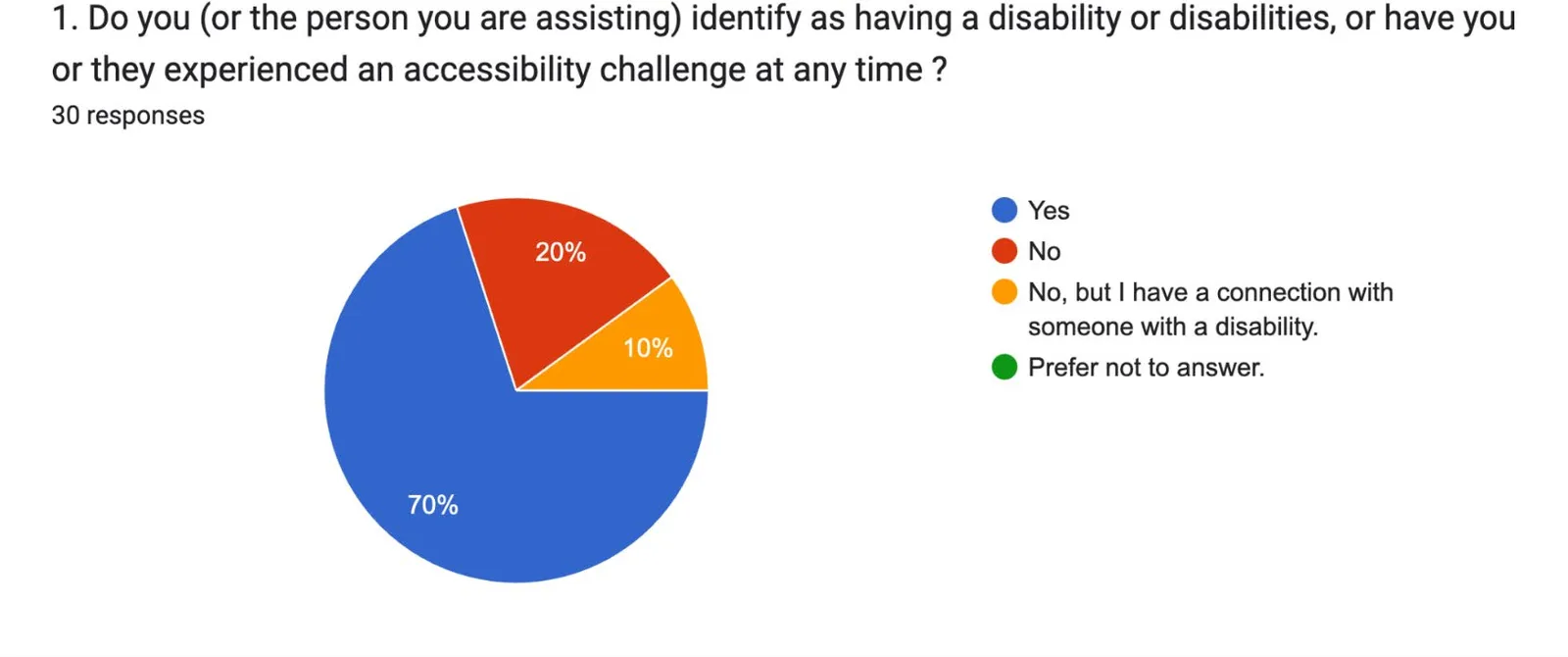
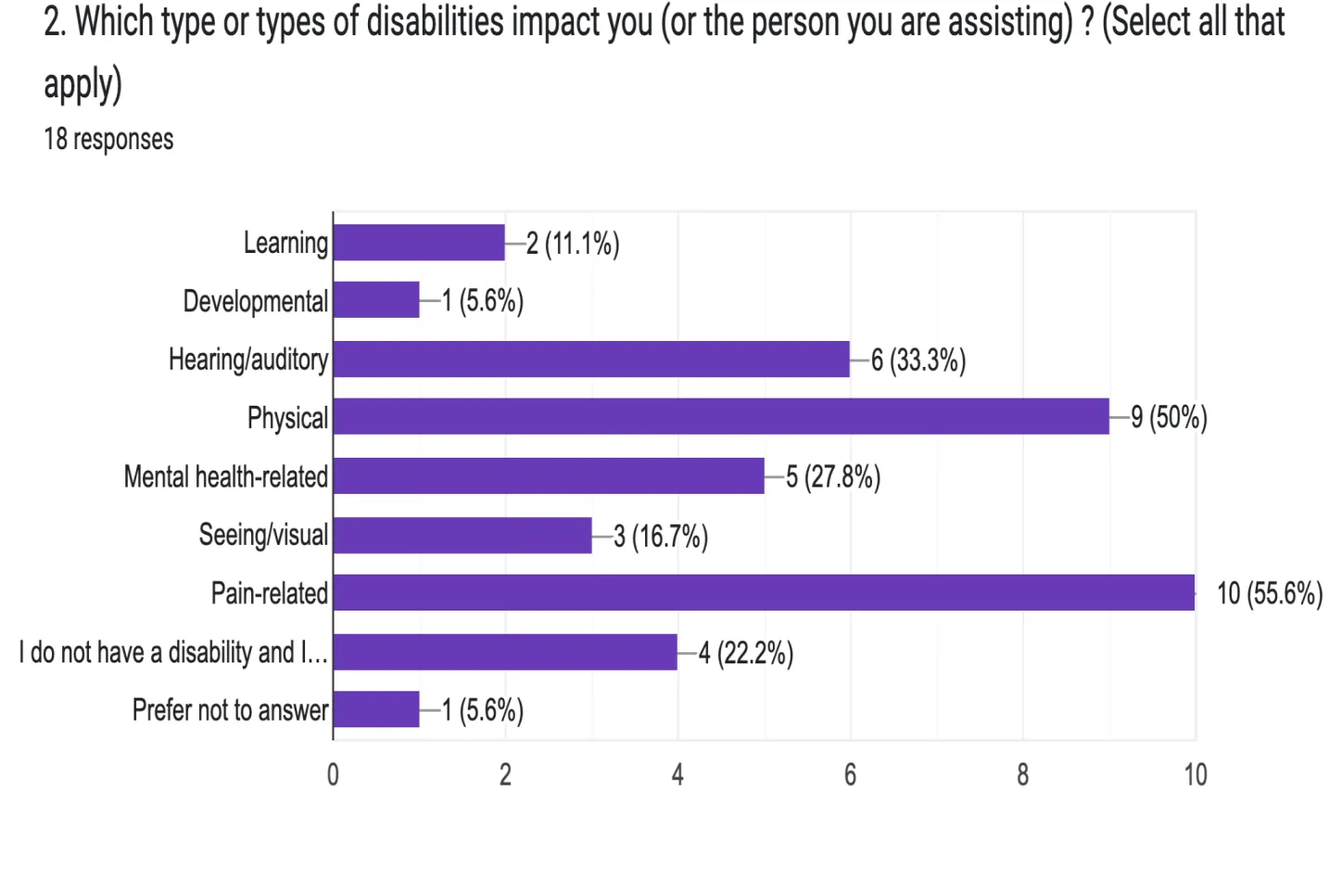
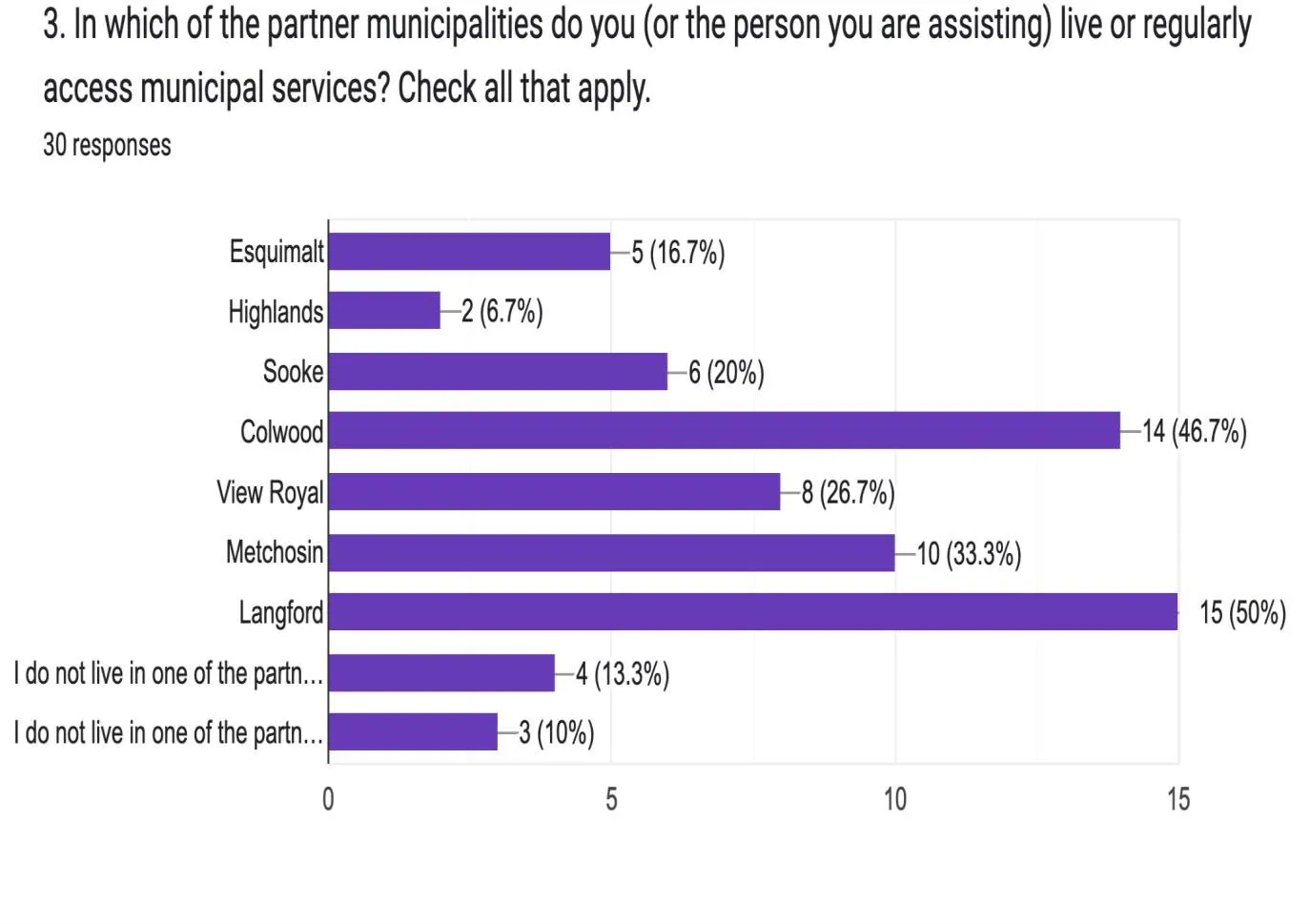
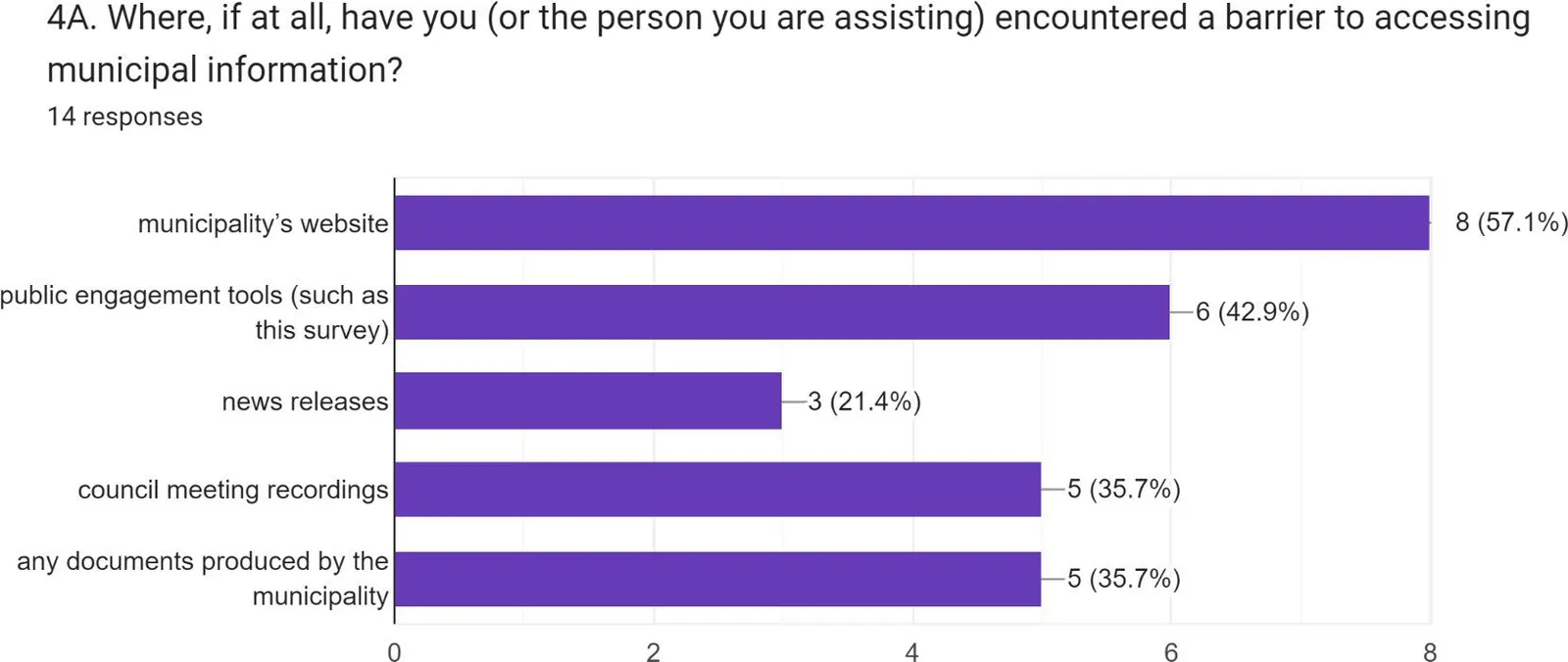
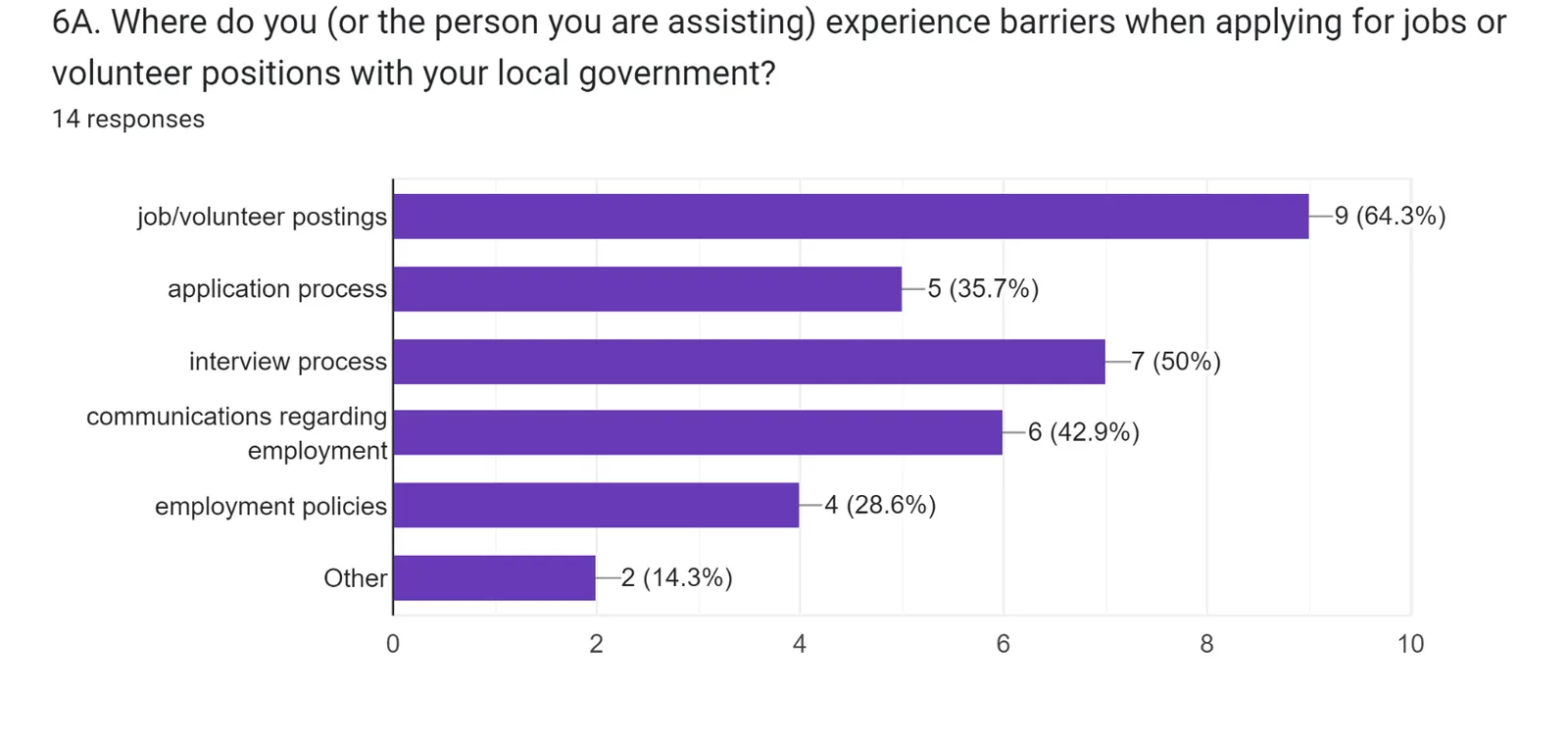
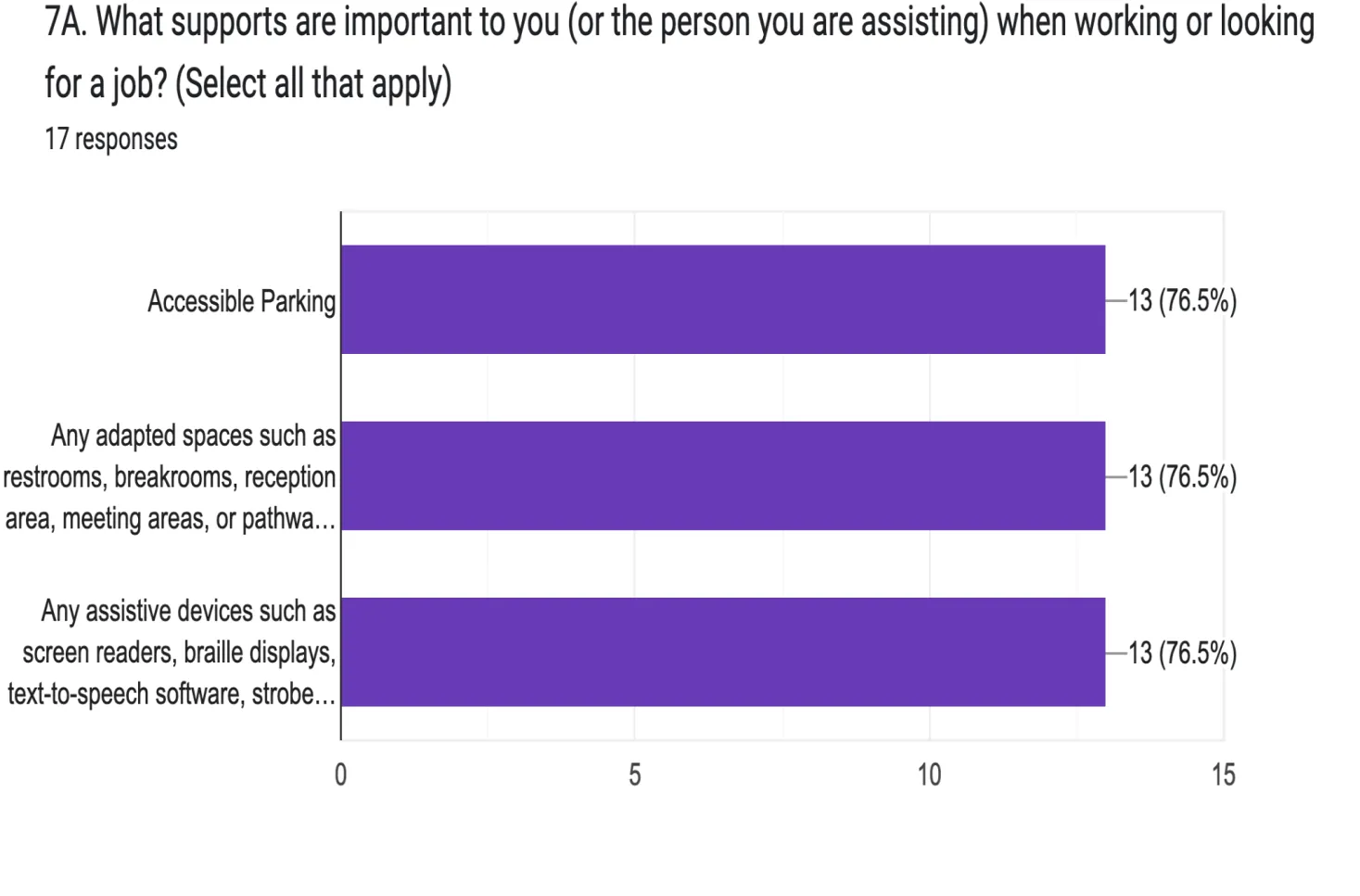
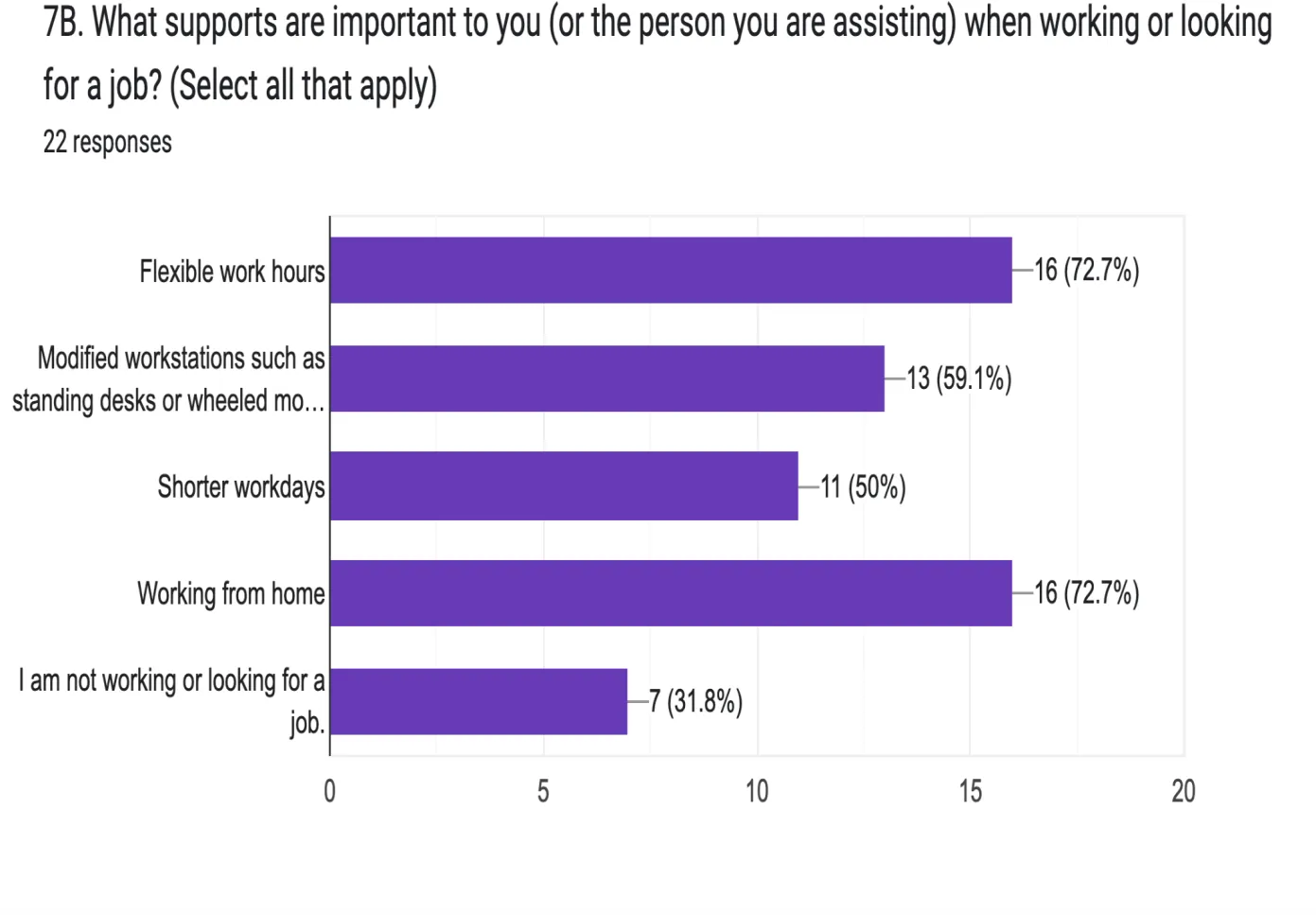
Document Images
(14)
extracted visual asset on page 118

extracted visual asset on page 118

extracted visual asset on page 118

extracted visual asset on page 118

extracted visual asset on page 118

extracted visual asset on page 156

extracted visual asset on page 156

extracted visual asset on page 156

extracted visual asset on page 156

extracted visual asset on page 160

extracted visual asset on page 160

extracted visual asset on page 160

extracted visual asset on page 160

extracted visual asset on page 222